Loading
by BlastRoom
Trace the cell-to-organ-system chain and work out how the body's six systems interact.
#body_systems#us_grade_6_science
40 questions
One question set, multiple game modes. Tap any game to see it in action. Not sure which to pick?
Answer to place stones and capture territory.
Outrun the snow together.
Earn blasts, then hunt the other team.
Answer to earn energy, then climb.

The class blasts through walls together.
Bid on mystery lots. Most money wins.
Sell tours. Nice, standard, or a total scam.

Answer, restock, and serve the rush.
More correct answers pulls the rope your way.
Answer, then shoot down the alien wave.
Answer, then tap to leap the frozen ridge.
A student lists the levels of organization in the human body from smallest to largest. Which list is in the correct order?
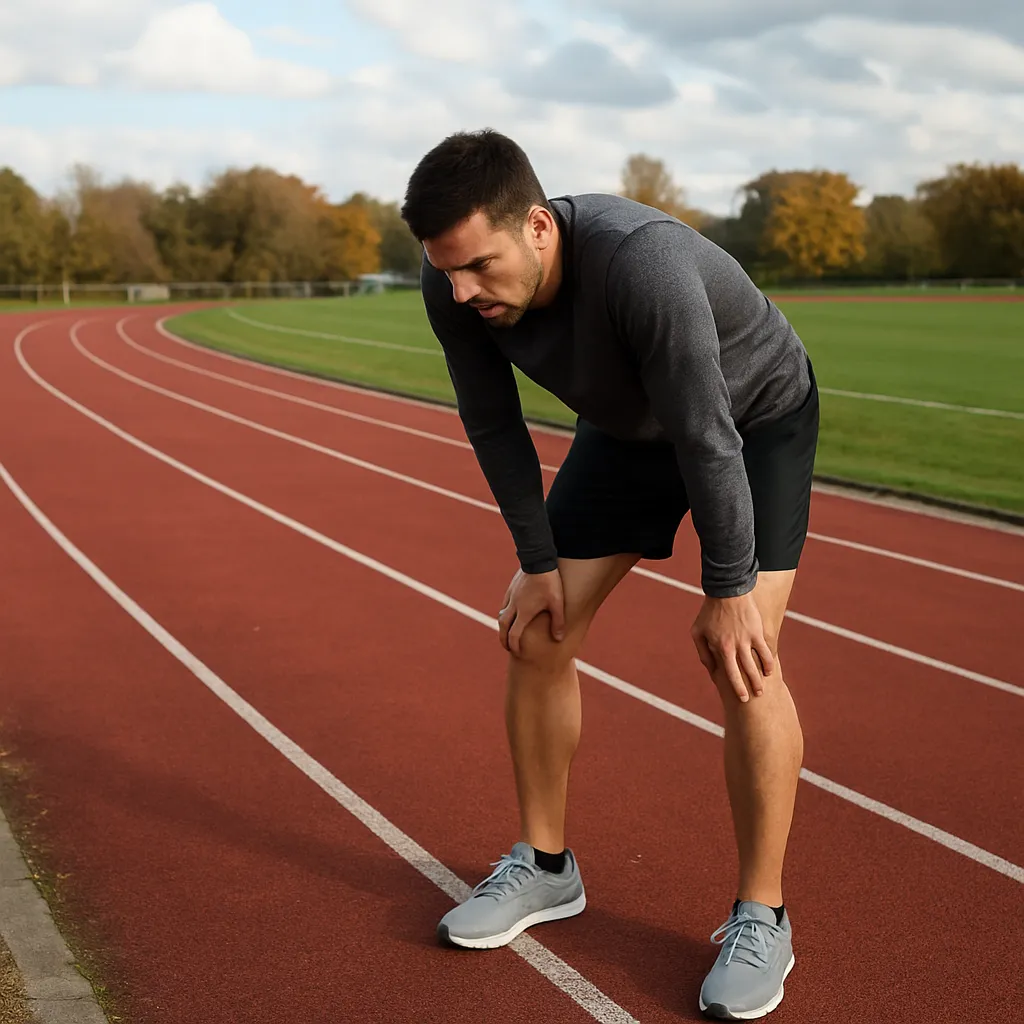
While running, a student breathes faster and her heart beats faster so her leg muscles get more oxygen. Which pair of systems is interacting to move that oxygen?
A group of similar cells that work together to carry out one job is called what?
The heart is built from muscle tissue and works with blood vessels to move blood around the body. At which level of organization is the heart itself?
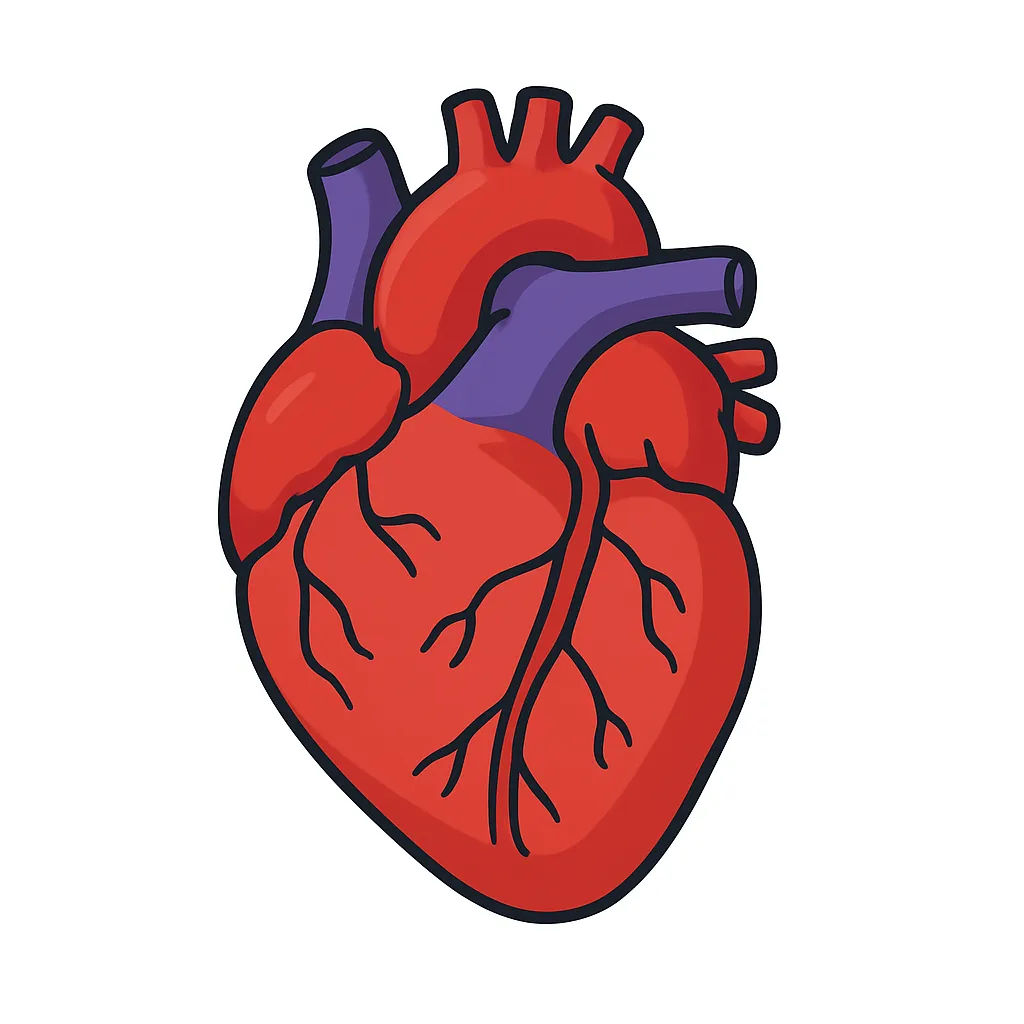
After a meal, nutrients pass from the small intestine into the blood and travel to cells all over the body. Which two systems interact to deliver those nutrients?
The stomach breaks food into smaller pieces the body can take in. To which organ system does the stomach belong?
The kidneys filter wastes out of the blood so they can leave the body. To which organ system do the kidneys belong?
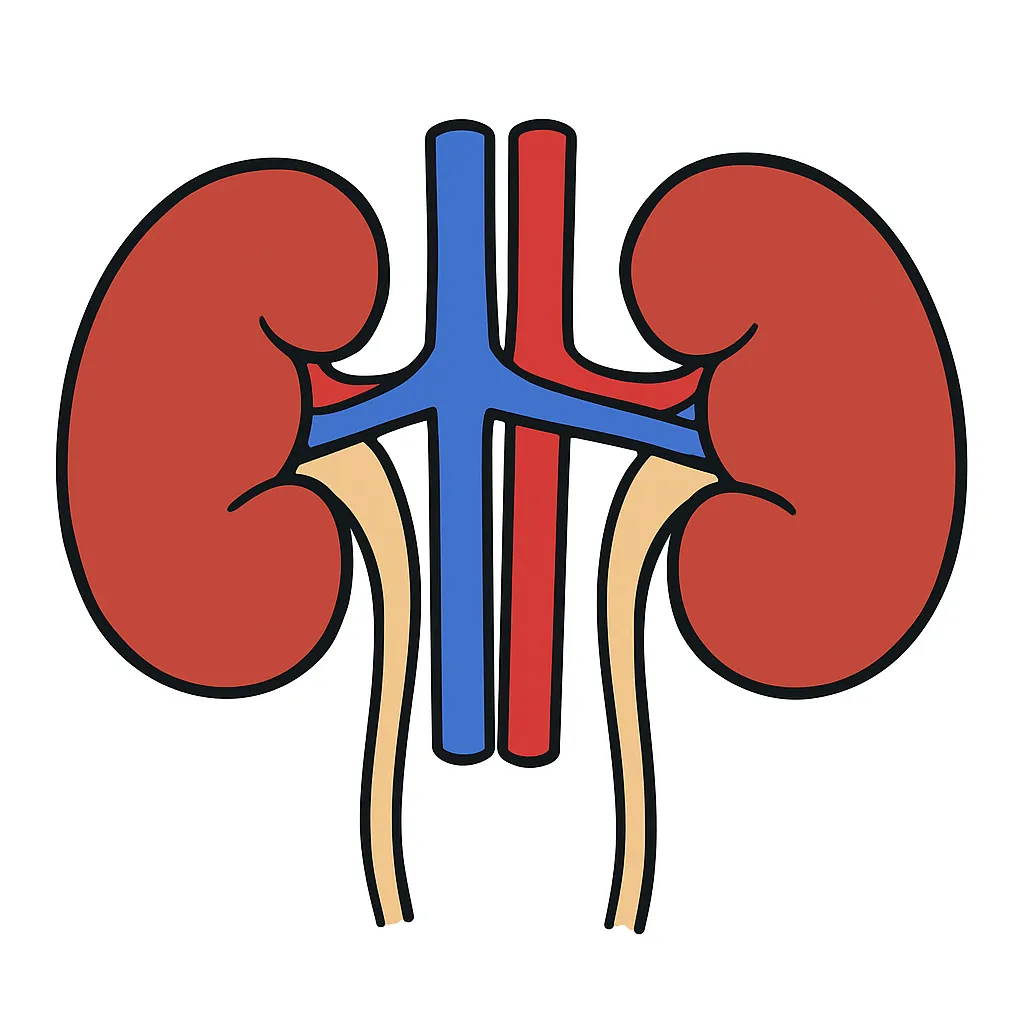
Blood picks up wastes from cells and carries them to the kidneys, which take the wastes out. Which two systems are interacting in this description?
Cells release carbon dioxide as a waste, and the blood carries it to the lungs so it can leave the body when a person breathes out. Which system removes it from the blood?
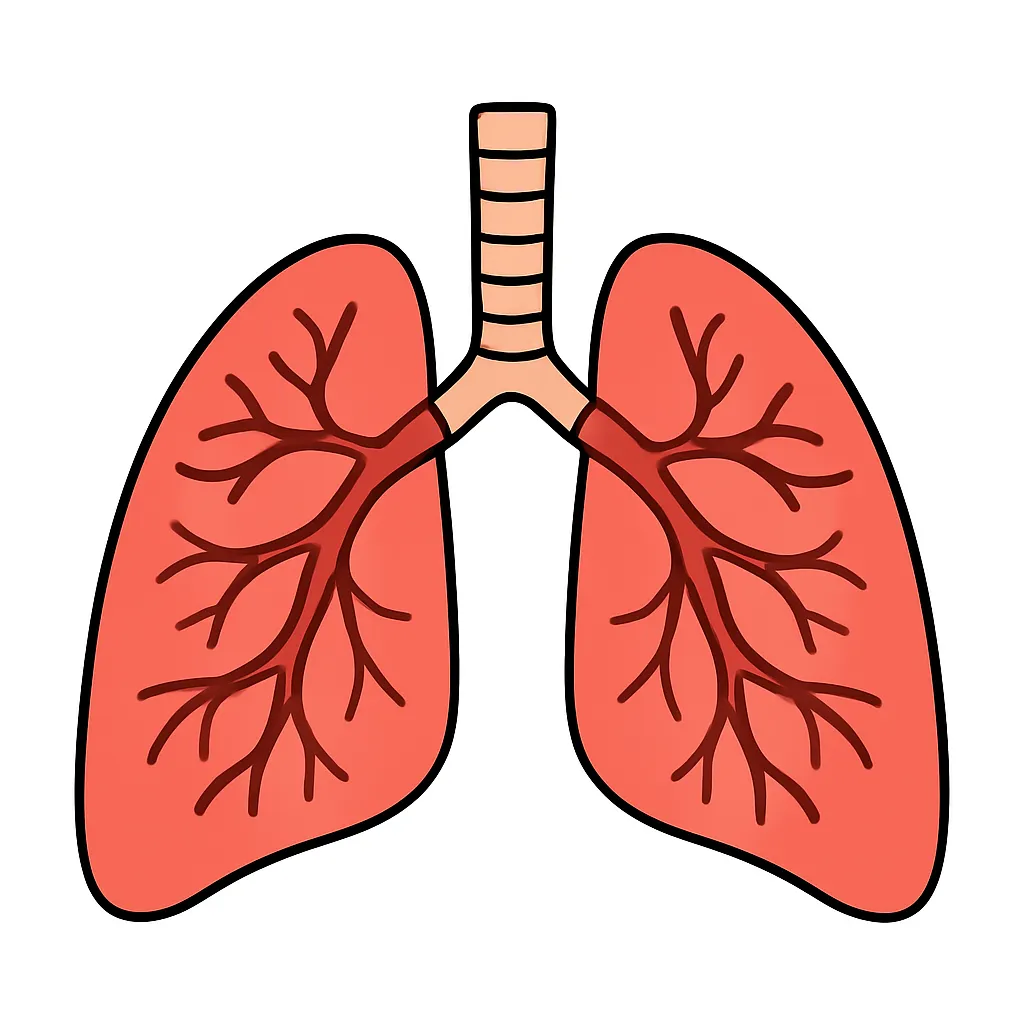
A student hears a bell in the hallway and stands up. Sensory receptors take in the stimulus. Which system carries the message that tells the leg muscles to contract?
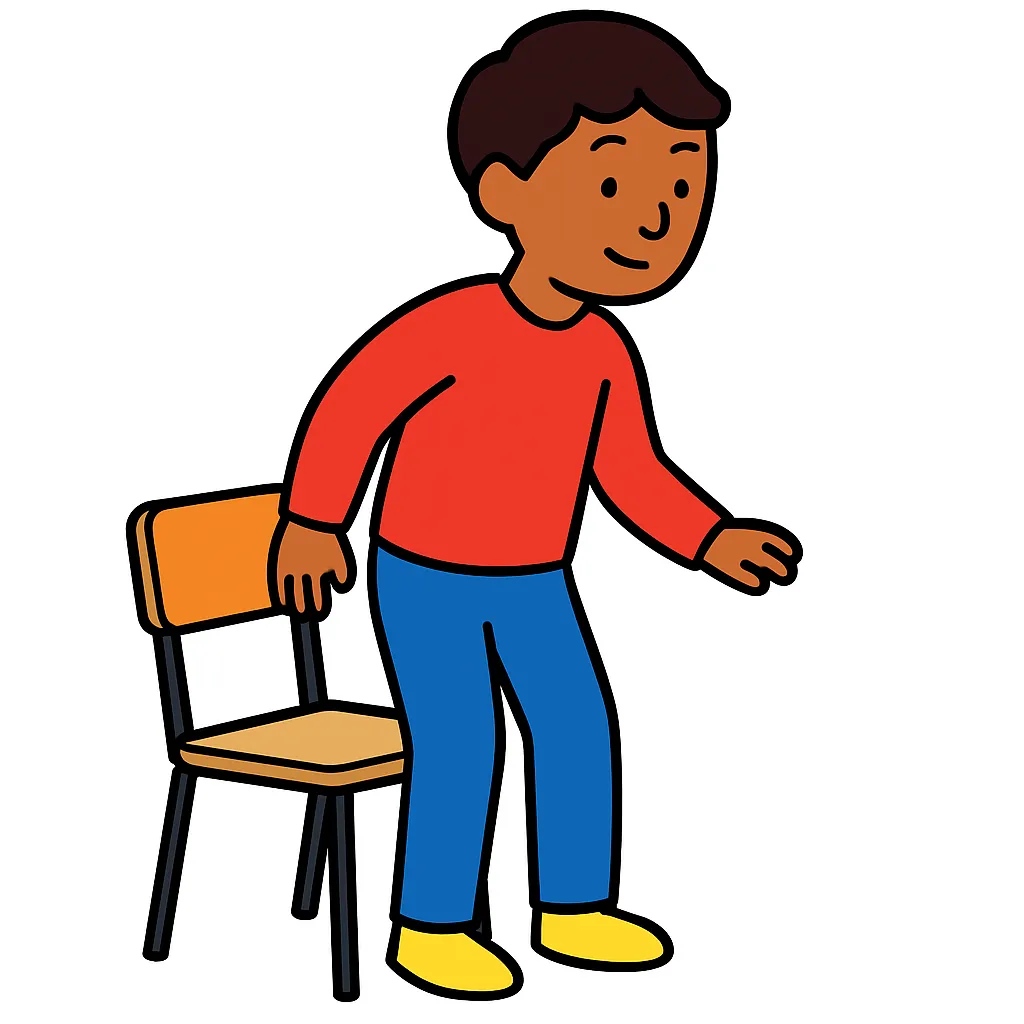
A student sees a ball coming and catches it. Which order describes the path from stimulus to response?

Skeletal muscles, such as the ones that move the arms and legs, contract only after they receive a signal from the nervous system.
The digestive system delivers nutrients straight to every cell in the body without any help from the circulatory system.
An organ system is made of organs, and each organ is made of tissues.
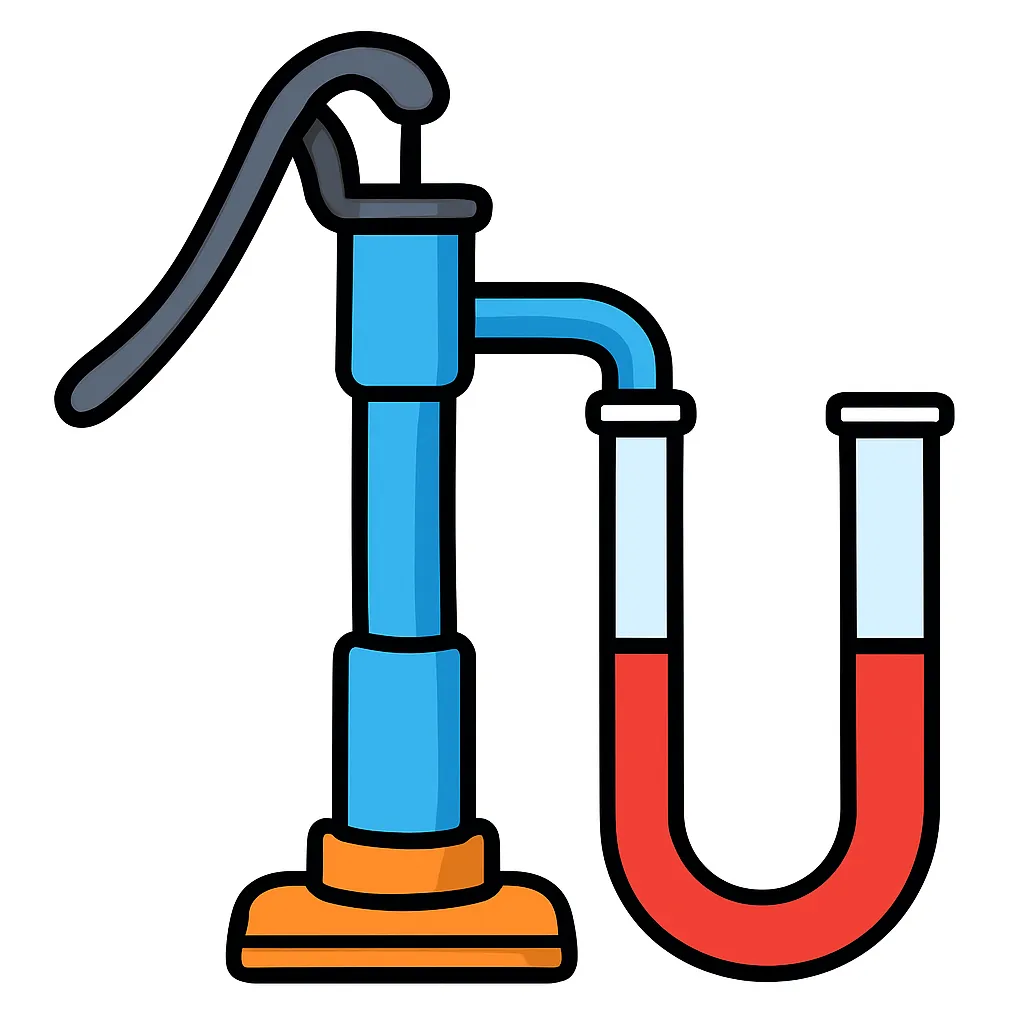
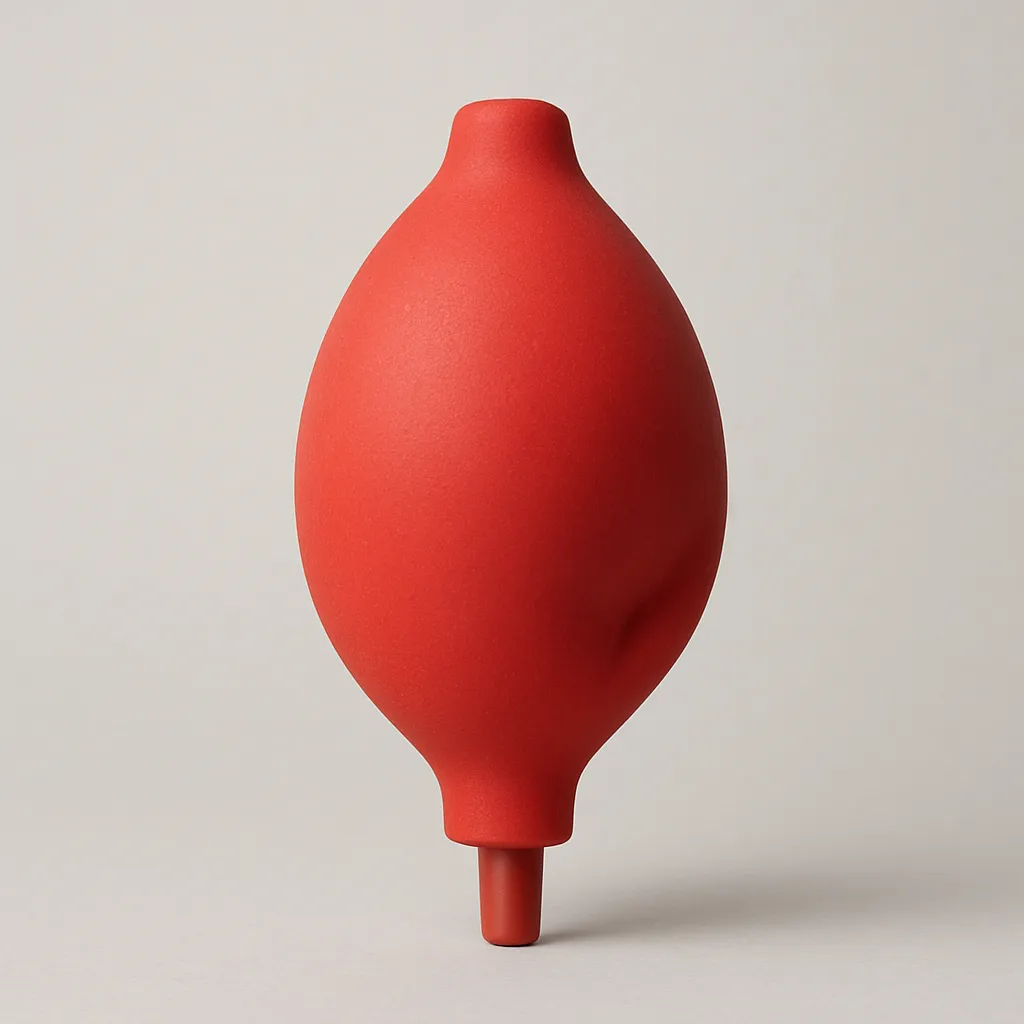
A student builds a model of part of the body using a hand pump, clear tubes, and red liquid to show how materials are moved around. Which organ system does this model represent?
A model shows the digestive system as one closed tube with no link to anything else in the body. What important idea does this model leave out?
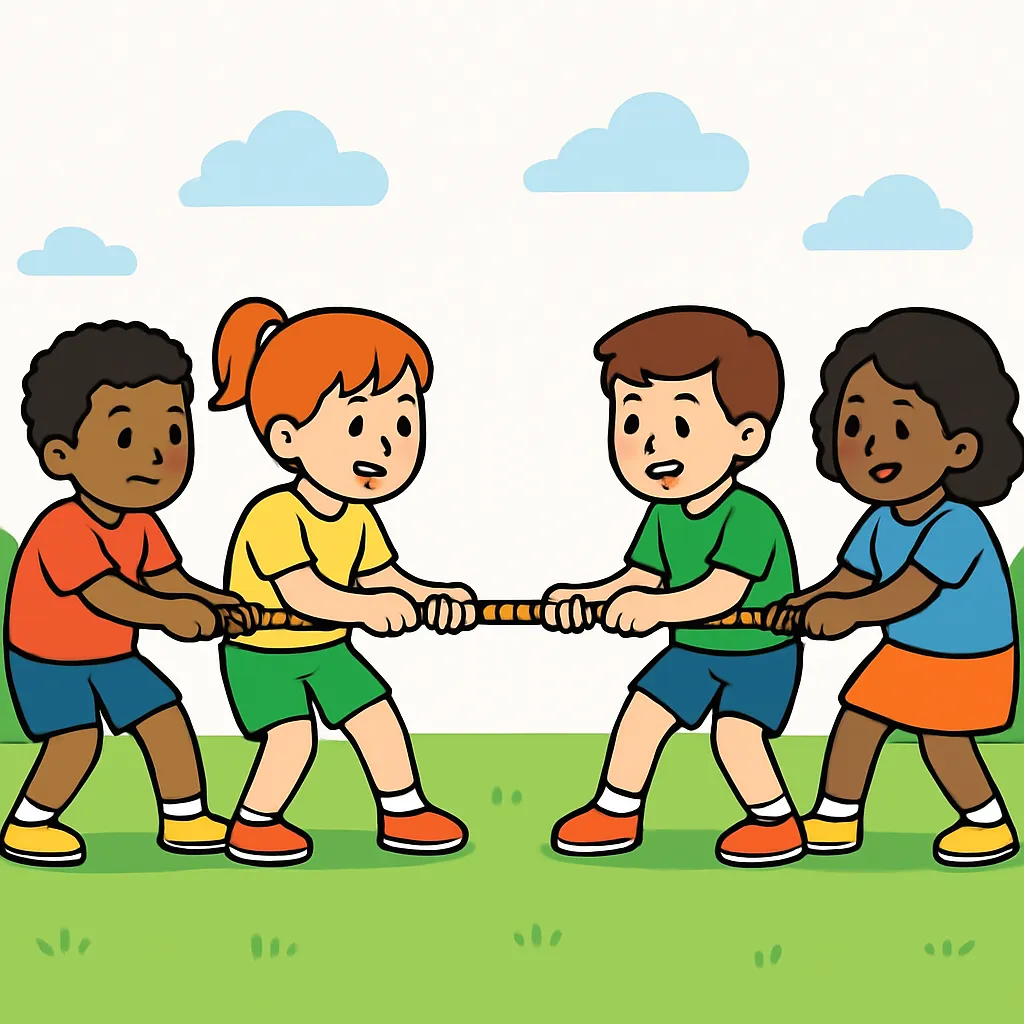
A student pulls hard on a rope during a game of tug-of-war. Fibers inside her arms contract to produce the pulling force. Which organ system is doing this work?
A student claims the respiratory and circulatory systems interact. Which evidence best supports that claim?
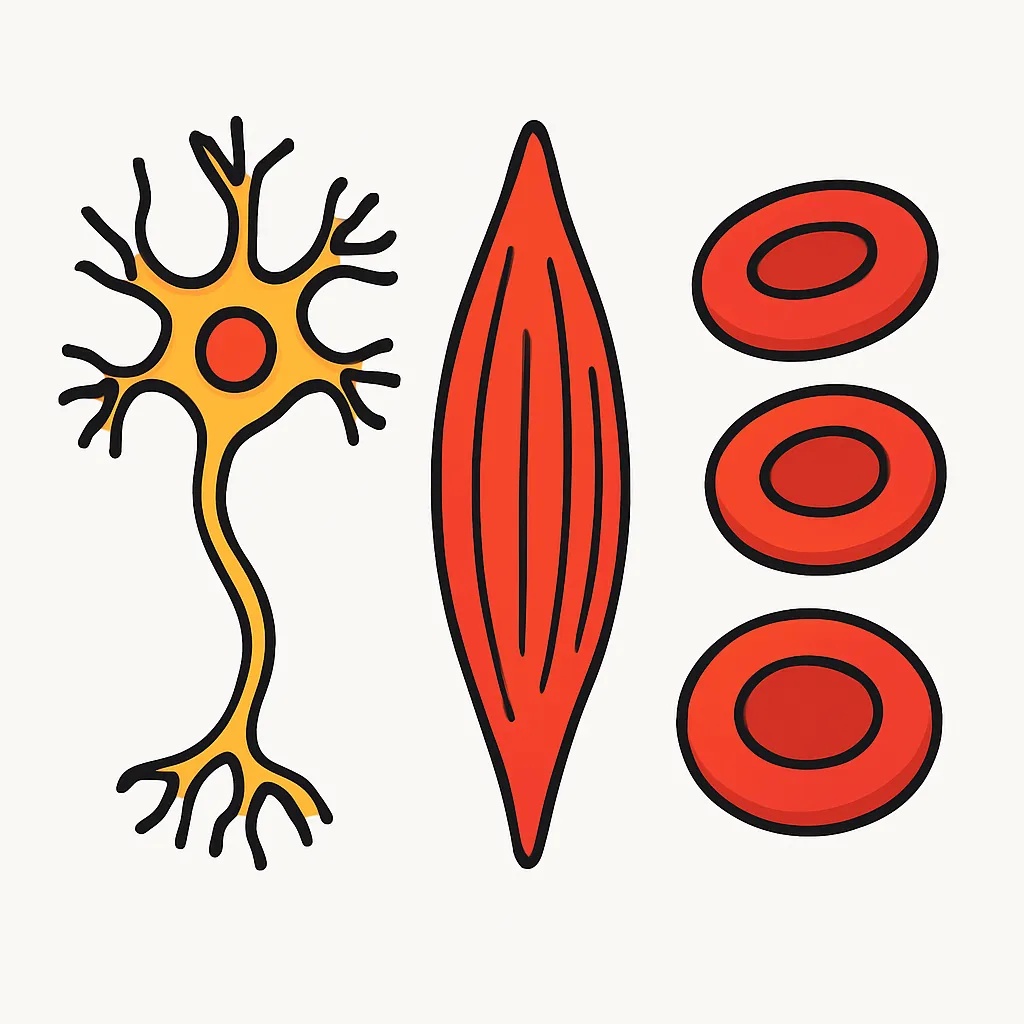
Nerve cells, muscle cells, and blood cells all have different shapes and structures. What does this difference make possible in a body made of many cells?
The excretory system needs water to carry wastes out of the body. Which system takes in the water a person drinks and passes it into the blood?
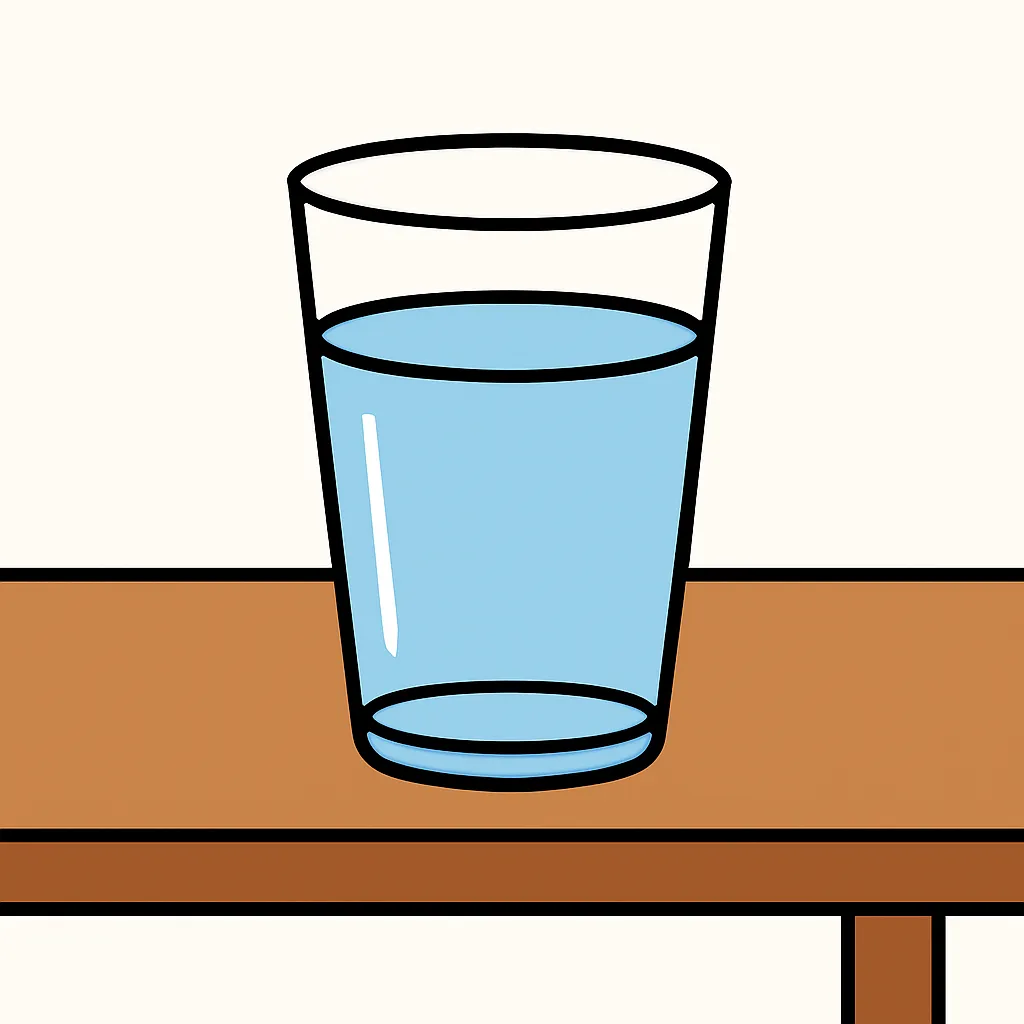
In the body's levels of organization, which level sits directly above organ?
Scientists describe the human body as a system of interacting subsystems. What are those subsystems built from at the smallest level?
Air travels down the windpipe and into the lungs, where gases pass between the air and the blood. Which gas moves into the blood, and which moves out?

For air to enter the lungs, the ribs must lift and the diaphragm must flatten. Which organ system produces those movements?

A student holds her breath as long as she can, and then her body takes a breath without her deciding to. Which system sent the signal to the breathing muscles?

The heart is built from muscle tissue that contracts steadily to push blood through vessels. Which two systems does that description show working together?
During a long walk, blood brings oxygen and nutrients to the cells of the calf muscles so they can keep contracting. Which two systems interact in that supply?

If blood stopped flowing to the kidneys, which organ system would no longer be able to do its job?
A student argues that a body cannot work as separate parts. If the respiratory system stopped taking in air, why would the leg muscles soon stop working?
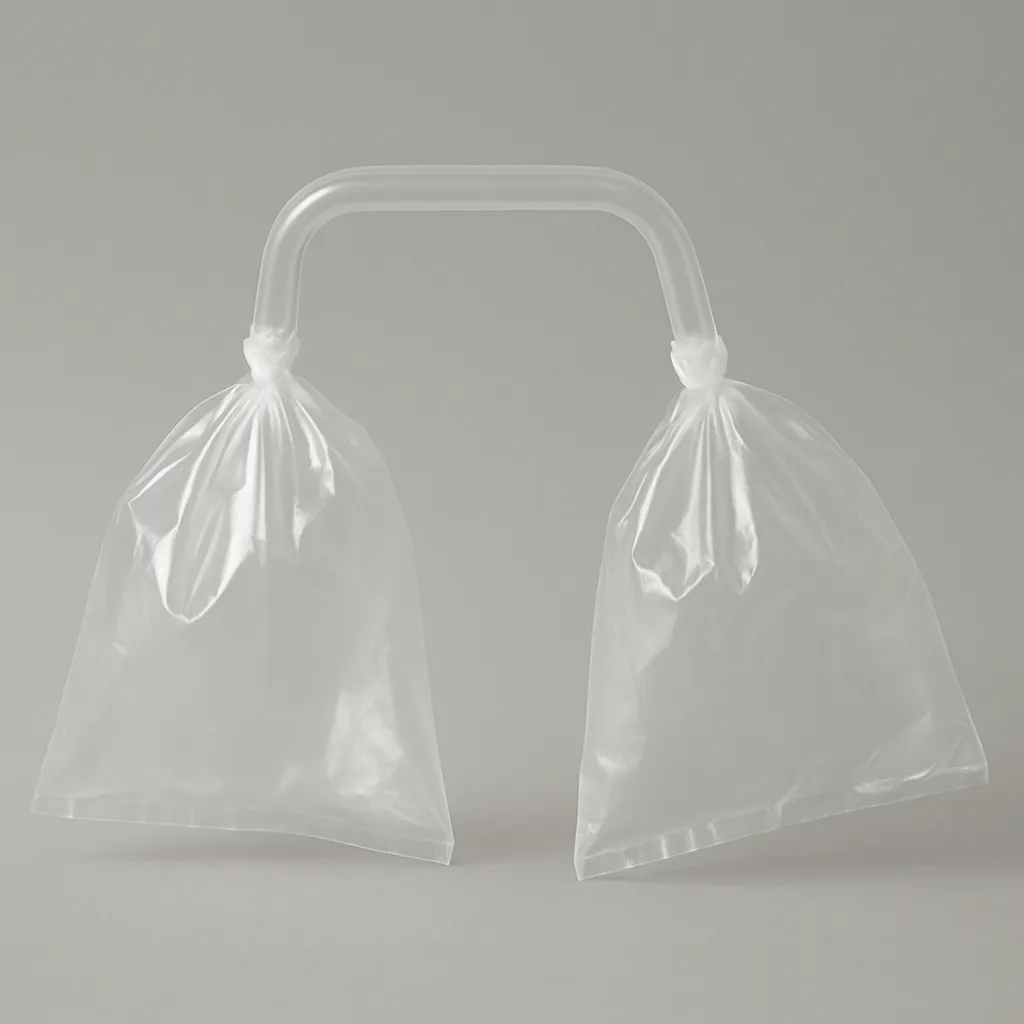
A model of the respiratory system shows the lungs as two empty bags with no blood vessels around them. What important idea does this model leave out?
A student claims the nervous and muscular systems interact. Which observation best supports that claim?
Swallowing a bite of bread pushes it down toward the stomach as muscles squeeze in order along the food tube. Which system sends the signals that set that order?
A glass of water is drunk, taken in through the gut wall, carried in the blood, and used by the kidneys to carry wastes out. Which order of systems does the water follow?

Carbon dioxide made by a working muscle cell leaves the body when a person breathes out. Which order of systems moves it out?
Muscle tissue on its own cannot pump blood around the body. What must muscle tissue be combined with to build the heart?
A drawing shows each body system in its own separate box, with no arrows between the boxes. What does the drawing get wrong about the body?

After a sprint, a student's breathing rate and heart rate both rise together rather than one at a time. Why do both rise?

Nerve cells are long and thin, with branches at each end that reach other cells. How does this shape help a nerve cell do its job?
Blood cells are made inside bones, so the skeletal system and the circulatory system interact.
The circulatory system carries materials between the digestive, respiratory, and excretory systems.
Crack the passcode before the zombies get in.
Answer, then swat bugs for bonus points.
Race through questions at your own speed.
Same question on every screen. Fastest wins.

Pick a tile, answer, hit bonuses and steals.
Asexual vs Sexual Reproduction and Variation
20 questions