Loading
by BlastRoom
How cell theory was built and how organisms are sorted by cell type and by how they get food.
#cells#us_grade_6_science
20 questions
One question set, multiple game modes. Tap any game to see it in action. Not sure which to pick?
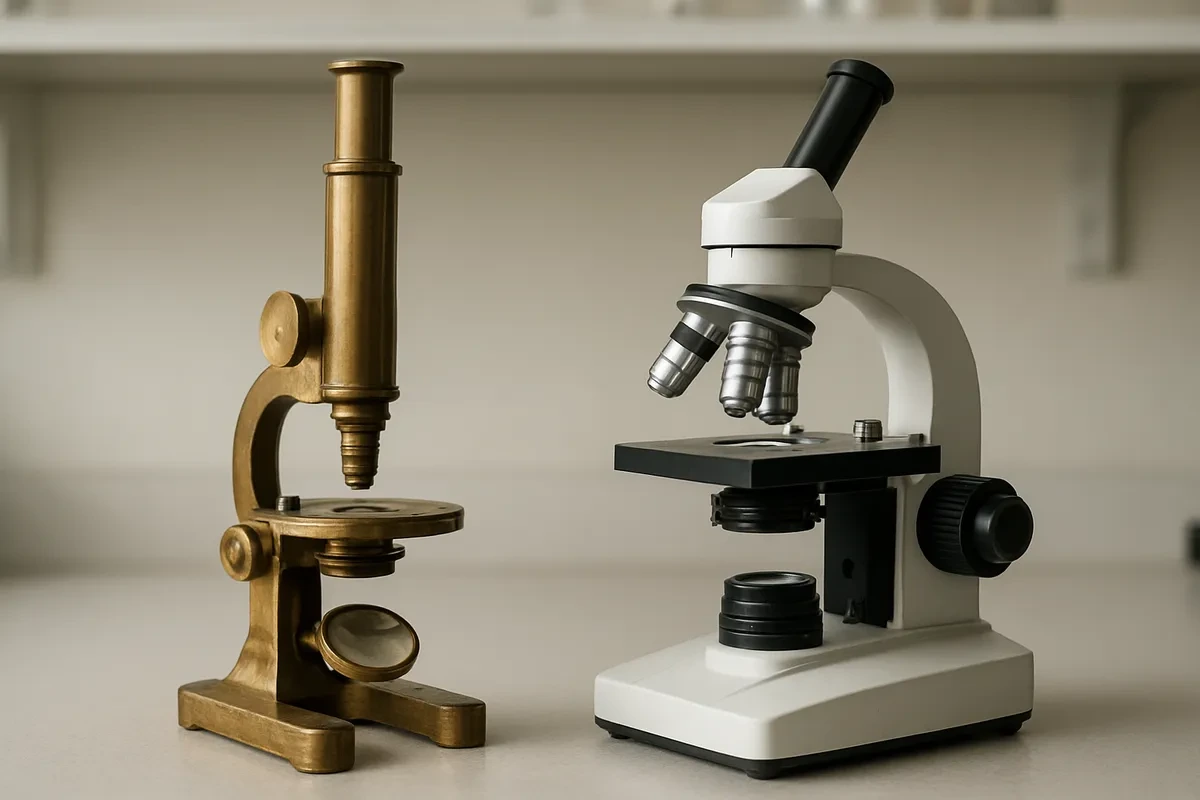
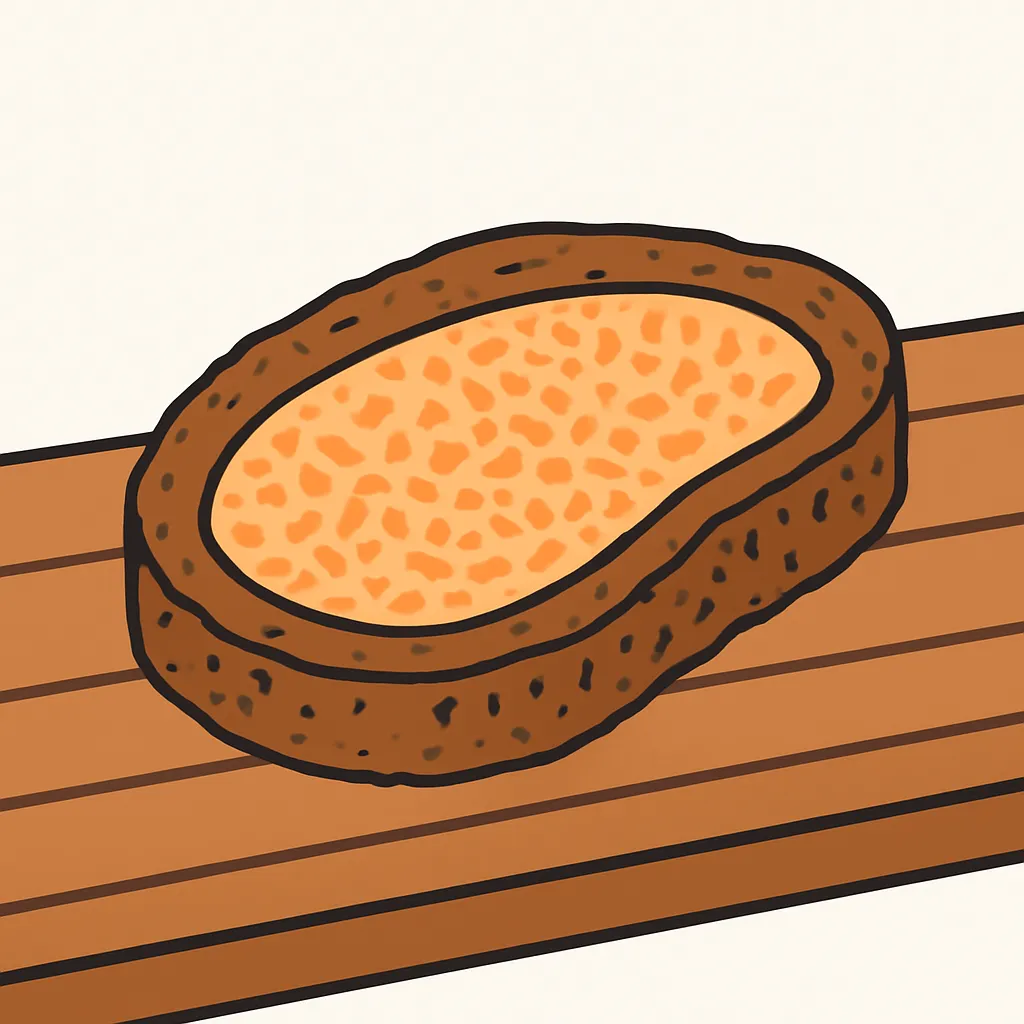
In 1665 Robert Hooke looked at a thin slice of cork through an early microscope and saw rows of tiny empty boxes. He named the boxes after the small rooms monks lived in. What name did he give them?
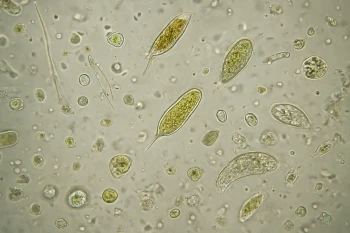
One scientist ground his own glass lenses in the 1670s and became the first person to describe tiny living organisms swimming in a drop of pond water. Who reported these unicellular living things?

In 1838 Matthias Schleiden concluded that every plant he examined was built of cells. A year later Theodor Schwann reached the same conclusion about animals. Which idea did their combined work support?
Rudolf Virchow studied damaged body tissue in 1855 and concluded that new cells are produced only by cells that already exist. Which older idea did his conclusion replace?
Cell theory has three parts. One part says all living things are made of cells, and another says every cell comes from a cell that already exists. What does the third part state?
Cells existed long before anyone described them, yet cell theory was not written down until the 1800s. What change in tools finally made the theory possible?
A scientist studies a very small organism and reports that its genetic information is not held inside a nucleus. What kind of cell does this organism have?
A student sees a nucleus in every cell of an onion sample and in every cell of a cheek sample. What does the presence of a nucleus tell the student about the two samples?
Every cell in one large group of organisms lacks a nucleus, so the whole group is prokaryotic. Which group of organisms is it?
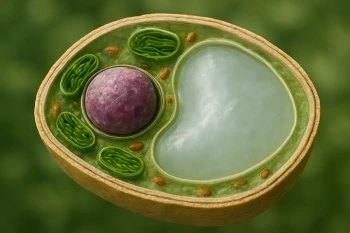
A student compares a bacterial cell with a plant cell. Which structure does the plant cell contain that the bacterial cell does not?
A plant cell keeps a fixed shape and stays protected because a rigid layer surrounds its cell membrane. Which structure is this rigid layer?
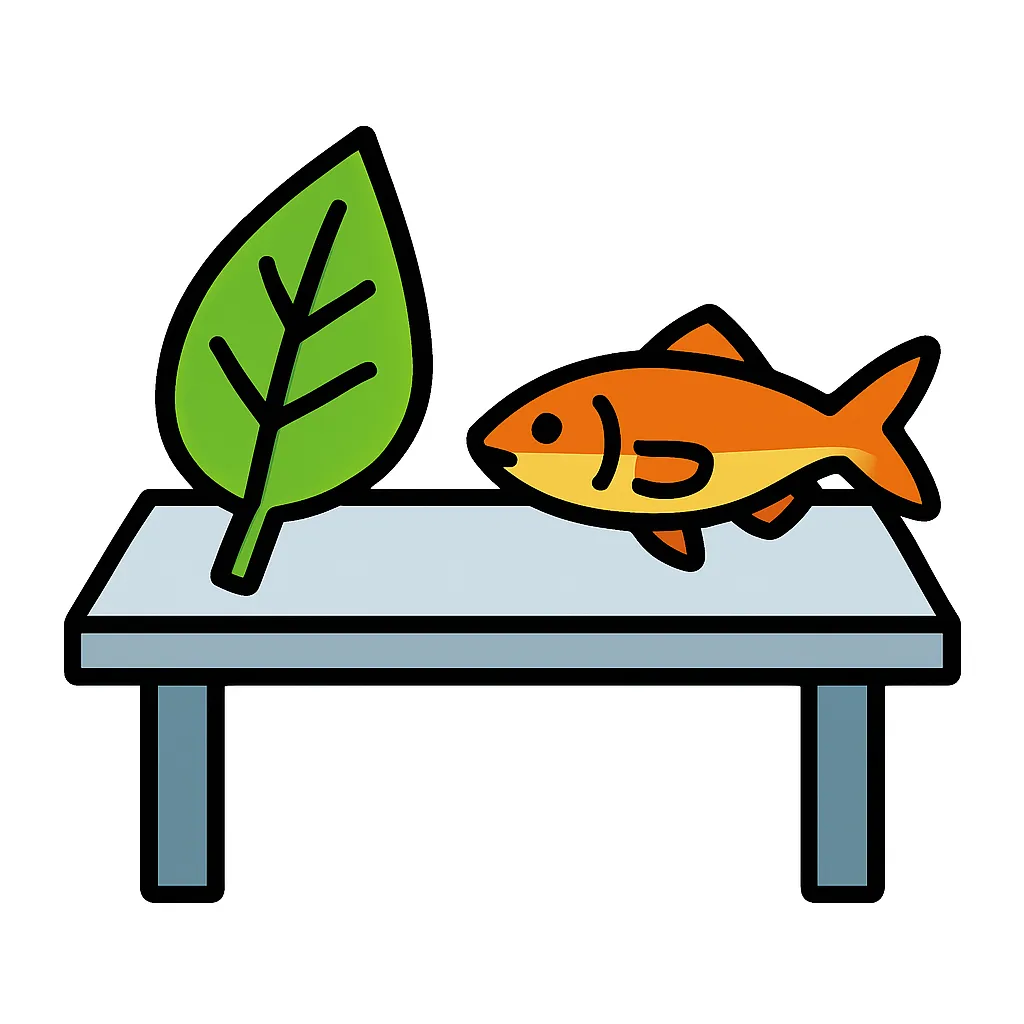
A maple tree uses light energy captured by its chloroplasts to make its own food. What term names an organism that makes its own food?
A grasshopper eats leaves and a fox eats smaller animals. Neither one can make its own food. What term names both organisms?
A pond plant makes its own food using light energy from the Sun. Which cell structure captures that light energy?
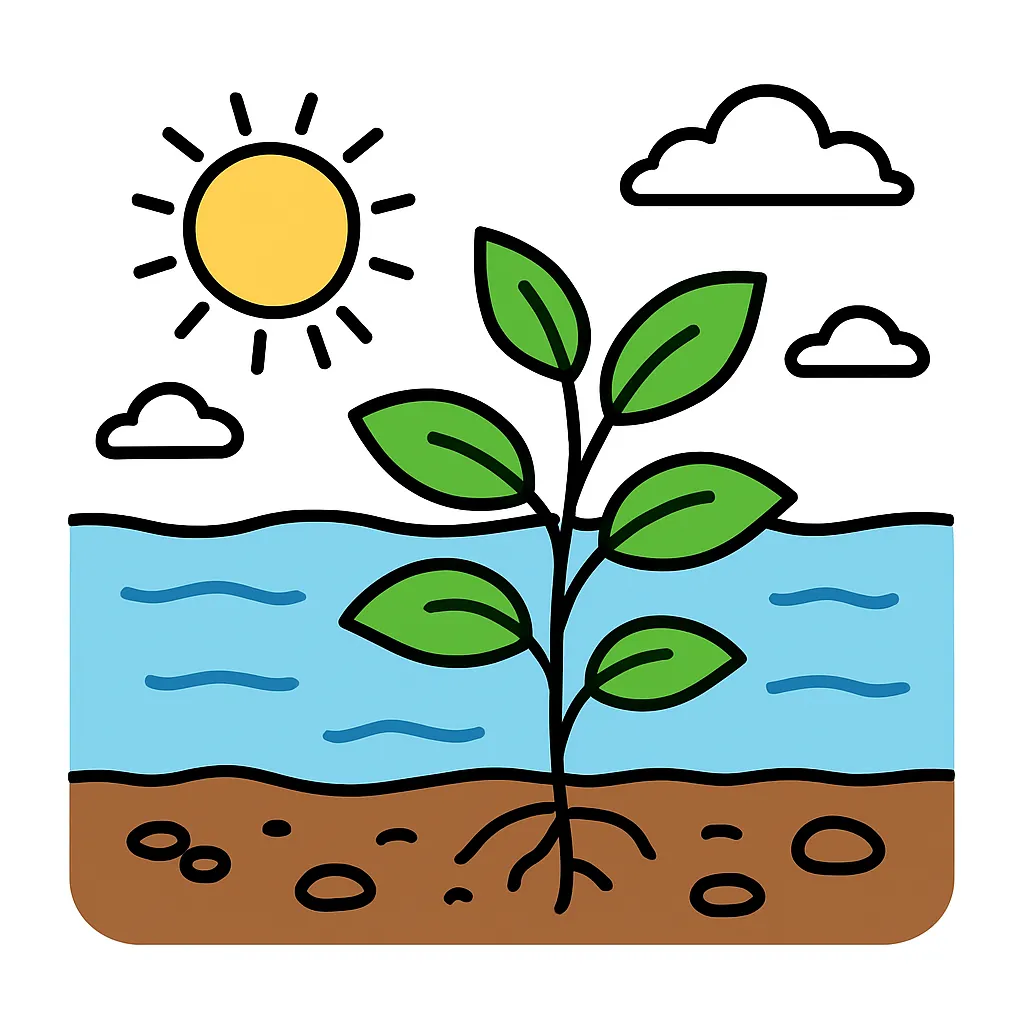
A student claims a plant cell needs no mitochondria because its chloroplasts already handle energy. Why is the claim wrong?
A mushroom makes its own food using light energy, so it is an autotroph.
An organism carries out all of its life processes inside one single cell. What term describes this organism?
Yeast is made of one cell, and that cell contains a nucleus. What does yeast show about unicellular organisms?

A student examines beach sand and green moss under a microscope. Only the moss is built of cells. What does cell theory say about the two samples?

A single-celled organism takes in food from the pond water around it and lets waste pass back out. Which structure controls what enters and leaves the cell?
Crack the passcode before the zombies get in.

Pick a tile, answer, hit bonuses and steals.
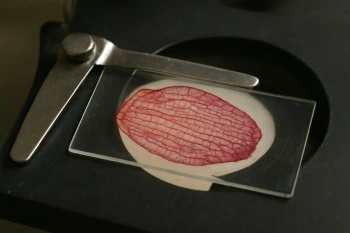
Cell Part Names and Functions
40 questions