Loading
by BlastRoom
Evidence that living things are made of cells, and how unicellular and multicellular life differ from nonliving matter.
#cells#us_grade_6_science
20 questions
One question set, multiple game modes. Tap any game to see it in action. Not sure which to pick?
Answer to place stones and capture territory.
Outrun the snow together.
Earn blasts, then hunt the other team.
Answer to earn energy, then climb.

The class blasts through walls together.
Bid on mystery lots. Most money wins.
Sell tours. Nice, standard, or a total scam.

Answer, restock, and serve the rush.
More correct answers pulls the rope your way.
Answer, then shoot down the alien wave.
Answer, then tap to leap the frozen ridge.
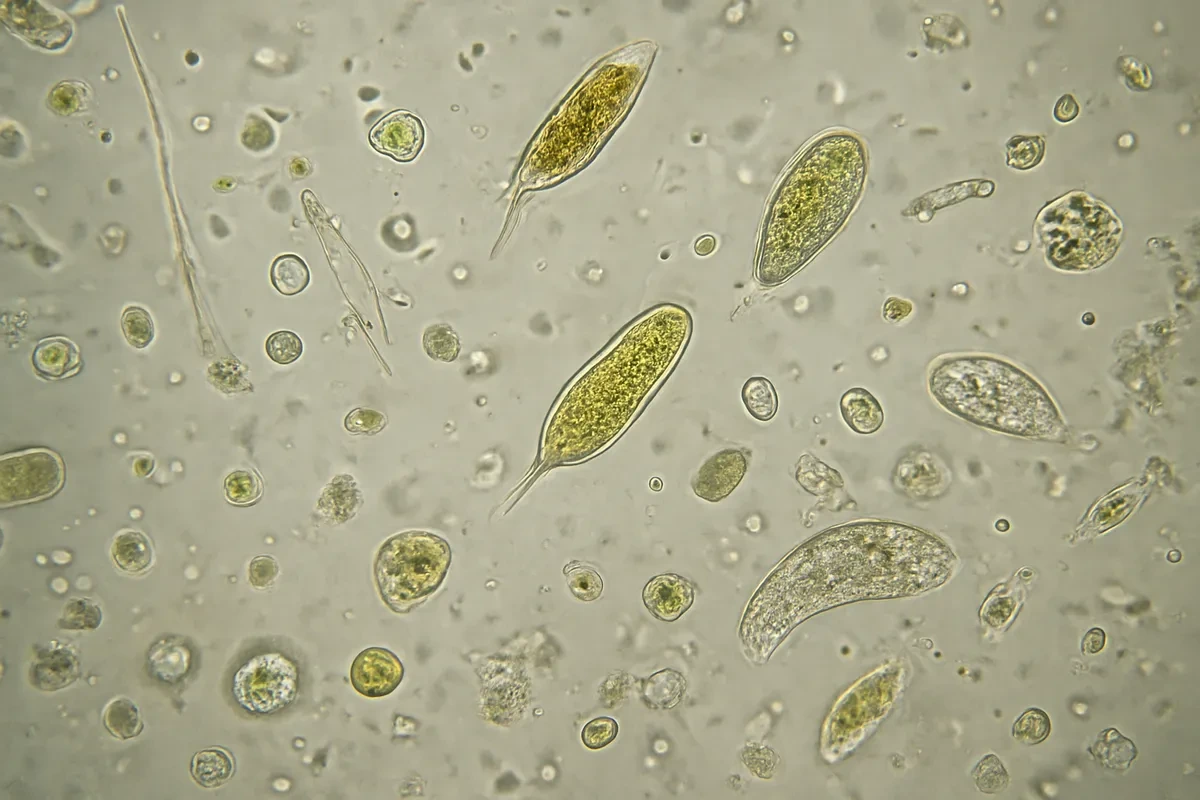
A student views a drop of pond water at high magnification and sees many tiny separate units, each surrounded by a thin outer layer. Which claim does this observation best support?
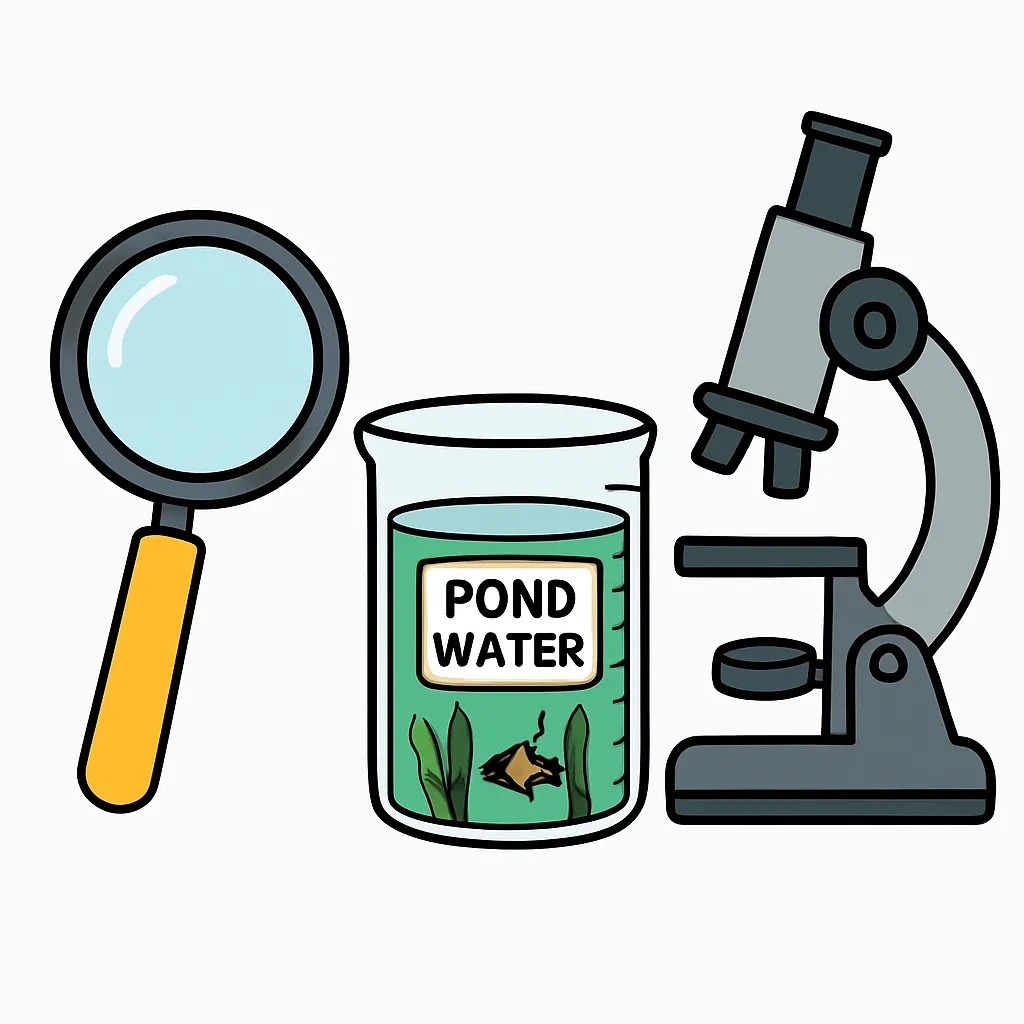
Under a microscope, a paramecium in pond water moves, takes in food and reproduces. All of it lies inside one thin outer layer, with nothing dividing it into smaller units. How is this organism best described?
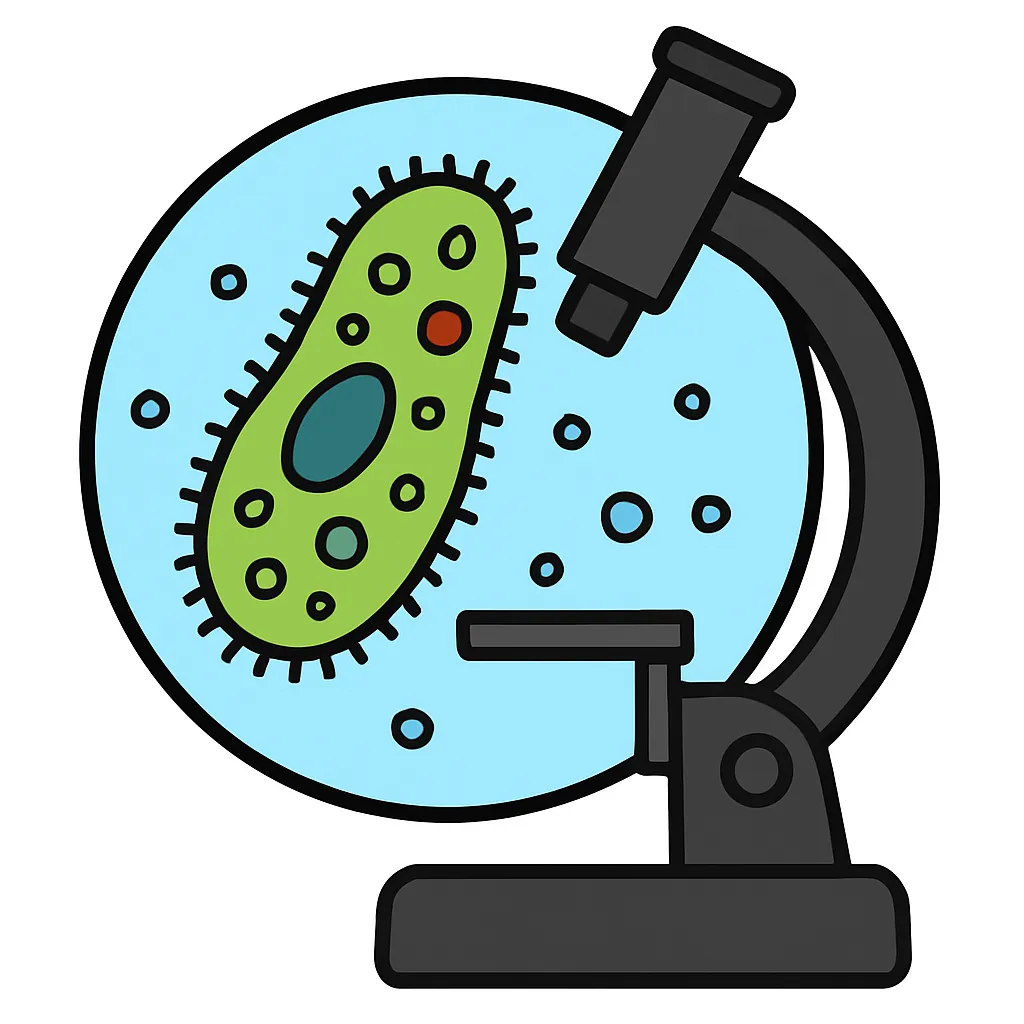
A single-celled organism carries out all of the life functions it needs, such as taking in food and reproducing, inside that one cell.
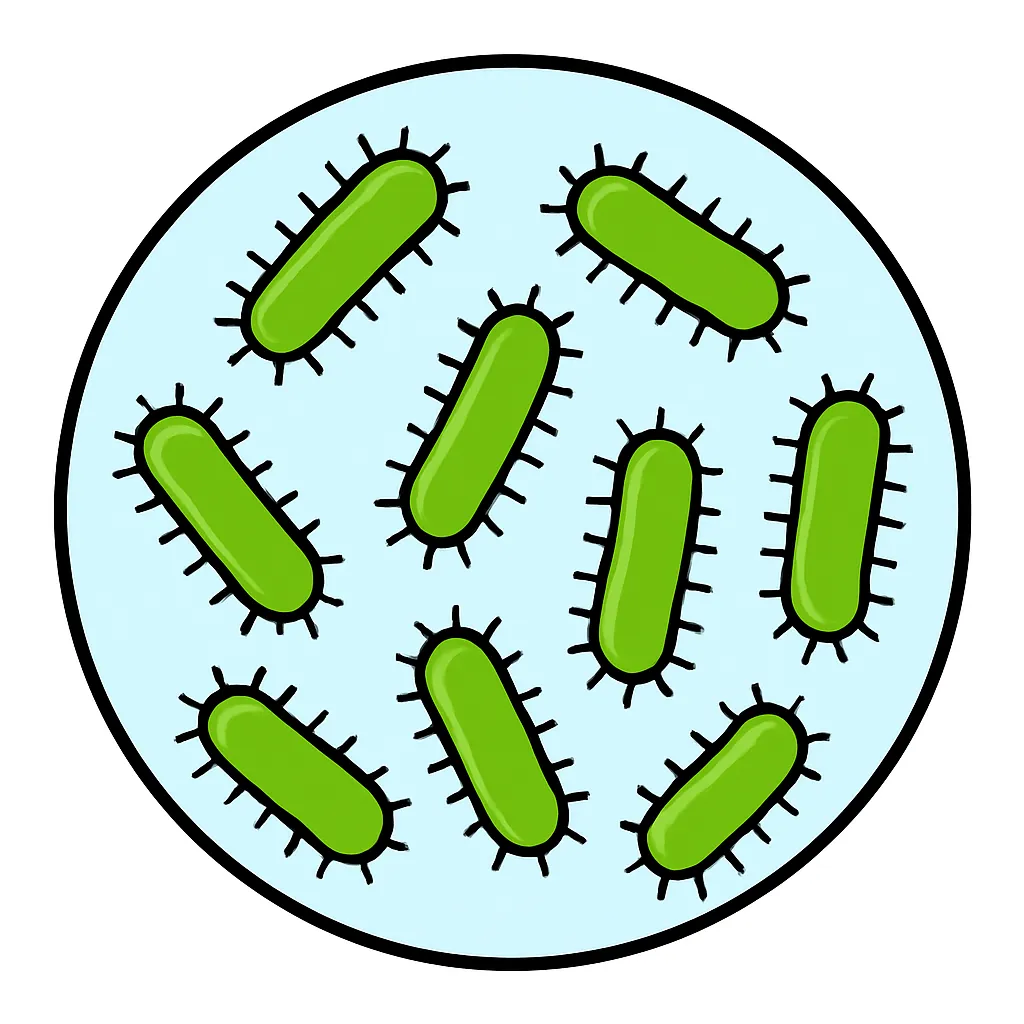
A bacterium is a single cell with no nucleus, and it carries out all of its life functions inside that one cell. How are bacteria best classified?
A cell is the smallest unit of a living thing that can carry out the functions of life.
A wooden desk in a classroom was made from the wood of a tree. Scientists still classify the desk as nonliving. What is the best reason?

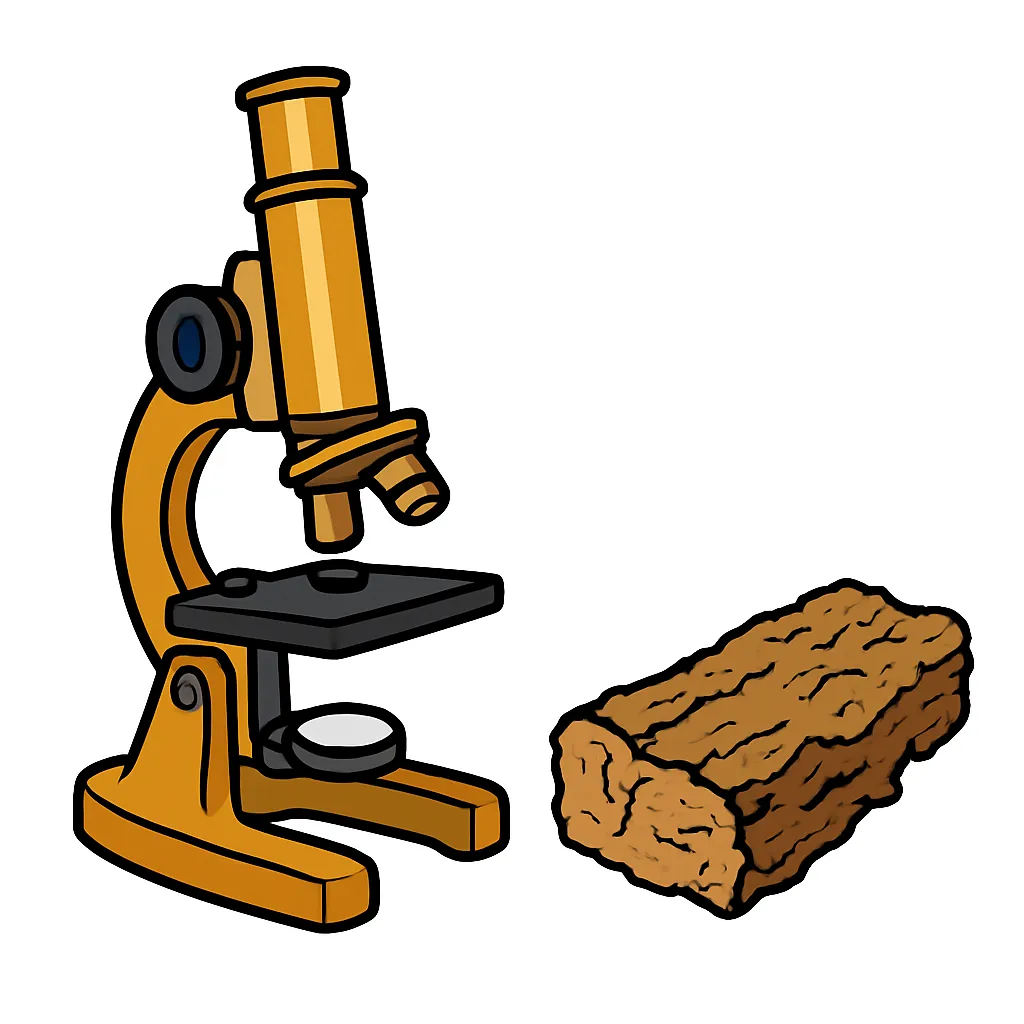
Robert Hooke examined thin slices of cork with an early microscope and saw many tiny box-shaped compartments packed together. Which idea did this observation help support?
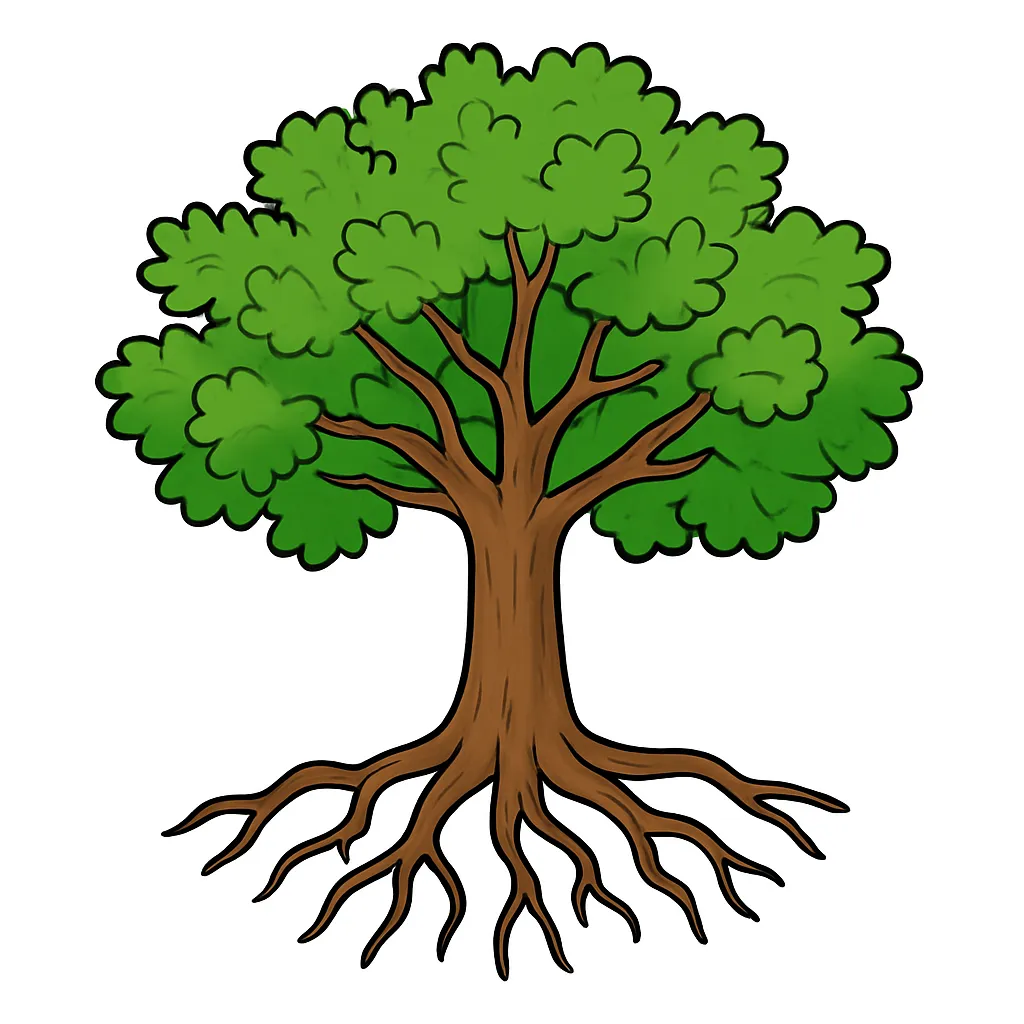
An oak tree is multicellular, and its cells are organized into tissues and organs such as leaves and roots. What does this organization make possible?
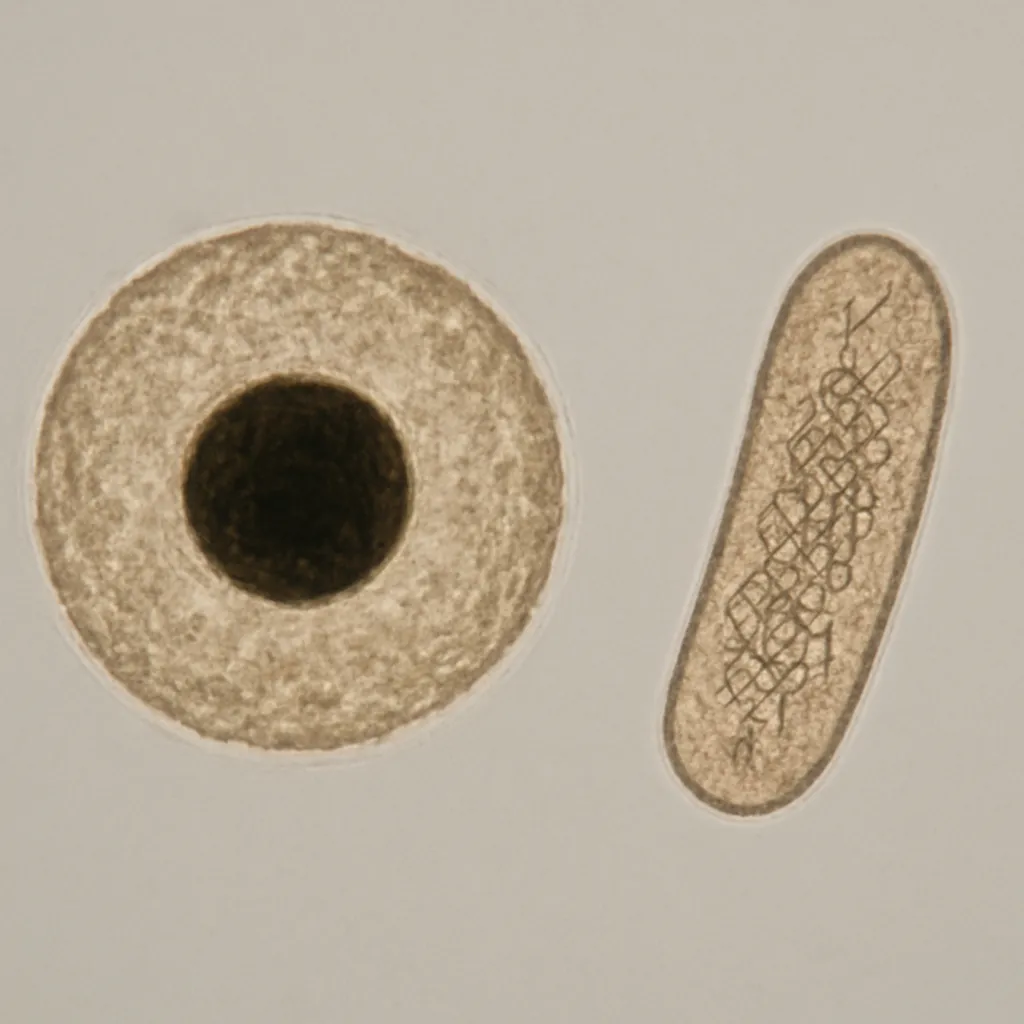
A student compares two cells under a microscope. One holds its genetic information inside a nucleus. The other has no nucleus. How are the two cells best described?
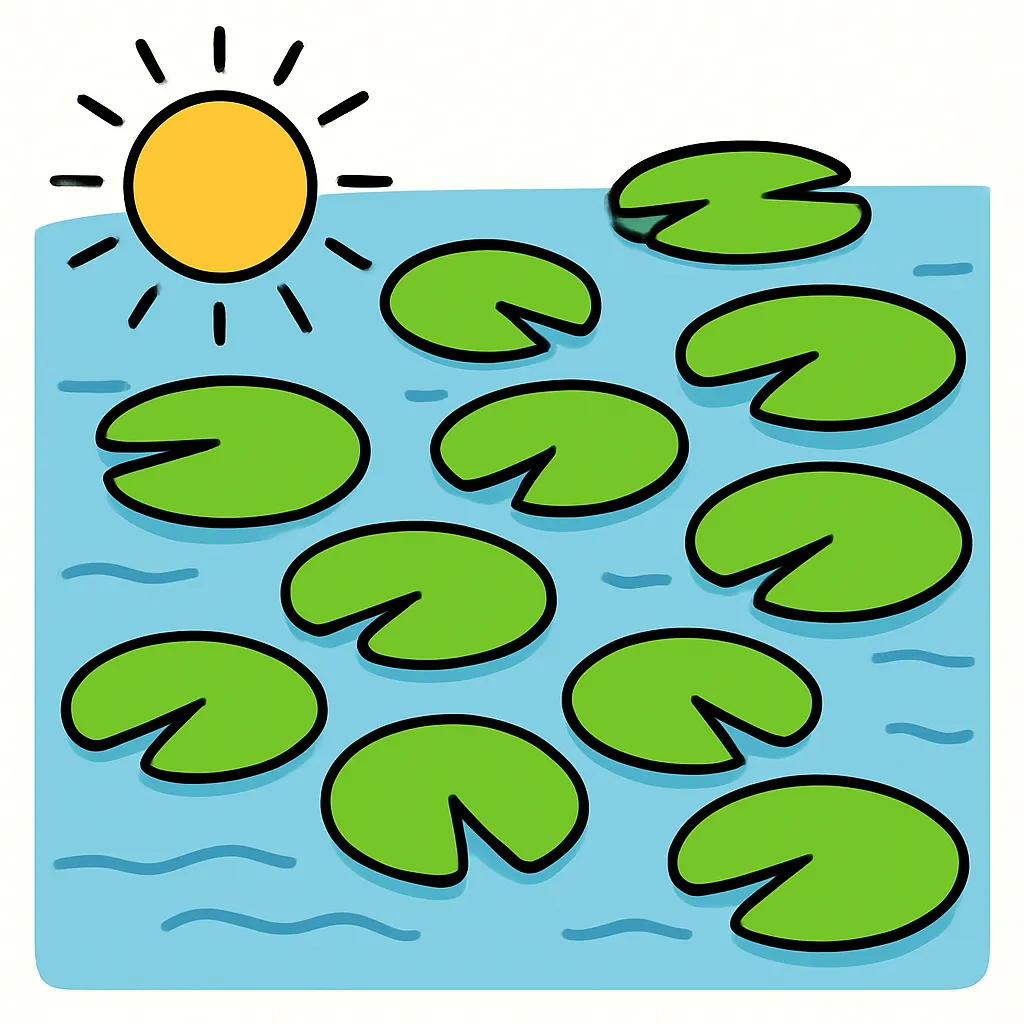
A green alga floating in a pond makes its own food using light energy from the Sun instead of eating other organisms. What term names an organism that makes its own food?
In an animal cell, one part holds the genetic information and directs the activities of the cell. Which part is that?
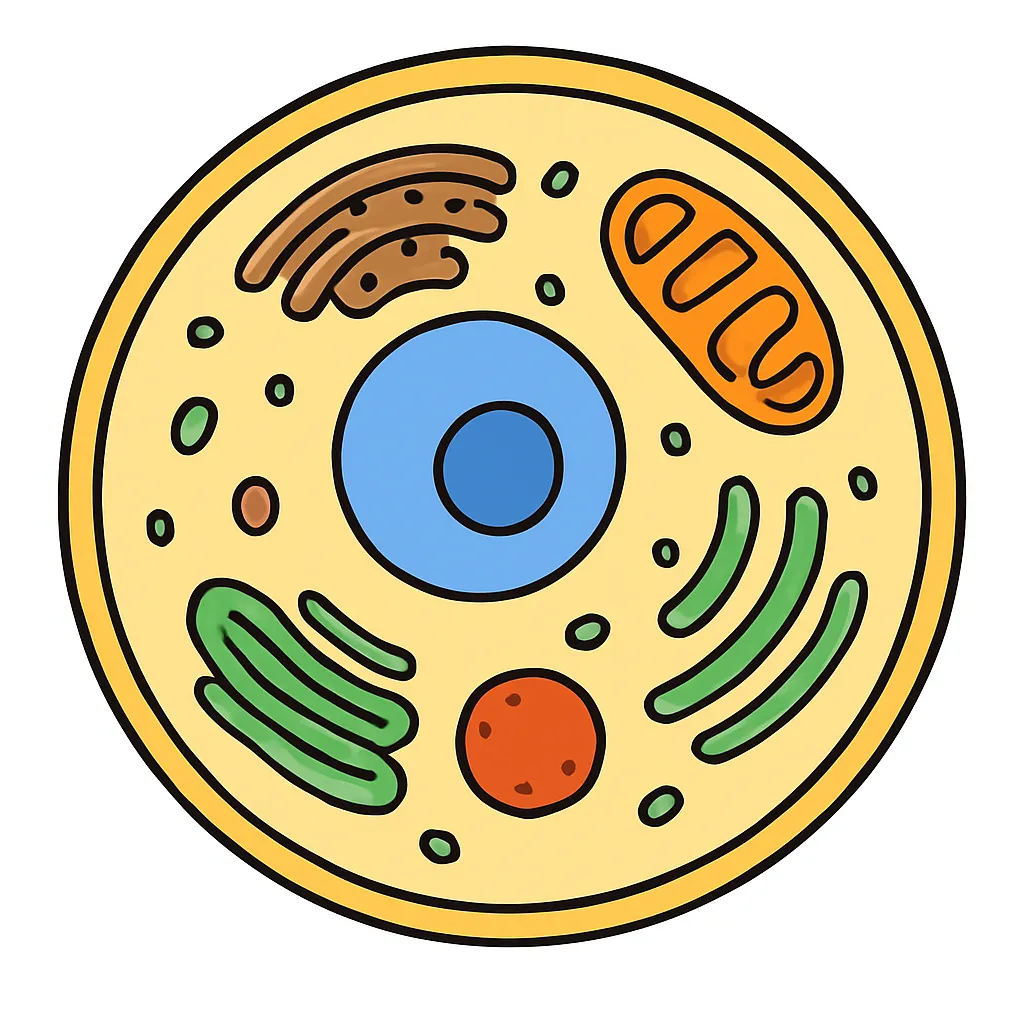
A muscle cell in a runner's leg needs a steady supply of energy during a race. Which cell part releases energy from food for the cell to use?

A unicellular amoeba and a cell from a human arm are both surrounded by a thin layer that controls what enters and leaves the cell. What is that layer called?
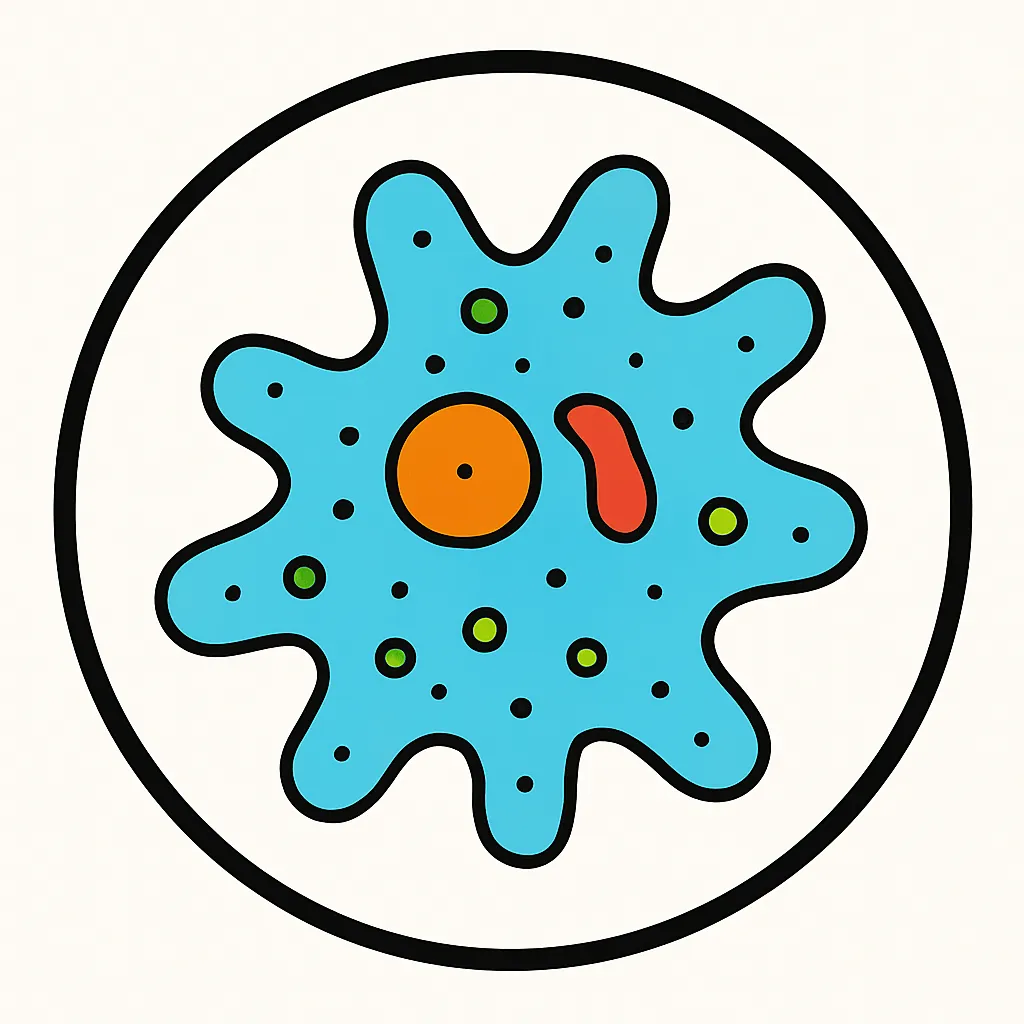
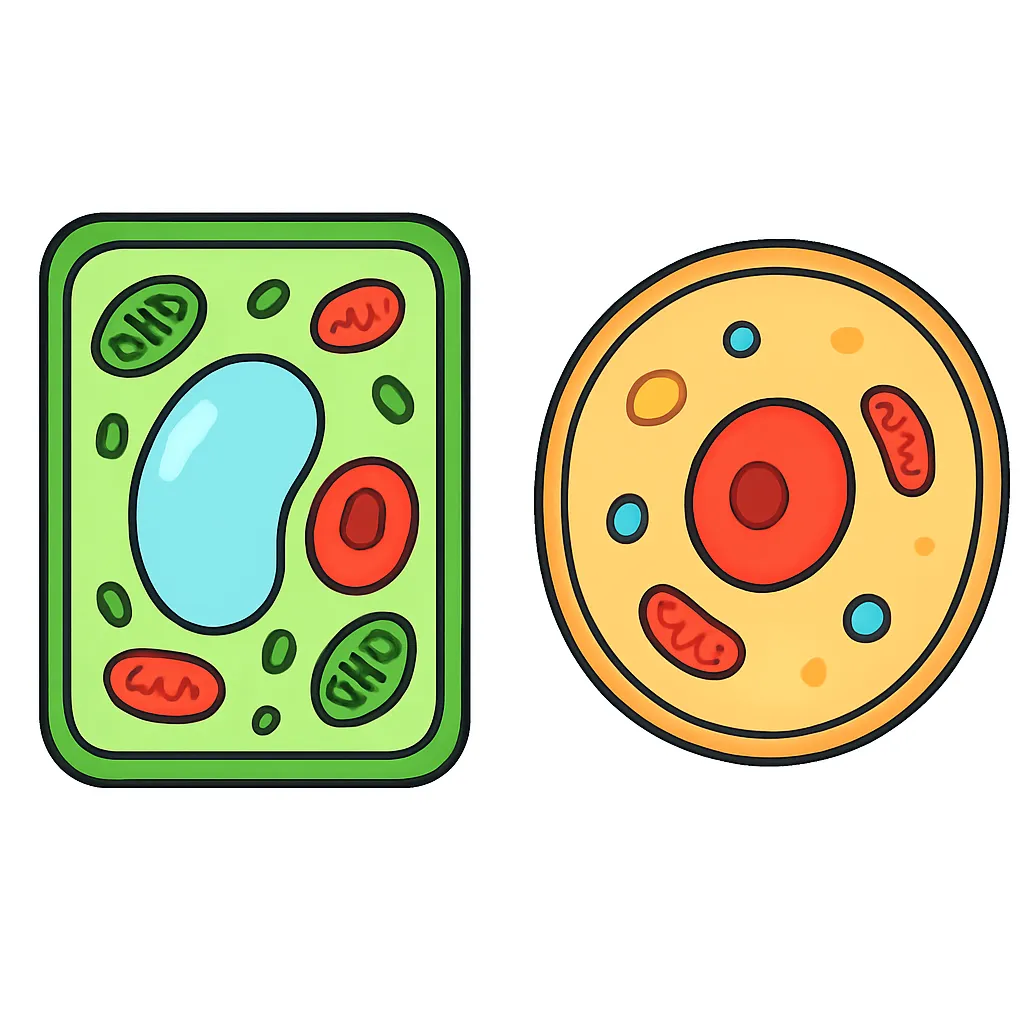
A student claims that plant cells contain no mitochondria because their chloroplasts already capture light energy. Why is the claim incorrect?
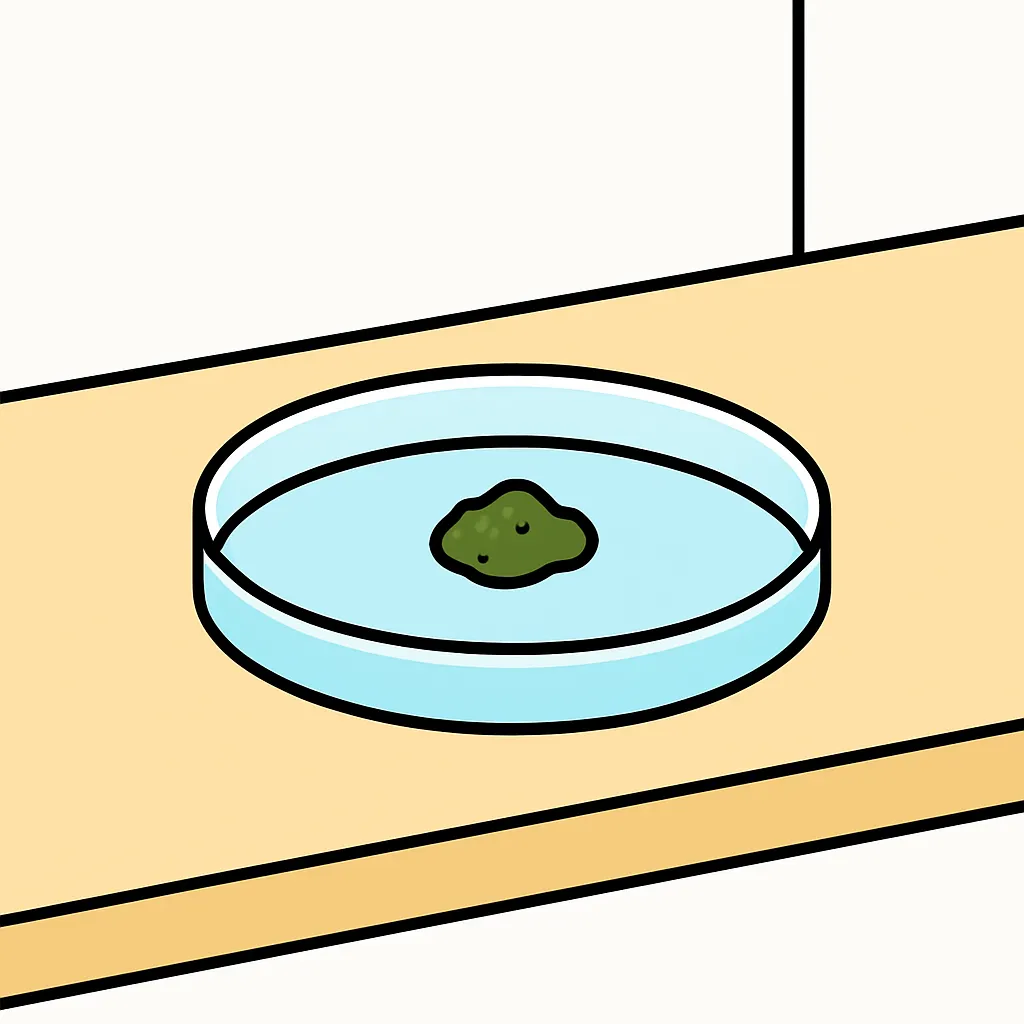
A class wants to decide whether a small sample collected outdoors is living or nonliving. Which observation would give the strongest evidence that the sample is living?
An organism is made of trillions of cells organized into tissues, organs, and organ systems. Which organism fits that description?
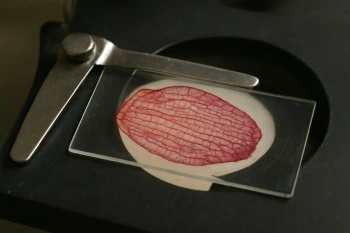
A student wants evidence that an onion is made of cells. Which plan would provide that evidence?
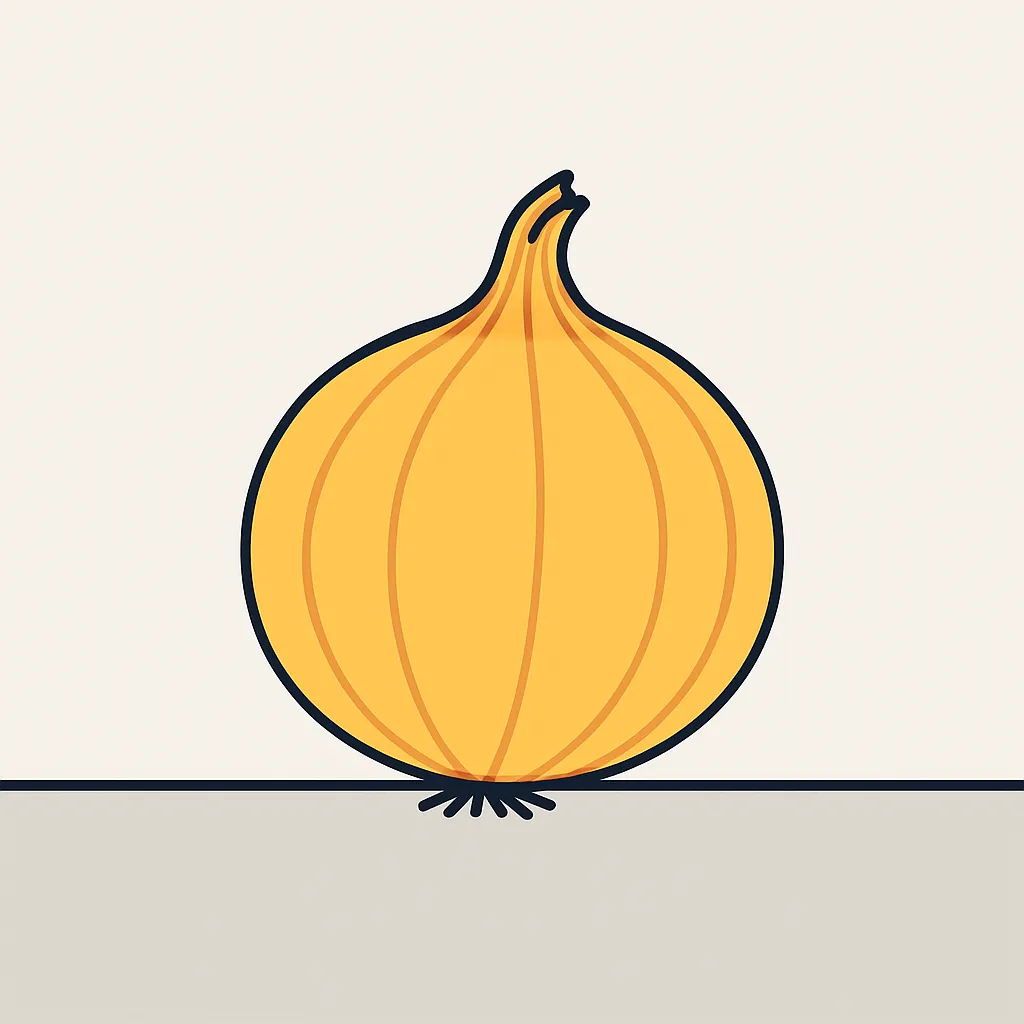
Cell theory states that cells are the basic unit of structure and function in living things. What does cell theory say about where new cells come from?

Under a microscope a plant cell keeps a boxy, rigid shape while a nearby animal cell stays rounded. Which plant cell part best explains this difference?
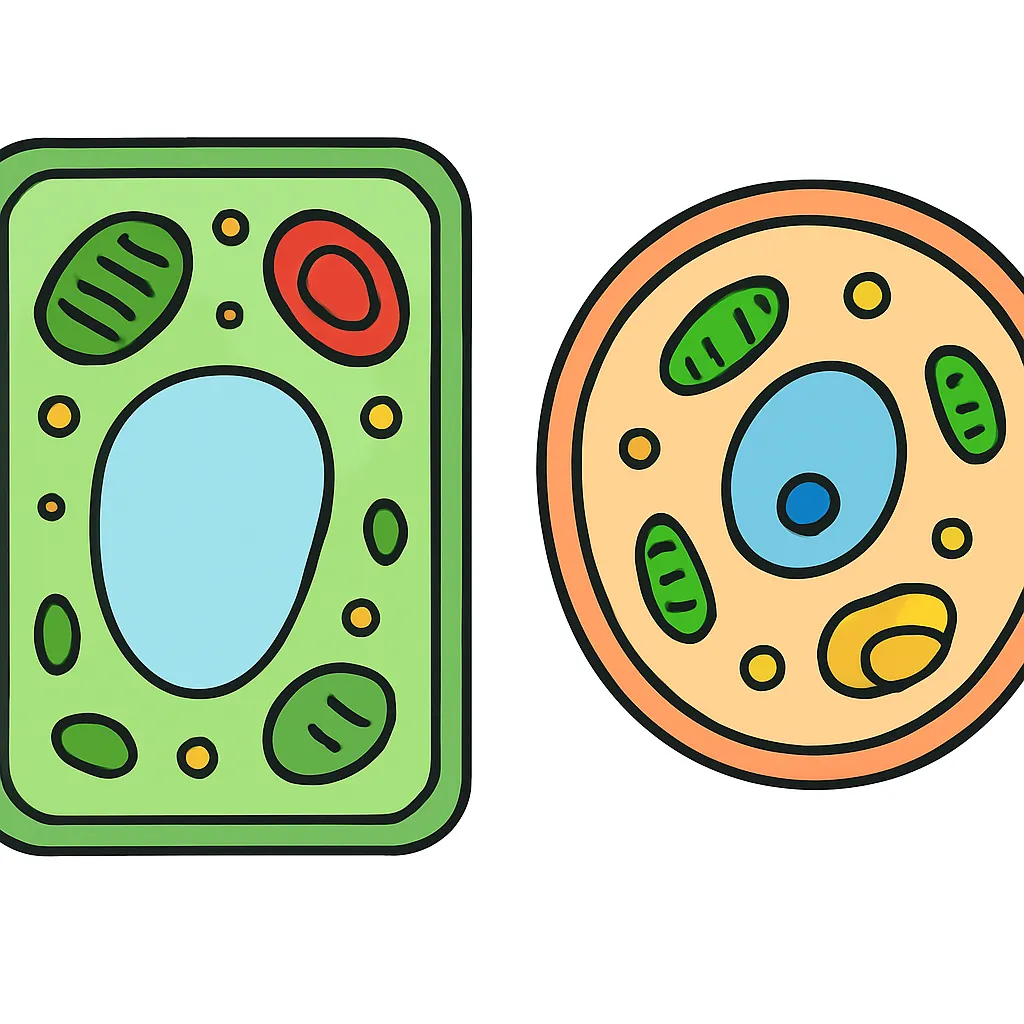
Cells in the green leaf of a plant capture light energy from the Sun and use it to make food. Which cell part carries out this job?

Crack the passcode before the zombies get in.
Answer, then swat bugs for bonus points.
Race through questions at your own speed.
Same question on every screen. Fastest wins.

Pick a tile, answer, hit bonuses and steals.
The Cell as a System
20 questions