Loading
by BlastRoom
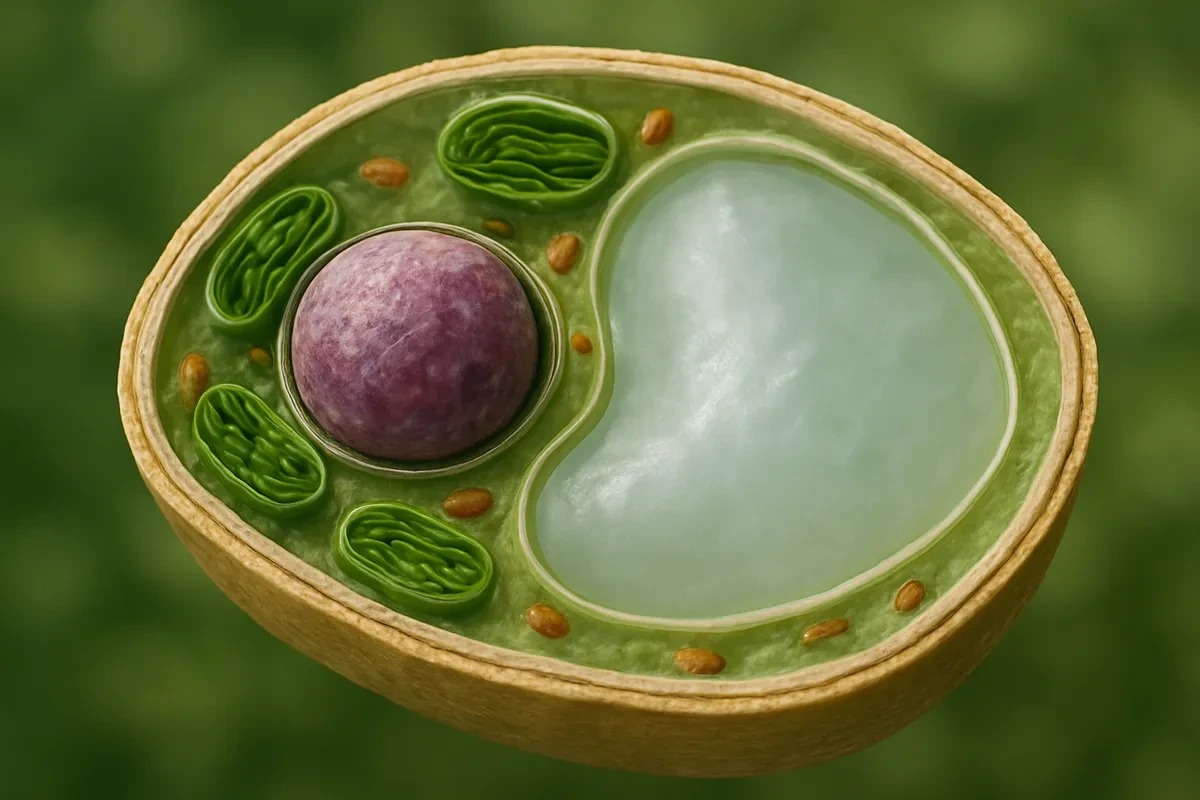
Model a cell as a whole system and match each of its five main parts to the job it does.
#cells#us_grade_6_science
20 questions
One question set, multiple game modes. Tap any game to see it in action. Not sure which to pick?
Answer to place stones and capture territory.
Outrun the snow together.
Earn blasts, then hunt the other team.
Answer to earn energy, then climb.

The class blasts through walls together.
Bid on mystery lots. Most money wins.
Sell tours. Nice, standard, or a total scam.

Answer, restock, and serve the rush.
More correct answers pulls the rope your way.
Answer, then shoot down the alien wave.
Answer, then tap to leap the frozen ridge.
A student models a cell as a system in which every part has a job. Which part of the model holds the cell's genetic information and directs the cell's activities?
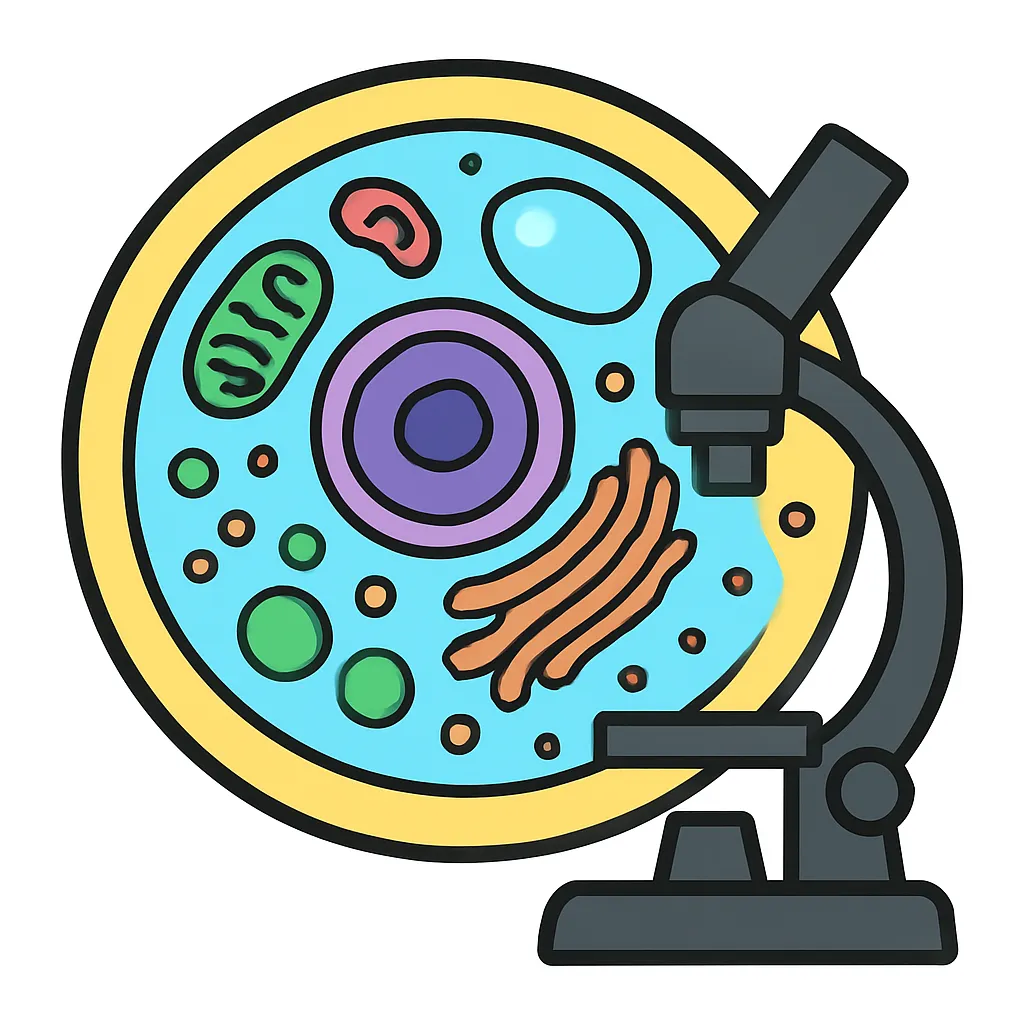
A runner's muscle cells take in food and use it to power movement. Which cell part releases the energy stored in that food so the cell can use it?

A leaf cell sits in bright sunlight and makes food for the plant. Which cell part captures the light energy that the cell uses to make that food?

A single-celled organism floats in pond water. Some substances in the water are useful to it and some are harmful, so the cell must let some in and keep others out. Which part does this job?
A young plant stem stands upright with no bones or skeleton of any kind. Which cell part gives each of the stem's cells the rigid shape that holds the stem up?

A plant cell has both a cell wall and a cell membrane. What job does the cell membrane do that the cell wall does not do?
Plant cells contain mitochondria as well as chloroplasts.
The cell membrane is found in animal cells and in plant cells.
Cell theory states that all living things are made of cells and that all cells come from other cells that already exist. What is the third claim, describing the cell itself?
A student's model of a plant cell shows only a cell wall, a cell membrane and a nucleus. The teacher asks the student to model how the cell captures light energy to make food. Which part must be added?
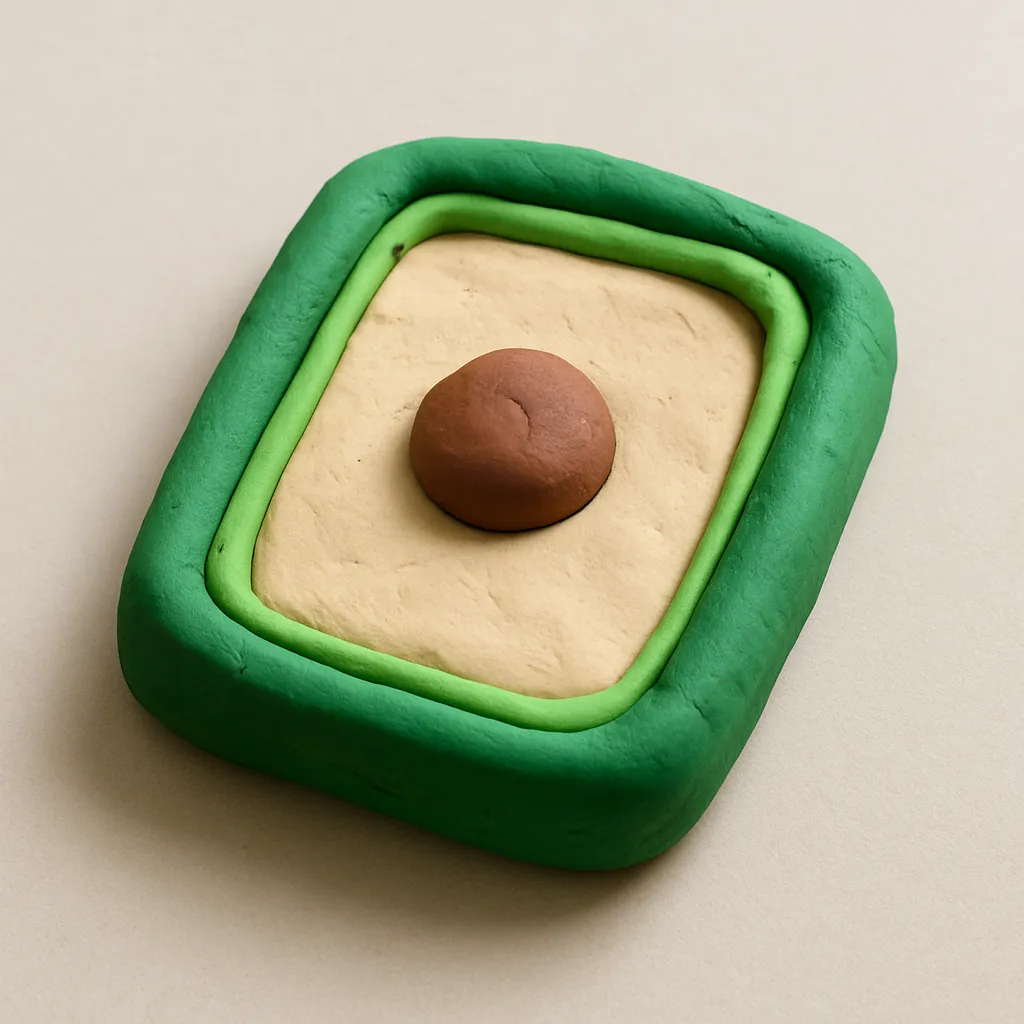
A student builds a model of an animal cell that includes a nucleus, a cell membrane, mitochondria and a stiff cell wall. How should the model be revised so it fits the evidence?
A cell's membrane is damaged and stops working, though its other parts are unharmed. What does the cell lose first?
A pond organism has chloroplasts that capture light energy, so it makes its own food instead of eating other organisms. What term names an organism that makes its own food?
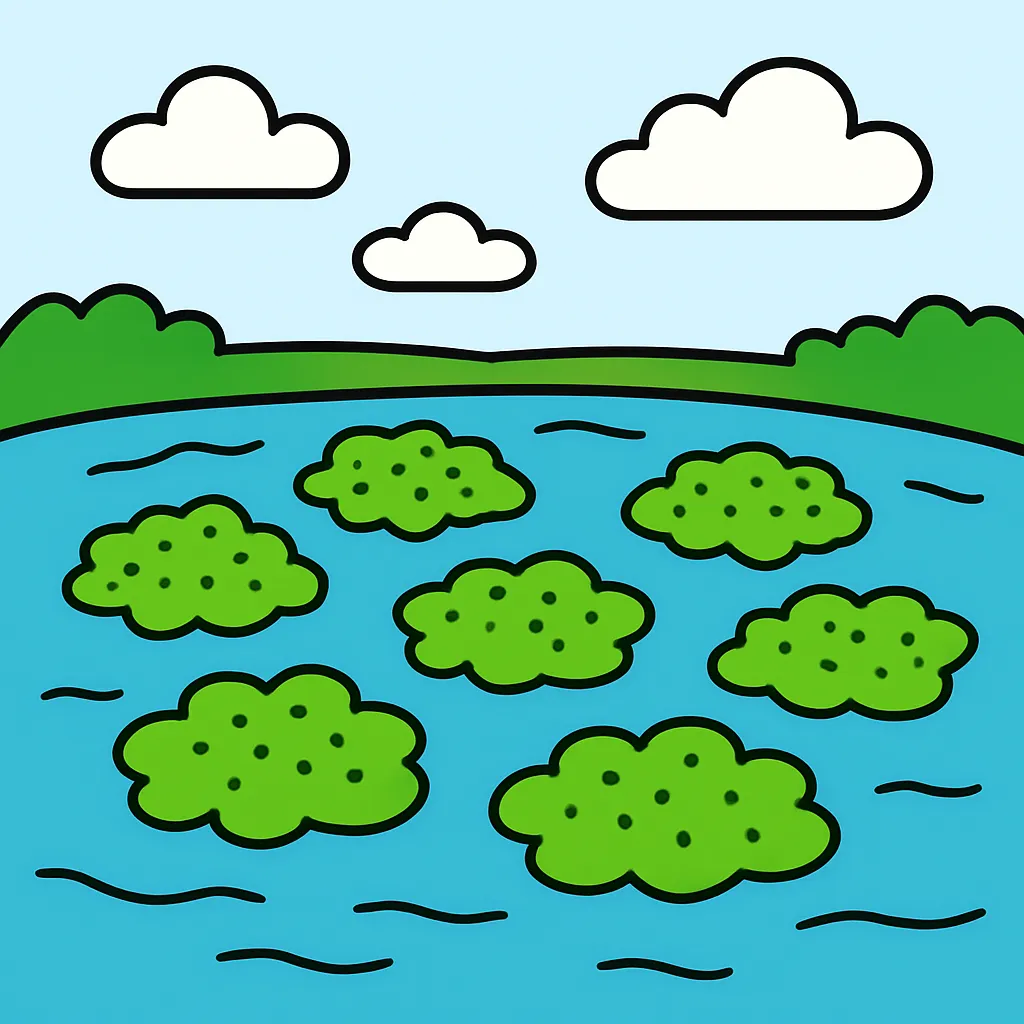
The cells of a rabbit have no chloroplasts, so the rabbit must take in food that other organisms made. What term names an organism that must take in its food?

Some cells keep their genetic information inside a nucleus, while others have no nucleus at all. What word describes a cell that keeps its genetic information inside a nucleus?
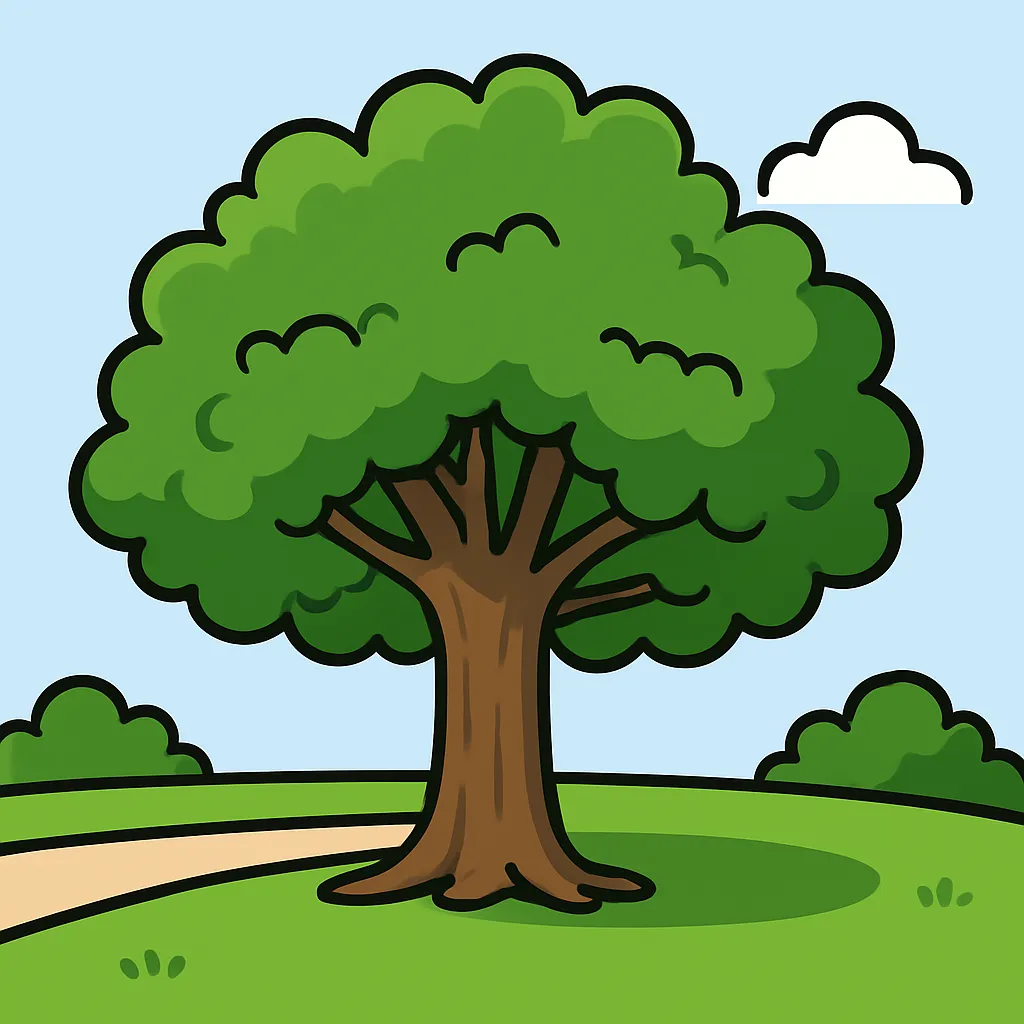
An oak tree is made of billions of cells organized into roots, leaves and other organs that each have a job. How is this organism described?
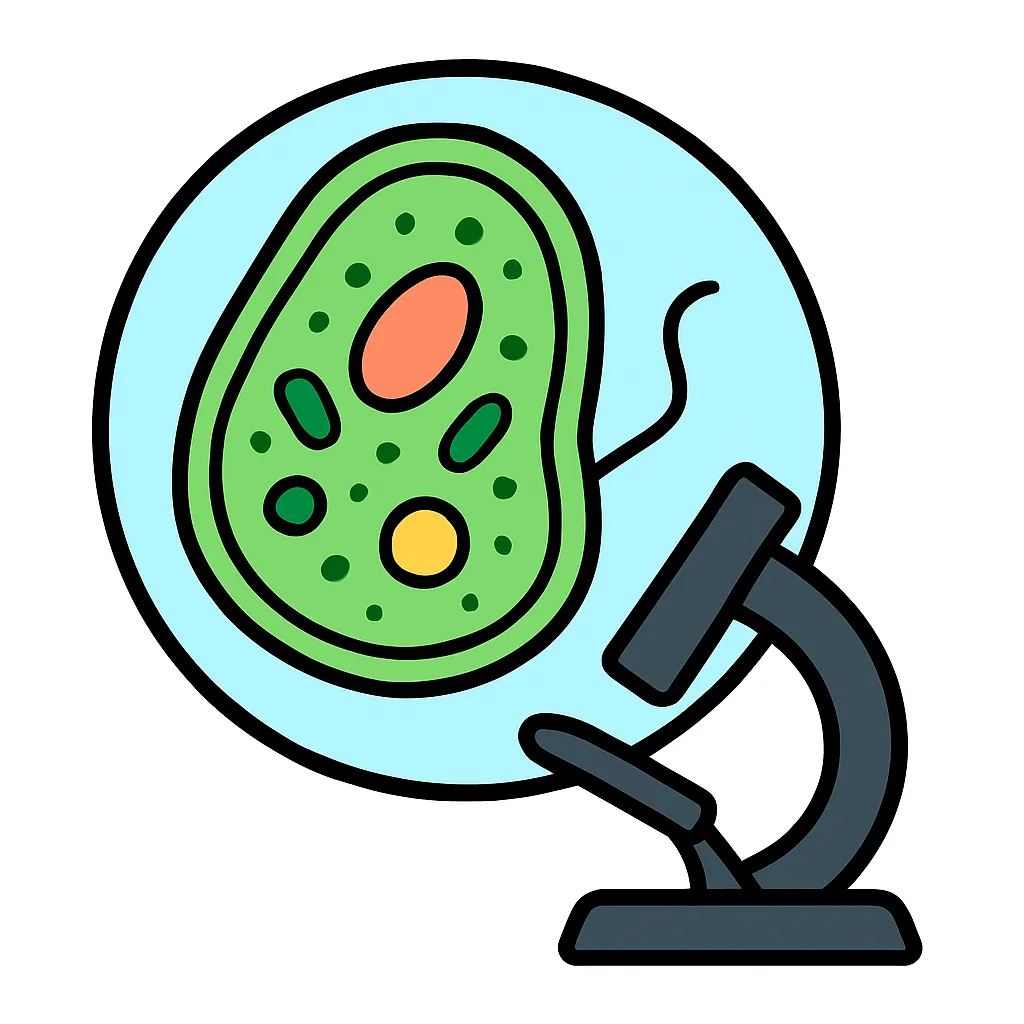
An organism in a drop of pond water is made of one cell. That single cell takes in food, releases energy from the food, and reproduces. How is this organism described?
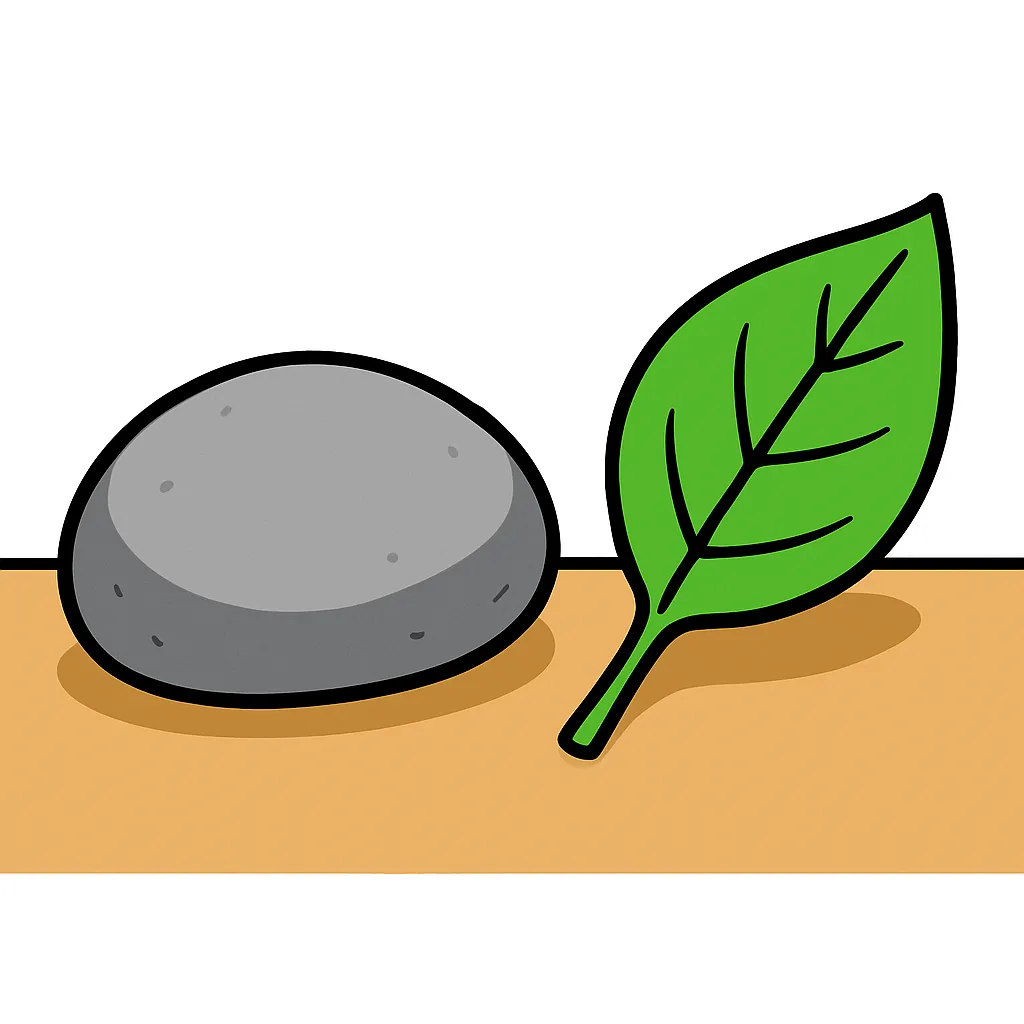
A student compares a smooth gray rock with a green leaf and says the leaf is living. What is the strongest evidence for that claim?
A plant cell and an animal cell are viewed side by side. Which two parts are present in the plant cell but missing from the animal cell?
A team models a bacterial cell. They do not include a small model nucleus, because a bacterium's genetic material floats freely in the cytoplasm instead of being held inside a nucleus. What term describes this type of cell?
Crack the passcode before the zombies get in.
Answer, then swat bugs for bonus points.
Race through questions at your own speed.
Same question on every screen. Fastest wins.

Pick a tile, answer, hit bonuses and steals.

Body Systems and How They Interact
40 questions