Loading
by BlastRoom
Questions connect political, economic, and military problems to the fall of the Western Roman Empire.
#world_history#us_grade_7_social_studies
20 questions
One question set, multiple game modes. Tap any game to see it in action. Not sure which to pick?
Answer to place stones and capture territory.
Outrun the snow together.
Earn blasts, then hunt the other team.
Answer to earn energy, then climb.

The class blasts through walls together.
Bid on mystery lots. Most money wins.
Sell tours. Nice, standard, or a total scam.

Answer, restock, and serve the rush.
More correct answers pulls the rope your way.
Answer, then shoot down the alien wave.
Answer, then tap to leap the frozen ridge.
Rival generals fought to make and remove Roman emperors during the third century. Which type of cause of decline does this show?
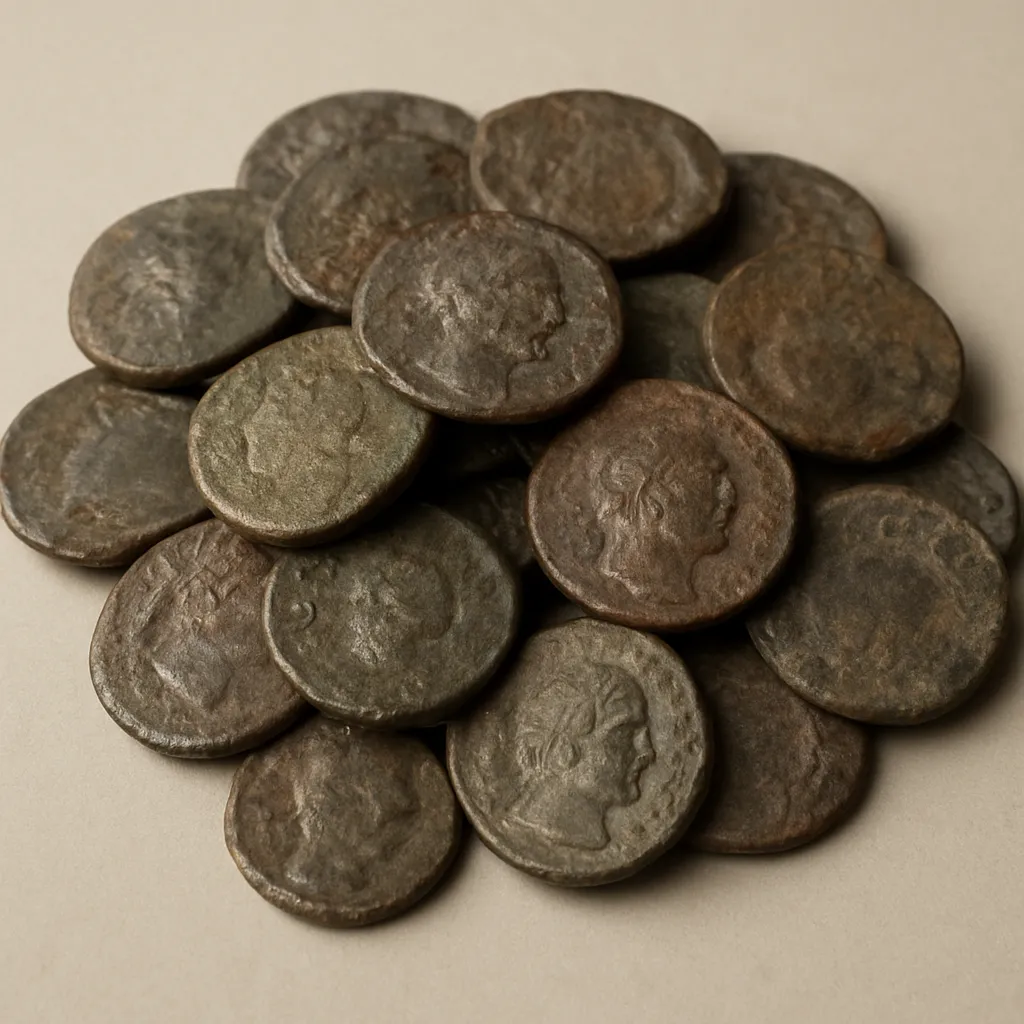
Roman coins lost value as the government mixed cheaper metals into them and prices rose. Which type of cause does this show?
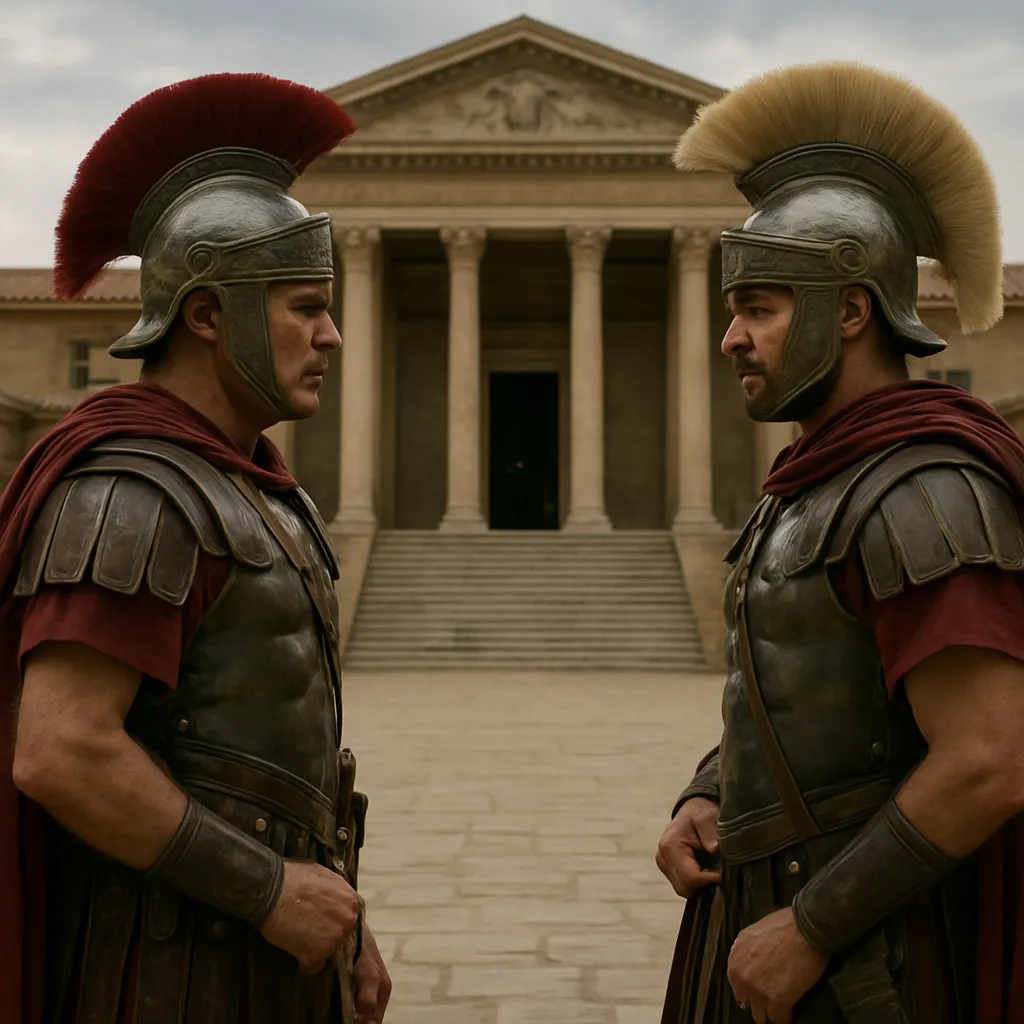
Goths, Vandals, and Huns crossed Roman frontiers and forced the army to defend many areas. Which type of cause does this show?
Some emperors divided authority among co-rulers because one leader struggled to govern the whole empire. Which type of cause does this show?
Trade declined in parts of the Western Roman Empire, reducing tax money for roads, officials, and soldiers. Which type of cause does this show?
Rome relied more on hired foreign troops, and some commanders had stronger loyalty to their own leaders than to Rome. Which type of cause does this show?
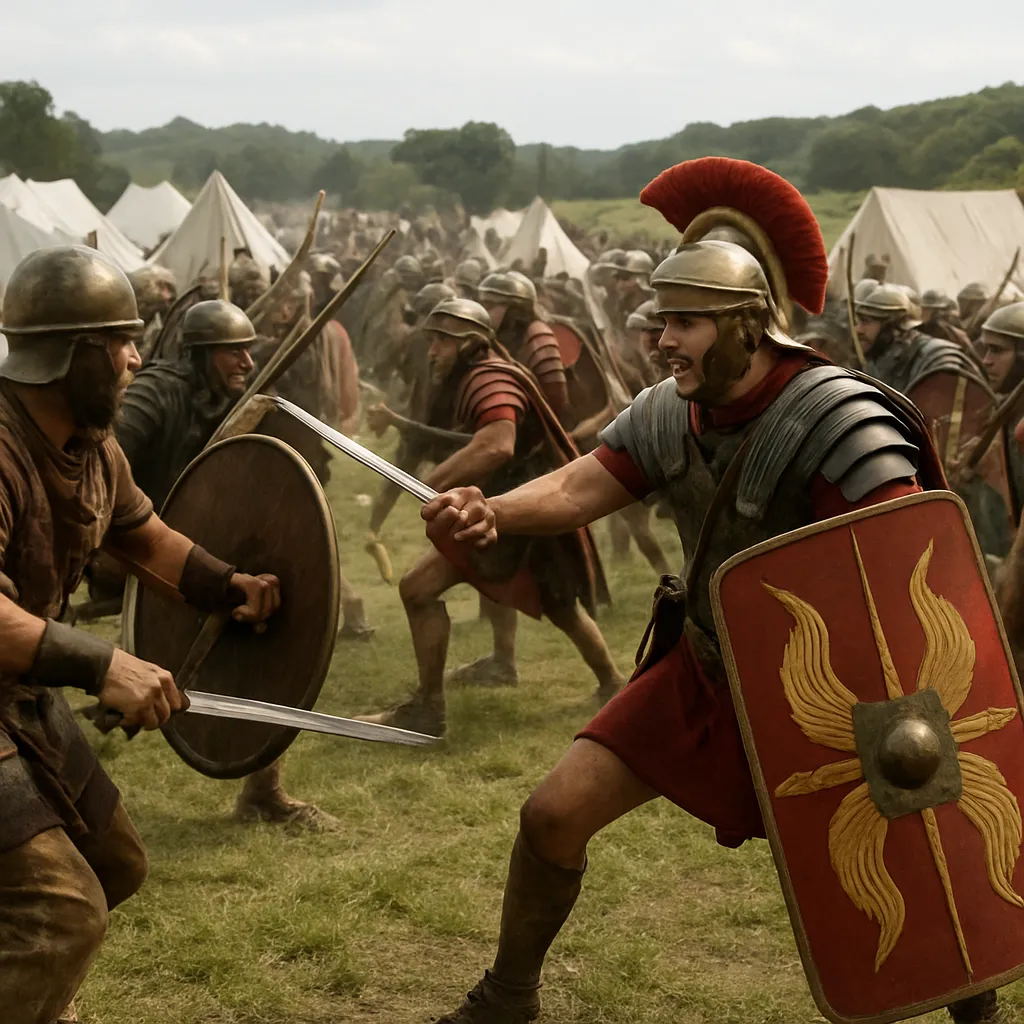
At Adrianople in 378, Gothic warriors destroyed a large Roman army and killed Emperor Valens. Which type of cause of decline does this show?
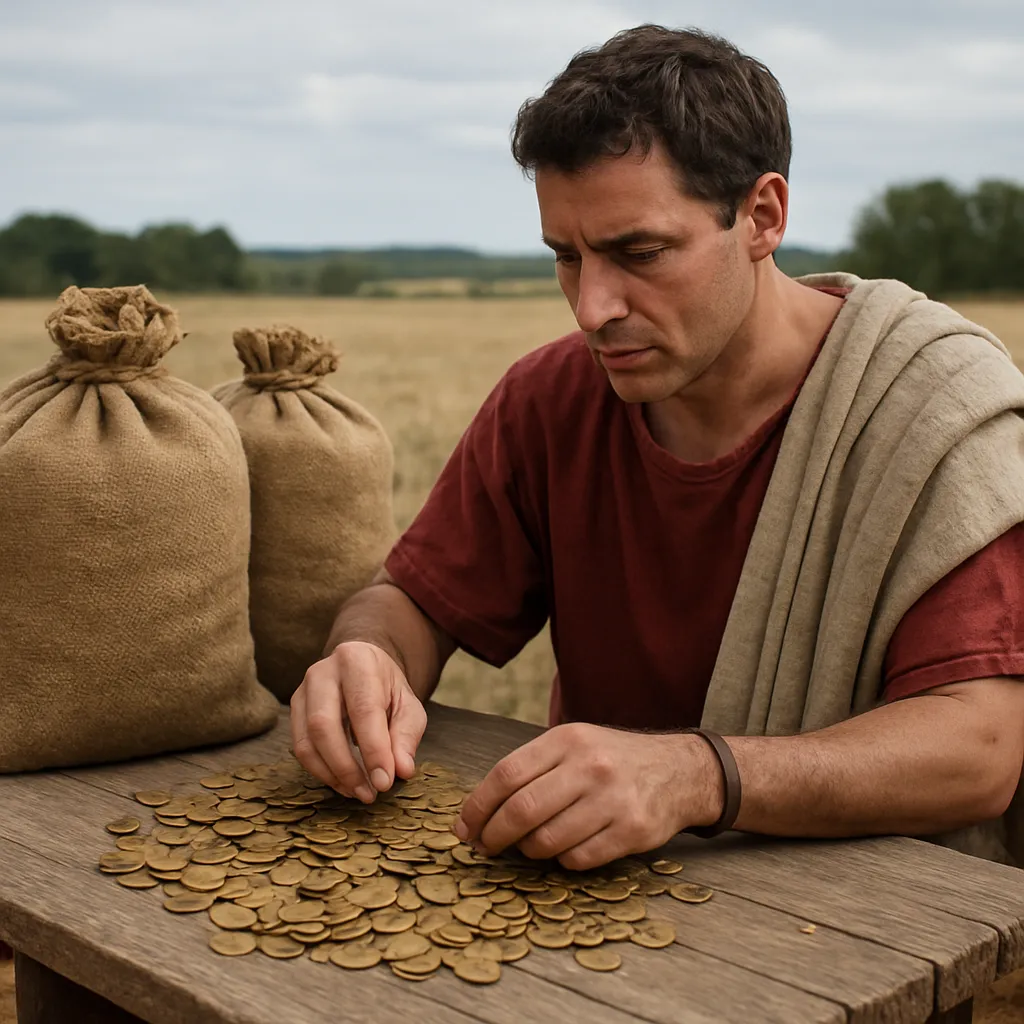
A Roman merchant needed far more coins to buy the same grain than his father had paid. Which weakening factor is described?
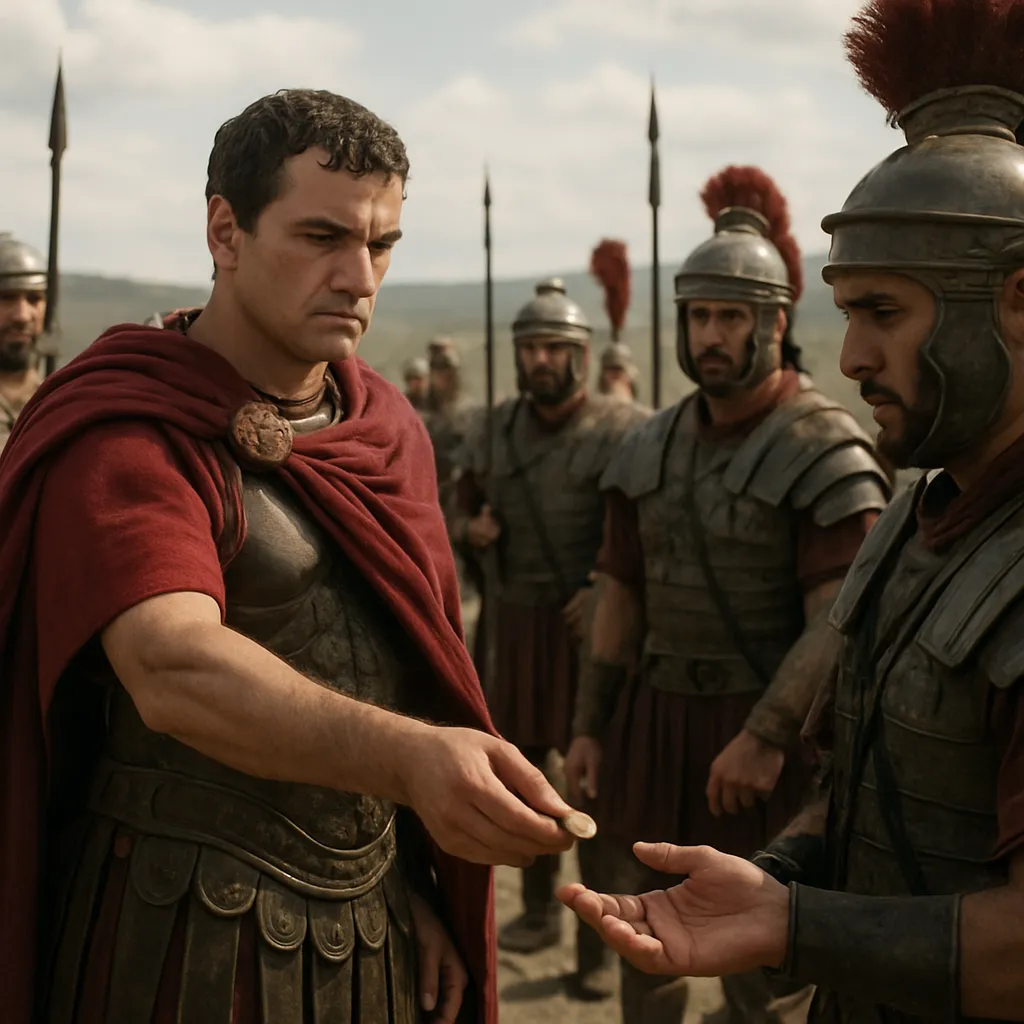
After civil wars, new emperors rewarded soldiers and punished rivals, while long-term reforms were delayed. Which weakening factor is described?
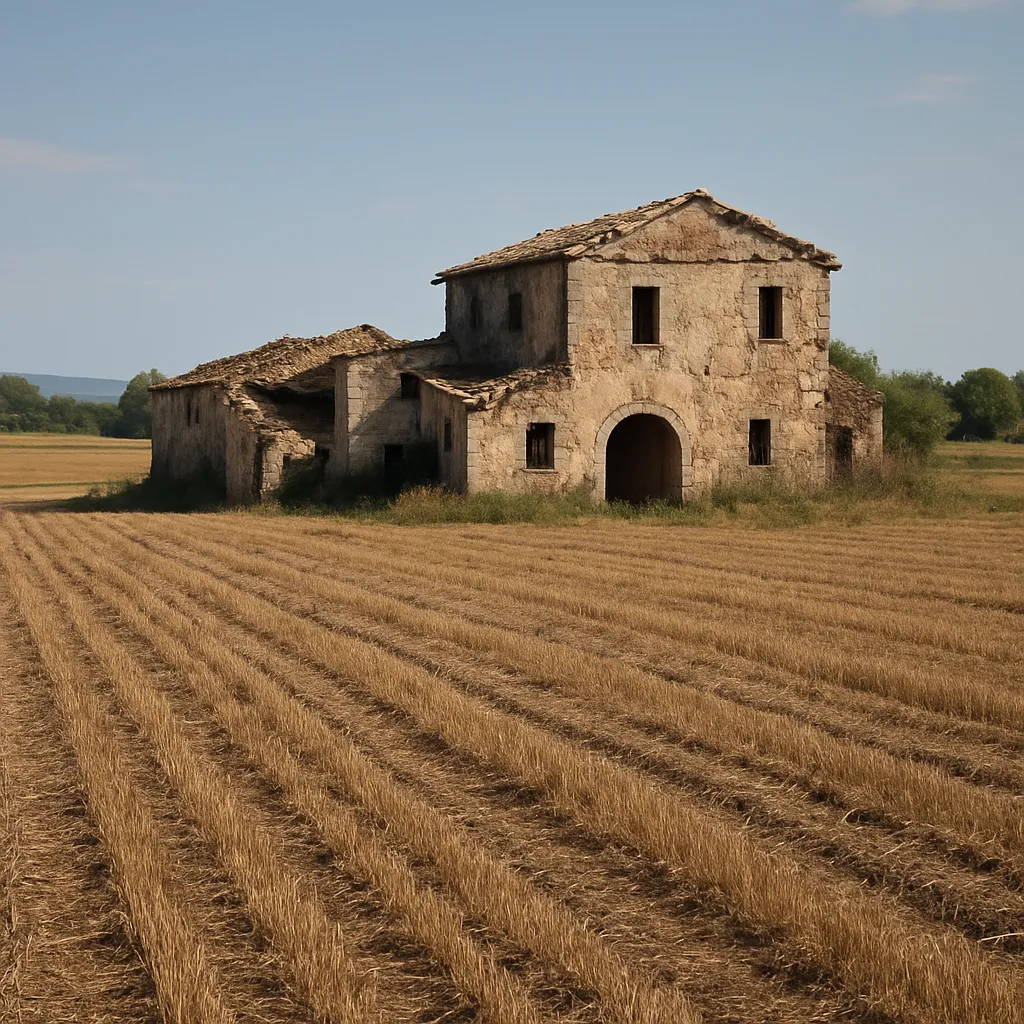
Roman farmers abandoned land when taxes and raids made farming unsafe or unprofitable. Which weakening factor is described?
In 410, Alaric and the Visigoths entered and plundered the city of Rome. Which weakening factor is described?
Western officials struggled to pay soldiers after tax income fell and wealthy landowners avoided payments. Which weakening factor is described?
The Western Roman Empire had to defend long frontiers in Europe and North Africa with limited troops. Which weakening factor is described?
In 476, the Germanic leader Odoacer removed Romulus Augustulus from power in Italy. Which event is described?
When emperors changed quickly, provincial officials often ignored orders or backed different claimants. What was the likely effect?
When tax revenue declined, the western government struggled to pay and equip troops. What was the likely effect?
When raids and war made trade routes unsafe, merchants stopped traveling between Roman cities. What was the likely effect?
When Rome depended on hired soldiers with mixed loyalties, commanders could bargain for power or abandon posts. What was the likely effect?
When wealthy landowners gained private power on large estates, many poor people looked to them instead of Roman officials. What was the likely effect?
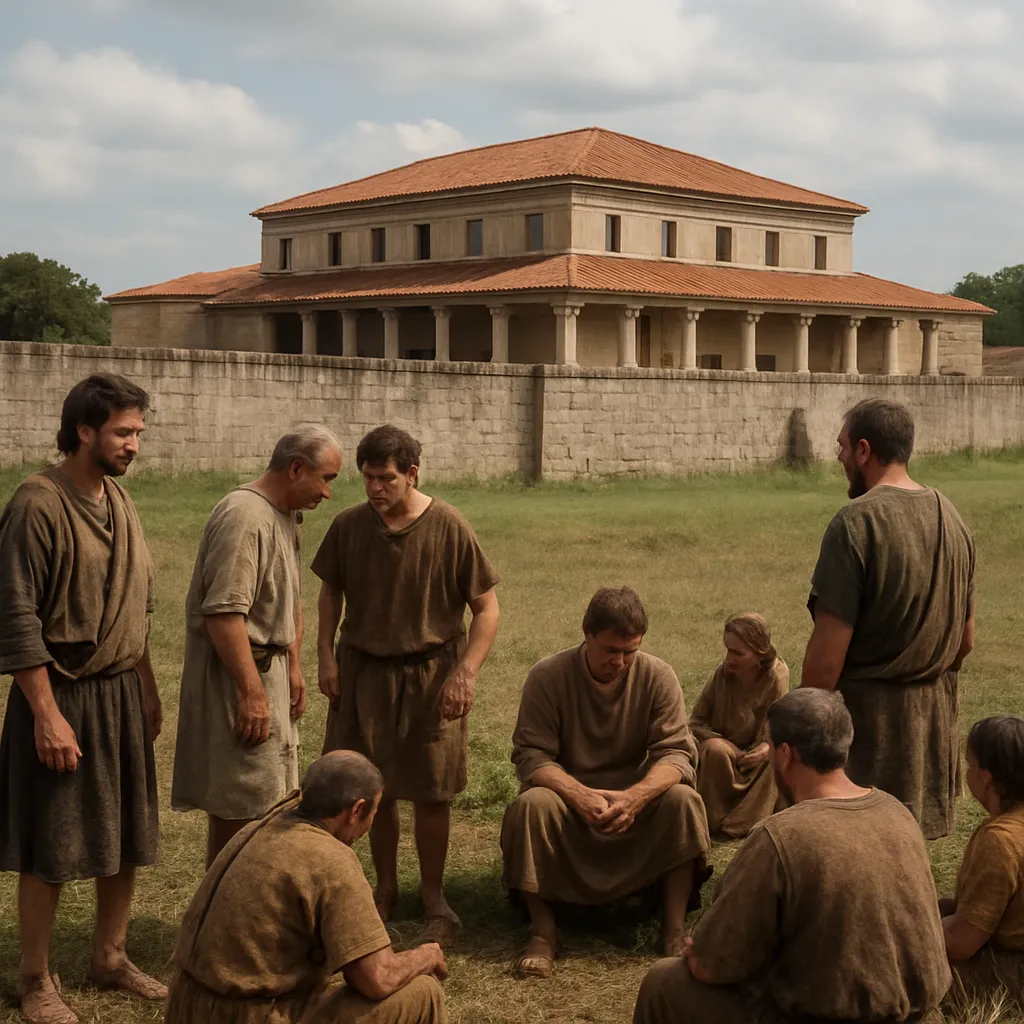
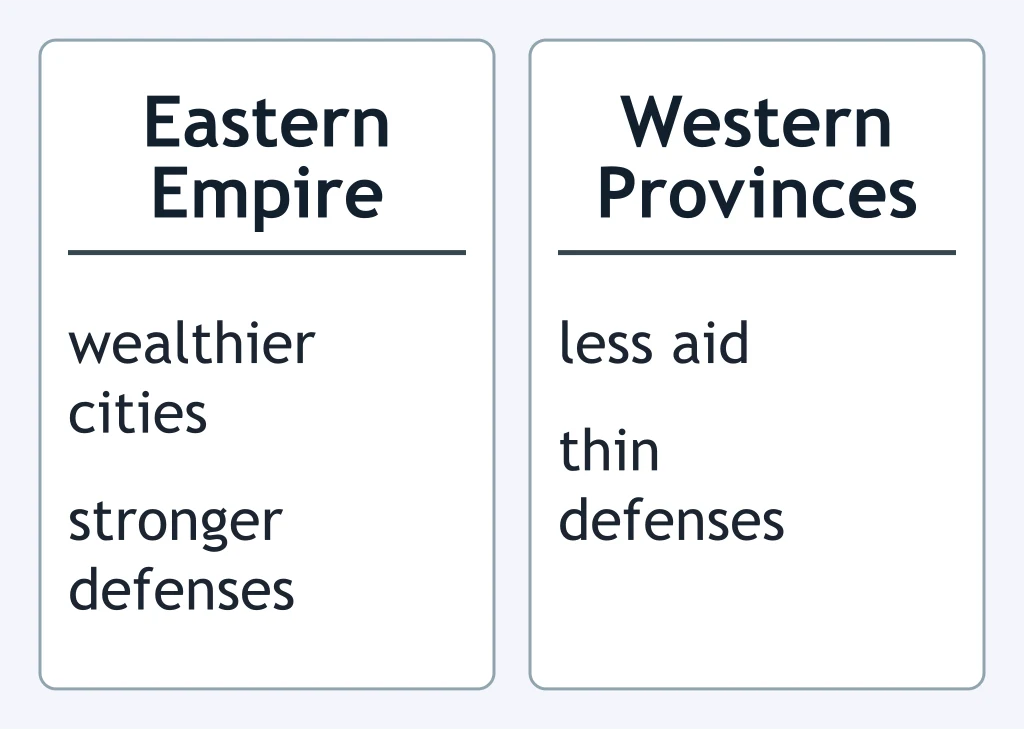
When the Eastern Roman Empire remained wealthier and better defended, the western provinces received less help. What was the likely effect?
Crack the passcode before the zombies get in.
Answer, then swat bugs for bonus points.
Race through questions at your own speed.
Same question on every screen. Fastest wins.

Pick a tile, answer, hit bonuses and steals.
The Origins and Beliefs of Islam
20 questions