Loading
by BlastRoom
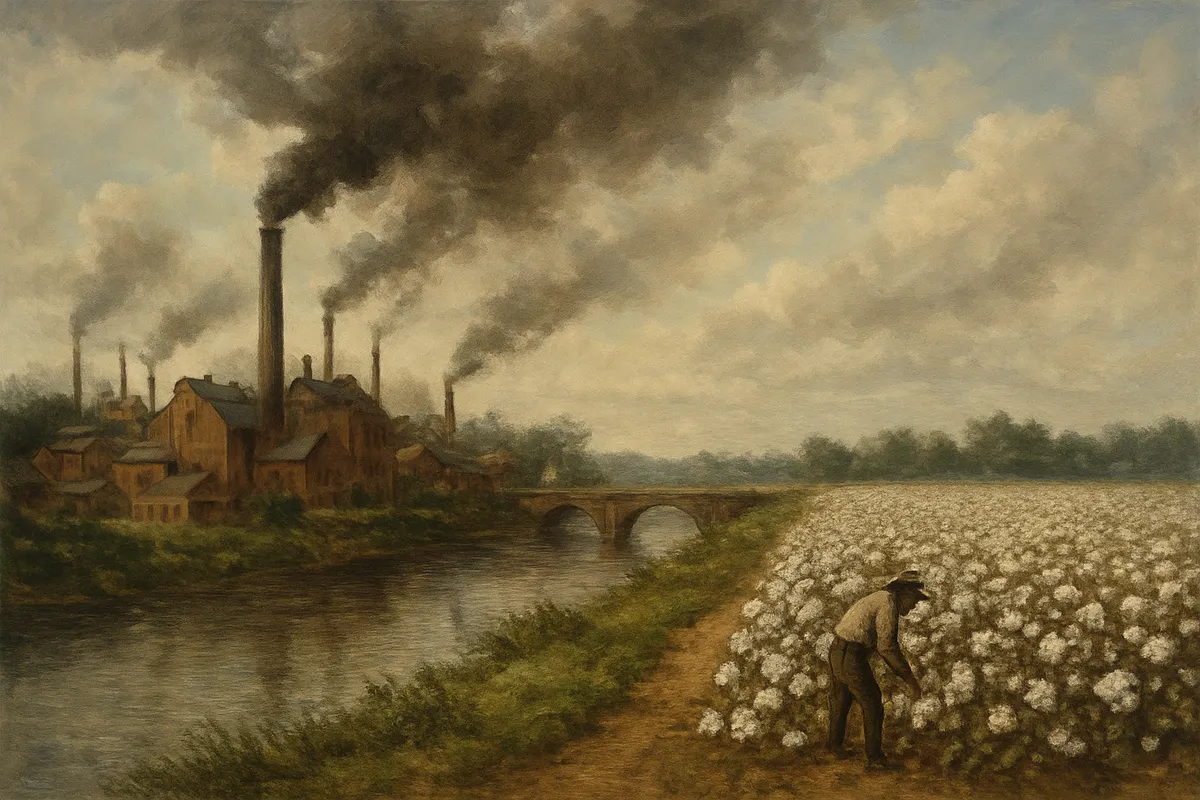
Covers how differing economies and ways of life deepened sectional division between the North and South.
#us_history#us_grade_7_social_studies
20 questions
One question set, multiple game modes. Tap any game to see it in action. Not sure which to pick?
Answer to place stones and capture territory.
Outrun the snow together.
Earn blasts, then hunt the other team.
Answer to earn energy, then climb.

The class blasts through walls together.
Bid on mystery lots. Most money wins.
Sell tours. Nice, standard, or a total scam.

Answer, restock, and serve the rush.
More correct answers pulls the rope your way.
Answer, then shoot down the alien wave.
Answer, then tap to leap the frozen ridge.
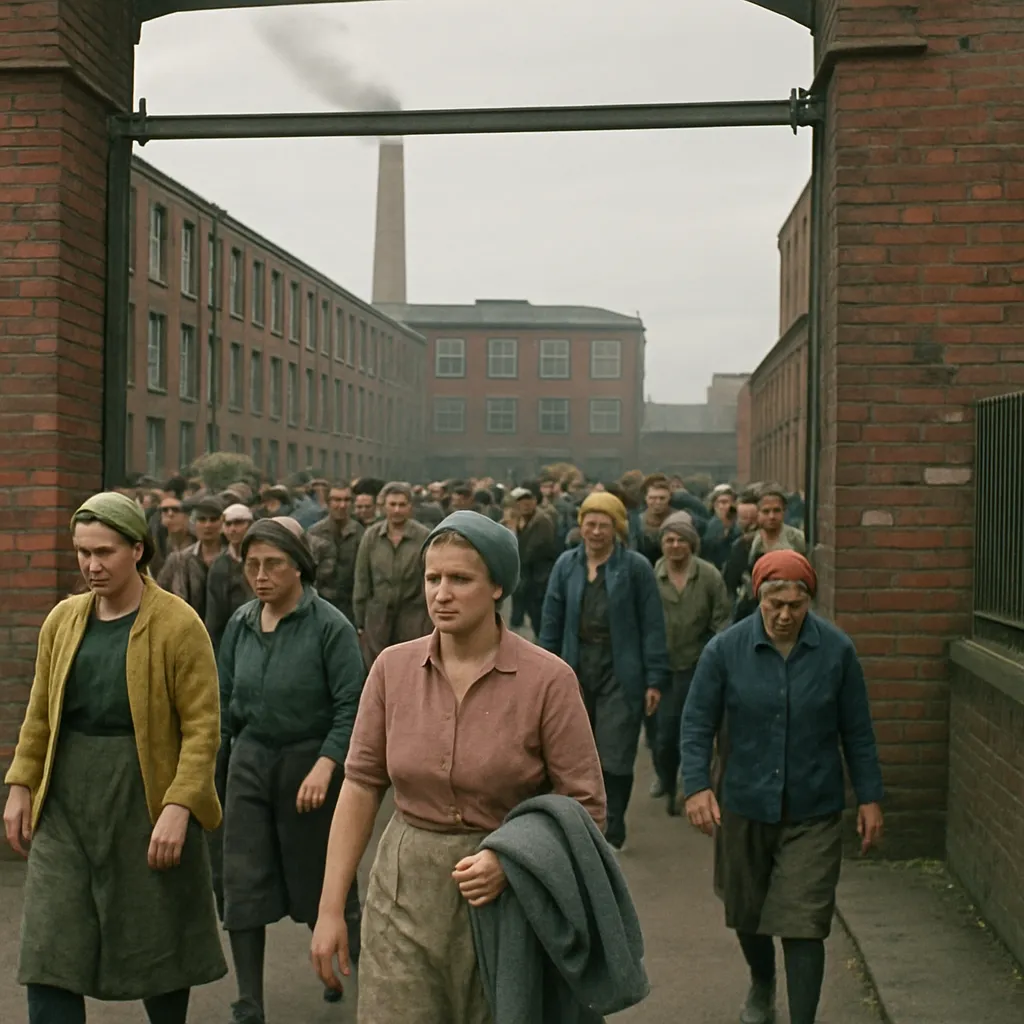
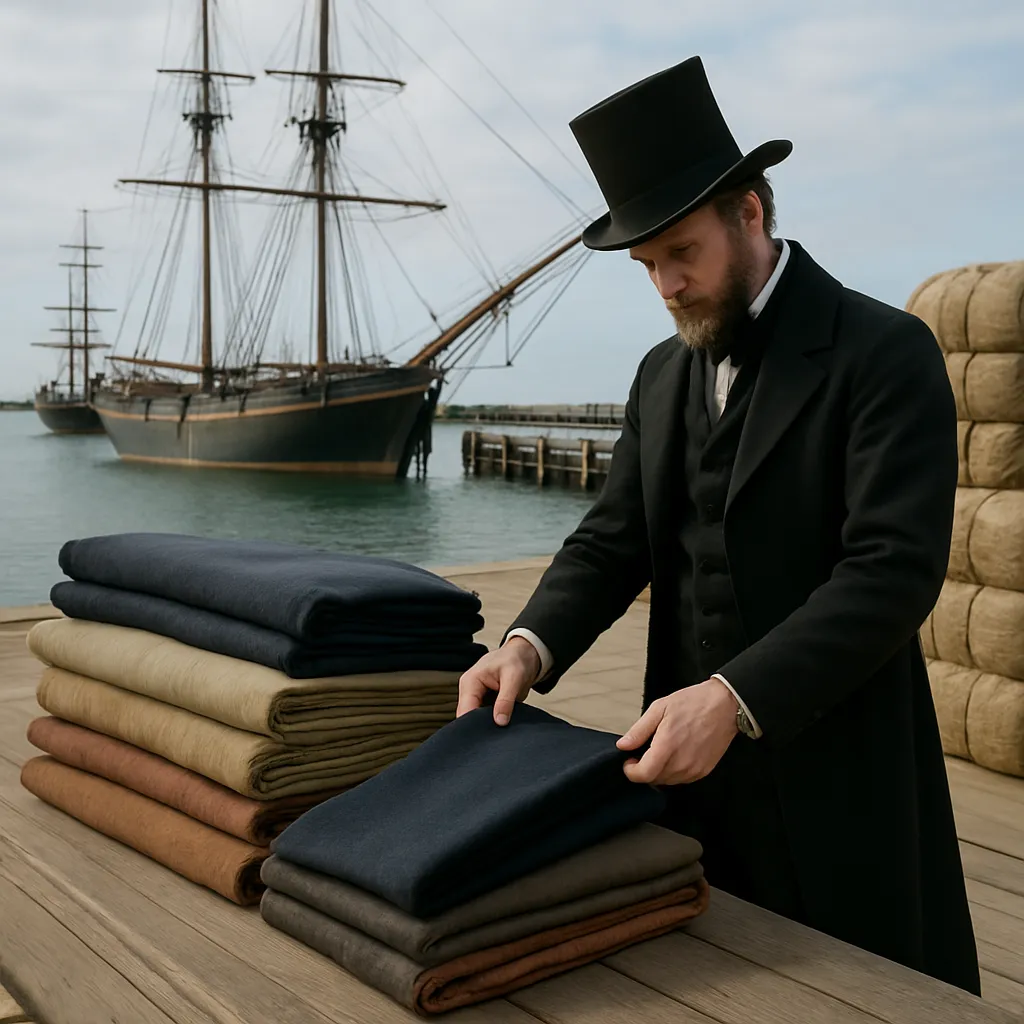
A region had many textile mills, growing cities, and a large wage-labor workforce by the mid-1800s. Which region is described?
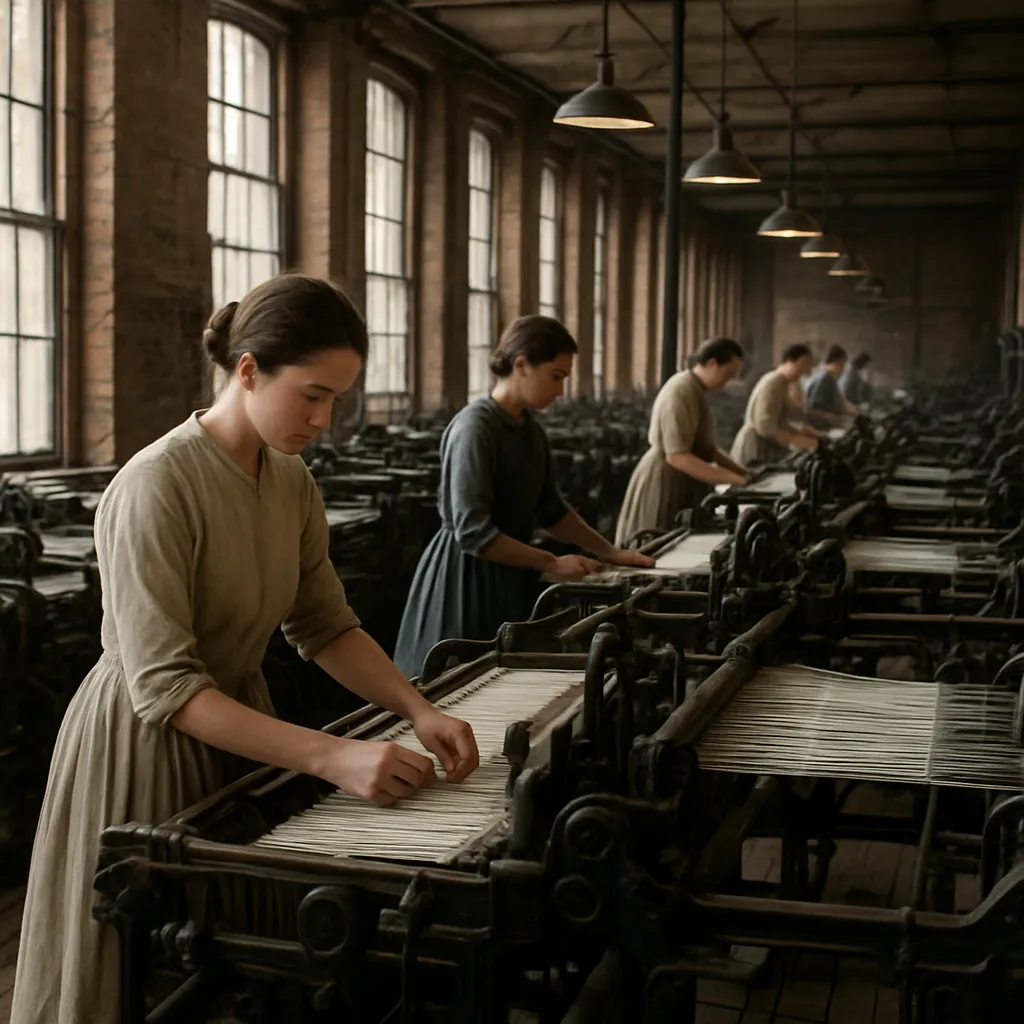
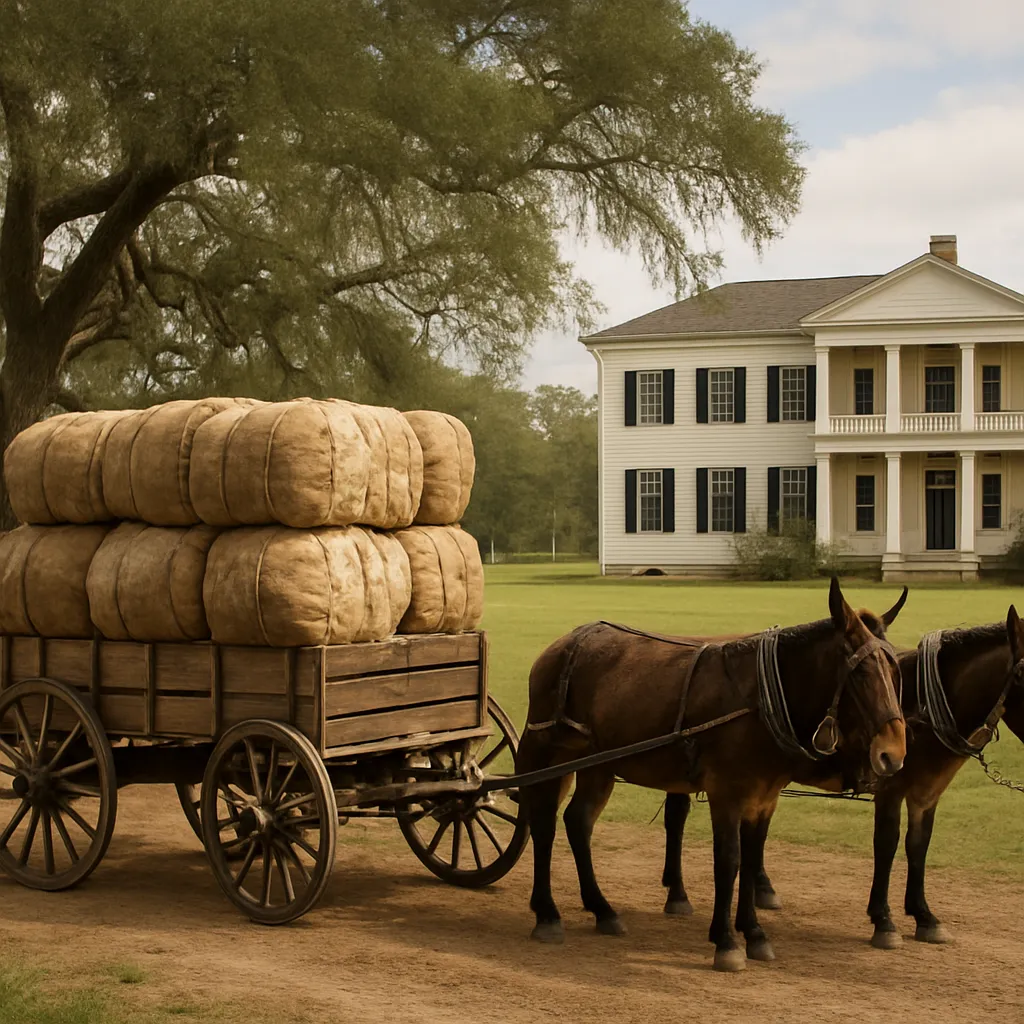
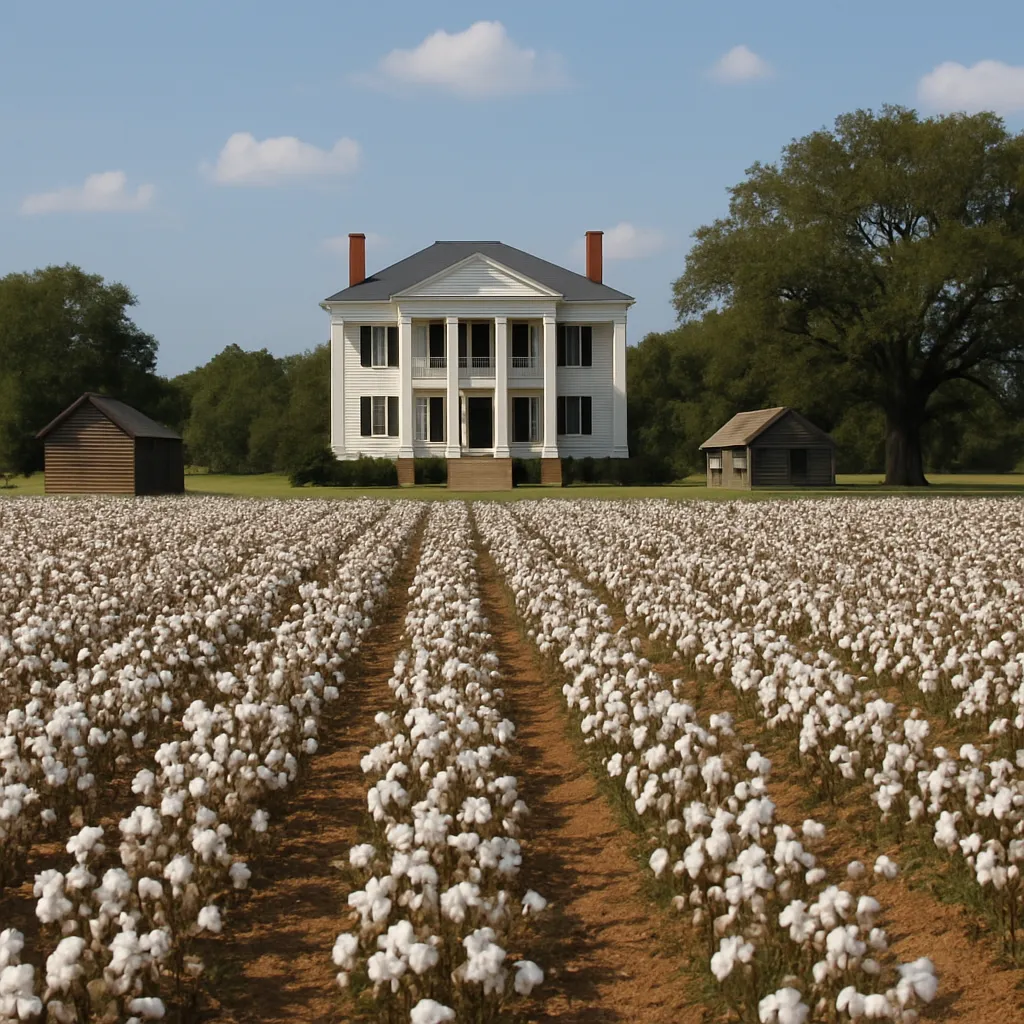
Large plantations growing cotton with enslaved labor shaped one region's economy before the Civil War. Which region is described?
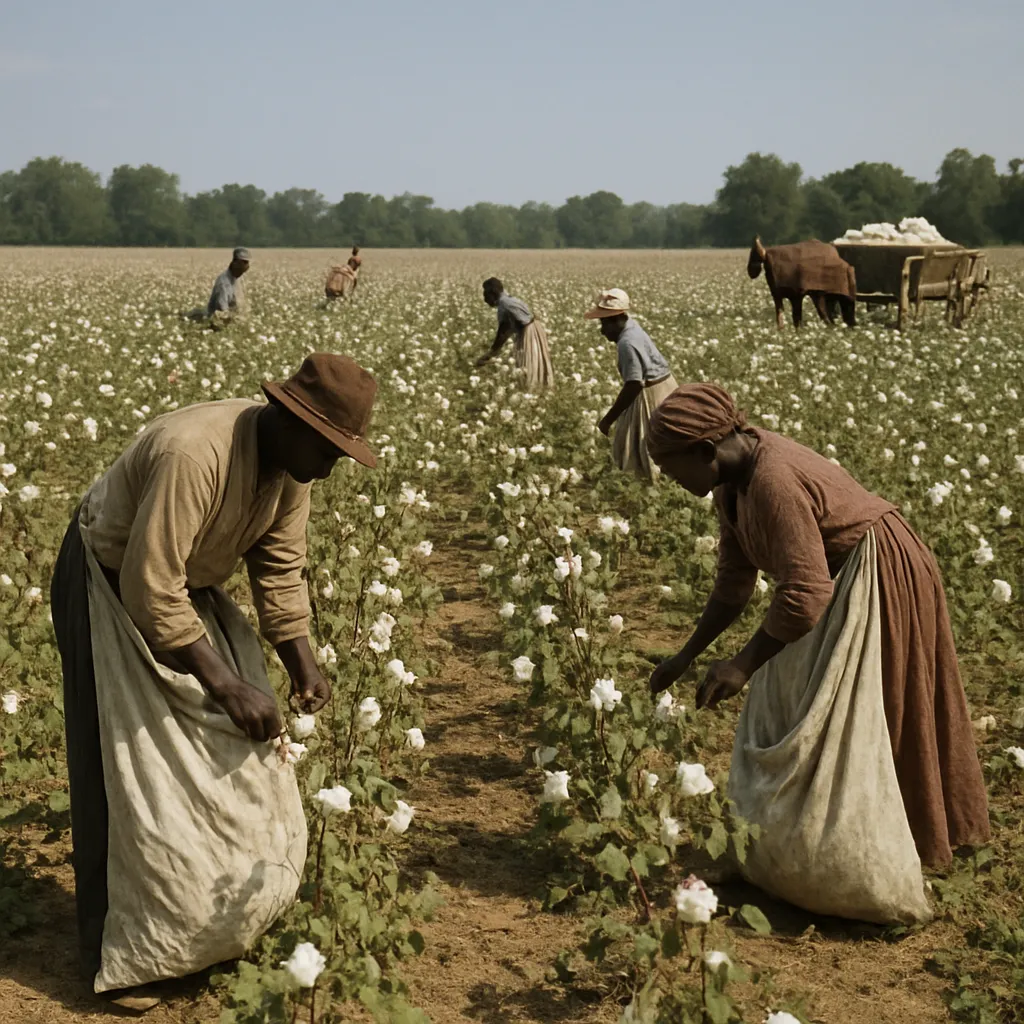
A region supported high protective tariffs because tariffs helped its factories compete with imported goods. Which region is described?

A region feared high tariffs because planters bought imported goods and sold cotton in overseas markets. Which region is described?
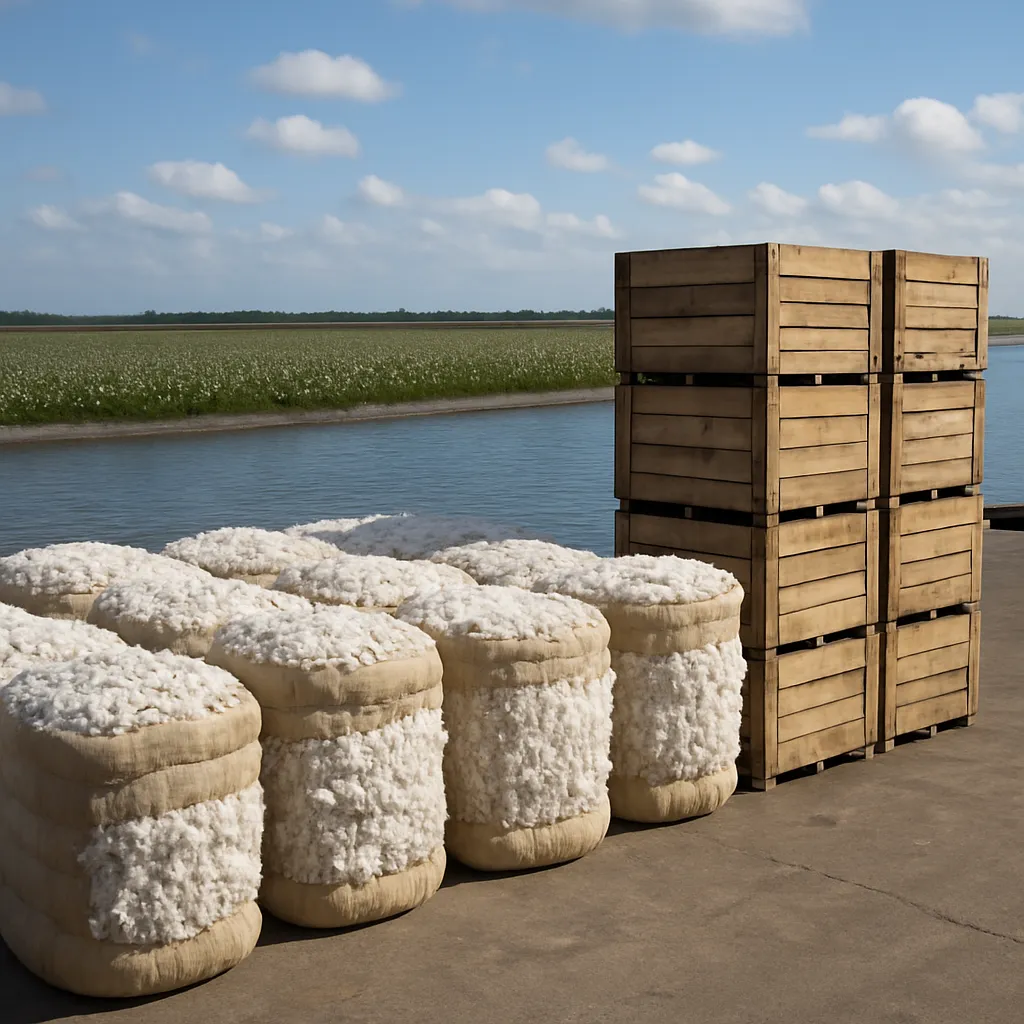
A region had more factories, canals, railroads, and public schools than the other major region. Which region is described?
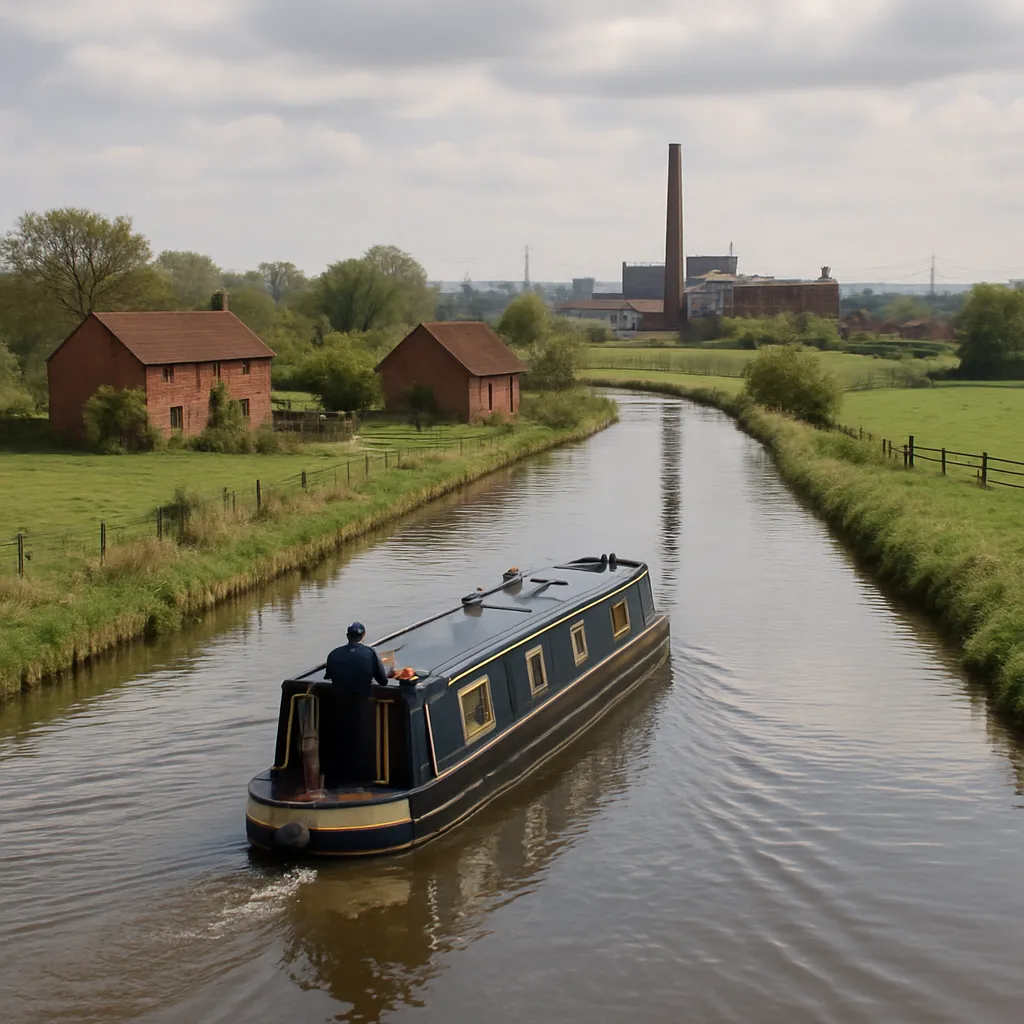
A region's political leaders defended slavery as central to its plantation society and economy. Which region is described?
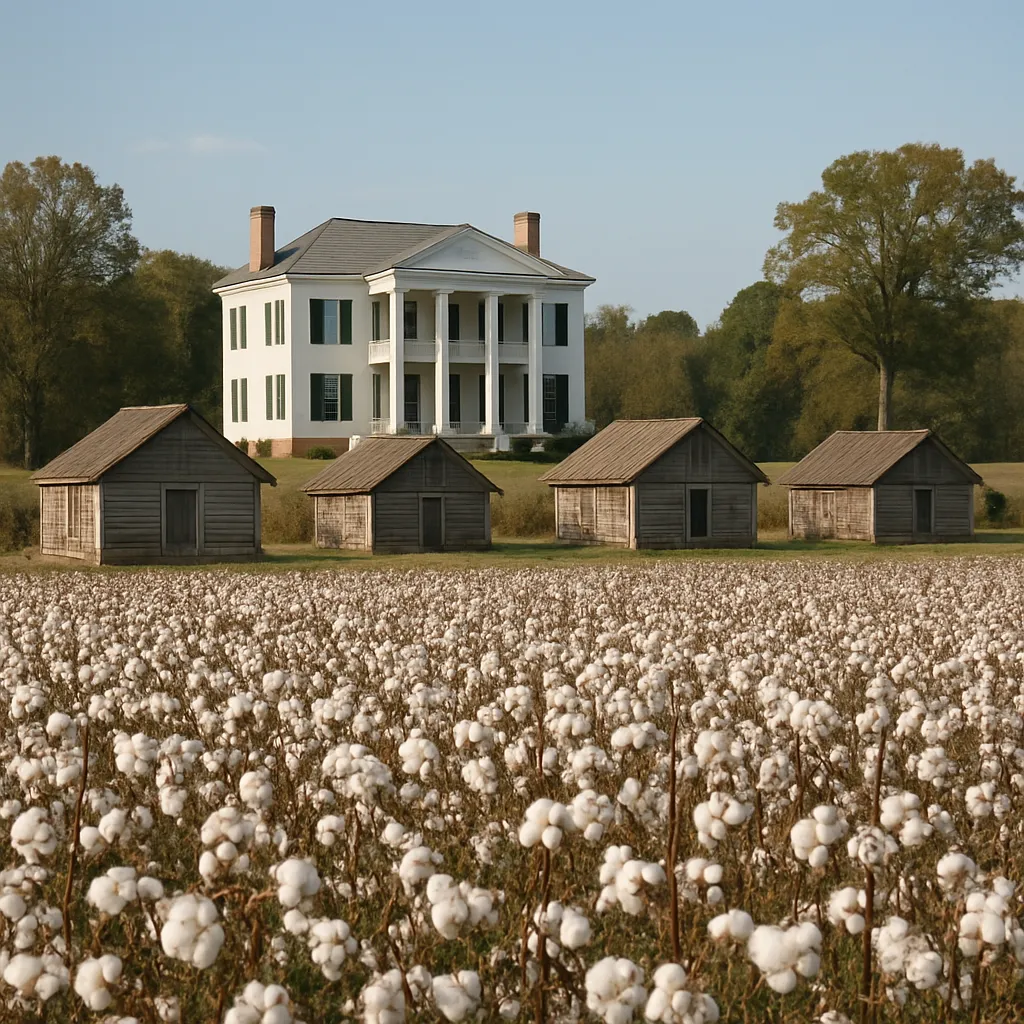
A region had fewer large cities and invested less in manufacturing because cotton plantations dominated its economy. Which region is described?
Why did the Missouri Compromise reveal sectional tension in 1820?
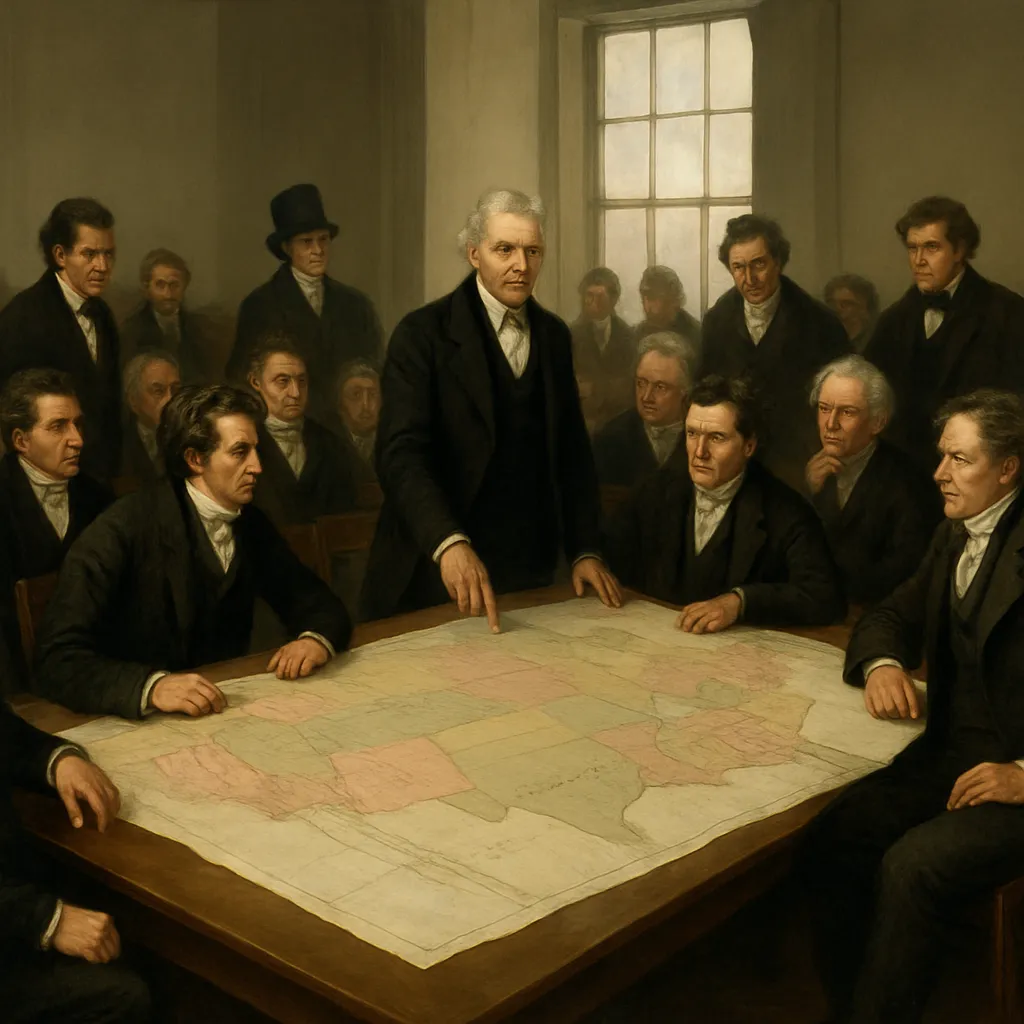
What sectional issue did the Compromise of 1850 try to settle after the Mexican-American War?
How did the Fugitive Slave Act of 1850 deepen sectional conflict?
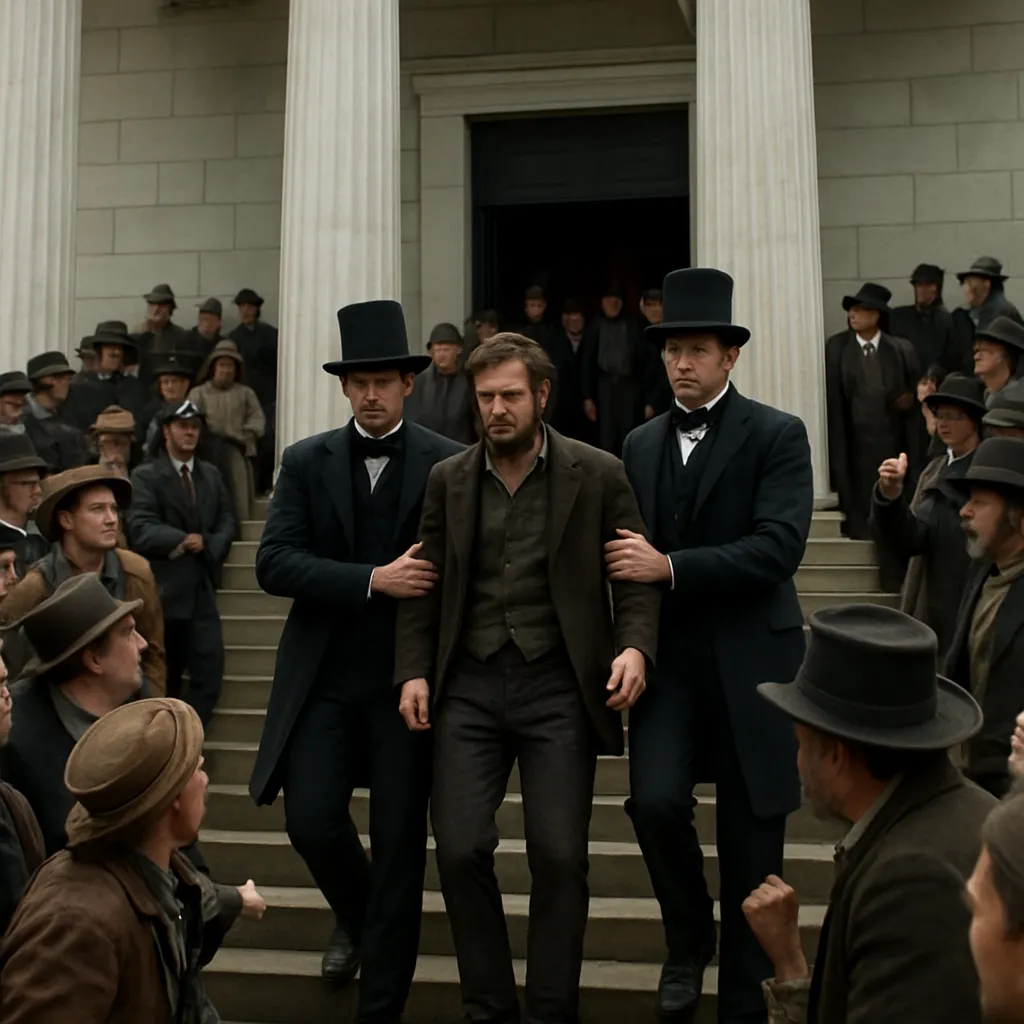
Why did the Kansas-Nebraska Act increase conflict between North and South?
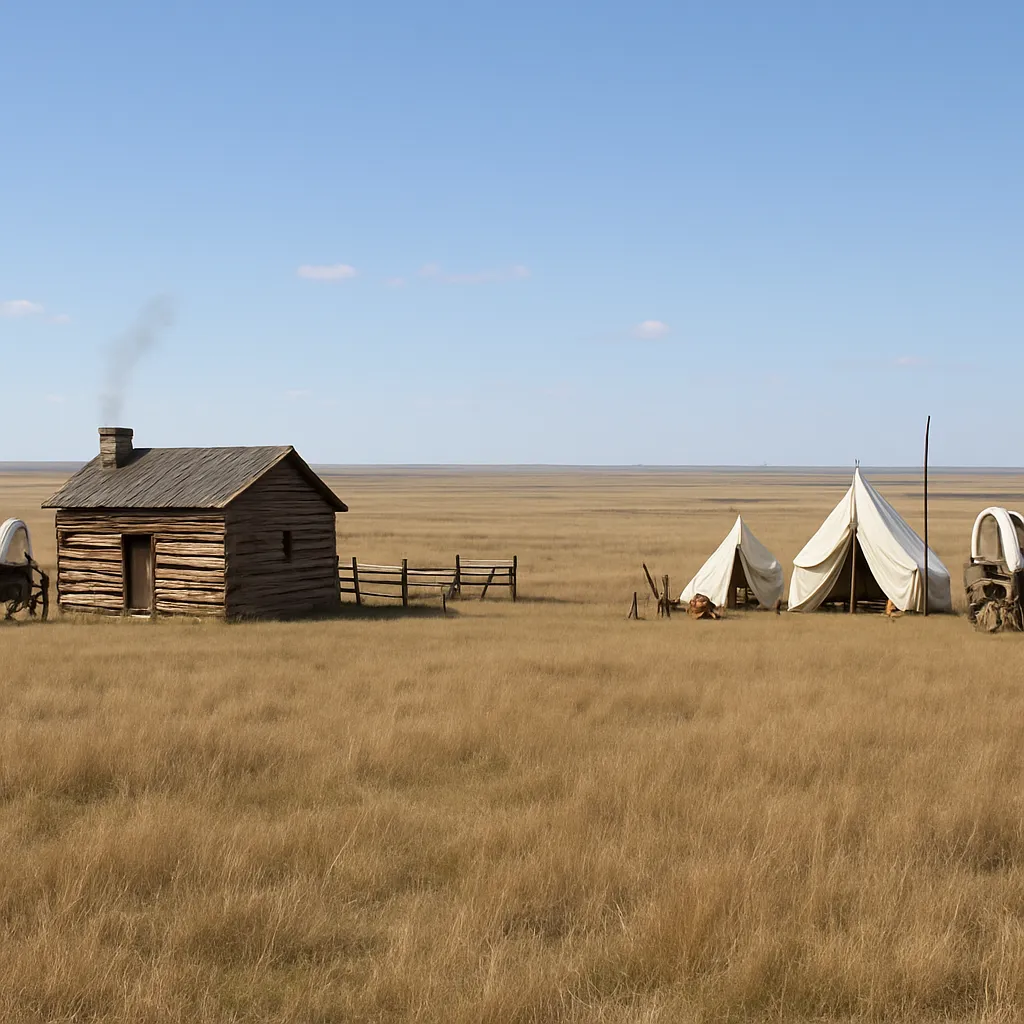
What did violence in Bleeding Kansas show about sectionalism in the 1850s?
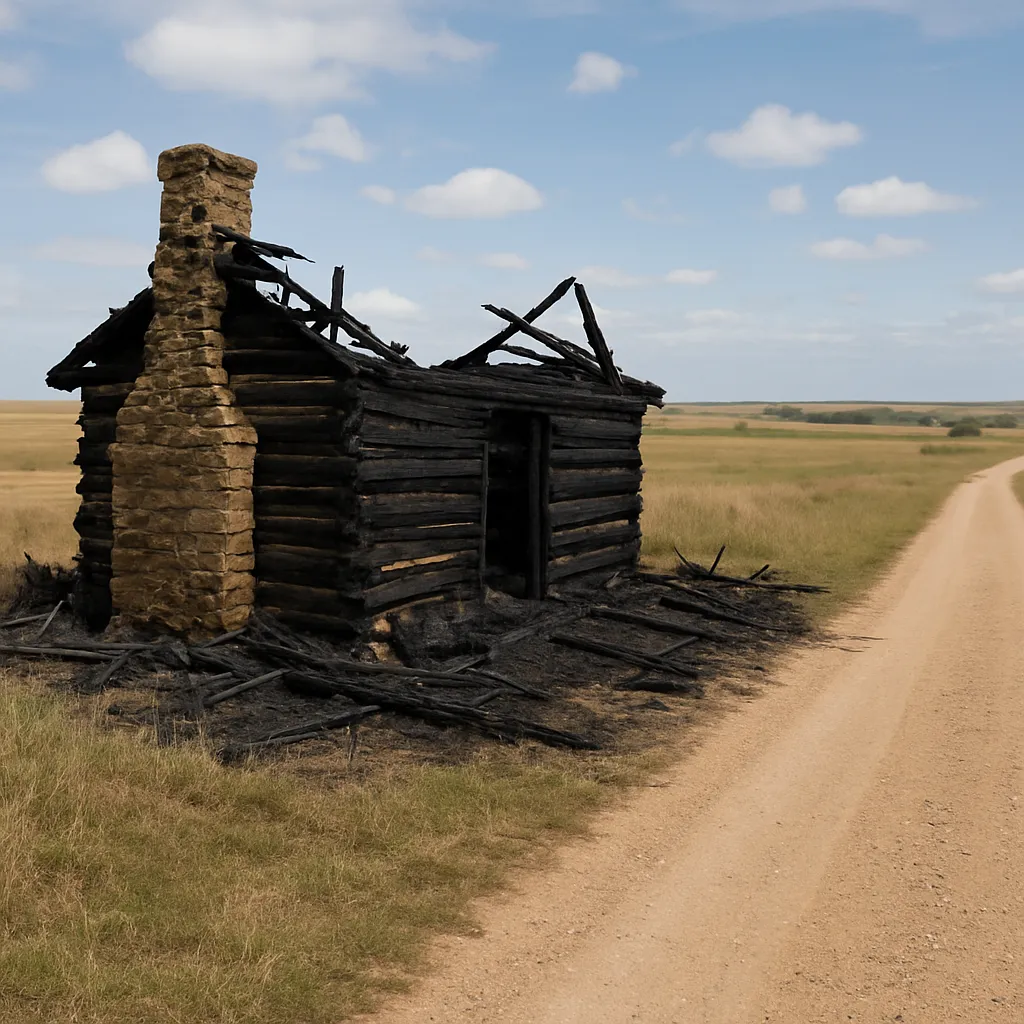
How did Dred Scott v. Sandford intensify sectional tension in 1857?
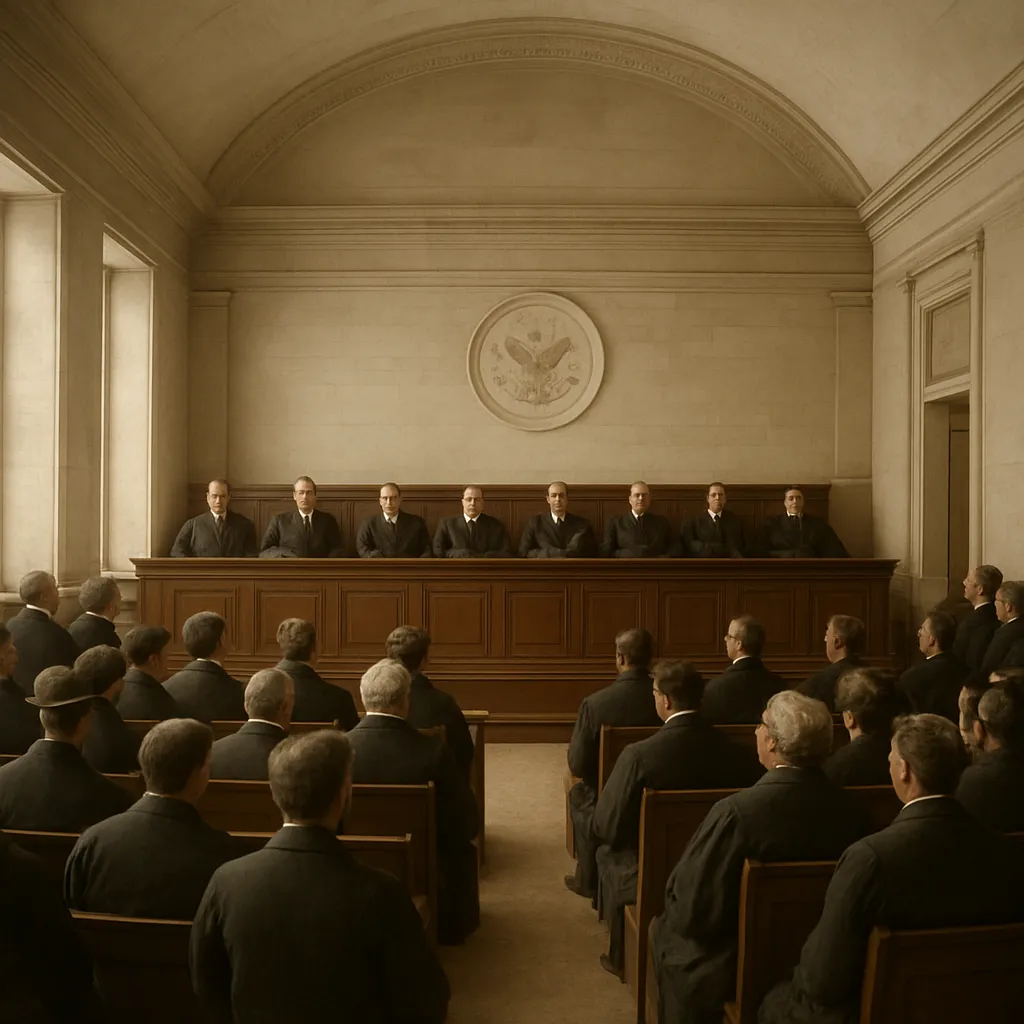
Why did Abraham Lincoln's election in 1860 lead Southern states toward secession?

One region relied on enslaved labor for plantation crops, while another expanded factories with paid workers. What did this difference increase?
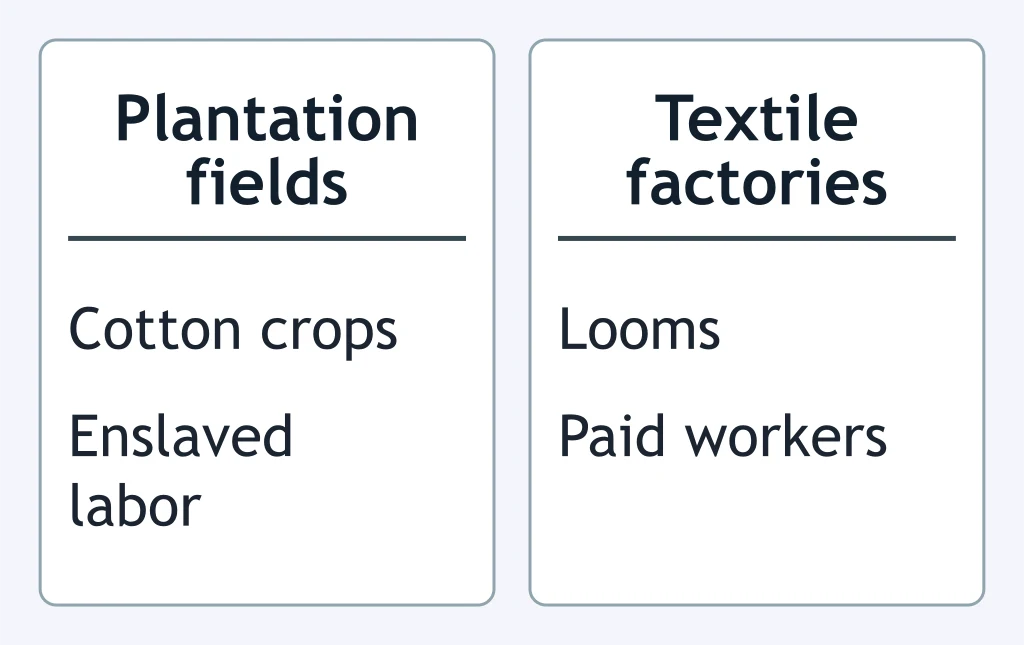
What effect did the South's dependence on enslaved plantation labor have on debates over western territories?
How did the North's growing free-labor economy affect many Northerners' views of slavery's expansion?
What political effect came from having slave states and free states compete for equal power in the Senate?
How did different labor systems affect arguments about tariffs before the Civil War?
What effect did slavery-based plantations have on Southern society compared with Northern industrial society?
Crack the passcode before the zombies get in.
Answer, then swat bugs for bonus points.
Race through questions at your own speed.
Same question on every screen. Fastest wins.

Pick a tile, answer, hit bonuses and steals.
The Election of 1860 and Secession
20 questions