Loading
by BlastRoom
Identify major Islamic Golden Age contributions to learning, science, medicine, and the arts.
#world_history#us_grade_7_social_studies
30 questions
One question set, multiple game modes. Tap any game to see it in action. Not sure which to pick?
Answer to place stones and capture territory.
Outrun the snow together.
Earn blasts, then hunt the other team.
Answer to earn energy, then climb.

The class blasts through walls together.
Bid on mystery lots. Most money wins.
Sell tours. Nice, standard, or a total scam.

Answer, restock, and serve the rush.
More correct answers pulls the rope your way.
Answer, then shoot down the alien wave.
Answer, then tap to leap the frozen ridge.
Scholars wrote step-by-step methods for balancing equations to find unknown amounts. Which field of math grew from this work?
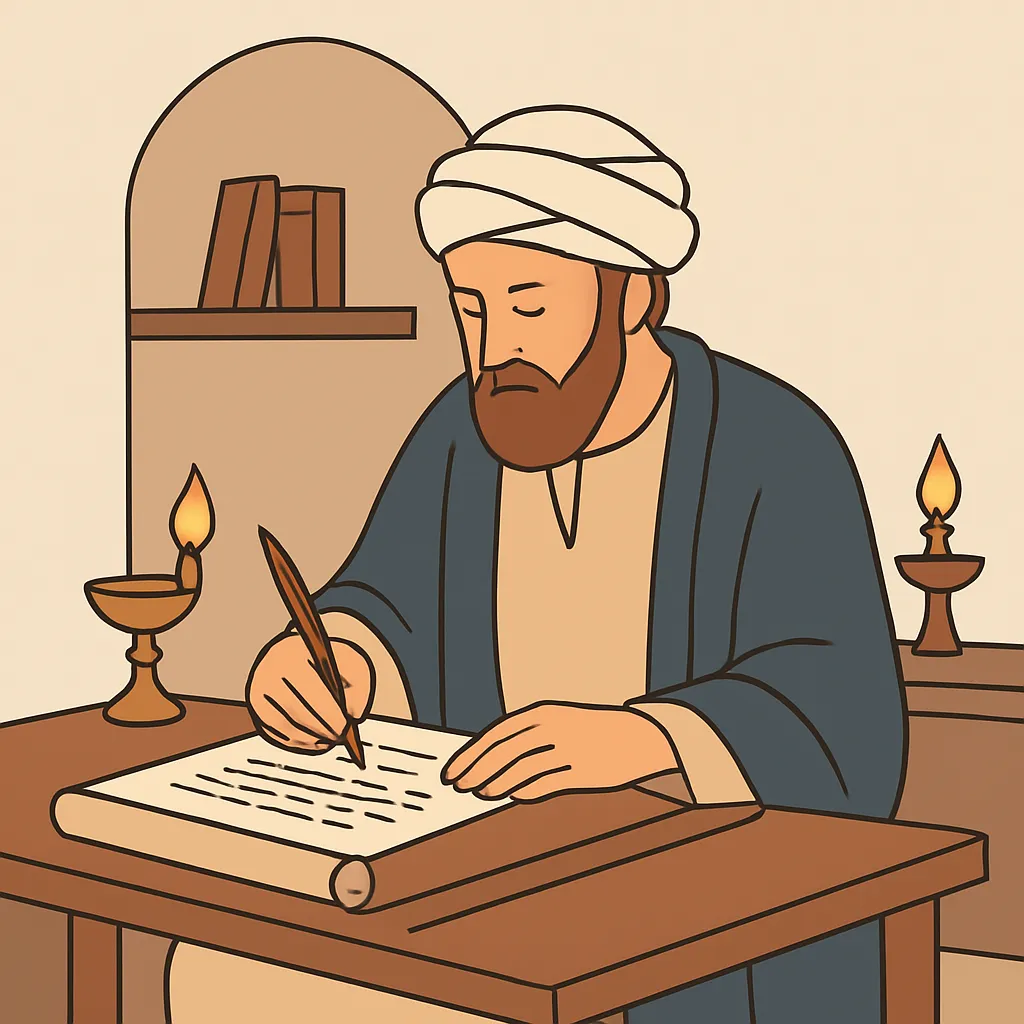
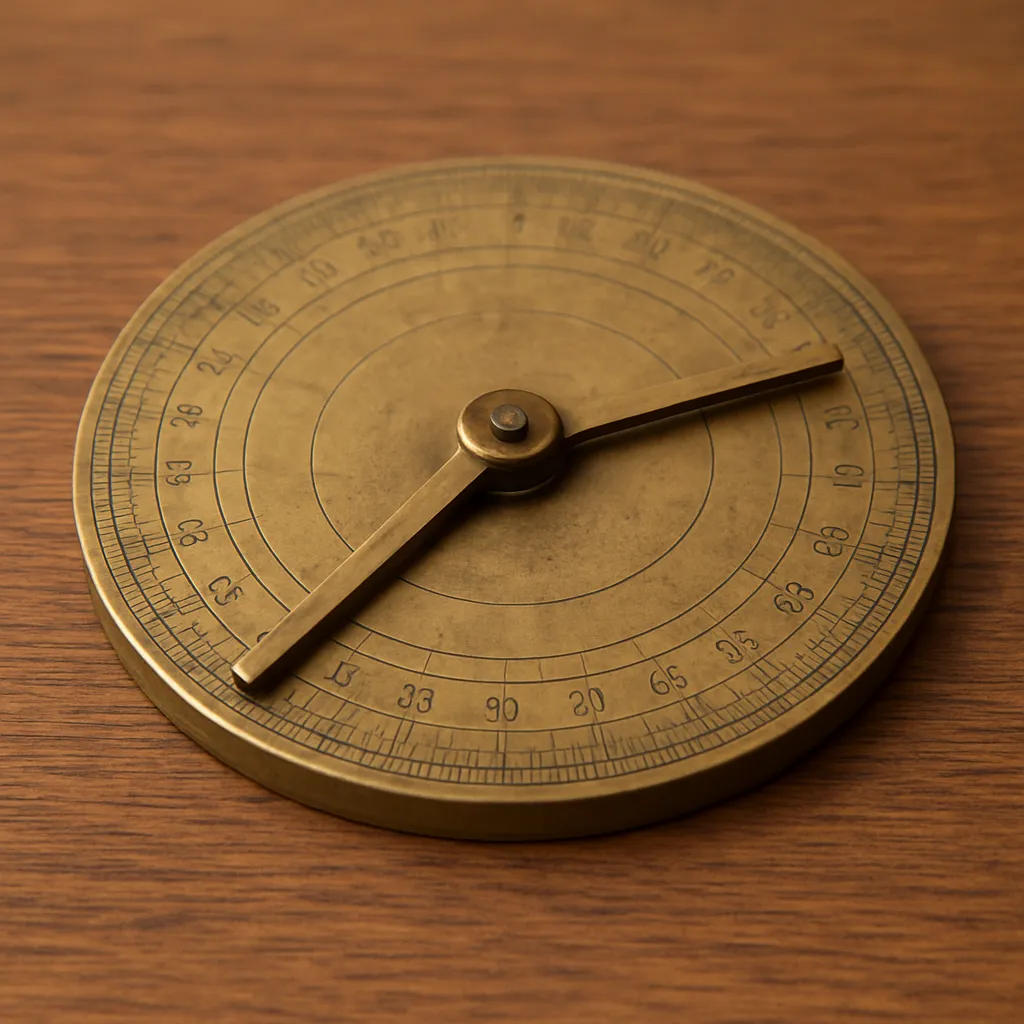
Muslim scholars improved instruments for measuring stars and calculating times for prayer. Which science is described?
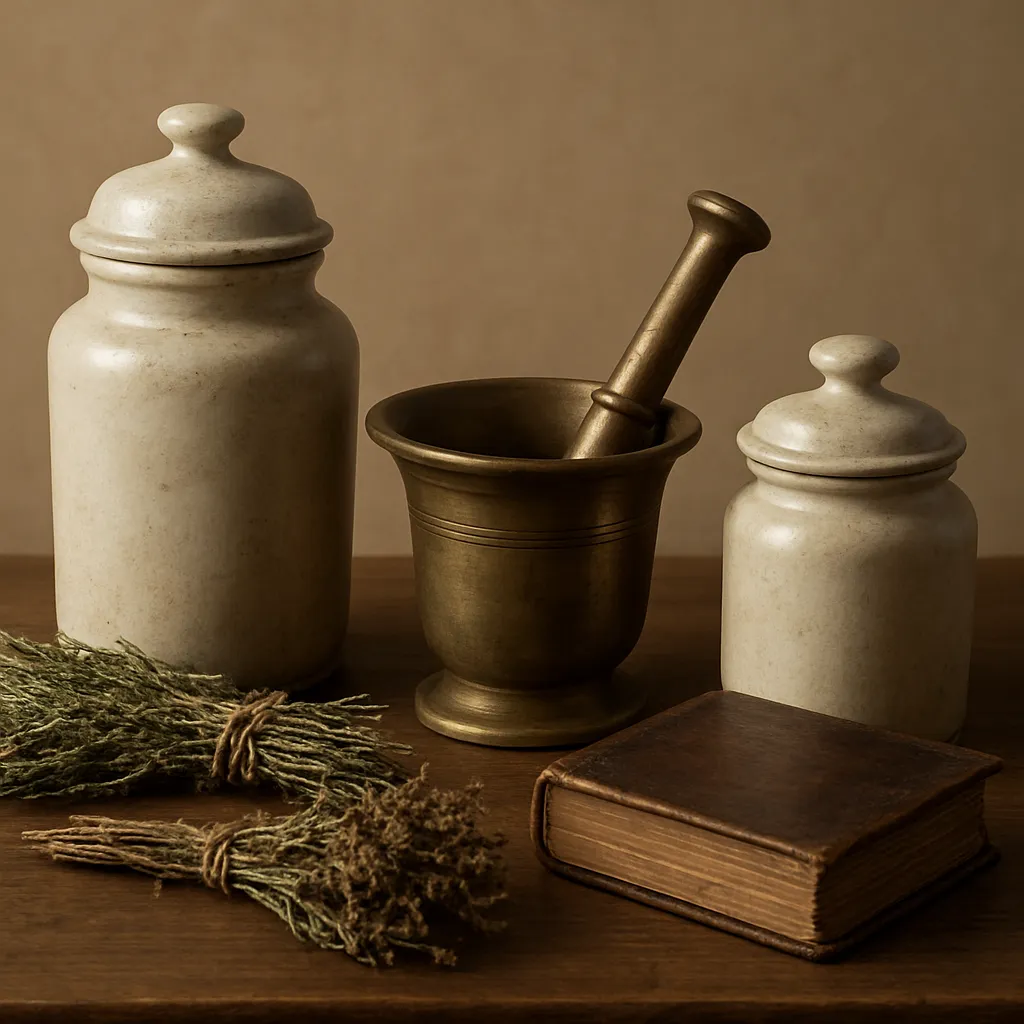
The physician al-Razi wrote one of the earliest known books explaining how to tell two diseases apart. Which two?
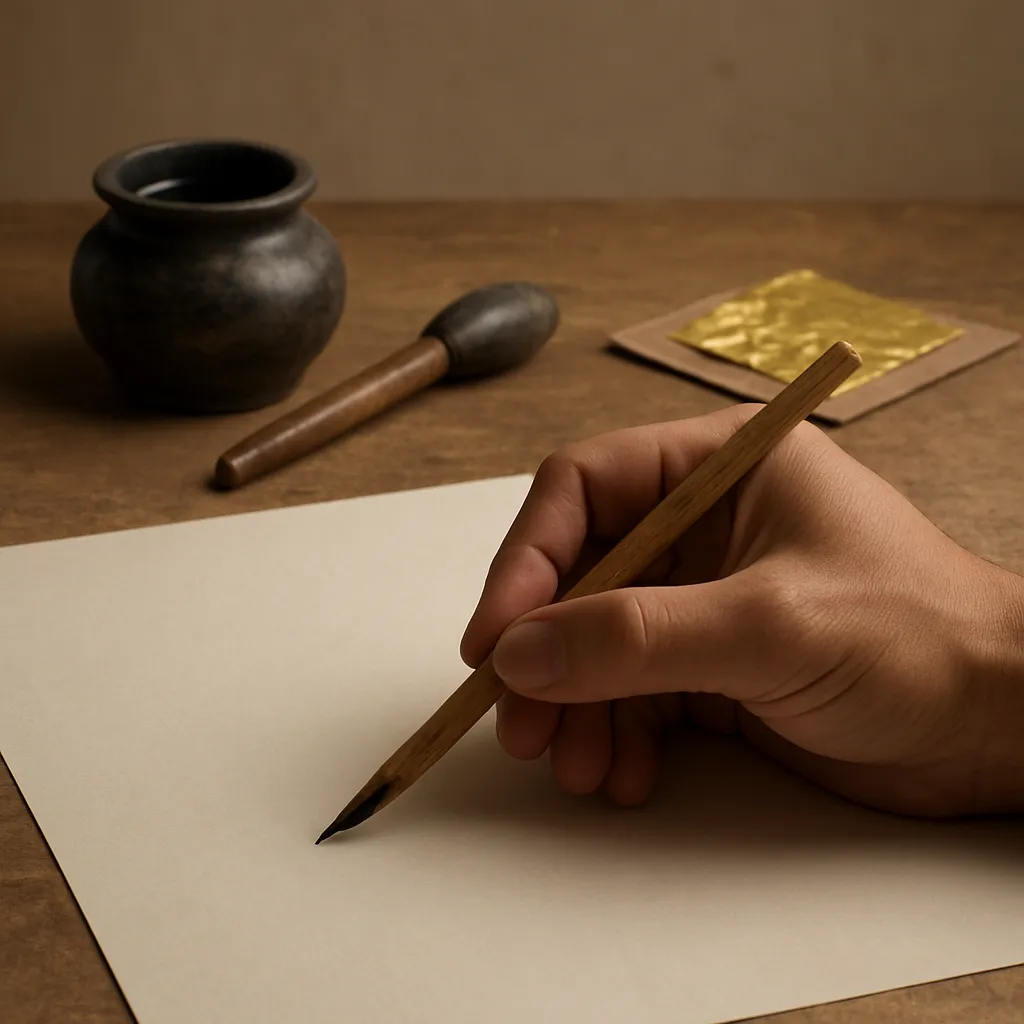
Artists decorated Qurans and buildings with elegant Arabic lettering. Which art form is described?
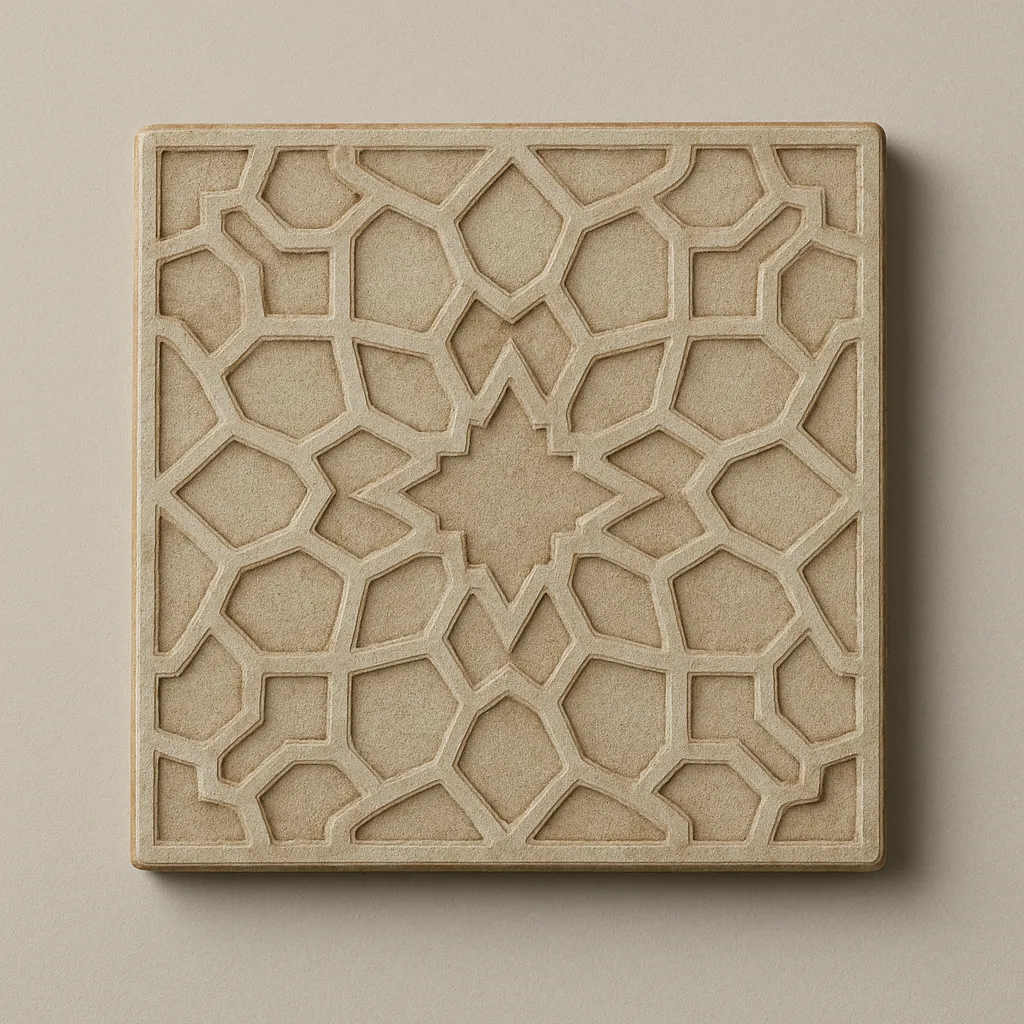
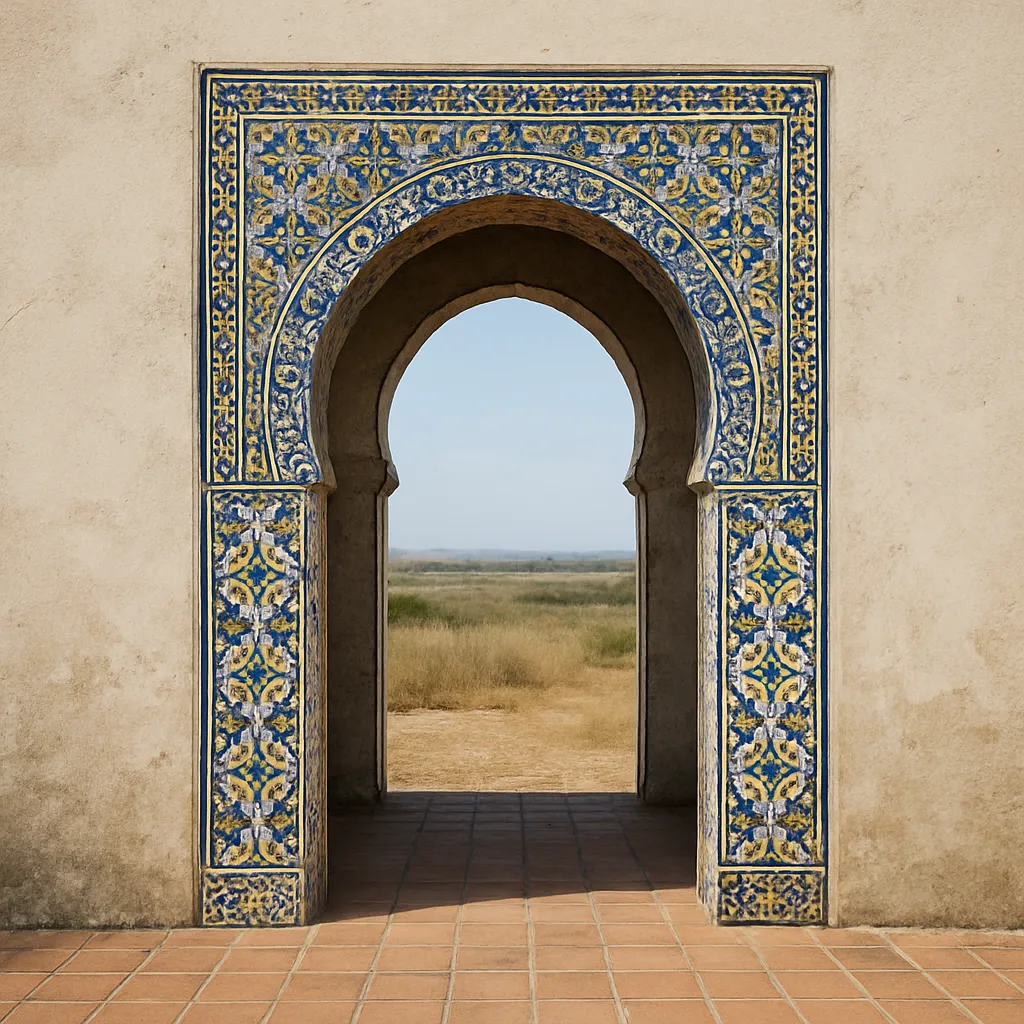
Builders used repeating stars and polygons to decorate mosques and palaces. Which artistic contribution is described?
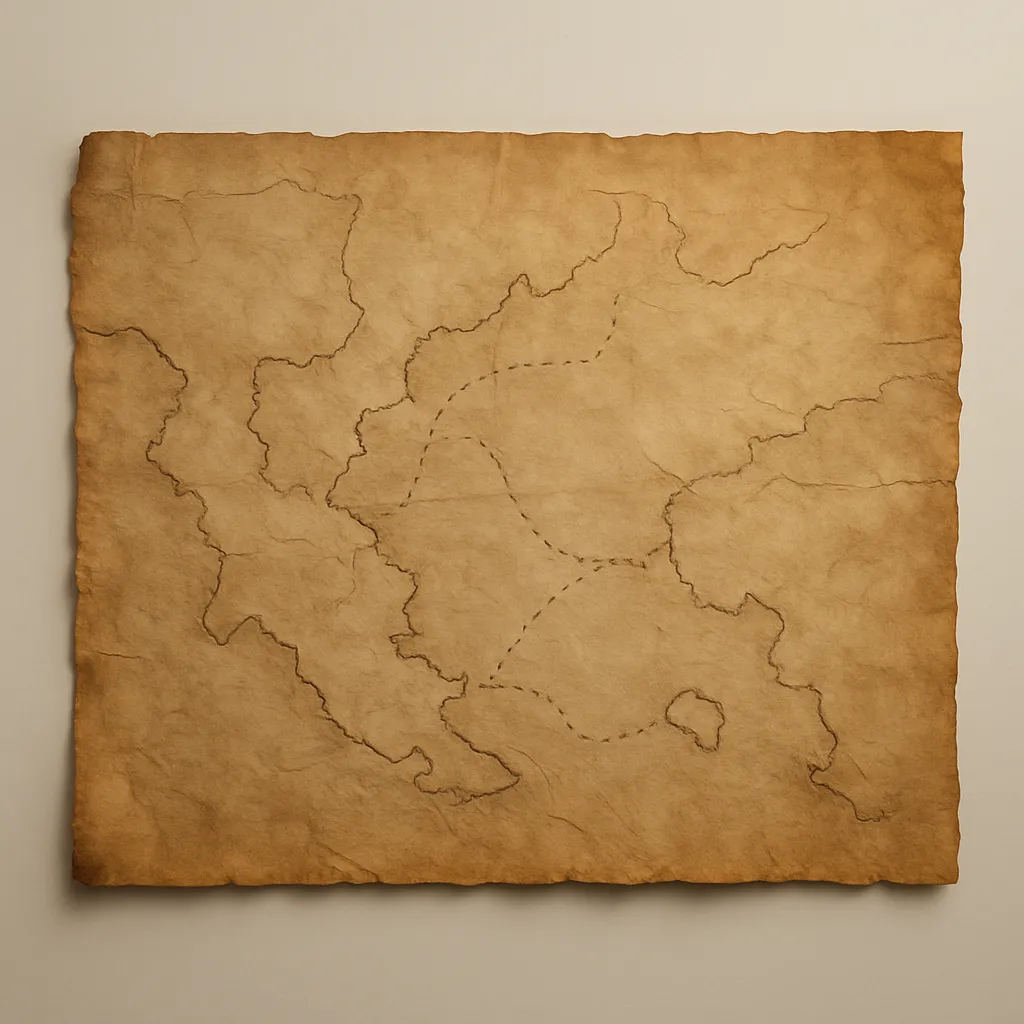
Scholars made more accurate maps and described routes across Africa, Asia, and Europe. Which field is described?
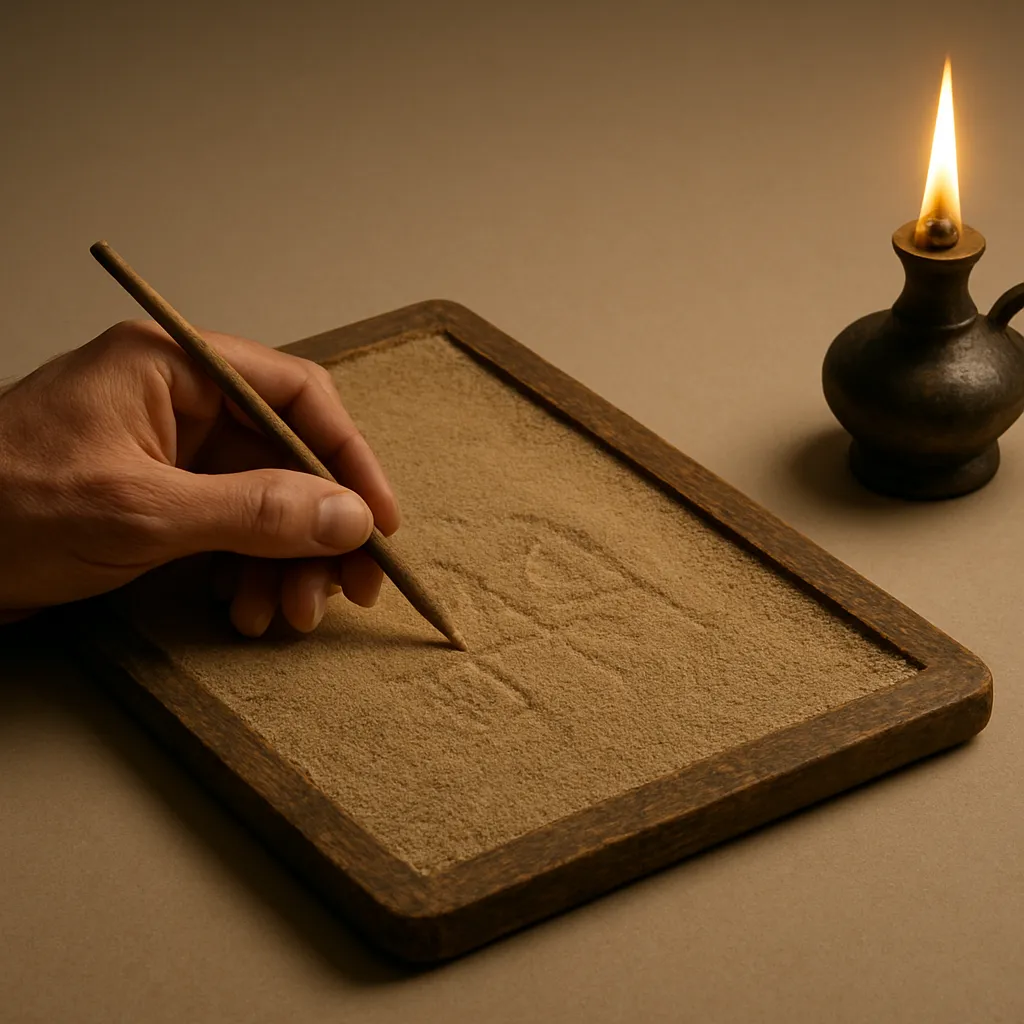
Mathematicians in Baghdad adopted a number system that used ten digits, place value, and zero. It later spread to Europe. Which system was it?
Storytellers in cities such as Baghdad and Cairo told tales of Sinbad the Sailor and Aladdin. Which famous collection are these tales part of?
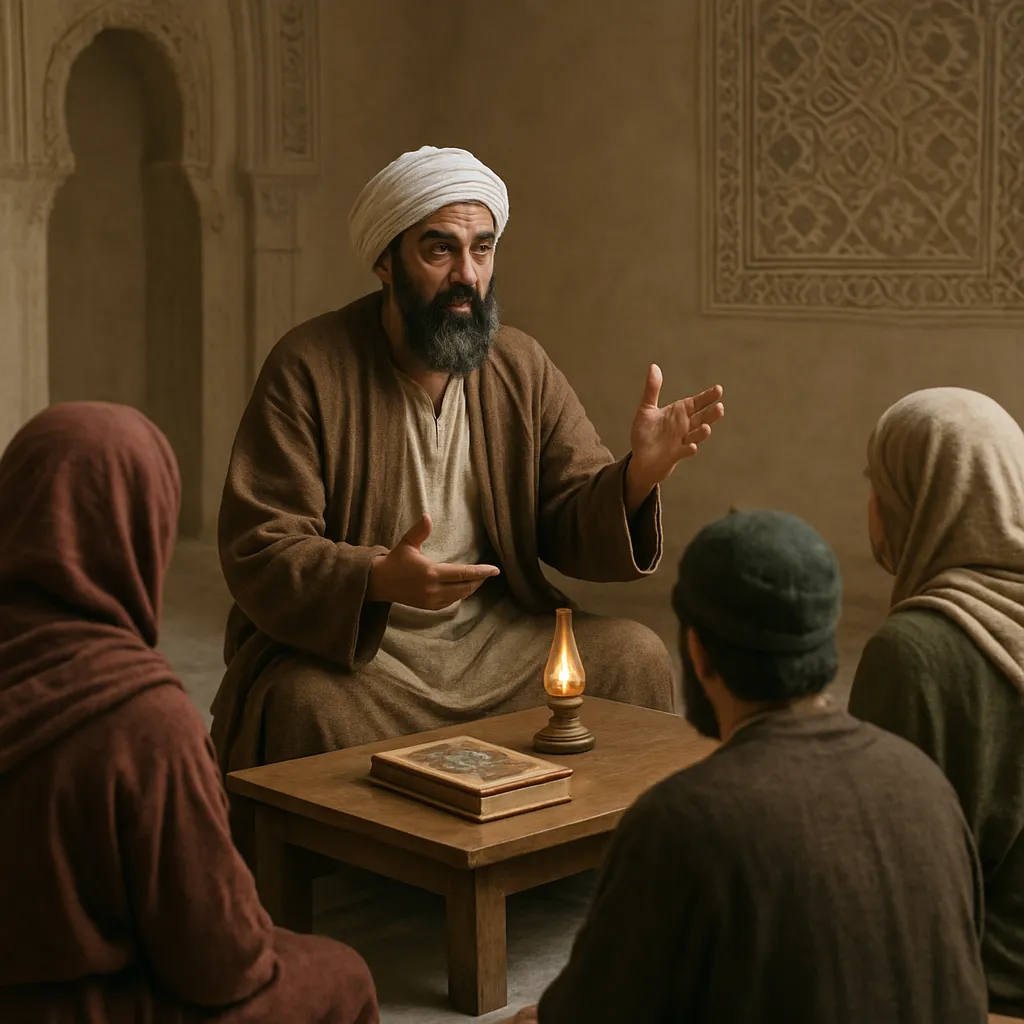
In Abbasid Baghdad, scholars translated Greek, Persian, and Indian works and studied them. Which institution supported this activity?
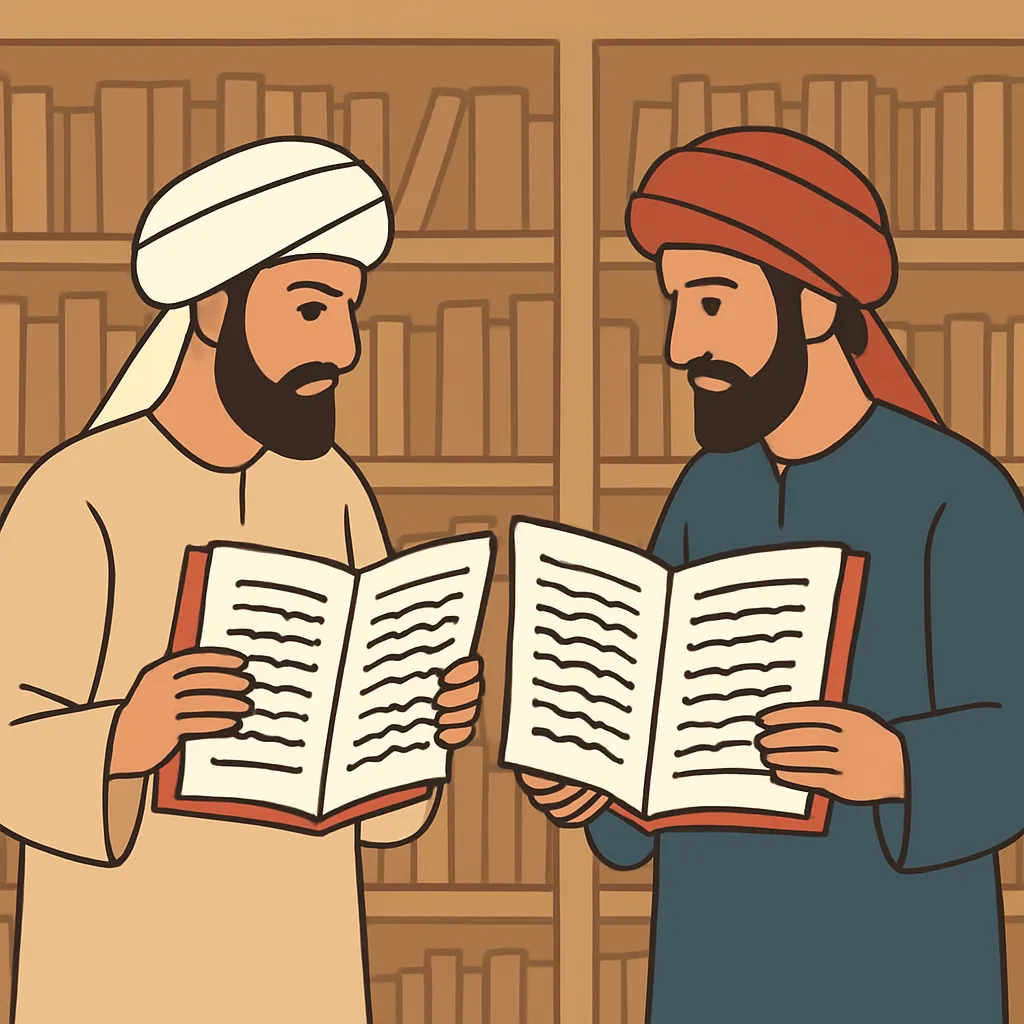
The word "algorithm" comes from the name of which scholar?
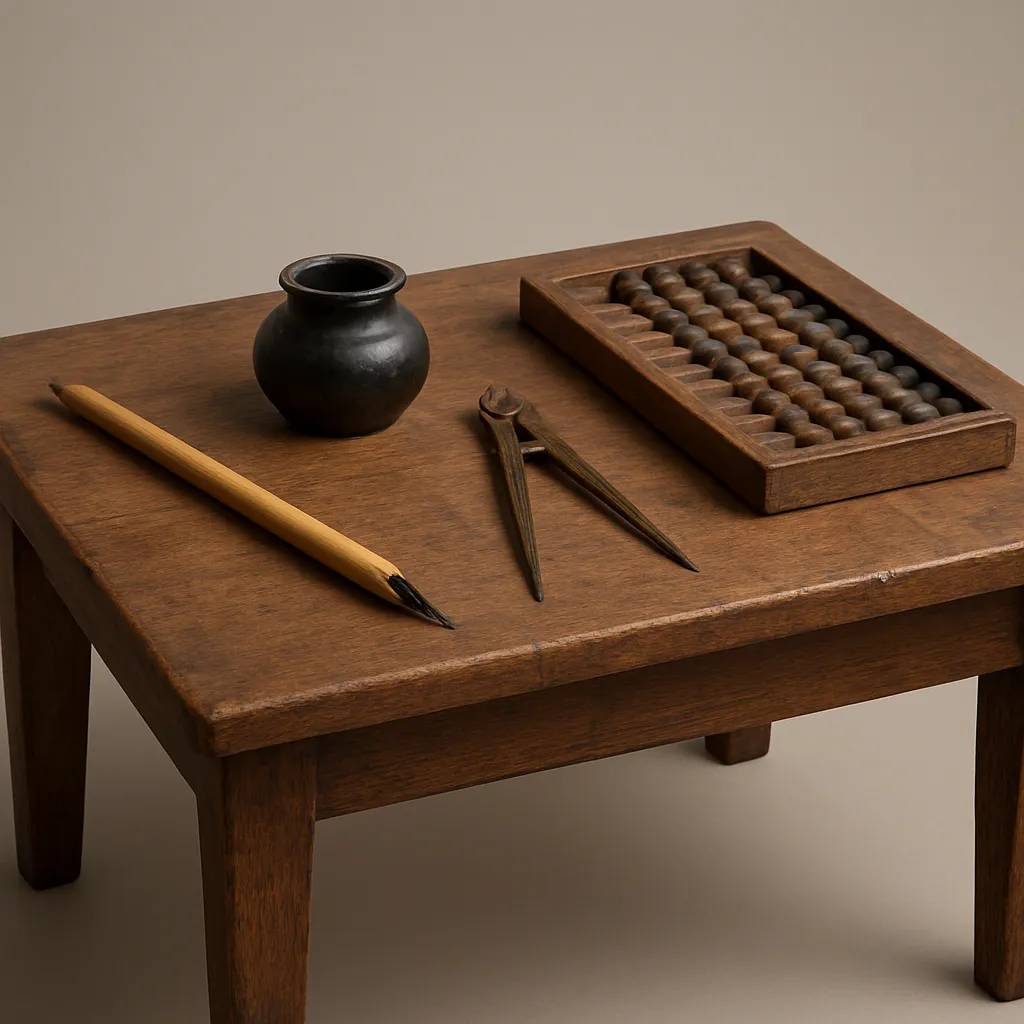
Which scholar wrote The Canon of Medicine, a book used in European medical schools for centuries?
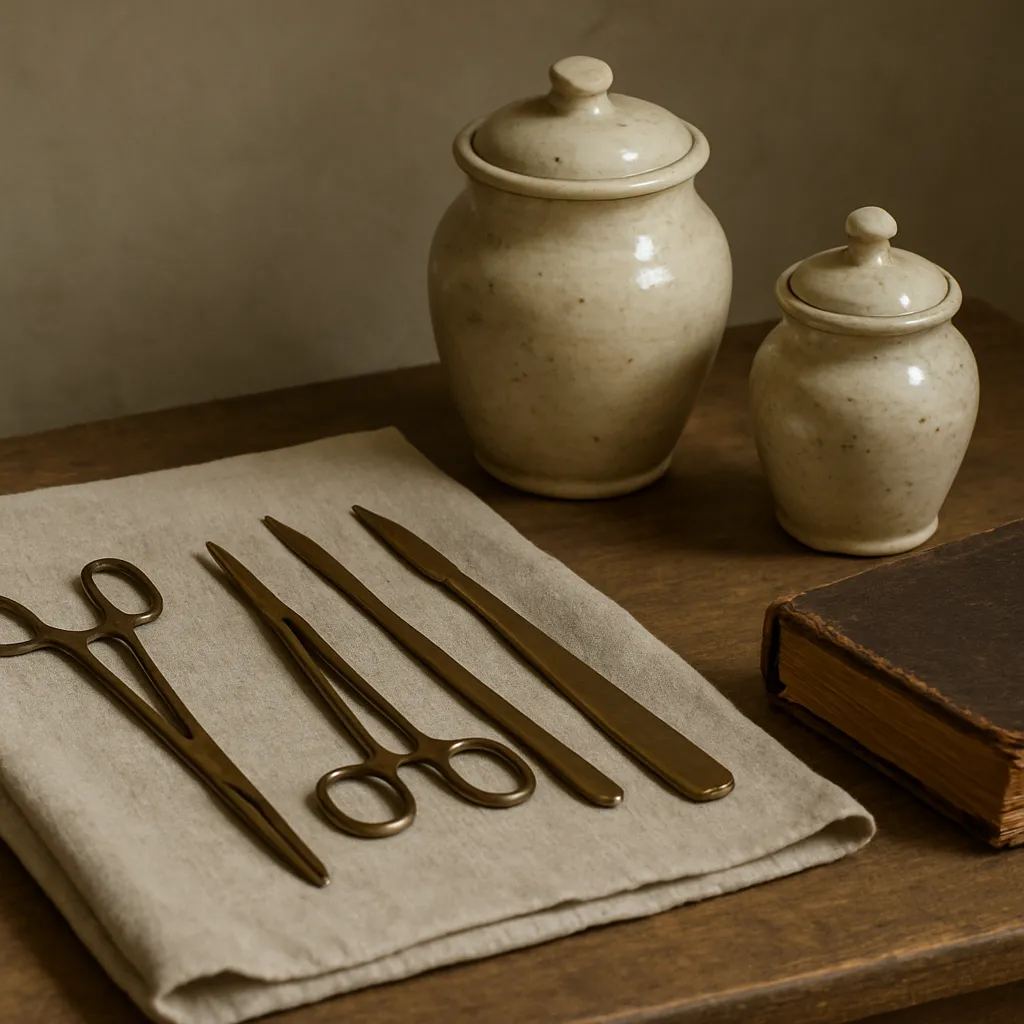
Ibn al-Haytham argued that we see because light travels from objects into our eyes. Which older idea did this reject?
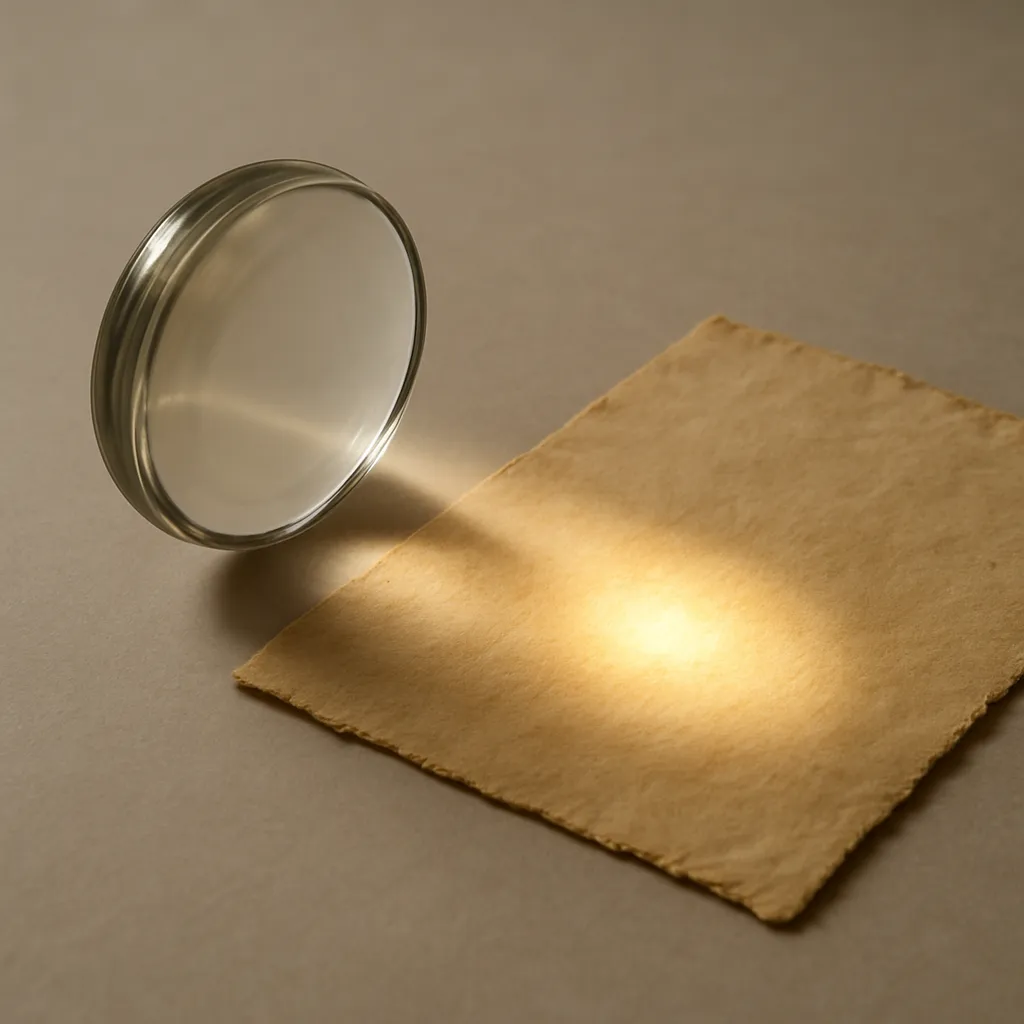
In 1154, al-Idrisi made a famous world map for a Christian king who ruled an island in the Mediterranean. Which island was it?
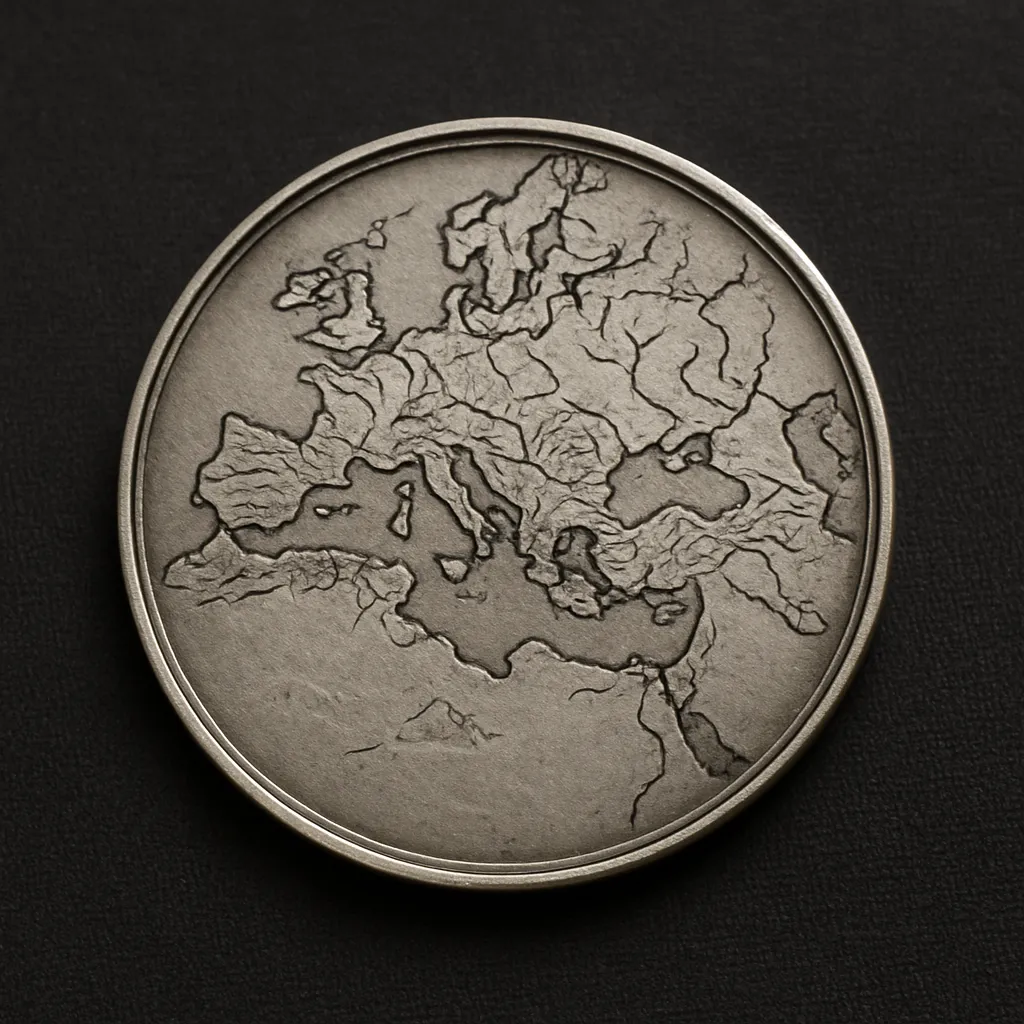
Arabic scholars studied and translated this Greek philosopher so closely that they called him "the First Teacher." Who was he?
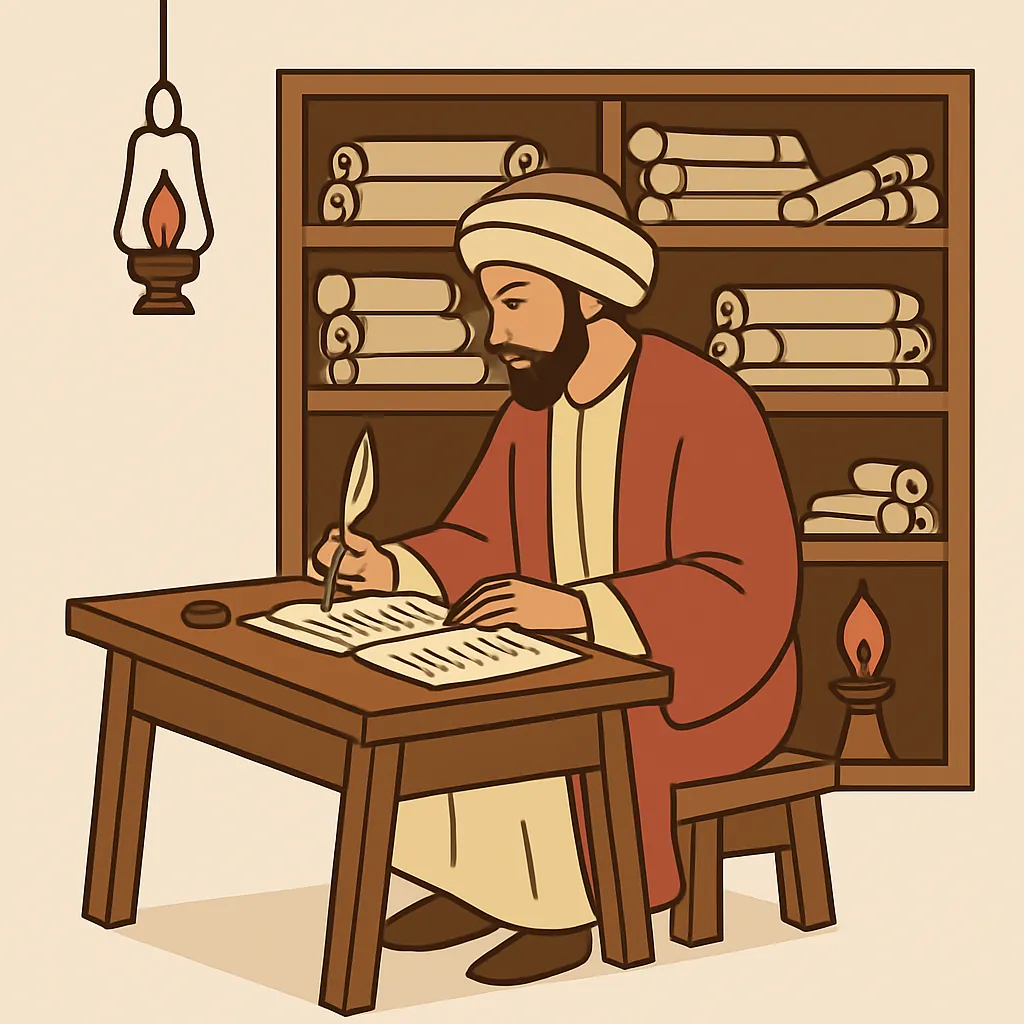
A hospital in Baghdad trained doctors and treated patients in separate wards. Which institution is described?

In the 800s, Caliph al-Ma'mun supported observatories in Baghdad and Damascus. What did astronomers there produce?
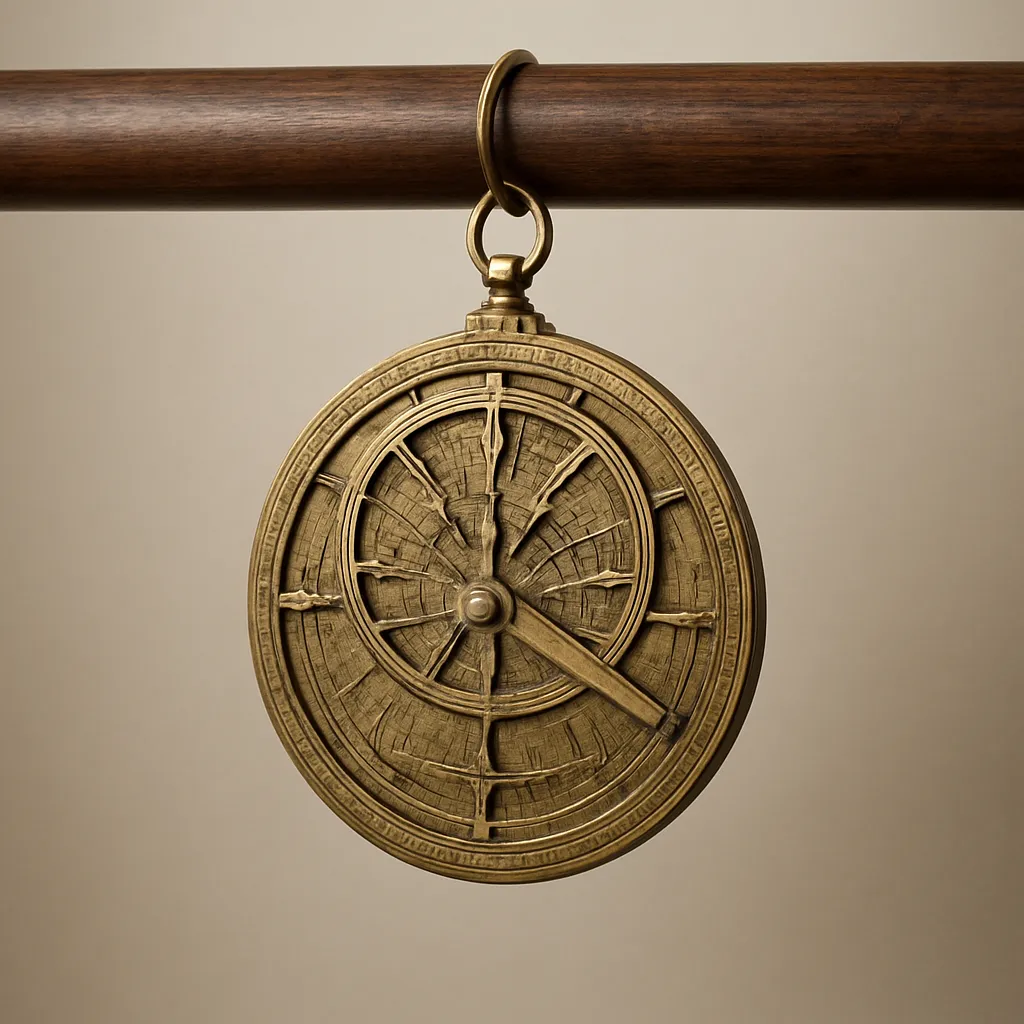
Some original Greek medical books were lost, but scholars had already translated them into Arabic. What was one result?

When Arabic scientific books reached Spain and Sicily, scholars translated many into Latin. What did this help do?
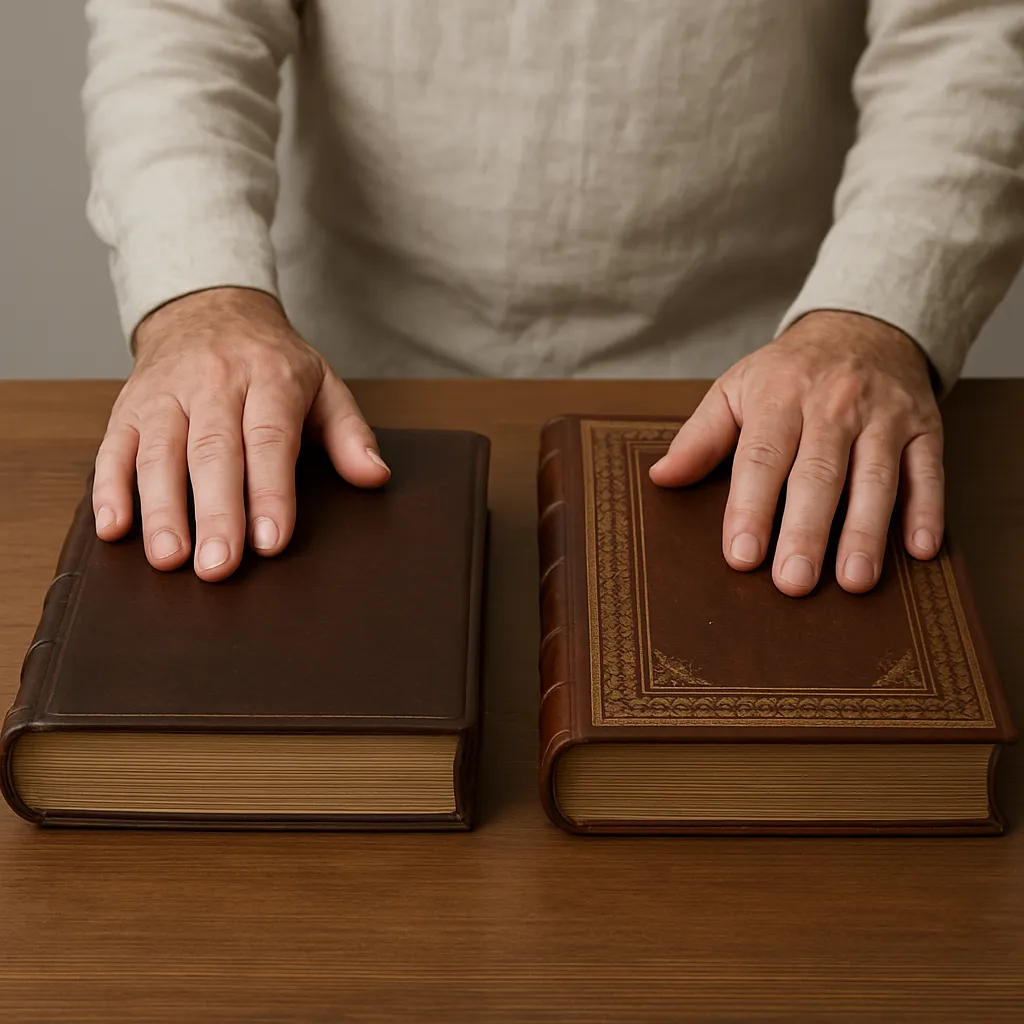
Paper mills in Islamic cities made books cheaper than parchment manuscripts. How did this affect learning?
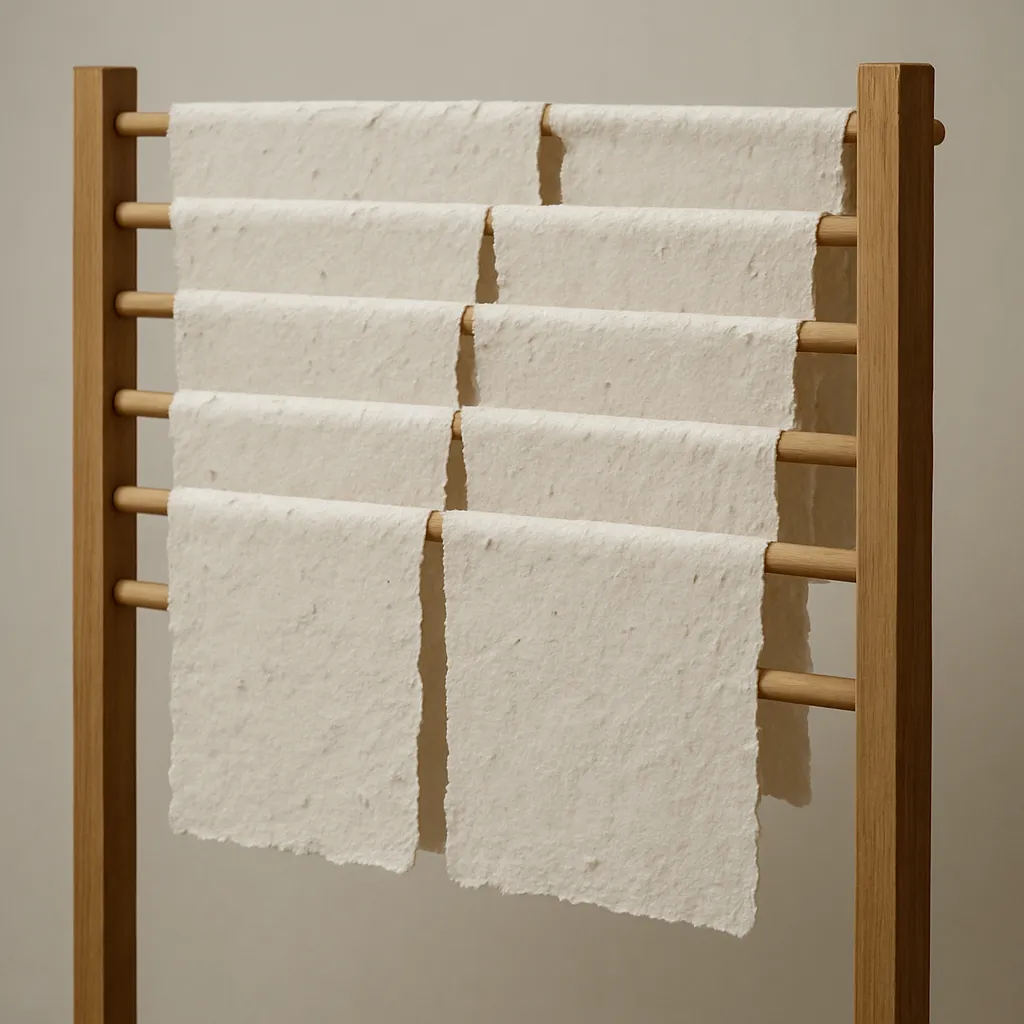
Baghdad's translators compared Greek, Persian, and Indian ideas in Arabic. Why did this matter?
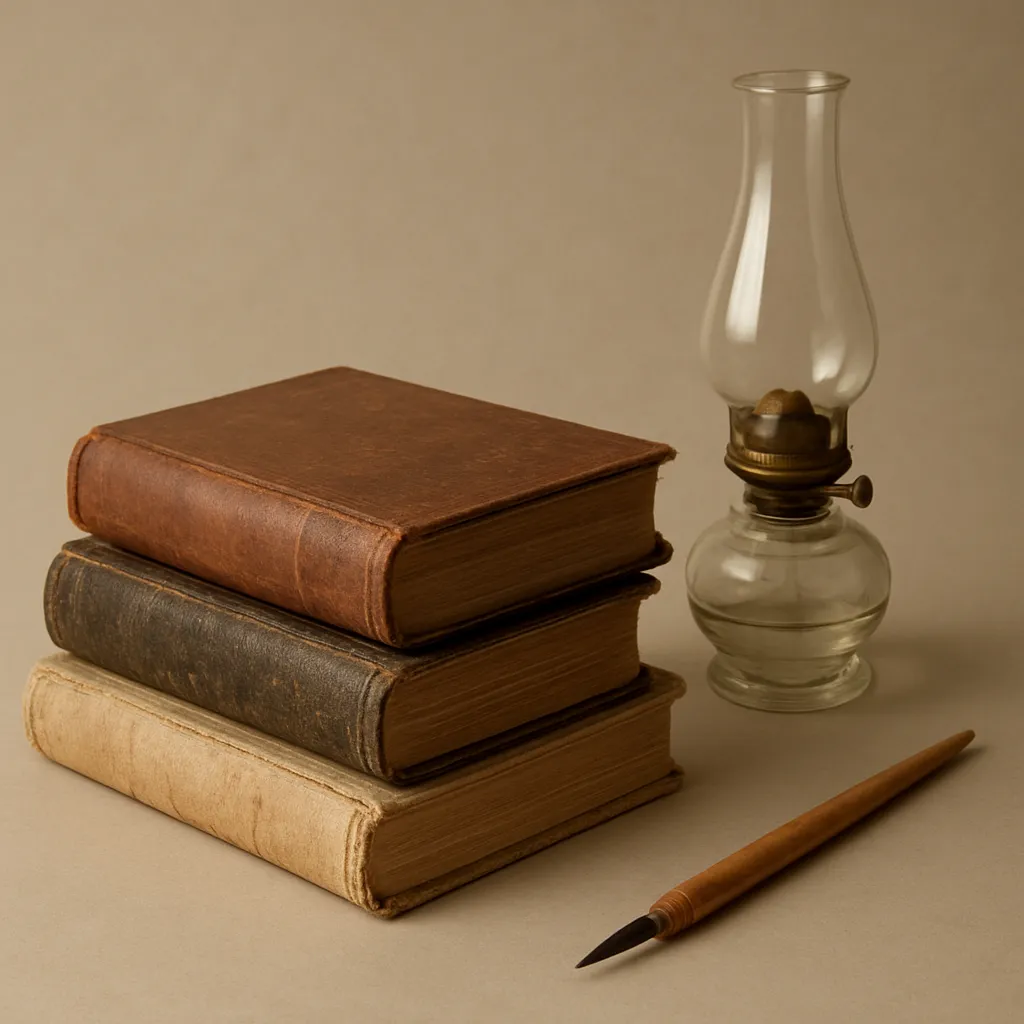
Libraries collected copied texts from many regions of the Islamic world. What did these collections help scholars do?
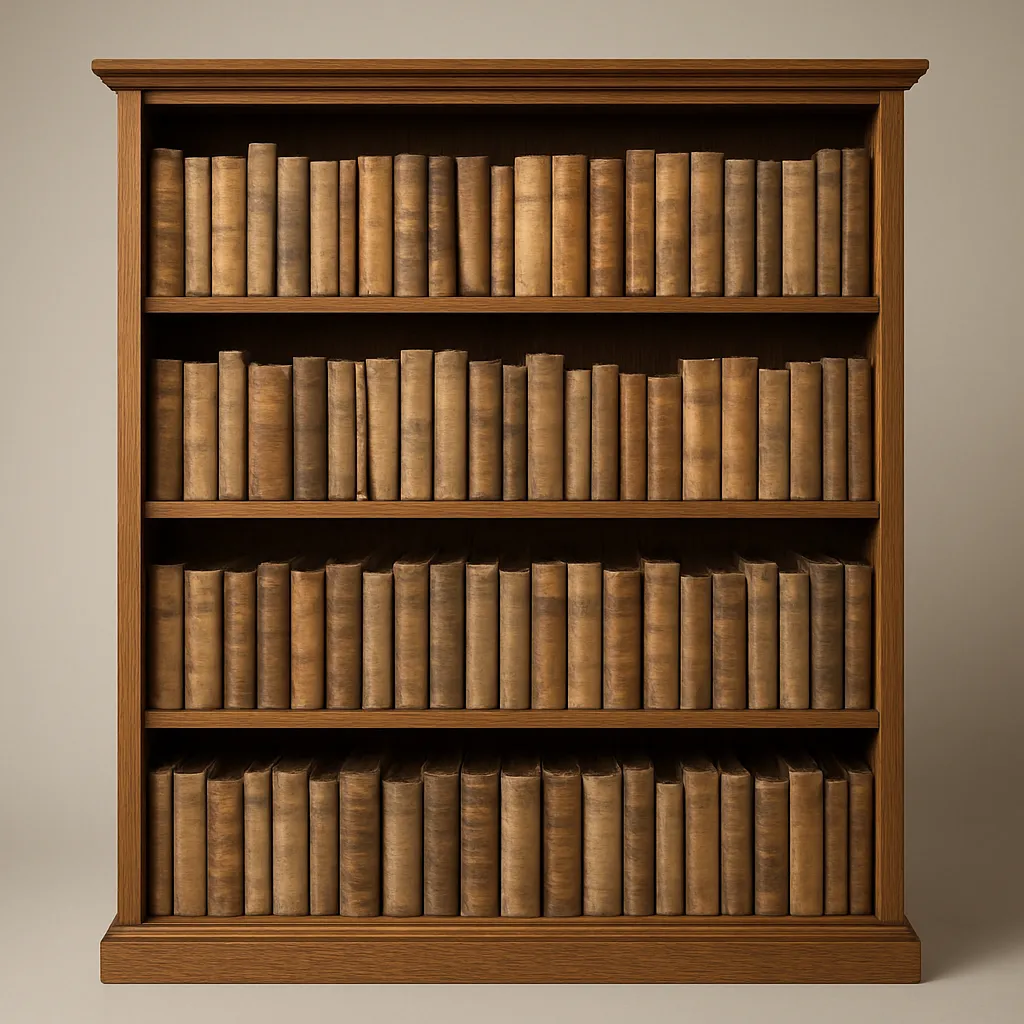
In the 1100s, scholars in which Spanish city translated many Arabic books into Latin?
Scholars copied and commented on ancient math texts instead of discarding them. What was the main effect?
Doctors in Islamic hospitals kept records of symptoms and treatments. What practical impact did this have?
Merchants and sailors used improved maps and route descriptions across the Indian Ocean. Which activity benefited most?
An astrolabe helped users find time and direction from the positions of stars. Which practical need did it support?
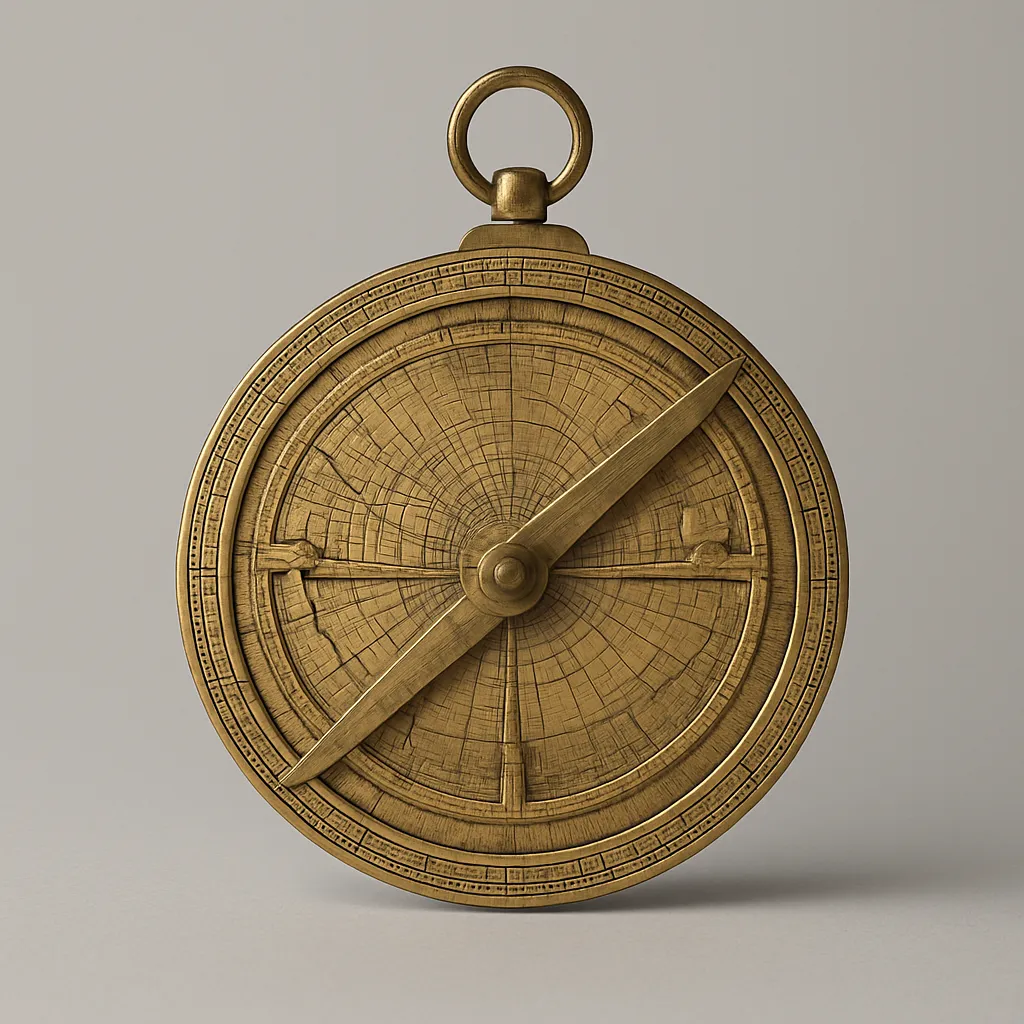
Al-Khwarizmi's algebra book included many problems about dividing inheritances. Why were these problems useful?
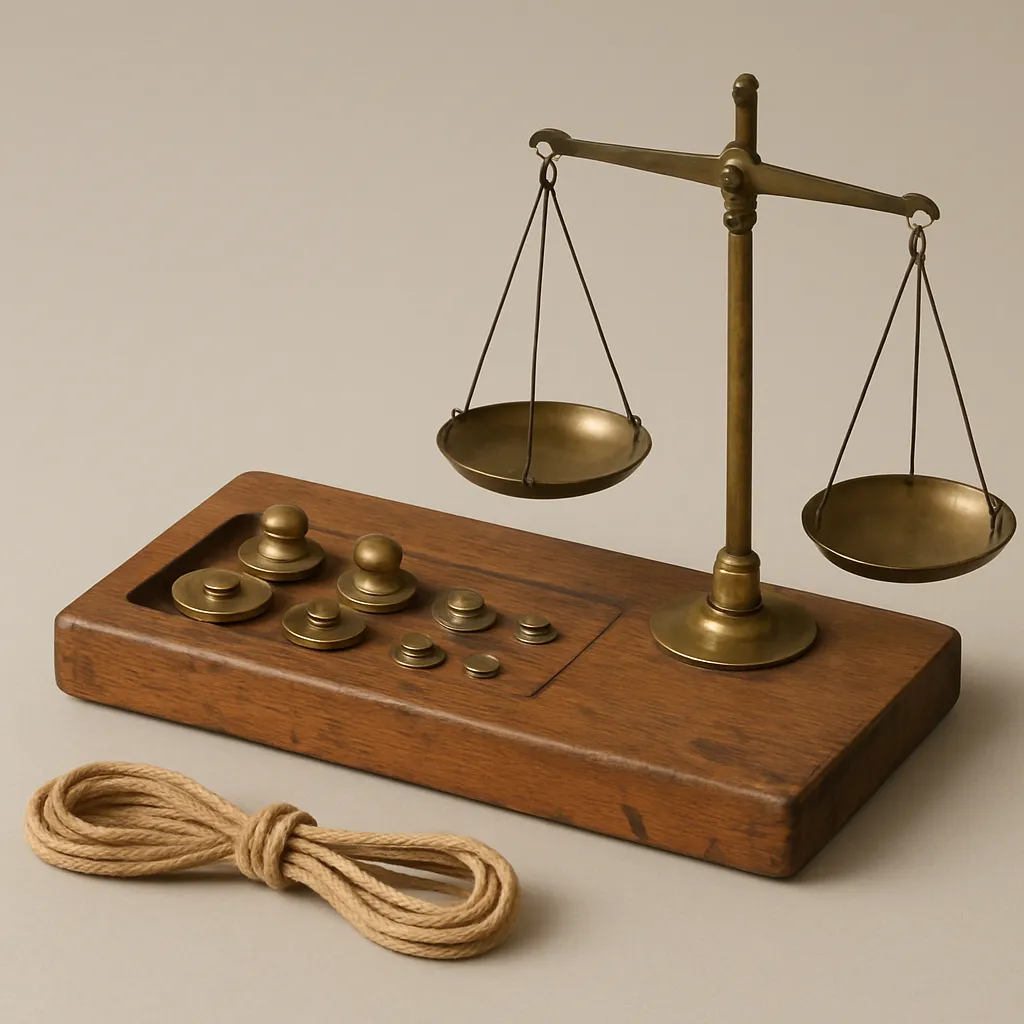
Pharmacists prepared medicines from written recipes and sold them in regulated shops. Which area benefited most?
Around 1206, al-Jazari wrote a book describing water clocks, pumps, and other machines. Which field did his work advance?
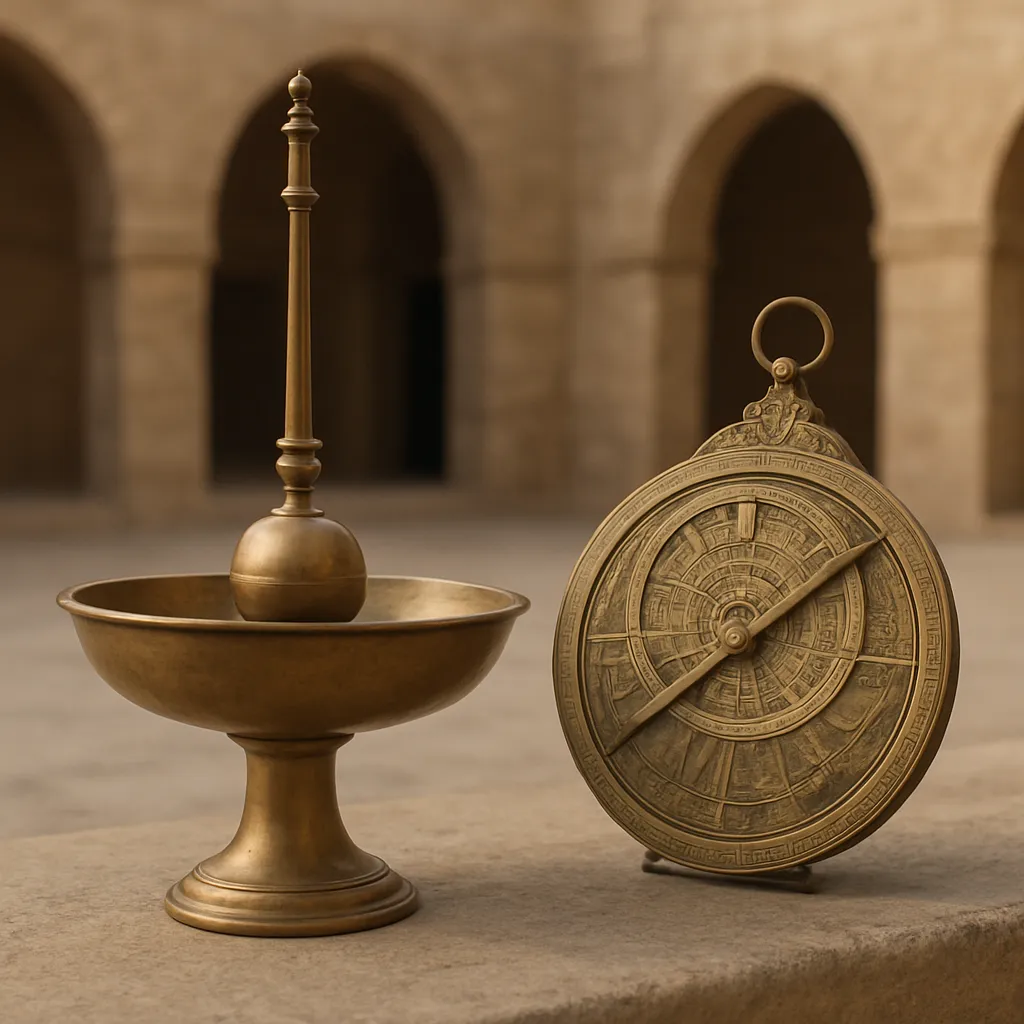
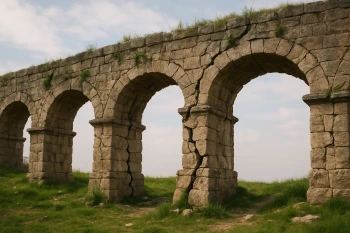
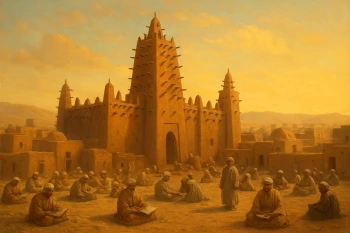
Islamic builders decorated arches like this one with colorful tiles in repeating patterns. Why did mosque art often use patterns instead of pictures of people?
Crack the passcode before the zombies get in.
Answer, then swat bugs for bonus points.
Race through questions at your own speed.
Same question on every screen. Fastest wins.

Pick a tile, answer, hit bonuses and steals.
The Silk Road and Cultural Exchange
20 questions