Loading
by BlastRoom
Reading a urinalysis, keeping fluids and electrolytes in balance, and what dialysis replaces.
#us_hs_anatomy_physiology
25 questions
One question set, multiple game modes. Tap any game to see it in action. Not sure which to pick?
Answer to place stones and capture territory.
Outrun the snow together.
Earn blasts, then hunt the other team.
Answer to earn energy, then climb.

The class blasts through walls together.
Bid on mystery lots. Most money wins.
Sell tours. Nice, standard, or a total scam.

Answer, restock, and serve the rush.
More correct answers pulls the rope your way.
Answer, then shoot down the alien wave.
Answer, then tap to leap the frozen ridge.
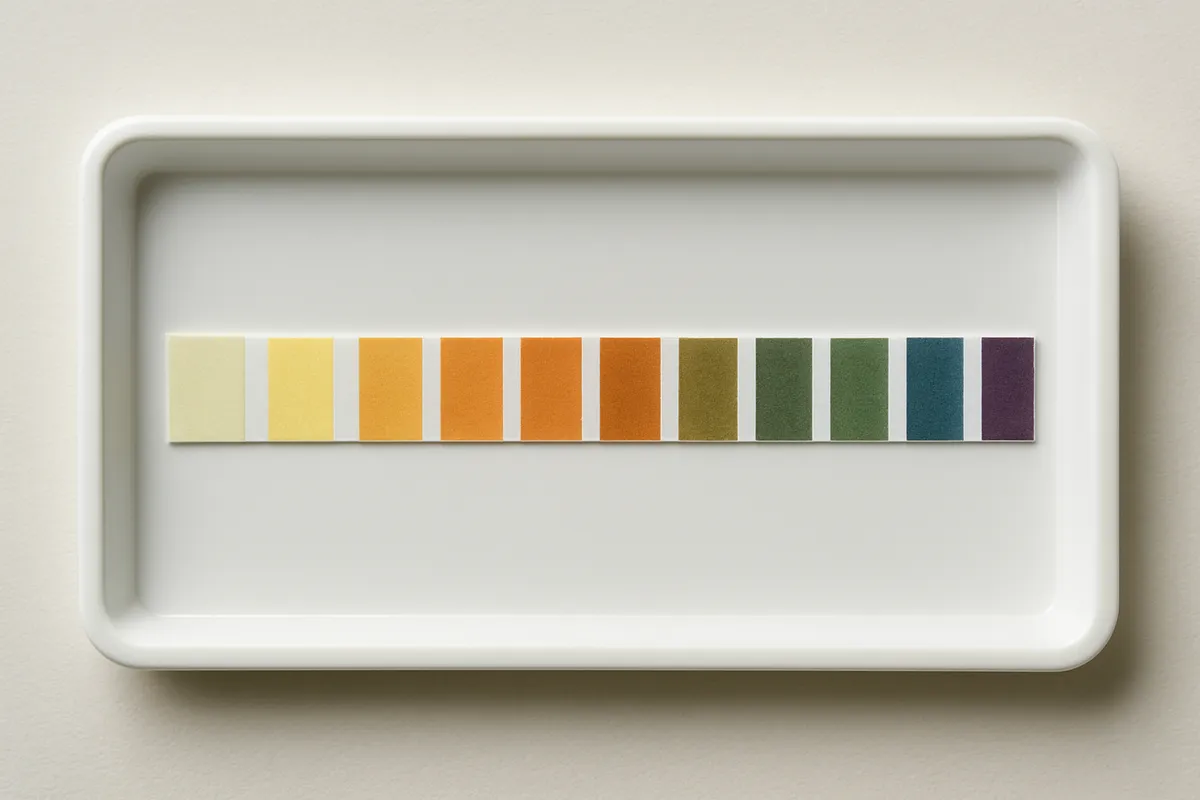
A urine dipstick shows 3+ protein, and the teen has swollen ankles. What barrier is letting large plasma proteins escape?
A sample contains glucose even though blood glucose is normal. Which nephron segment failed its usual sugar recovery?
Nitrites and leukocyte esterase are positive, with burning during voiding and pain above the pubic bone. Which wall is inflamed?
Microscopic blood appears after waves of one-sided flank pain as a stone moves toward the storage organ. What lining is being scraped?
A febrile patient has white blood cell casts in the sample. Casts form inside tiny urine-carrying channels, so what area is involved?
After loss of ADH release, urine is very dilute with specific gravity 1.002. Which part of the kidney fails to take water back?
A sample has red blood cell casts and 2+ protein after a throat infection. Which capillary tuft is inflamed?
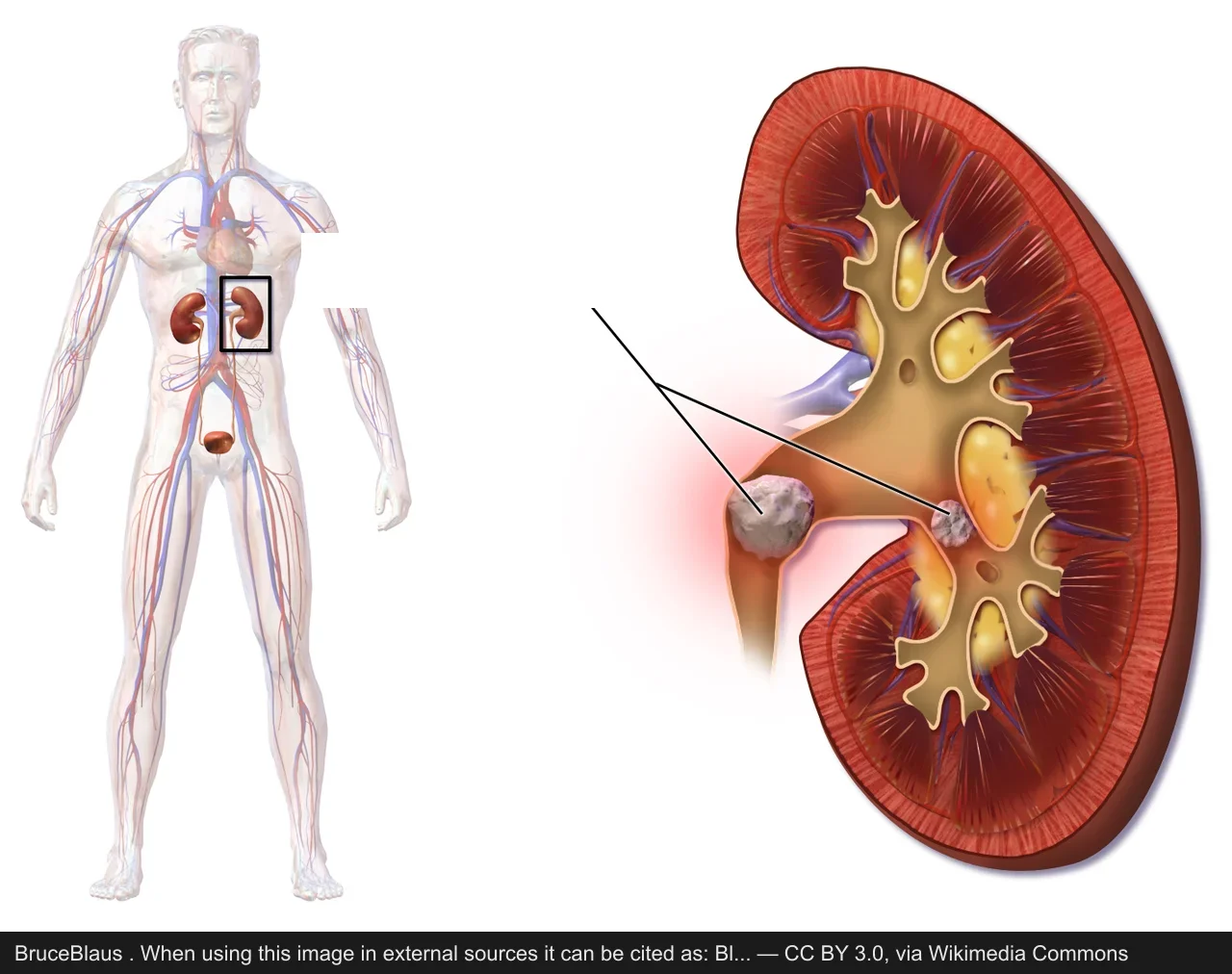
Crystals and microscopic blood appear, and imaging later finds a stone in the funnel that drains into the ureter. What structure holds it?
Severe side pain comes in waves, and the urine is blood-tinged as a hard deposit travels toward the bladder. What disorder fits?
A patient has urgency, burning during voiding, cloudy urine, and discomfort just above the pubic bone but no fever or flank pain. What disorder fits?
High fever, chills, flank tenderness, and white blood cell casts appear together. Which urinary disorder best matches that pattern?
Puffy eyelids, high blood pressure, cola-colored urine, and red blood cell casts develop after strep throat. What disorder fits?
After severe blood loss, urine output collapses and blood urea nitrogen and creatinine rise over one day. Which disorder fits?
For months, a patient has fatigue, edema, high blood pressure, anemia, and persistently high creatinine. Which disorder fits?
A student sweats heavily, drinks little, and plasma osmolarity rises. What kidney-related hormone response conserves water?
A patient loses fluid from vomiting; blood pressure and sodium are low. What response helps restore extracellular volume?
After drinking several liters of water quickly, plasma osmolarity falls. What change should the kidneys make?
Blood potassium is high on a lab report. Which aldosterone-driven response protects electrolyte balance?
During dehydration, urine becomes darker and its specific gravity rises. What consequence follows in the nephron?
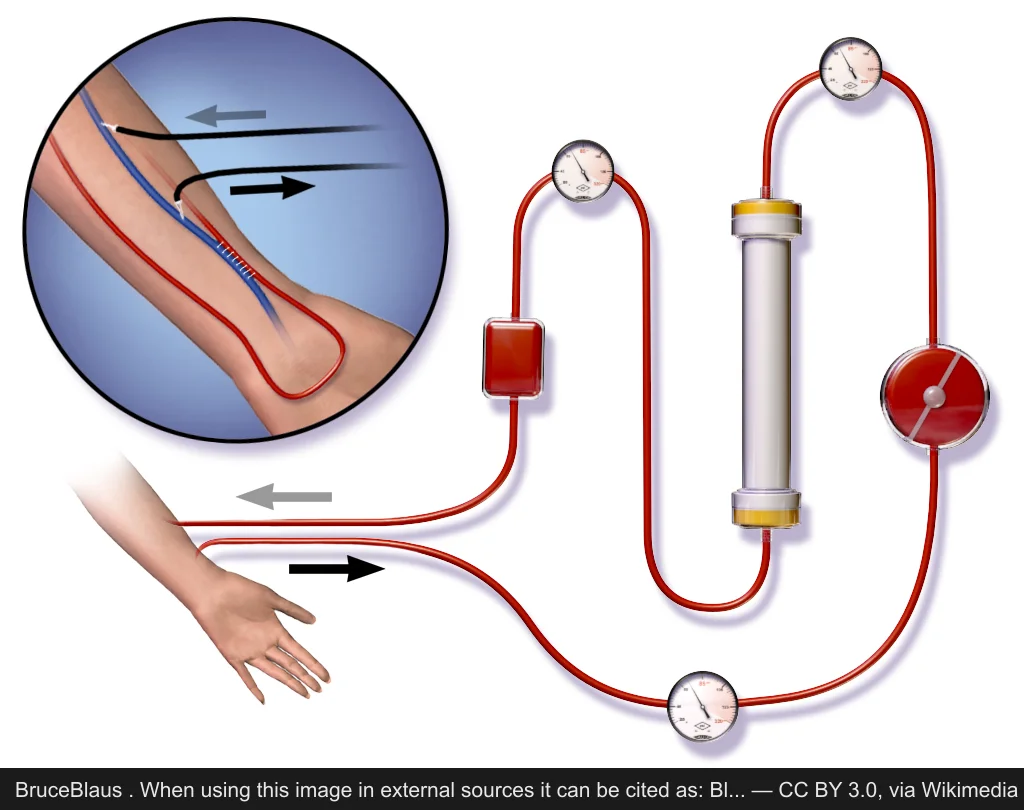
During hemodialysis, blood flows along a semipermeable membrane while urea diffuses into bath fluid. What kidney job is being replaced?
In peritoneal dialysis, dialysate sits in the abdomen and the body's membrane lets wastes and extra ions cross. What process does the setup use?
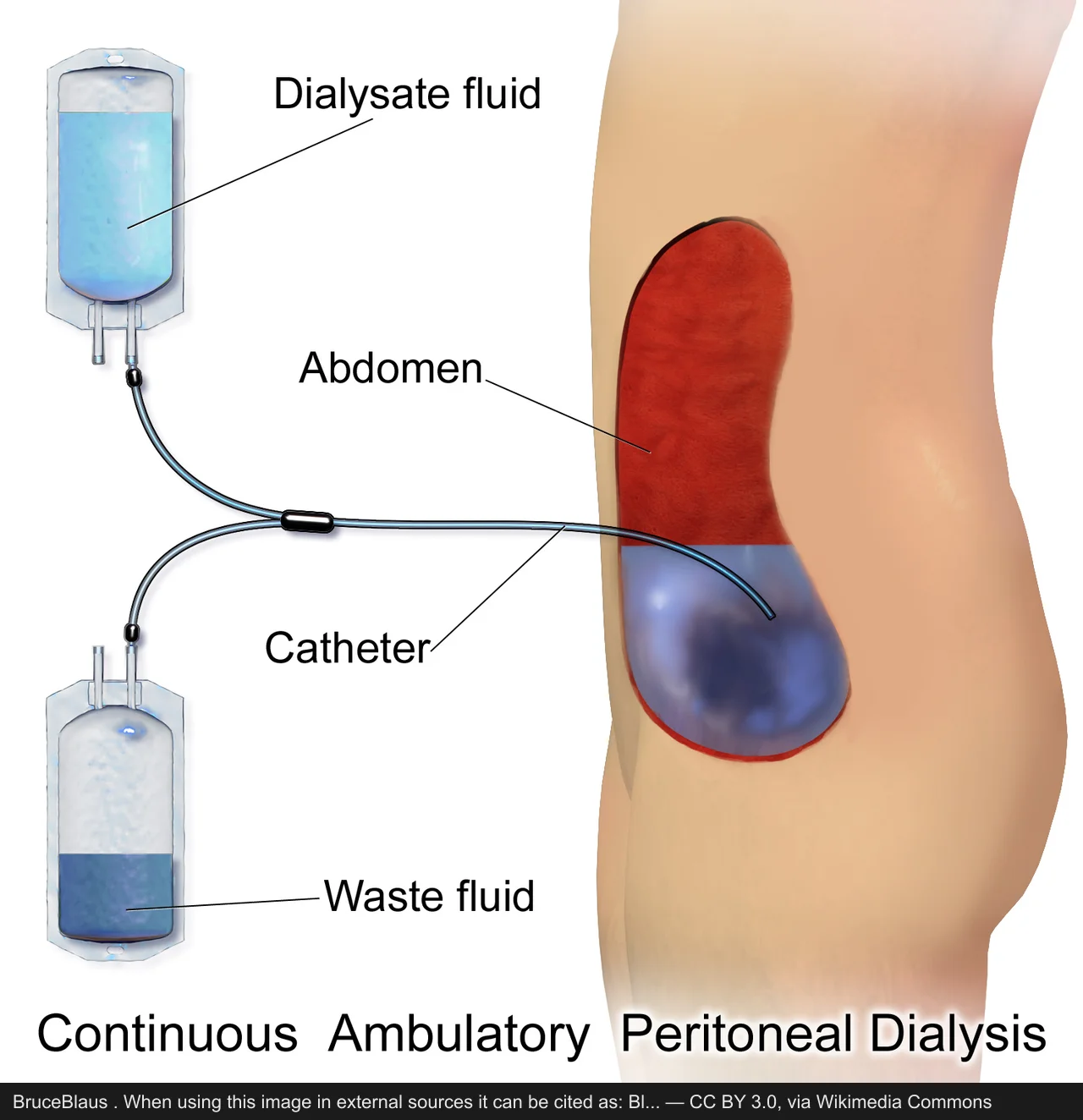
A dialysis session removes excess water from a patient whose legs are swollen and lungs are congested. What homeostatic job is the machine doing?
An adult who drank normally produces 240 mL of urine in 24 hours; normal adult output is about 800-2000 mL/day. How should the value be read?
A urine specific gravity is 1.002; the usual range is about 1.005-1.030. How should that result be read?
A blood creatinine result is 3.0 mg/dL; a common adult reference range is about 0.6-1.3 mg/dL. What does this value suggest?
Crack the passcode before the zombies get in.
Answer, then swat bugs for bonus points.
Race through questions at your own speed.
Same question on every screen. Fastest wins.

Pick a tile, answer, hit bonuses and steals.
Female Reproductive Anatomy
30 questions