Loading
by BlastRoom
The female organs, the layers of the uterus, and the path an egg takes.
#us_hs_anatomy_physiology
30 questions
One question set, multiple game modes. Tap any game to see it in action. Not sure which to pick?
Answer to place stones and capture territory.
Outrun the snow together.
Earn blasts, then hunt the other team.
Answer to earn energy, then climb.

The class blasts through walls together.
Bid on mystery lots. Most money wins.
Sell tours. Nice, standard, or a total scam.

Answer, restock, and serve the rush.
More correct answers pulls the rope your way.
Answer, then shoot down the alien wave.
Answer, then tap to leap the frozen ridge.
Which paired gonad produces oocytes and the hormones estrogen and progesterone while lying near the lateral pelvic wall?
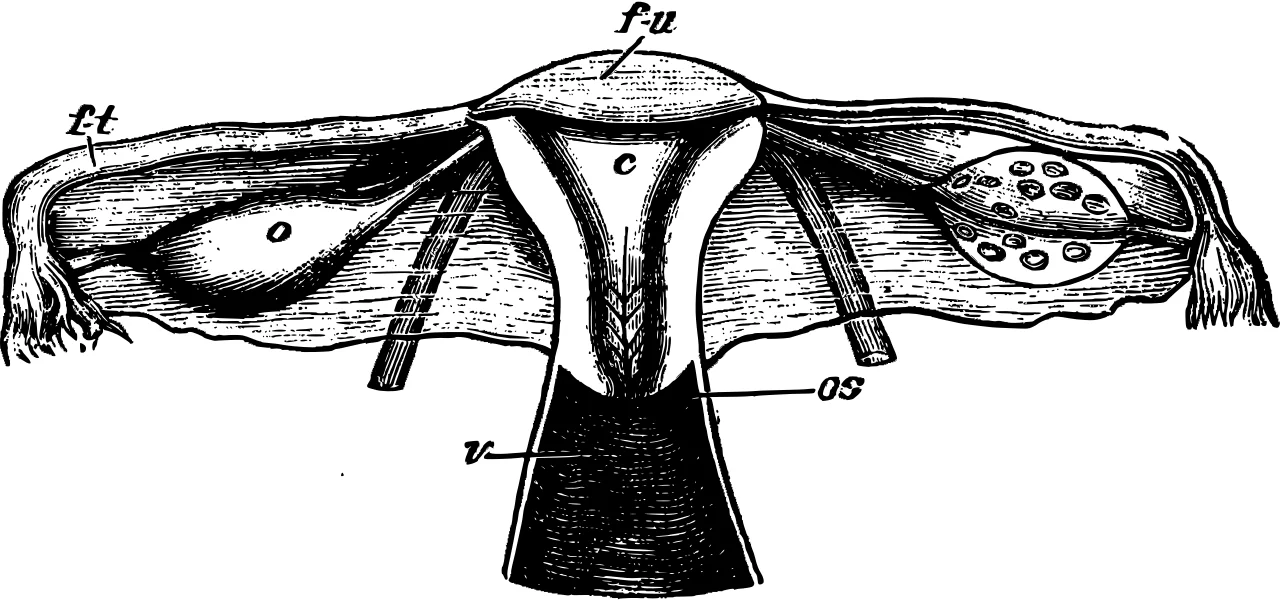
A maturing gamete is enclosed in a small sac in the cortex before ovulation, and that sac secretes estrogen. What structure is this?
After ovulation, the ruptured sac changes into the main progesterone-secreting structure of the cycle. What is it called?
What paired duct uses cilia and smooth muscle contractions to move the ovulated cell toward the organ where implantation may occur?
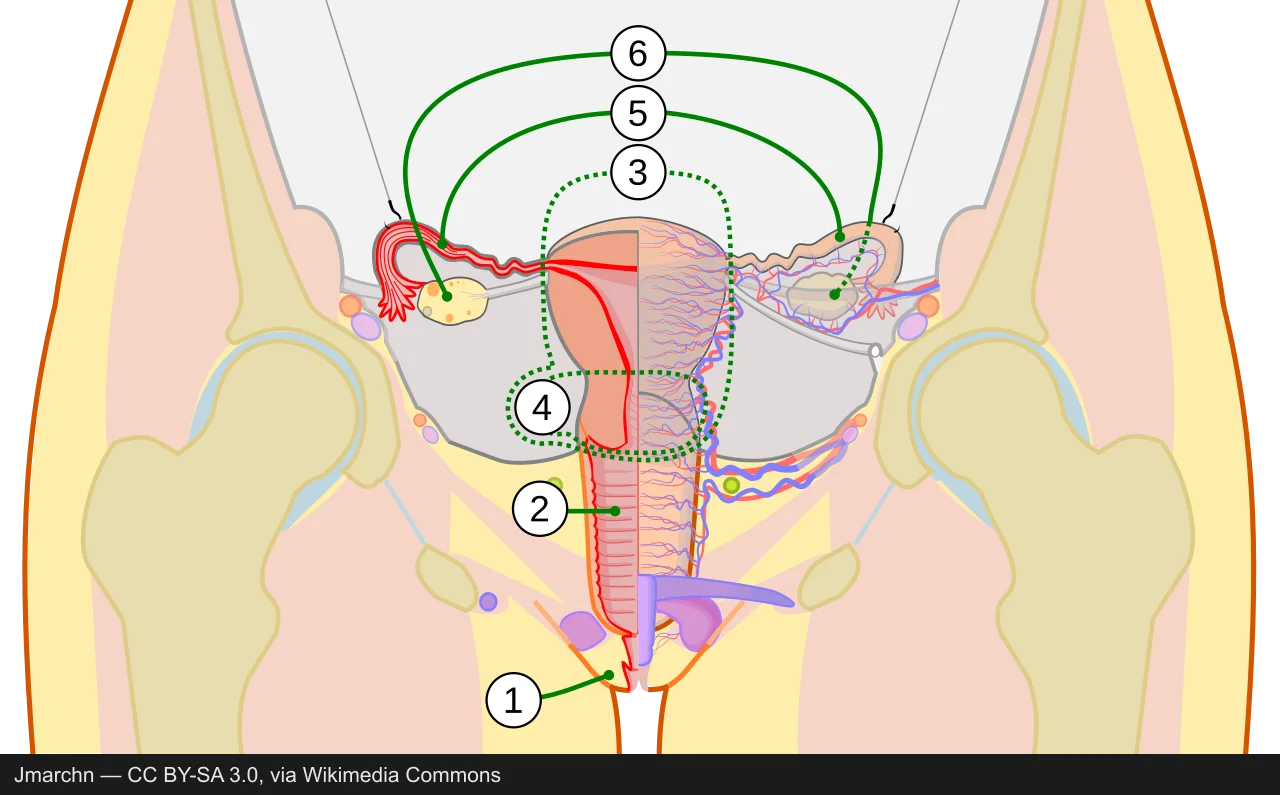
What fringed projections at the ovarian end of the tube help sweep the released cell into the funnel-shaped opening?
Which hollow muscular organ receives the embryo for implantation and expands as the embryo and fetus develop?
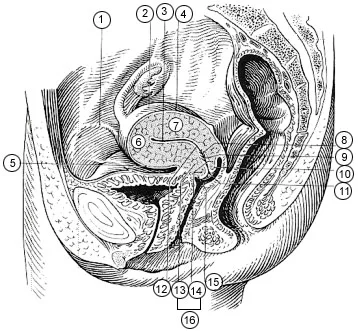
Which elastic canal lies inferior to the cervix and serves as the birth canal during delivery?
During ovulation, which organ releases the female gamete from a follicle at its surface?
Which uterine wall layer is shed and rebuilt during each menstrual cycle and is the site of implantation?
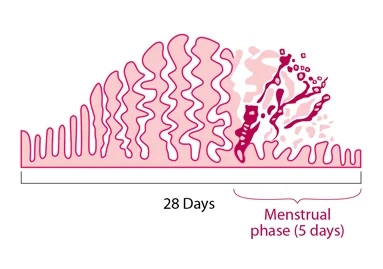
Strong contractions during labor come mainly from which thick middle layer of the uterine wall?
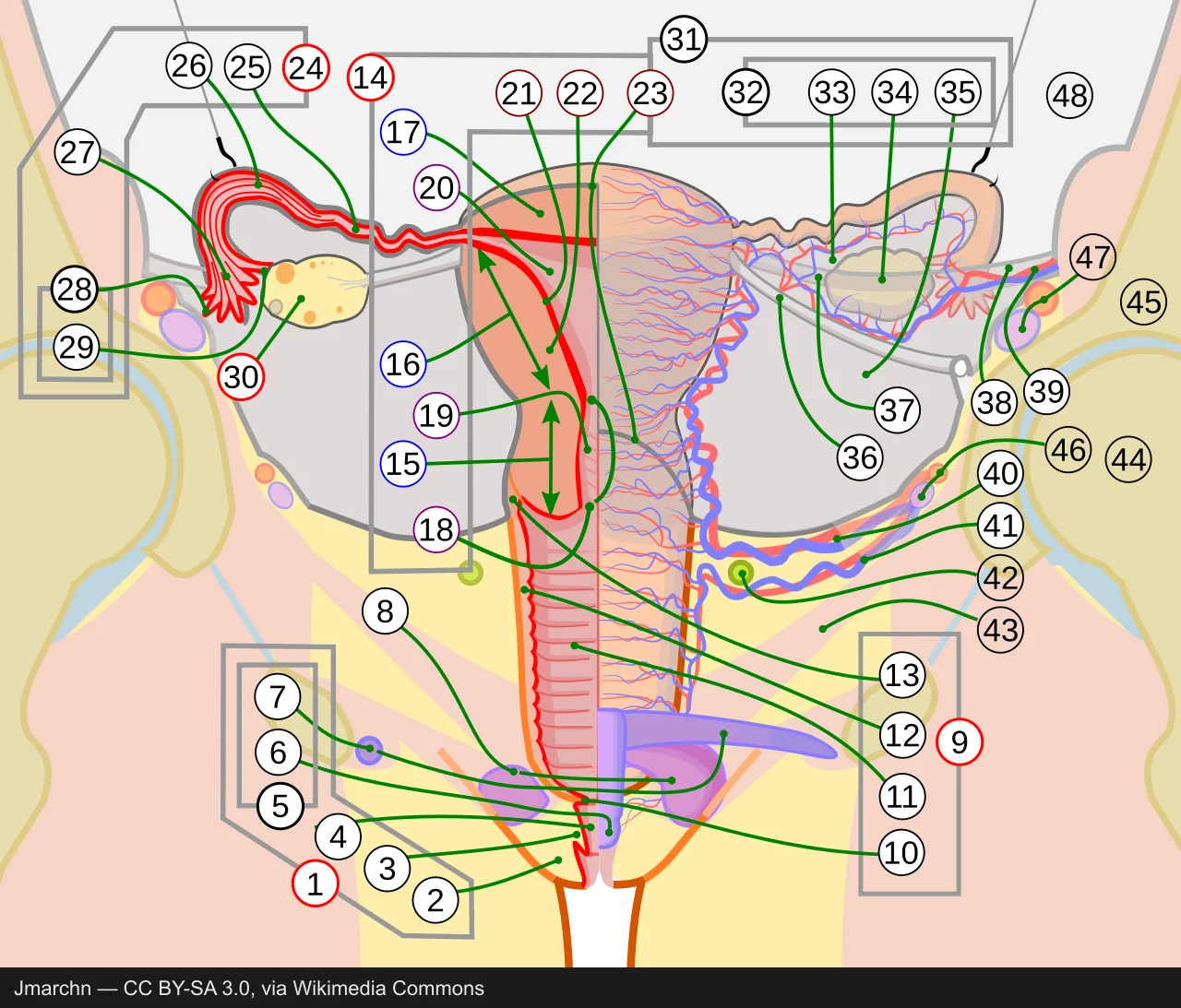
Which uterine wall layer is the thin outer serous covering on the surface of the organ?
Glands and spiral arteries that change under estrogen and progesterone are found mainly in which wall layer?
Cramps that help expel menstrual flow result from contractions of which wall layer?
The surface layer continuous with the pelvic peritoneum is which part of the uterine wall?
After the fringed end captures a released cell, which funnel-shaped tube region receives it first?
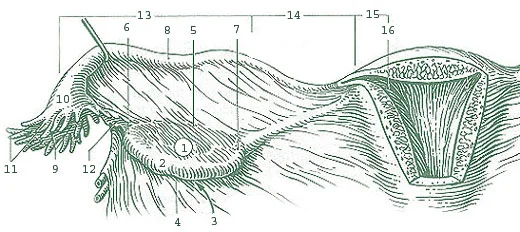
Moving from the funnel toward the uterus, which widened region comes next and is the usual site of fertilization?
After the widened middle region, which narrow segment lies closest to the uterus?
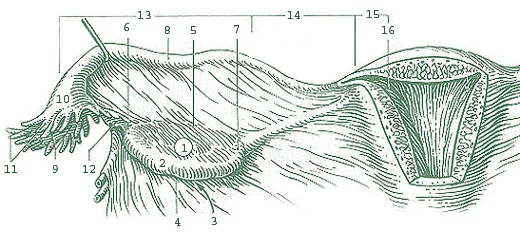
Which uterine tube region opens directly into the peritoneal cavity, so a released cell must cross a small gap from the ovary to enter it?
After the narrow tube segment closest to the womb, where does an early embryo enter before possible implantation?
Which part of the uterine tube has a narrow lumen and the thickest smooth muscle wall?
At fertilization in the ampulla, which outer layer of cells around the oocyte must a sperm cell burrow through first?
Which rounded superior region lies above the entrances of the uterine tubes?
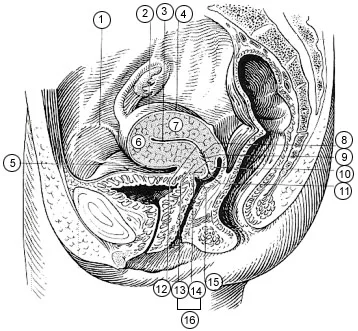
Which main central region lies between the fundus and the narrow lower neck?
Which narrow lower portion of the uterus projects into the canal below it?
Which canal receives sperm during intercourse and has an acidic environment that helps resist infection?
Which passage runs through the lower neck of the uterus and connects the uterine cavity with the vagina?
What cell is released at ovulation before the second meiotic division is complete?
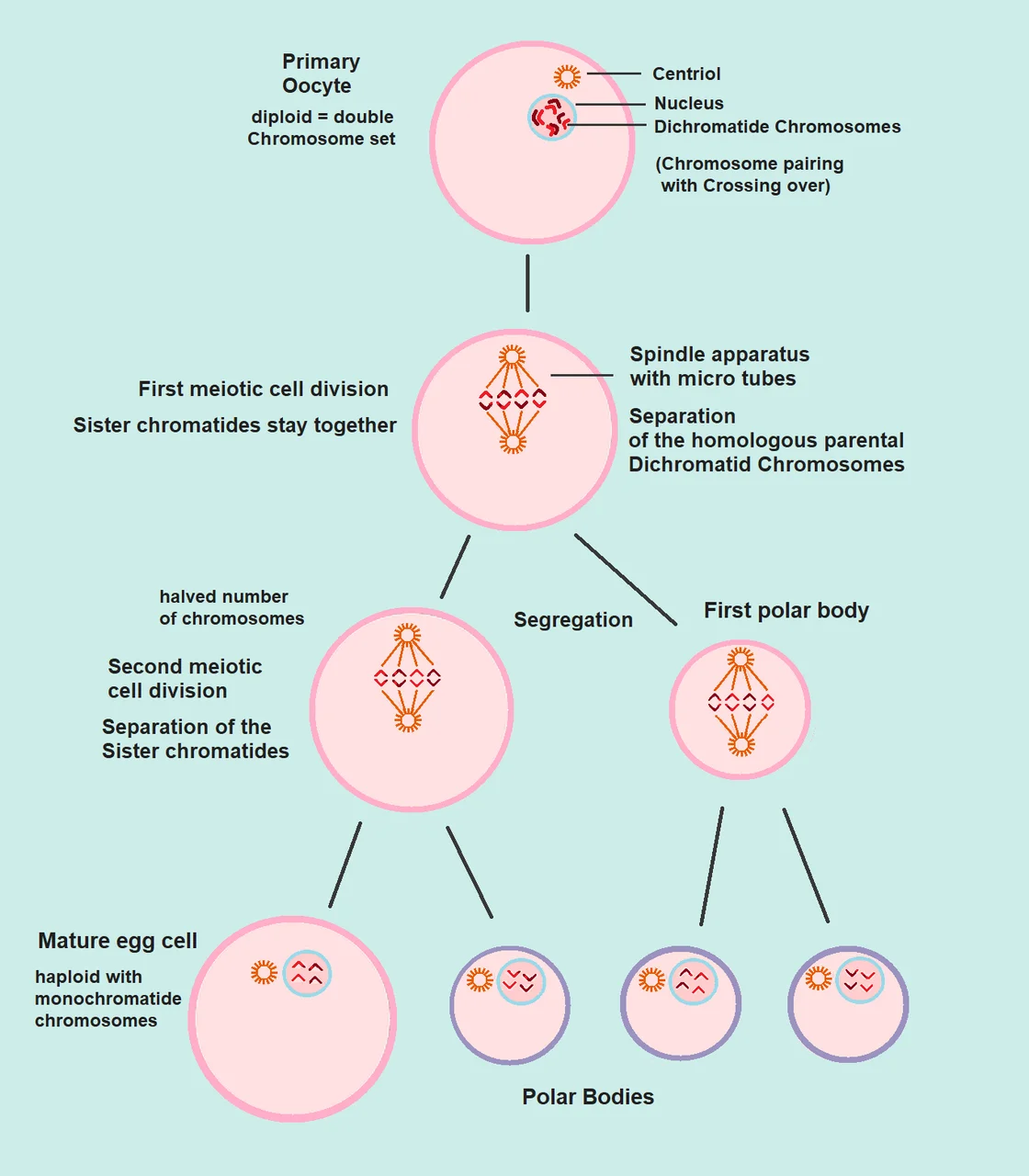
Meiosis in the ovary forms small cells with little cytoplasm that usually break down. What are they called?
After sperm entry triggers completion of the second meiotic division, what functional female gamete is produced?
Unequal cytokinesis at the end of the first meiotic division creates a large cell and which small companion cell?
Crack the passcode before the zombies get in.
Answer, then swat bugs for bonus points.
Race through questions at your own speed.
Same question on every screen. Fastest wins.

Pick a tile, answer, hit bonuses and steals.
Fertilization, Pregnancy and Fetal Development
30 questions