Loading
by BlastRoom
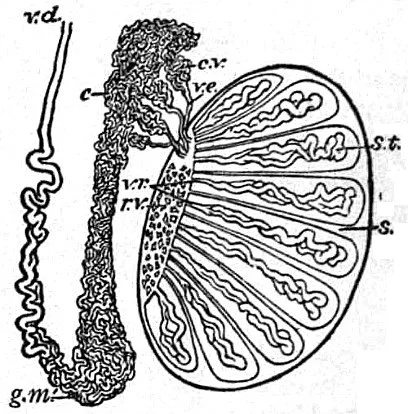
The male organs, the glands that contribute to semen, and the path sperm takes.
#us_hs_anatomy_physiology
30 questions
One question set, multiple game modes. Tap any game to see it in action. Not sure which to pick?
Answer to place stones and capture territory.
Outrun the snow together.
Earn blasts, then hunt the other team.
Answer to earn energy, then climb.

The class blasts through walls together.
Bid on mystery lots. Most money wins.
Sell tours. Nice, standard, or a total scam.

Answer, restock, and serve the rush.
More correct answers pulls the rope your way.
Answer, then shoot down the alien wave.
Answer, then tap to leap the frozen ridge.
A paired organ in the scrotal sac contains tubules where gametes form and cells that secrete testosterone. What organ is it?
The gland behind the bladder adds a fructose-rich, alkaline fluid that makes up much of semen. What structure is this?
A single gland below the bladder surrounds the first part of the urethra and adds a thin, milky fluid to semen. What is it?
Two small pea-sized glands near the base of the penis release mucus-rich fluid before ejaculation. What are they?
A coiled tube on the posterior surface of each testis stores cells while they gain motility. What structure is this?
The external pouch holding the testes helps position them away from the body cavity. What structure is it?
The external organ contains erectile tissue and carries the urethra to the body surface. What organ is it?
A hormone-producing tissue between sperm-producing tubules releases the main male sex hormone. What cells are described?
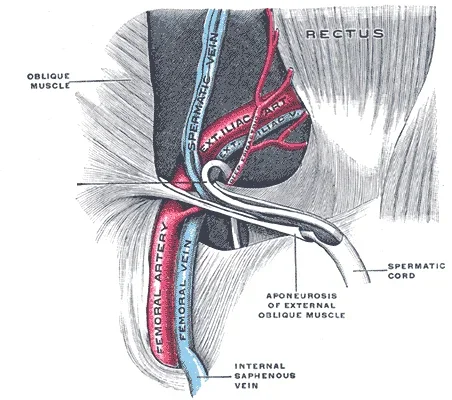
A sperm cell has left the coiled storage tube on the back of the testis. What carries it upward through the inguinal canal next?
Sperm leaving the ductus deferens passes into a short duct formed where it joins the duct of a seminal vesicle. What is this duct called?
After the ejaculatory duct empties, semen first enters the part of the urethra passing through the gland below the bladder. What segment is this?
Which short urethral segment passes through the pelvic floor, connecting the prostatic urethra above to the spongy urethra below?
Cells made in seminiferous tubules move into a network of channels in the testis before reaching the epididymis. What is that network?
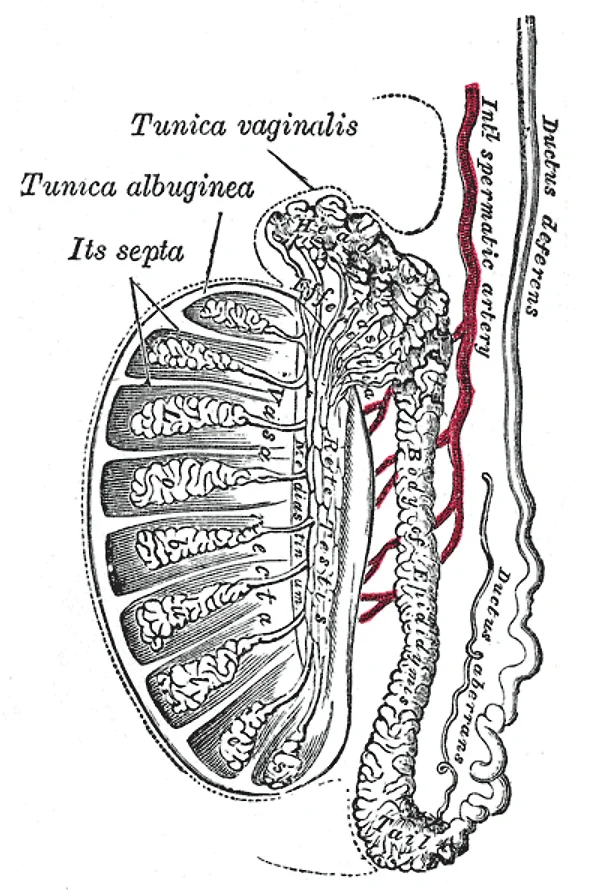
From the rete testis, sperm travels through small ducts that enter the head of the epididymis. What structures carry it there?
Just before entering the rete testis, fluid from the seminiferous tubules passes through short, straight channels near the mediastinum. What are these channels called?
Semen is moving toward the external urethral opening after passing the membranous urethra. Through which segment does it travel last?
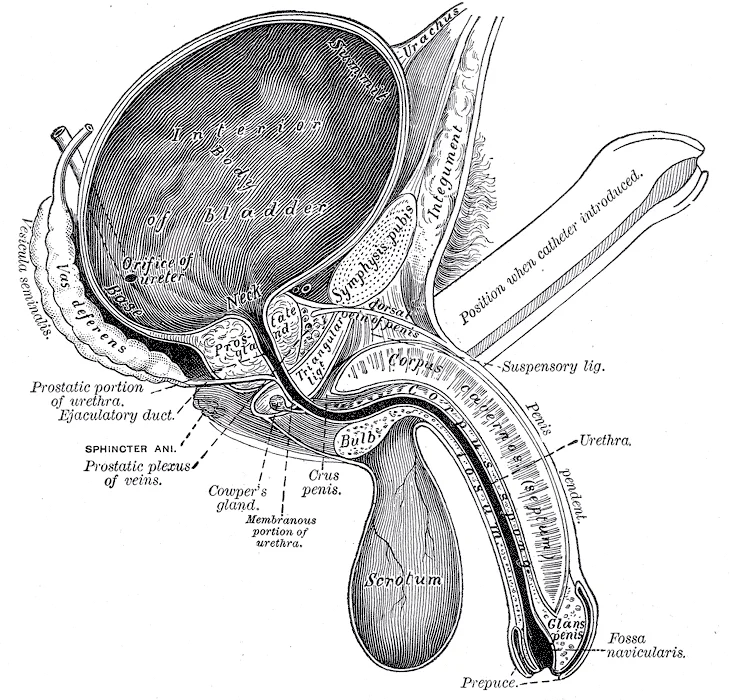
Inside the testis, what tightly coiled structure is the site of sperm cell production?
What tough capsule surrounds the testis and sends septa inward to divide it into lobules?
What cells in seminiferous tubules support developing sperm cells and help maintain the blood-testis barrier?
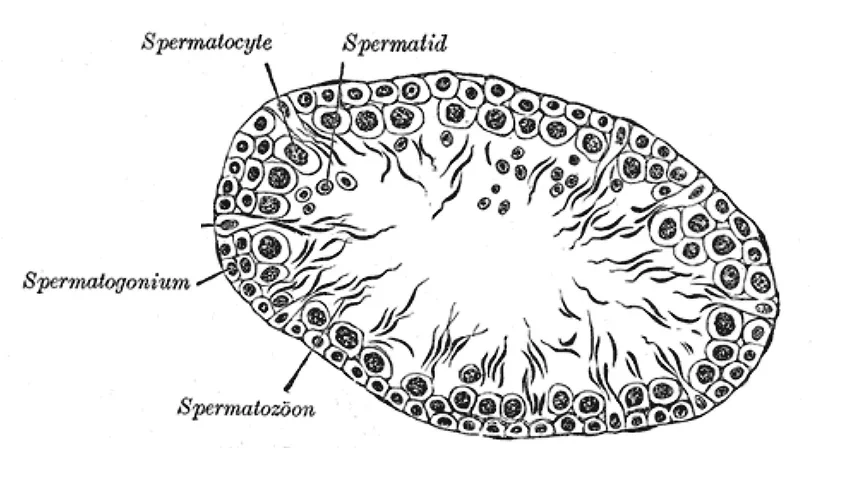
What diploid stem cells sit near the wall of a seminiferous tubule and begin the sperm-forming sequence?
After meiosis II in the testis, which immature haploid cells still must remodel before becoming spermatozoa?
What is the dense connective tissue thickening at the posterior part of the testis where the rete testis network sits?
How many functional sperm cells result when one primary spermatocyte completes both meiotic divisions?
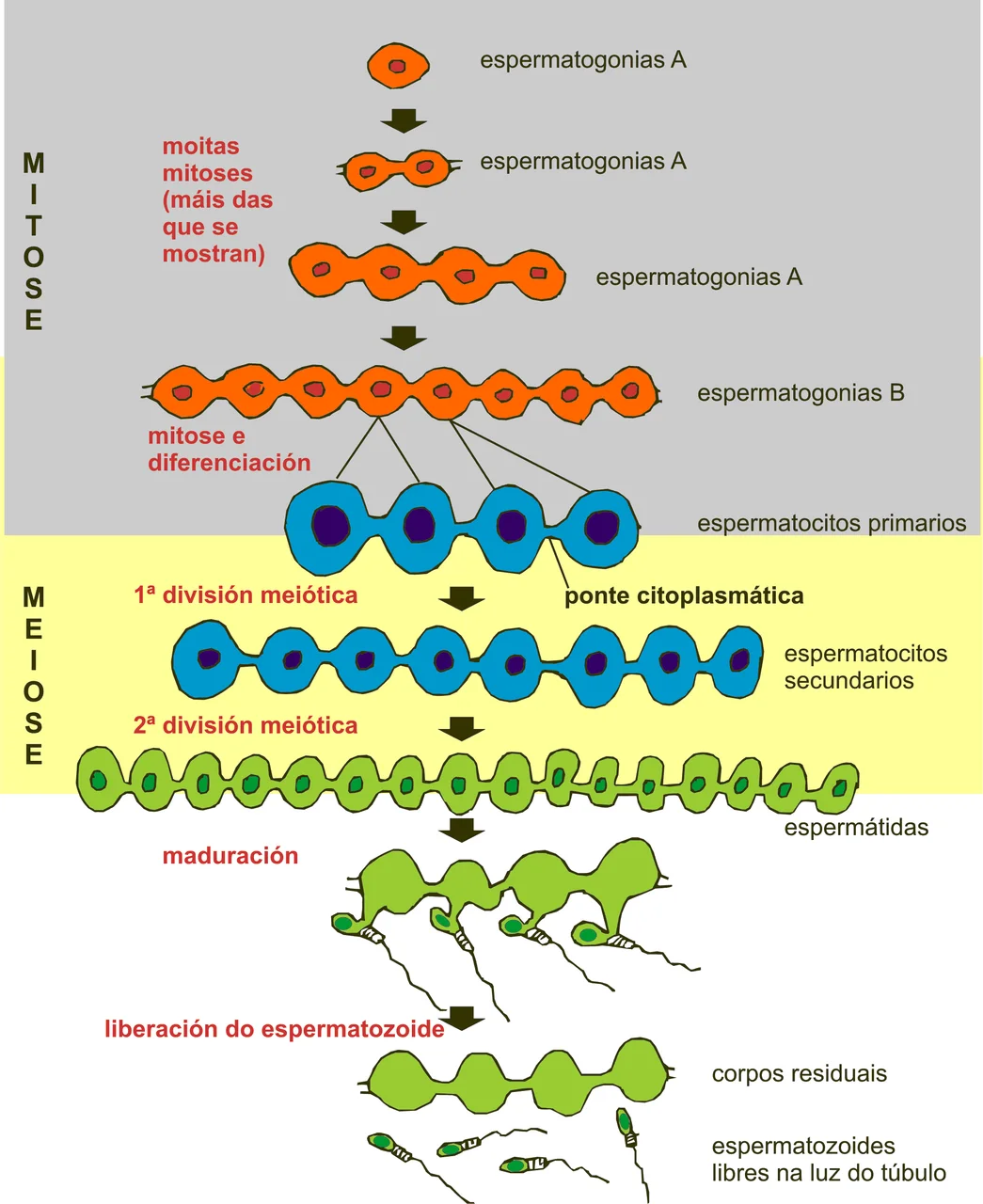
A primary spermatocyte completes meiosis I. What cells are produced immediately?
During spermatogenesis, what change in chromosome number occurs by the end of meiosis?
Secondary spermatocytes complete meiosis II to form spermatids. How many chromosomes does each human spermatid carry?
What process reshapes spermatids by forming a flagellum and acrosome without another meiotic division?
The testes sit outside the pelvic cavity, several degrees cooler than core body temperature. What does that temperature difference support?
On a cold day, which skeletal muscle around the spermatic cord contracts to pull the testes up closer to the warmer body wall?
A varicocele can warm the testis by disrupting heat exchange around its veins. What function is most likely reduced?
Crack the passcode before the zombies get in.
Answer, then swat bugs for bonus points.
Race through questions at your own speed.
Same question on every screen. Fastest wins.

Pick a tile, answer, hit bonuses and steals.
The Ovarian and Menstrual Cycles
25 questions