Loading
by BlastRoom
Ulcers, gallstones, reflux and the other digestive problems this course covers.
#us_hs_anatomy_physiology
20 questions
One question set, multiple game modes. Tap any game to see it in action. Not sure which to pick?
Answer to place stones and capture territory.
Outrun the snow together.
Earn blasts, then hunt the other team.
Answer to earn energy, then climb.

The class blasts through walls together.
Bid on mystery lots. Most money wins.
Sell tours. Nice, standard, or a total scam.

Answer, restock, and serve the rush.
More correct answers pulls the rope your way.
Answer, then shoot down the alien wave.
Answer, then tap to leap the frozen ridge.
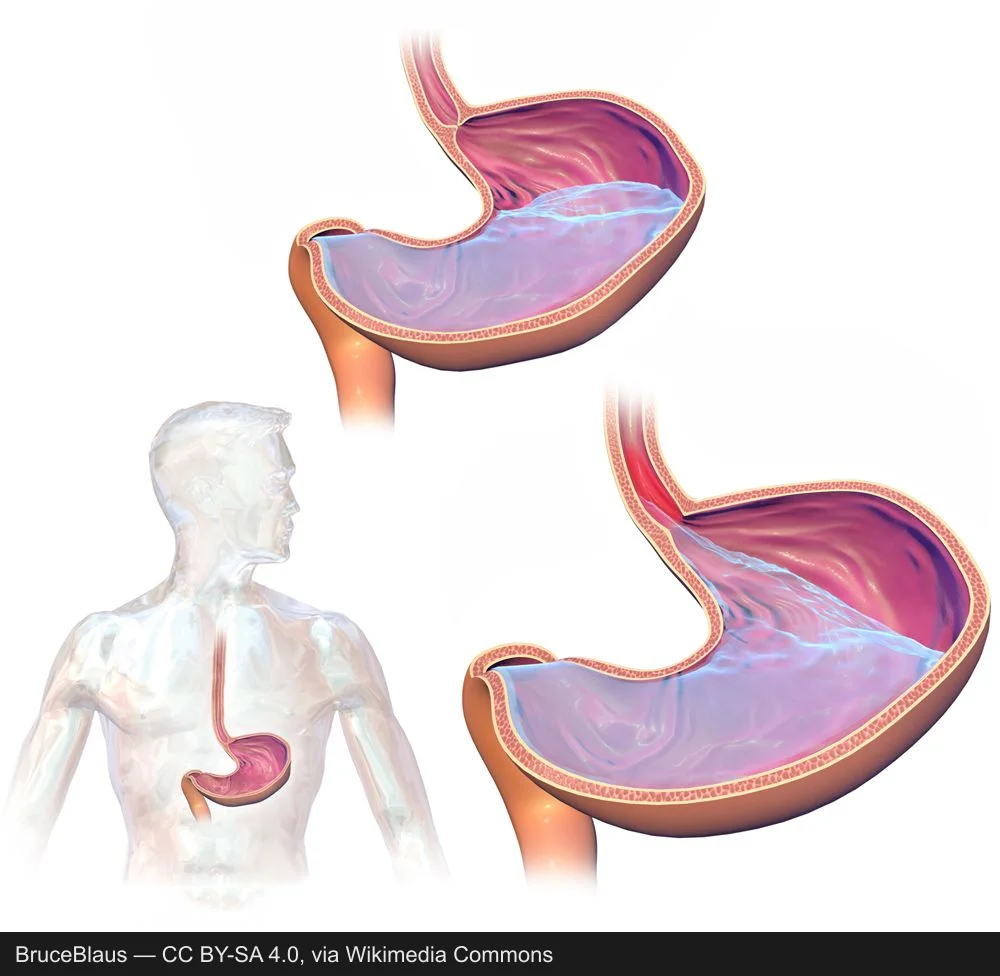
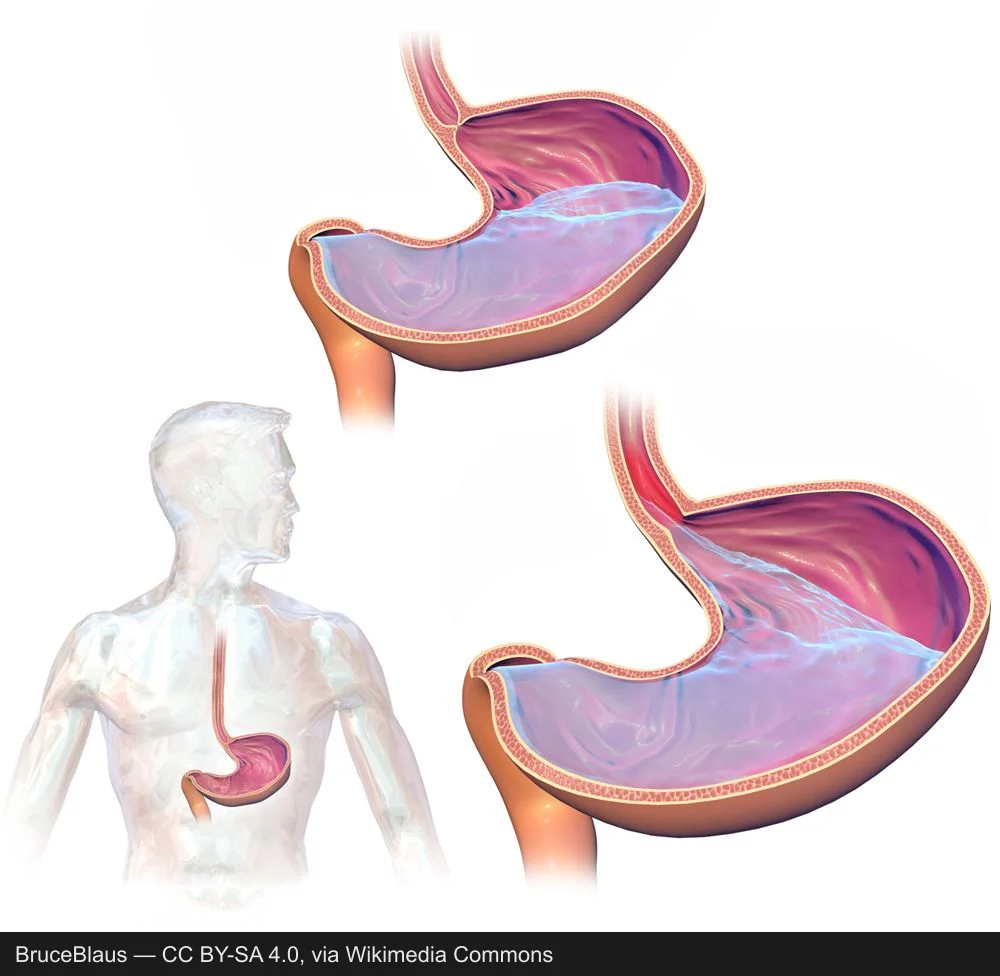
Burning pain behind the breastbone gets worse after large meals or lying flat, and sour fluid reaches the back of the throat. Which disorder fits this pattern?
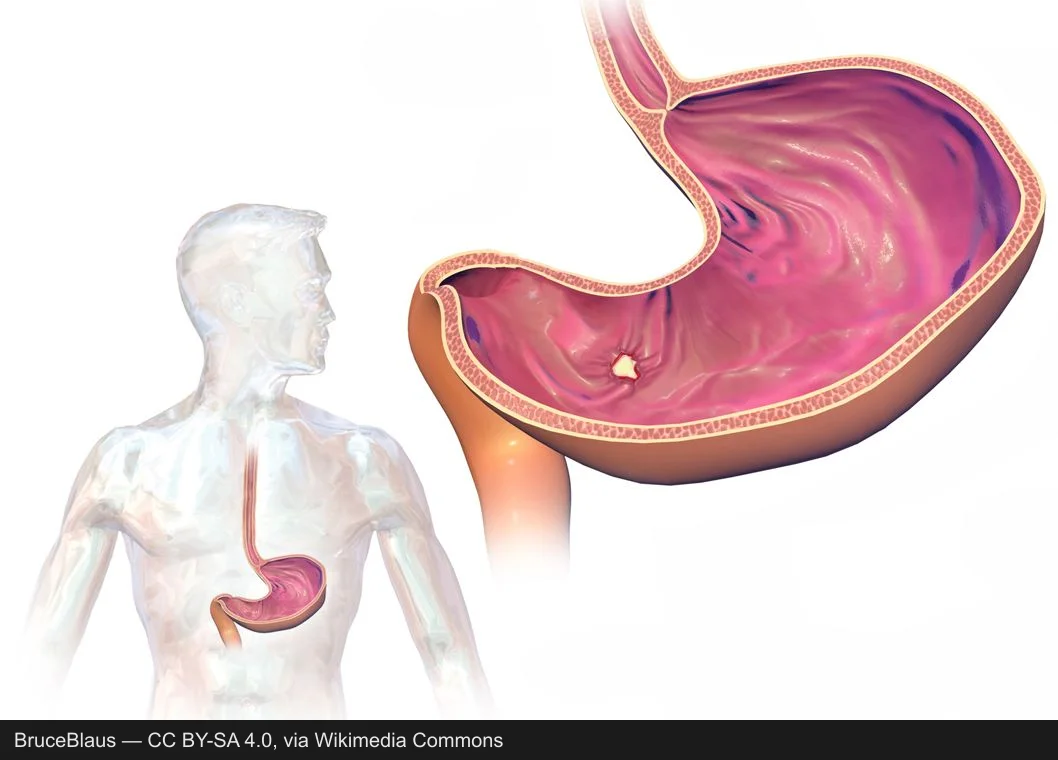
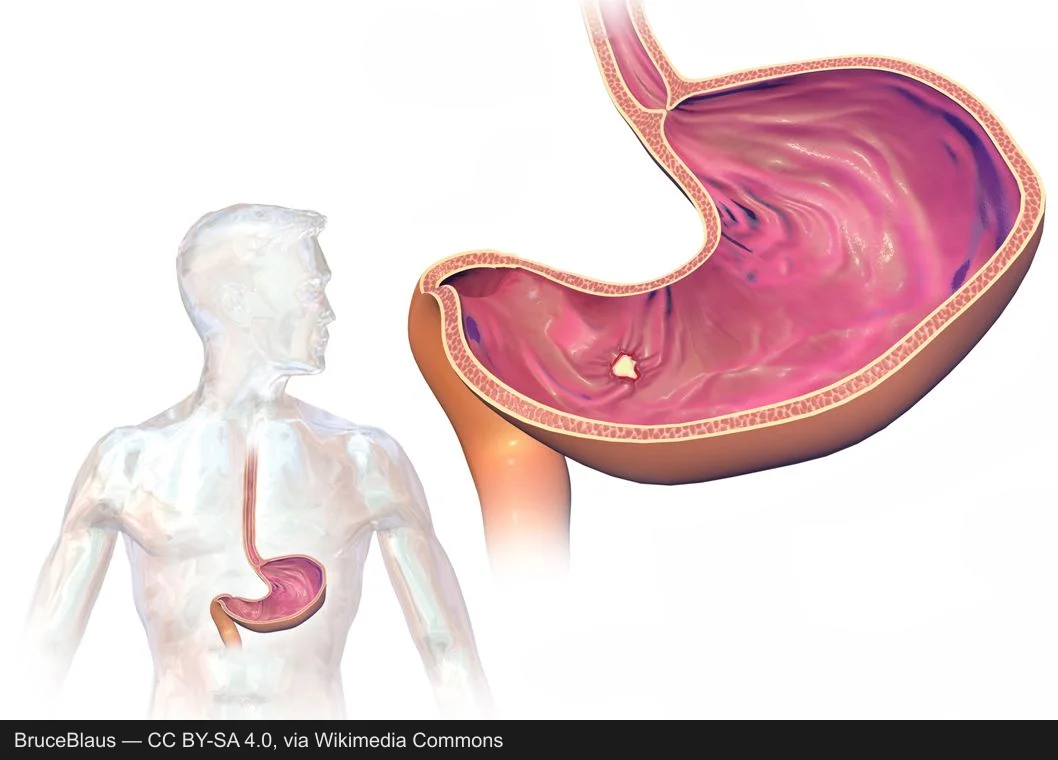
A patient has gnawing upper abdominal pain, and an exam finds an erosion in the lining of the stomach or duodenum. Which disorder is most consistent?
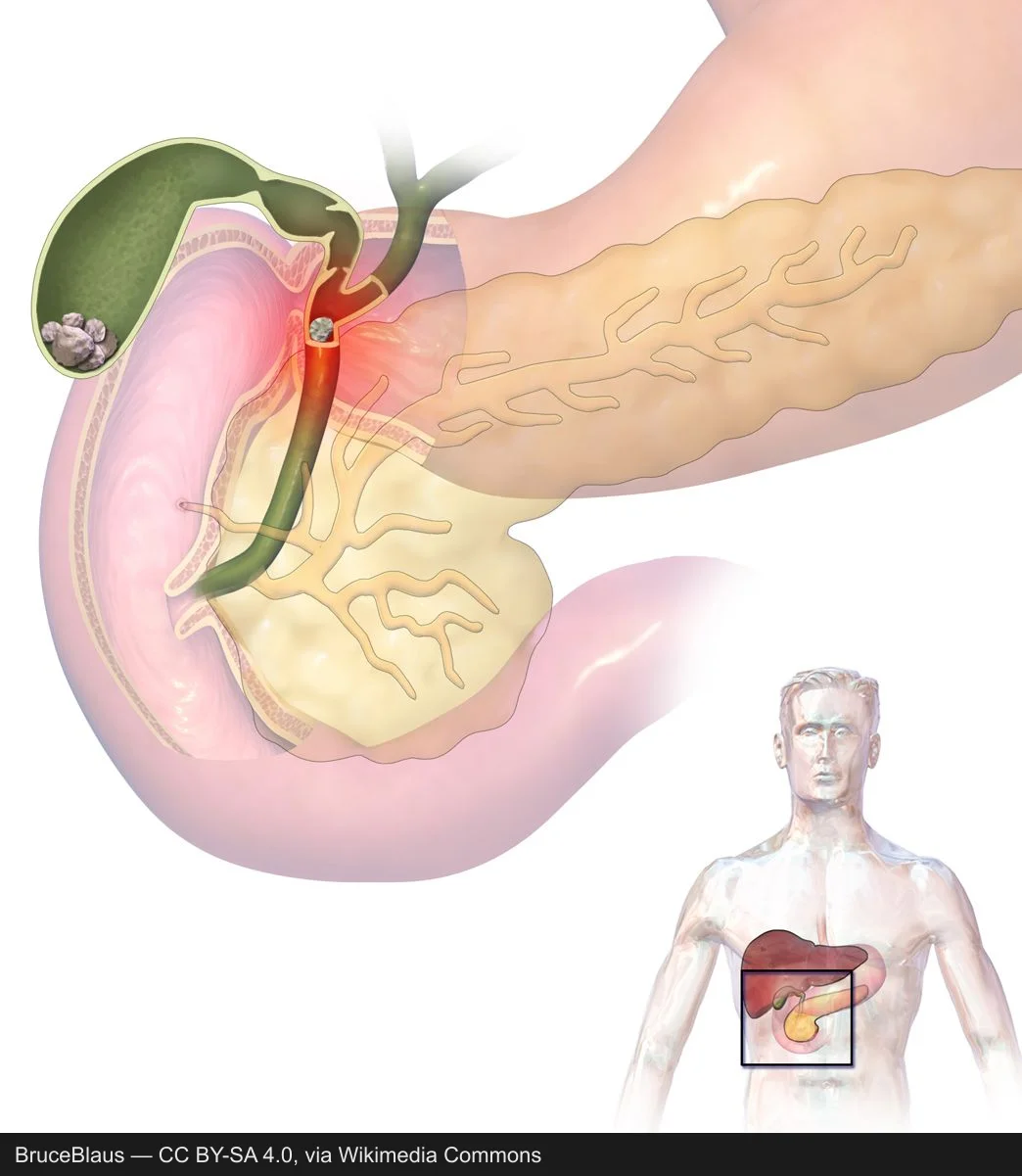
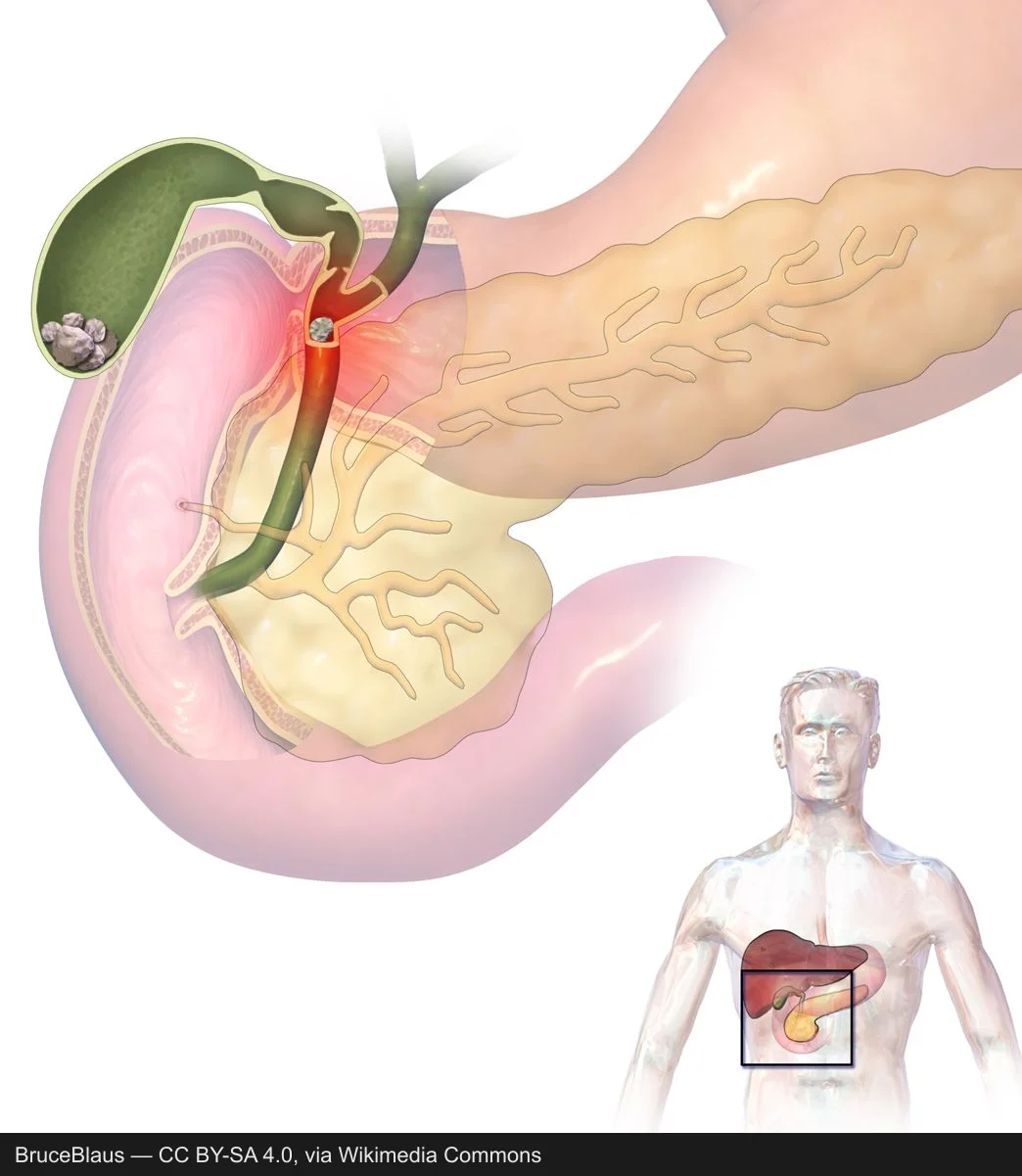
Severe right upper abdominal pain starts after a fatty meal because hardened material blocks the path for bile. Which disorder is most likely?
Pain begins near the navel, shifts to the lower right abdomen, and is accompanied by fever and nausea. Which digestive disorder does this suggest?
After eating wheat products, a patient has diarrhea, weight loss, and immune injury to absorptive projections in the small intestine. Which disorder is this?
Dairy foods cause bloating, gas, and diarrhea because the small intestine lacks enough enzyme to split milk sugar. Which disorder is this?
Small pouches in the wall of the colon become inflamed, causing lower abdominal pain and fever. Which disorder fits this description?
Long-term aspirin use can let acid wear through the first protective layer of the stomach or duodenum. Which layer is damaged first?
Pain localizes to the lower right abdomen when the blind pouch off the cecum swells. Which structure is inflamed?
In celiac disease, immune injury flattens the fingerlike absorptive projections of the small intestine. Which structures are damaged?
Repeated backflow of stomach contents irritates the tube above the stomach. Which tissue layer in that tube is most directly injured?
When digestive enzymes activate inside the gland behind the stomach, which accessory organ is inflamed?
A hard deposit blocks the duct draining the gallbladder just after a fatty meal. What physiological result follows?
The sphincter between the stomach and the tube above it is weak. What follows when pressure in the stomach rises?
Celiac disease flattens the small intestine's absorptive projections. Which consequence follows?
Peristalsis through the colon slows, so feces stay there longer. What follows physiologically?
An intestinal infection speeds movement through the colon. What follows for fluid balance?
H. pylori infection can reduce the mucus barrier that normally protects the stomach lining. Which change does that cause?
After drinking contaminated water, a patient has two days of watery stools. Which organ normally absorbs the last of the water from feces before they are passed?
Bile that is unusually rich in cholesterol sits in the gallbladder for a long time. Which change can this produce?
Crack the passcode before the zombies get in.
Answer, then swat bugs for bonus points.
Race through questions at your own speed.
Same question on every screen. Fastest wins.

Pick a tile, answer, hit bonuses and steals.
The Nephron, Part by Part
40 questions