Loading
by BlastRoom
Practice grouping organisms by shared characteristics and tracing the levels from domain down to species.
#classification#us_grade_6_science
40 questions
One question set, multiple game modes. Tap any game to see it in action. Not sure which to pick?
A field guide lists the levels of classification. Starting with the broadest group and ending with the narrowest, what is the correct order of the eight levels?
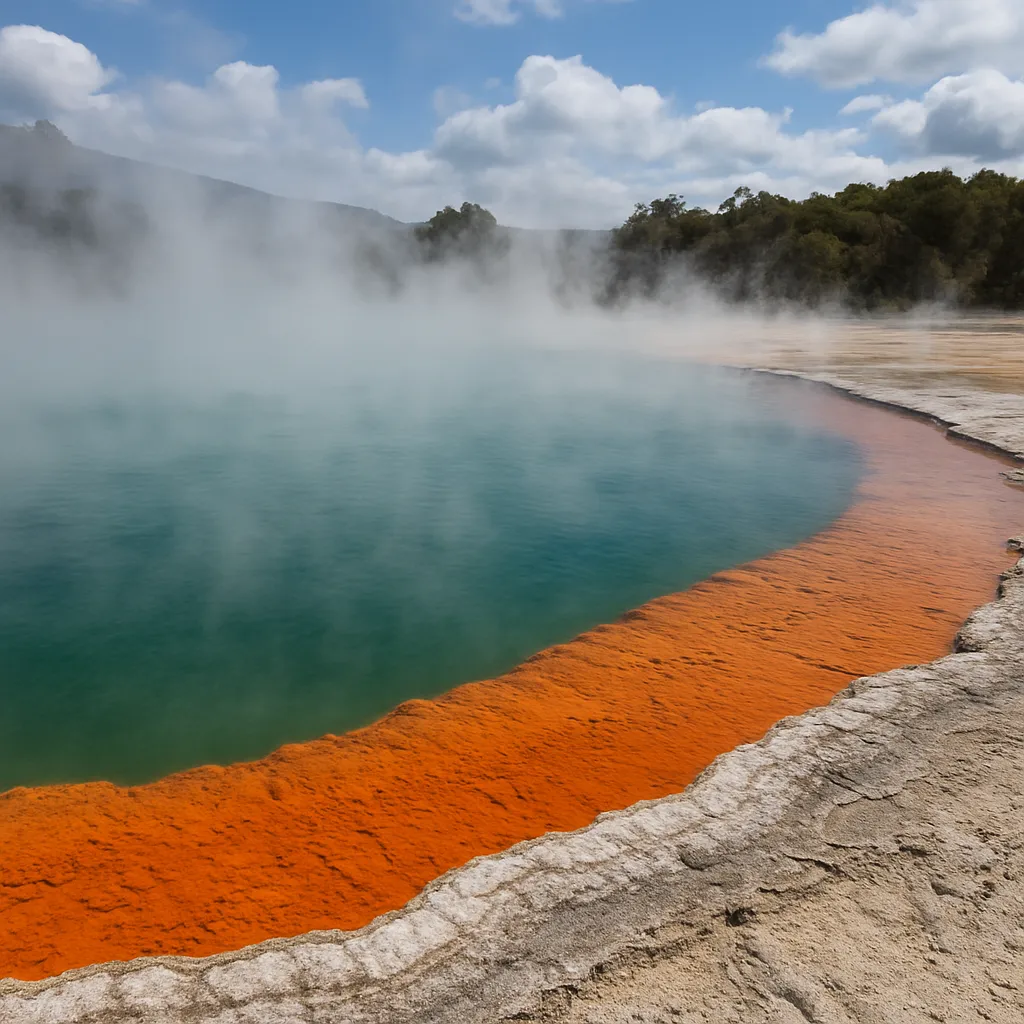
A single-celled organism with no nucleus lives in the near-boiling, acidic water of a hot spring. Which domain does it belong to?
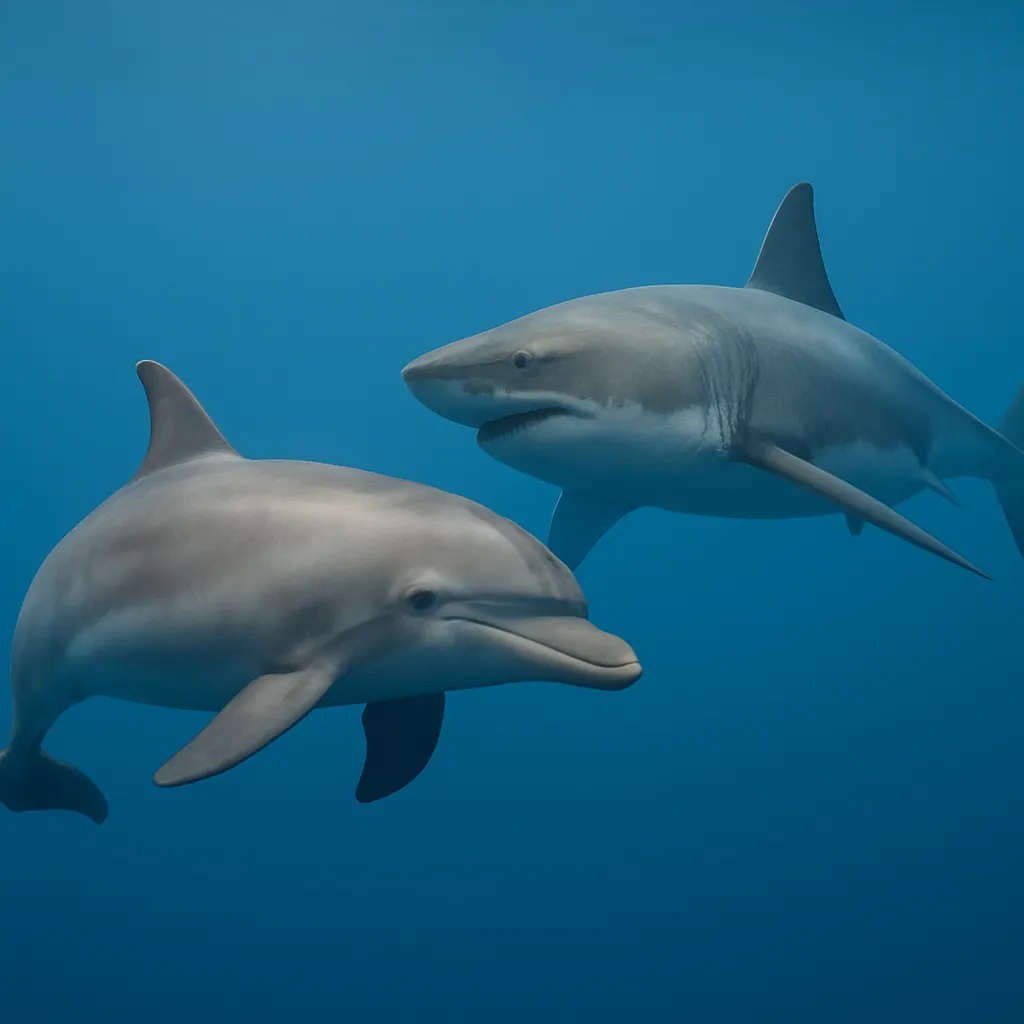
A bottlenose dolphin and a great white shark both have smooth bodies and fins for swimming, yet biologists place them in different classes. Which characteristic places the dolphin with the mammals?
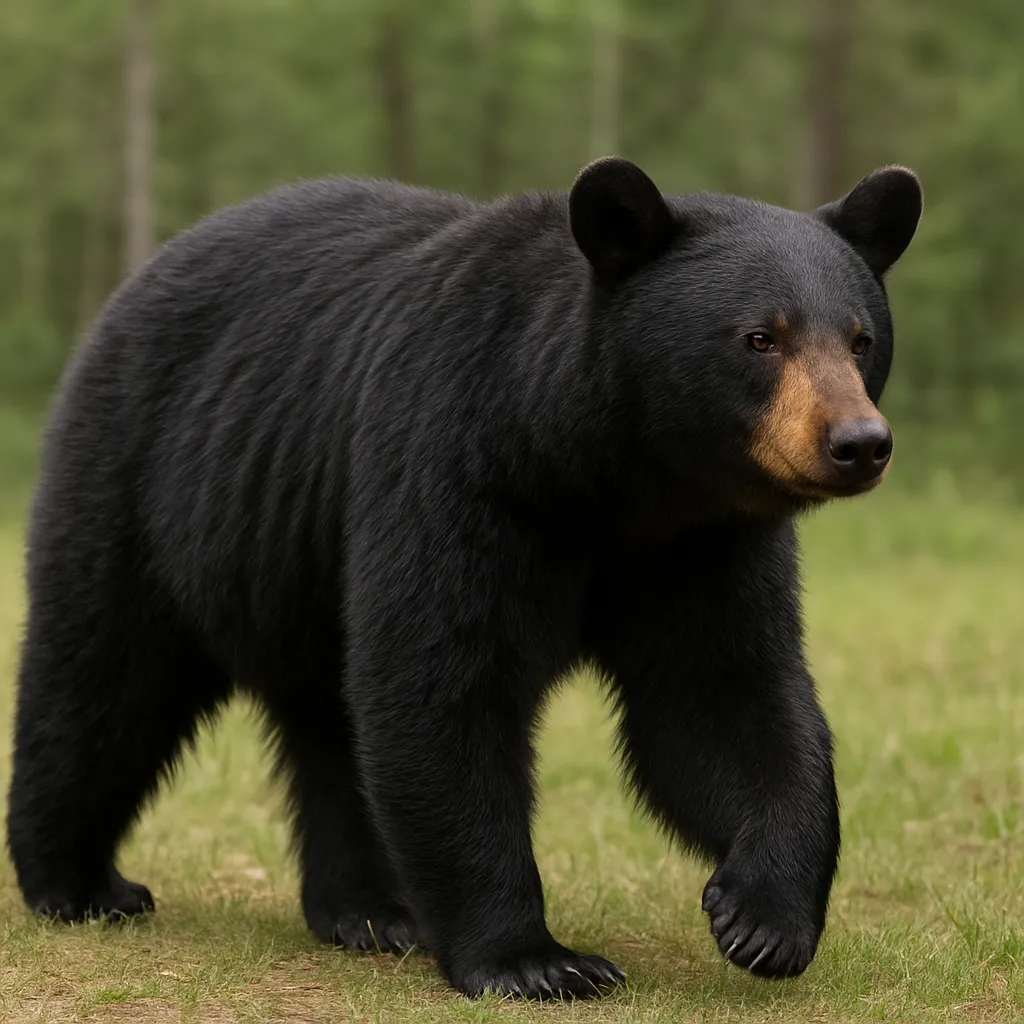
The scientific name of the American black bear is written Ursus americanus. Which part of the name is the genus?
A biologist works down the levels of classification and reaches the level directly below order. Which level has she reached?
Four animals are collected: a robin, a bat, an eagle and a penguin. Three of them are grouped together as birds. Which one does not belong with the others?
Four plants are labeled Quercus alba, Quercus rubra, Acer saccharum and Helianthus annuus. Judging from the names alone, which two are most closely related?
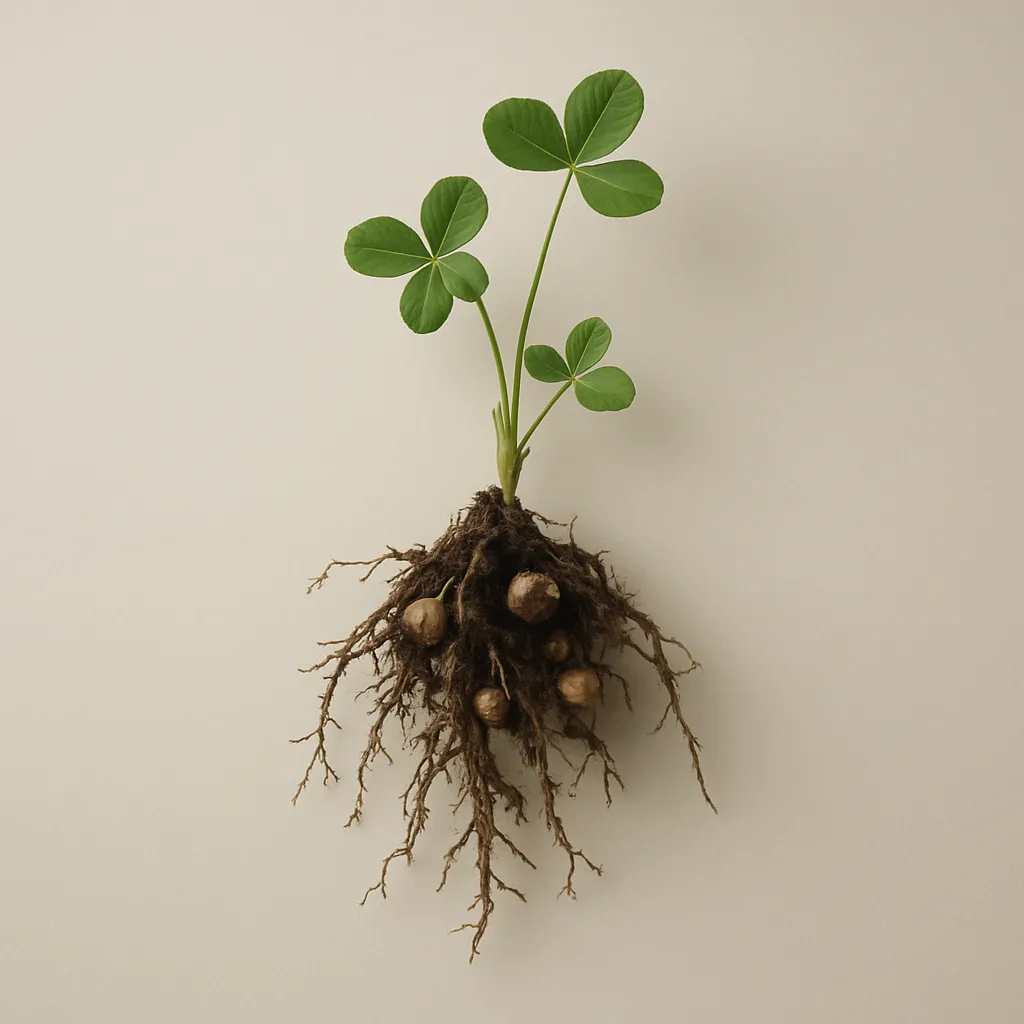
A single-celled organism with no nucleus lives in soil and forms small nodules on clover roots, where it changes nitrogen gas into a form the plant can use. Which domain does it belong to?
In the list of levels, which one sits immediately above species?
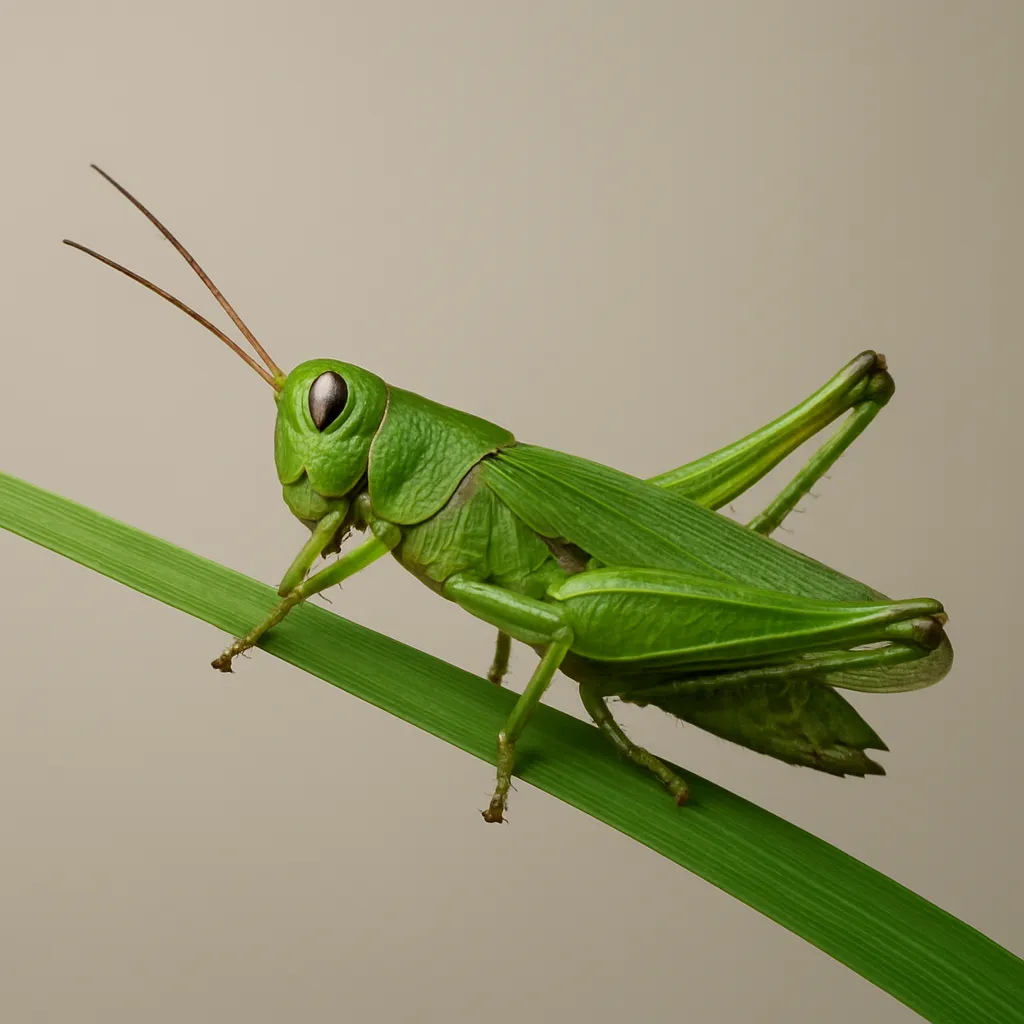
A spider and a grasshopper are both small animals with jointed legs, yet biologists place them in different classes. Which characteristic places the spider with the arachnids?
Panthera leo, Panthera tigris, Panthera pardus and Felis catus are all cats. Judging from the names, which one is placed in a different genus from the other three?
Two students compare groups of animals. Does the class Mammalia or the order Carnivora hold more kinds of organisms?
A drop of pond water holds a single-celled organism whose cell contains a nucleus and green chloroplasts. Which domain does it belong to?
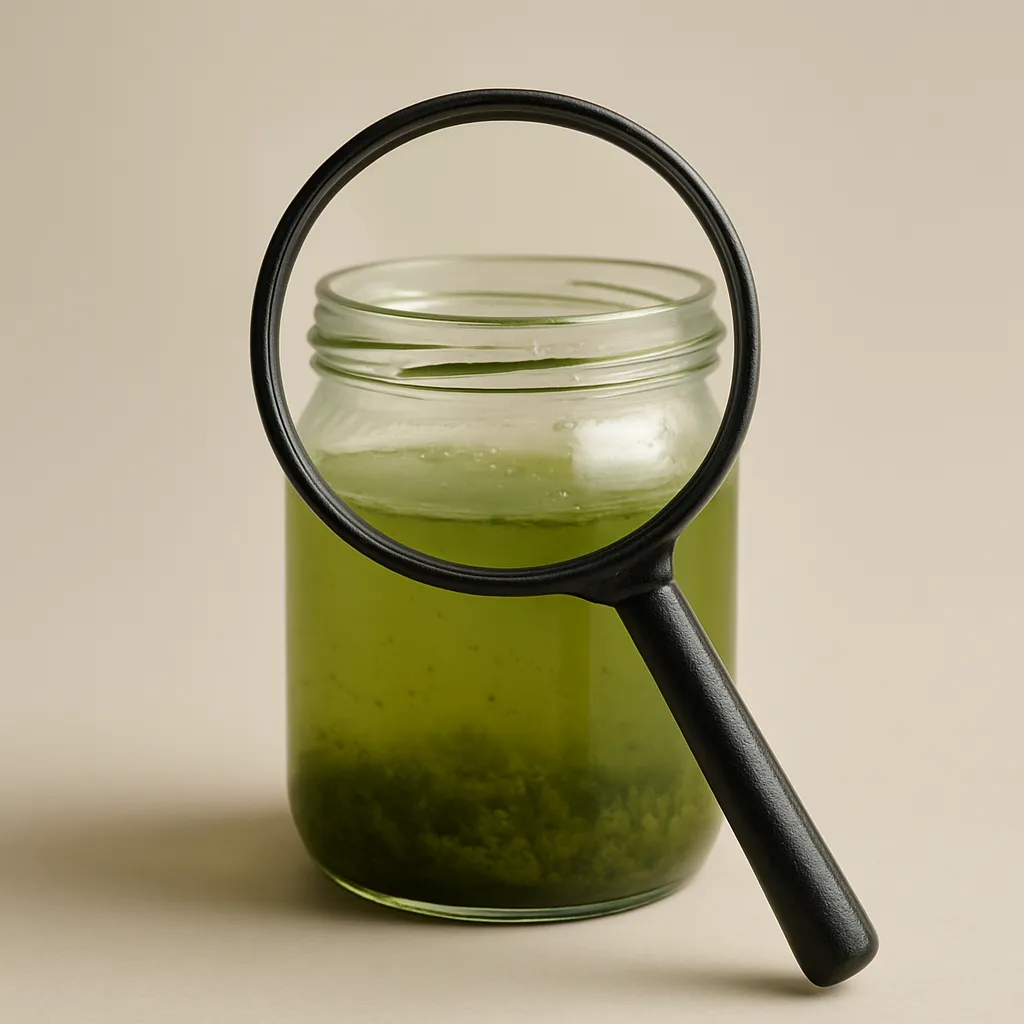
A student writes the honey bee's scientific name as apis Mellifera. How should the name be written?
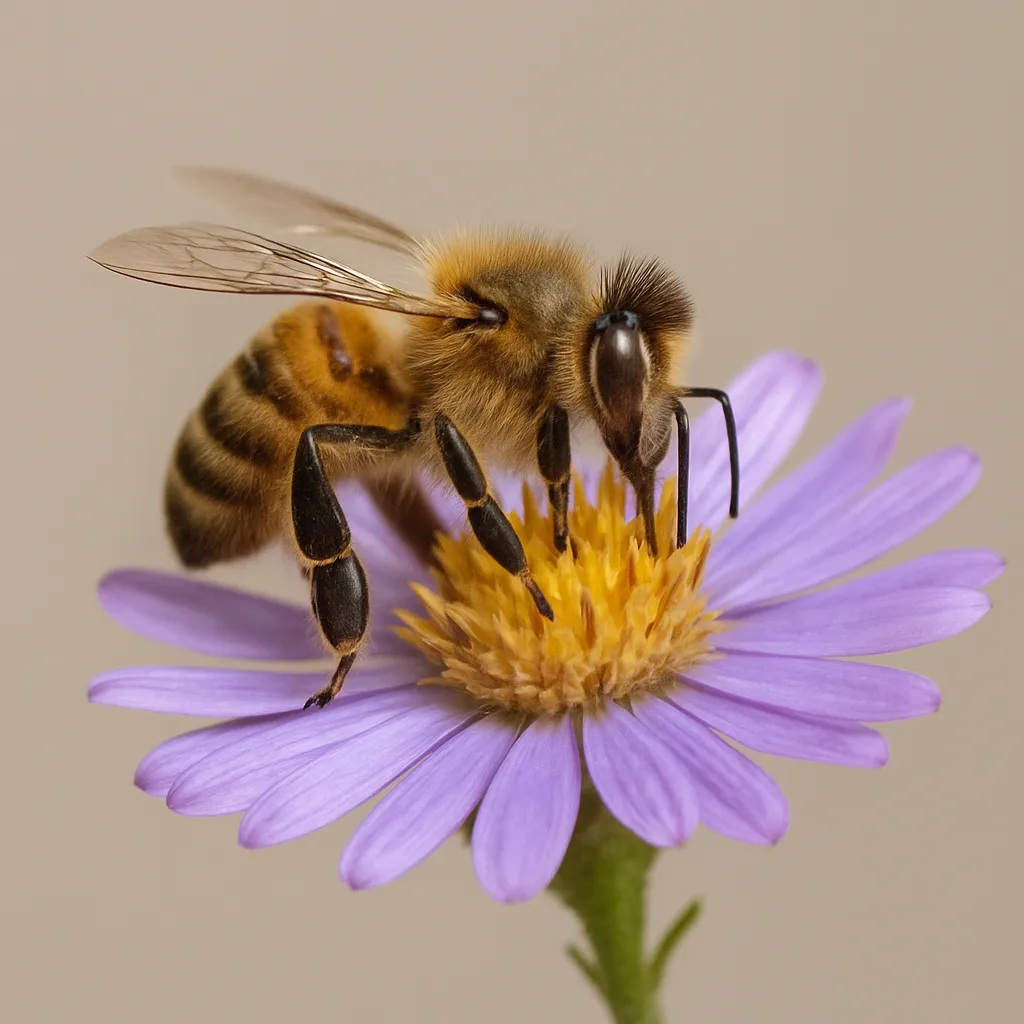
A lion, a tiger and a leopard are placed together in the genus Panthera. What groups them there?
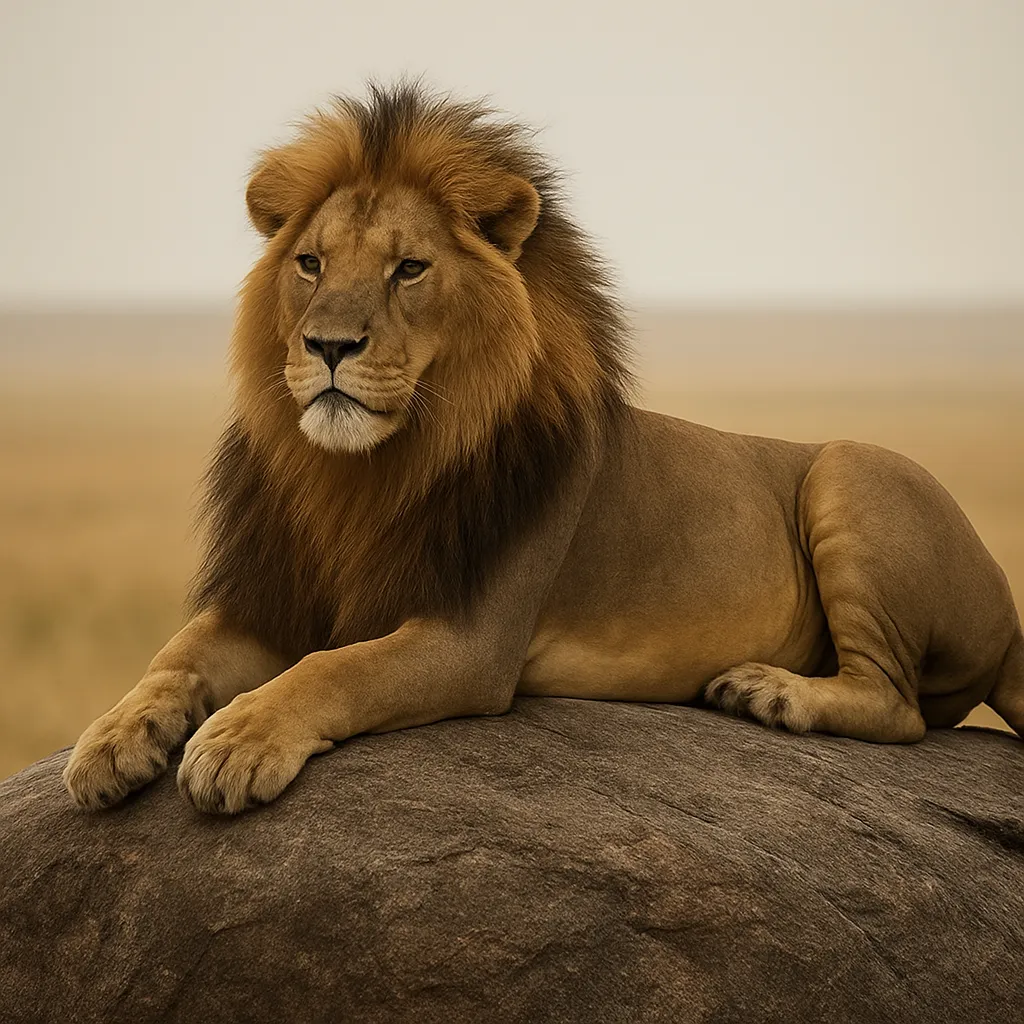
In the United States a robin is Turdus migratorius, while in Britain a robin is Erithacus rubecula. What does this show about common names?
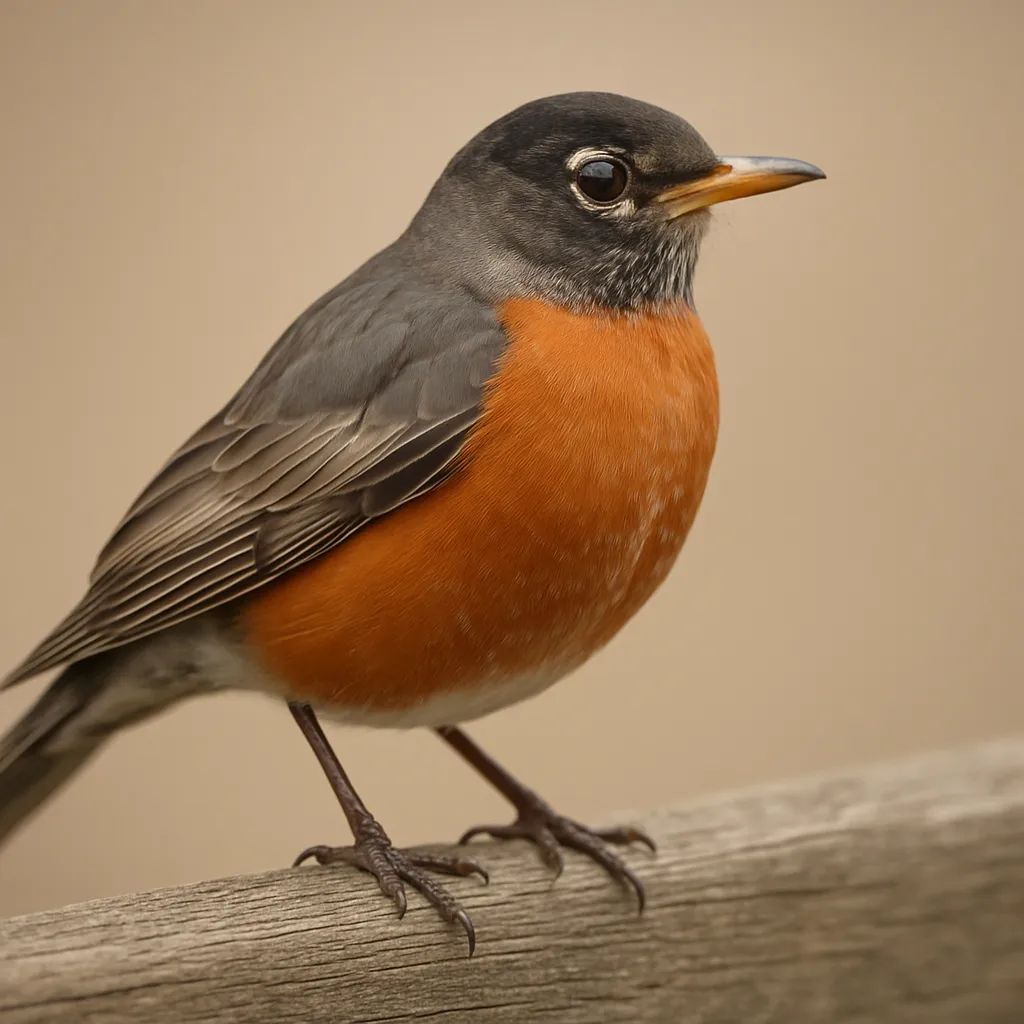
Going down the levels of classification, which level holds the fewest kinds of organisms?
An ostrich, a penguin and a hummingbird are grouped together even though only one of the three can fly. Which shared characteristic places them in the same group?
A single-celled organism with no nucleus lives in a cow's stomach, produces methane gas, and dies when oxygen reaches it. Which domain does it belong to?
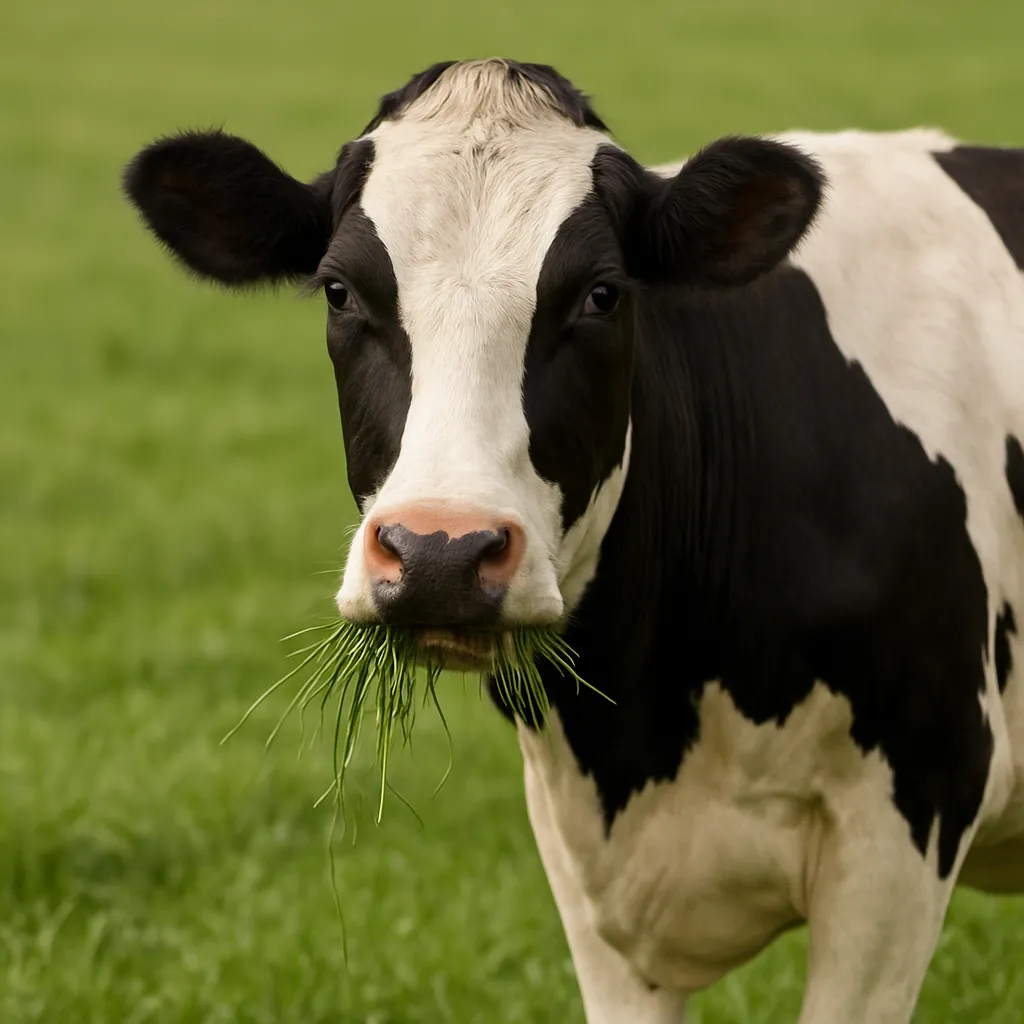
Fill the gap in this list of levels, ordered from broadest to narrowest: domain, kingdom, ___, class, order.
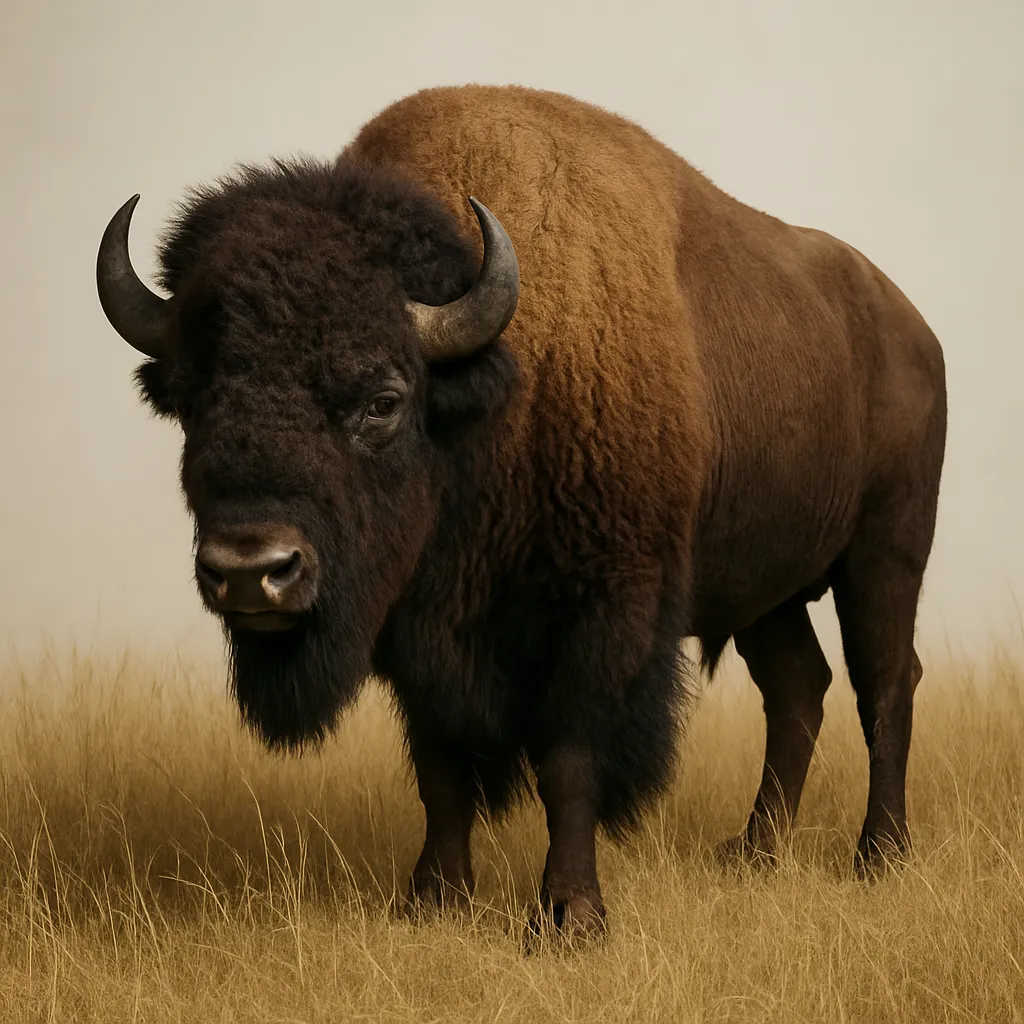
Why do scientists write Bison bison in a research report instead of the common name buffalo?
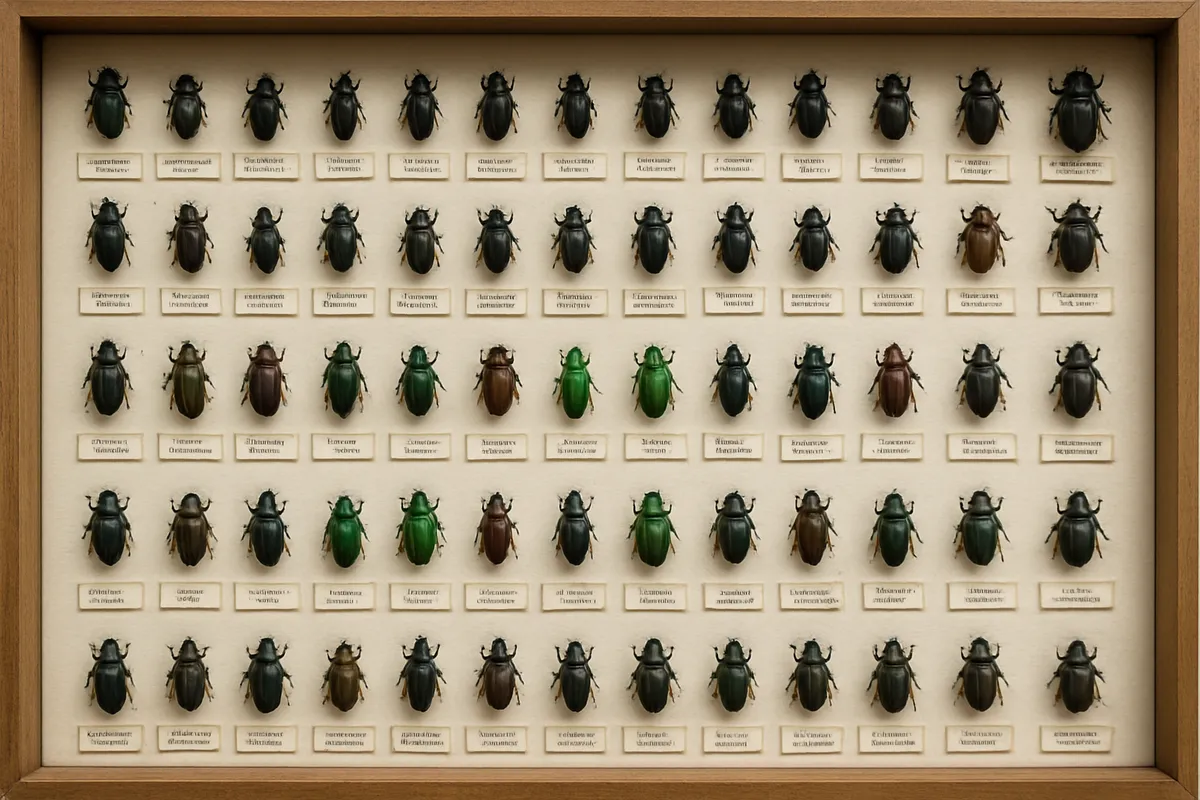
Two beetle labels list class, order and family, in that order. Beetle A: Insecta, Coleoptera, Carabidae. Beetle B: Insecta, Coleoptera, Scarabaeidae. What is the narrowest level the two beetles share?
A sea turtle, a dolphin, a tuna and a harbor seal are all caught in one bay. Which one is grouped with the reptiles?
Escherichia coli lives in the intestines of people and cattle. Its cells have no nucleus, and it is not one of the extremophiles. Which domain does it belong to?
Every species in the genus Panthera also belongs to the family Felidae. Moving up from that genus to that family, what happens to the number of species included?
Tursiops truncatus is the bottlenose dolphin. If a scientist names a newly described dolphin Tursiops australis, what does the shared first word show?
An earthworm, a snail, a jellyfish and a frog are collected from one pond. Which one has a backbone?
In the scientific name Homo sapiens, the second word names the species.
Cells without a nucleus are found in two of the three domains. Which domain contains only organisms whose cells have a nucleus?
A student says that two organisms in the same order must also be in the same genus. What is wrong with that statement?
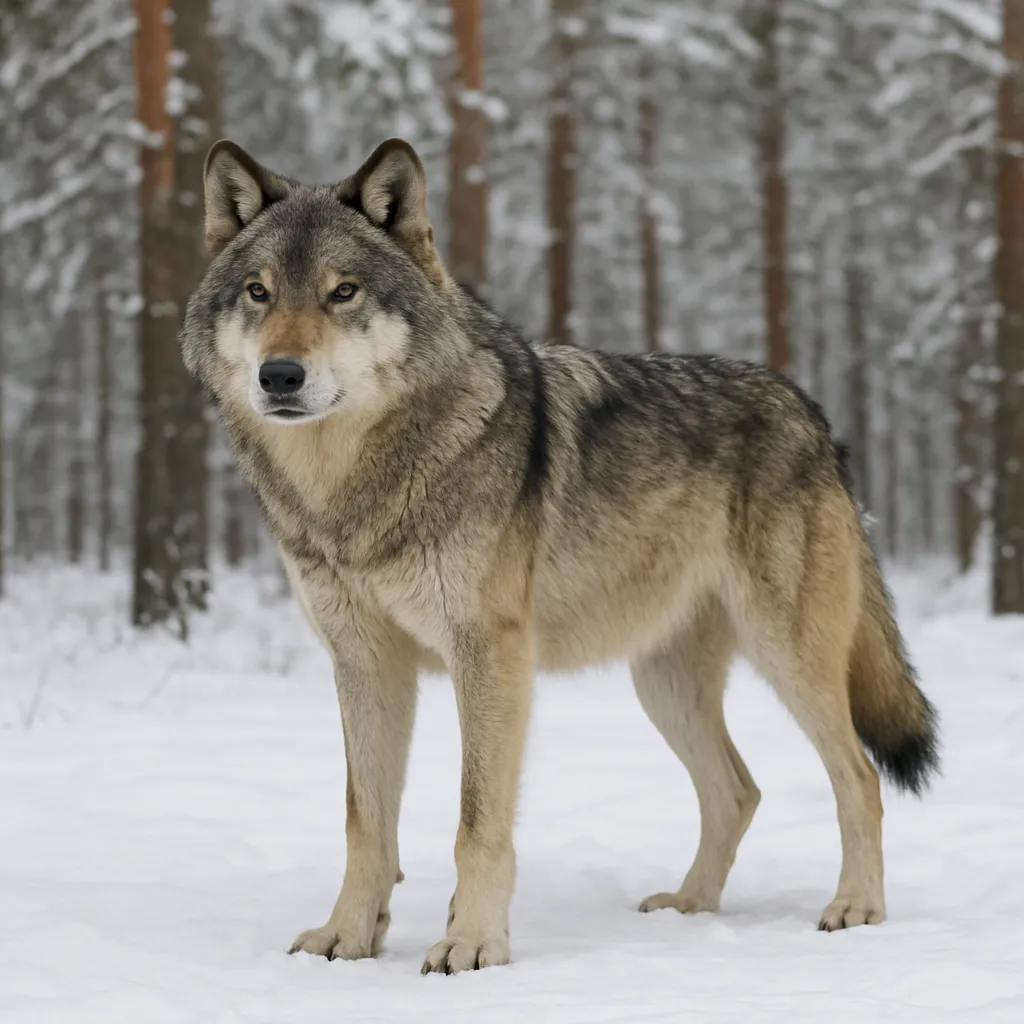
A gray wolf is Canis lupus and a coyote is Canis latrans, while a red fox is Vulpes vulpes. What do the names tell you about the wolf and the coyote?
A phylum is a narrower group than a class.
A student writes the gray wolf's scientific name as Canis and stops there. Why is that not a complete scientific name?
A leaf cell from a sugar maple has a nucleus, a cell wall and chloroplasts. Which domain does the sugar maple belong to?

A sunflower, a corn plant and an oak tree are placed in the same kingdom. Which shared characteristic puts them there?

The broadest level in the modern classification system is which one?
Two groups of fish in one bay look almost alike. Which finding would best show that they belong to the same species?
Ursus americanus, Ursus maritimus and Ailuropoda melanoleuca are all bears. Judging from the names, which two are most closely related?
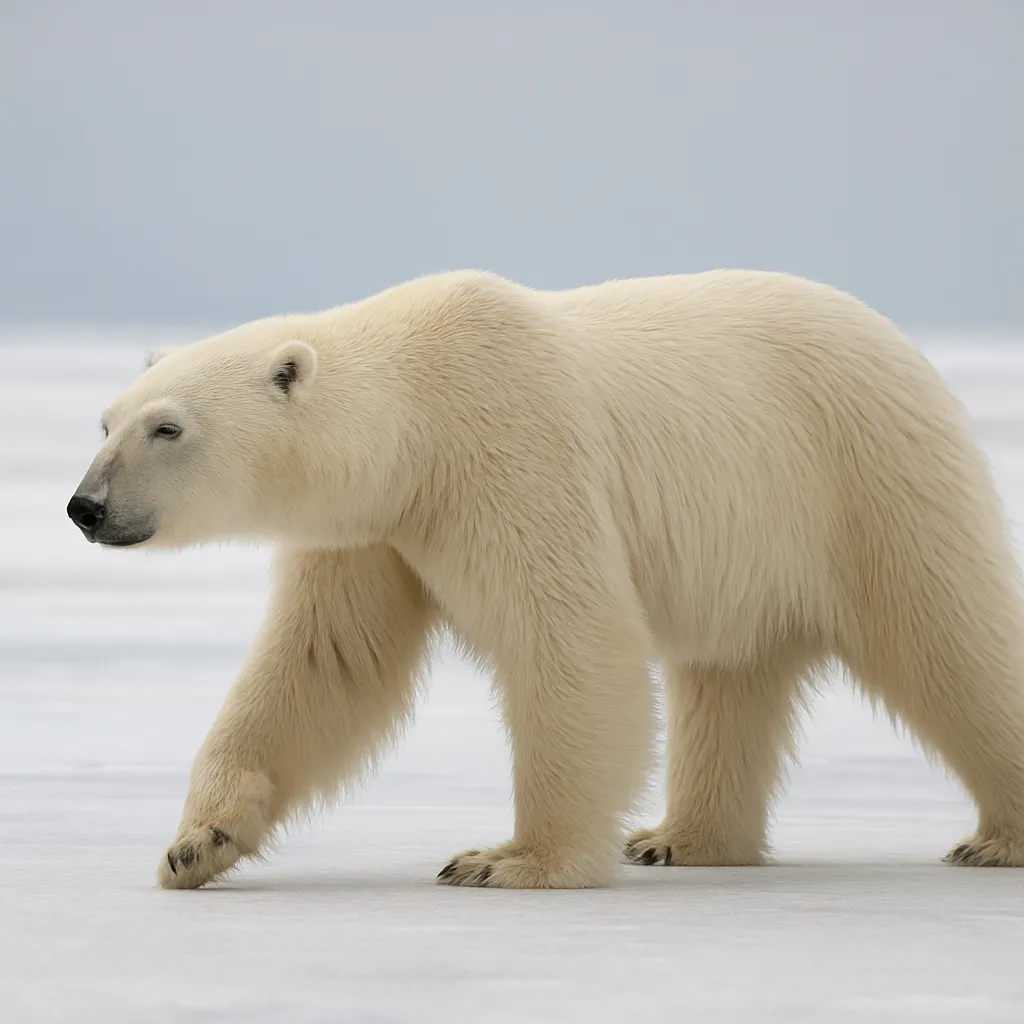
A museum label reads: Animalia, Chordata, Mammalia, Carnivora, Ursidae, Ursus, Ursus americanus. Which name on that label is the family?
Every organism that lives in extremely hot water belongs to the domain Archaea.
Crack the passcode before the zombies get in.

Pick a tile, answer, hit bonuses and steals.

Photosynthesis and Cellular Respiration
20 questions