Loading
by BlastRoom
Compare the four kinds of microorganism by what they are, how they live, and how they affect other living things.
#microorganisms#us_grade_6_science
40 questions
One question set, multiple game modes. Tap any game to see it in action. Not sure which to pick?
Answer to place stones and capture territory.
Outrun the snow together.
Earn blasts, then hunt the other team.
Answer to earn energy, then climb.

The class blasts through walls together.
Bid on mystery lots. Most money wins.
Sell tours. Nice, standard, or a total scam.

Answer, restock, and serve the rush.
More correct answers pulls the rope your way.
Answer, then shoot down the alien wave.
Answer, then tap to leap the frozen ridge.
Under a microscope a student sees a single rod-shaped cell with a cell wall, no nucleus inside it, and a whip-like tail that pushes it along. What kind of organism is it?
A biologist studies a particle about a hundred times smaller than a bacterium. It has genetic material in a protein coat, no cytoplasm, and it copies itself only inside a living cell. What is it?
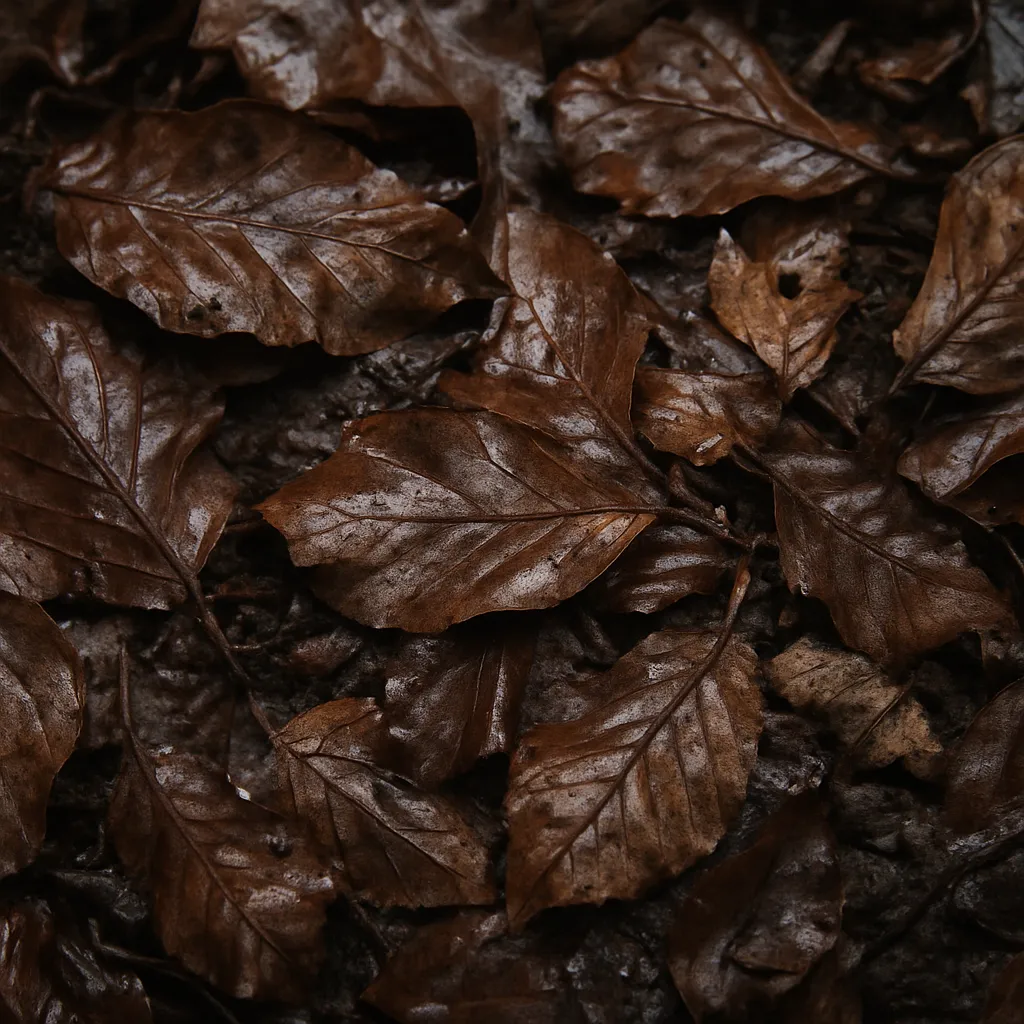
A gardener finds a pale, thread-like network spreading through damp leaf litter. The threads have no green color and take in food from the rotting leaves around them. What kind of organism is this?
A flat, ribbon-shaped organism lives inside a dog's intestine. It hooks onto the intestine wall and soaks up food the dog has already digested, and the dog slowly grows thin. What kind of organism is it?

An organism growing between a swimmer's toes has cells with a nucleus, grows as fine threads, and spreads by spores that survive on a wet locker-room floor. What kind of organism is it?

A single cell with no nucleus is kept in warm broth. About every 20 minutes each cell splits into two identical cells, and the broth turns cloudy overnight. What kind of organism is growing?

Viruses cause colds in people. Which living things can viruses infect?
A tiny organism about the size of a sesame seed lives on a child's scalp, grips the hair, and bites the skin to feed on blood several times a day. What kind of organism is it?

Baker's yeast is a single-celled organism whose cells each contain a nucleus, feed on sugar, and grow a small bud that breaks away as a new cell. What kind of organism is yeast?
A slide shows three organisms. Organism 1 is 2 micrometers long with no nucleus. Organism 2 is 30 micrometers long with a nucleus. Organism 3 is a 1 millimeter worm. Which one is a bacterium?
Chickenpox spreads easily from person to person, and antibiotic medicines have no effect on it. Whatever causes it is not a cell at all and can multiply only inside a person's own cells. What causes chickenpox?
A single-celled organism with a nucleus enters a person's blood after a mosquito bite, lives inside and destroys red blood cells, and brings on fever and chills. What kind of organism is it?
A virus has entered a cell lining a person's throat. How does that one virus lead to thousands more virus particles?
A bacterium sits in warm broth with plenty of nutrients and reproduces asexually. How does one bacterial cell become two?
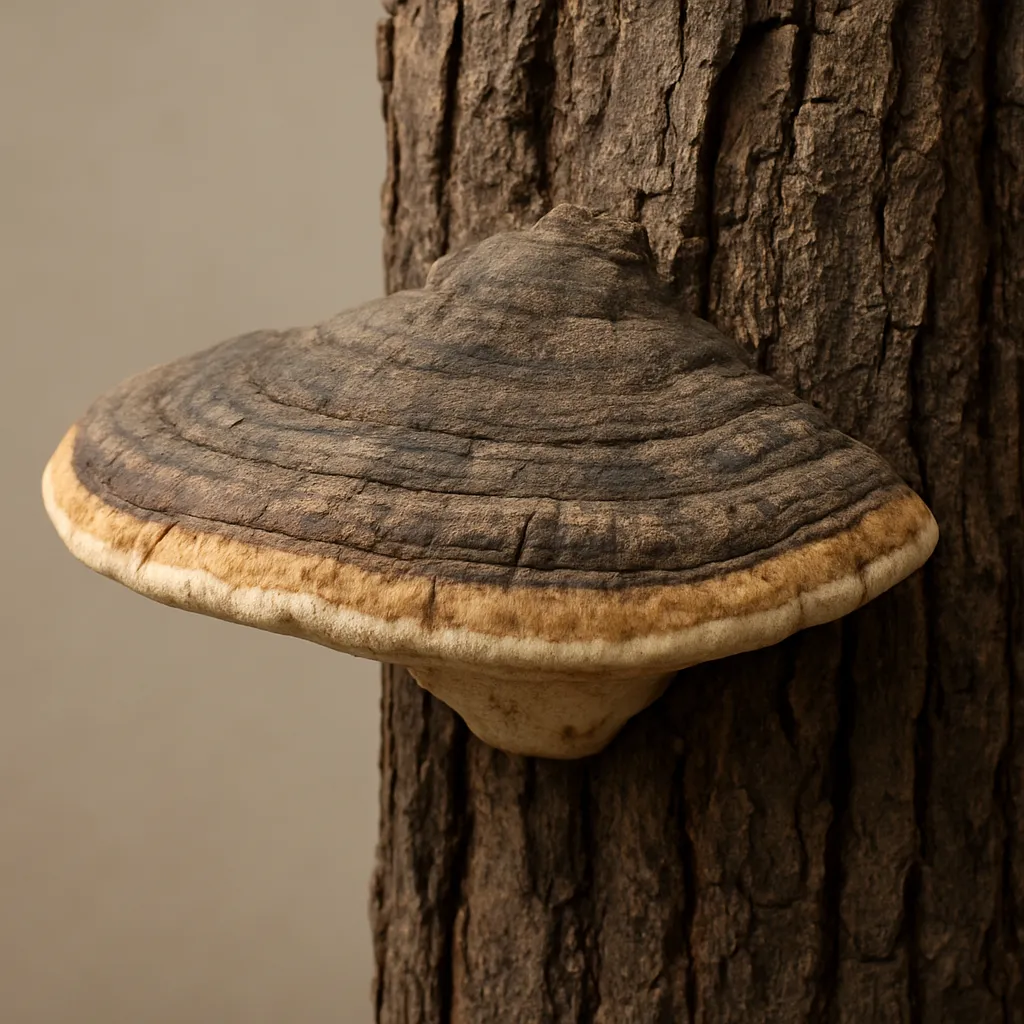
A bracket fungus grows on the side of a dead tree trunk. It has no chloroplasts anywhere in its body. How does it get the energy it needs to grow?
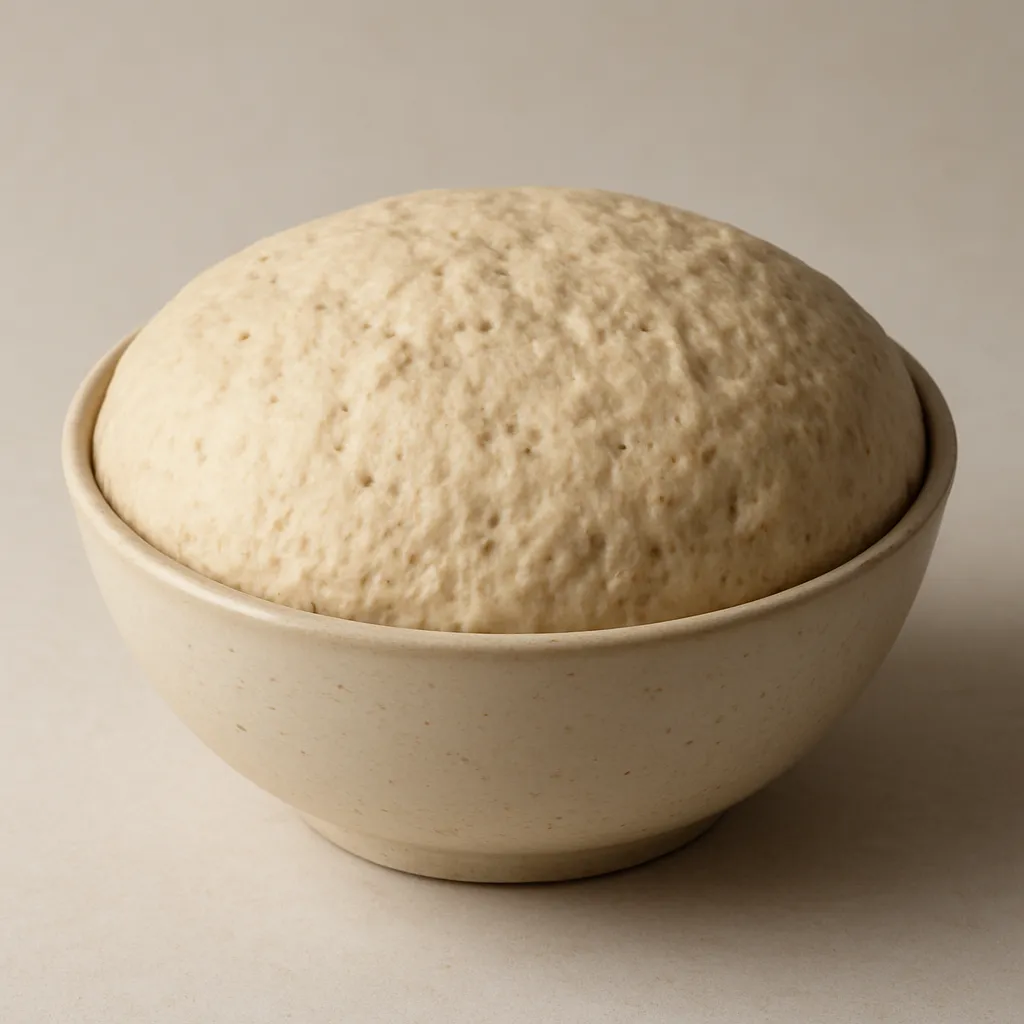
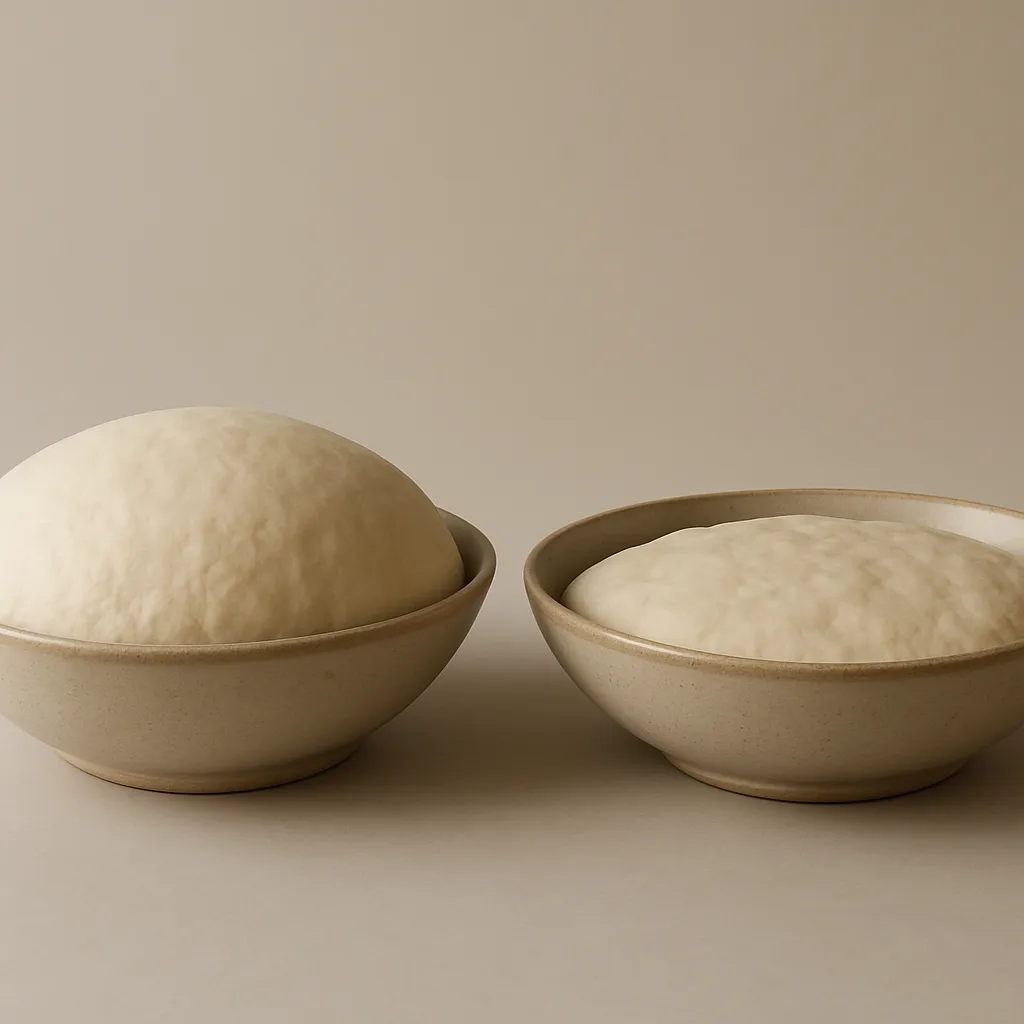
A baker mixes yeast, flour, water, and sugar, then covers the bowl and leaves it in a warm kitchen. Over an hour the dough doubles in size. How is the yeast getting its energy?
A tapeworm living in a host's intestine has no mouth and no gut of its own anywhere along its body. How does it get its food?
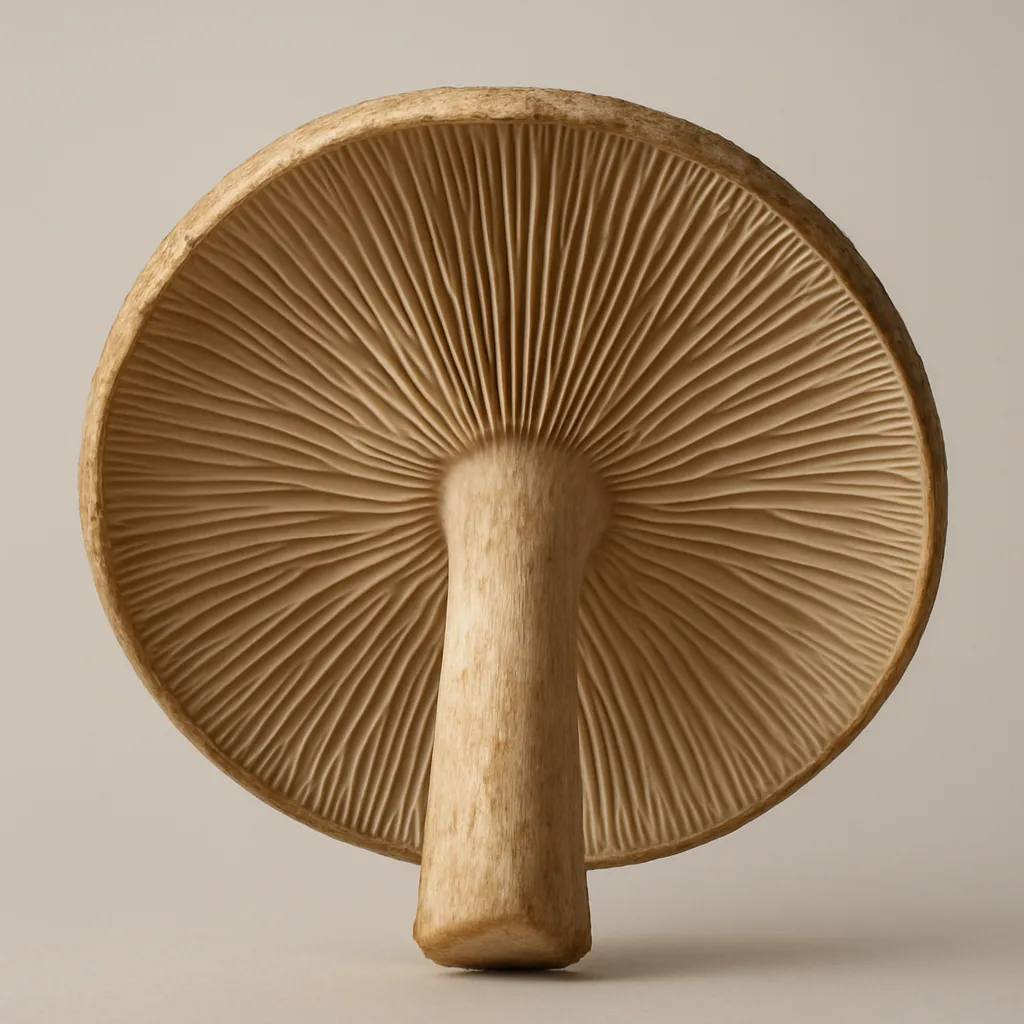
A mushroom beside a woodland path releases millions of tiny spores from under its cap, and air currents carry them away. What is the fungus doing?
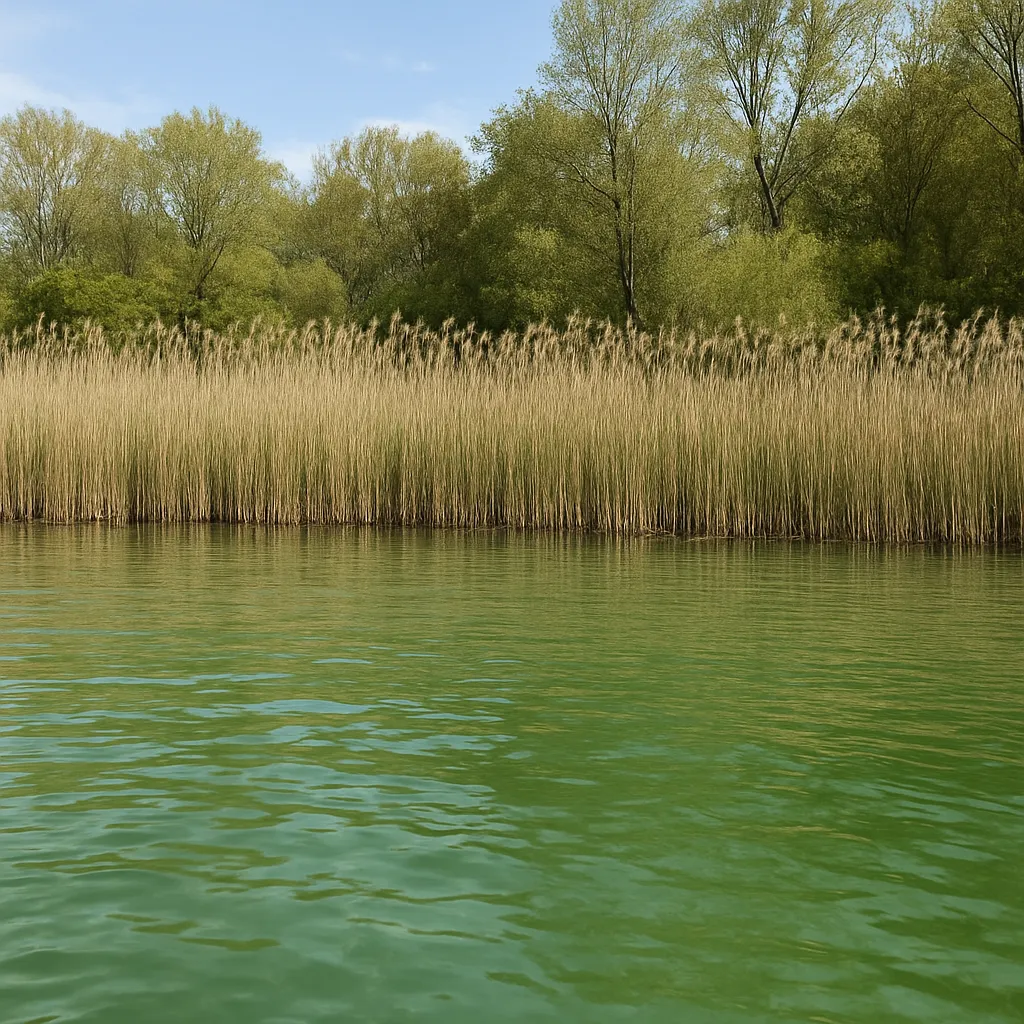
Blue-green bacteria float near the surface of a lake and tint the water green. They grow thickest in the sunny top layer of the water. How do these bacteria get their food?
Two dishes of sterile nutrient jelly sit in a warm cabinet for a week. The dish wiped with pond water grows cloudy spots; the dish wiped with a virus sample stays clear. Why does the virus dish stay clear?
Hookworm larvae in warm soil burrow through a bare foot, travel in the blood, and settle in the small intestine, where adults attach to the intestine lining. How does an adult hookworm get its energy?
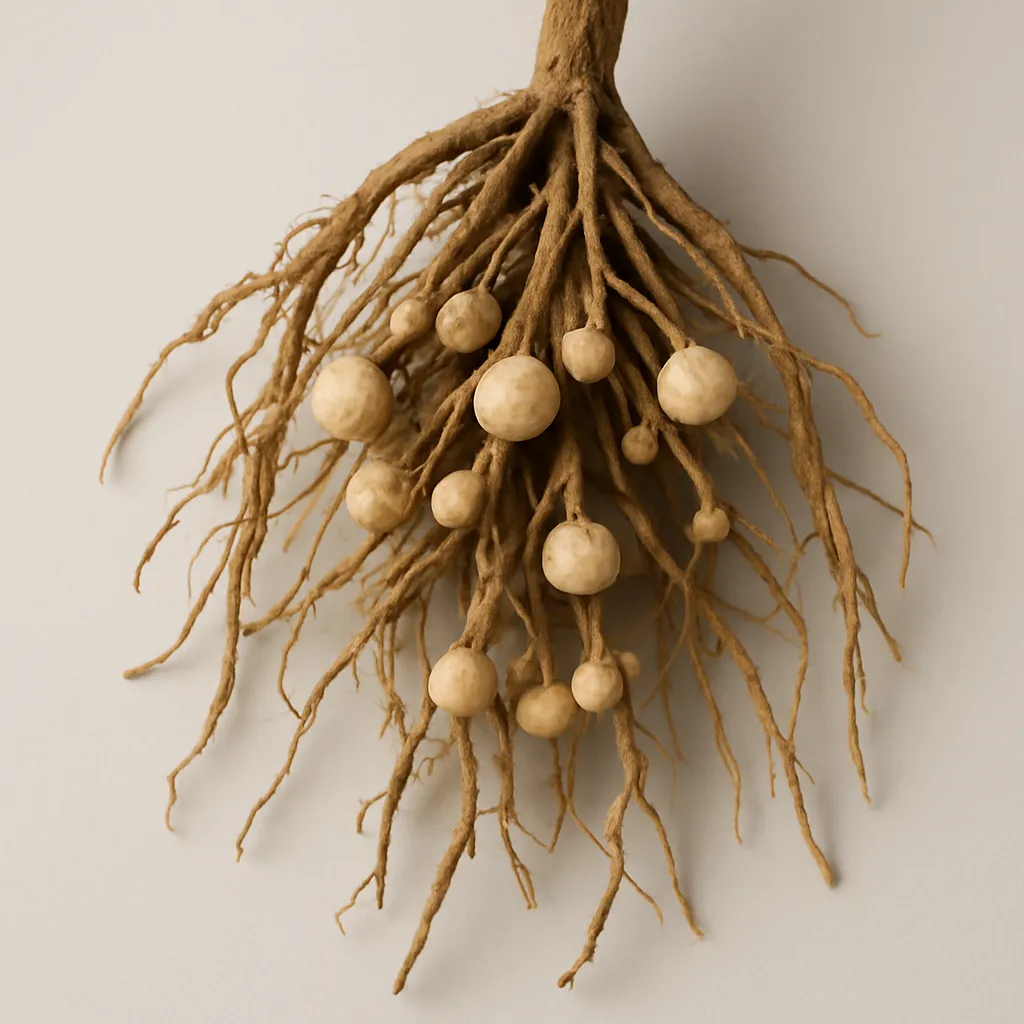
Bacteria live inside swollen nodules on a bean plant's roots, underground. How do these bacteria get the energy they need?
A batch of dough made with yeast doubles in size in a warm kitchen, while an identical batch made without yeast stays flat. What is happening inside the risen dough?
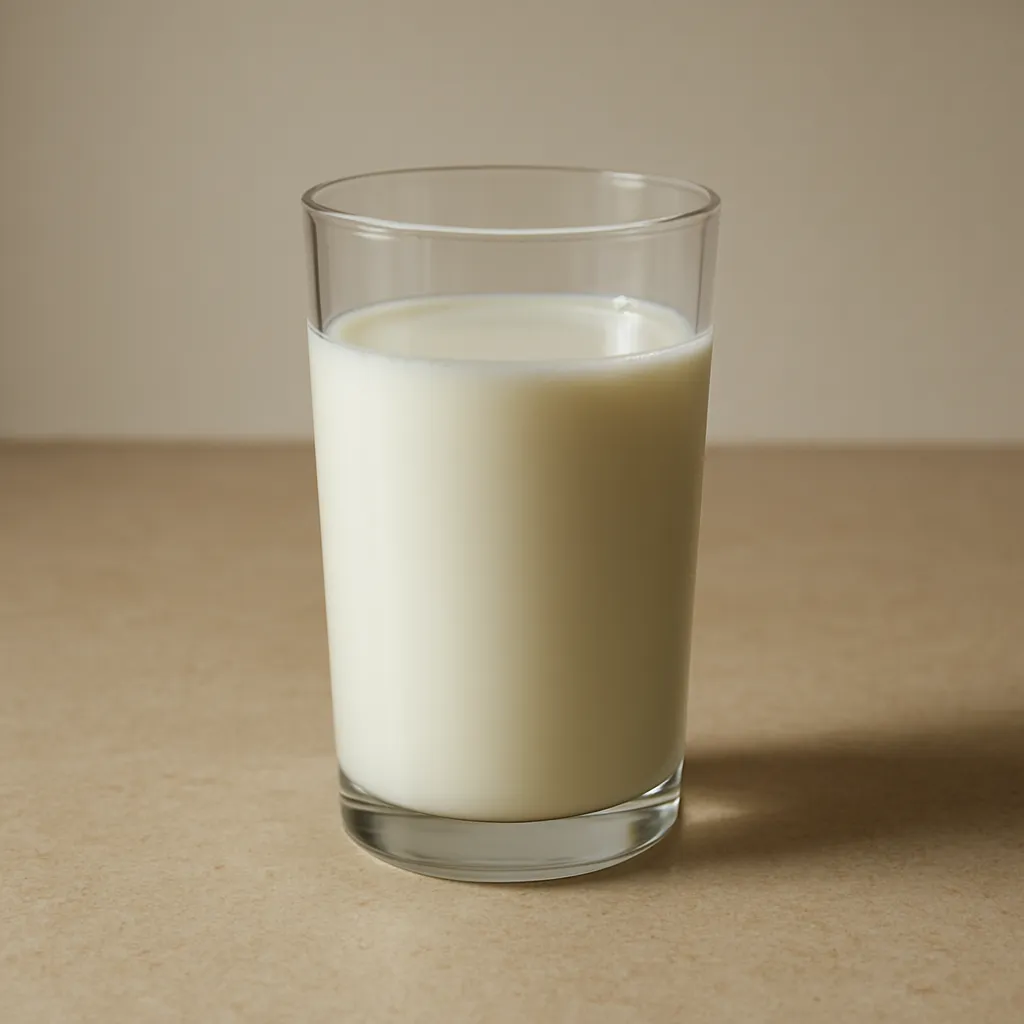
Milk left out of the refrigerator turns sour and thick after two days, and tests show it has become more acidic. Which microorganism is at work, and what is it doing?
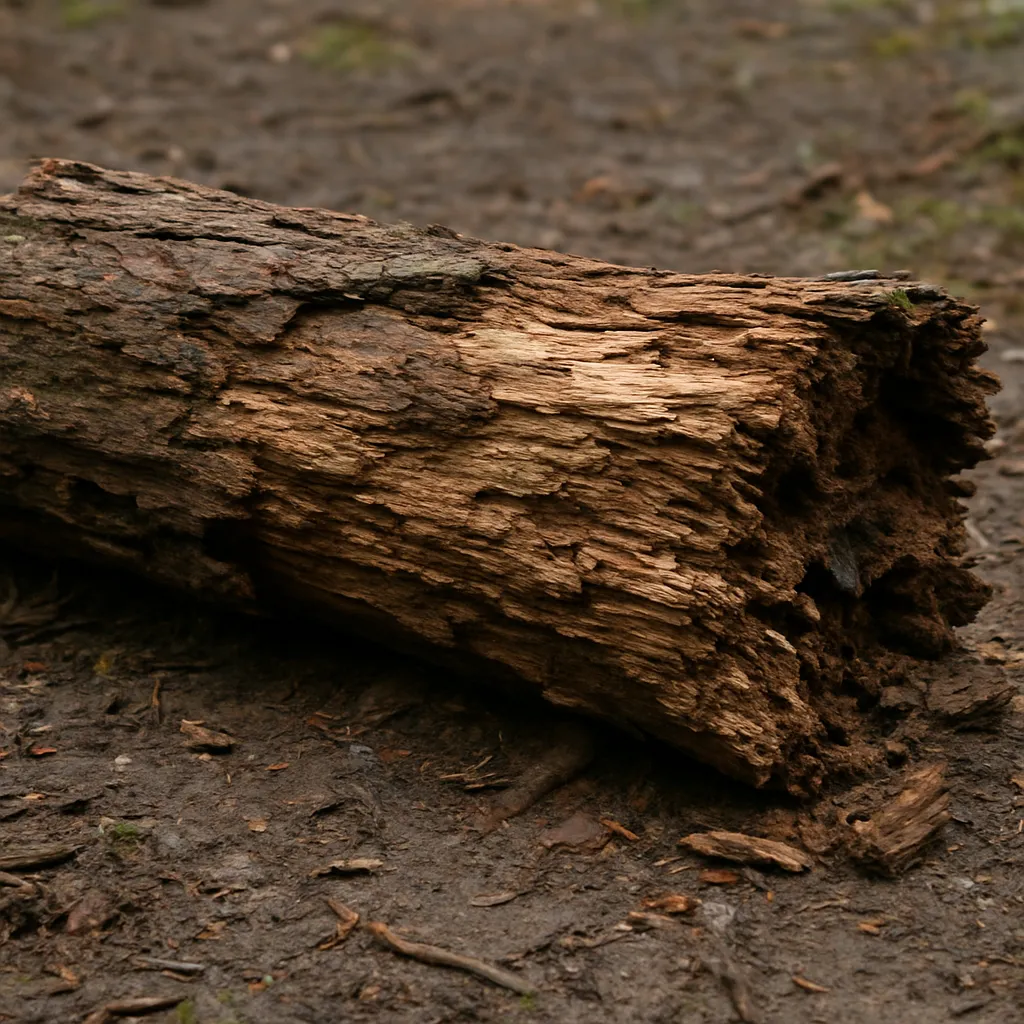
A fallen log in a damp forest slowly softens and crumbles over several years, and the soil beneath it grows dark and rich. What role are the fungi and bacteria playing here?
A doctor swabs a student's very sore throat, finds Streptococcus in the sample, and prescribes an antibiotic. Why can this medicine help the student?
A person with a tapeworm steadily loses weight and feels tired. In which way do tapeworms most often get into people?
During flu season most of a class catches the same illness within a week. Rest and fluids help, but the antibiotics one student was given did nothing. What kind of microorganism is spreading?
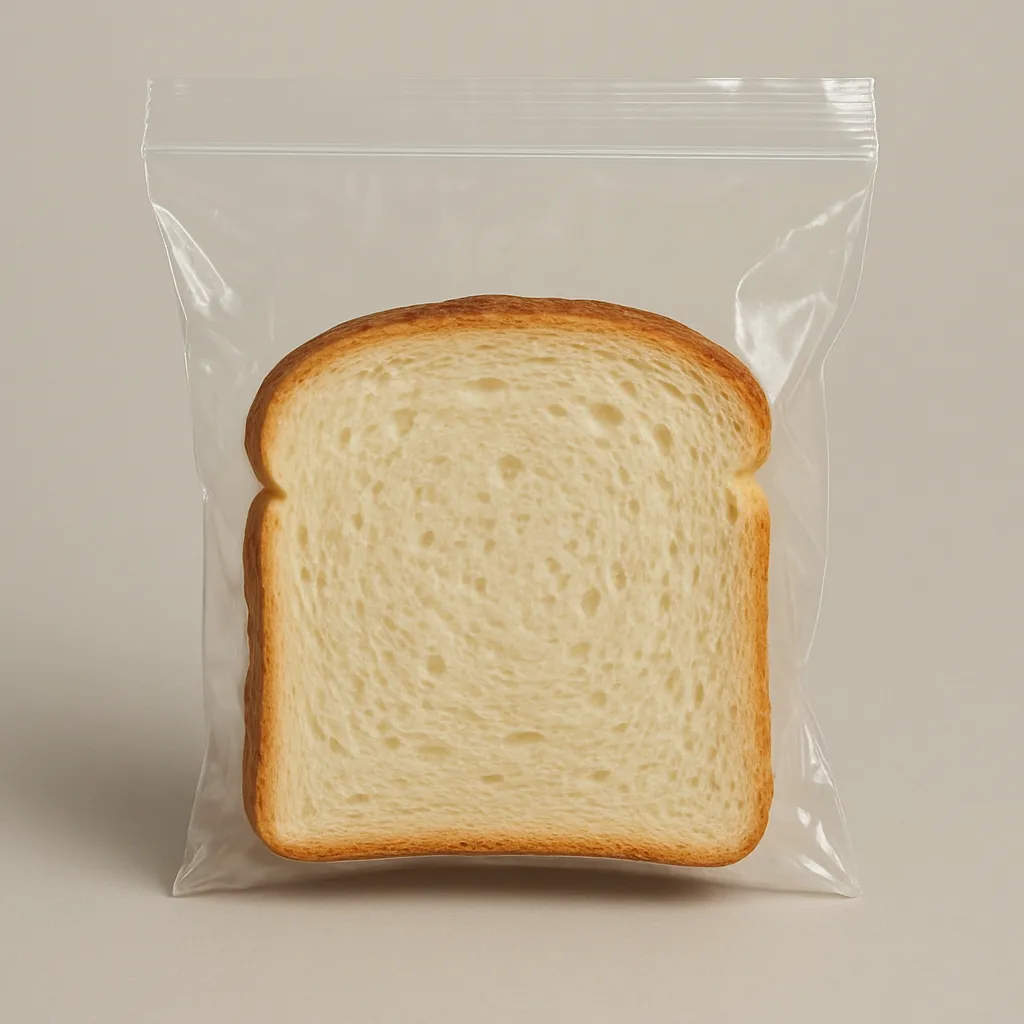
A slice of bread sealed in a plastic bag grows a fuzzy green patch that spreads outward in a circle over several days. What is happening to the bread?
A farmer grows beans one year and finds the corn planted there the next year grows better. Bacteria living in nodules on the bean roots are the reason. How did the bacteria affect the field?
A swimmer has itchy, cracked skin between the toes, a condition called athlete's foot. What is the microorganism that causes it doing to the skin?
Billions of bacteria live in every person's large intestine and feed on food passing through. How do most of these bacteria affect the person?
A student writes that every kind of bacterium causes disease. Why is that claim wrong?
A virus is simply a very small bacterium.
A child has a cold that a doctor says is caused by a virus, and a parent asks for antibiotics anyway. Why will antibiotics not help?
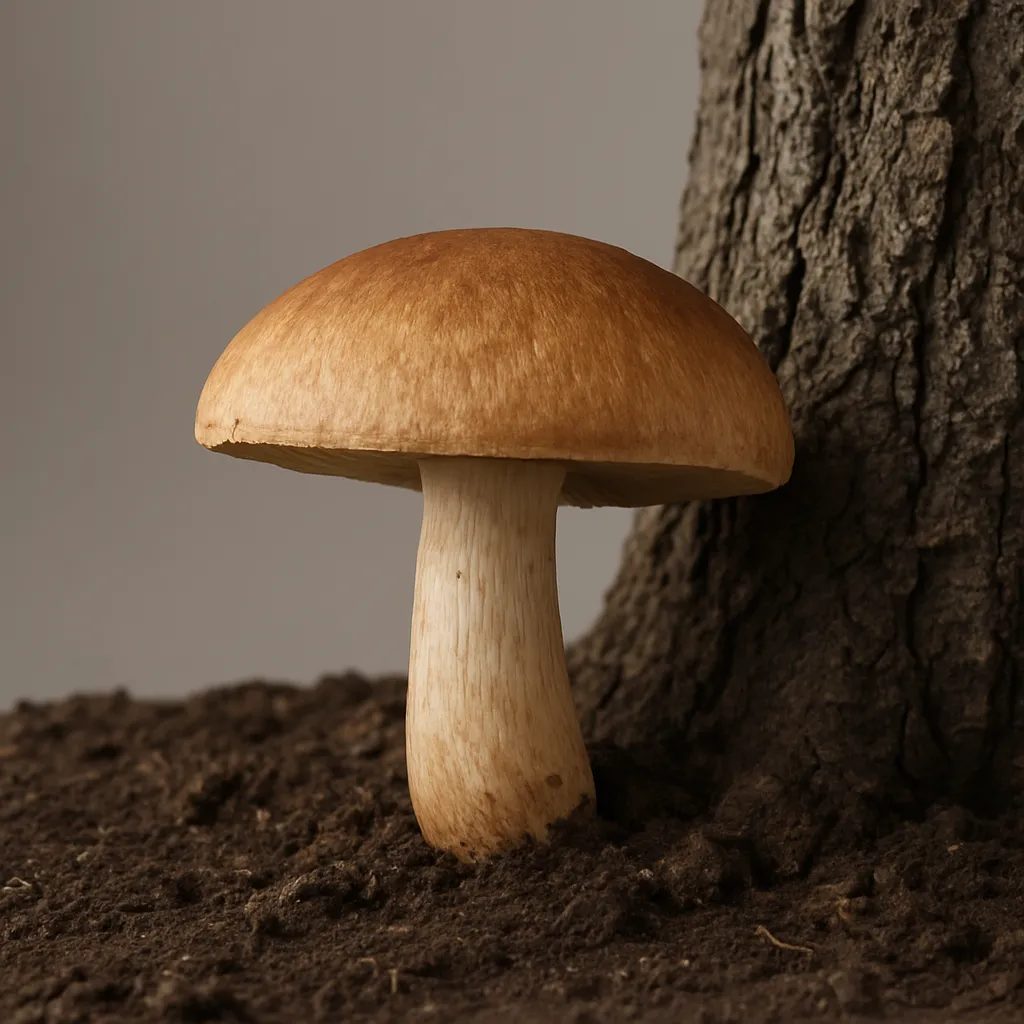
Someone claims a mushroom must make its own food from sunlight because it grows out of the ground the way a plant does. What is wrong with that claim?
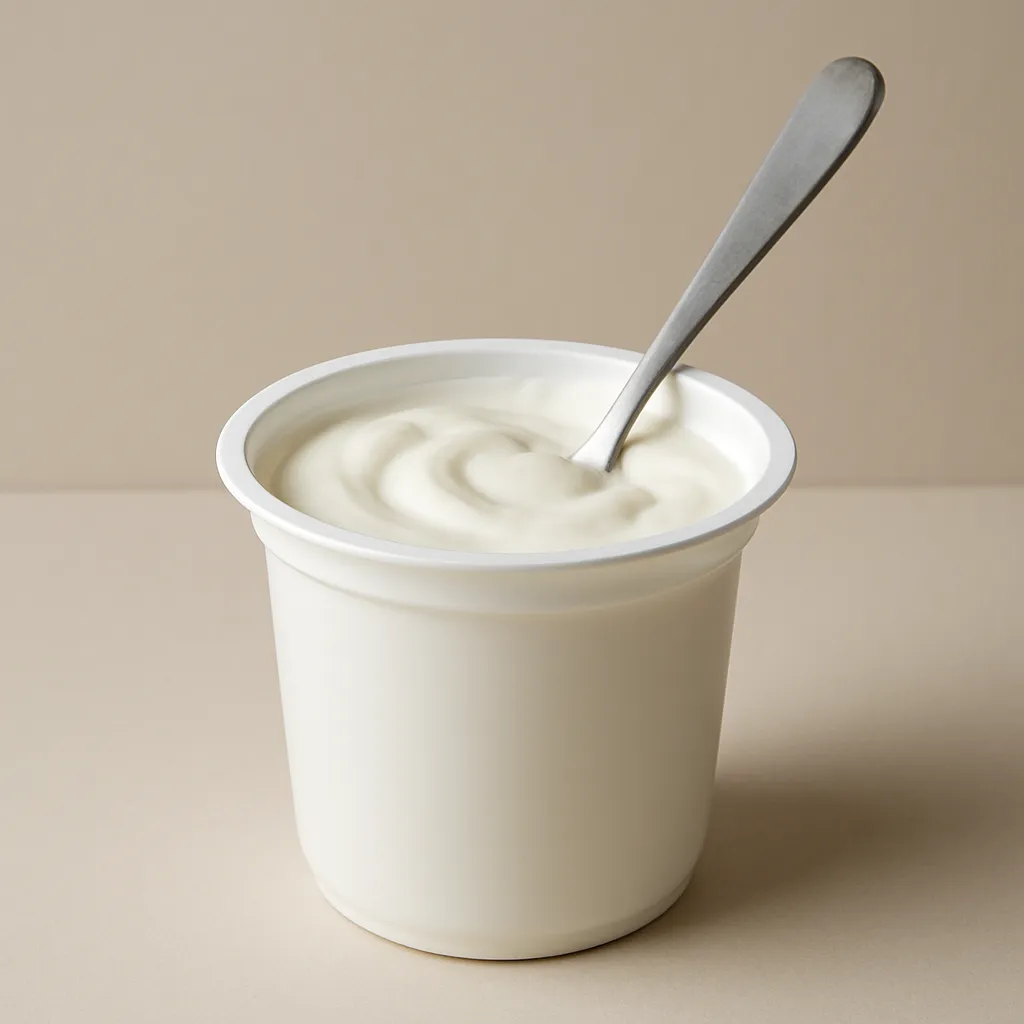
A poster in a hallway says that all microorganisms make you sick. A teacher holds up a pot of plain yogurt as evidence against it. How does the yogurt disprove the poster?
Penicillin, one of the first antibiotics, was first obtained from a mold, which is a kind of fungus.
A textbook is drawing a bacterium and a virus side by side at the same scale. What difference should that drawing show?
Ringworm causes a ring-shaped, itchy rash on the skin and spreads on shared towels and locker-room floors. Despite its name, what actually causes it?
Crack the passcode before the zombies get in.
Answer, then swat bugs for bonus points.
Race through questions at your own speed.
Same question on every screen. Fastest wins.

Pick a tile, answer, hit bonuses and steals.
Comparing the Planets
40 questions