Loading
by BlastRoom
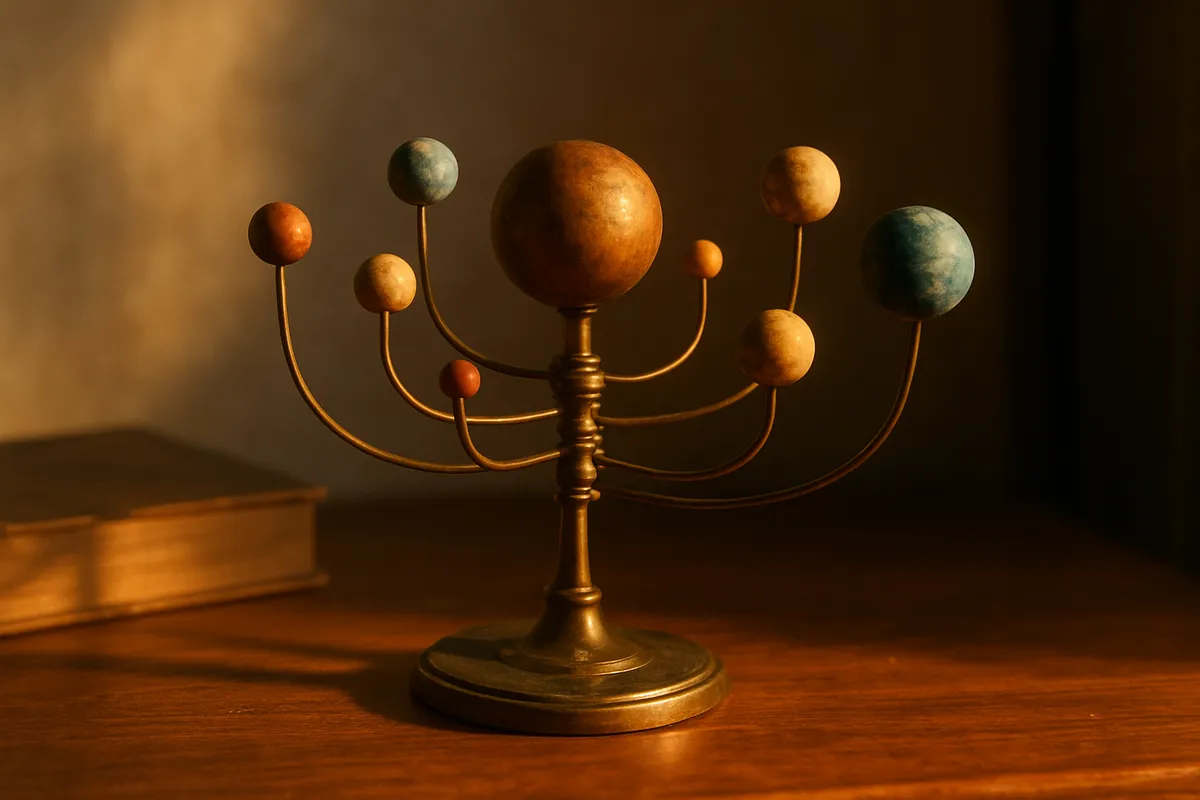
Compare planets by size, surface, distance from the Sun, and habitability conditions.
#solar_system#us_grade_6_science
40 questions
One question set, multiple game modes. Tap any game to see it in action. Not sure which to pick?
Answer to place stones and capture territory.
Outrun the snow together.
Earn blasts, then hunt the other team.
Answer to earn energy, then climb.

The class blasts through walls together.
Bid on mystery lots. Most money wins.
Sell tours. Nice, standard, or a total scam.

Answer, restock, and serve the rush.
More correct answers pulls the rope your way.
Answer, then shoot down the alien wave.
Answer, then tap to leap the frozen ridge.
Earth and Jupiter are compared by diameter. Which planet is larger?
Mercury and Neptune are compared by distance. Which planet is farther from the Sun?
Earth completes one year in about 365 days, while Mars takes about 687 Earth days. Which planet has the longer year?
Venus and Mercury are rocky inner planets. Which planet has a much thicker atmosphere?
Saturn and Uranus both have rings. Which planet has rings that are easier to see from far away?
Earth and Venus are compared by surface conditions. Which planet has abundant liquid surface water?
Jupiter and Saturn are the two largest planets. Which one has the greater diameter?
Mercury and Earth are both rocky planets. Which one is larger in diameter?
Uranus and Neptune are the two outermost planets. Which planet is farther from the Sun?
Mars and Jupiter are compared by surface type. Which planet has a solid rocky surface?
Earth and Neptune are compared by surface type. Which planet has a solid surface where landforms can exist?
Mars takes less than 2 Earth years to orbit the Sun, while Saturn takes about 29 Earth years. Which planet has the longer year?
A giant planet spins faster than any other planet, finishing one day in about 10 hours. What planet is it?
A rocky planet has a thick carbon dioxide atmosphere and the hottest surface of any planet. What planet is it?
A planet has a red appearance because iron-rich minerals on its surface are rust-colored. What planet is it?
A giant planet is less dense than water, so it would float in a large enough tub. What planet is it?
A planet is the closest major planet to the Sun and has a heavily cratered rocky surface. What planet is it?
A blue giant planet has the fastest winds measured in the solar system, about 2,000 kilometers per hour. What planet is it?
A planet is tilted so much that it rotates almost on its side. What planet is it?
A planet is the largest of the four rocky inner planets. What planet is it?
A planet is the smallest of the eight major planets and has almost no atmosphere. What planet is it?
A planet has the Great Red Spot, a long-lasting storm in its atmosphere. What planet is it?
A student groups Mercury, Venus, Earth, and Mars together before listing the outer planets. What pattern do the inner four planets share?
A chart lists Jupiter, Saturn, Uranus, and Neptune after Mars. What pattern best describes those four outer planets?
A model lists planet years: Earth about 1 year, Jupiter about 12 years, and Neptune about 165 years. What pattern is shown?
The four giant outer planets have deep atmospheres. Which two gases make up most of those atmospheres?
A newly described planet is small, rocky, and near the Sun in a solar system model. What group does it most resemble?
Planet A takes 88 days to orbit the Sun, and Planet B takes 165 Earth years. What can be inferred about their distances from the Sun?
A student says the largest planet must be the farthest from the Sun. What observation shows that size does not increase step by step outward?
A scale chart shows each planet's distance from the Sun. What happens to the gaps between orbits from Mars outward to Neptune?
A student compares Earth, Mars, Jupiter, and Saturn. What pattern fits their densities?
A chart orders the planets from Mercury to Neptune. What happens to their average temperatures in the overall pattern?
Mercury is a small rocky planet close to the Sun. What condition most prevents stable liquid water on its surface?
Venus is the second planet from the Sun. What condition most limits life as we know it there?
Mars has ice at its poles. What condition most limits liquid water on its surface today?
Jupiter is the largest planet in the solar system. What condition most prevents Earth-like surface life there?
Neptune is the eighth planet from the Sun. What condition would most prevent liquid water at its cloud tops?
If Earth orbited far beyond Neptune, it would receive far less solar energy. What condition would most threaten its surface oceans?
Uranus is a giant planet with a very deep atmosphere. What condition most prevents land-based life as we know it there?
Jupiter, Saturn, Uranus, and Neptune are the four giant planets. Which feature do all four share?
Crack the passcode before the zombies get in.
Answer, then swat bugs for bonus points.
Race through questions at your own speed.
Same question on every screen. Fastest wins.

Pick a tile, answer, hit bonuses and steals.
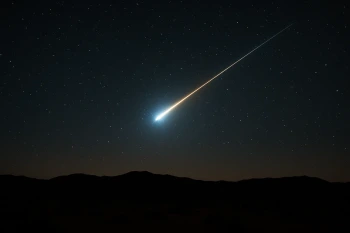
Comets, Asteroids, and Meteors
40 questions