Loading
by BlastRoom
Where our solar system sits inside the Milky Way, and how models of Earth's place in the universe have changed.
#universe#us_grade_6_science
20 questions
One question set, multiple game modes. Tap any game to see it in action. Not sure which to pick?
Claudius Ptolemy's model of the heavens was used by astronomers for centuries. In it, the Sun, Moon, planets and stars all circled one motionless body. Which body did Ptolemy place at the center?
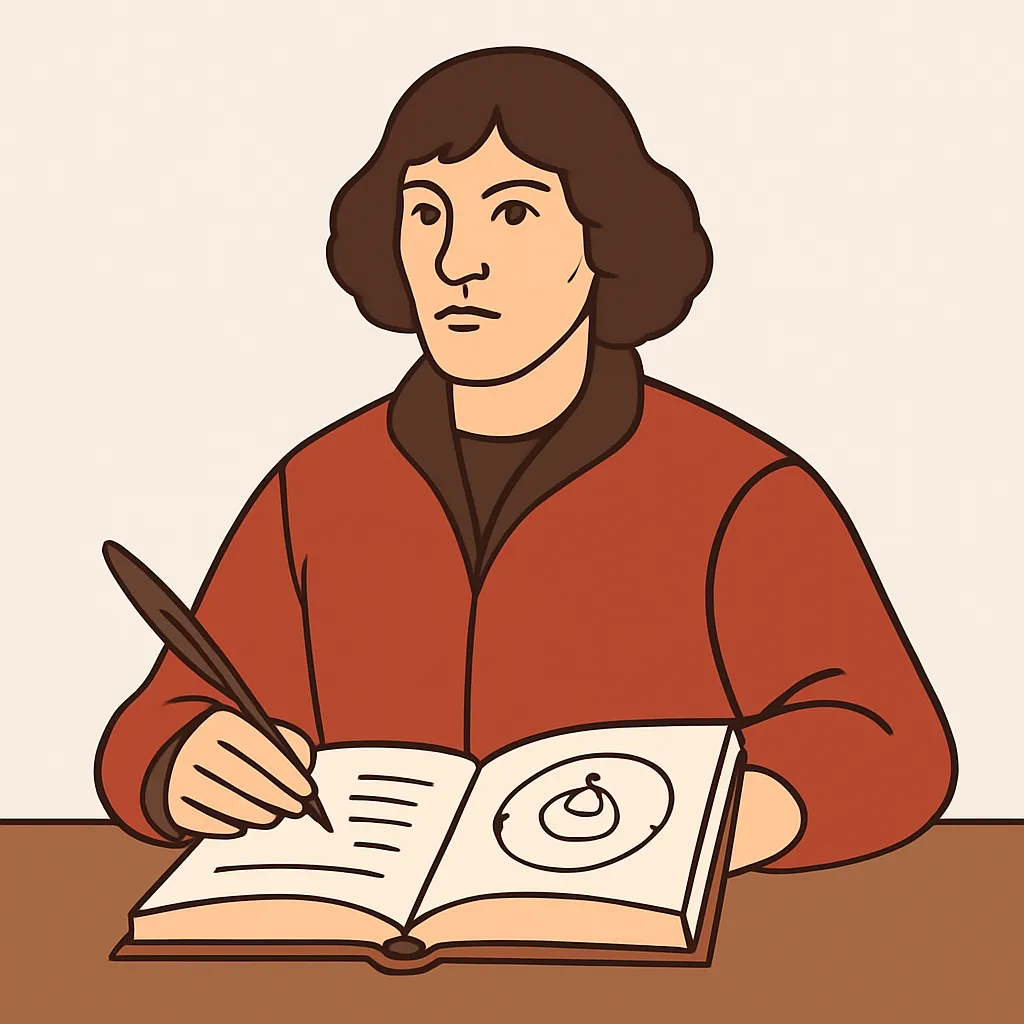
In 1543 Nicolaus Copernicus published a book setting out a different arrangement of the heavens, with Earth moving around a central body as one of the planets. What did he place at the center?
In January 1610 Galileo Galilei aimed his telescope at Jupiter and saw four small points of light that changed position around the planet night after night. What does that observation best support?
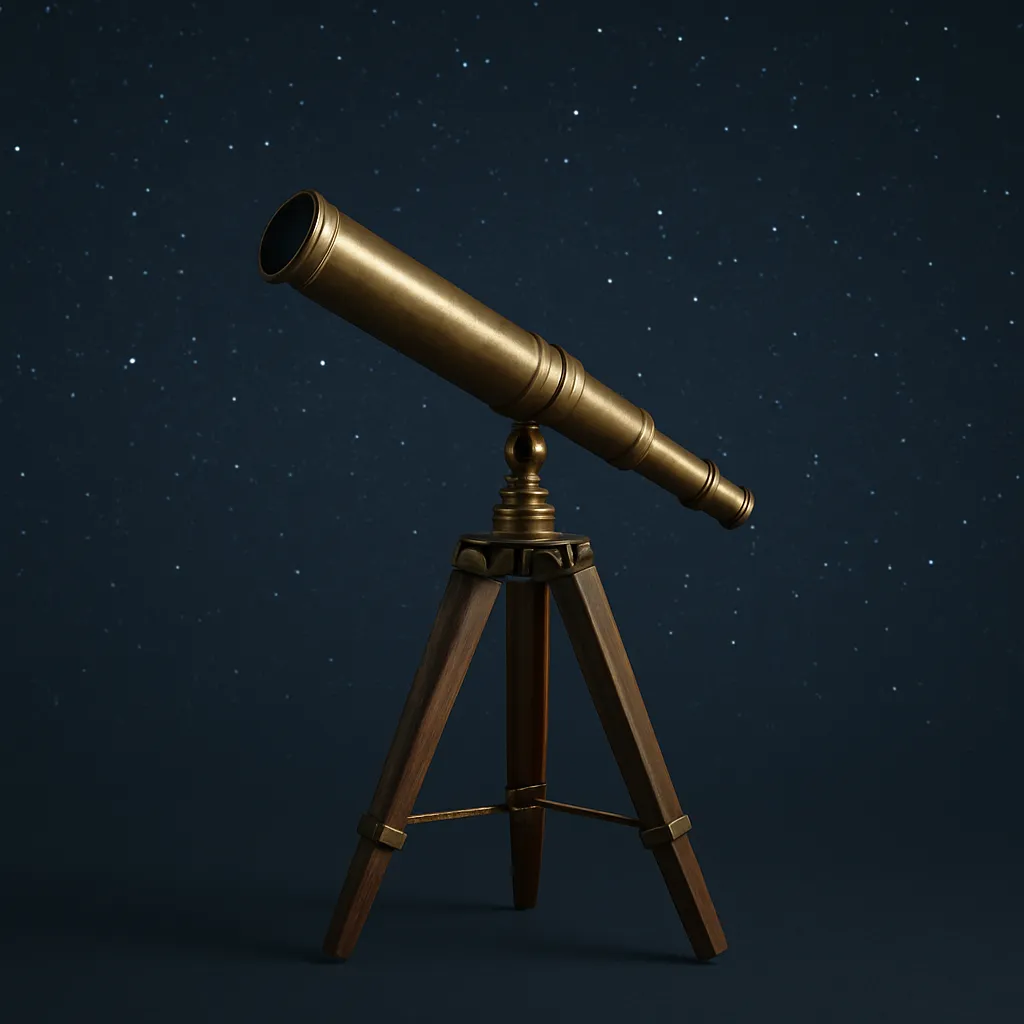
In 1572 Tycho Brahe measured the position of a bright new star and found it did not shift against the surrounding stars, placing it far beyond the Moon. What belief did this measurement challenge?
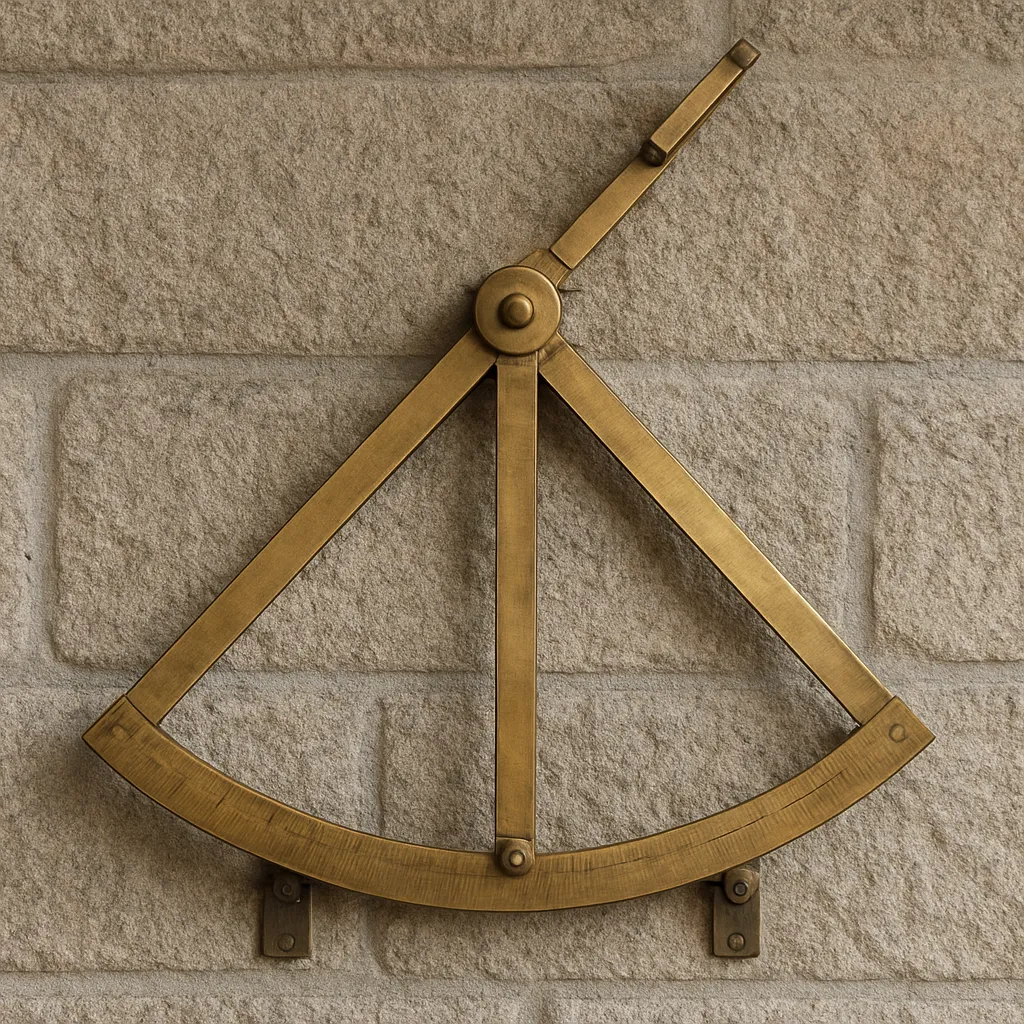
In 1838 Friedrich Bessel watched the star 61 Cygni for months and detected a tiny back-and-forth shift in its position over the year. What does detecting that shift support?
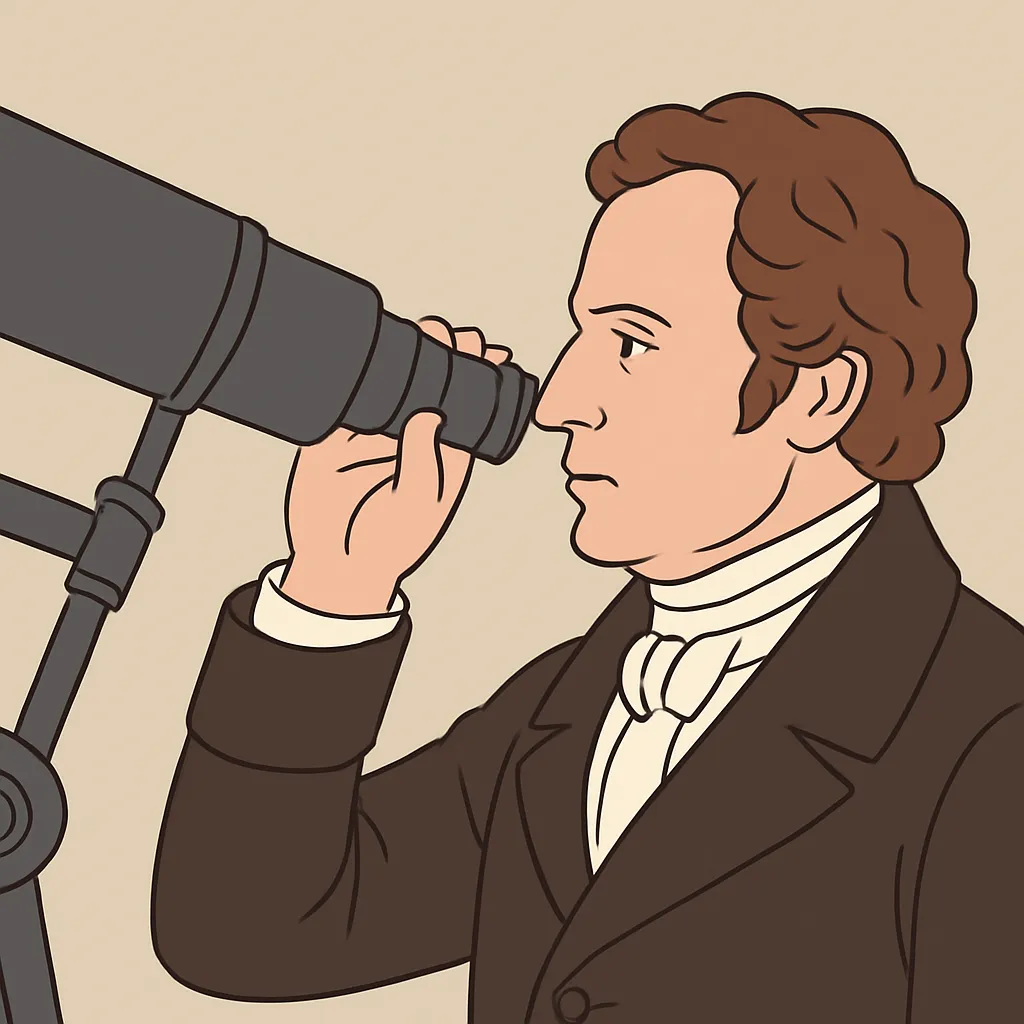
Harlow Shapley mapped the directions and distances of dozens of globular star clusters and found them spread around a point far from the Sun, toward the constellation Sagittarius. What does his map support?
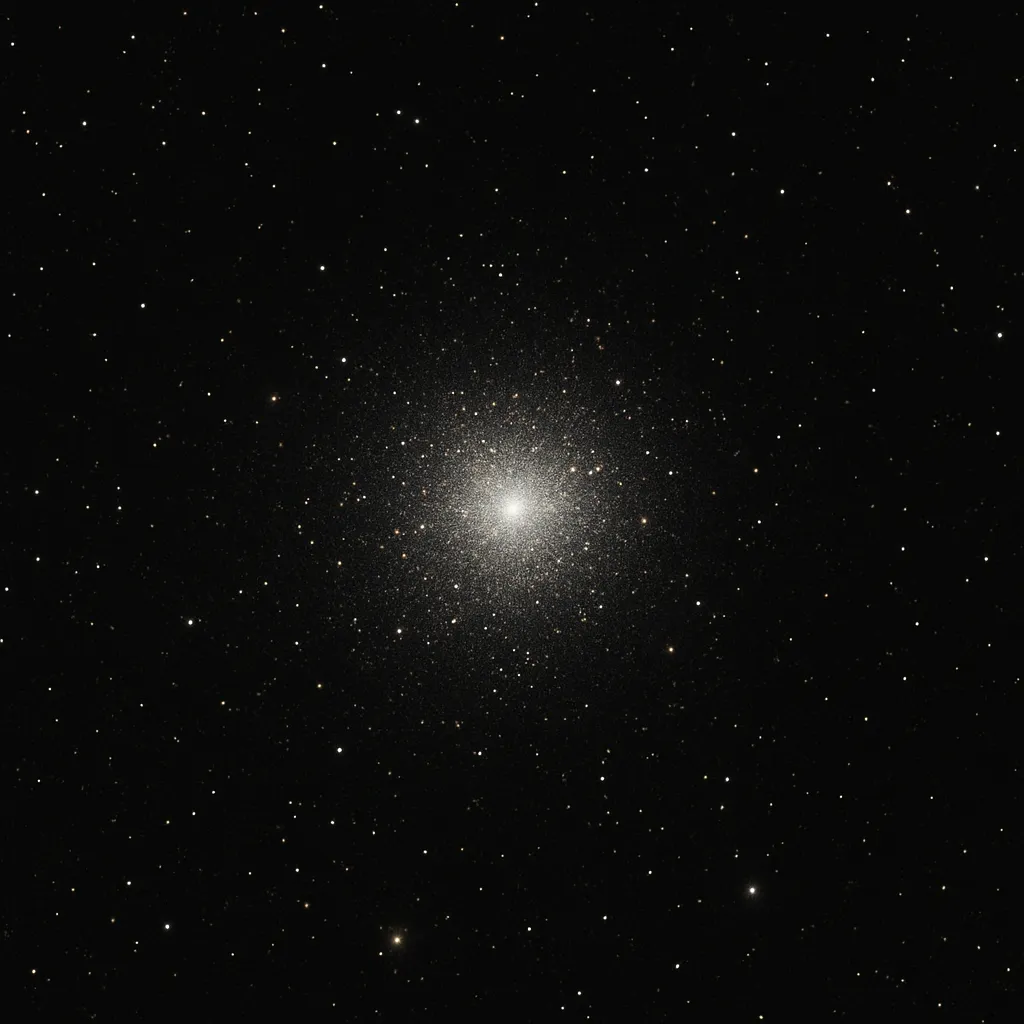
Edwin Hubble photographed a star that changed brightness inside the Andromeda nebula and used its brightness to work out that the nebula lies far outside the Milky Way. What does that result support?
A science club is making a display of objects in space. Which list is ordered from smallest to largest?
Distances between stars are so large that kilometers become hard to use. What unit do astronomers often use for these distances?
Neptune orbits about 4.5 billion kilometers from the Sun. The nearest star beyond the Sun is about 40 trillion kilometers away. How does the gap between neighboring stars compare with the size of our solar system?
Stars look like tiny points of light in the night sky only because they are extremely far away, not because they are smaller than planets.
A student is sorting space objects by size for a project. Which list is ordered from largest to smallest?
In a scale model, the Sun is a ball 30 centimeters across and Earth is a bead 3 millimeters across. What does the model show about these two bodies?
Where is our solar system located inside the Milky Way galaxy?
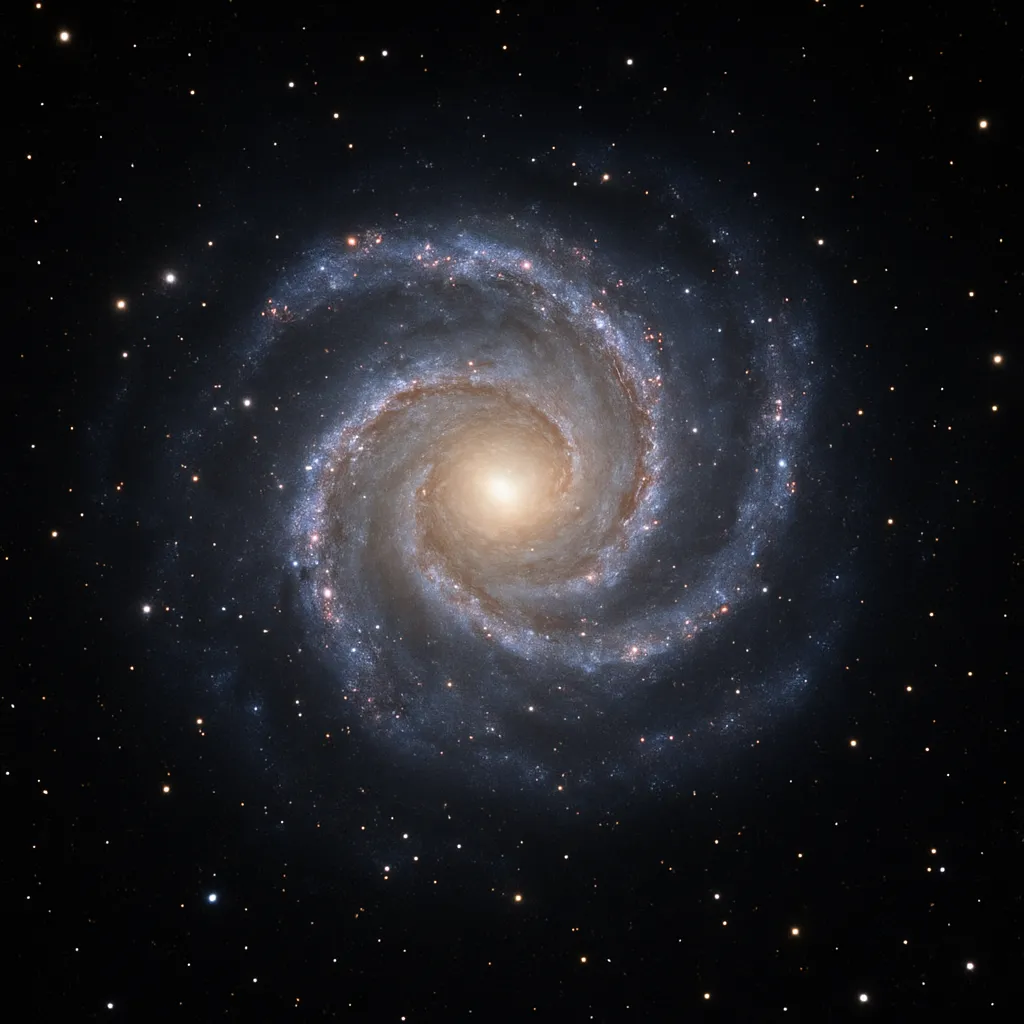
A teacher asks the class to define a galaxy. Which description is correct?
About how many stars does the Milky Way galaxy contain?
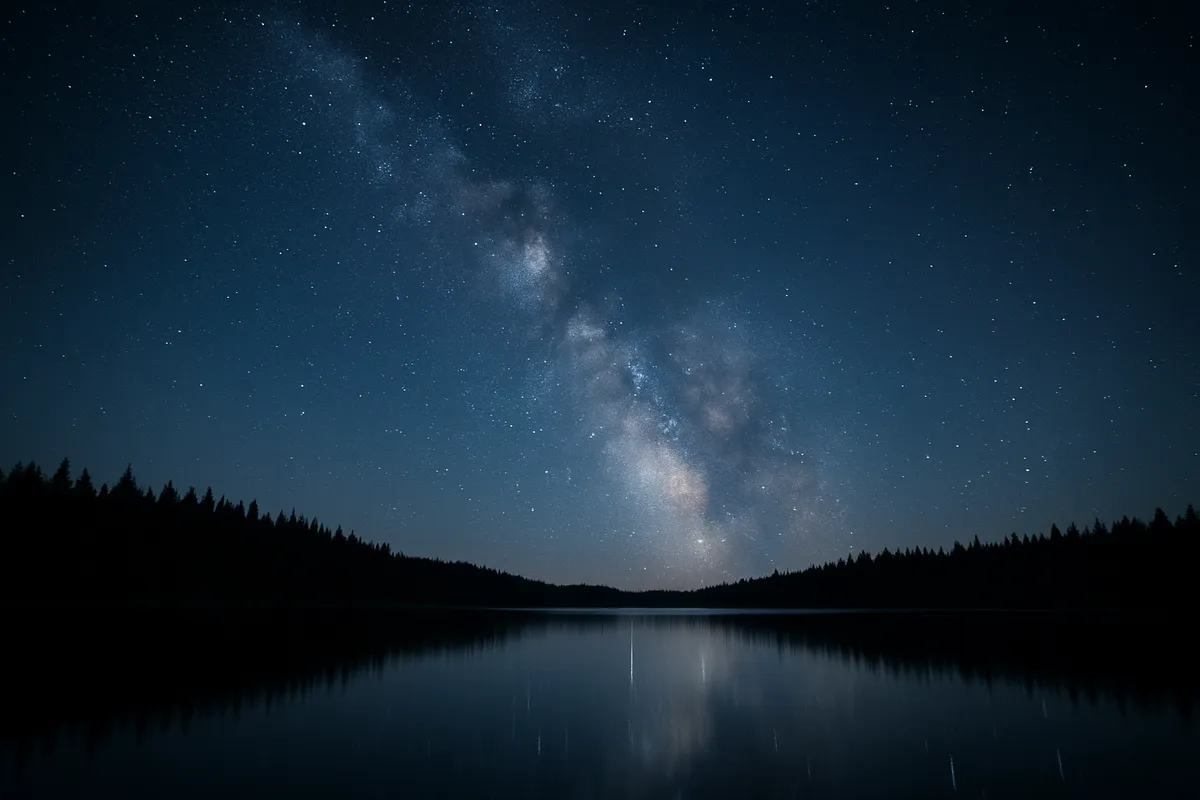
From inside the Milky Way we see it as a pale band stretching across the night sky. How would the Milky Way look to an observer positioned far outside it?
In 1610 Galileo Galilei pointed his telescope at the hazy band of the Milky Way and saw it break apart into many separate points of light too faint for the unaided eye. What did that observation show?
Every star you can see in the night sky is inside our solar system.
During a lesson a student writes that our solar system and the Milky Way are the same thing. What is the correct relationship between them?
Crack the passcode before the zombies get in.

Pick a tile, answer, hit bonuses and steals.
Solar and Lunar Eclipses
20 questions