Loading
by BlastRoom
Two causes keep every planet and moon in orbit: a sideways motion and an inward pull.
#solar_system#us_grade_6_science

20 questions
One question set, multiple game modes. Tap any game to see it in action. Not sure which to pick?
Answer to place stones and capture territory.
Outrun the snow together.
Earn blasts, then hunt the other team.
Answer to earn energy, then climb.

The class blasts through walls together.
Bid on mystery lots. Most money wins.
Sell tours. Nice, standard, or a total scam.

Answer, restock, and serve the rush.
More correct answers pulls the rope your way.
Answer, then shoot down the alien wave.
Answer, then tap to leap the frozen ridge.
Earth travels along a curved path around the Sun while the Sun's gravity pulls it inward. If the Sun's gravity suddenly stopped acting on Earth, what would Earth do?
Earth sweeps sideways along its orbit at roughly 30 kilometers per second while the Sun's gravity pulls it inward. Suppose that sideways motion stopped but the Sun's pull kept acting. What would happen to Earth?
The Moon circles Earth about once every 27 days. Imagine Earth's gravity stopped pulling on the Moon at that instant. What path would the Moon follow afterwards?
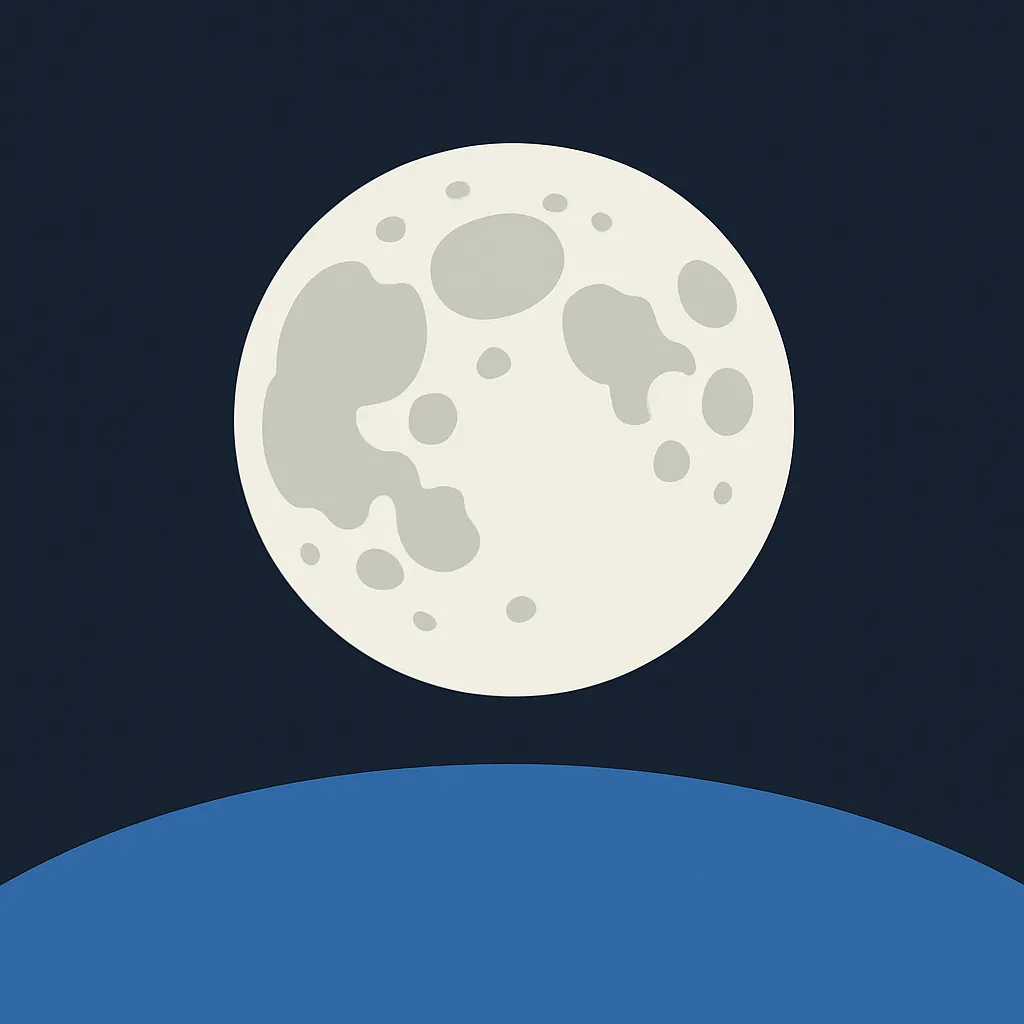
The Moon is always moving sideways along its orbit while Earth's gravity pulls it inward. If the Moon's forward motion ended but Earth's pull continued, what would the Moon do?
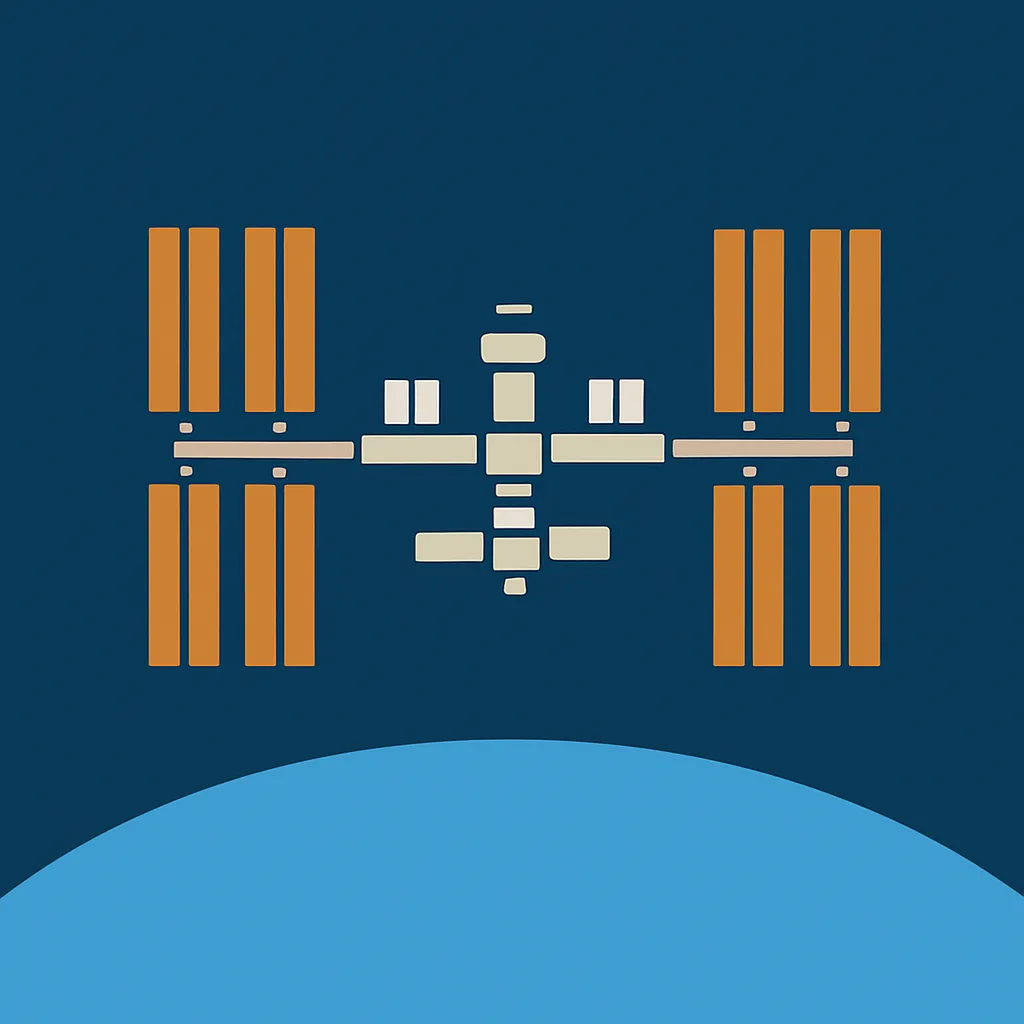
A space station orbits about 400 kilometers above the ground, racing sideways while gravity pulls it toward Earth. If its sideways motion stopped and gravity kept acting, what would happen next?
Mars follows a curved path around the Sun. Which single change would send Mars off along a straight path instead of a curved one?
A comet swings in close to the Sun and then coasts back out on a long looping orbit. If the Sun's gravity stopped acting while the comet was nearby, what would the comet do?

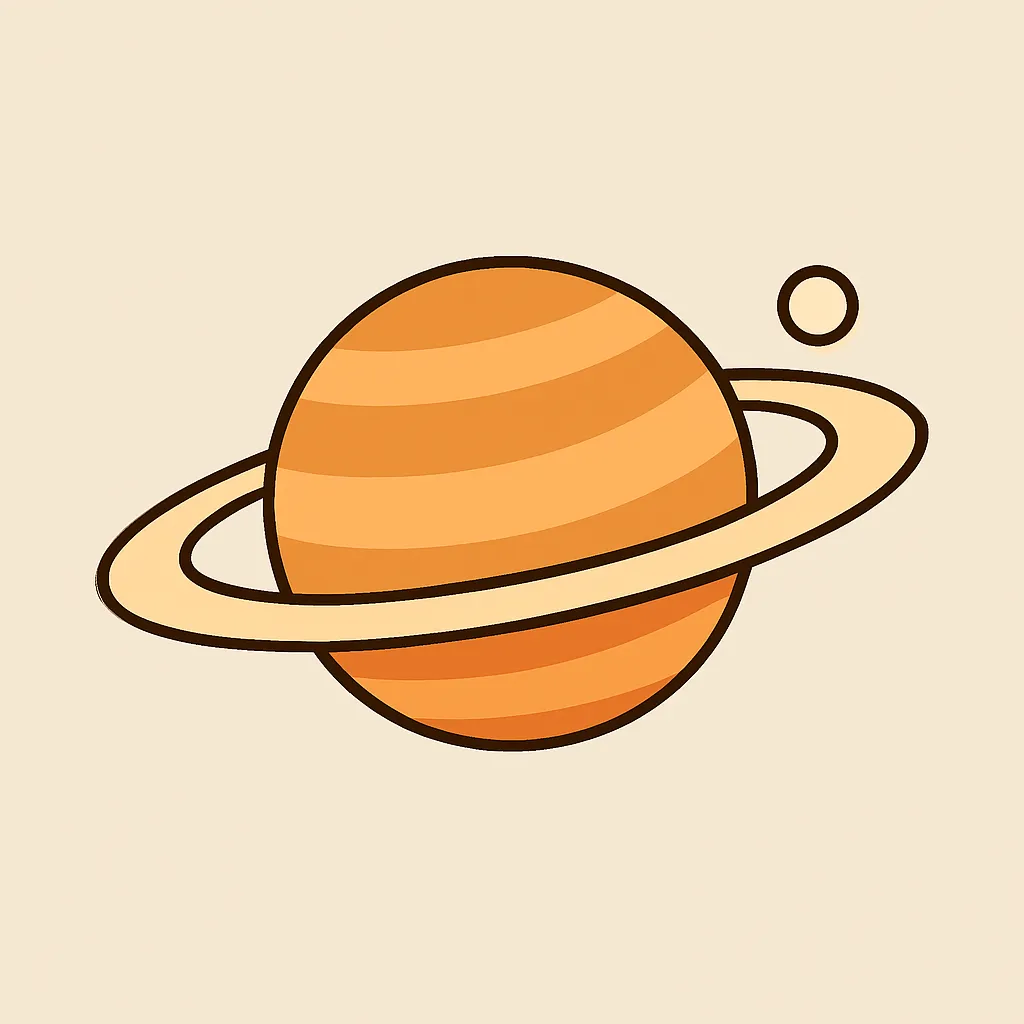
Titan is a large moon that orbits Saturn. Suppose Titan stopped moving along its orbital path while Saturn's gravity carried on pulling. What would happen to Titan?
Left alone, Earth would travel in a straight line, yet its path curves toward the Sun year after year. What causes that curve?
Earth's gravity pulls on the Moon the whole time, yet the Moon never falls in. What keeps the Moon moving sideways along its path?

An asteroid orbiting between Mars and Jupiter carries no engine, yet it keeps moving along its path century after century. What best explains that continued motion?
A galaxy holds billions of stars that circle its center instead of scattering into empty space. What holds those stars together as a galaxy?
Every orbit needs two causes working at once: one pulls the moon inward and one keeps it moving ahead. Which pair names them correctly?
A probe coasts from Earth toward Mars with its engines switched off, yet it keeps traveling for months. What keeps the probe going?
A student says, "There is no gravity in space, which is why the station just floats." The station orbits about 400 kilometers above the ground. Why is the student wrong?
An astronaut inside an orbiting station appears to float beside her camera, which drifts along with her. What best explains what she is experiencing?
A student claims a heavier planet must orbit the Sun faster. Jupiter has far more mass than Mercury, yet Jupiter takes about 12 years to circle the Sun and Mercury takes only 88 days. What does this show?
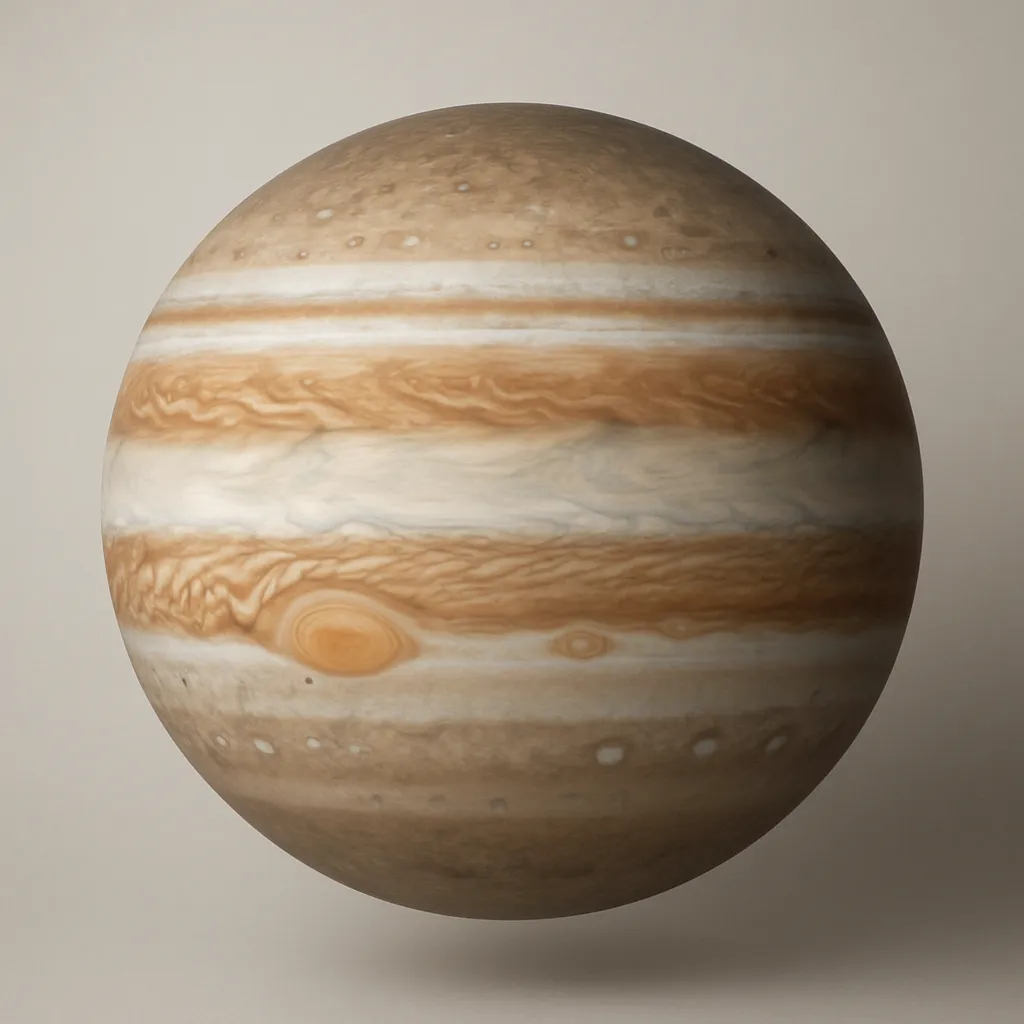
A student explains that the Moon stays up because it has escaped Earth's gravity. Why can that explanation not be right?
A student thinks a satellite has to keep its engines firing or it will drop out of orbit. Once a satellite is circling Earth, why is no engine needed?
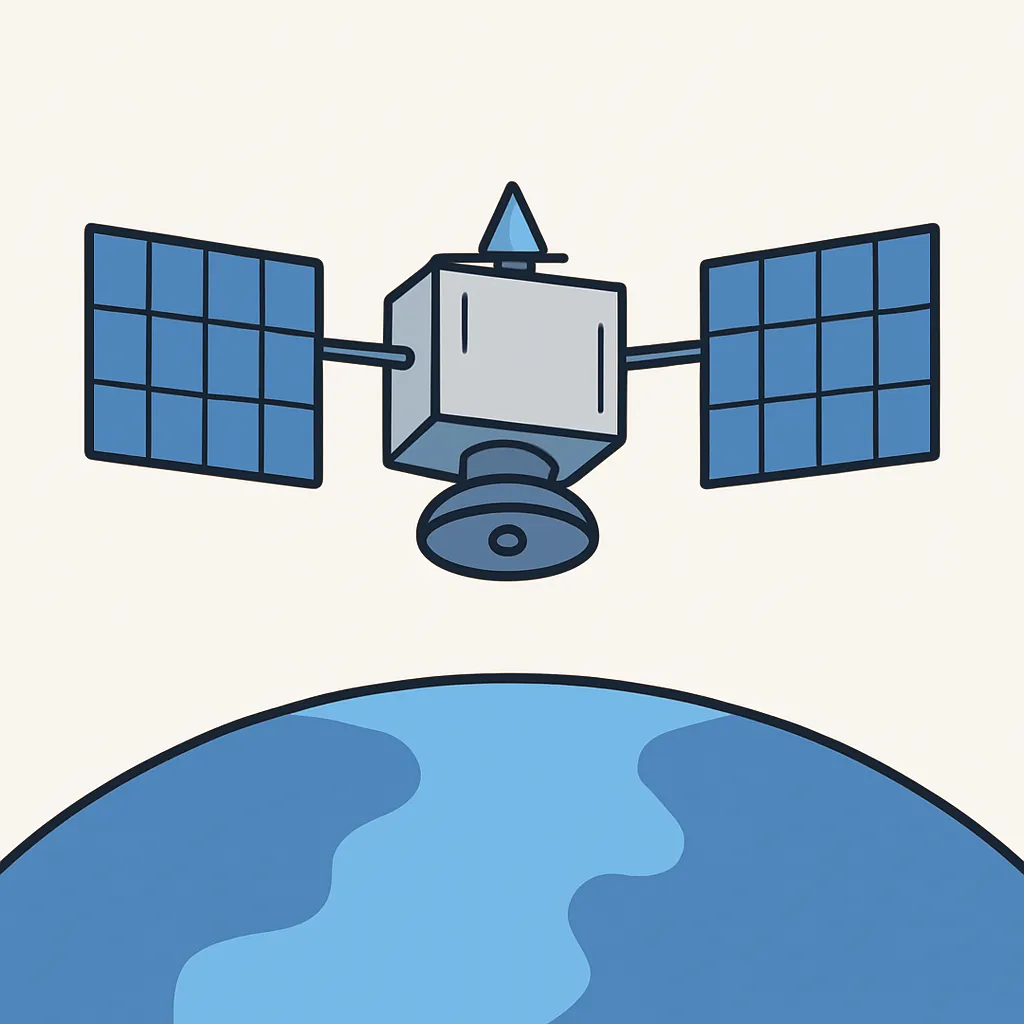
A student argues that something must keep pushing the planets forward, or they would slow down and stop. Why do the planets keep moving without any forward push?
Crack the passcode before the zombies get in.
Answer, then swat bugs for bonus points.
Race through questions at your own speed.
Same question on every screen. Fastest wins.

Pick a tile, answer, hit bonuses and steals.
The Milky Way and Changing Models of the Universe
20 questions