Loading
by BlastRoom
Students classify weathering changes, identify agents, and separate weathering from erosion.
#weathering#us_grade_6_science
40 questions
One question set, multiple game modes. Tap any game to see it in action. Not sure which to pick?
Answer to place stones and capture territory.
Outrun the snow together.
Earn blasts, then hunt the other team.
Answer to earn energy, then climb.

The class blasts through walls together.
Bid on mystery lots. Most money wins.
Sell tours. Nice, standard, or a total scam.

Answer, restock, and serve the rush.
More correct answers pulls the rope your way.
Answer, then shoot down the alien wave.
Answer, then tap to leap the frozen ridge.
Rain seeps into a crack in a granite boulder, freezes overnight, and the boulder splits by spring. Is this physical or chemical weathering, and why?
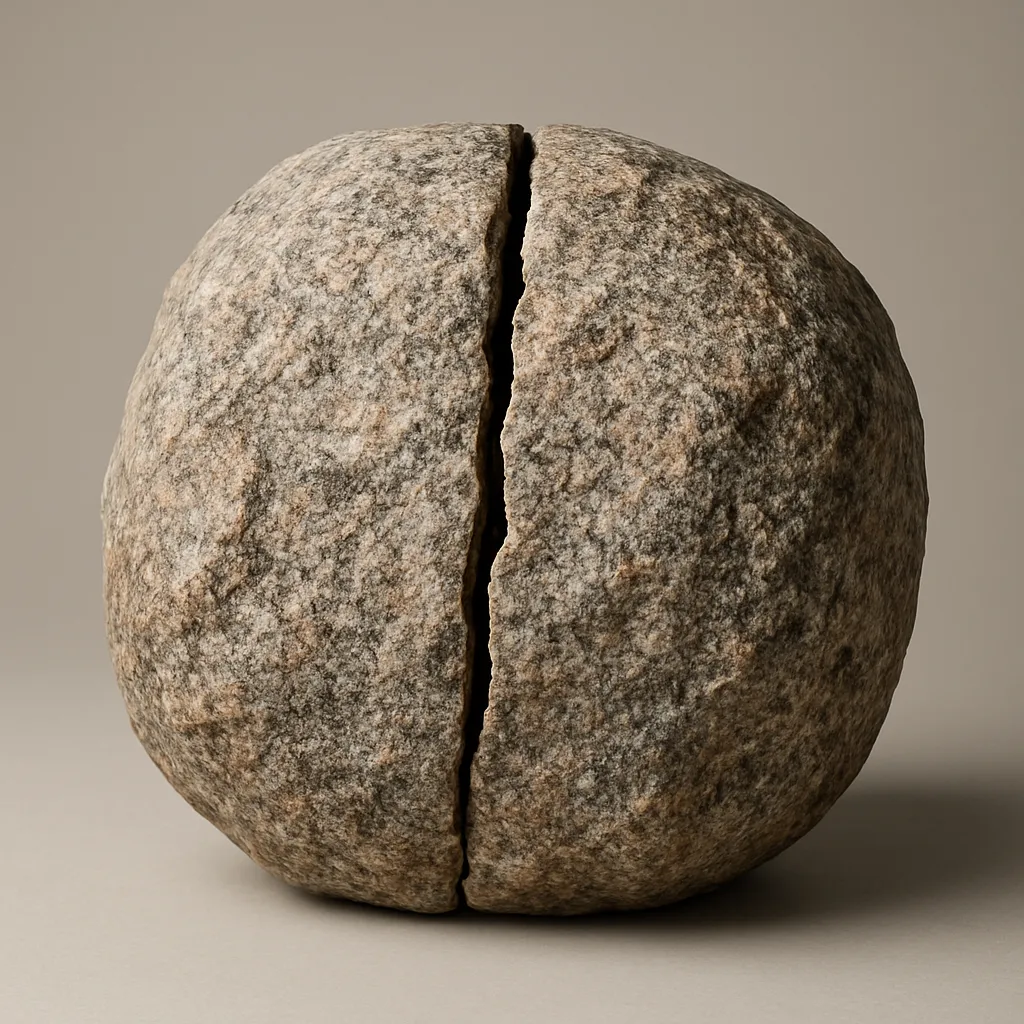
A limestone wall carving becomes smoother after years of slightly acidic rain falling on it. Is this physical or chemical weathering, and why?
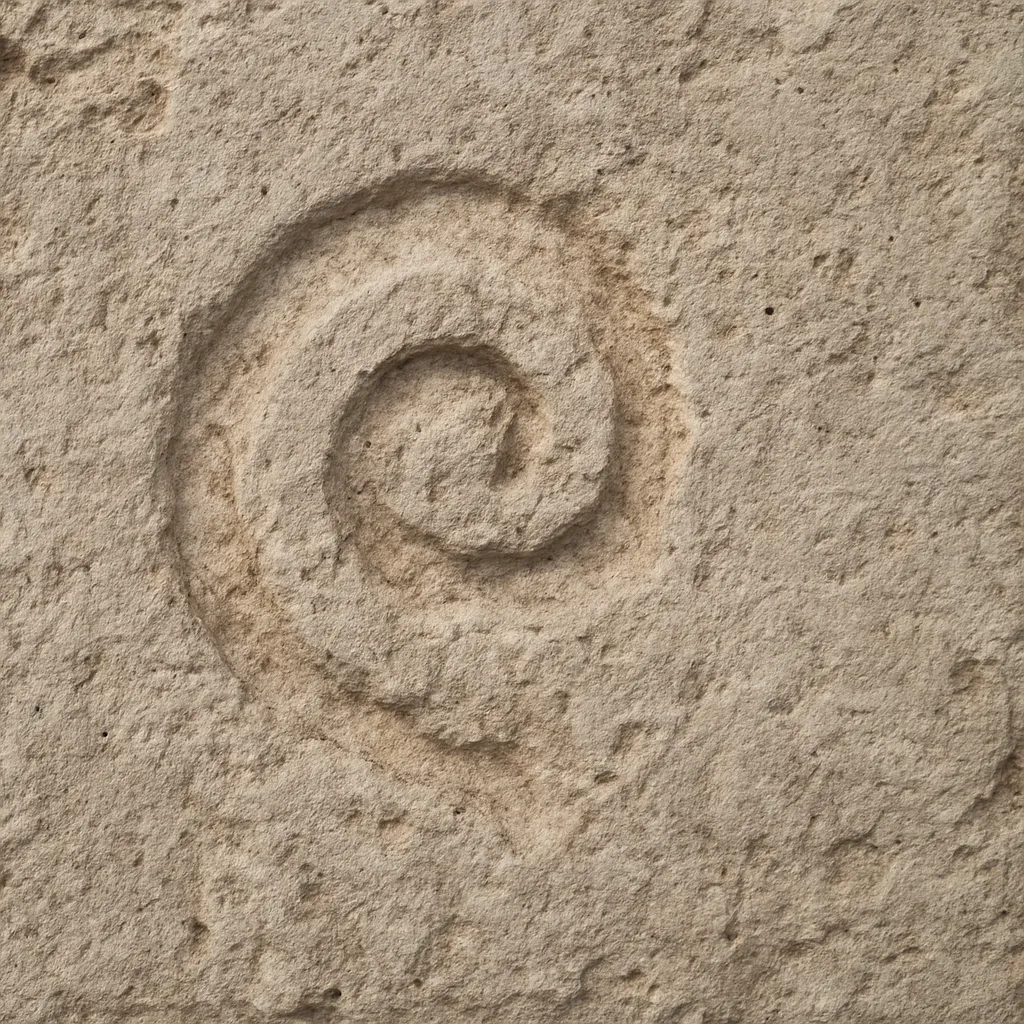
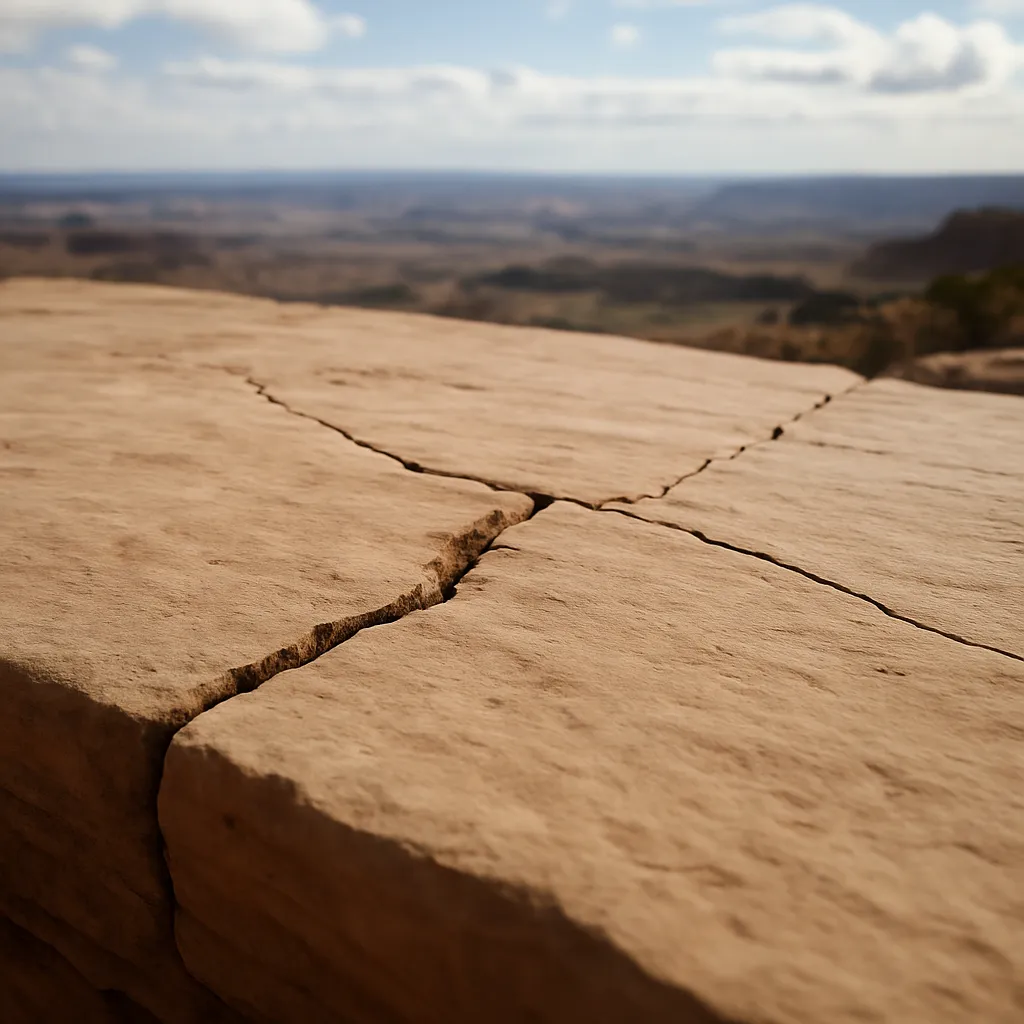
Tree roots grow into a joint in sandstone and slowly force the opening wider. Is this physical or chemical weathering, and why?
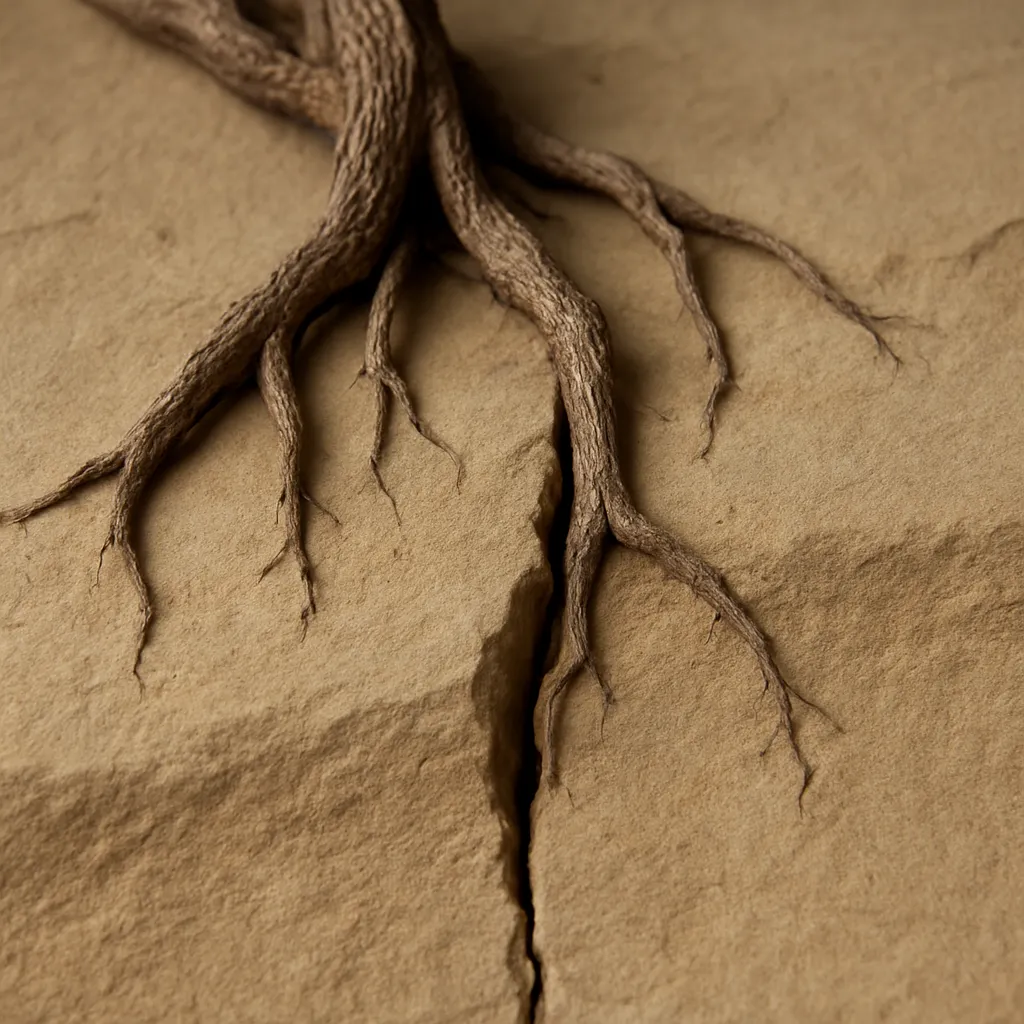
Iron-rich minerals in a rock turn reddish brown after long exposure to air and water. Is this physical or chemical weathering, and why?
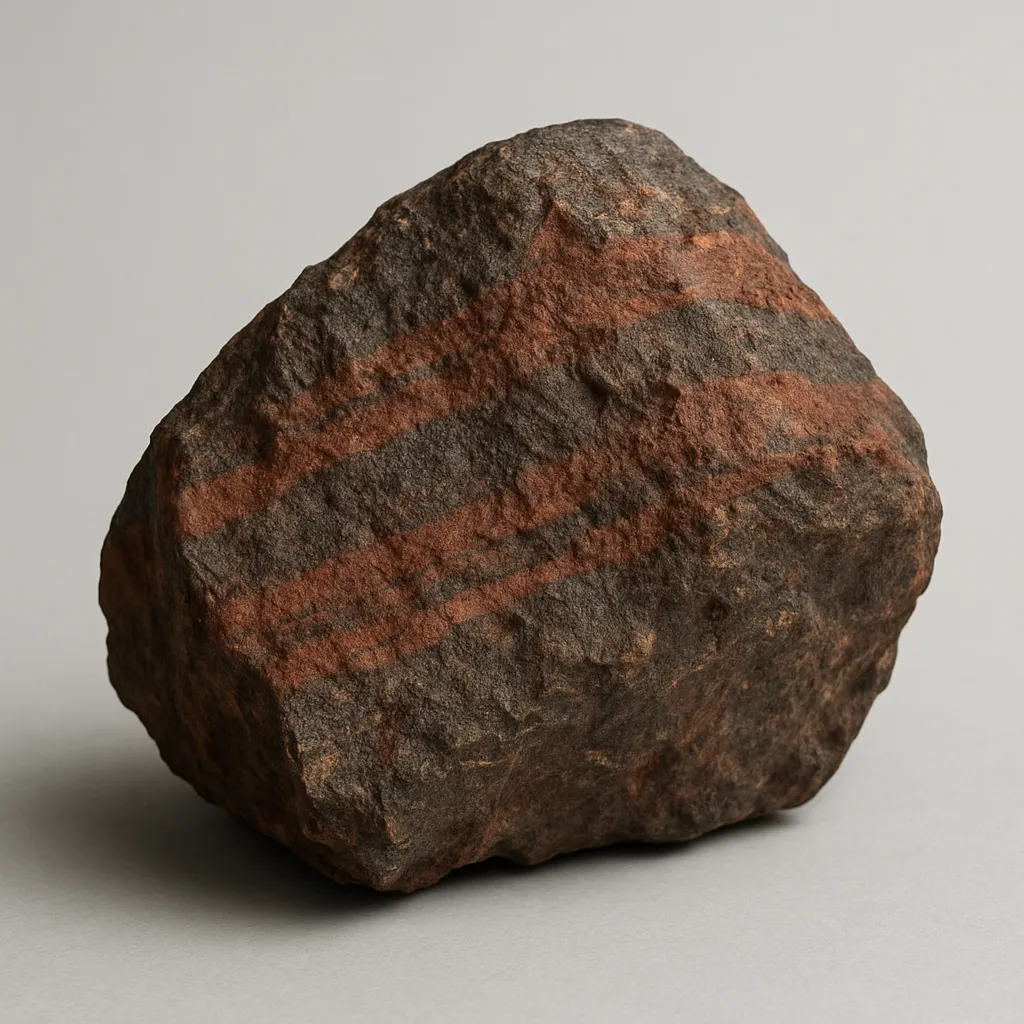
Wind blows sand grains against a sandstone arch and scrapes tiny bits from its surface. Is this physical or chemical weathering, and why?
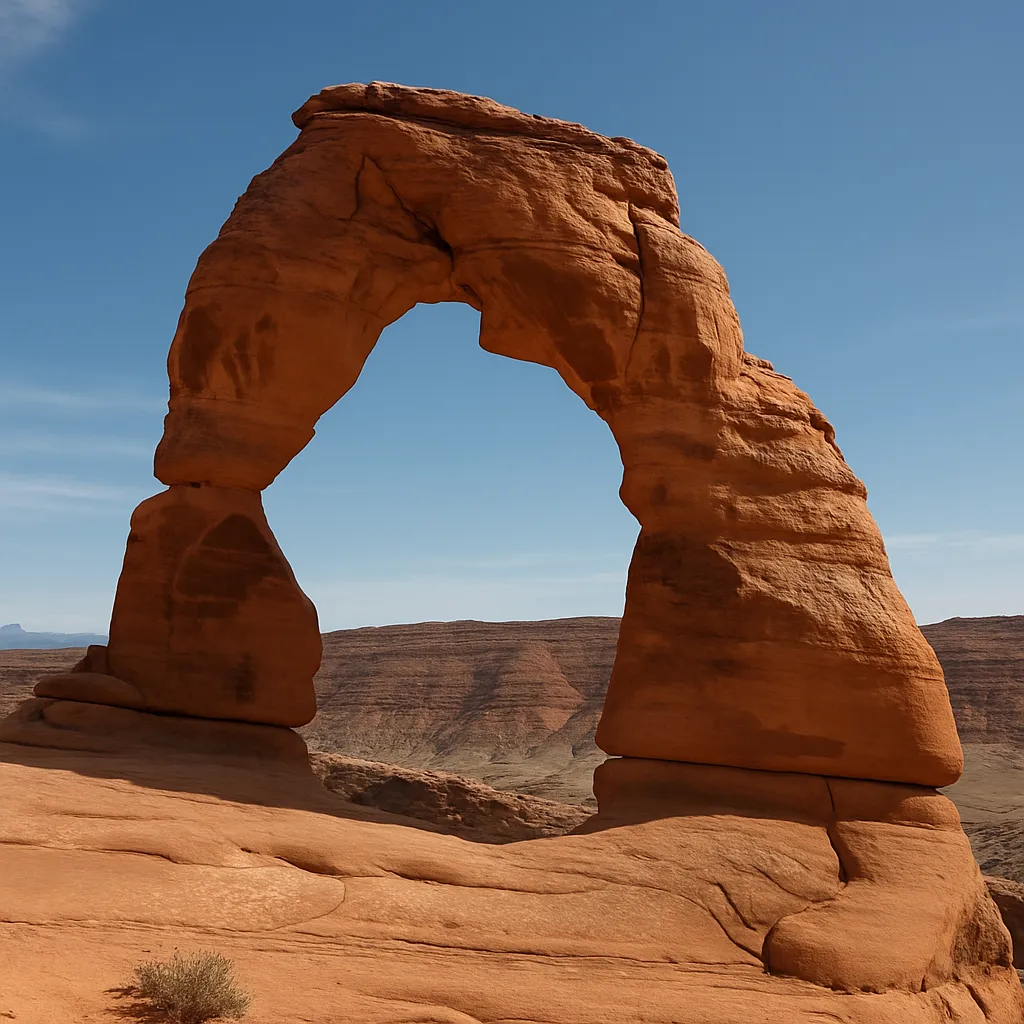
Water with natural acid drips through a cave and slowly enlarges openings in limestone. Is this physical or chemical weathering, and why?
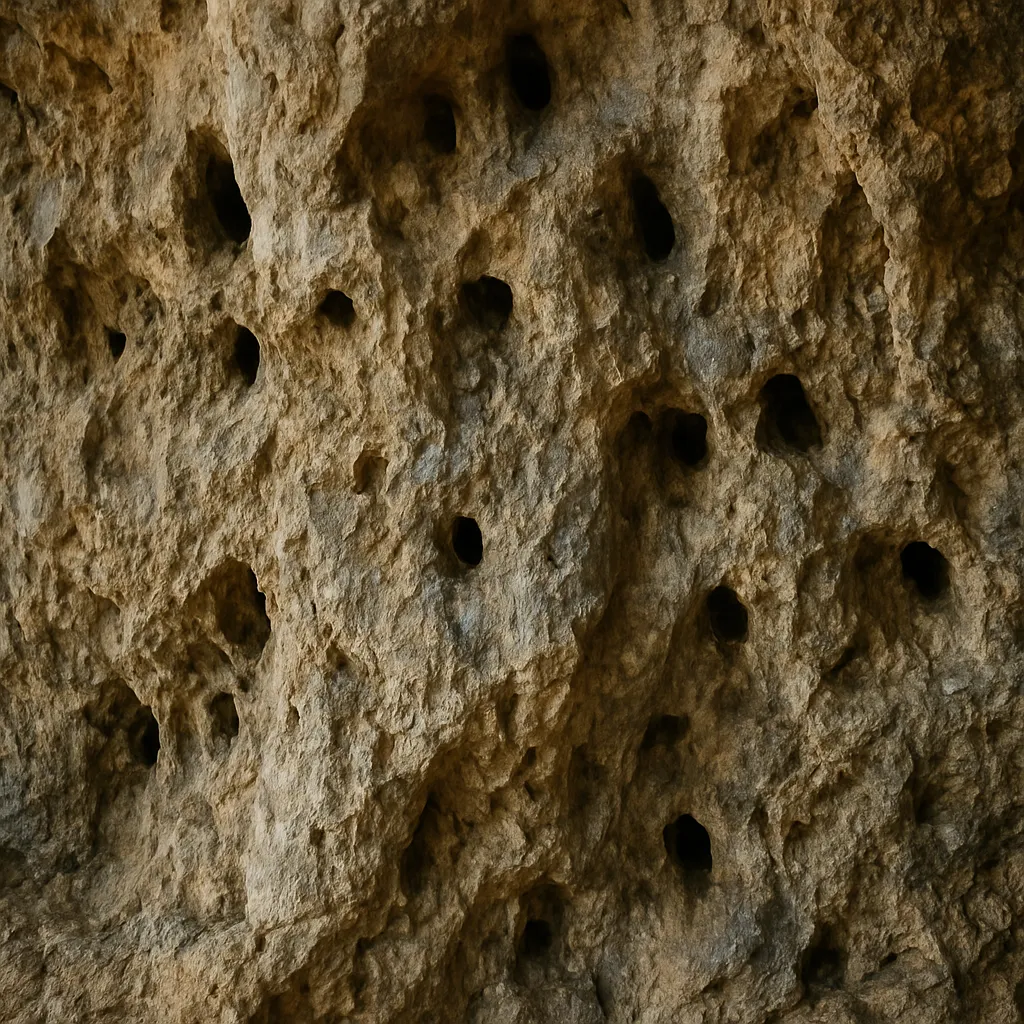
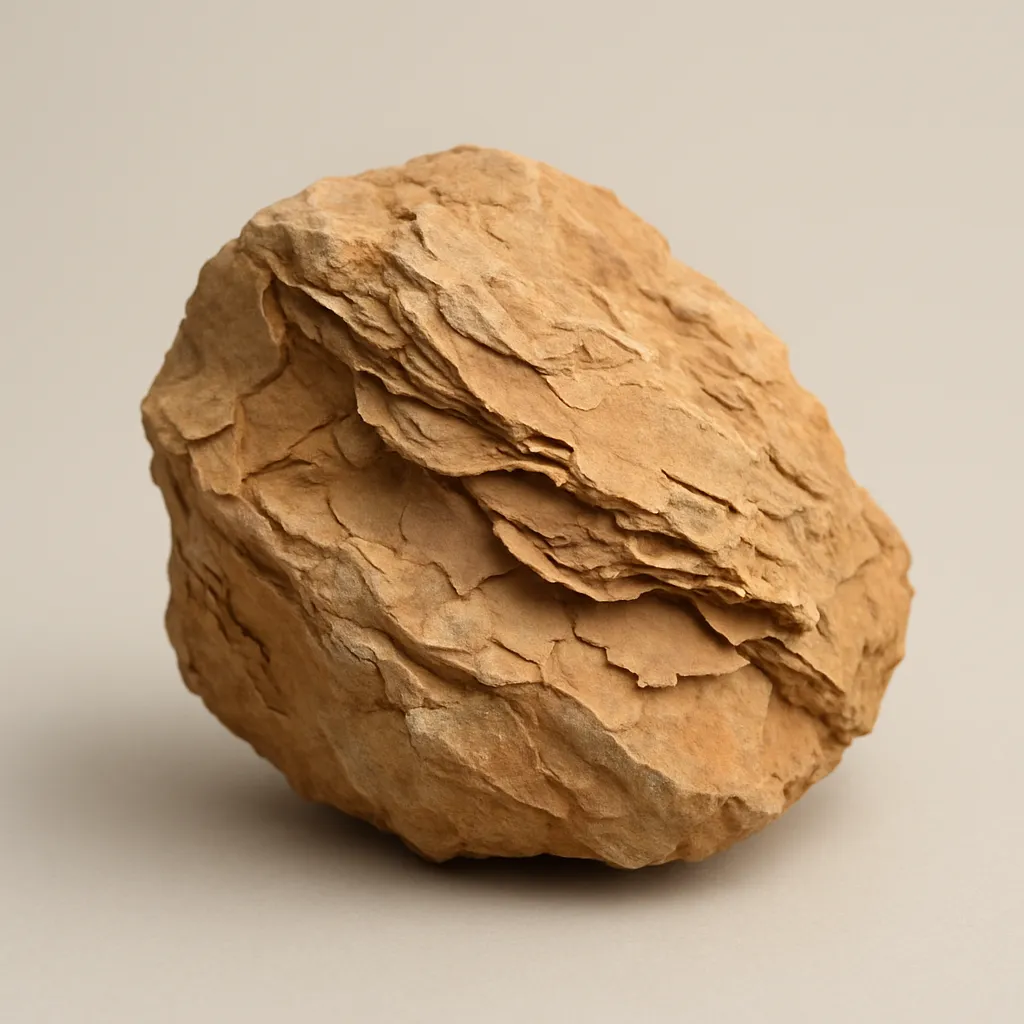
A desert rock heats strongly by day and cools at night, causing thin outer sheets to flake off. Is this physical or chemical weathering, and why?
Gases in polluted city air react with the surface of a marble statue and form a dark crust of gypsum. Is this physical or chemical weathering, and why?

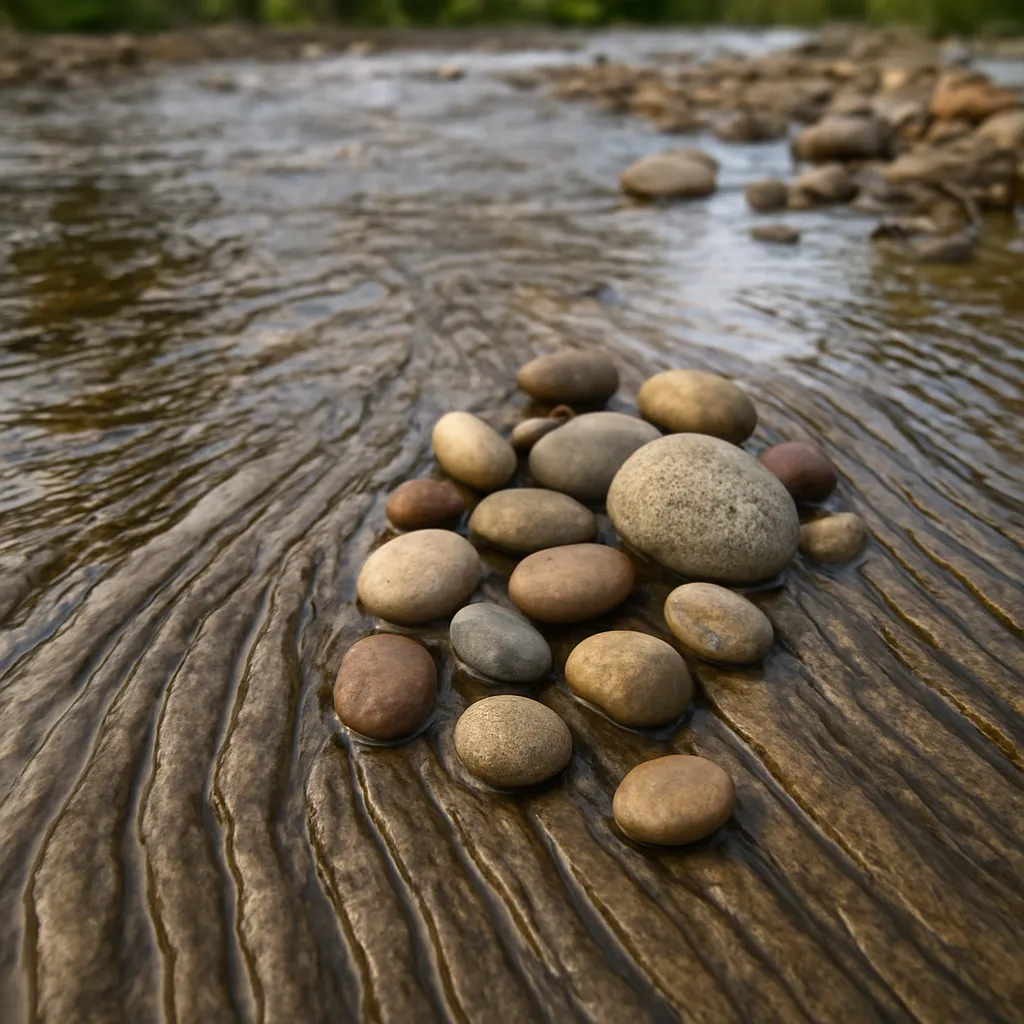
A stream rolls pebbles over bedrock, grinding grooves into the rock where it sits. Is this physical or chemical weathering, and why?
Lichens grow on a bare rock and release weak acids that pit the surface. Is this physical or chemical weathering, and why?
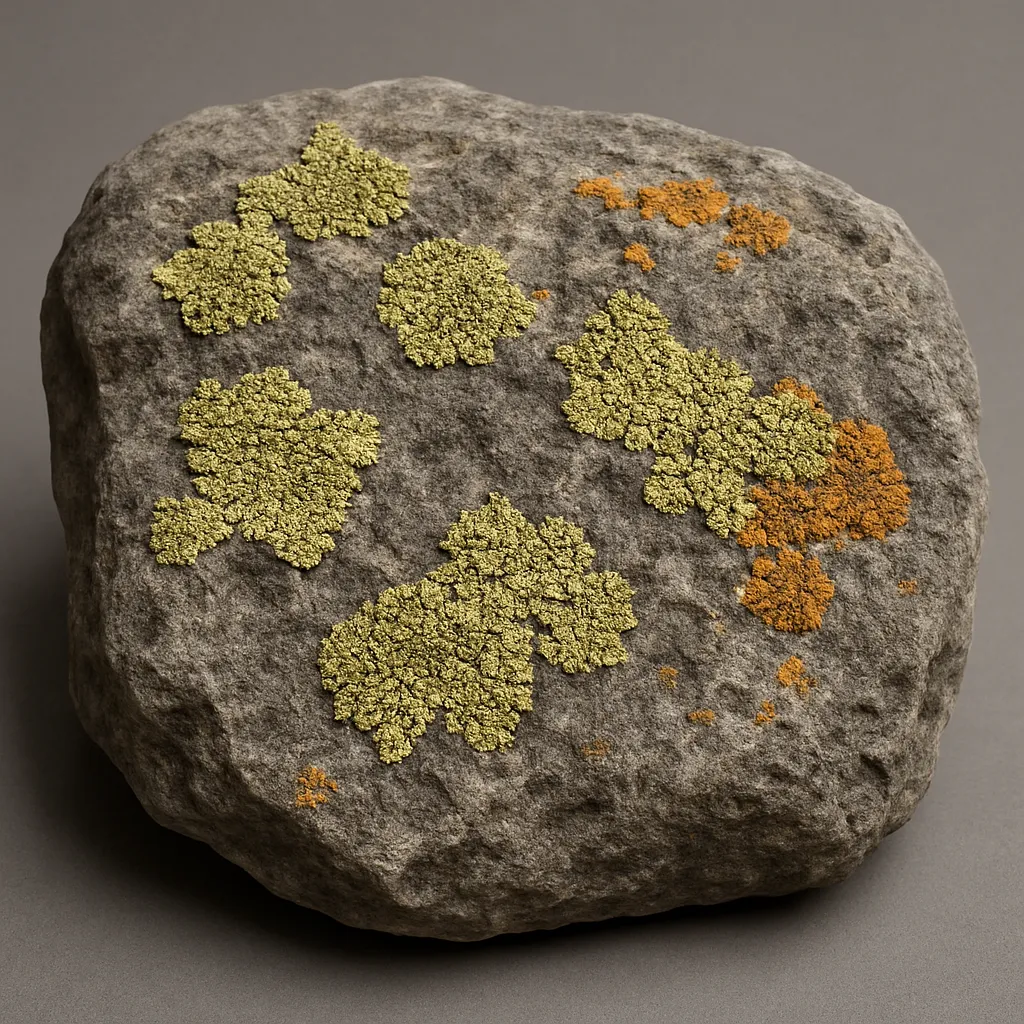
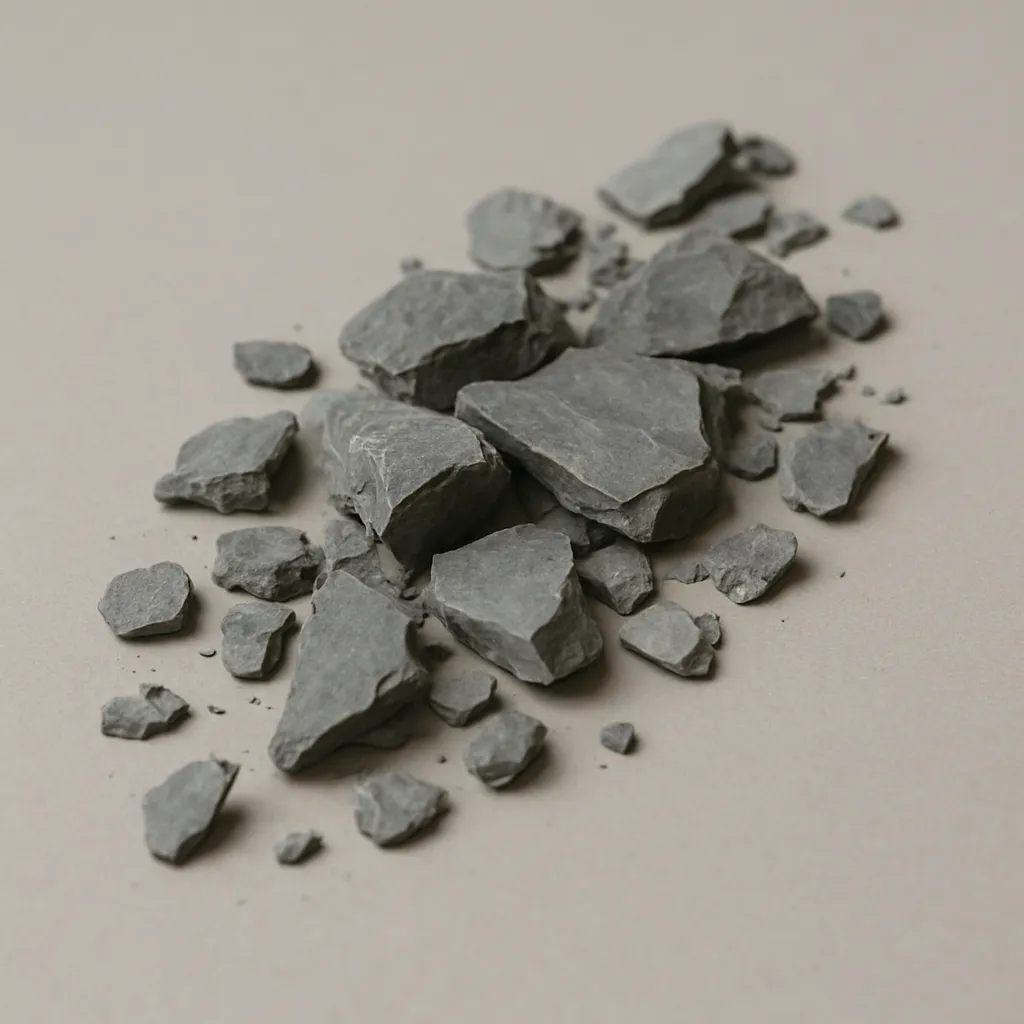
A block of shale splits into thin flat pieces as it gets wet and dries out again and again, but each piece remains shale. Is this physical or chemical weathering, and why?
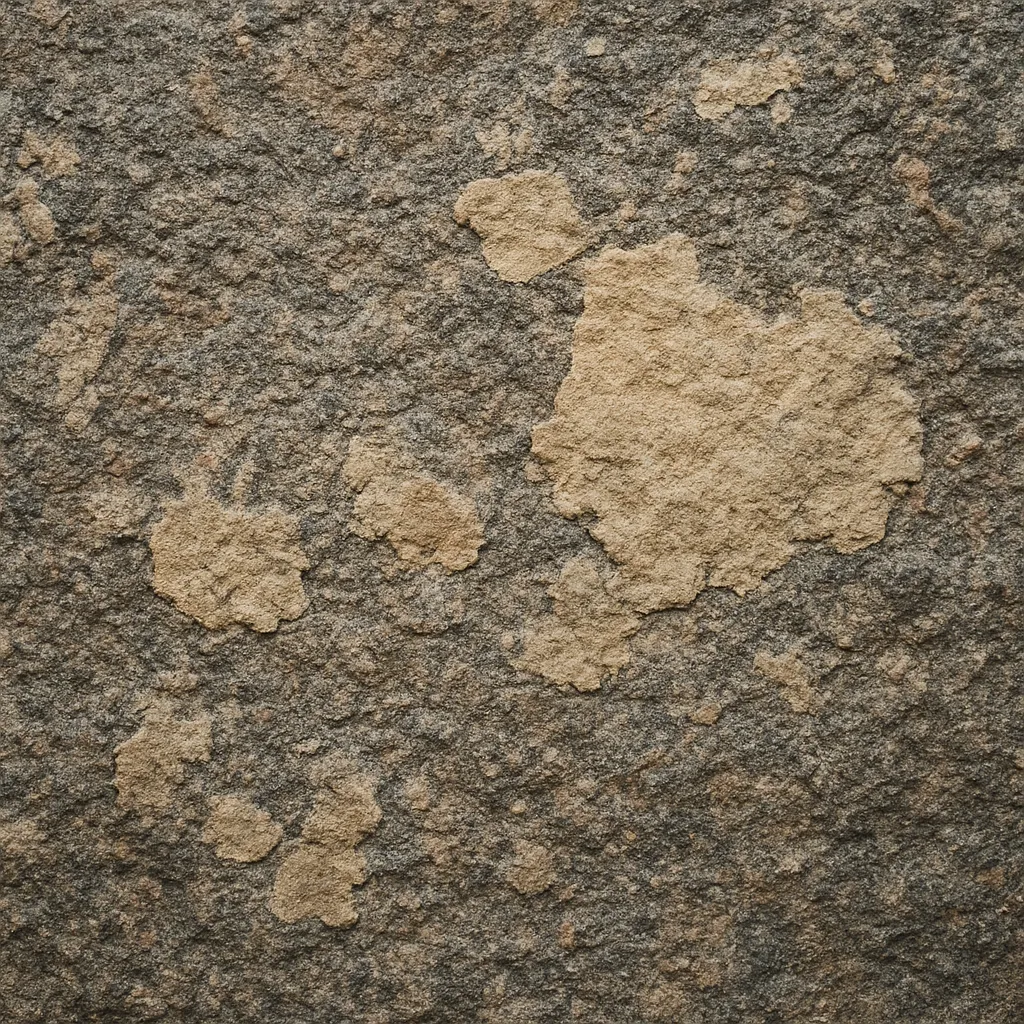
Feldspar minerals in granite change into clay minerals after reacting with water for a long time. Is this physical or chemical weathering, and why?
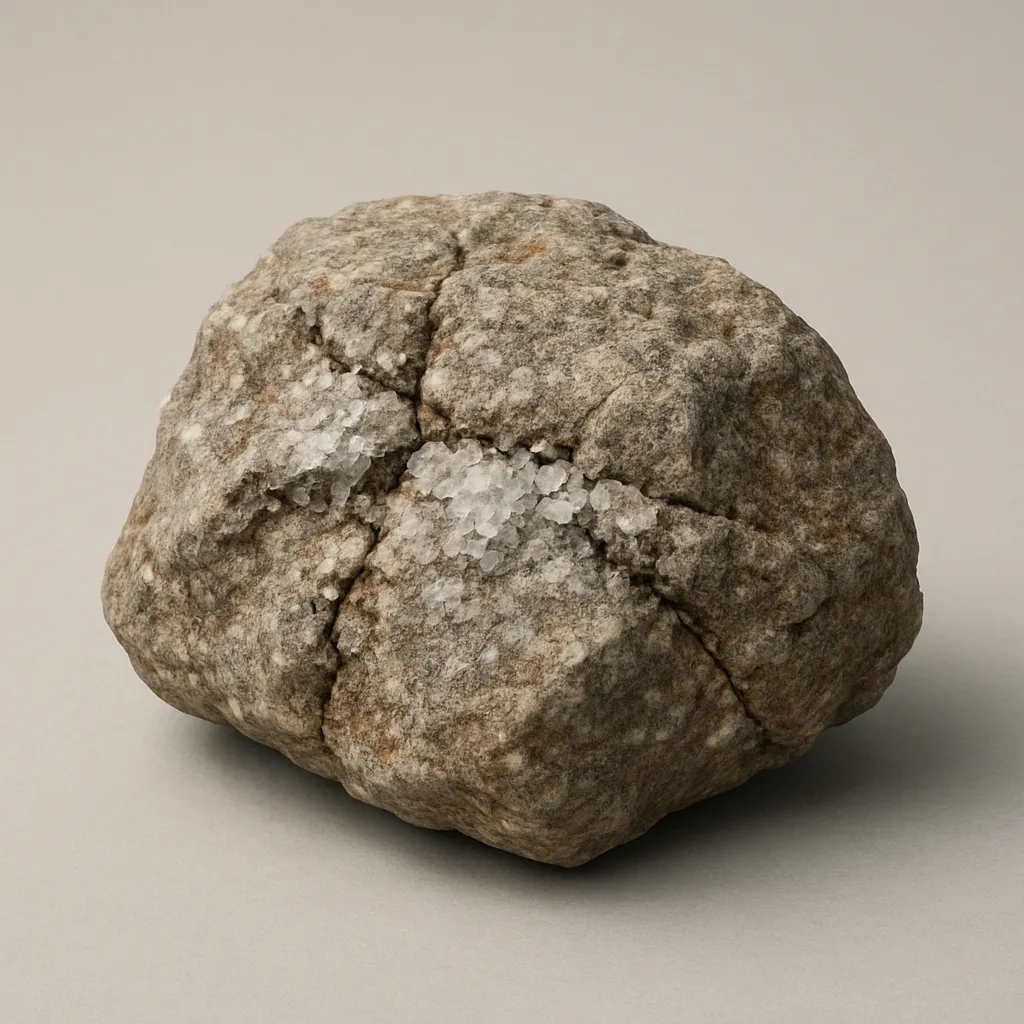
Salt crystals grow inside tiny cracks in coastal rock and push grains apart. Is this physical or chemical weathering, and why?
A basalt boulder has a reddish crust where oxygen reacted with its minerals. Then frost breaks bits of the crust off, and they pile up at the base. Is the flaking physical or chemical weathering, and why?
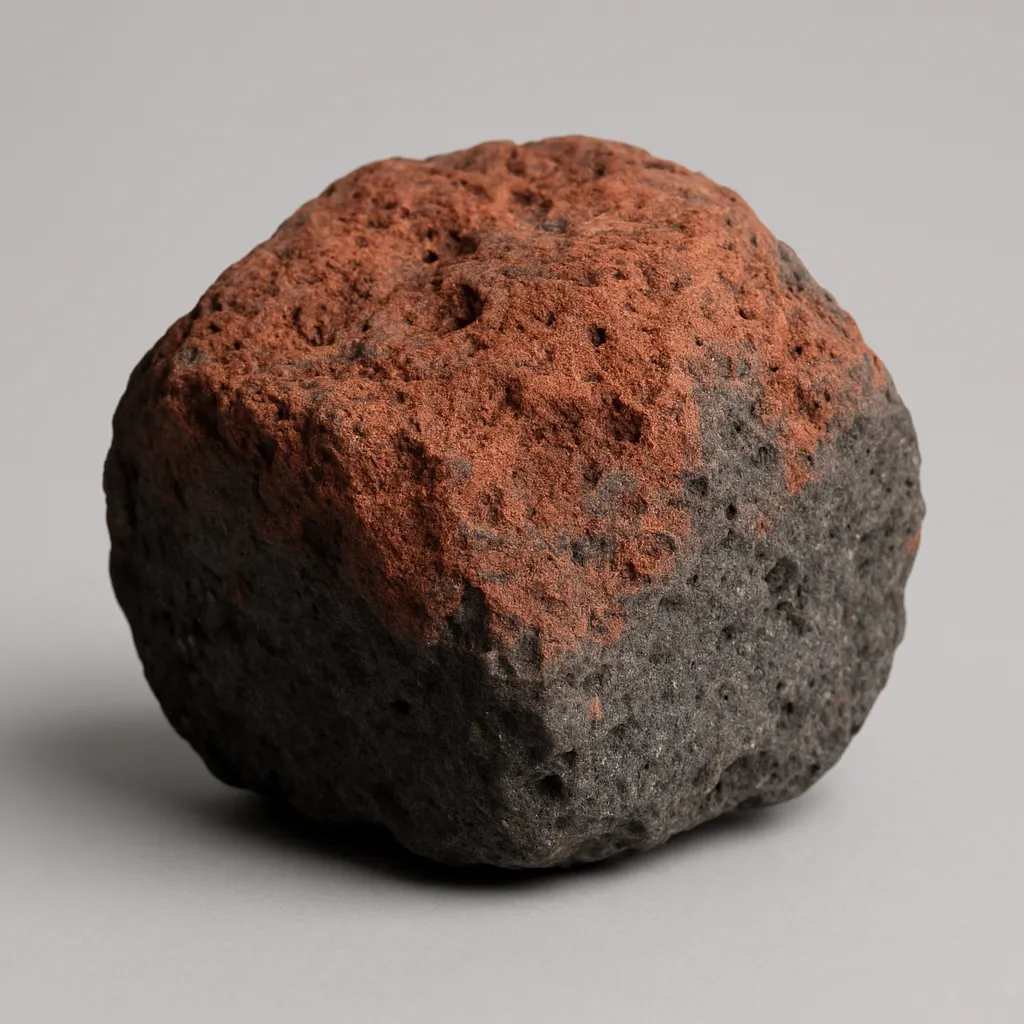
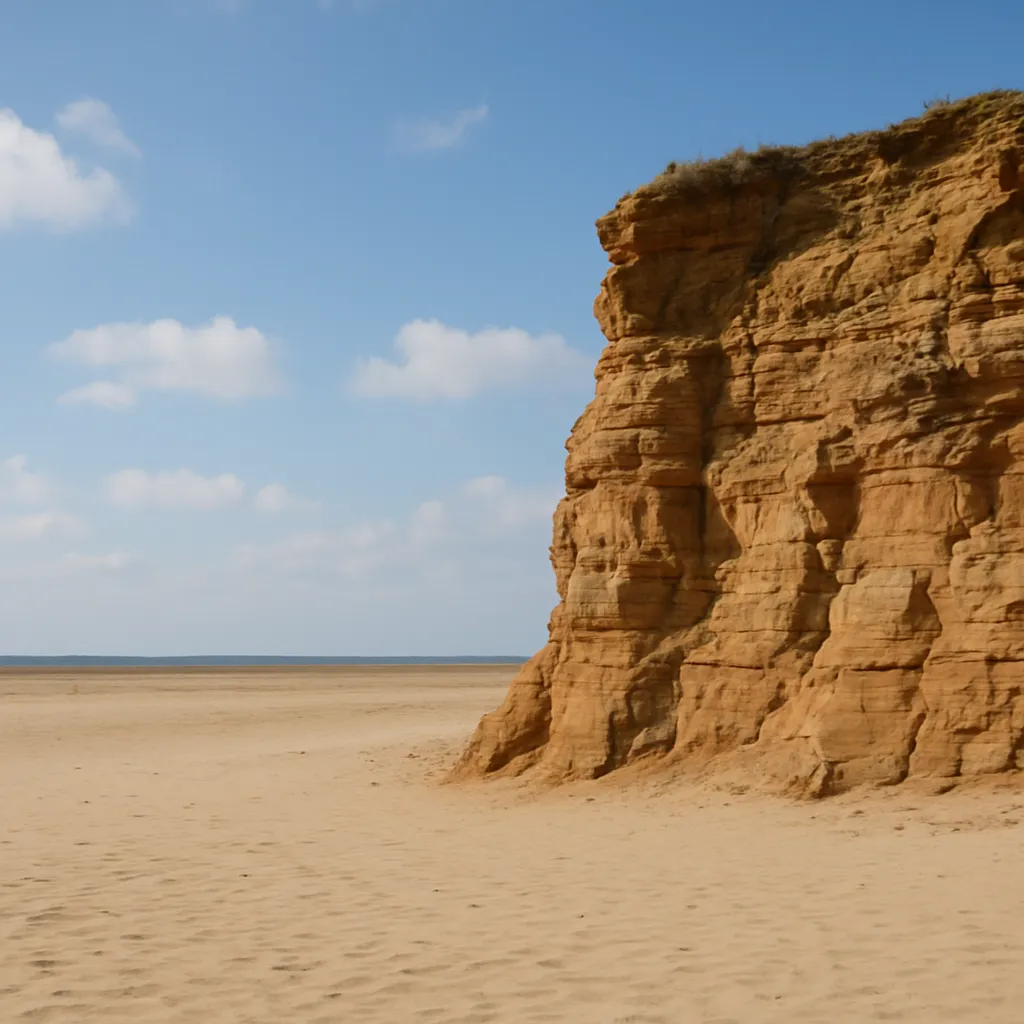
In a dry, windy desert, a sandstone cliff is polished smooth, and its lowest part is worn back the most during storms. What agent is doing the weathering?
Rain collects in a crack in a mountain boulder. The crack widens only in winter, when nights drop below freezing. What agent is widening the crack?
A crack in an old stone wall gets a little wider every year. A maple seedling is growing out of the crack. What agent is most likely widening it?
Rainwater mixed with carbon dioxide slowly dissolves limestone along a trail. What agent is doing the weathering?
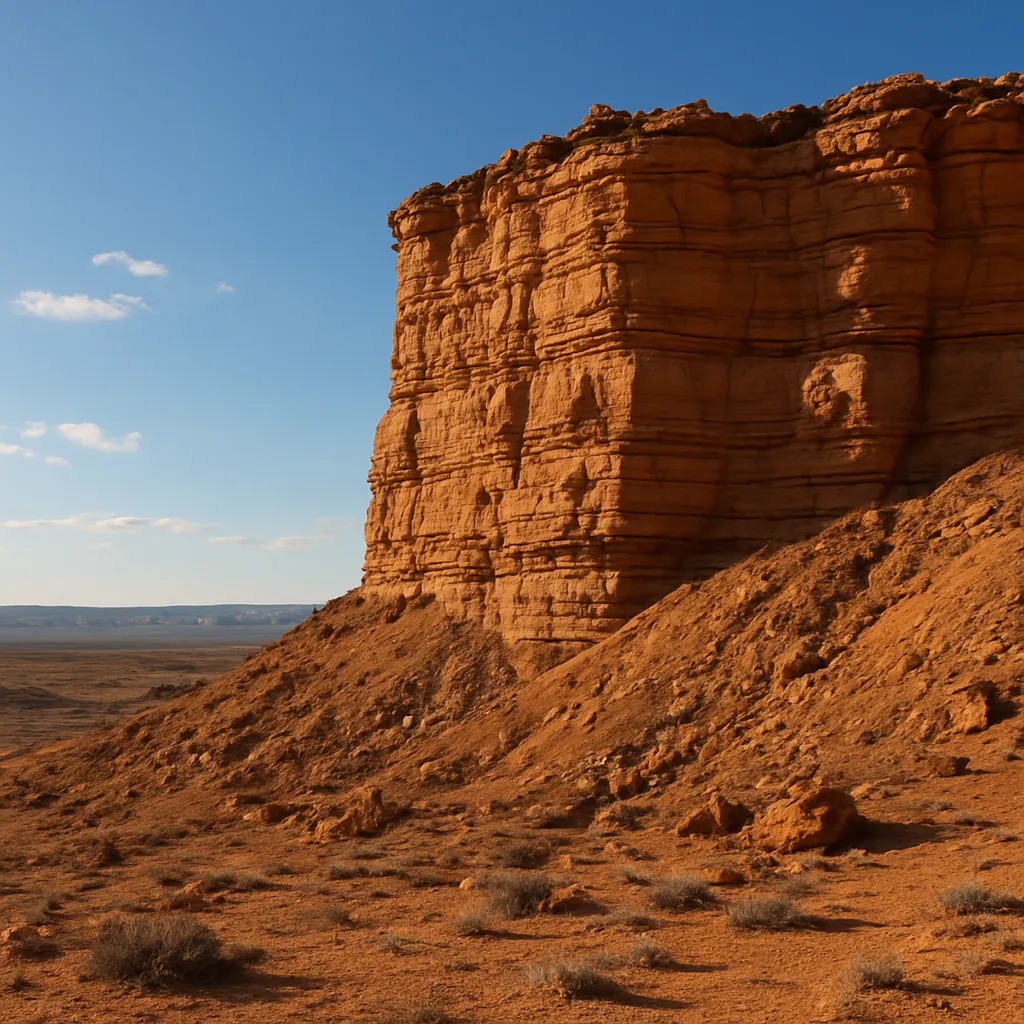
Thin sheets keep flaking off a bare desert rock. It almost never rains or freezes there, but days are scorching and nights are cold. What agent is doing the weathering?
Rocks in a fast mountain stream have smooth, rounded edges. Rocks of the same type on the dry slope above stay sharp and jagged. What agent most likely rounded the stream rocks?
Tiny pits form on a boulder, but only under the patches of lichen growing on it. What agent is doing the weathering?
Long, straight scratches cross the bedrock of a northern valley. Long ago, a thick moving sheet covered the valley and dragged rocks along its base. What agent made the scratches?
A sidewalk stone cracks wider each year as a nearby tree grows larger. What agent is doing the weathering?
An iron-rich boulder in a damp forest slowly turns rusty reddish brown and crumbles at its surface. What agent is doing the weathering?
Frost opens cracks in a cliff, and the broken pieces remain at the base without moving away. What process is happening?
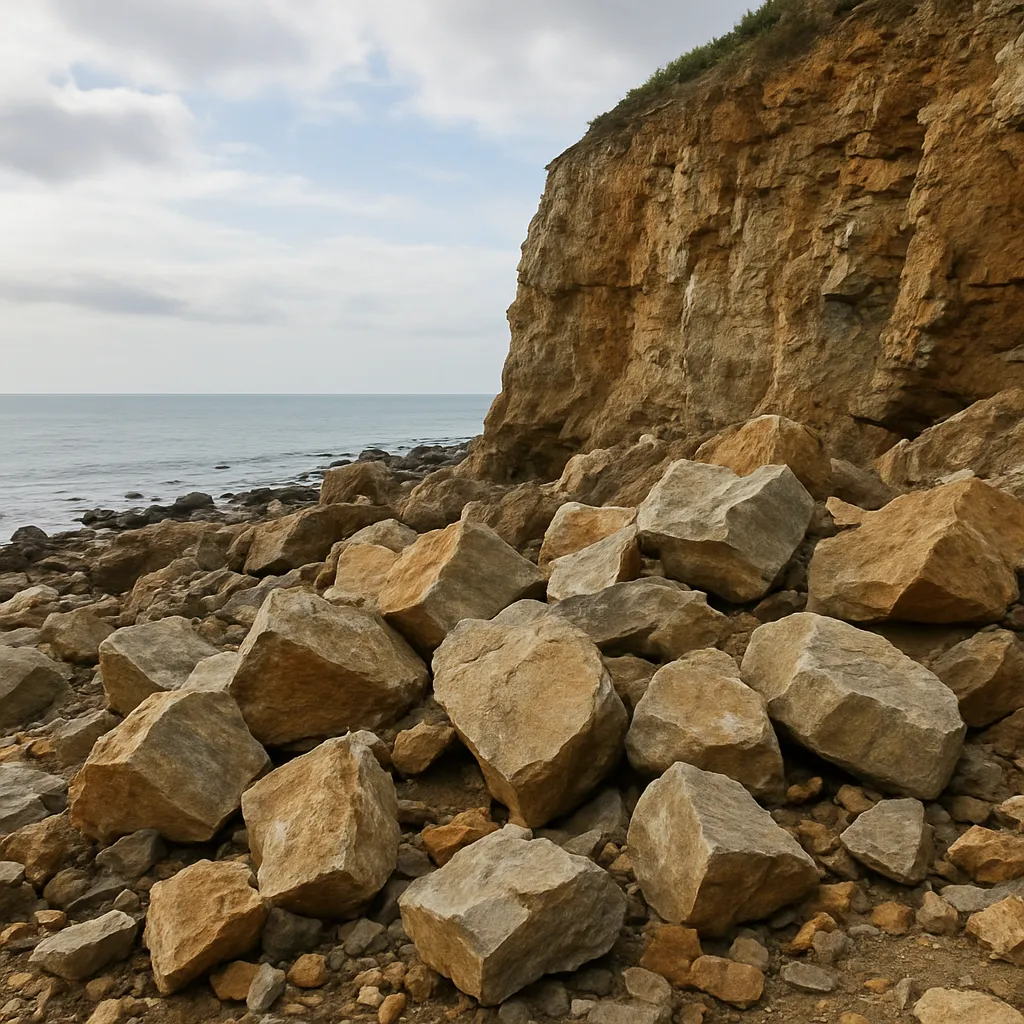
After a storm, rainwater carries loose rock fragments downhill into a stream. What process is happening to the fragments?
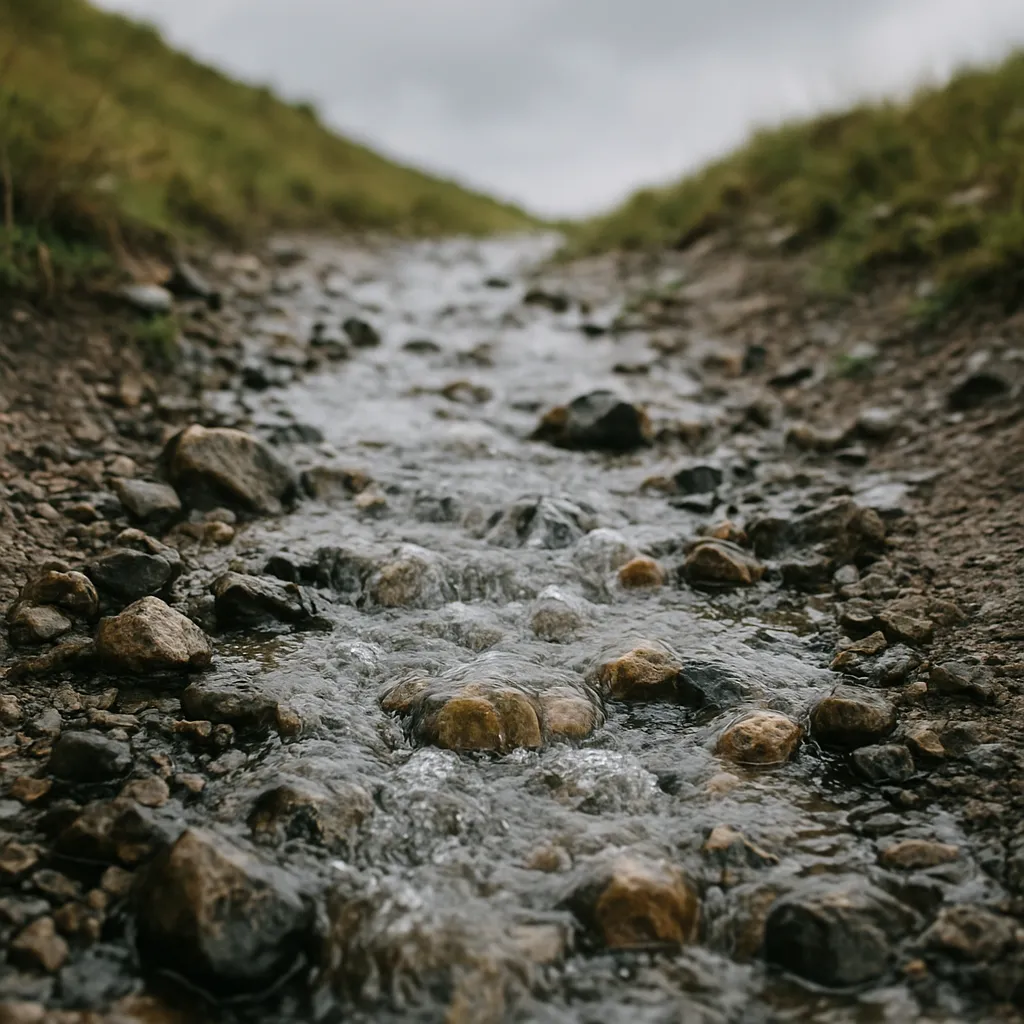
Sand carried by a river settles where the river enters a quiet lake. What process is named by the sand coming to rest?
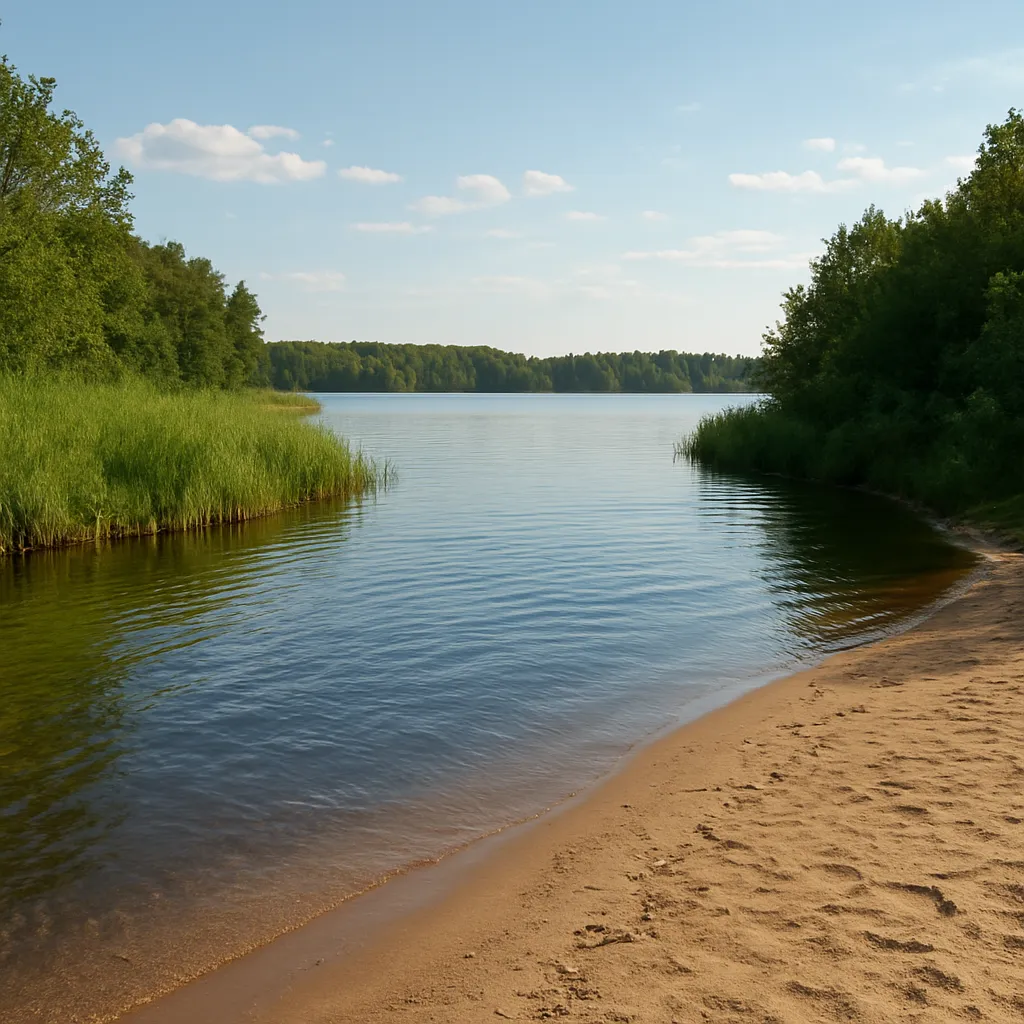
A limestone statue stays in one courtyard while rain slowly dissolves its surface. What process best describes the surface change?
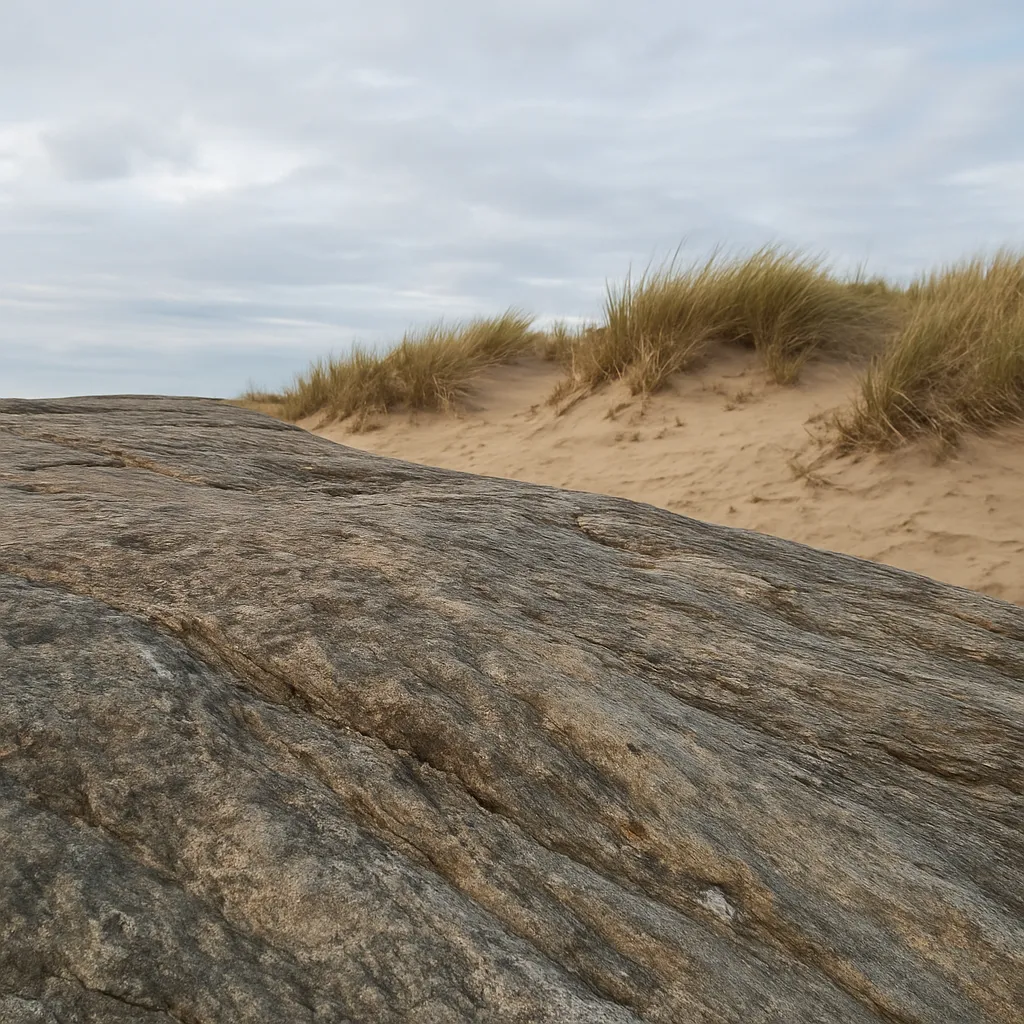
Wind lifts loose sand from a bare rock surface and moves it to a nearby dune. What process is moving the sand?
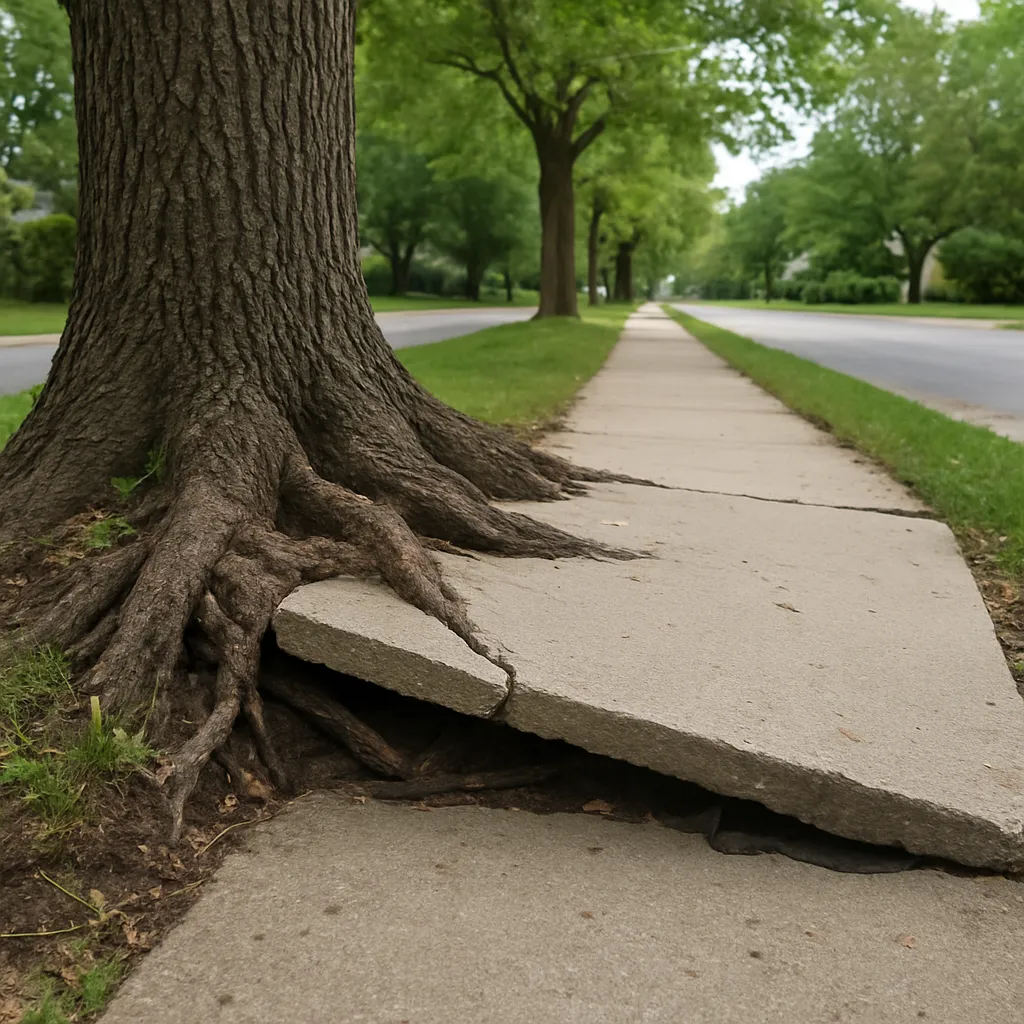
Roots crack a buried rock under a sidewalk, but the pieces remain under the same slab. What process is this?
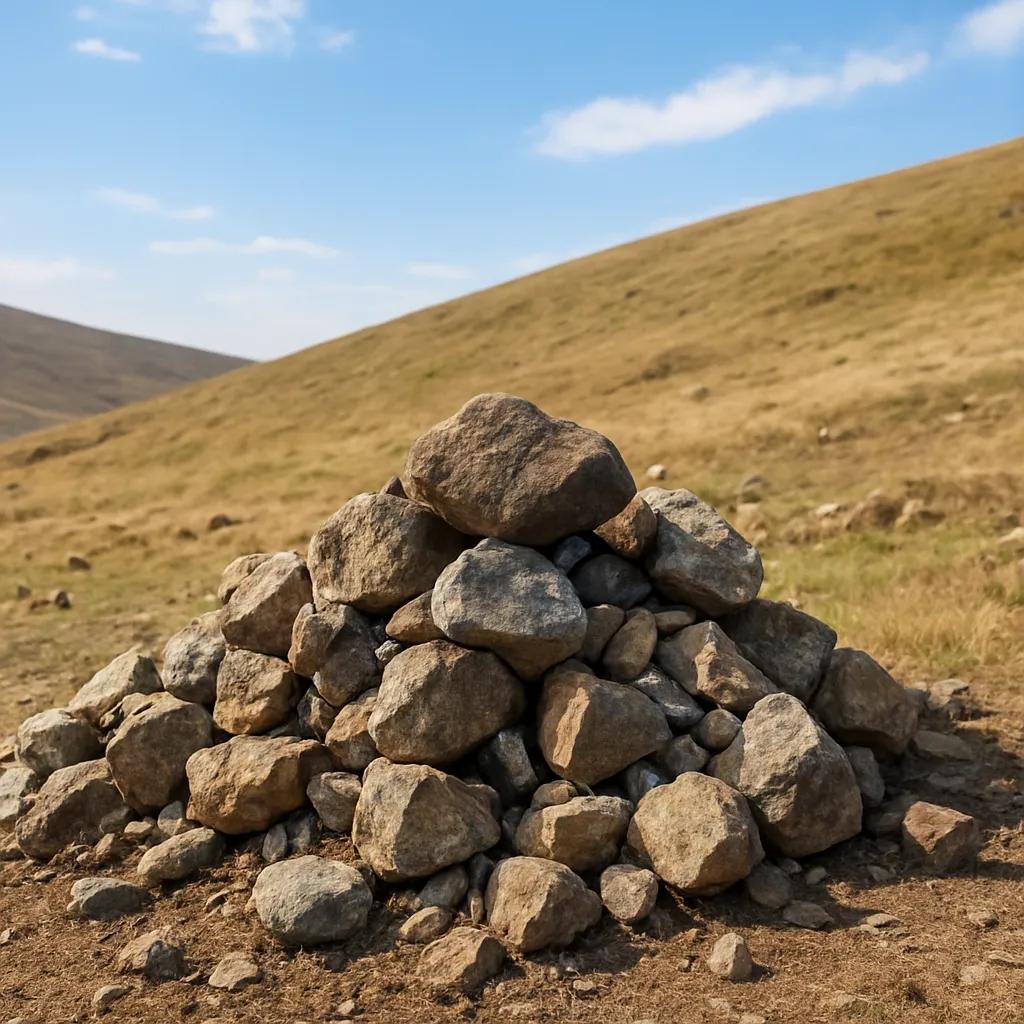
Loose rocks tumble down a slope and then stop in a pile at the bottom. What process describes the stopping and piling up?
A stream carries clay away from a freshly broken riverbank. What process is happening to the clay?
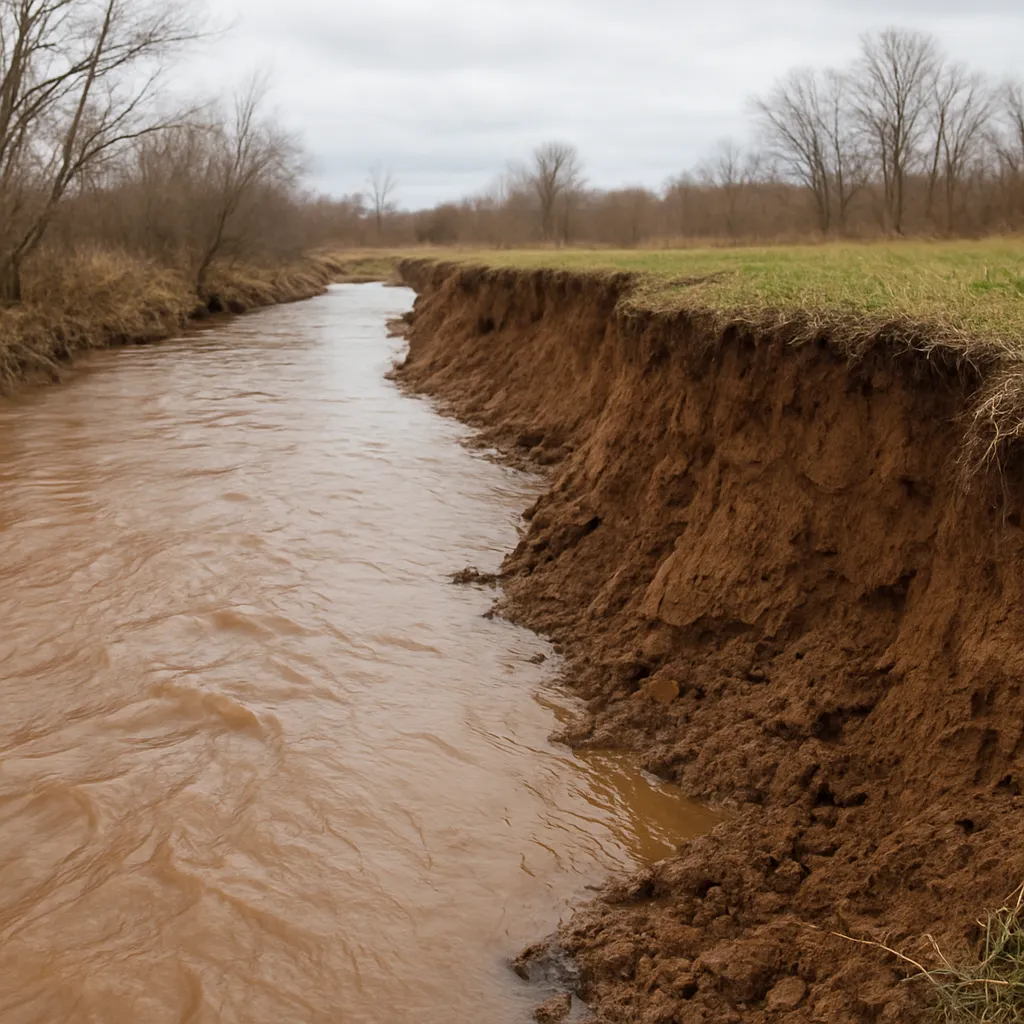
Two limestone blocks are alike. One sits in a rainy valley, and the other stays in a dry shed. Where will chemical weathering likely be faster?
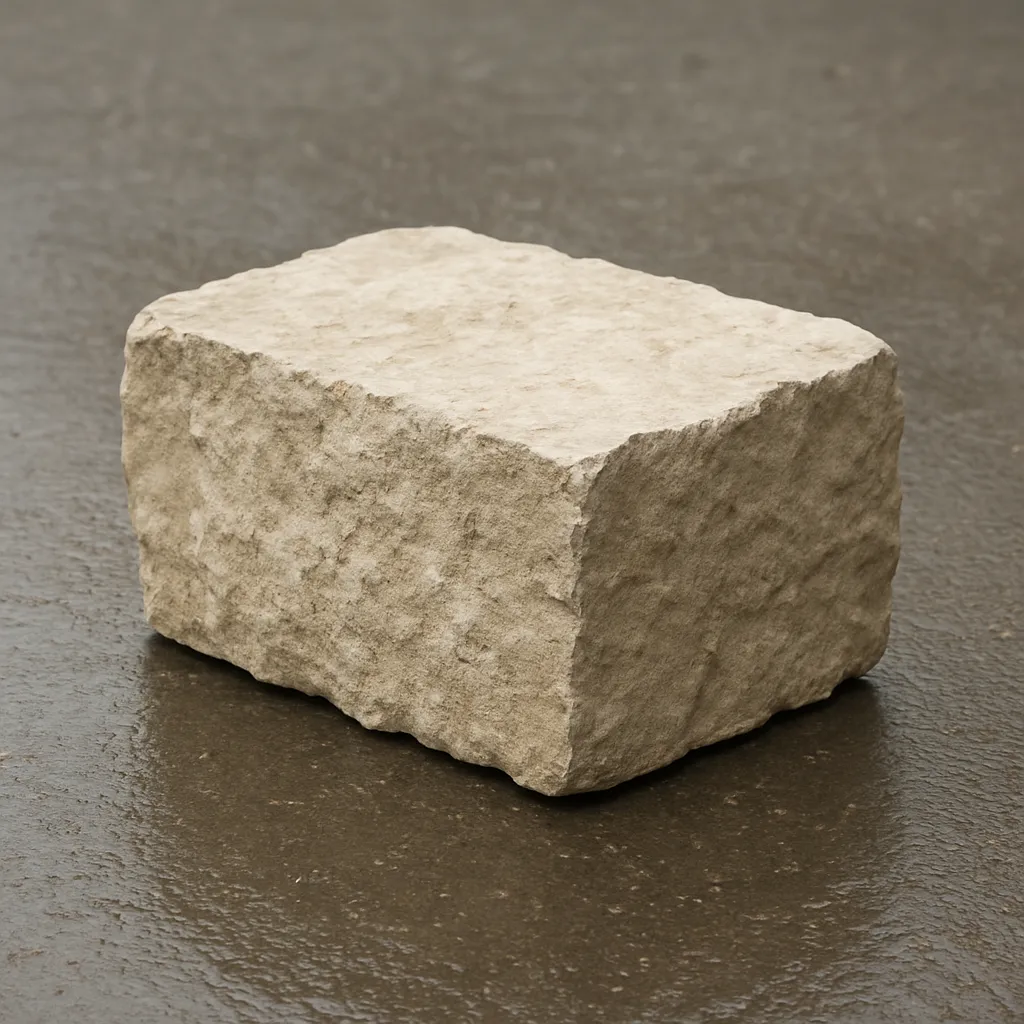
Two granite boulders are alike. One is in a pass with many freeze-and-thaw cycles, and one is on a warm coast. Where will physical weathering likely be faster?
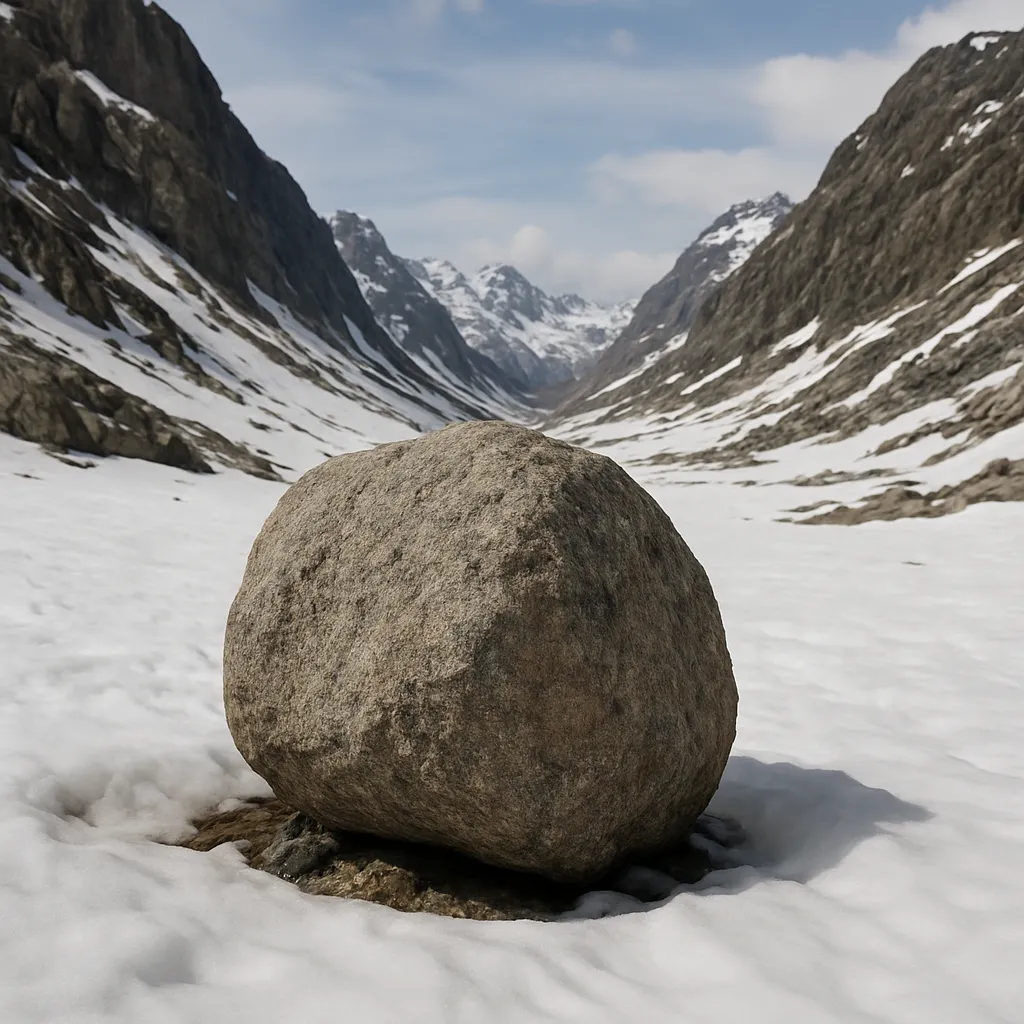
A solid limestone block and crushed limestone gravel are placed in the same weak acid. Which will weather faster?
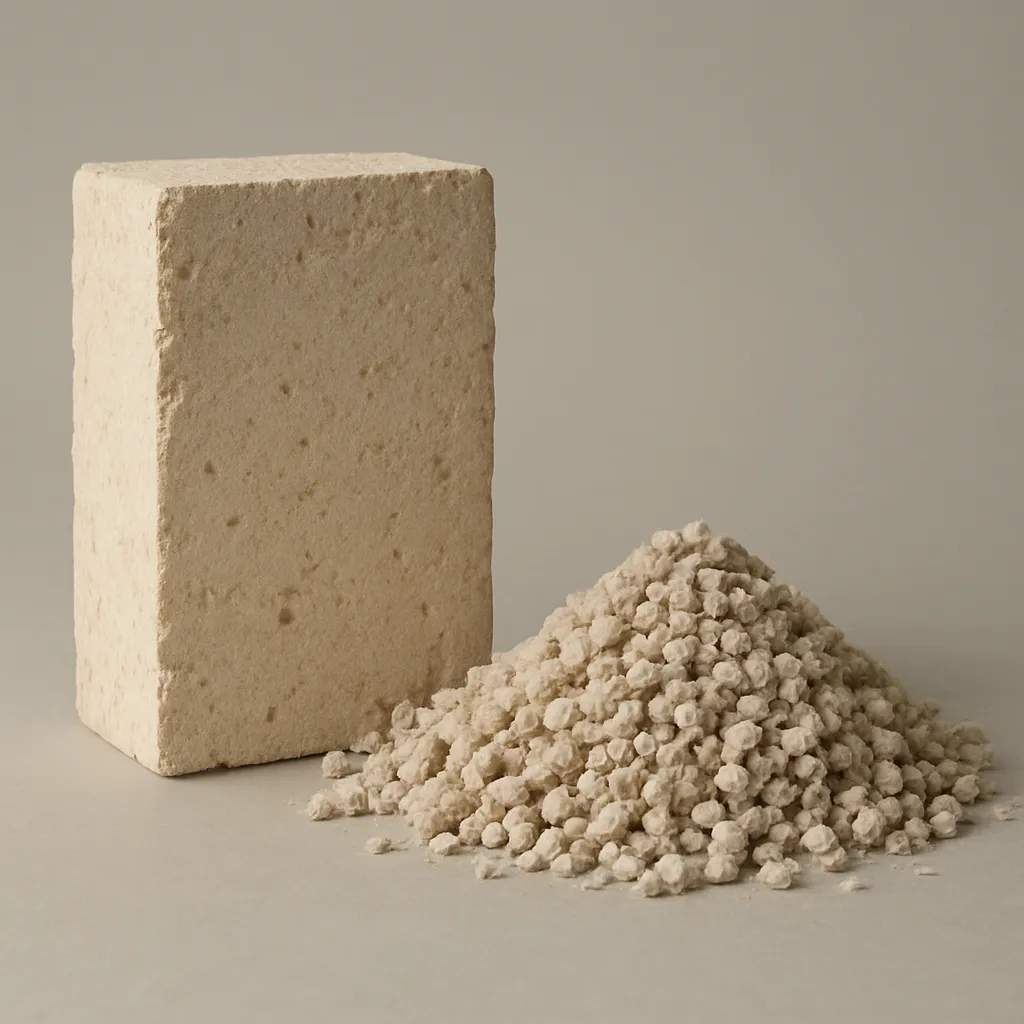
A desert cliff changes from 5 degrees Celsius at night to 35 degrees Celsius by day, while a cave stays near 15 degrees Celsius. Where will flaking likely be faster?
Two marble statues are alike. One stands in a polluted rainy city, and one stands under a dry roof. Where will chemical weathering likely be faster?

Two sandstone ledges are alike. One has many shrubs rooted in cracks, and the other has bare sealed cracks. Where will weathering likely be faster?
Two sandstone cliffs are alike. One faces frequent sandy winds, and the other is in a calm forest. Where will abrasion likely be faster?
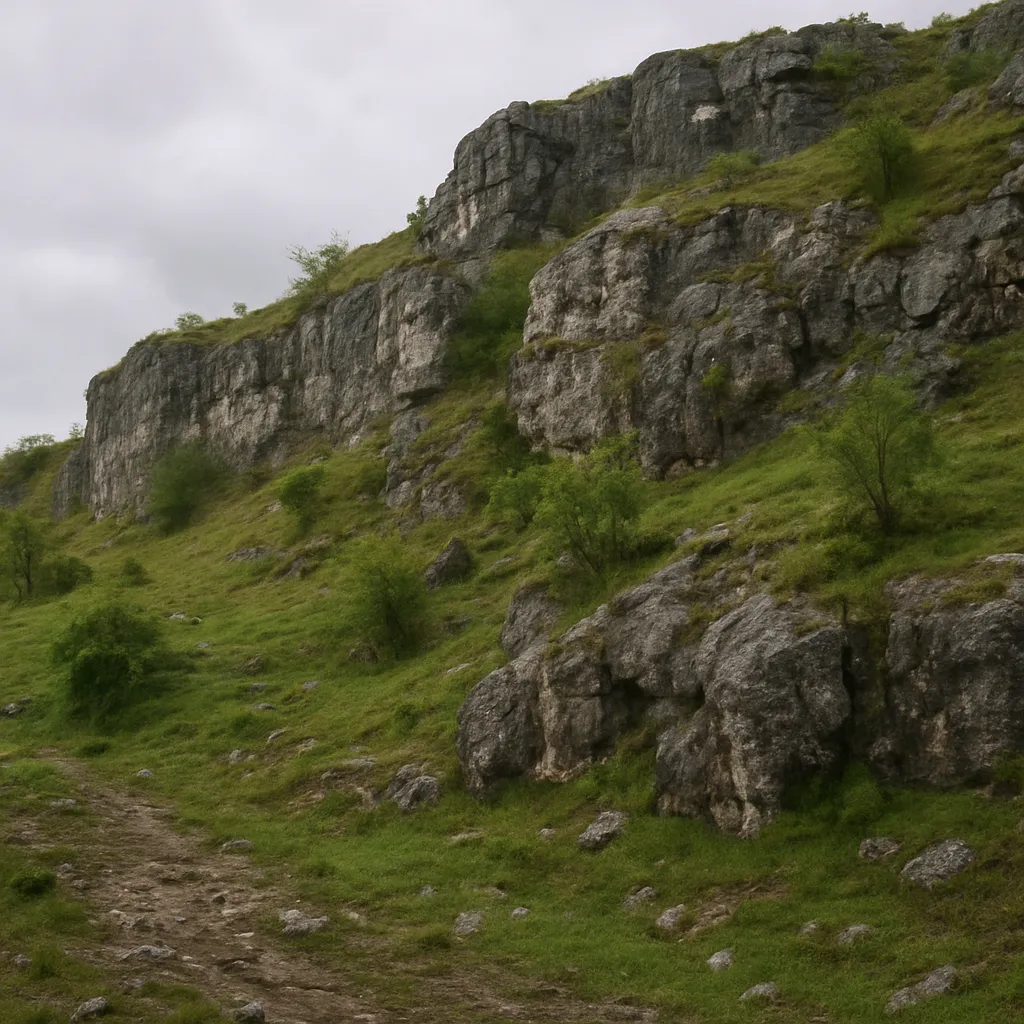
On this rainy limestone hillside, which observation would show chemical weathering rather than physical weathering?
Crack the passcode before the zombies get in.
Answer, then swat bugs for bonus points.
Race through questions at your own speed.
Same question on every screen. Fastest wins.

Pick a tile, answer, hit bonuses and steals.
Landforms and What Shaped Them
40 questions