Loading
by BlastRoom
Name the boundary type from the described motion and the feature it builds.
#tectonics#us_grade_6_science
40 questions
One question set, multiple game modes. Tap any game to see it in action. Not sure which to pick?
Answer to place stones and capture territory.
Outrun the snow together.
Earn blasts, then hunt the other team.
Answer to earn energy, then climb.

The class blasts through walls together.
Bid on mystery lots. Most money wins.
Sell tours. Nice, standard, or a total scam.

Answer, restock, and serve the rush.
More correct answers pulls the rope your way.
Answer, then shoot down the alien wave.
Answer, then tap to leap the frozen ridge.
Two plates move toward each other beneath an ocean basin. One plate edge begins to bend downward under the other. What boundary type is described?
Two plates move away from each other under the ocean, and molten rock rises into the gap. What boundary type is described?
Two plates slide sideways past each other, with neither plate mainly moving toward or away from the other. What boundary type is described?
Two continental plates move toward each other, and their edges crumple upward over time. What boundary type is described?
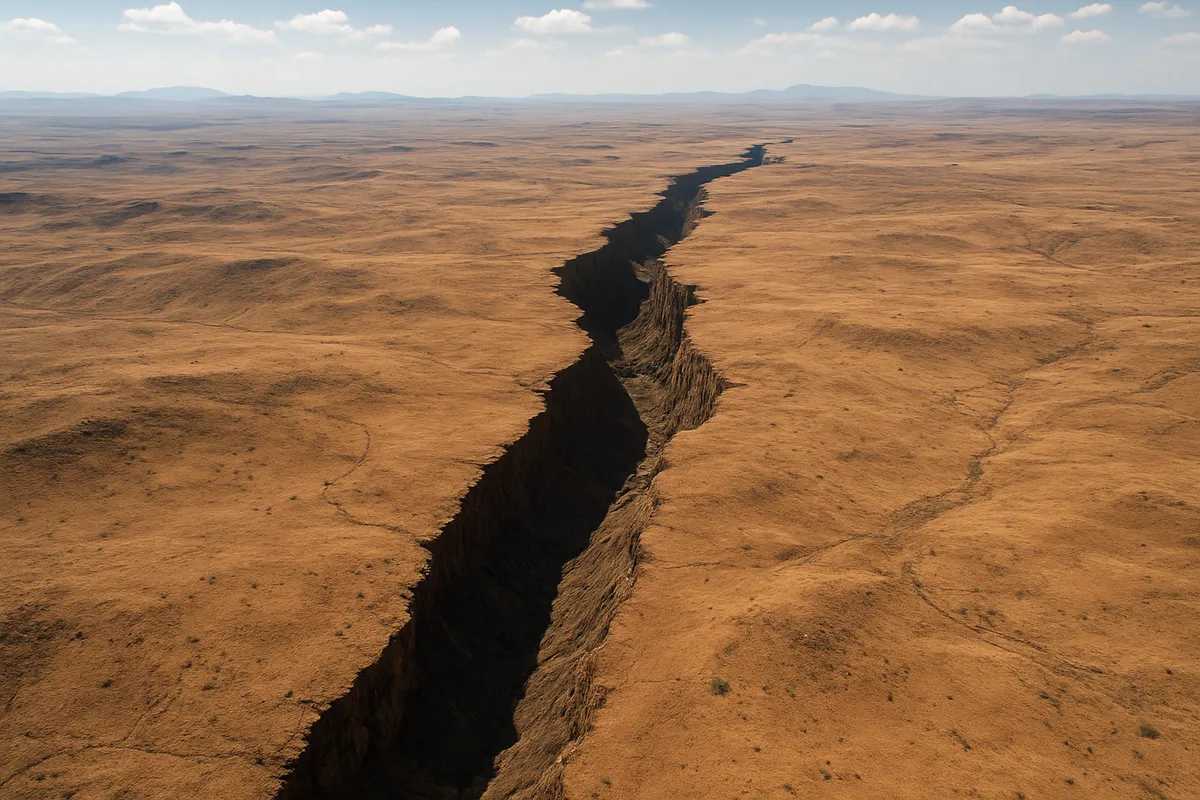
A long crack opens on a continent as two plates slowly pull away from each other. What boundary type is described?
Streams and fences that cross one boundary are found bent sideways, shifted out of line by many meters over time. What boundary type is described?
An ocean plate and a continental plate move toward the same boundary line from opposite sides. What boundary type is described?
In Iceland, long cracks in the ground keep widening and lava pours out of them, with no deep trench or folded mountains nearby. What boundary type is described?
Two continental plates push together for millions of years, and neither plate sinks deeply under the other. What major feature can build there?
At an ocean boundary, one plate edge bends downward beneath the other and forms a long, narrow valley in the sea floor. What feature is forming?
Two ocean plates separate, and molten rock rises and cools in the opening between them. What feature grows along the boundary?
A continent is being pulled apart, creating a long, low landform between higher sides. What is the name of that feature?
Two plates slide past each other, and the crust breaks along a long zone of sideways motion. What feature marks this boundary?
Along a boundary, plates move horizontally past one another. They stick for years, then suddenly slip. What happens at the surface each time they slip?
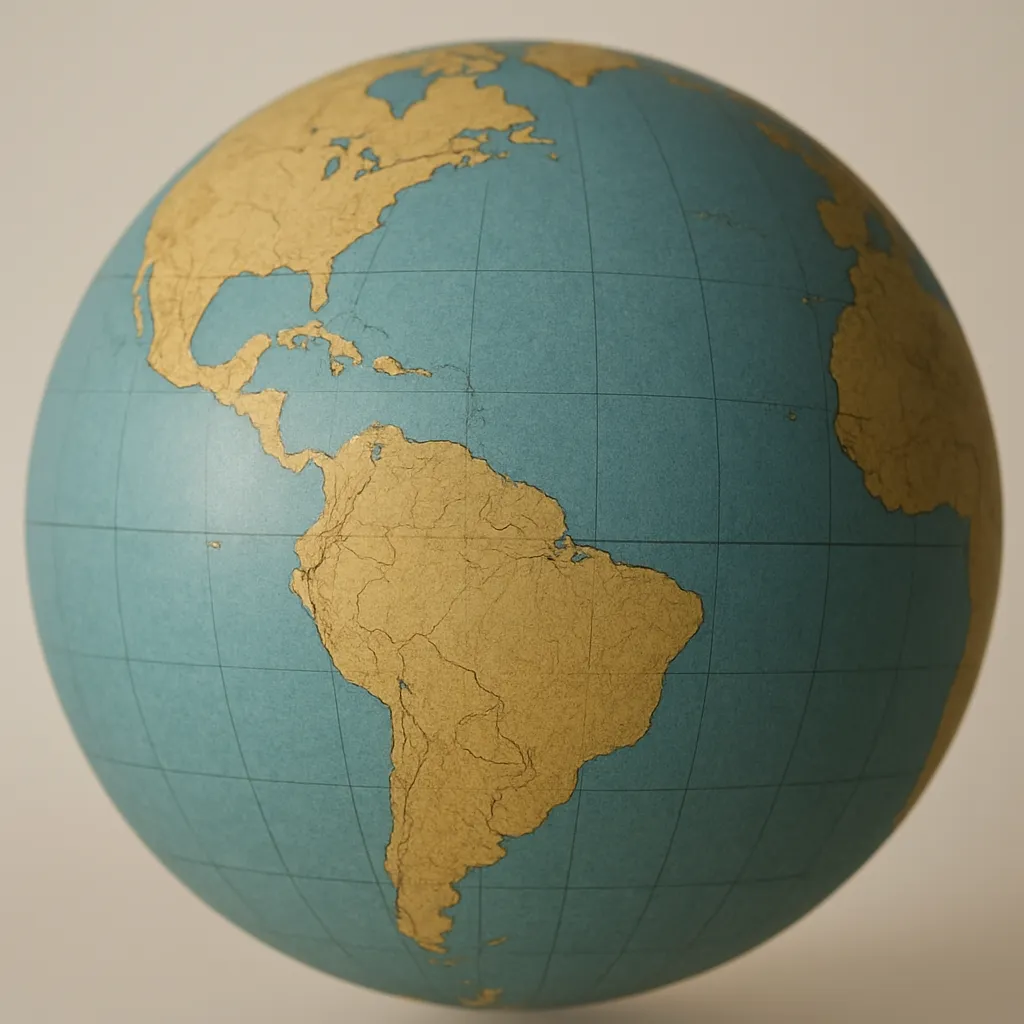
South America and Africa have coastlines that fit like puzzle pieces. What claim does this evidence support?
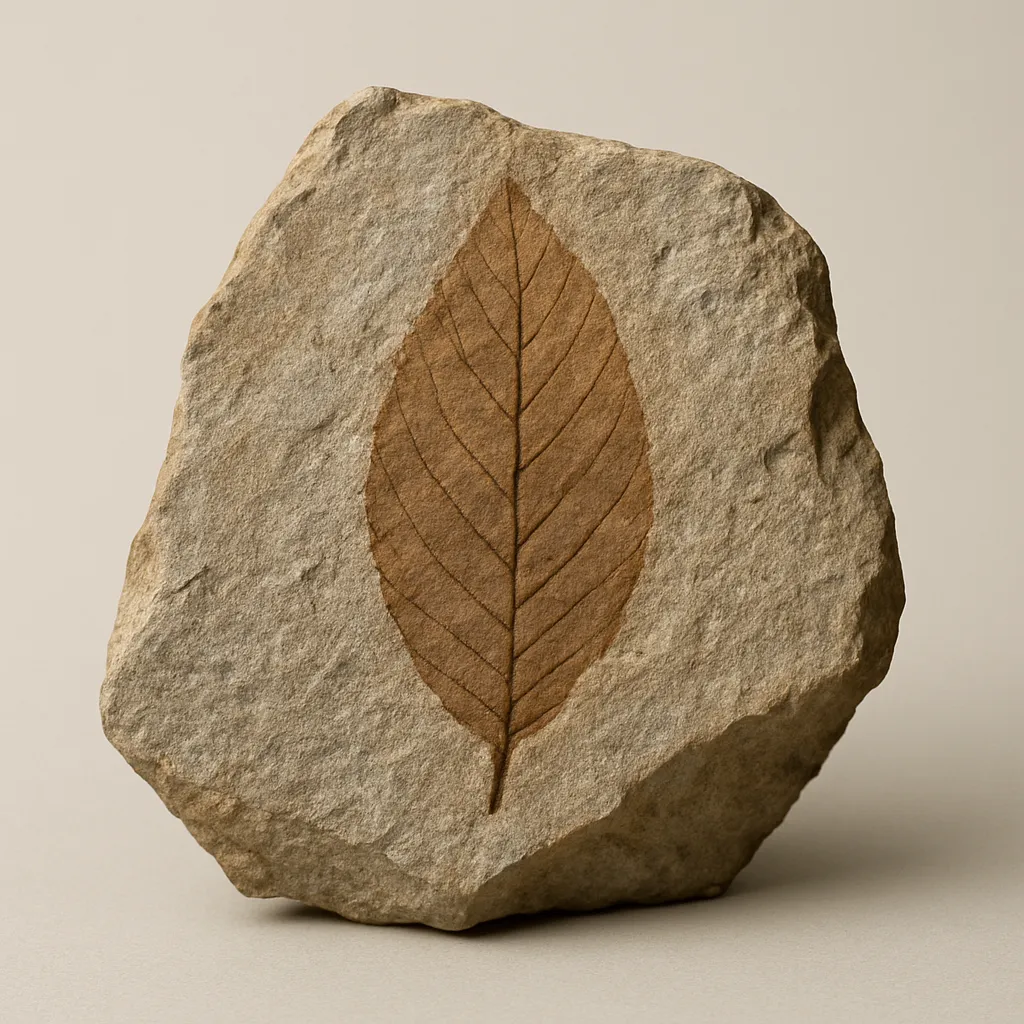
The same land animal fossils are found in matching-age rocks on continents now separated by a wide ocean. What claim does this evidence support?
Matching rock layers and old mountain belts line up on continents across the Atlantic Ocean. What claim does this evidence support?
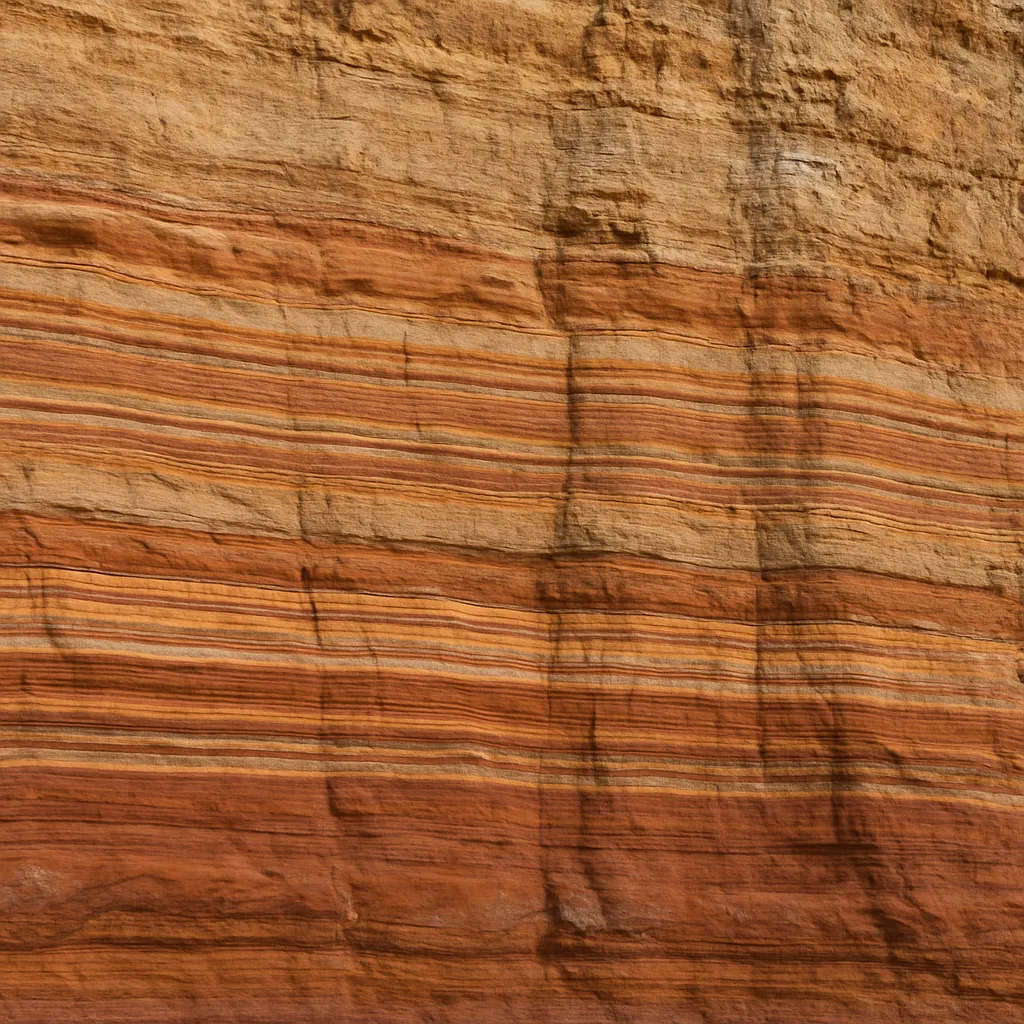
Rock samples from the ocean floor are youngest at a mid-ocean ridge and older farther away on both sides. What claim does this evidence support?
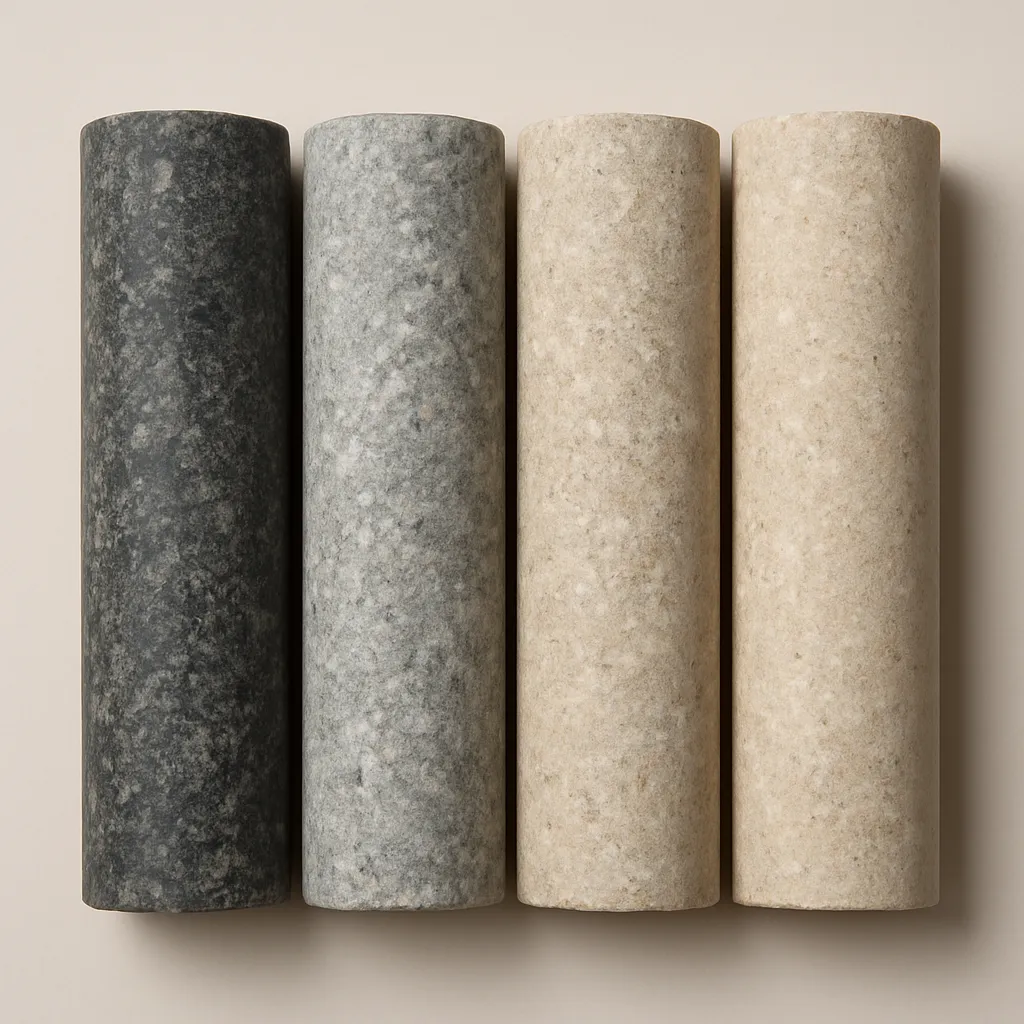
Ocean-floor ages form matching bands on both sides of a mid-ocean ridge, with older bands farther from the center. What claim does this evidence support?
Deep-sea drilling finds only a thin layer of mud on the basalt near a central ridge and thicker mud farther away. What claim does this pattern support?
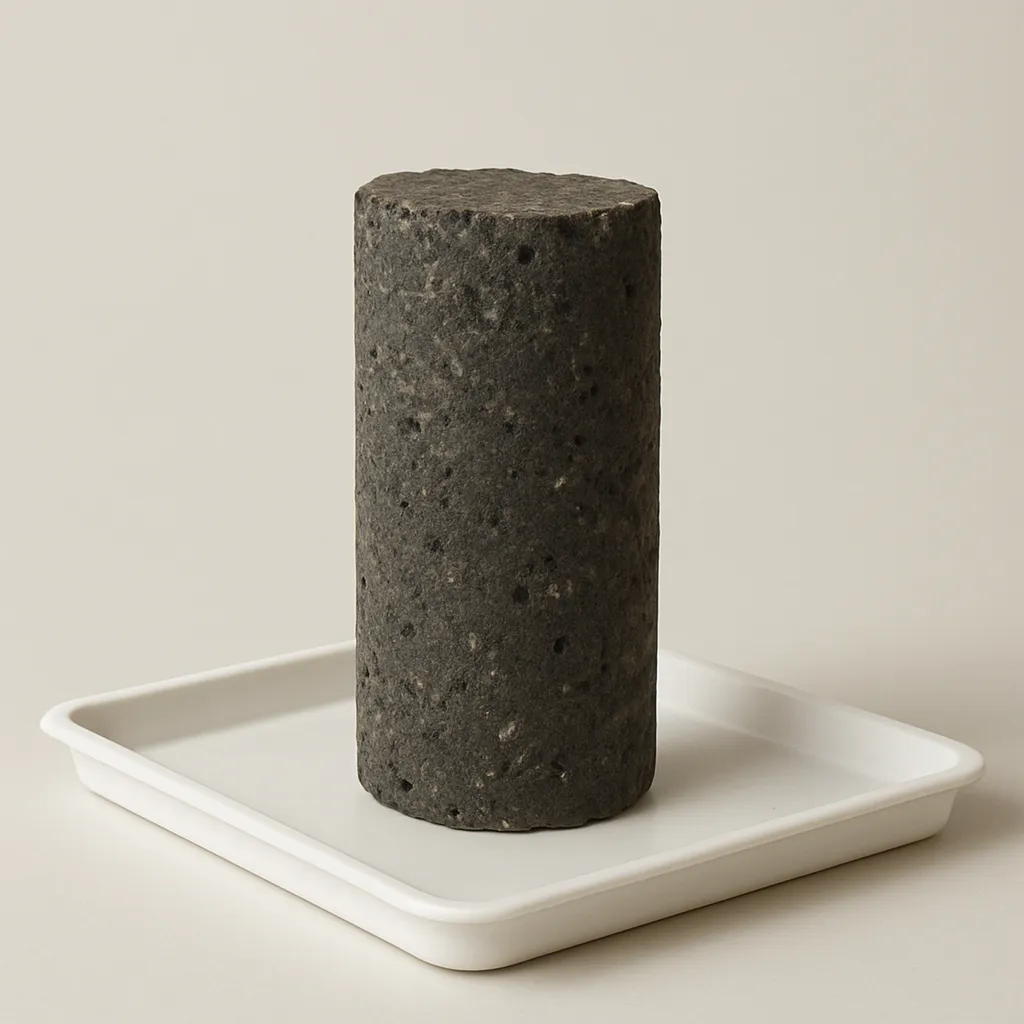
At one boundary, molten rock rises into a gap and cools, adding new crust along the line. Which motion of the two plates produces this?
At one boundary, the edge of one plate bends downward and sinks, so crust is destroyed there. Which motion of the two plates produces this?
At one boundary, no new crust is made and no crust is destroyed; the two plates only slip along the line between them. Which boundary type is this?
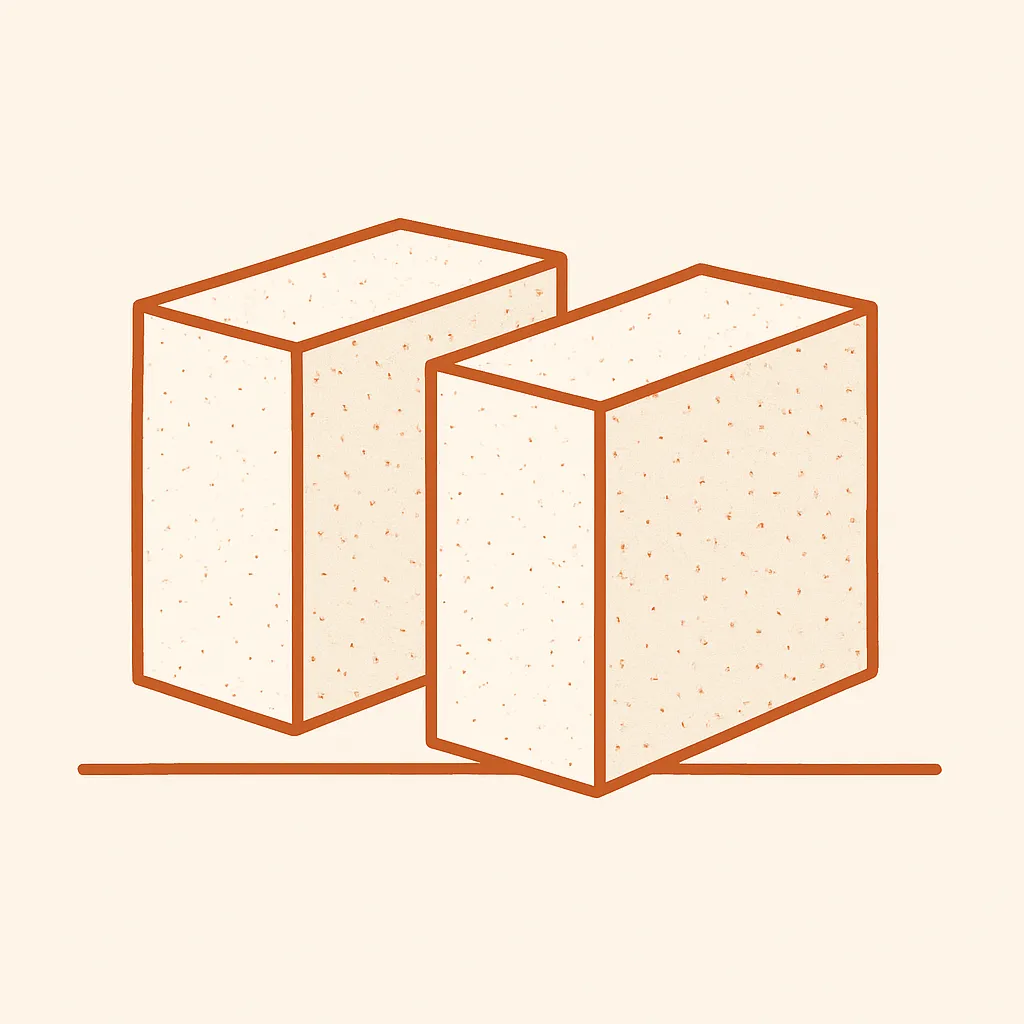
A student pushes two slabs of clay steadily toward each other on a table until the edges crumple and pile upward. Which boundary type does this model show?
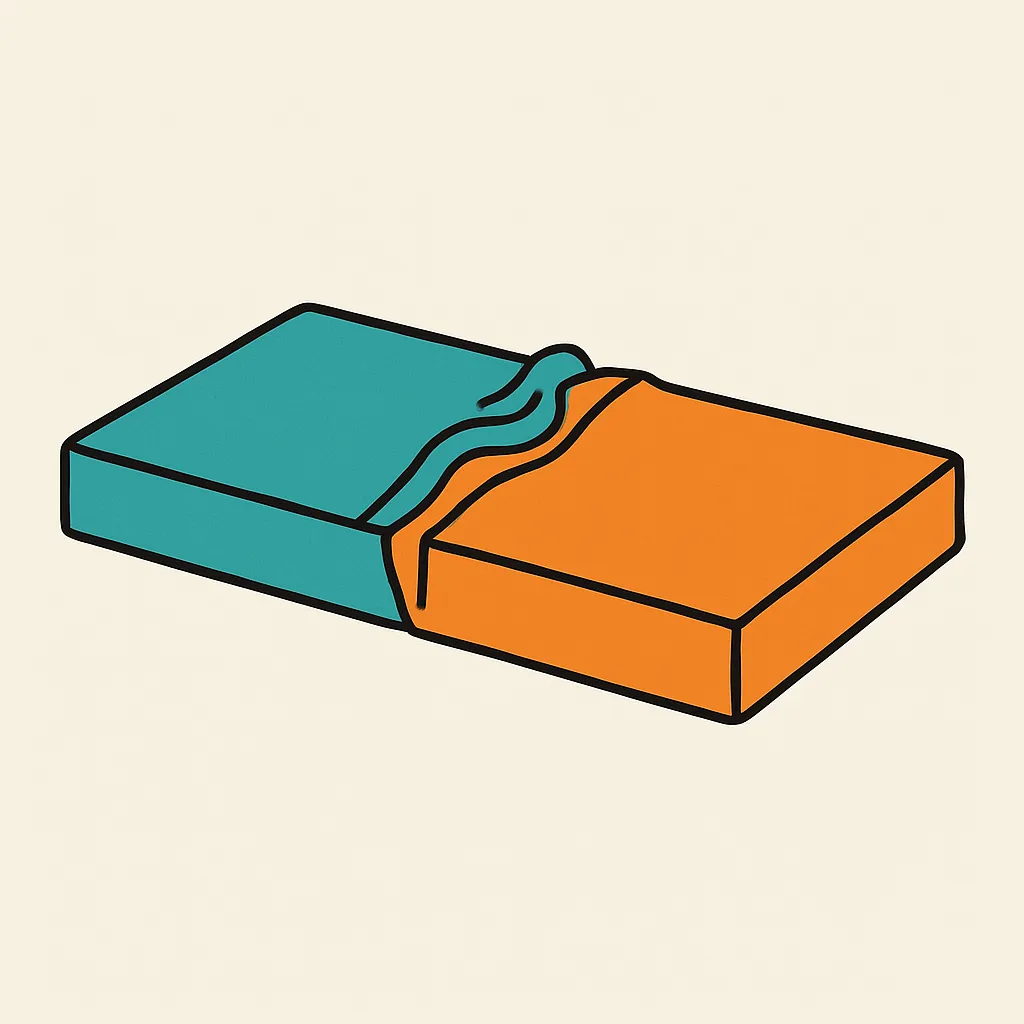
In a model, two foam sheets are pulled slowly apart and warm wax rises into the opening and hardens. Which boundary type does the model show?
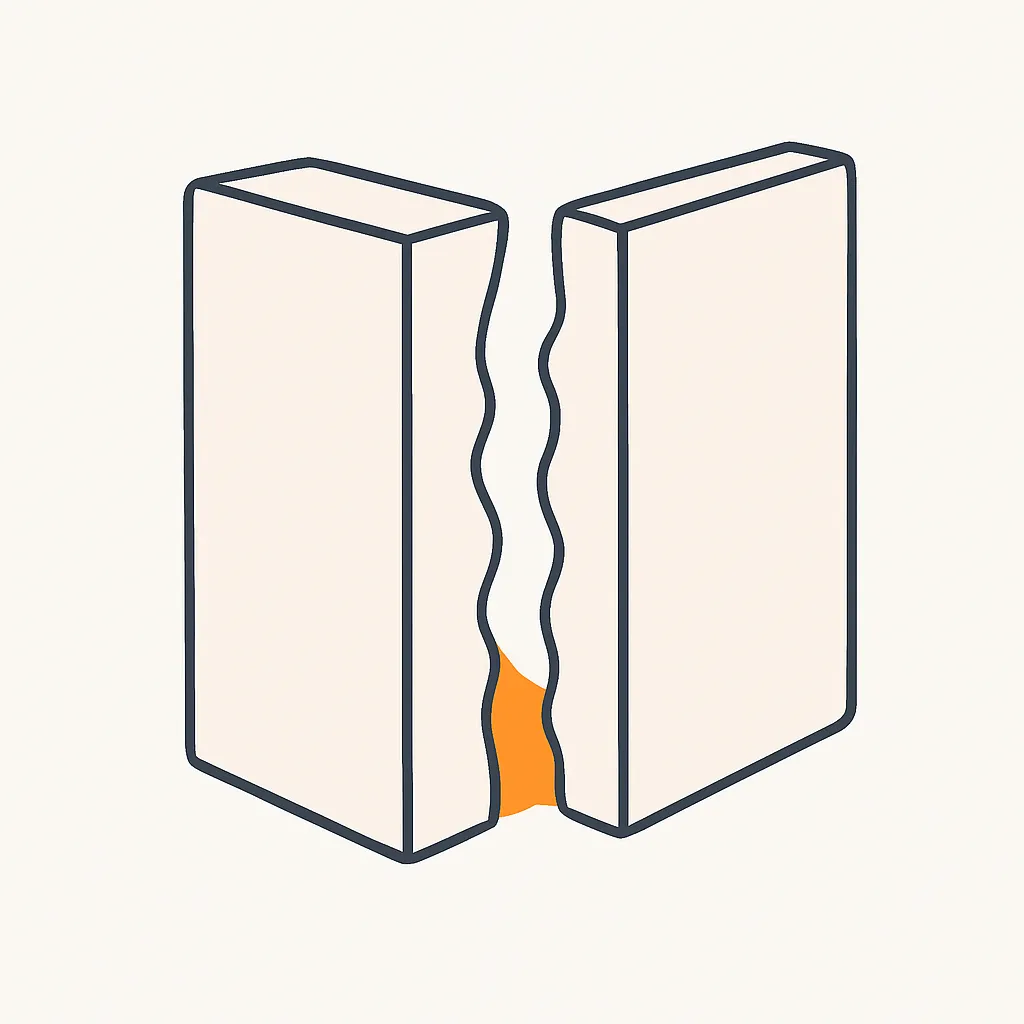
Two rough blocks are pressed together and pushed in opposite directions until they suddenly jerk past each other. Which boundary type does this model represent?
Along one boundary, an ocean plate and a continental plate push into each other. Which boundary type is this, and which plate sinks?
Earth's plates are always moving. About how fast does a typical plate move?
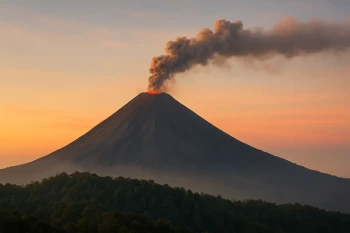
A line of volcanoes stands on a continent a short distance inland from a boundary where an ocean plate sinks beneath it. What supplies the material for those volcanoes?
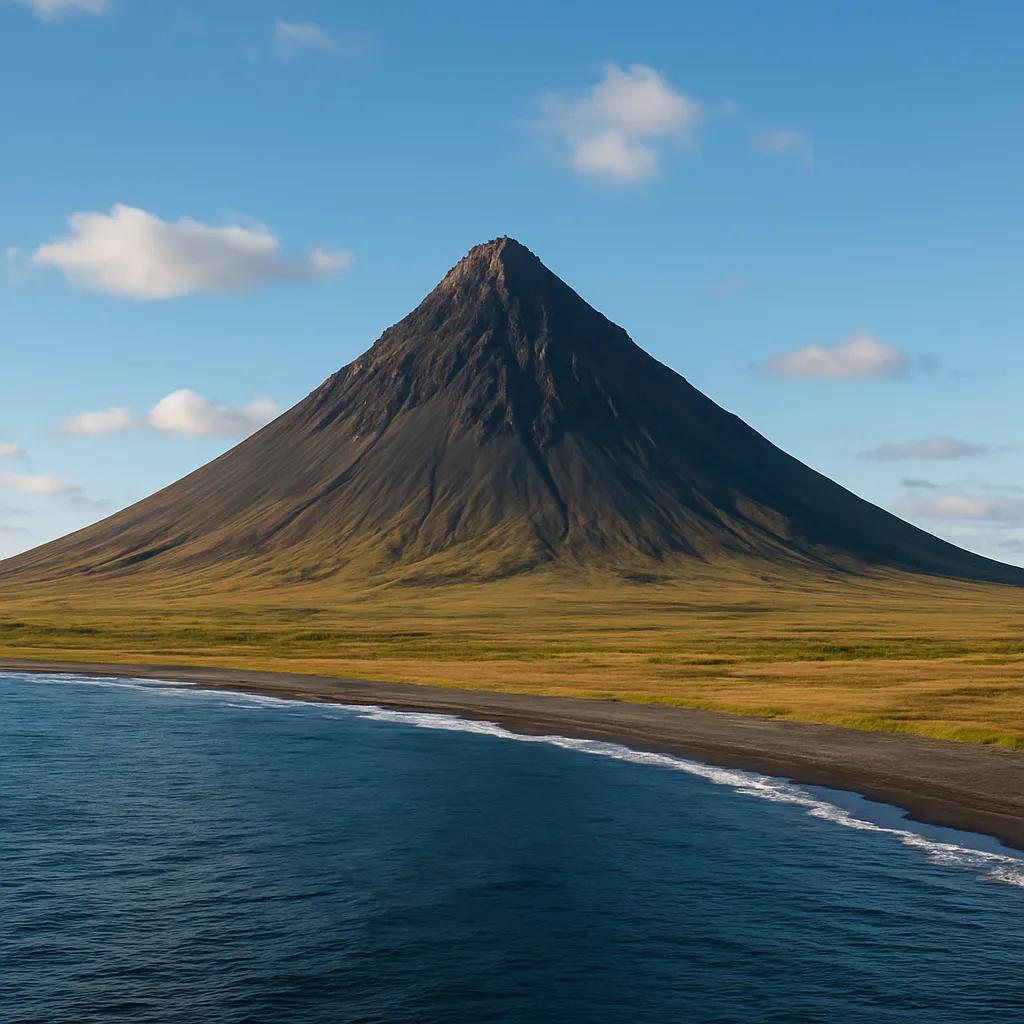
Two ocean plates move toward each other and one sinks beneath the other. Which pair of features is most likely to form along that boundary?
The Himalaya formed where two continental plates collided, and the mountains still gain height each year. What does the continued rise show about the plates?
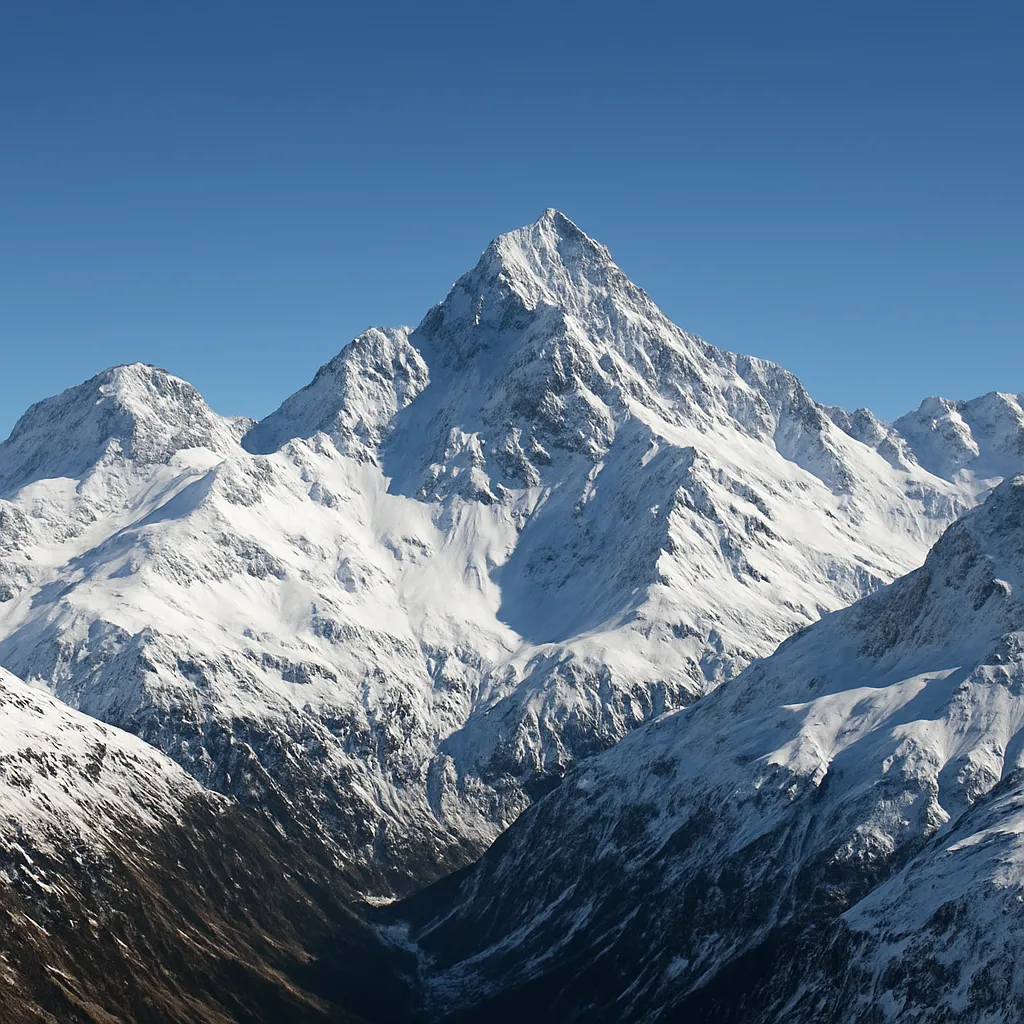
Sea-floor depth is measured along a line running outward from an underwater mountain chain in the middle of an ocean. What happens to the depth with distance from that chain?
East Africa is slowly splitting along a long rift valley as two plates pull apart. If the plates keep separating for millions of years, what is most likely to form there?
The San Andreas Fault lies where two plates slide past each other. Why are there almost no volcanoes along it?
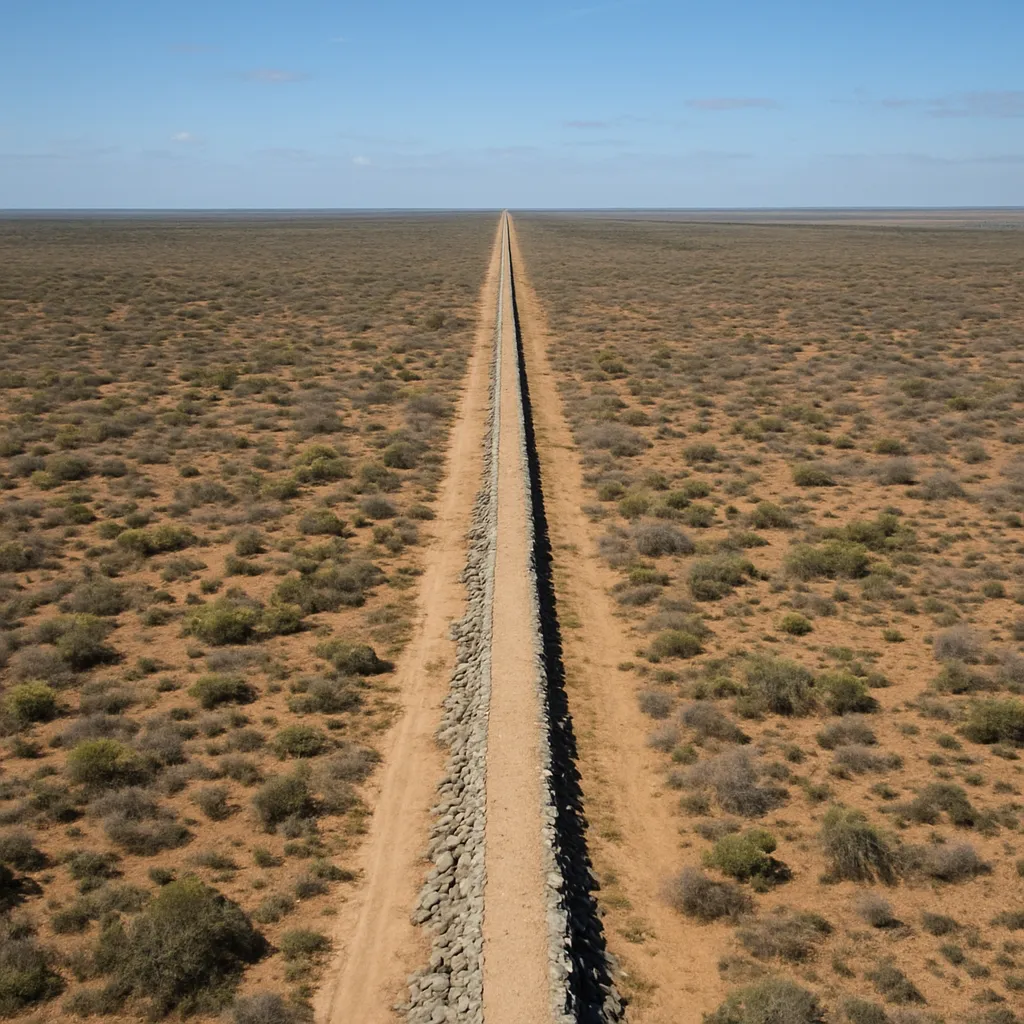
Earth's plates slowly move across the planet's surface. What mainly drives this movement?
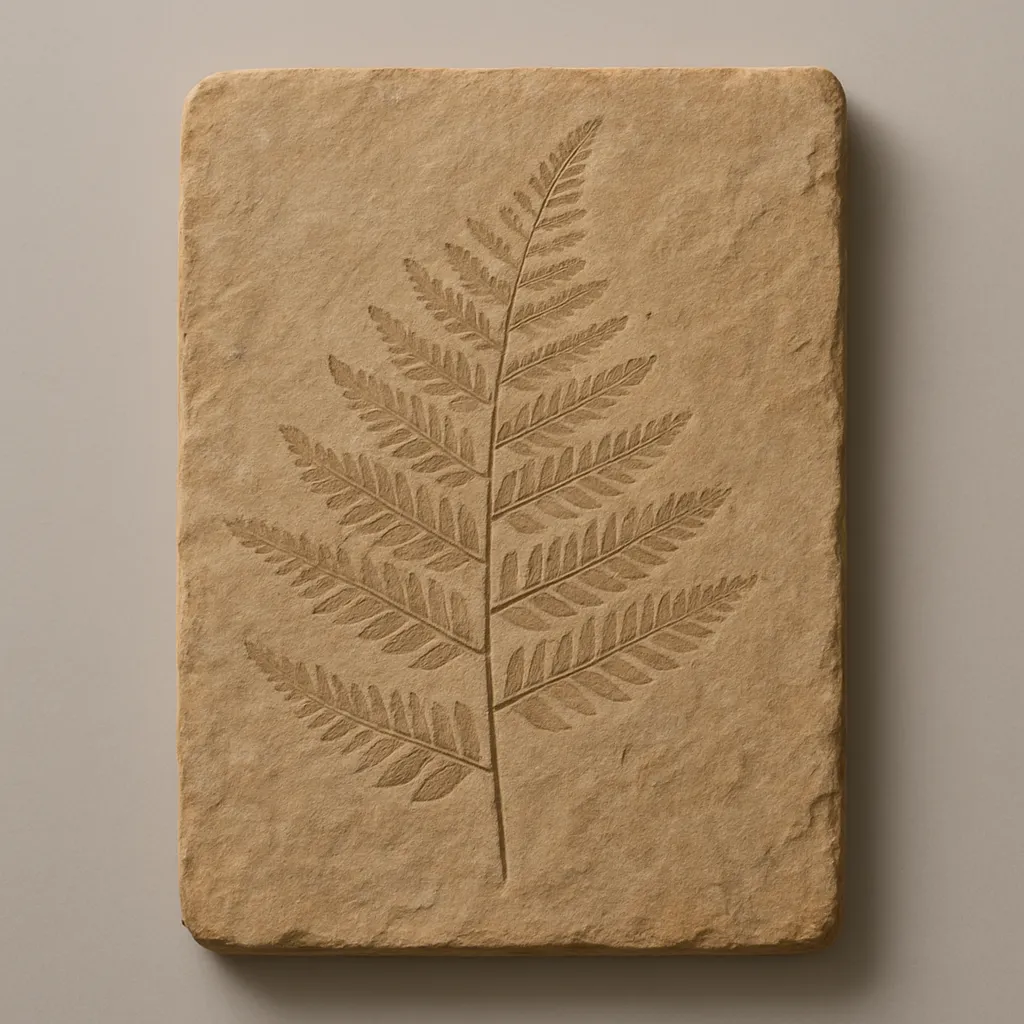
Identical fern fossils of the same age are found in rocks on two continents now separated by a wide ocean. What claim does this evidence support?
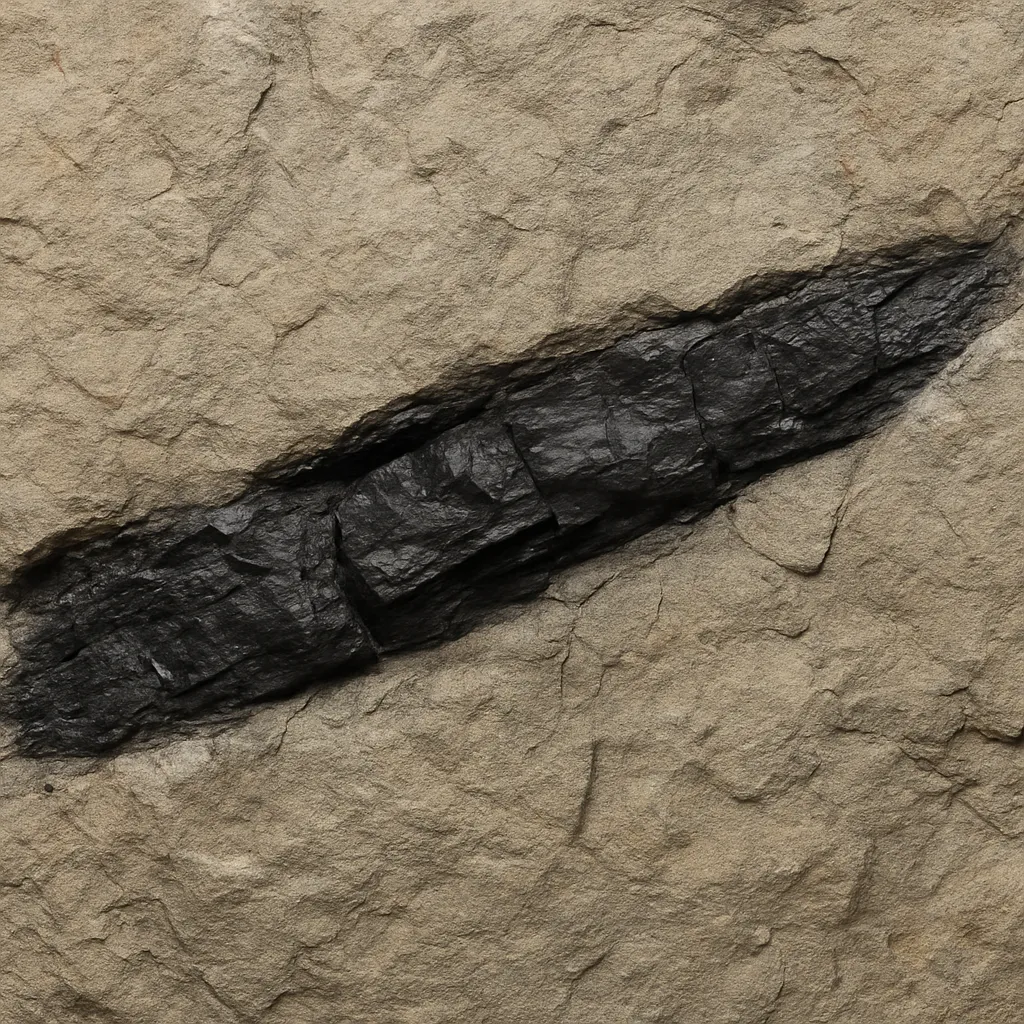
Thick coal beds, which form from plants in warm wet swamps, are found in rocks now lying in the frozen far south. What does this evidence support?
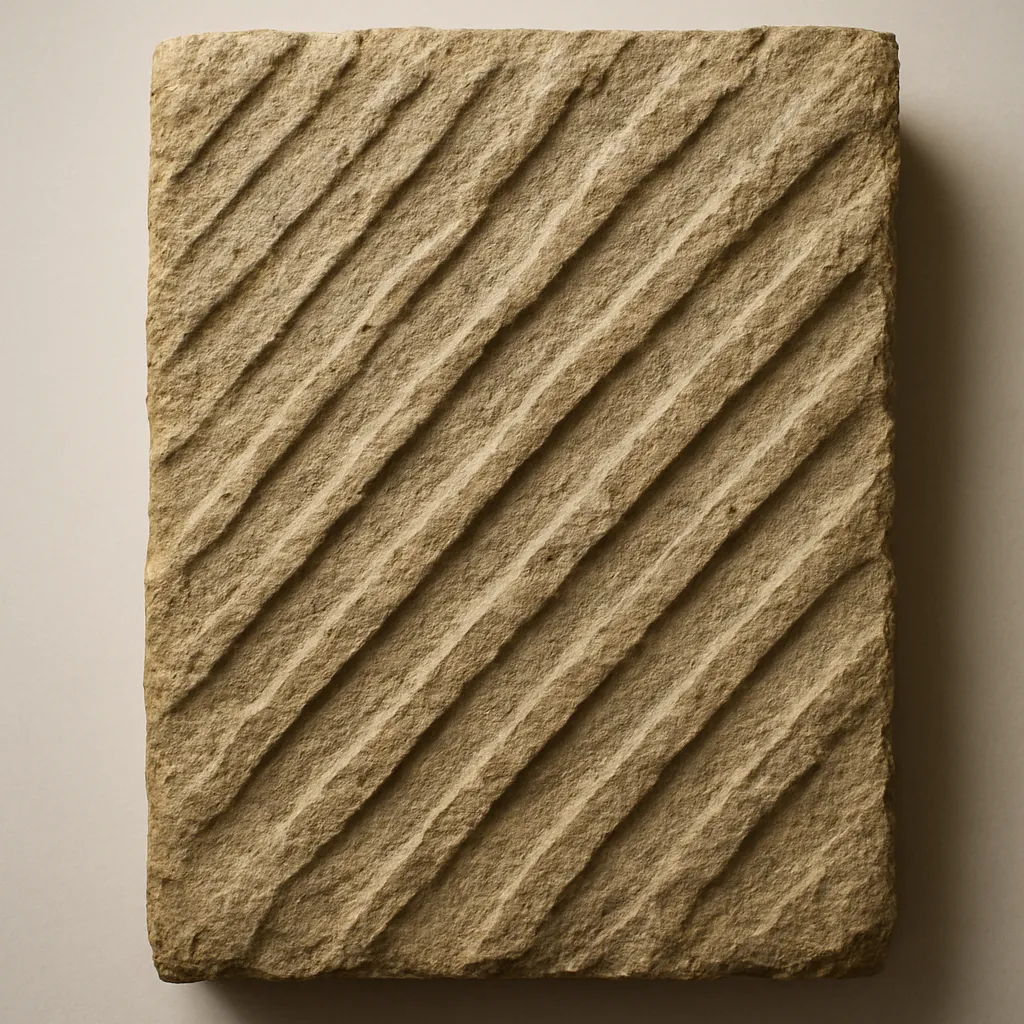
Deep parallel scratches cut by ancient ice sheets are found on rocks in places that are now hot and dry. What claim does this pattern support?
Rock taken from the ocean floor is nowhere near as old as the oldest rock found on the continents. What does that difference support?
A student says the matching shapes of two coastlines are enough on their own to prove those continents were once joined. Why do scientists want more than that?
Crack the passcode before the zombies get in.
Answer, then swat bugs for bonus points.
Race through questions at your own speed.
Same question on every screen. Fastest wins.

Pick a tile, answer, hit bonuses and steals.
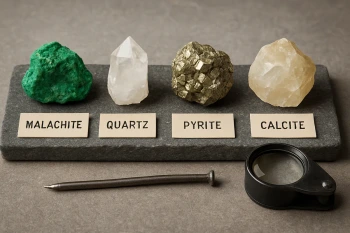
Identifying Minerals
40 questions