Loading
by BlastRoom
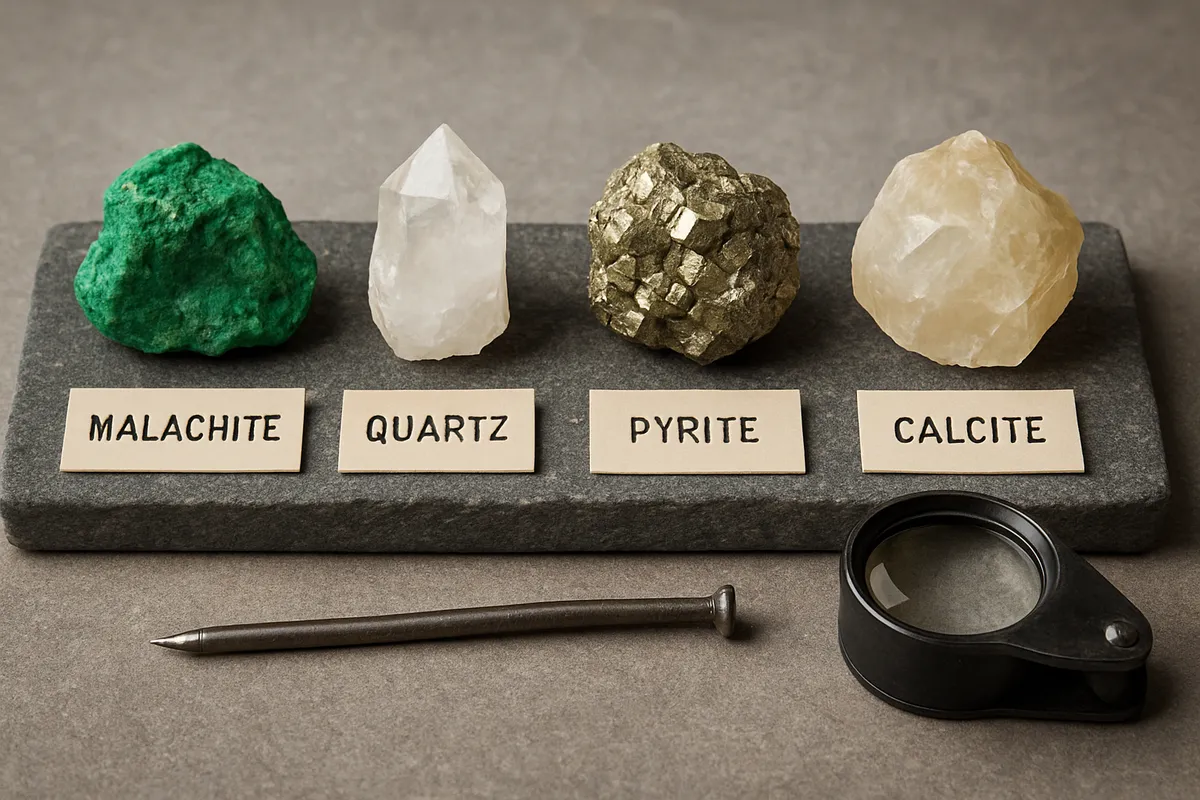
Practice using mineral properties to identify samples and distinguish minerals from rocks.
#minerals#us_grade_6_science
40 questions
One question set, multiple game modes. Tap any game to see it in action. Not sure which to pick?
Answer to place stones and capture territory.
Outrun the snow together.
Earn blasts, then hunt the other team.
Answer to earn energy, then climb.

The class blasts through walls together.
Bid on mystery lots. Most money wins.
Sell tours. Nice, standard, or a total scam.

Answer, restock, and serve the rush.
More correct answers pulls the rope your way.
Answer, then shoot down the alien wave.
Answer, then tap to leap the frozen ridge.
A lab card lists talc, gypsum, feldspar, and quartz. An unknown scratches glass, does not scratch quartz, leaves a white streak, and breaks in two flat directions. Identify the unknown.
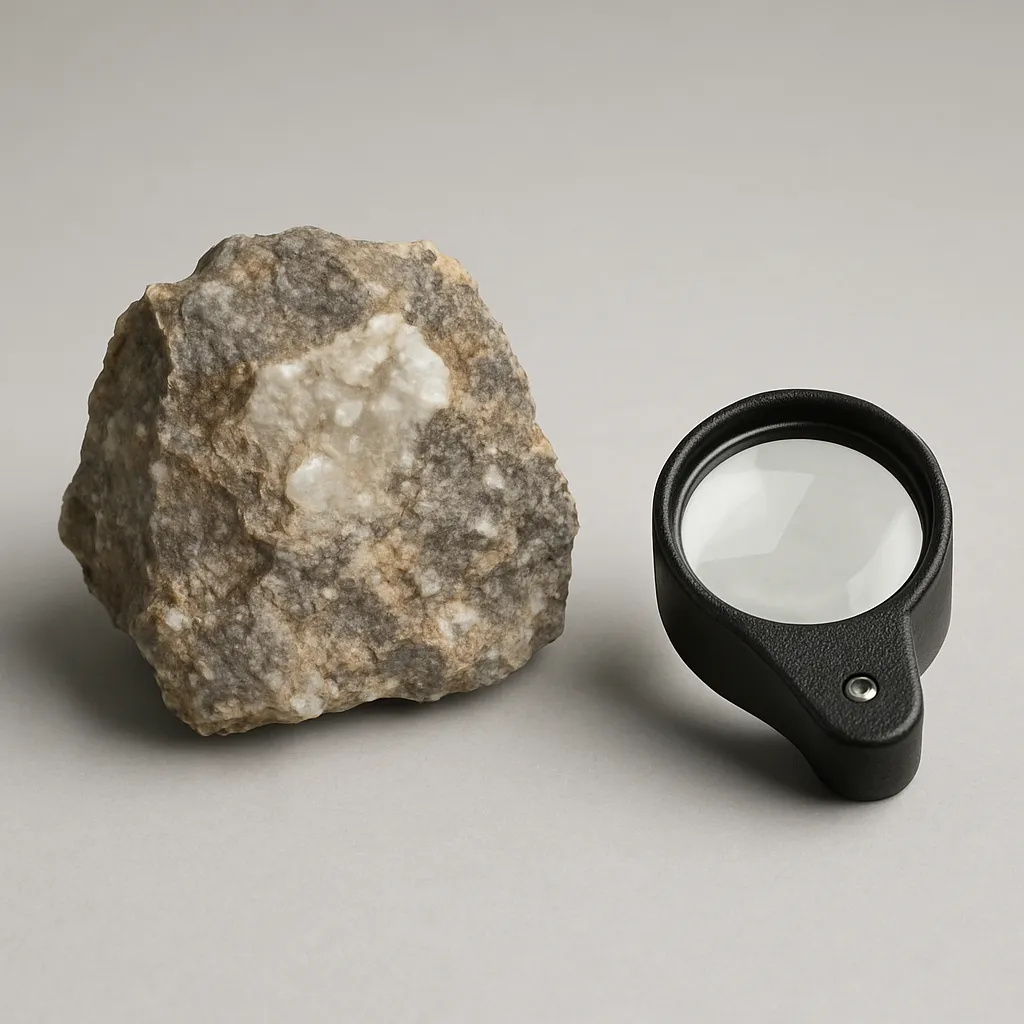
A silver-gray unknown leaves a red-brown powder on a streak plate and has metallic luster. Four possible names are hematite, galena, pyrite, and graphite. The streak evidence supports what name?
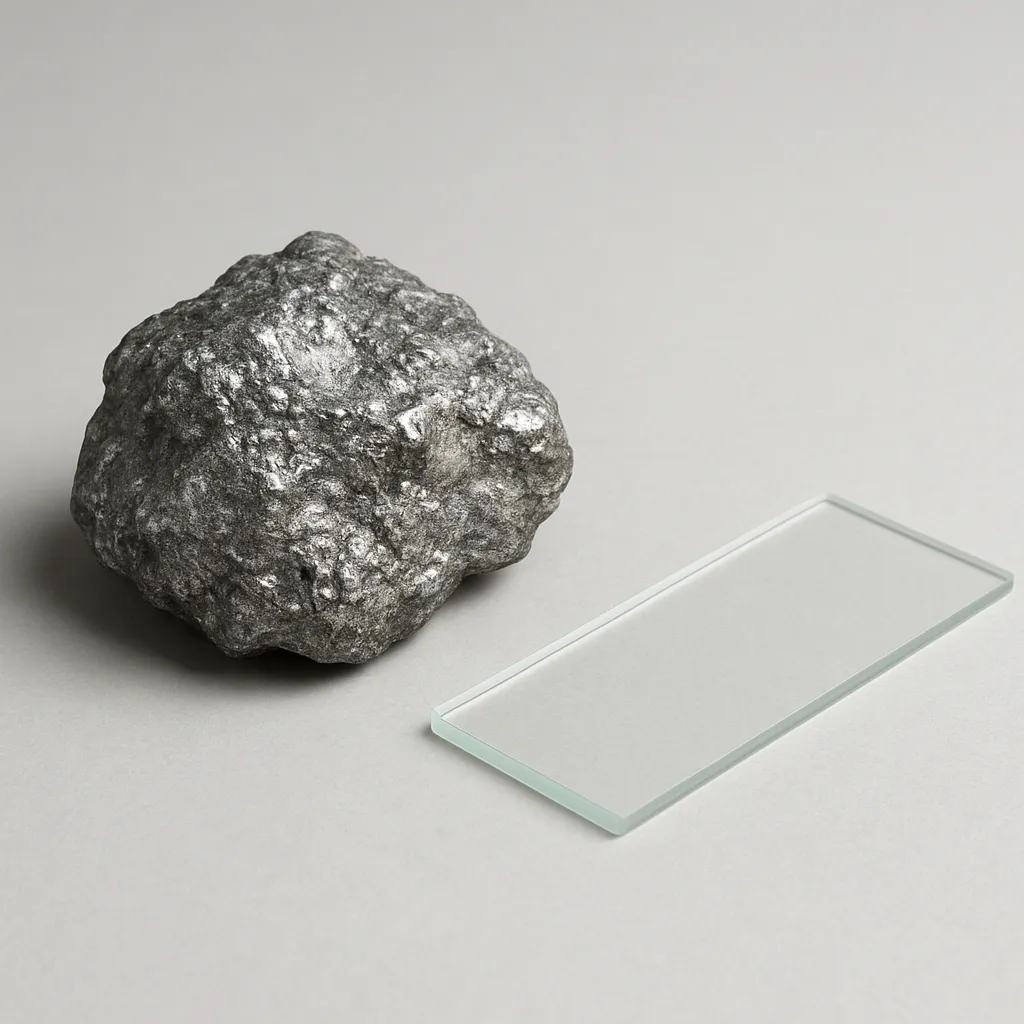
A brassy yellow unknown has metallic luster, leaves a greenish-black streak, and scratches glass. The best match from pyrite, sulfur, gold, and galena is what?
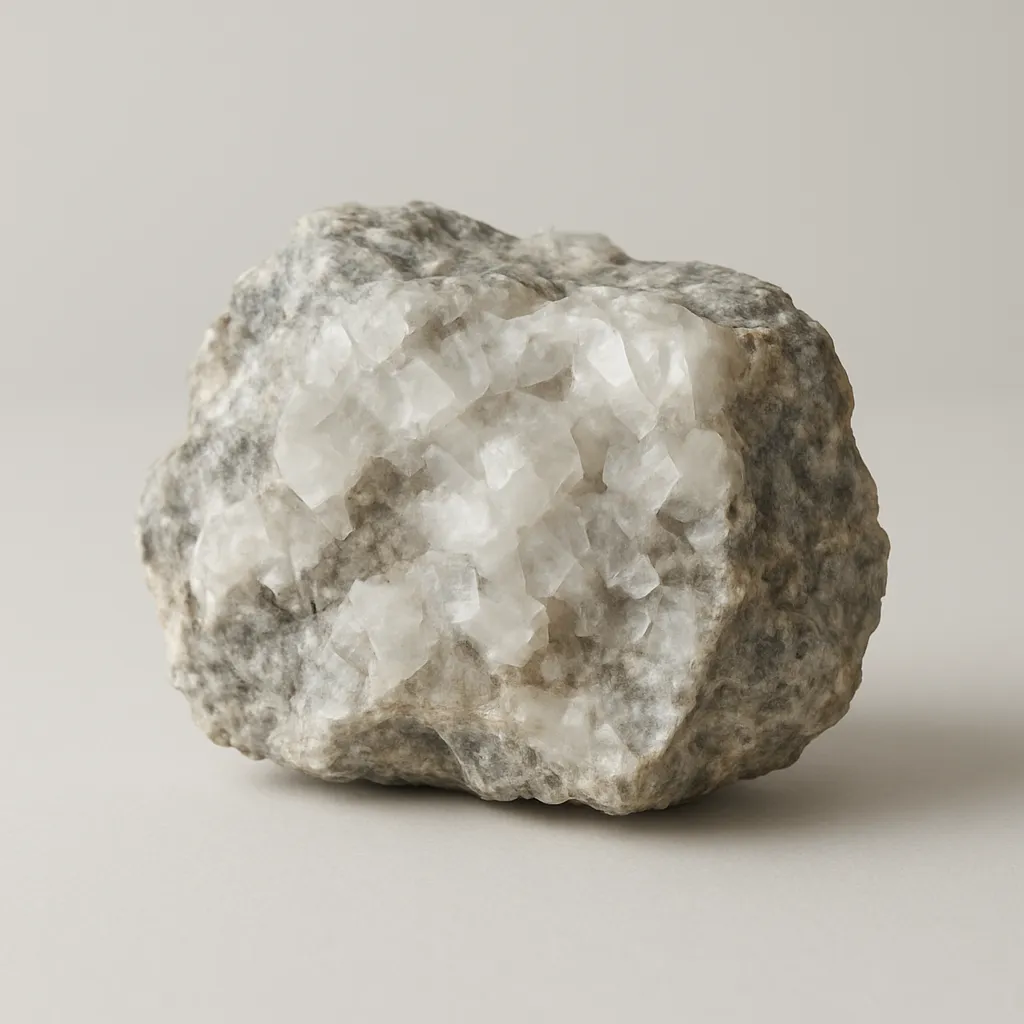
A clear unknown is glassy, is scratched by a copper coin, has a white streak, and breaks into rhomb-shaped pieces. From calcite, quartz, halite, and gypsum, identify the sample.
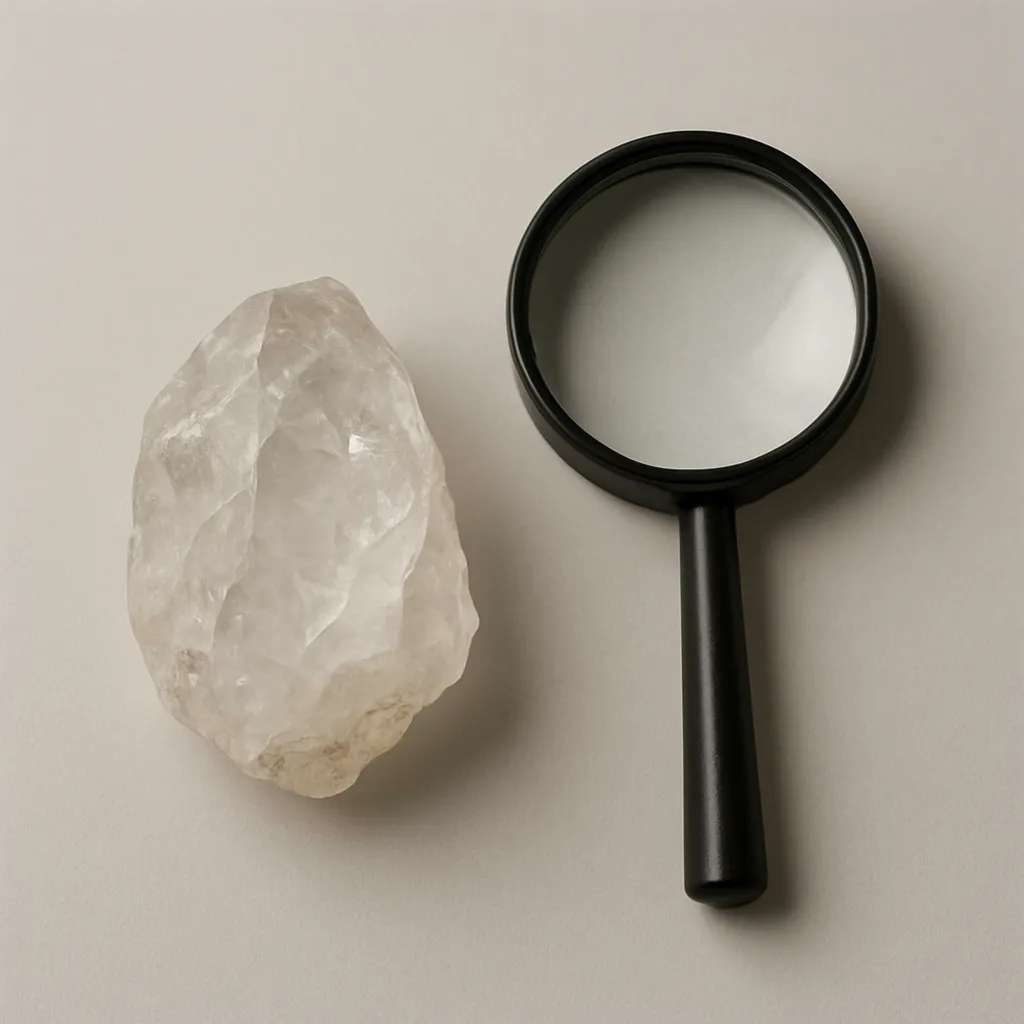
The candidates are gypsum, quartz, feldspar, and pyrite. An unknown can be scratched by a fingernail, leaves a white streak, and is harder than talc. What is the unknown?
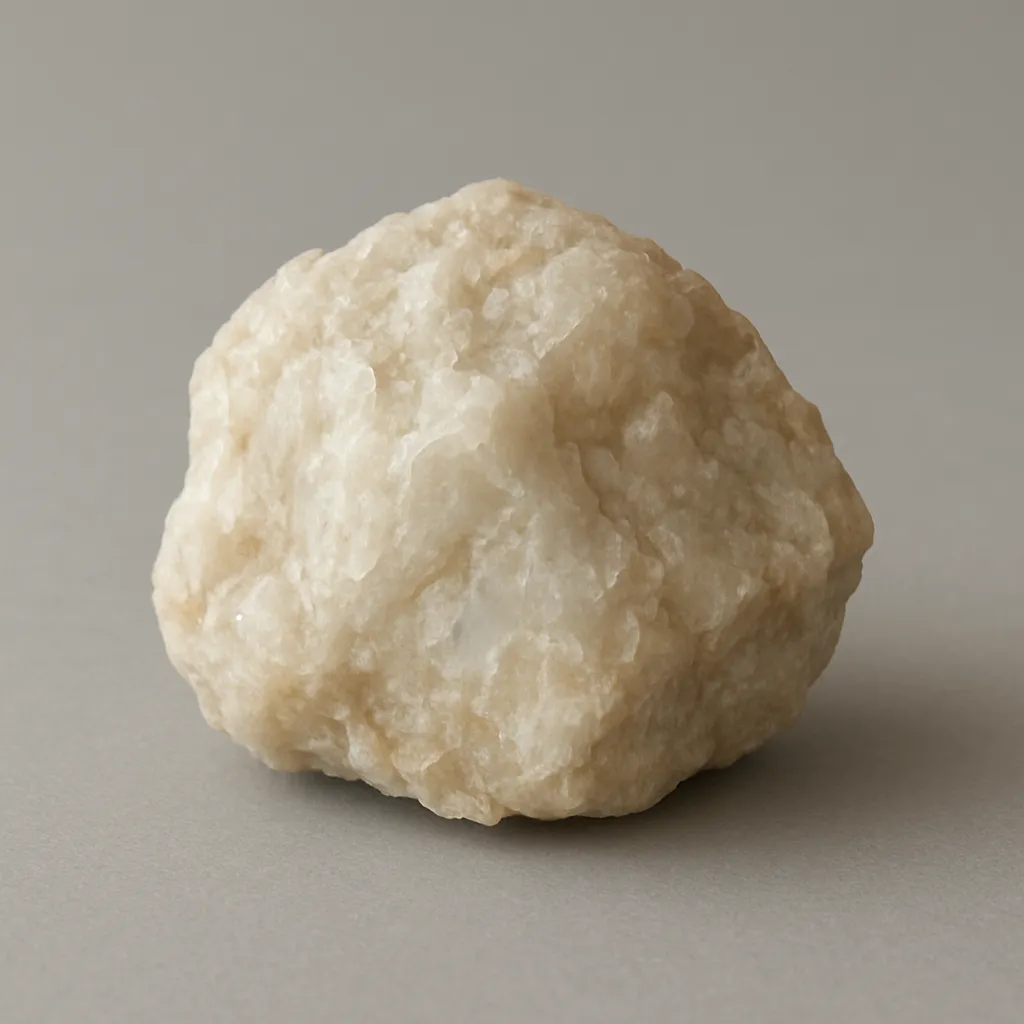
Mineral X is very soft, feels greasy, leaves a white streak, and a fingernail easily scratches it. Choose the name that matches those tests: talc, calcite, quartz, or hematite.
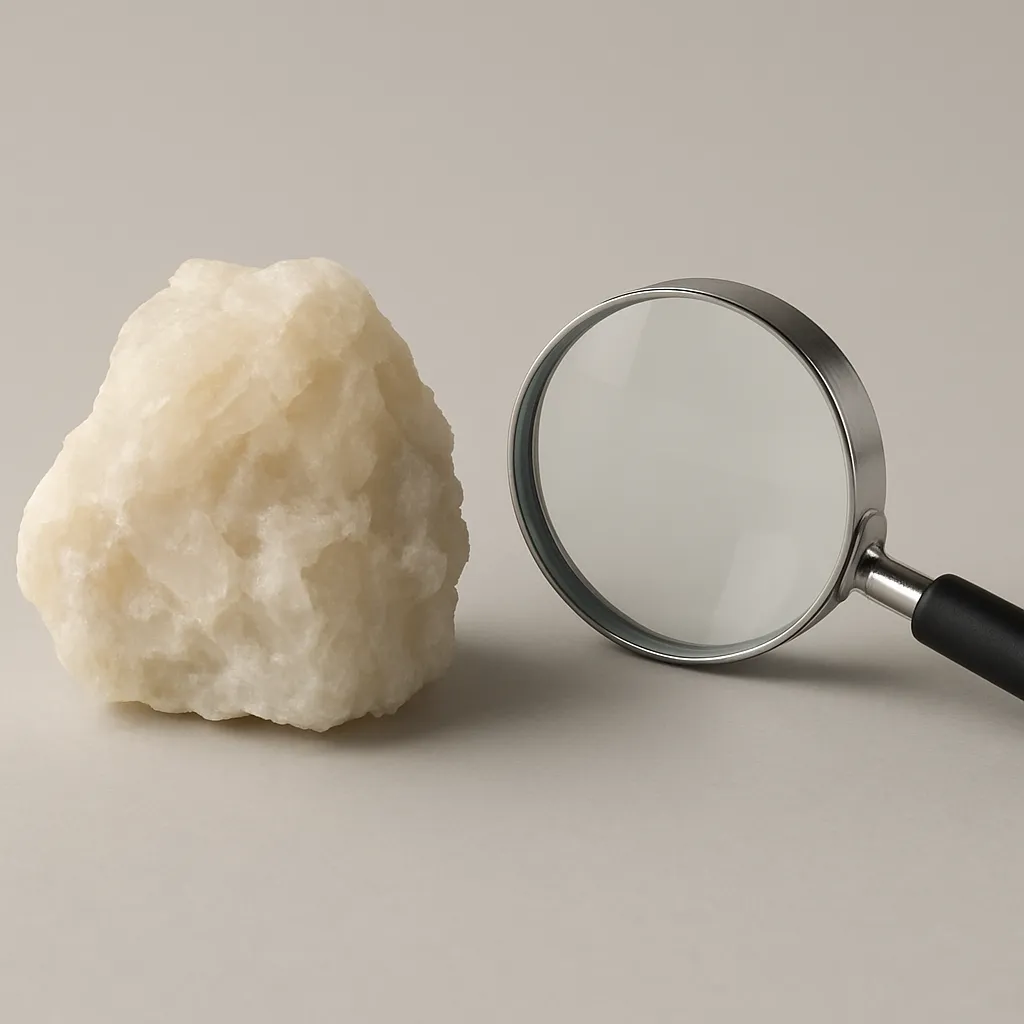
A lead-gray unknown has metallic luster, a dark gray streak, cubic cleavage, and hardness near 2.5. This evidence points to which mineral: galena, quartz, gypsum, or sulfur?
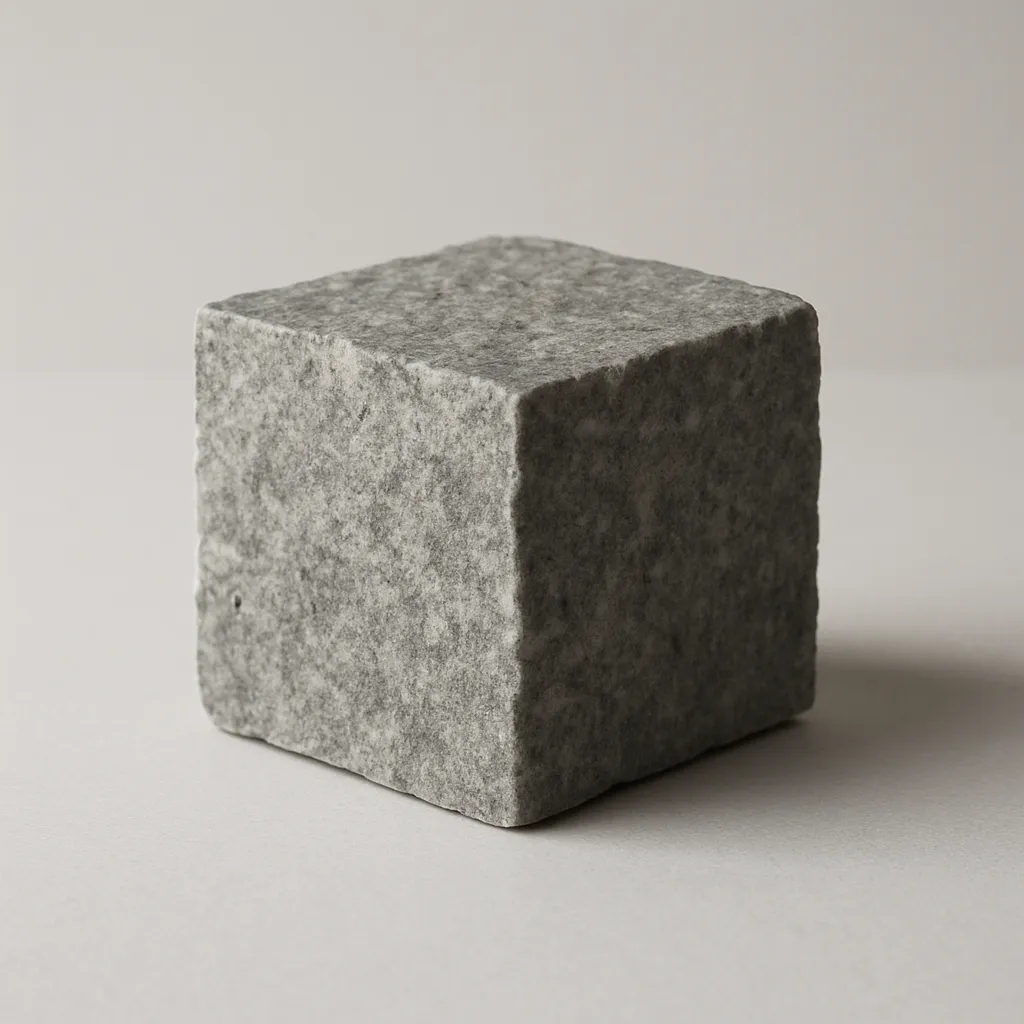
A clear unknown forms cube-shaped pieces, has glassy luster, leaves a white streak, and a fingernail can scratch it. Name the mineral from halite, quartz, feldspar, and hematite.
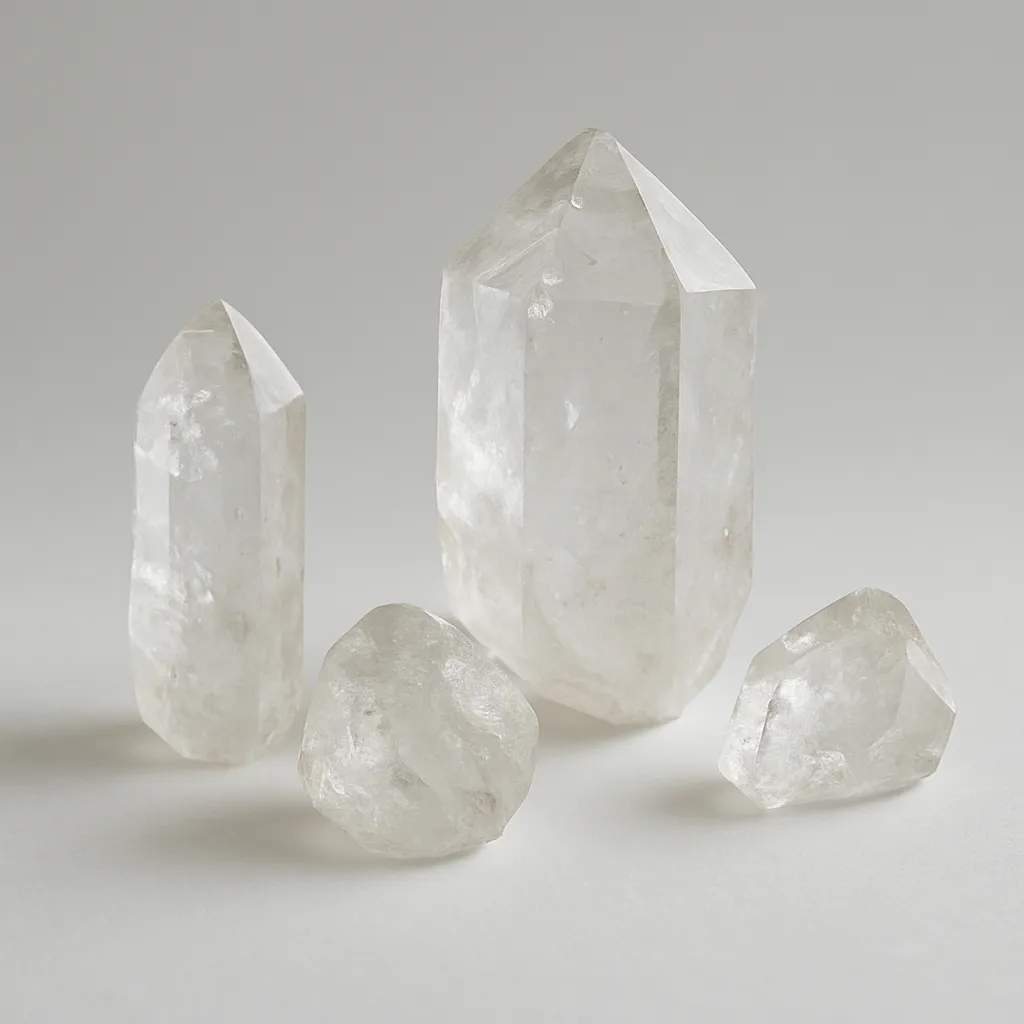
A pale unknown peels into thin flexible sheets, has one perfect cleavage direction, and is scratched by a metal point. What mineral matches: muscovite mica, quartz, pyrite, or hematite?
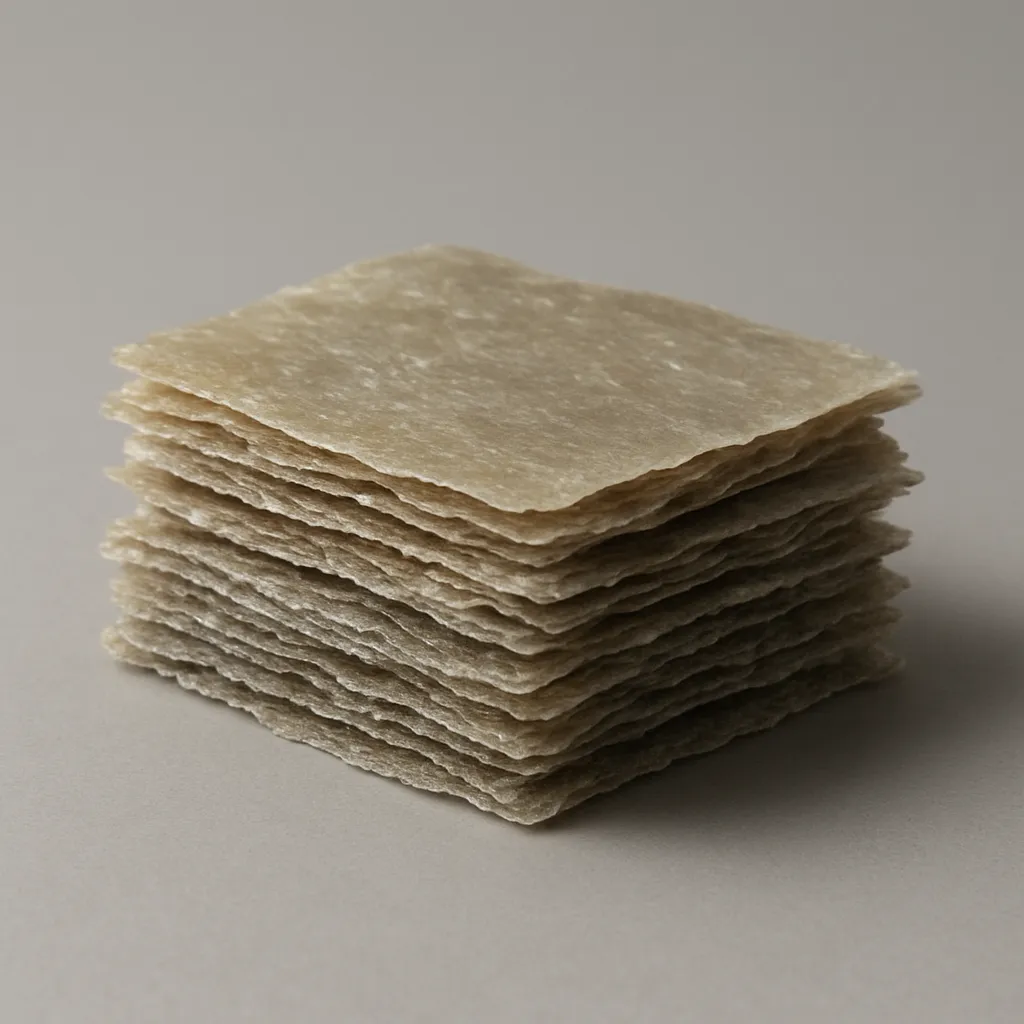
A black unknown leaves a black streak, has dull to metallic luster, feels slippery, and marks paper. From graphite, galena, quartz, and feldspar, name the mineral.
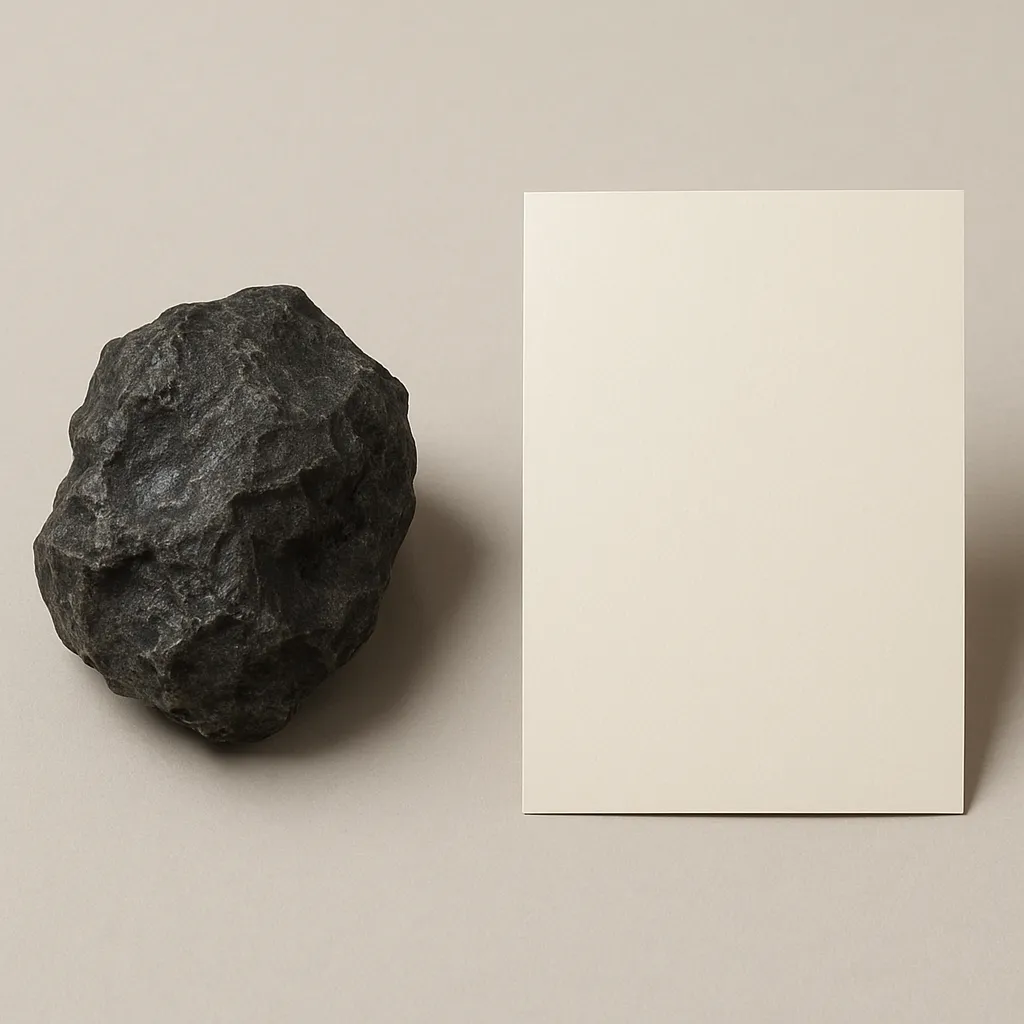
A yellow unknown leaves a yellow streak, has resinous luster, and is easily scratched by a fingernail. The evidence best identifies sulfur, pyrite, calcite, or quartz?
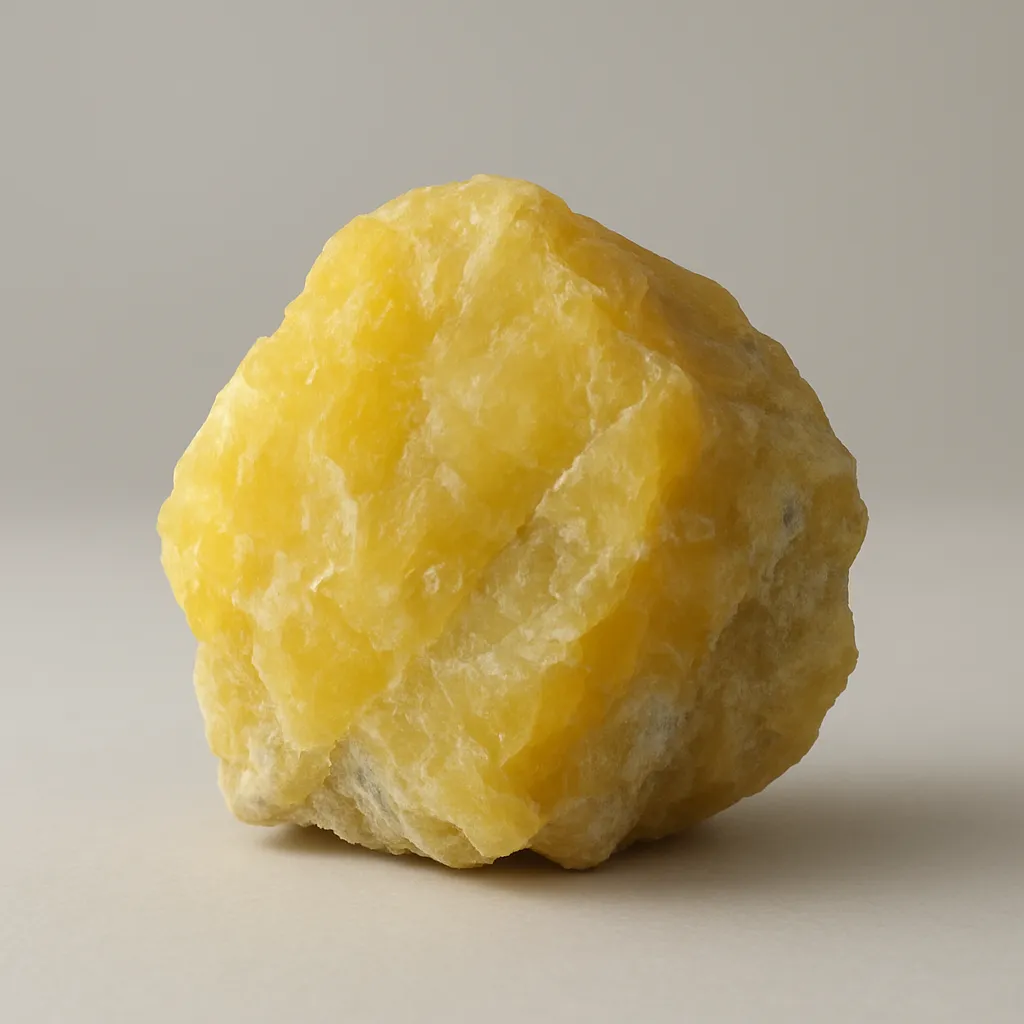
A glassy unknown scratches glass, leaves a white streak, and breaks with curved uneven surfaces instead of cleavage. From quartz, halite, gypsum, and talc, what is it?
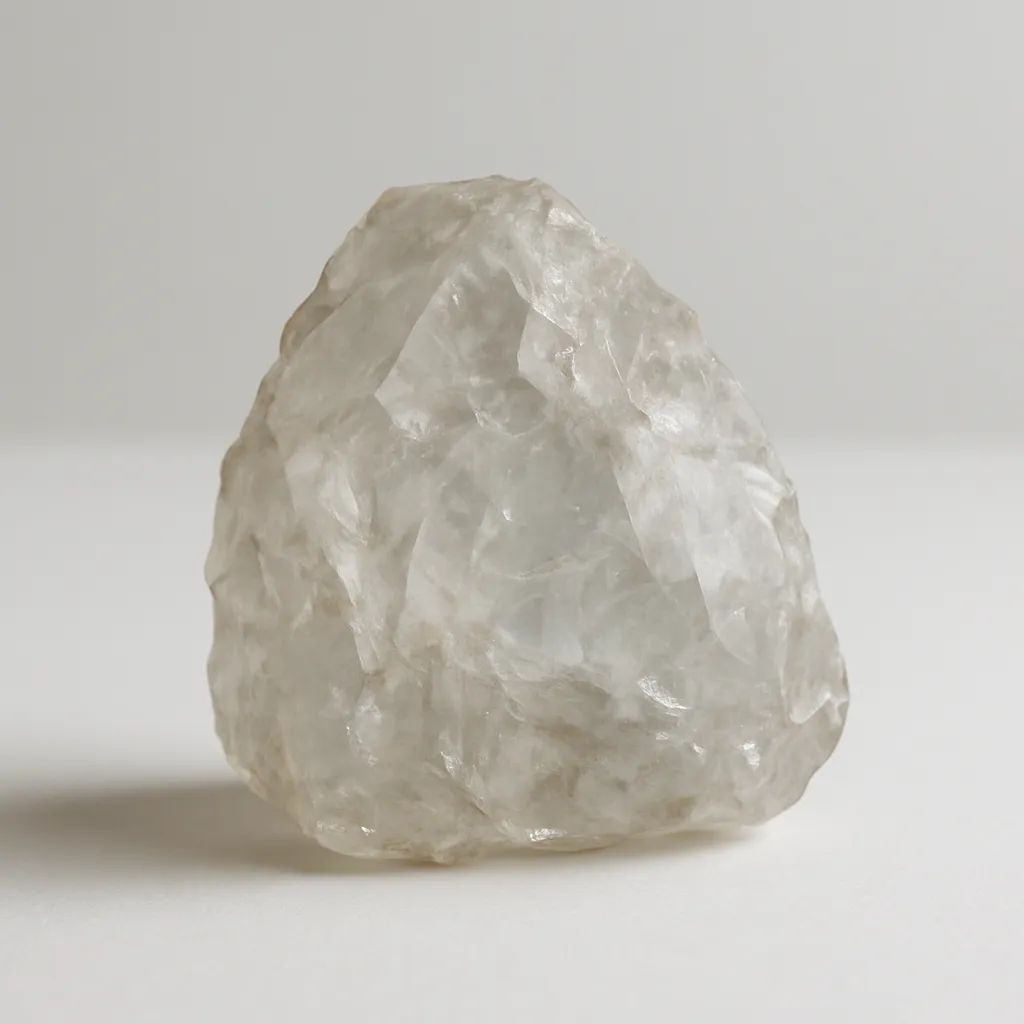
A student thinks an unknown is quartz. It scratches glass, leaves a white streak, has glassy luster, and splits into thin elastic sheets. What result rules out quartz?
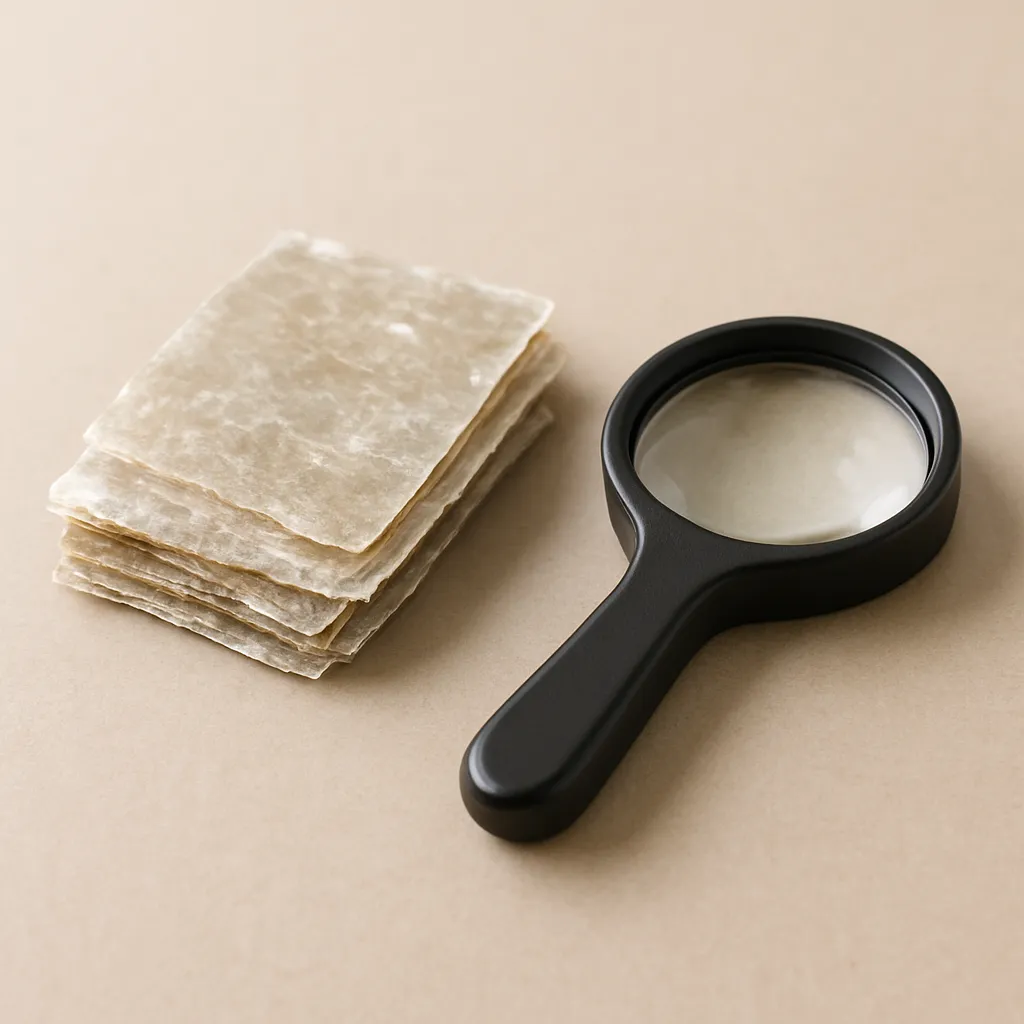
A lab card lists quartz, topaz, corundum, and diamond. An unknown scratches topaz but does not scratch diamond, has no cleavage, and leaves a white streak. Identify it.
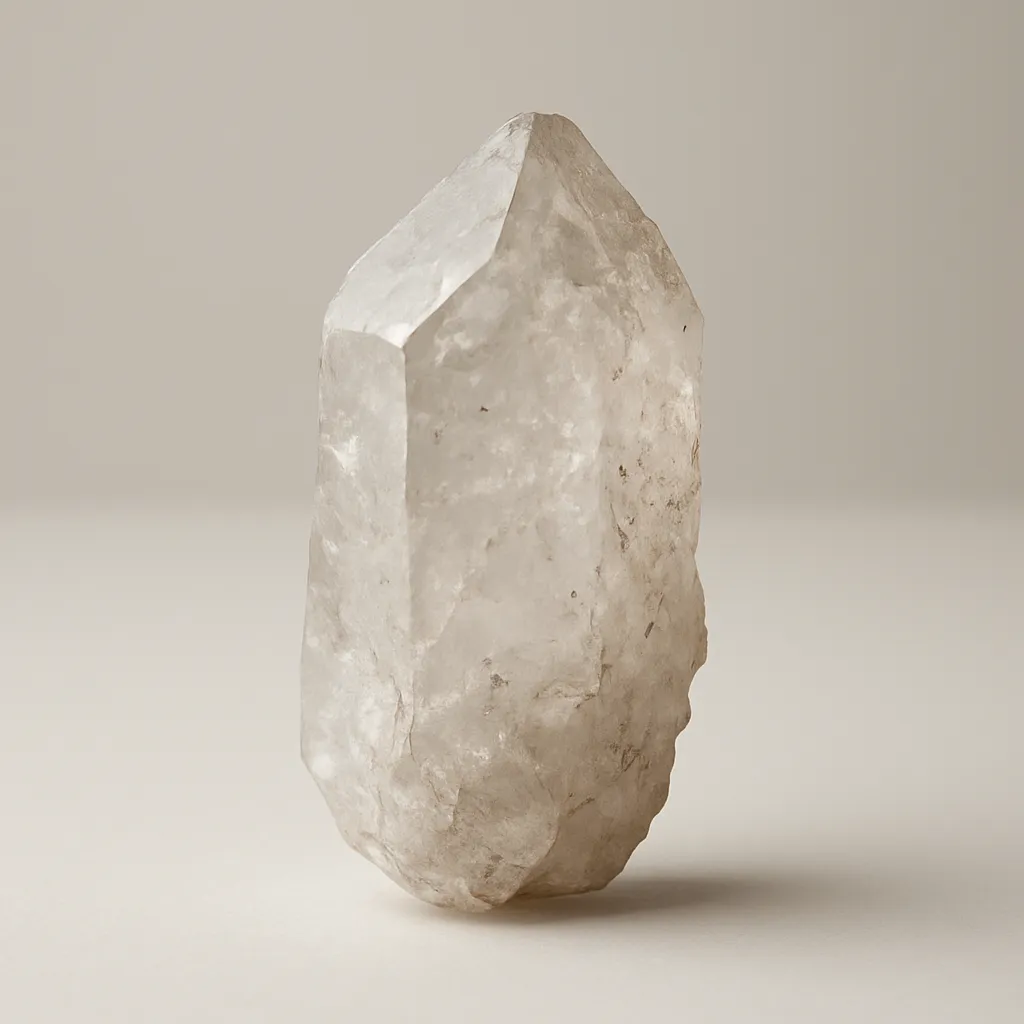
A student sees two silver minerals with different powdered colors. What test best finds the powder color left by each mineral?
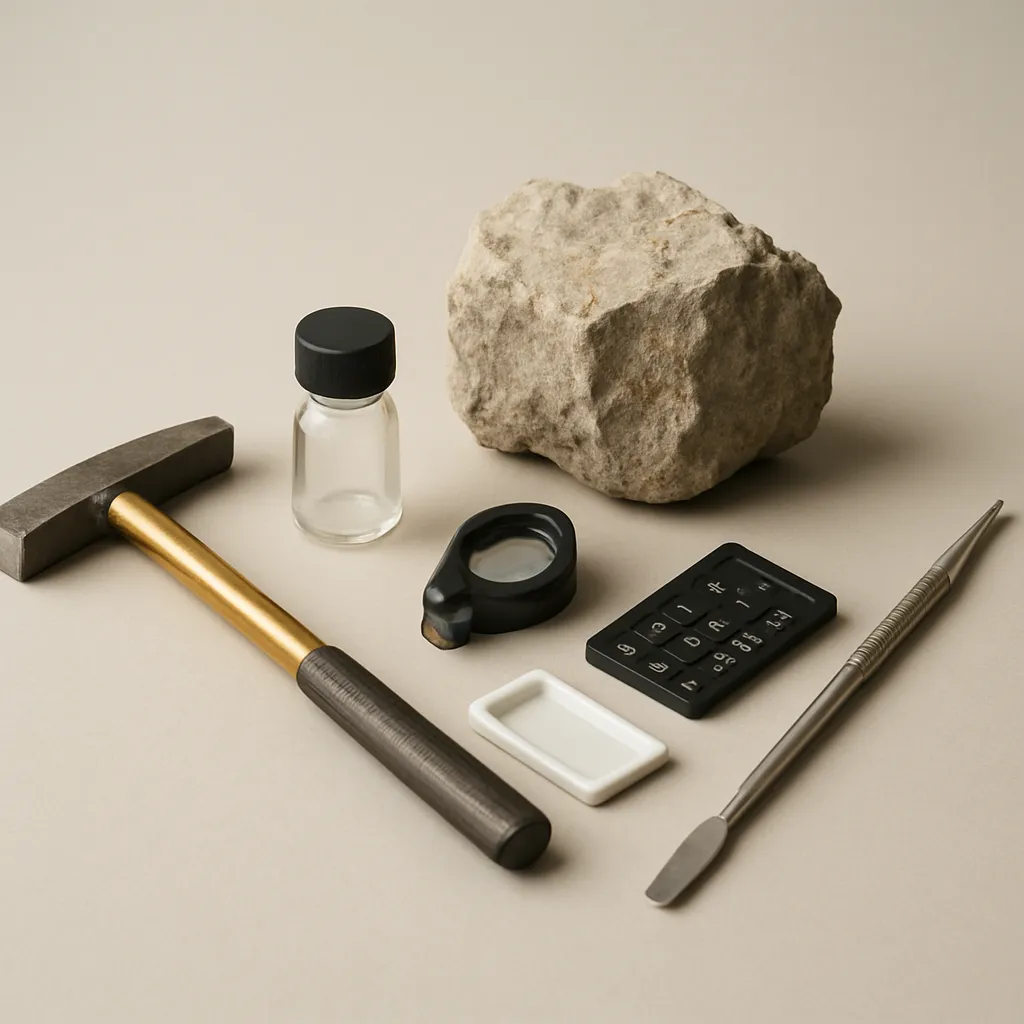
A class needs to know whether an unknown is harder than glass. What test should compare the mineral with a glass plate?
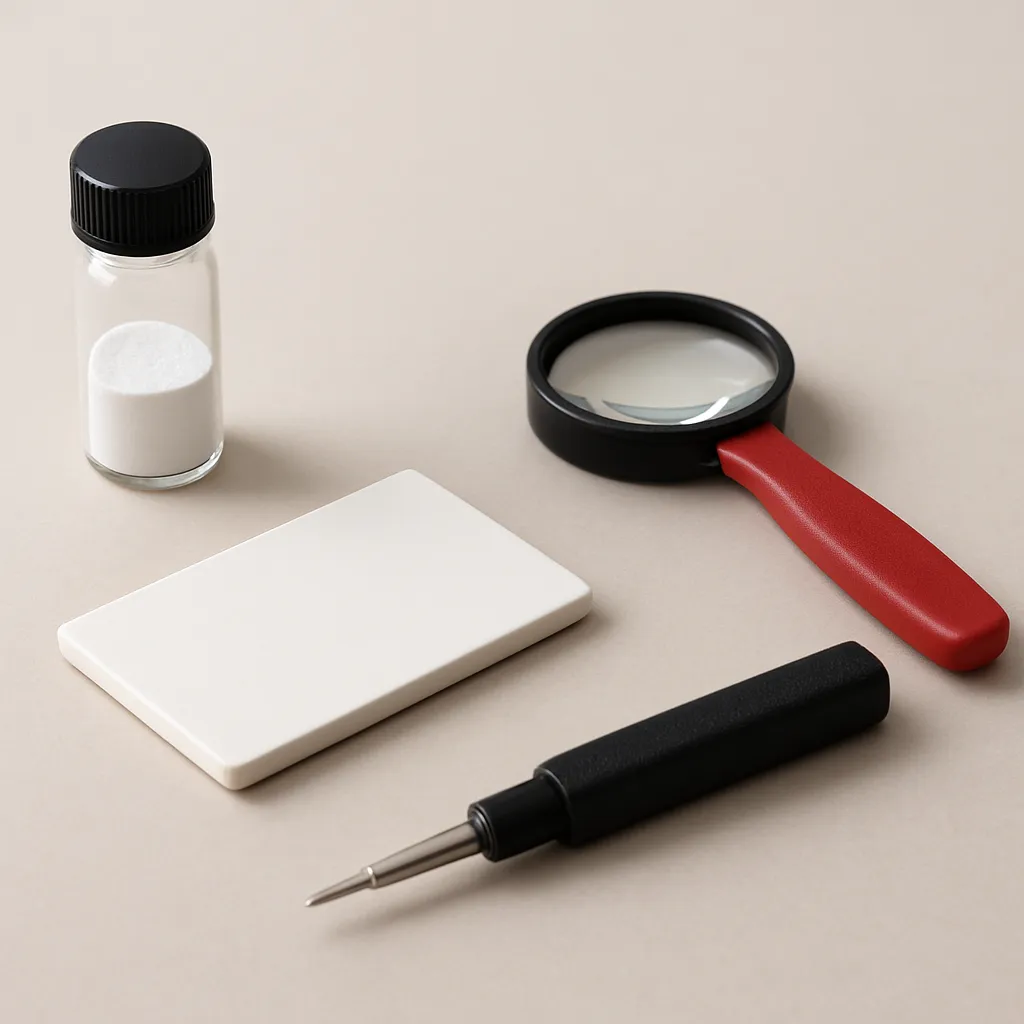
A sample breaks during handling, and the student wants to know whether it separates along flat repeating planes. What observation answers that question?
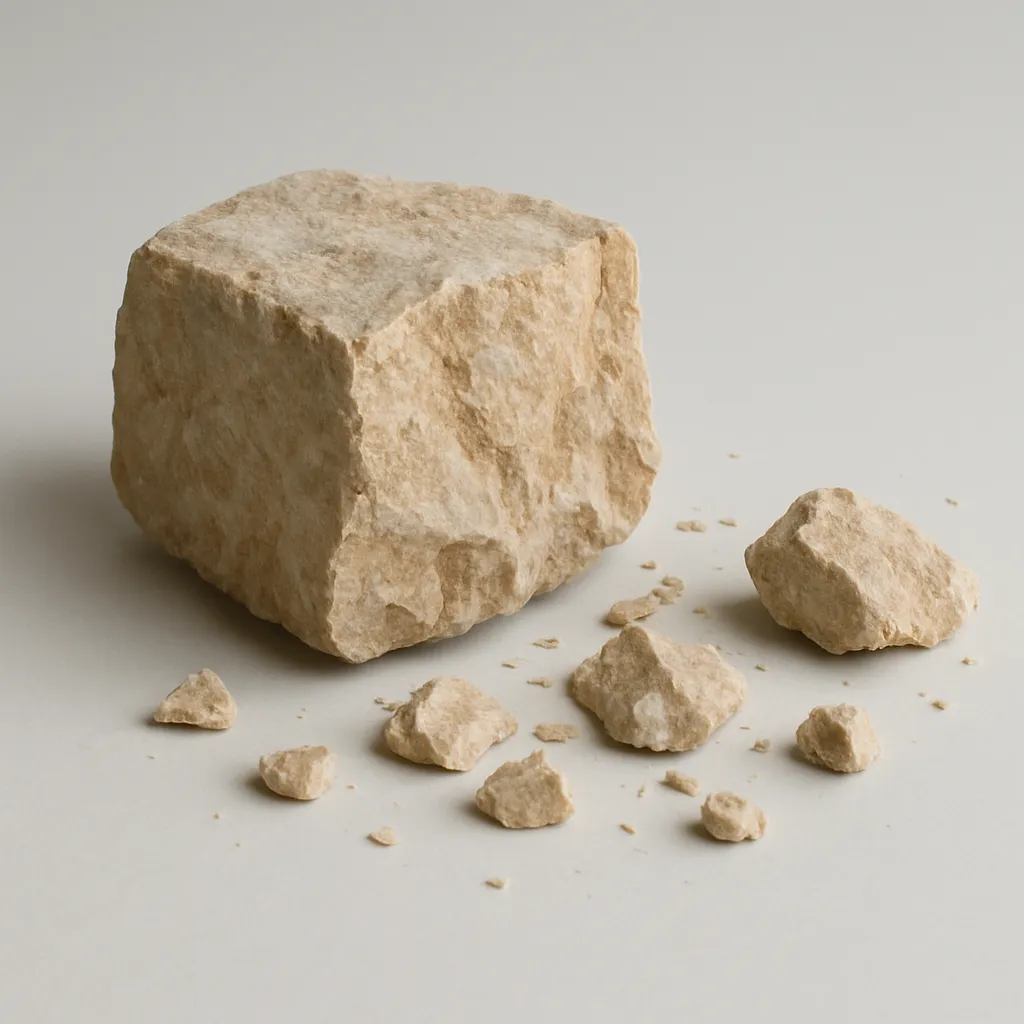
A dark mineral may be metallic or dull. What observation should the student make to describe how its surface reflects light?
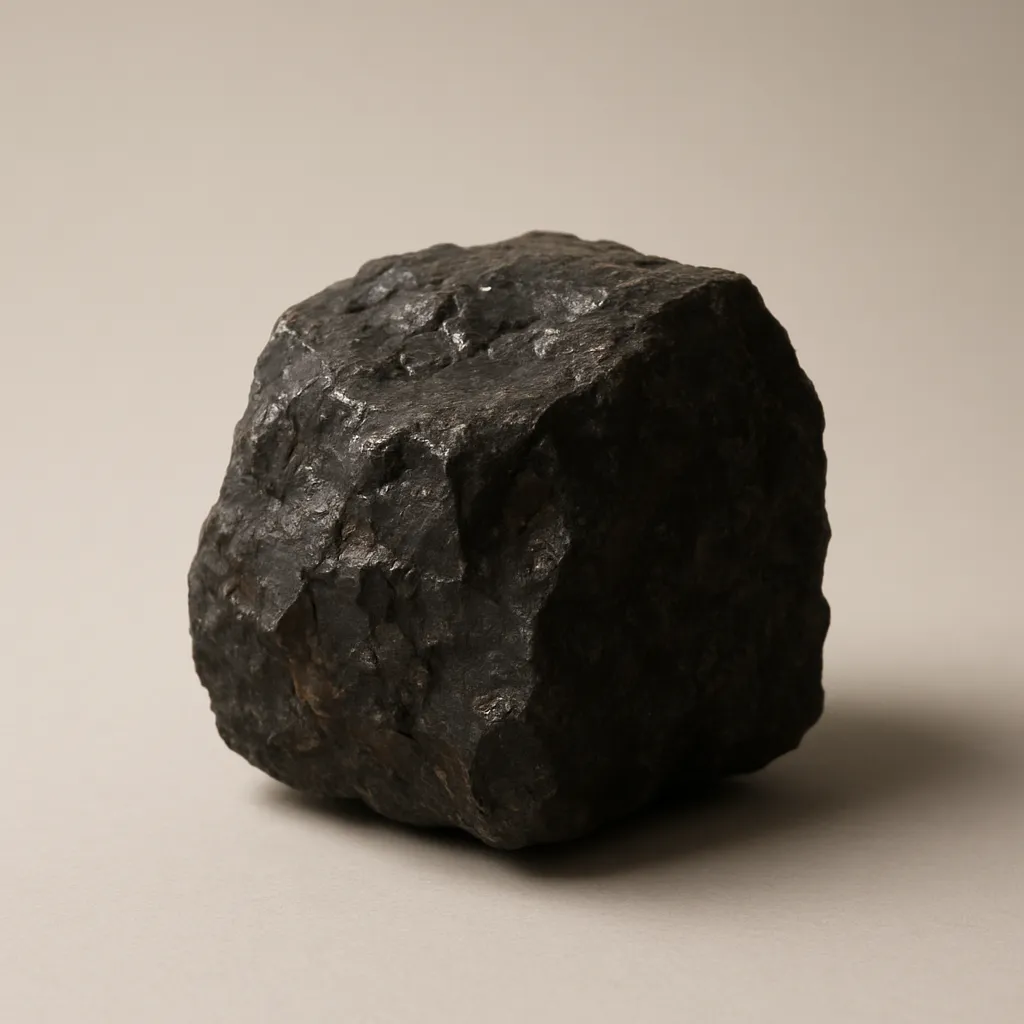
Two clear samples look alike. One is quartz and one is calcite. Which test result shows that a sample is the quartz?
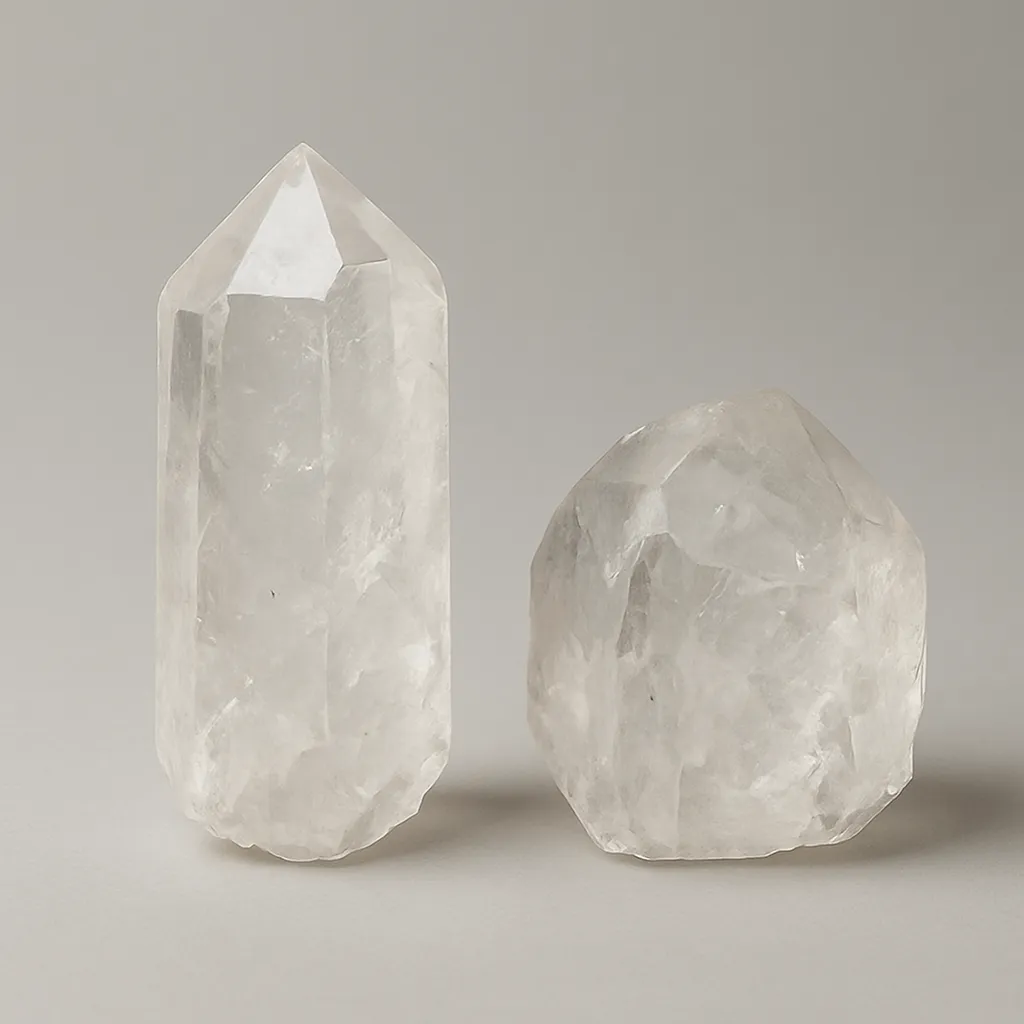
The Mohs scale ranks minerals by hardness from 1 to 10. Which mineral is at the bottom of the scale as the softest?
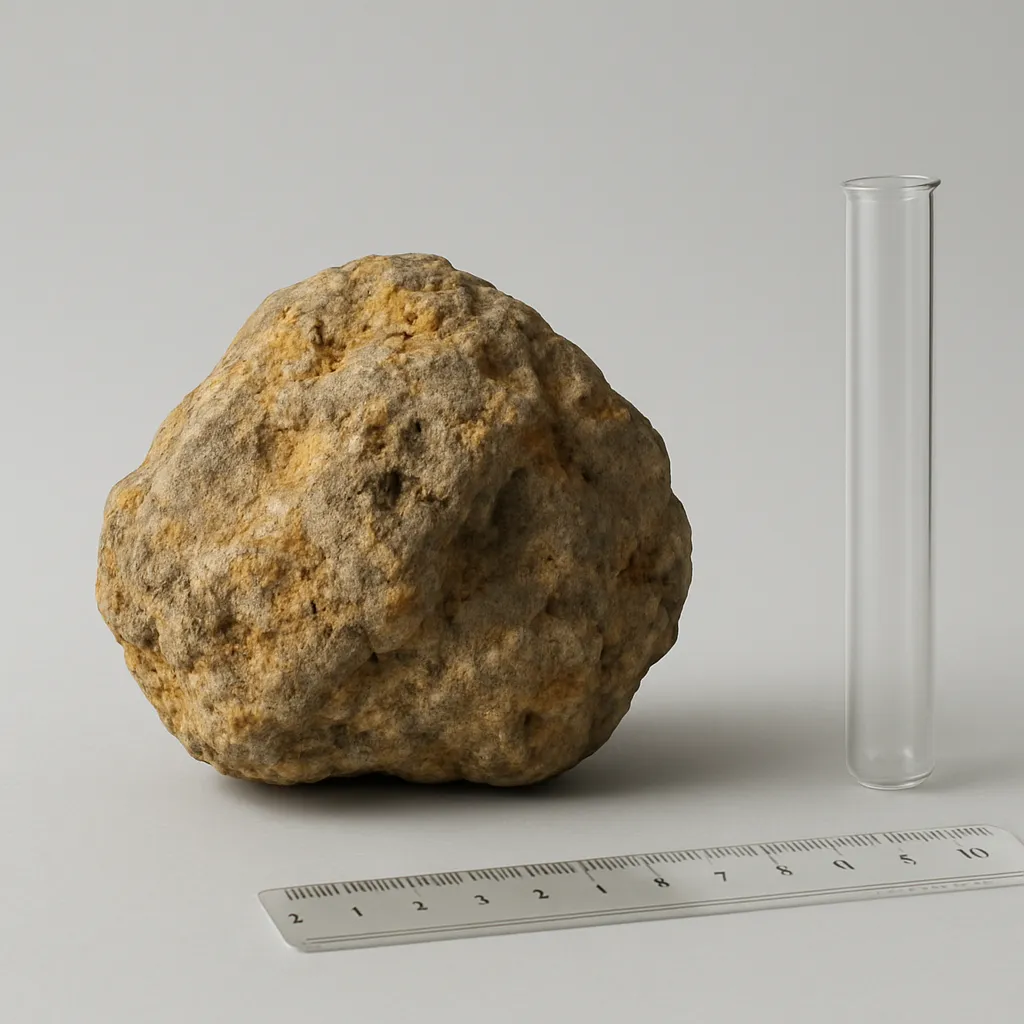
Mica peels apart into thin, flat sheets like the pages of a book. In how many directions does mica show cleavage?
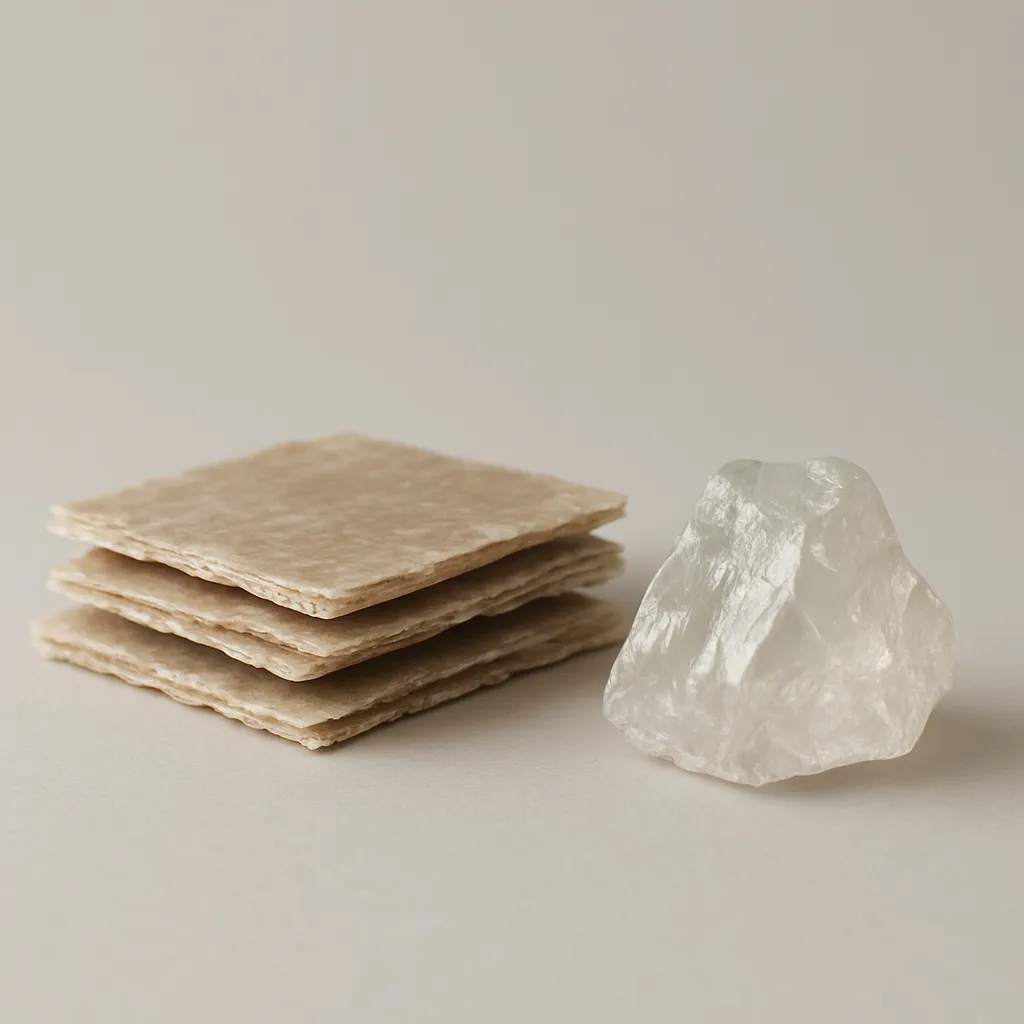
Pyrite and quartz are both minerals. Which statement is part of the definition of a mineral?
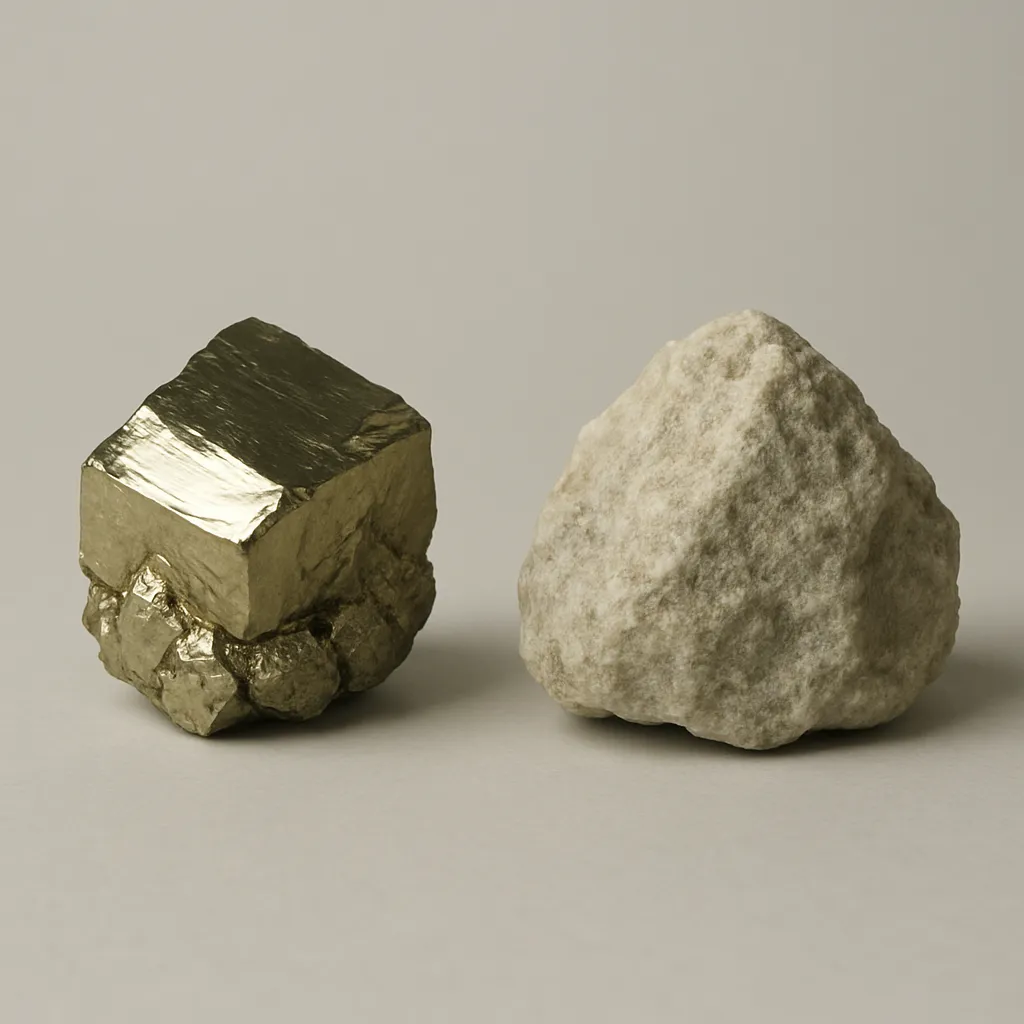
A copper coin cannot scratch an unknown mineral, and the mineral cannot scratch a glass plate. What does this show about the mineral's hardness?
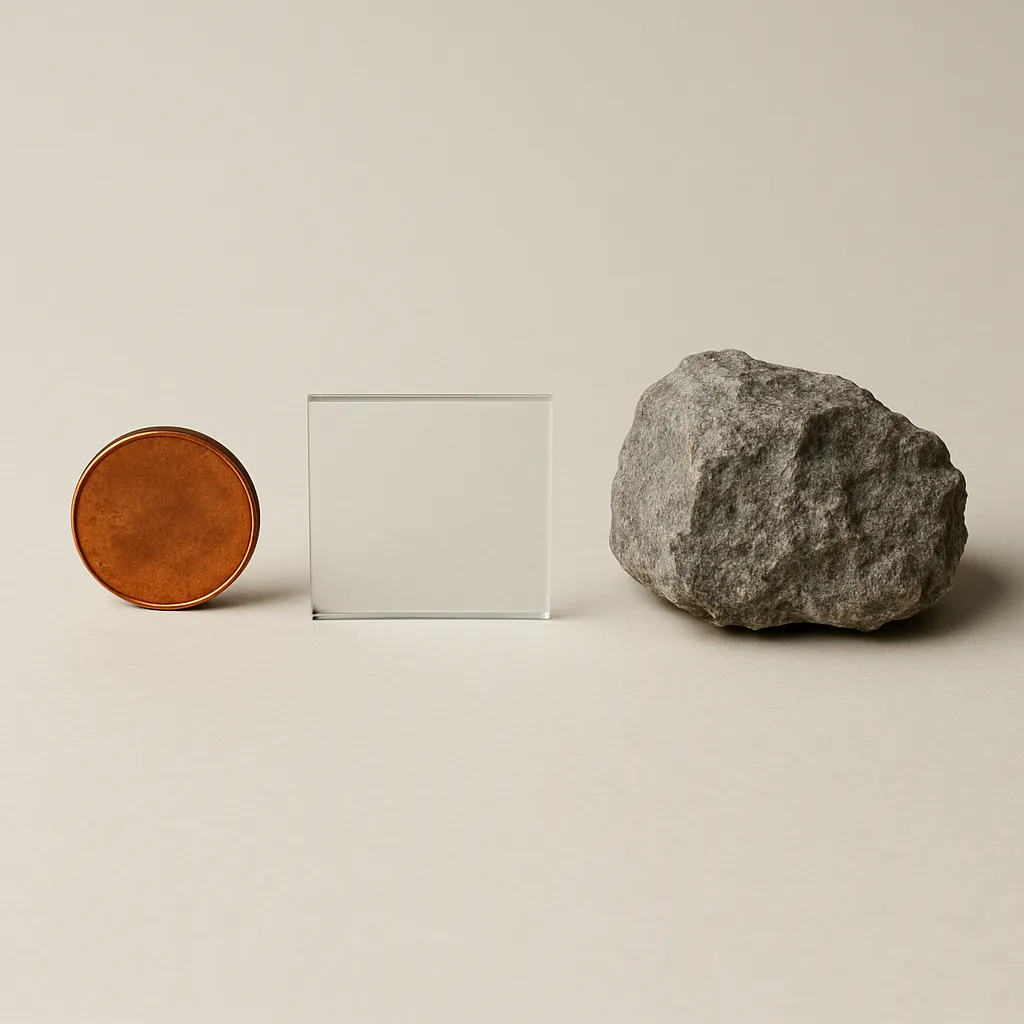
A teacher asks whether a mineral's red-brown mark comes from the mineral itself or dirt on its surface. What test should the class repeat on a clean plate?
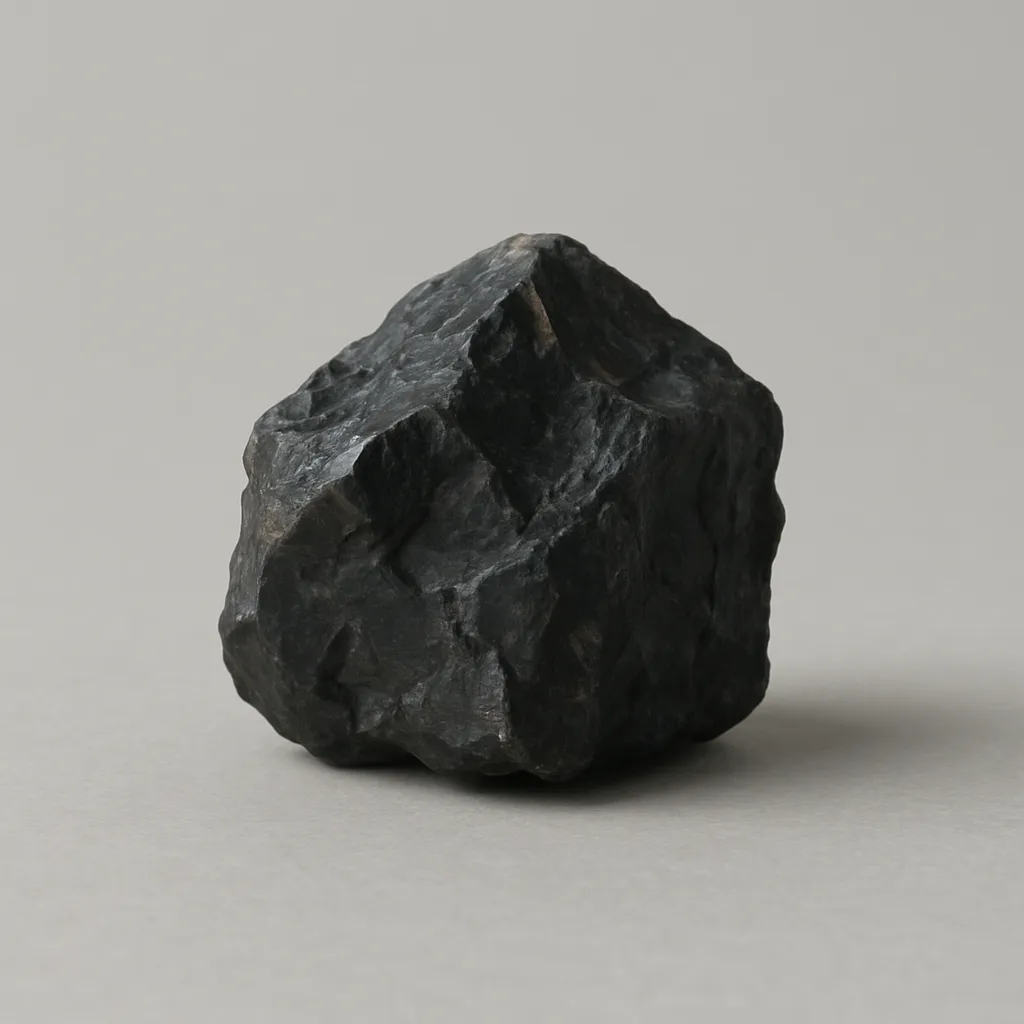
A naturally occurring inorganic solid has one definite composition and cubic cleavage throughout the sample. Is it a mineral or a rock?
A granite sample contains visible quartz, feldspar, and mica crystals mixed together. Is the sample a mineral or a rock?
A hand sample has light and dark bands made of several different mineral grains. Is the sample a mineral or a rock?
A clear quartz crystal has the same composition throughout and shows the same hardness on every clean face. Is it a mineral or a rock?
Sandstone is made of sand grains cemented together, with grains that can include quartz and feldspar. Is sandstone a mineral or a rock?
A gold-colored pyrite cube formed naturally inside a rock. It is not alive and has one definite composition. Is the cube a mineral or a rock?
A dark basalt sample is made of tiny crystals of several minerals packed together. Is the sample a mineral or a rock?
A sample found inside granite is a single feldspar crystal with one composition and two cleavage directions. Is that sample a mineral or a rock?
During a streak test, a mineral leaves powder on an unglazed plate. What does the streak of a mineral mean?
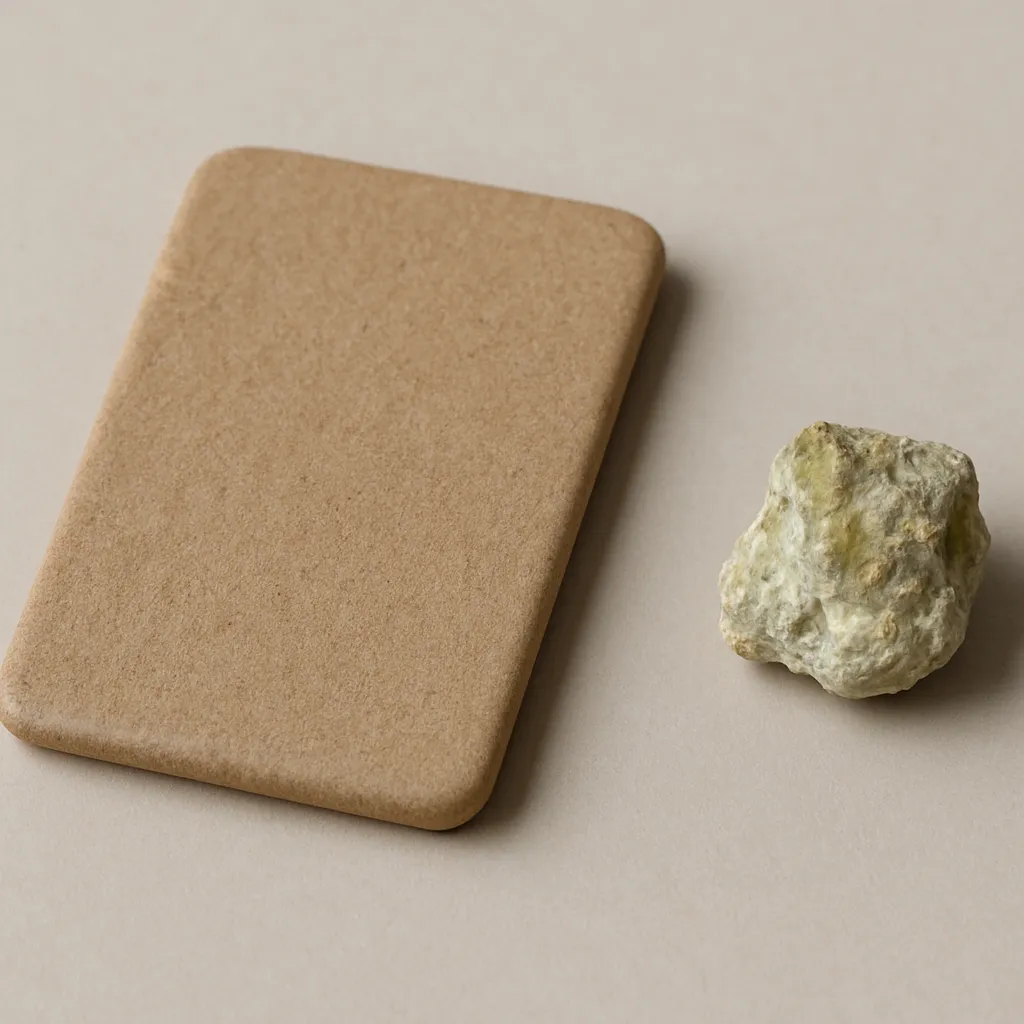
A student's notes say a mineral has metallic luster. What does luster describe?
A mineral scratches calcite but is scratched by quartz. What property is being compared when minerals scratch one another?
A mineral breaks into smooth flat sheets again and again. What property is shown by that kind of breaking?
A purple sample and a clear sample of the same mineral leave the same white powder. Why can streak be more useful than surface color?
Why is a mineral's color alone a weak clue for identifying it?
An unknown mineral scratches a glass plate during a test. What does that result tell about the mineral?
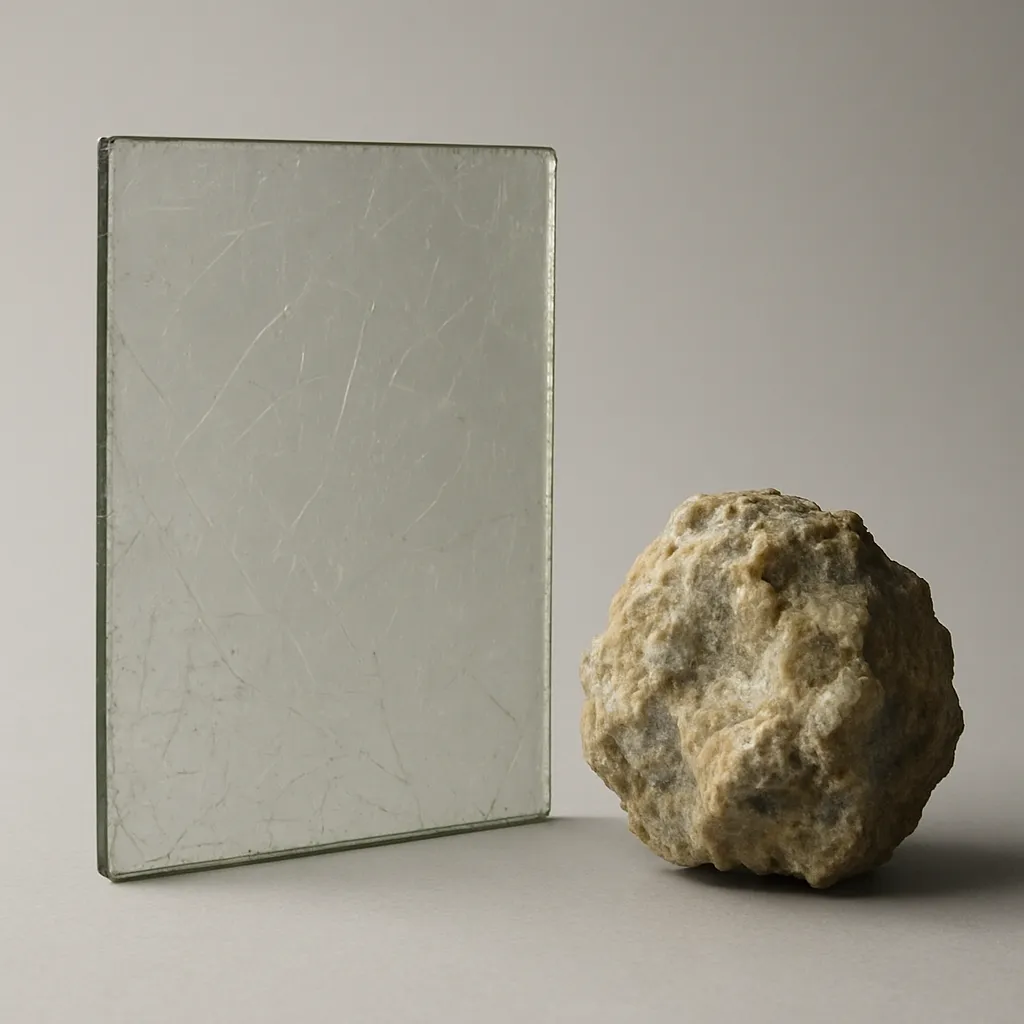
Some minerals do not split along flat planes. Instead they break into rough or curved surfaces, like quartz does. What is that kind of breaking called?
Crack the passcode before the zombies get in.
Answer, then swat bugs for bonus points.
Race through questions at your own speed.
Same question on every screen. Fastest wins.

Pick a tile, answer, hit bonuses and steals.
The Atmosphere and Its Layers
40 questions