Loading
by BlastRoom
Practice air composition, atmospheric layers, and altitude trends.
#atmosphere#us_grade_6_science
40 questions
One question set, multiple game modes. Tap any game to see it in action. Not sure which to pick?
Answer to place stones and capture territory.
Outrun the snow together.
Earn blasts, then hunt the other team.
Answer to earn energy, then climb.

The class blasts through walls together.
Bid on mystery lots. Most money wins.
Sell tours. Nice, standard, or a total scam.

Answer, restock, and serve the rush.
More correct answers pulls the rope your way.
Answer, then shoot down the alien wave.
Answer, then tap to leap the frozen ridge.
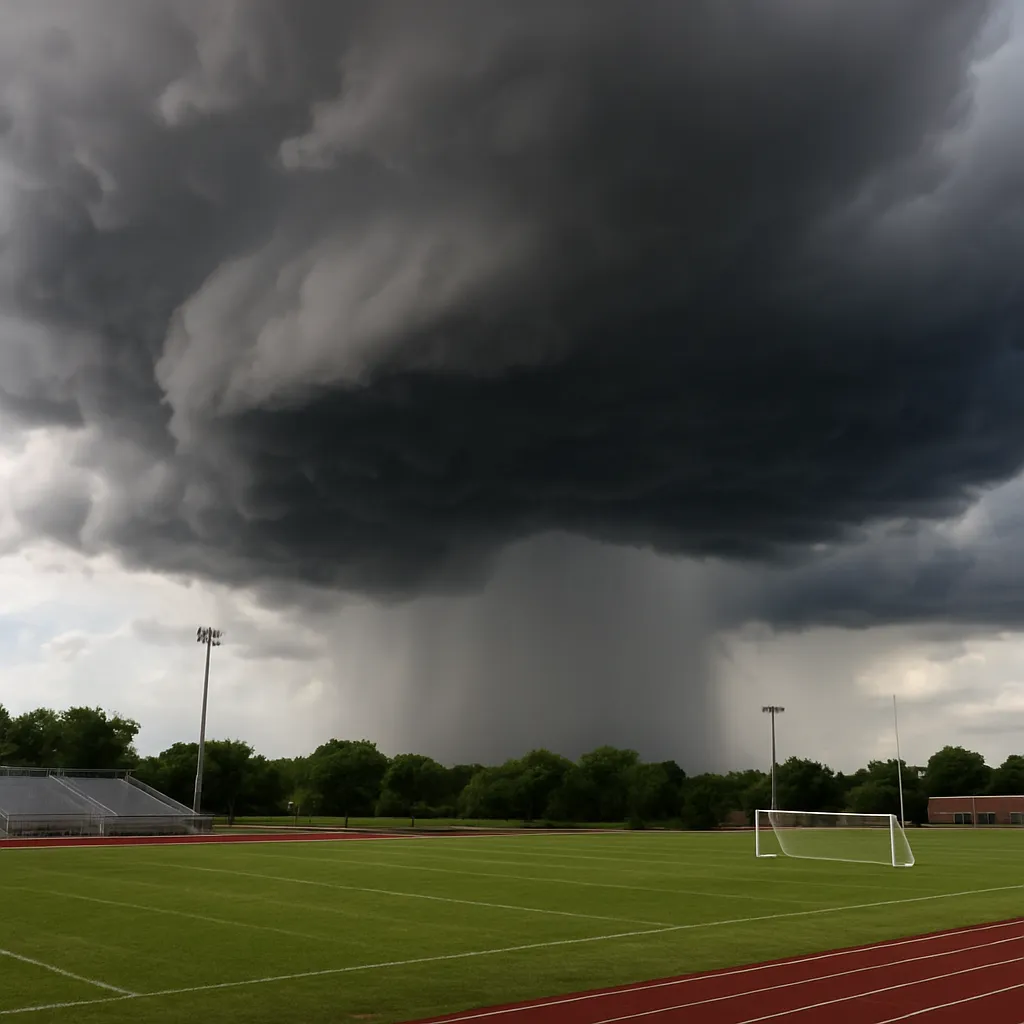
A class records thunder, rain, and wind near the ground during a storm. These weather changes happen in the lowest atmospheric layer, where most water vapor is found. What layer is this?
A dry air sample has about 78% one gas, about 21% oxygen, and small amounts of other gases. What gas makes up the largest share?
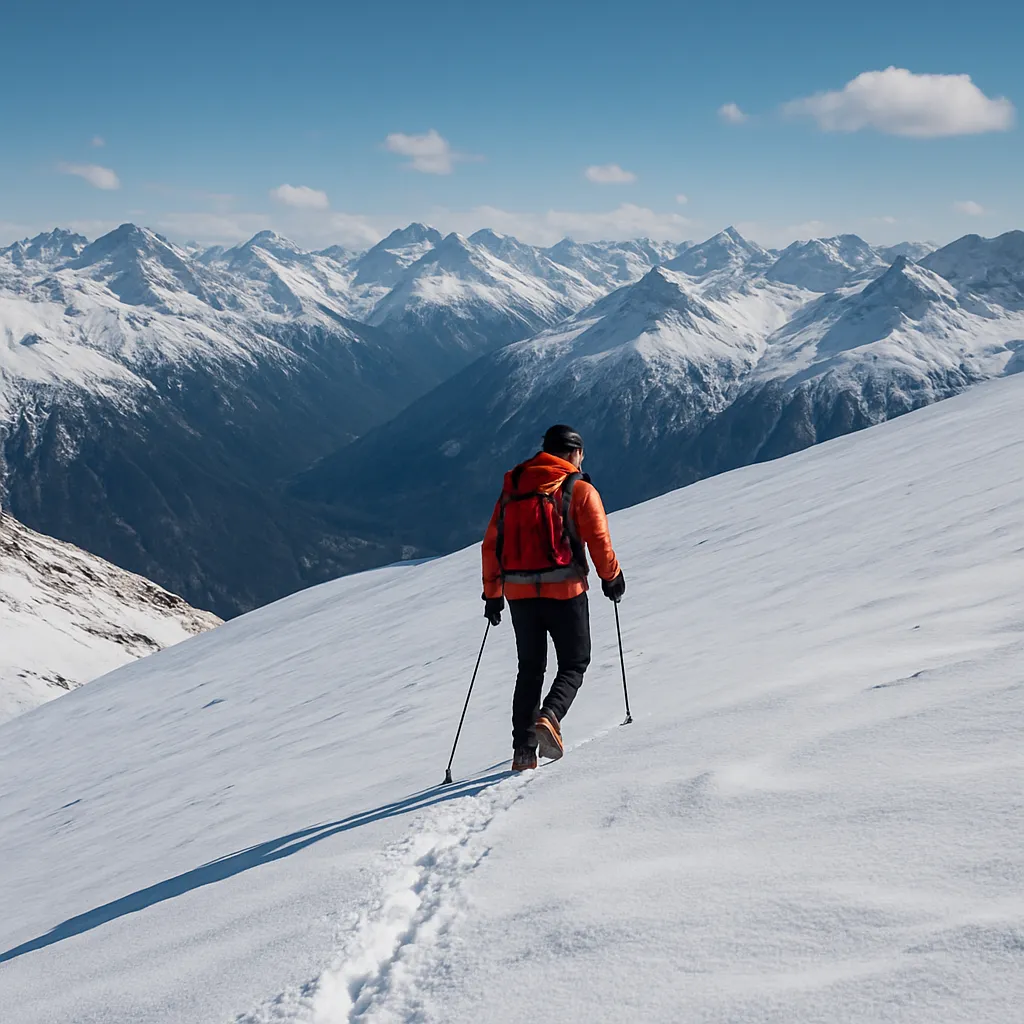
A climber near a mountain summit breathes air that is still about one fifth oxygen. Why does each breath give less oxygen than at sea level?
Some sunlight can damage skin and eyes. A gas concentrated in one atmospheric layer absorbs much of this ultraviolet radiation before it reaches the ground. What gas does this job?

An aircraft instrument reports it is flying above most weather, in a stable layer that contains the ozone layer. What atmospheric layer is the aircraft in?
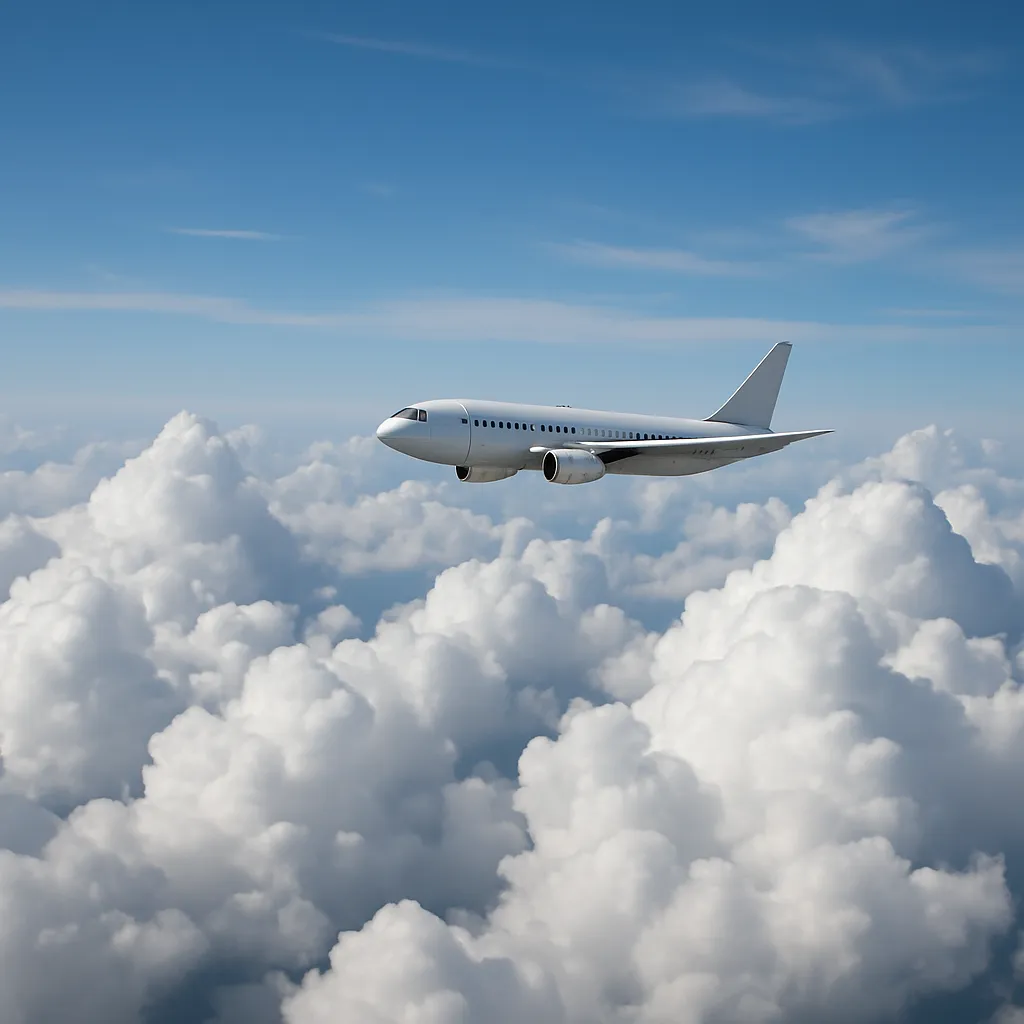
In a dry air model, nitrogen is about four fifths of the mixture. The next largest gas is about one fifth. What is that second most common gas?
A student carries a barometer from a beach to a mountain station 2,000 meters higher. What change should the barometer show?
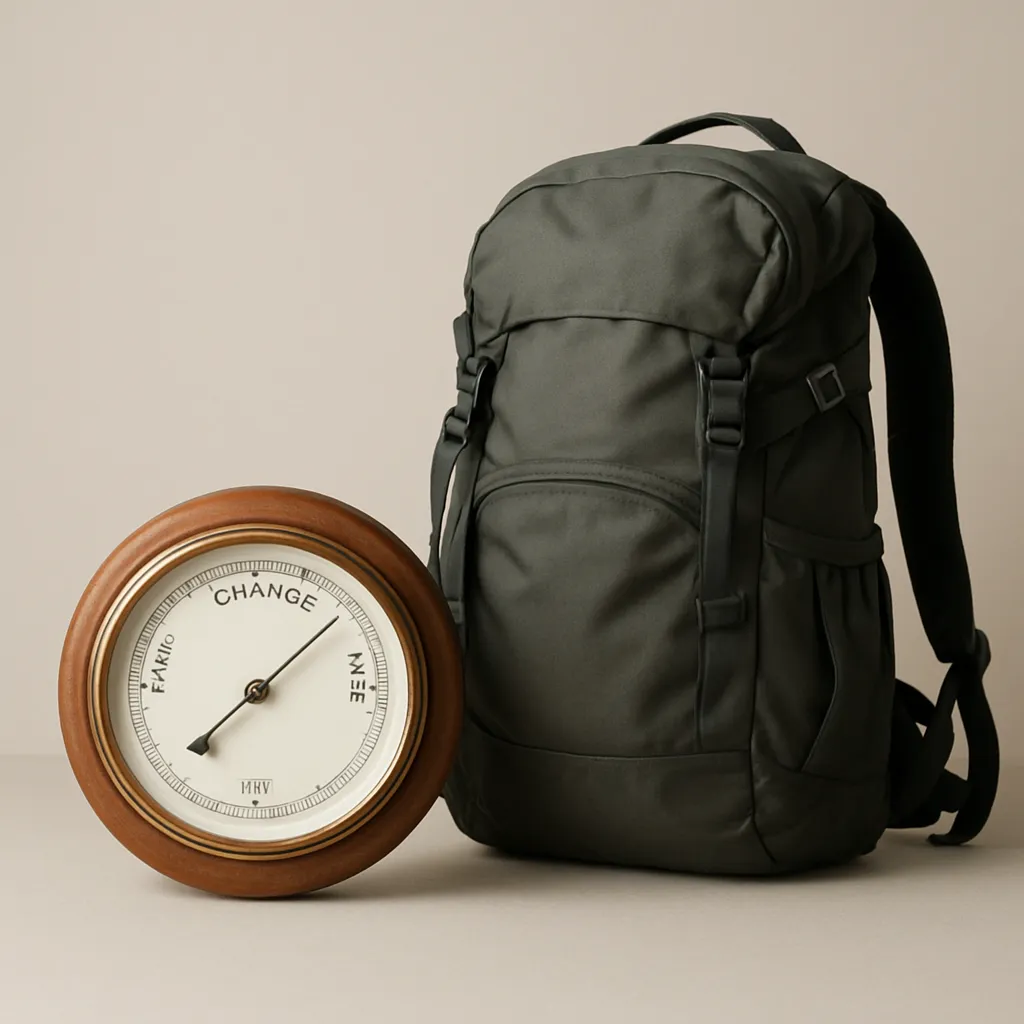
Many small rocks from space enter Earth's air each day. They usually burn up high above the ground. What layer helps protect the surface in this way?
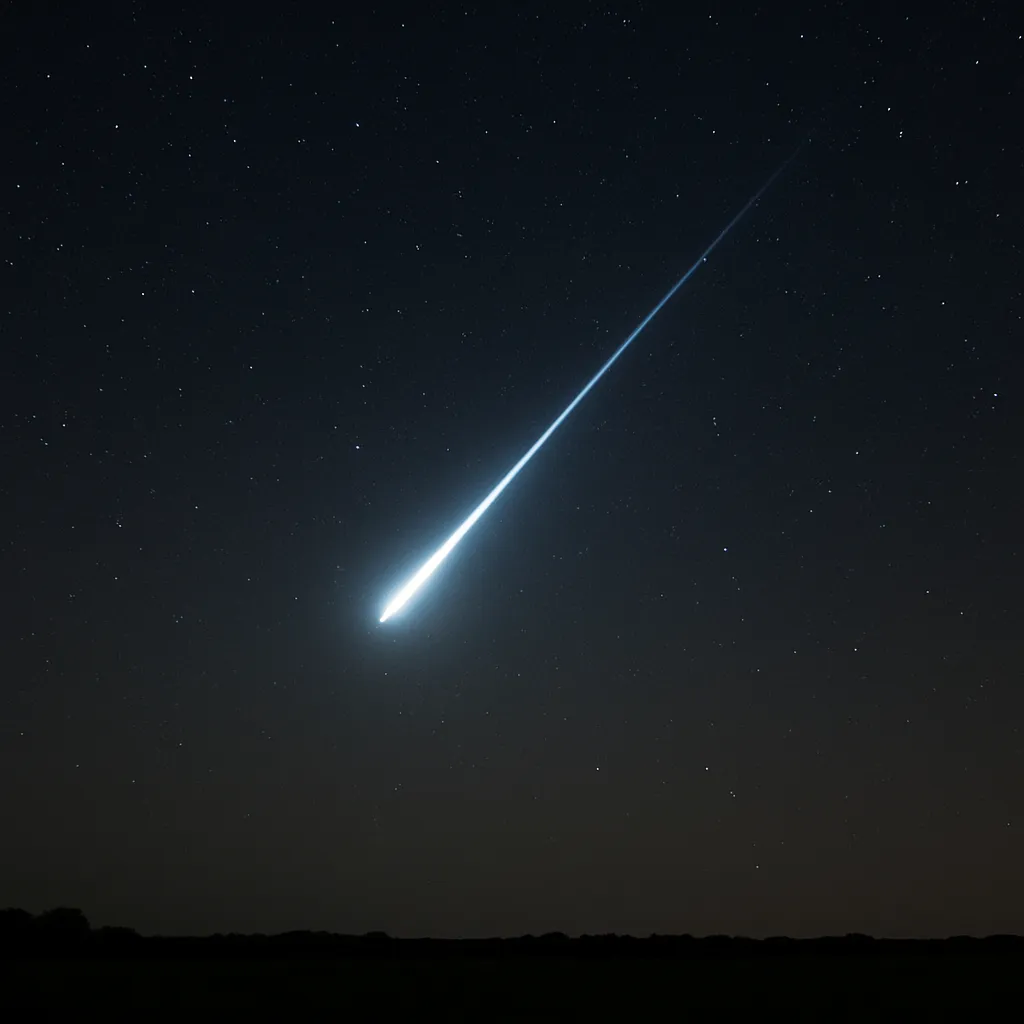
A rocket launches from the ground and climbs into space. Which list gives the atmospheric layers in the order the rocket passes through them?
A pie chart of dry air shows nitrogen 78%, oxygen 21%, argon about 1%, and carbon dioxide about 0.04%. About what share of dry air is made up of all gases other than nitrogen and oxygen?
A hiker goes from a valley to a high ridge within the troposphere on a clear day. What temperature trend is usually expected with increasing altitude?
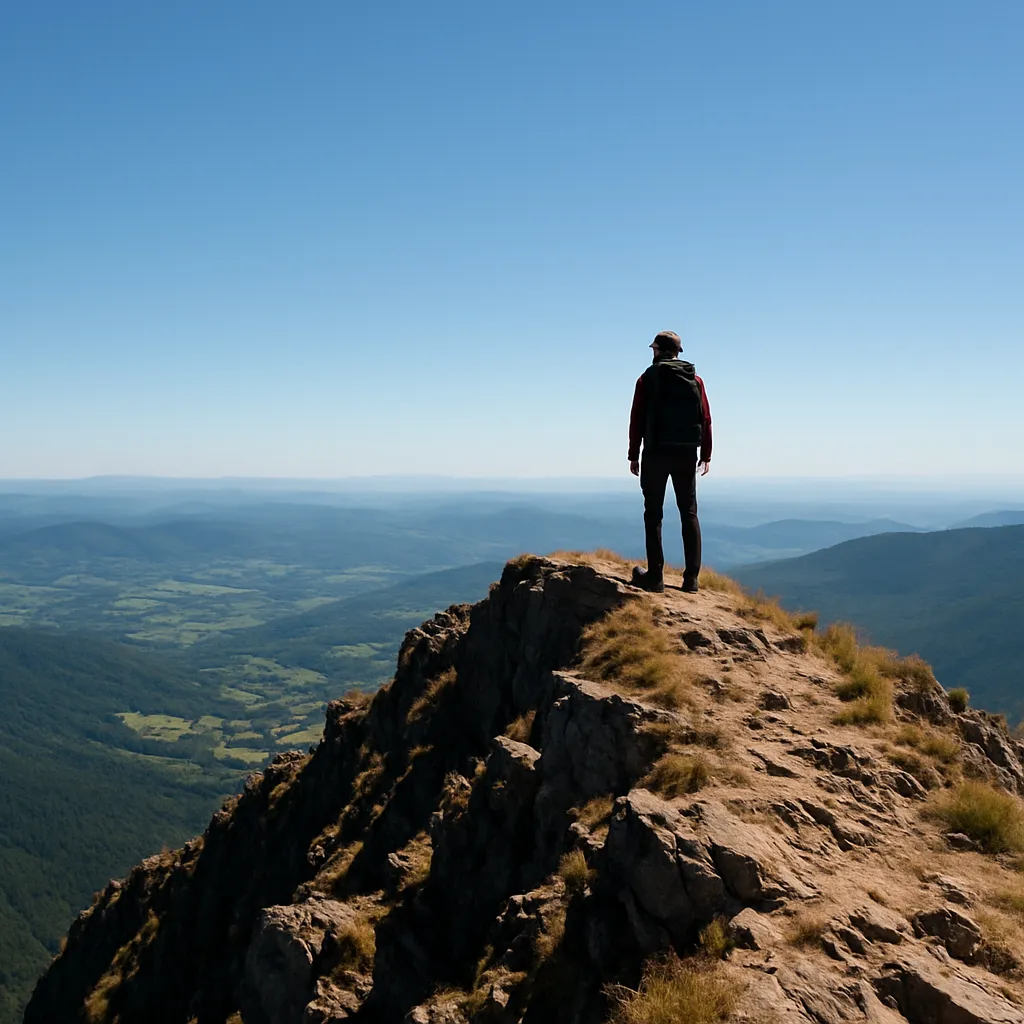
Earth loses energy to space at night, but certain trace gases absorb and re-emit some infrared radiation. What result helps life at the surface?
The International Space Station travels about 400 km above Earth, where air is extremely thin but not absent. What atmospheric layer contains this orbit?
A dry air sample has carbon dioxide at about 0.04%. In a 10,000-part model, that is only about 4 parts. How should carbon dioxide be classified in air?
A pilot at 9,000 meters uses cabin pressure so passengers can breathe comfortably. Outside the plane, how does the air compare with air near sea level?
A park ranger warns that too much ultraviolet light can harm living tissue. What atmospheric layer contains the ozone that absorbs much of this ultraviolet light?
Green and purple auroras glow when charged particles from the Sun interact with very thin upper air. In the usual four-layer model, what layer is this?
Two air samples have the same dry-air gases, but one is from a humid beach and one is from a dry desert. What component changes most between them?
A weather balloon rises from 1,000 meters to 20,000 meters. Its instruments record fewer air particles in each liter of outside air. What trend is this?
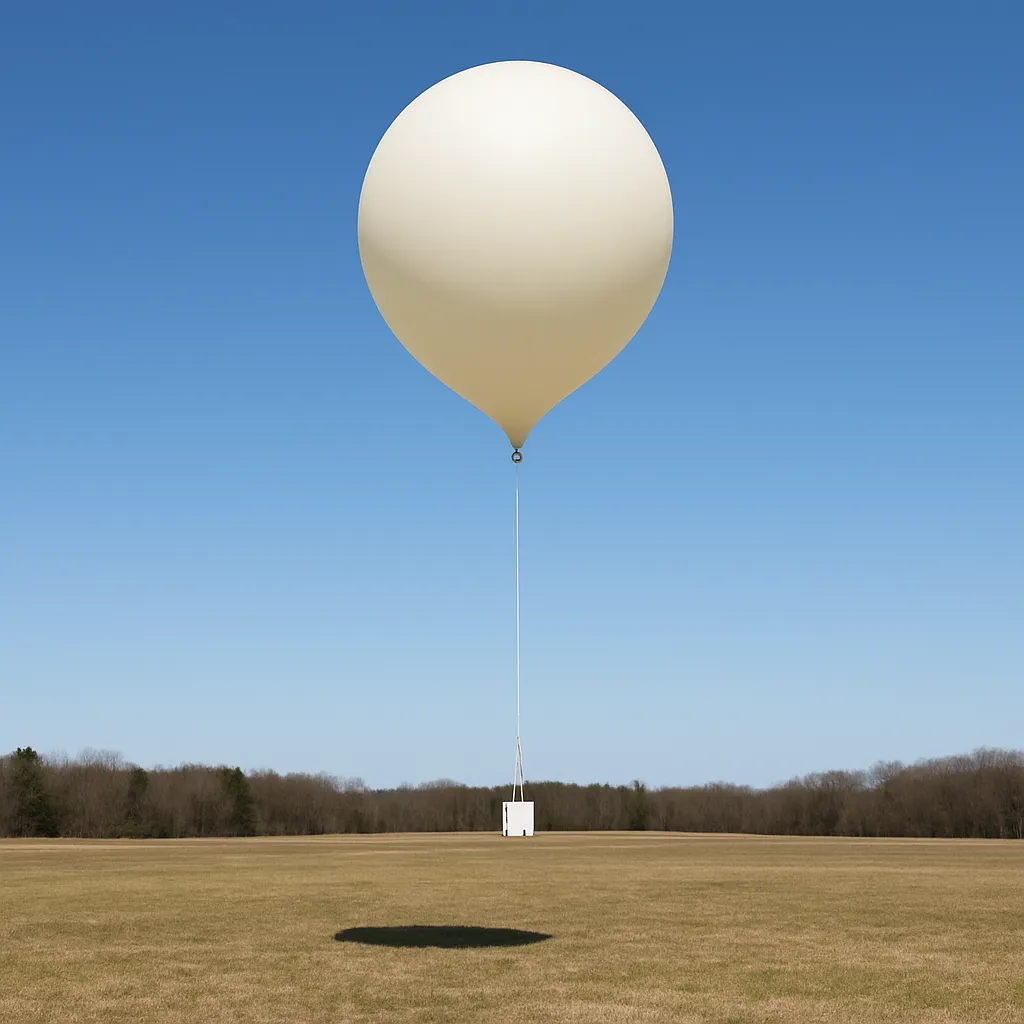
Near Earth's surface, plants and animals use gases from the air. What helpful role does the troposphere play for most land life?
A research balloon rises above most clouds and weather but remains far below the region where most meteors burn. It samples ozone-rich air. What layer is it in?
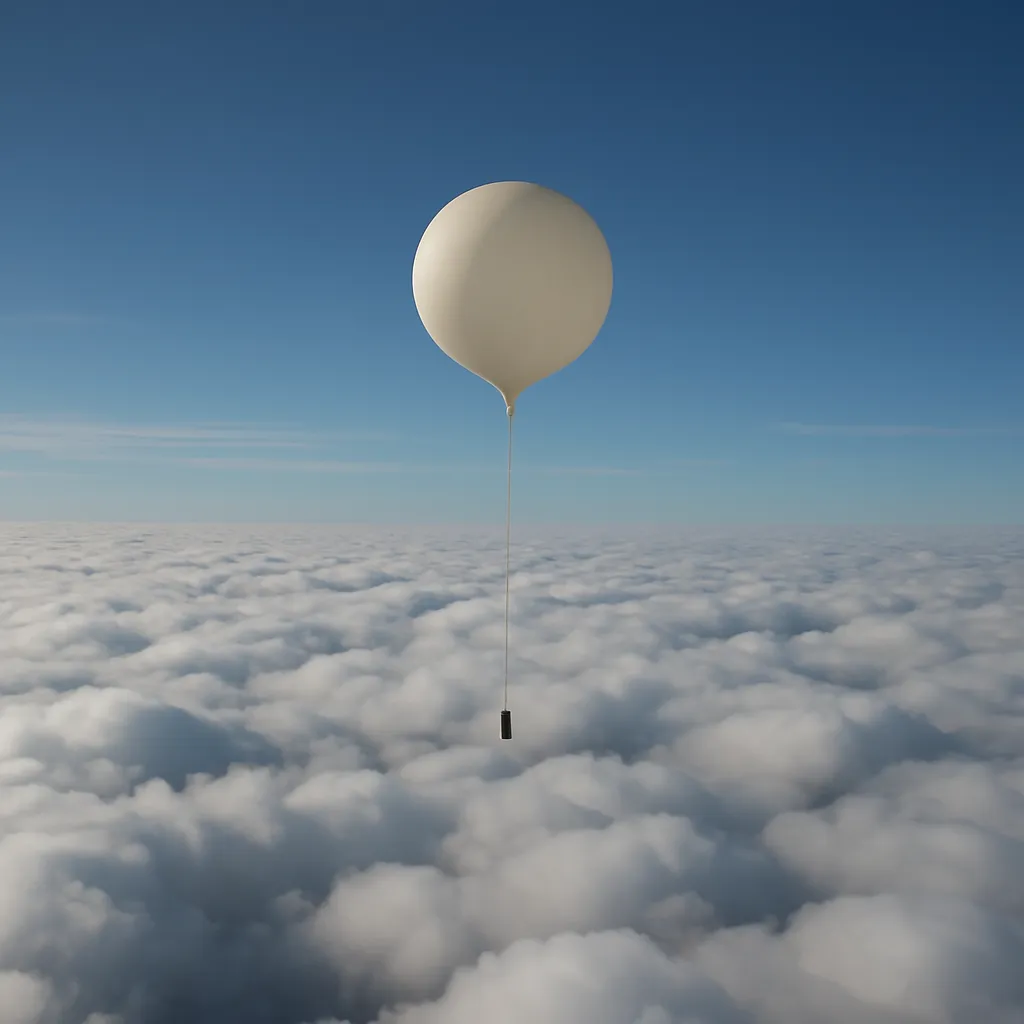
Dry air is about 78% nitrogen, 21% oxygen, and nearly 1% argon. After nitrogen and oxygen, what gas is most common in dry air?
A student says a mountaintop must be hotter because it is closer to the Sun. For air in the troposphere, what observation usually disagrees?
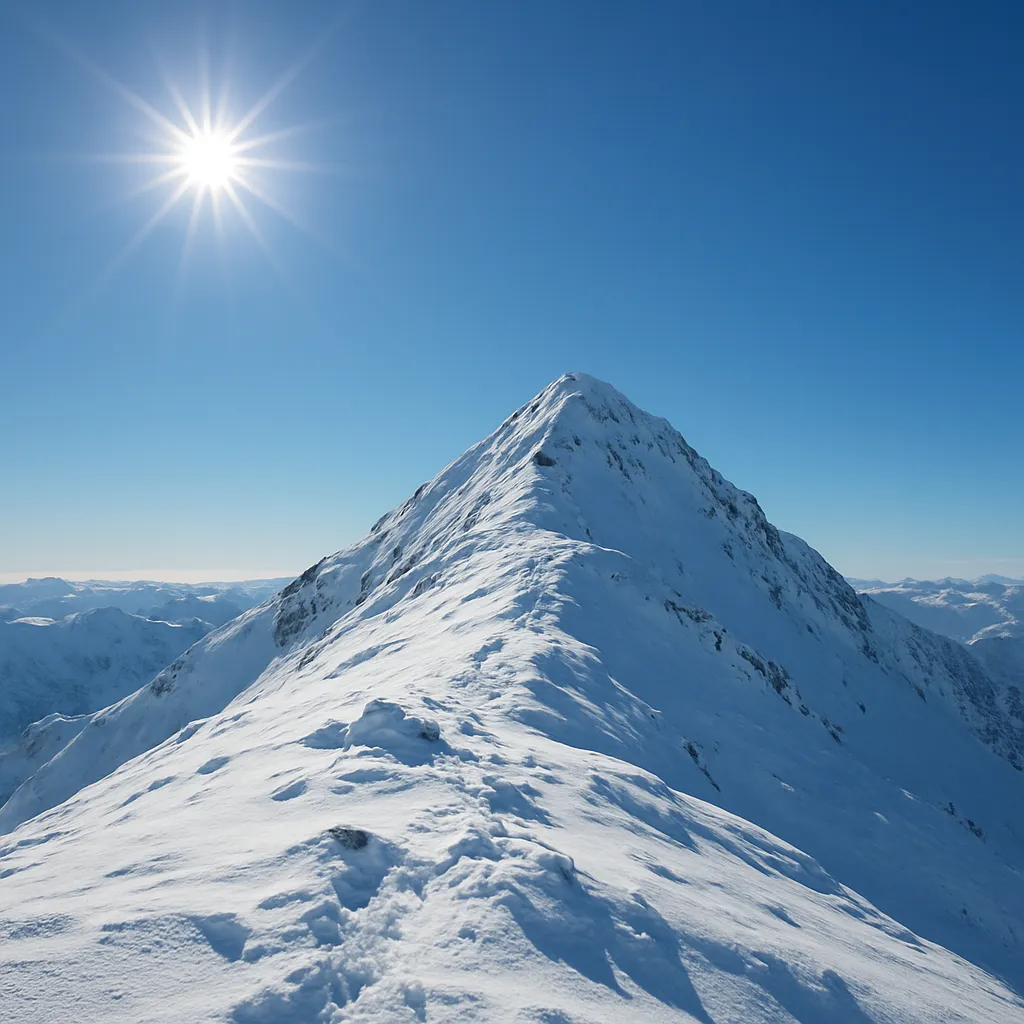
Water vapor, carbon dioxide, and methane are trace gases that absorb some heat leaving Earth. Which activity adds carbon dioxide to the air?
A weather instrument rising through the stratosphere records temperature climbing higher and higher with altitude, unlike the layer below it. What causes this rise in temperature?
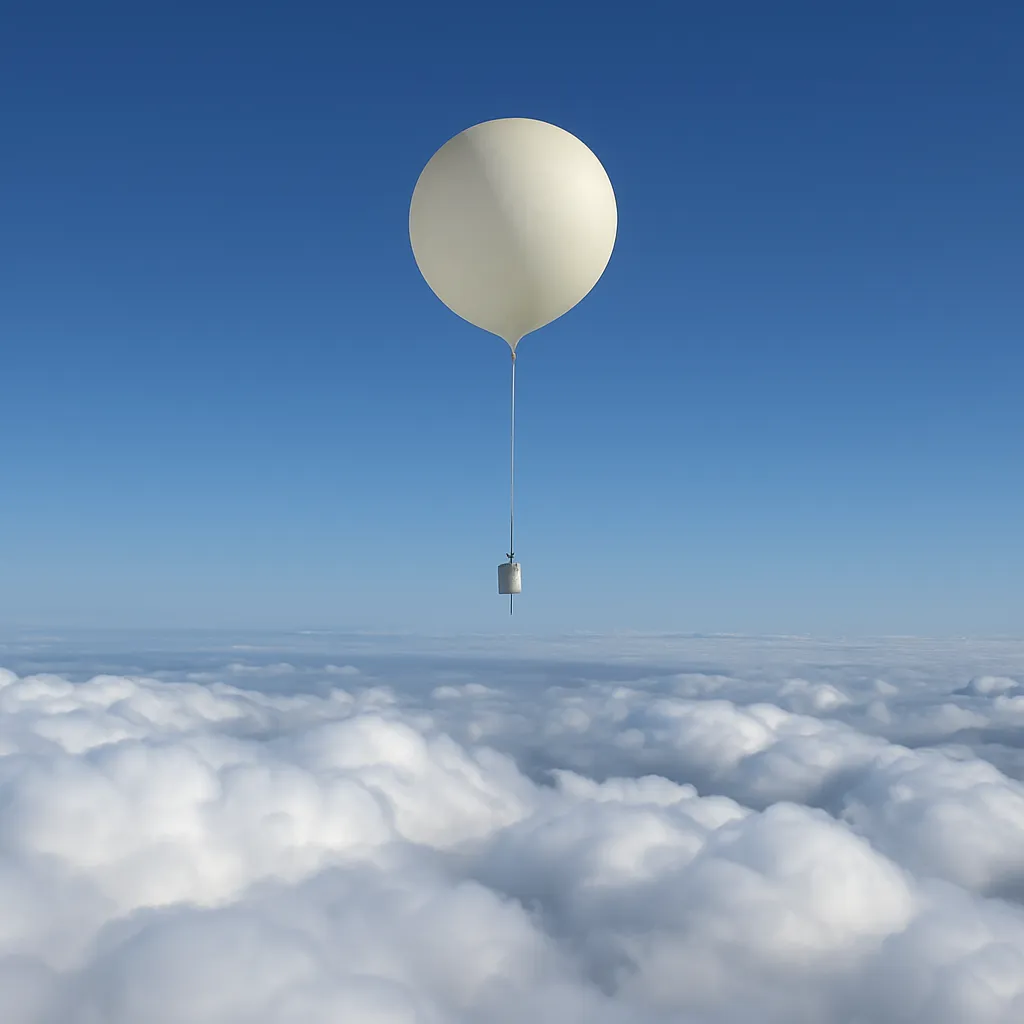
A city air report lists methane as much less than 1% of the air, while nitrogen and oxygen together are about 99%. What is methane in this mixture?
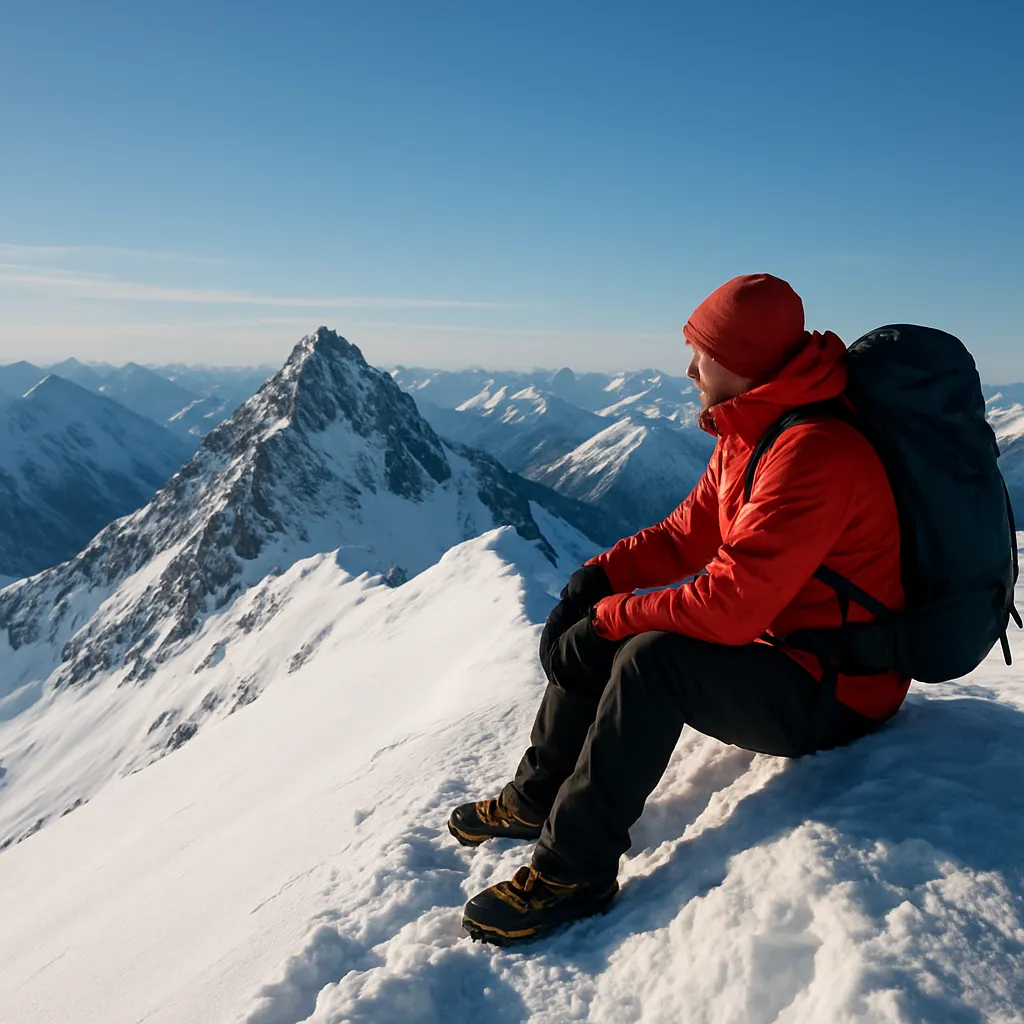
A climber stands on top of Mount Everest, about 8,800 meters above sea level. Which atmospheric layer is the climber in?
In the 1970s and 1980s, scientists found that chemicals called CFCs, used in spray cans and refrigerators, were harming the atmosphere. What did CFCs do?
A satellite image shows most thick clouds, storms, and water vapor close to Earth's surface. What layer is being described?
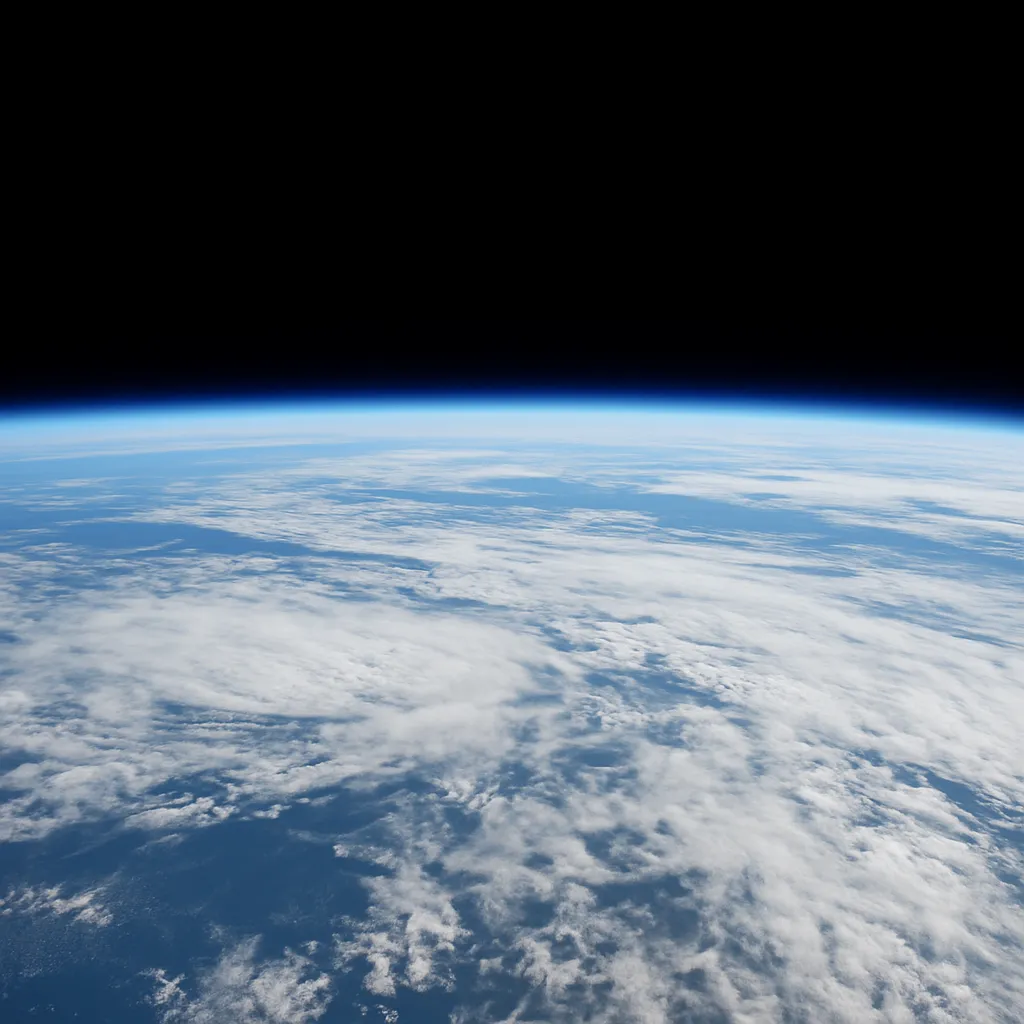
A teacher says, 'Dry air percentages leave out water vapor.' In very humid air, about how much of the air can water vapor make up?
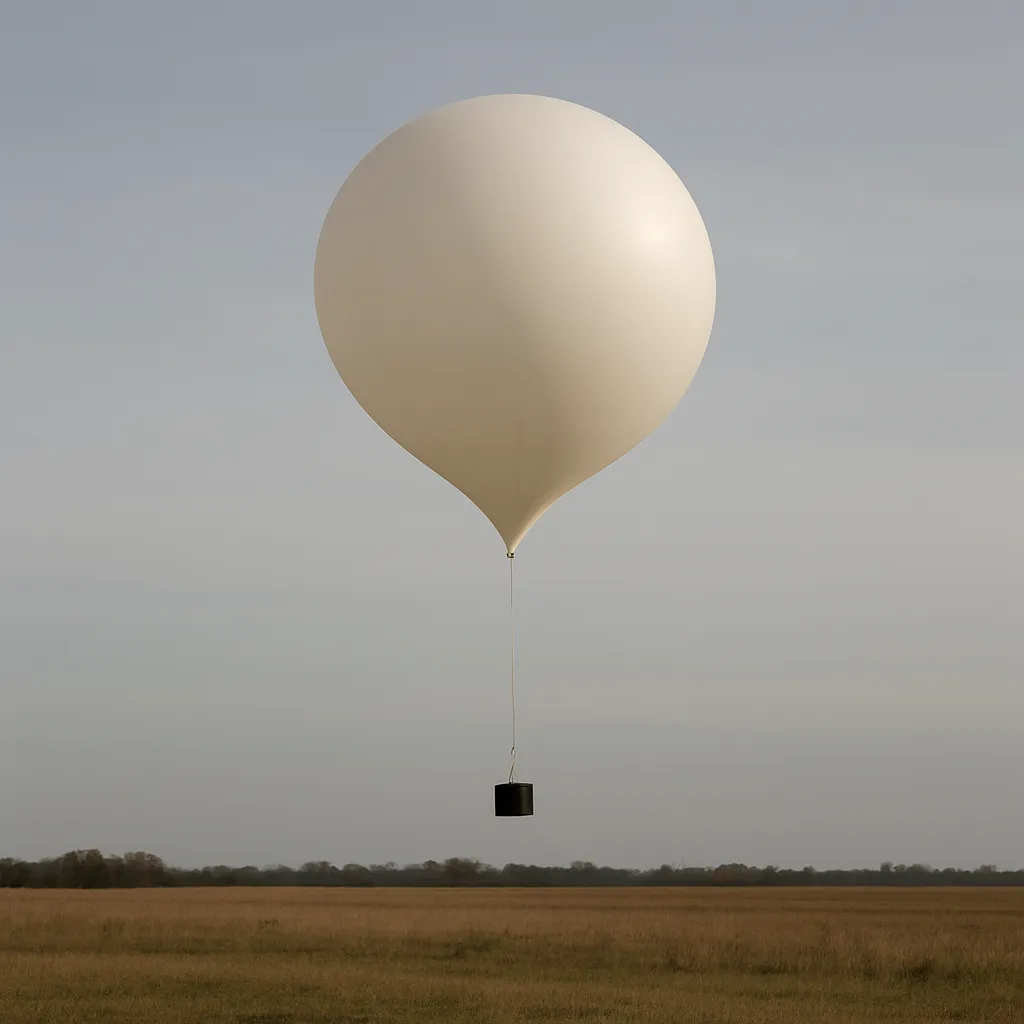
A sealed weather balloon rises. The amount of gas inside stays the same, but outside air pressure drops. What happens to the balloon's size?
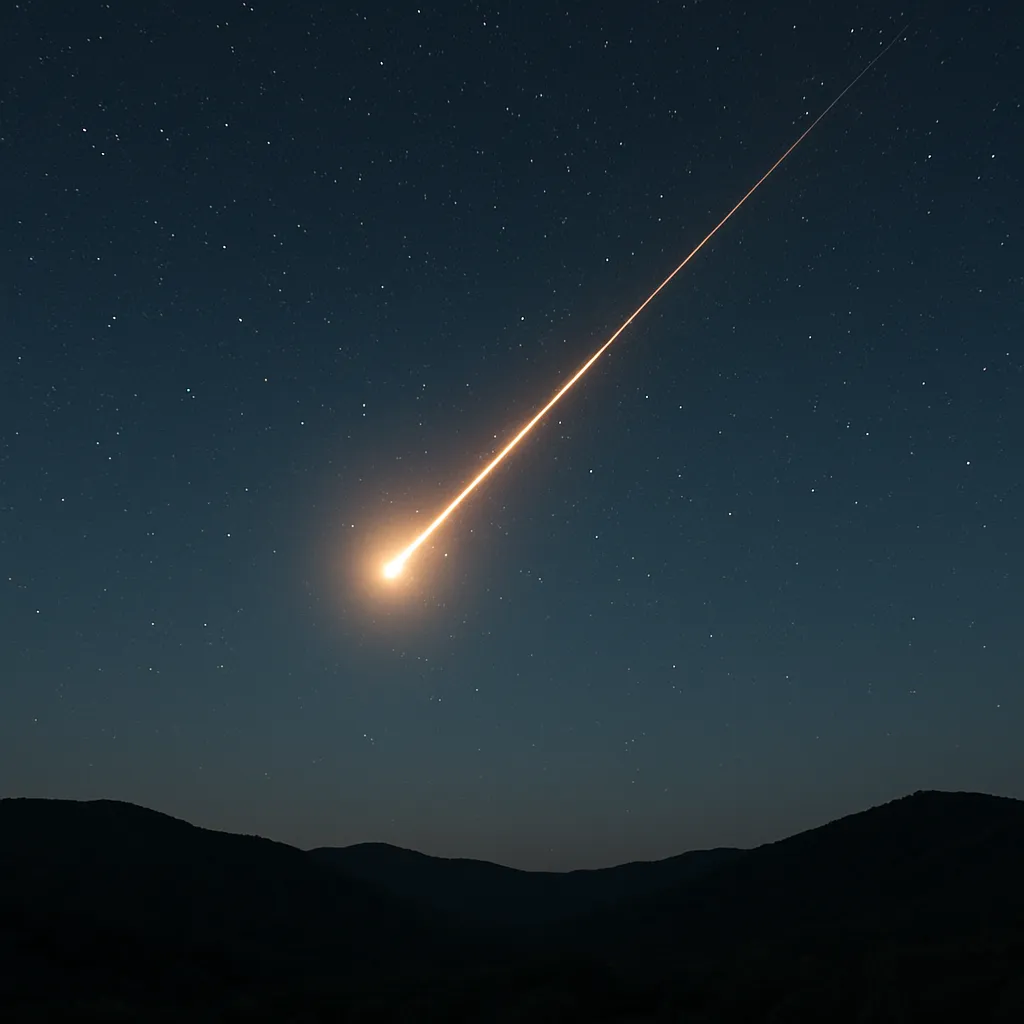
A school model shows small space rocks heating and breaking apart high above the ground. What makes a real space rock heat up and glow as it falls?
A sounding rocket records the coldest temperatures in the atmosphere near the top of the layer where many meteors burn. What layer is this?
Air can be separated into gases such as nitrogen, oxygen, argon, and carbon dioxide. What best describes air?
Two identical barometers are read at the same time, one at sea level and one on a 3,000-meter mountain. The sea-level barometer shows higher pressure. What causes this?
A rocket reaches 120 km altitude, where gas particles are extremely far apart and can have high temperatures. What layer is the rocket passing through?
During takeoff, an airplane climbs through a rain cloud before reaching cruising altitude. The cloud and rain are in the lowest atmospheric layer. What layer is that?
A classroom model uses 100 air particles: about 78 nitrogen, 21 oxygen, and 1 other gas. Which of these gases do your body's cells use to release energy from food?
At a high mountain airport, air is less dense than at a low airport. What does lower density mean about each liter of air?
A low-orbit satellite at 300 km feels slight drag from scattered air particles, even though the air is extremely thin. What layer contains this thin air?
Crack the passcode before the zombies get in.
Answer, then swat bugs for bonus points.
Race through questions at your own speed.
Same question on every screen. Fastest wins.

Pick a tile, answer, hit bonuses and steals.
Weather Maps, Fronts, and Instruments
20 questions