Loading
by BlastRoom
Explore where Earth's water is stored and how little fresh water is easy to reach.
#water#us_grade_6_science
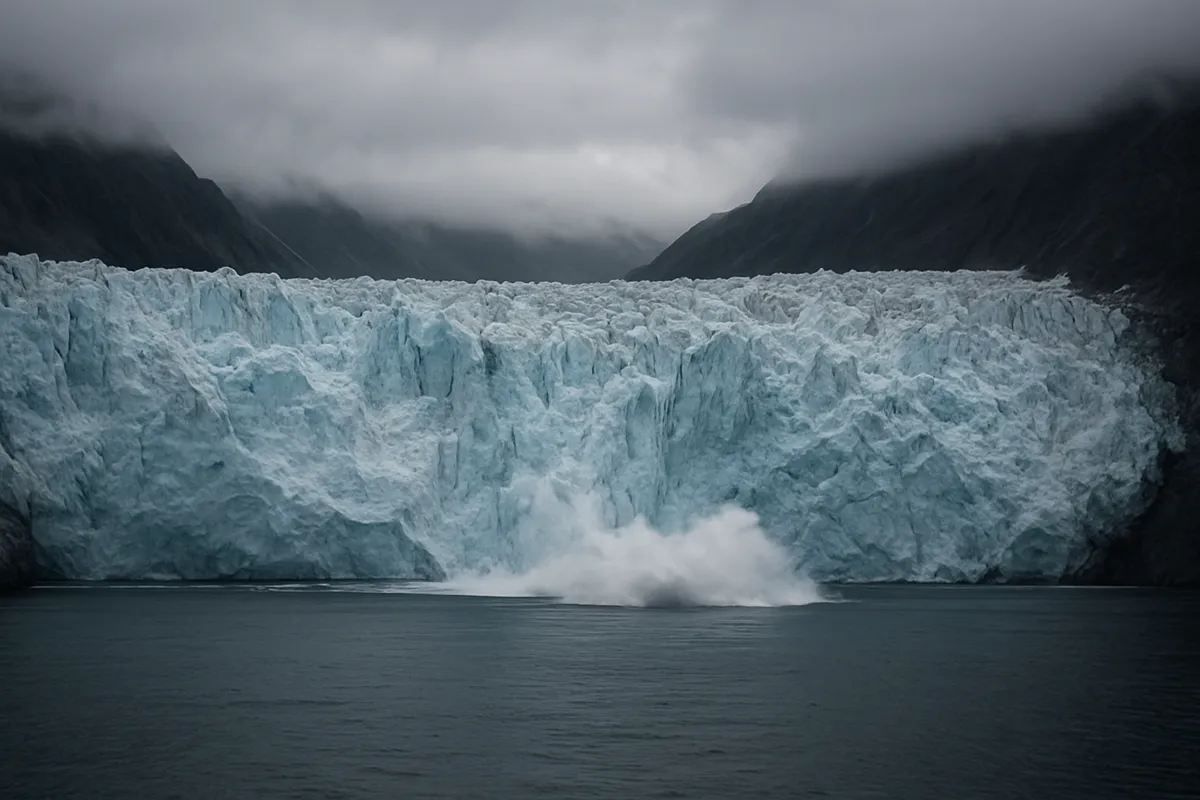
40 questions
One question set, multiple game modes. Tap any game to see it in action. Not sure which to pick?
Answer to place stones and capture territory.
Outrun the snow together.
Earn blasts, then hunt the other team.
Answer to earn energy, then climb.

The class blasts through walls together.
Bid on mystery lots. Most money wins.
Sell tours. Nice, standard, or a total scam.

Answer, restock, and serve the rush.
More correct answers pulls the rope your way.
Answer, then shoot down the alien wave.
Answer, then tap to leap the frozen ridge.
Earth's water is sorted into stores: ocean, ice caps and glaciers, groundwater, lakes and rivers, and atmosphere. Which store holds the greatest share of all water?
A model lists water stores and shows the atmosphere as water vapor and cloud droplets. Compared with the ocean, how large is the atmosphere's water store?
Fresh water stores include ice caps and glaciers, groundwater, lakes and rivers, and the atmosphere. Which store holds the most fresh water?
A student compares liquid fresh water stores. Groundwater is beneath Earth's surface, while lakes and rivers are at the surface. Which store holds more fresh water globally?
Two stores are compared: ocean water and groundwater. What relationship describes their shares of Earth's total water?
Snow piles up high in the mountains year after year and packs into thick ice that slowly moves downhill. Which store is this water part of?
After rain, some water soaks down through the soil and fills tiny spaces between grains of sand and rock. What store is this water part of?
Water can be held as vapor in air and tiny droplets in clouds. What Earth water store is being described?
The ocean holds most of Earth's salt water. Which of these also holds salt water?
Ice caps and glaciers hold the largest share of Earth's fresh water. About what share of all fresh water is that?
A reservoir behind a dam stores usable liquid fresh water for a town. Compared with the ocean, what is true about that reservoir's share of Earth's water?
A lake and a glacier are both fresh water stores. On Earth overall, how does the water in lakes and rivers compare with frozen fresh water?
About 97 percent of Earth's water is salt water. About what share is fresh water?
Salinity means how much dissolved salt water holds. Ocean water has high salinity, while most river water has low salinity. What kind of water is most of Earth's water?
Most of Earth's frozen fresh water is in one place. Where is it?
A glacier contains fresh water, but a nearby city cannot drink it directly. Why is most frozen fresh water hard for people to use?
Earth has a huge amount of water, but only a small part is fresh and easy to reach. What explanation fits this fact?
Besides glaciers and ice caps, some fresh water is frozen in soil and rock as ground ice, also called permafrost. Compared with glaciers and groundwater, how large is this ground-ice store?
Ocean water is not usually used directly for drinking because its salinity is high. What does high salinity mean?
A water molecule can stay in some of Earth's water stores much longer than in others. In which of these can it usually stay the longest?
In a 100-liter model of Earth's water, about 3 liters represent fresh water. About two-thirds of that fresh water is ice. About how many liters of the model are ice?
A town near the coast has ocean water nearby but still protects its fresh water reservoir. Why is ocean water not counted as ready-to-use fresh water?
About 97 percent of Earth's water is salt water, and most fresh water is frozen. What does this mean for water people draw from lakes and rivers?
A community uses a river as its main water source. Given that rivers hold a tiny share of Earth's water, why can a dry season be serious?
Earth looks blue from space because ocean water covers much of its surface. About how much of Earth's surface does the ocean cover?
Among fresh water stores, groundwater is second only to ice caps and glaciers. About what share of Earth's fresh water is groundwater?
A coastal city has ocean water nearby and a small freshwater lake. During drought, why is the lake still important?
Some dry coastal cities make drinking water by removing the salt from seawater. Why don't most cities get their water this way?
Below an aquifer lies a layer of clay that water cannot pass through. What does this clay layer do?
A map shows wide oceans and much smaller lakes and rivers. What claim about usable surface fresh water is supported?
A town plans its summer water supply from a river fed by a melting mountain glacier. If the glacier keeps shrinking year after year, what should planners expect?
A factory spill enters a river used for drinking water. Why can that pollution matter even if Earth has lots of water?
Water fills tiny spaces in sand, gravel, or rock below the surface, and wells can pump it out. What is an aquifer?
After a storm, the water level in an aquifer rises. Which process added water to the aquifer?
A farm pumps groundwater from an aquifer faster than rainwater seeps back in for several years. What change is most likely?
A town paves fields above an aquifer with roads and parking lots. What happens to the aquifer's recharge after it rains?
An aquifer gains 5 million liters from seepage in a season, but wells pump 8 million liters out. What describes this use?
A diagram shows groundwater held in pores between grains of sand and cracks in rock, not in one open cave. What idea does this support?
During a dry year, little rain soaks into an aquifer, but many wells keep pumping. What happens to stored groundwater?
A coastal well field pumps fresh groundwater faster than it is replaced. Soon some wells taste salty. What likely happened?
Crack the passcode before the zombies get in.
Answer, then swat bugs for bonus points.
Race through questions at your own speed.
Same question on every screen. Fastest wins.

Pick a tile, answer, hit bonuses and steals.
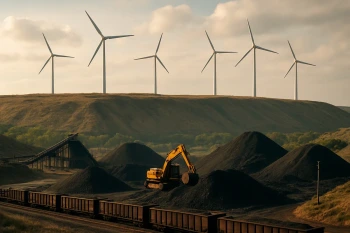
Renewable and Nonrenewable Resources
40 questions