Loading
by BlastRoom
How materials cross the cell membrane and how cells keep their inside conditions steady.
#cells#us_grade_6_science
20 questions
One question set, multiple game modes. Tap any game to see it in action. Not sure which to pick?
Answer to place stones and capture territory.
Outrun the snow together.
Earn blasts, then hunt the other team.
Answer to earn energy, then climb.

The class blasts through walls together.
Bid on mystery lots. Most money wins.
Sell tours. Nice, standard, or a total scam.

Answer, restock, and serve the rush.
More correct answers pulls the rope your way.
Answer, then shoot down the alien wave.
Answer, then tap to leap the frozen ridge.
A plant cell from a pond sits in a drop of fresh water. There is more water outside the cell than inside it. In which direction does water move, and what happens to the cell?
A red blood cell is placed in water holding far more salt than the inside of the cell holds. What happens to the water, and to the cell?
The blood around a muscle cell holds more oxygen than the inside of the cell does. Which way does oxygen cross the cell membrane, and why?
An animal cell has been using food for energy, and now holds more carbon dioxide inside than the fluid around it holds. In which direction does carbon dioxide move, and why?
The soil around a root hair cell holds more water than the cell does. In which direction does water move, and what does the plant gain?
A cell from a leaf is placed in very salty water for twenty minutes. What happens to the water in the cell, and what happens to the cell itself?
A cell is placed in a solution holding exactly as much water as the inside of the cell holds. What is the overall movement of water, and what happens to the size of the cell?
A single-celled pond organism takes in water all the time. It gathers the extra water into a small sac and squeezes it back out through a pore. What is it doing, and why does that matter?
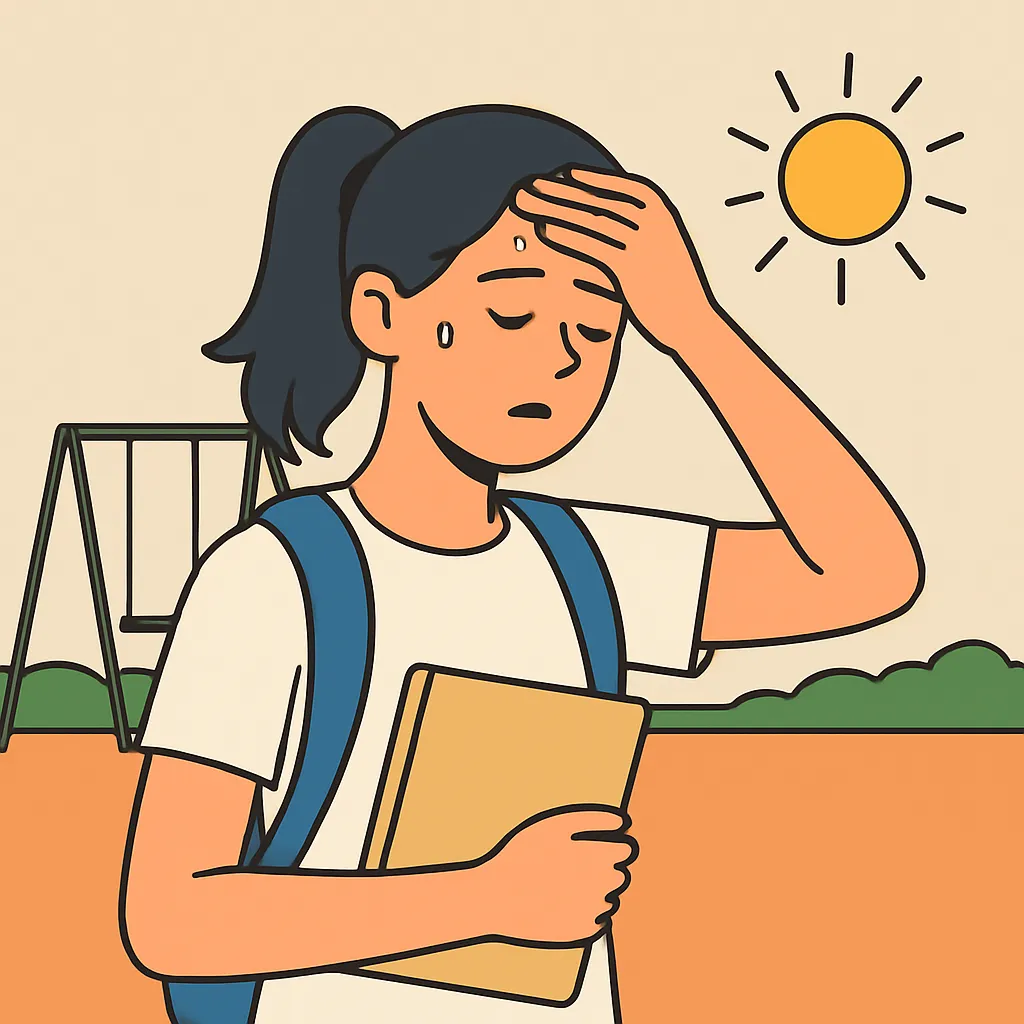
On a hot day a student's body stays near 37 degrees Celsius while sweat forms on the skin and evaporates. What is the body doing, and why does it matter?
After a meal, the amount of sugar in a person's blood rises. Over the next couple of hours, cells take sugar in. What is the body doing?
A bacterium, a maple tree and a dog all hold the conditions inside their cells steady. What does this pattern show about living things?
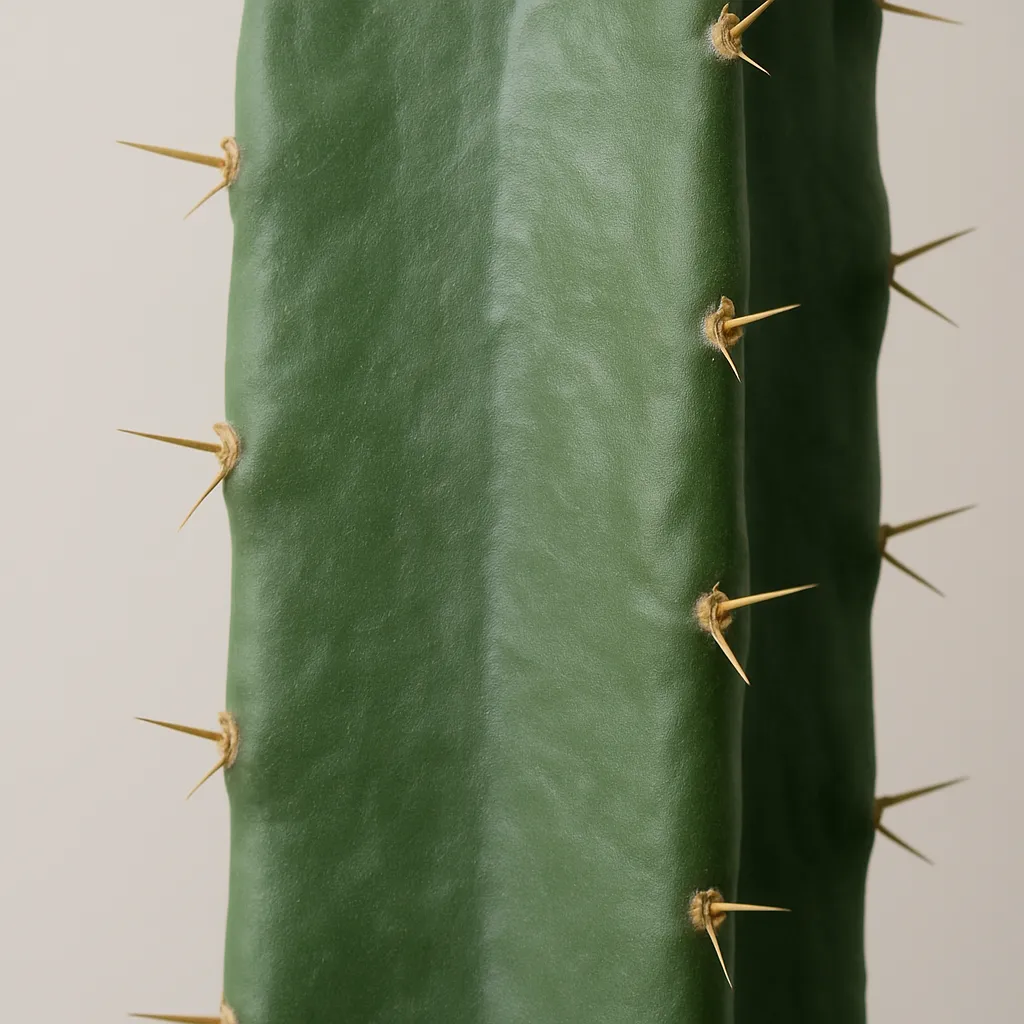
A cactus stem is covered by a thick waxy layer that very little water can pass through. How does that layer help the cactus hold steady conditions inside?
A hiker drinks nothing for hours, and the fluid around their cells ends up holding less water than usual. What happens to the cells, and why does the body make the hiker thirsty?

Oxygen and water pass easily through a cell membrane, while large starch particles do not. What term describes a membrane that lets some materials through and holds others back?
A model membrane in class has tiny holes that let only small particles through. A bag made of it holds salt and starch mixed in water. Which material crosses out of the bag, and which stays behind?
The membrane around a cell lets water and oxygen in and lets wastes out, while keeping large food particles from leaking away. Why does that control matter to the cell?
A plant root cell has a stiff cell wall that lets water and dissolved minerals pass through easily. Which part of the cell controls which materials actually get inside, and how?
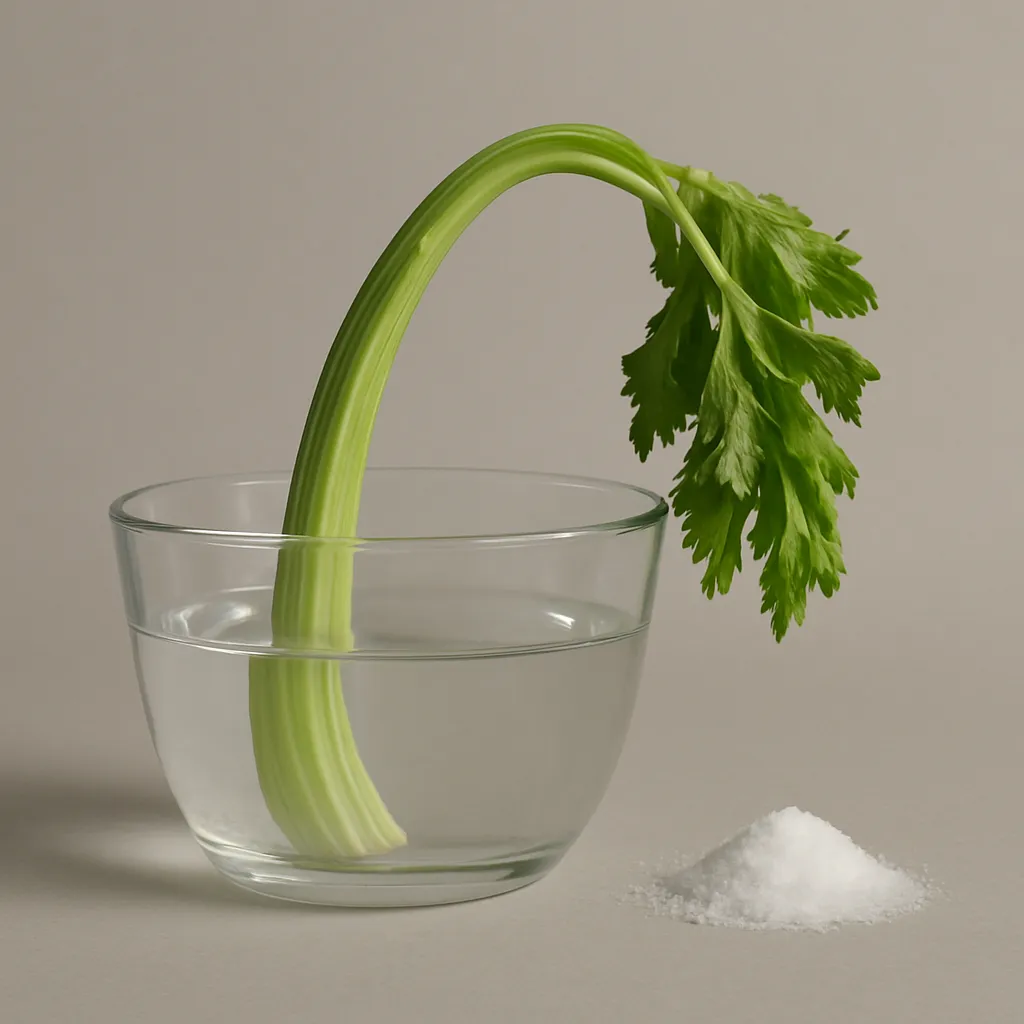
A crisp stalk of celery is left standing in a bowl of very salty water for an hour and turns limp. What moved, and in which direction?
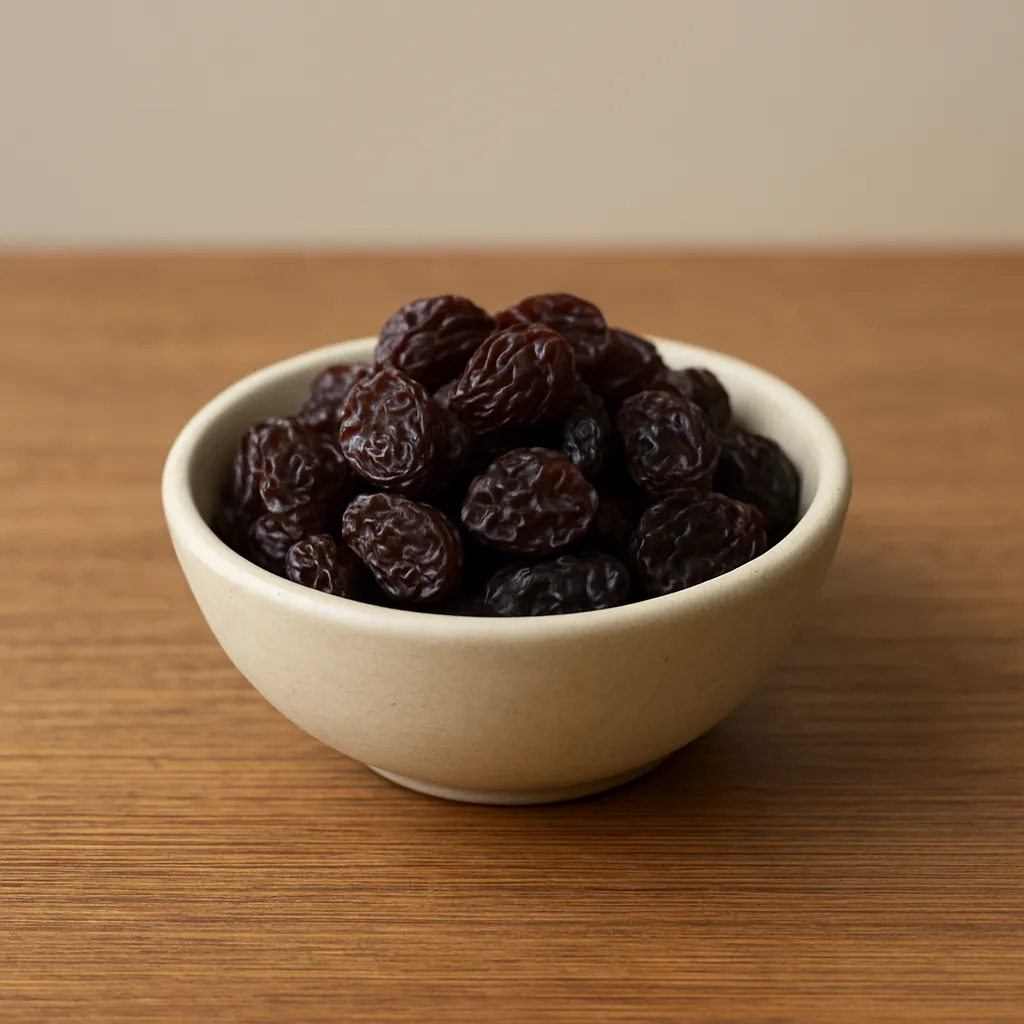
A dried raisin is left in a glass of plain water overnight and is much plumper by morning. What moved, and which way?
A potted plant left unwatered for a week has soft, drooping leaves. A few hours after it is watered, the leaves are firm again. What moved into the cells, and why did the leaves stiffen?
Crack the passcode before the zombies get in.
Answer, then swat bugs for bonus points.
Race through questions at your own speed.
Same question on every screen. Fastest wins.

Pick a tile, answer, hit bonuses and steals.
Classifying Living Things: Domains to Species
40 questions