Loading
by BlastRoom
Compare the structures a plant cell has, an animal cell has, and the ones both share.
#cells#us_grade_6_science
40 questions
One question set, multiple game modes. Tap any game to see it in action. Not sure which to pick?
Answer to place stones and capture territory.
Outrun the snow together.
Earn blasts, then hunt the other team.
Answer to earn energy, then climb.

The class blasts through walls together.
Bid on mystery lots. Most money wins.
Sell tours. Nice, standard, or a total scam.

Answer, restock, and serve the rush.
More correct answers pulls the rope your way.
Answer, then shoot down the alien wave.
Answer, then tap to leap the frozen ridge.
A rigid outer layer of cellulose sits outside the cell membrane and holds the cell in a fixed boxy shape. Which cell type has this cell wall?
A student is drawing a labeled model of an animal cell for a science notebook. Which structure should be left out of that drawing?
Small green bodies inside a cell capture light energy and use it to build sugar. Which cell type contains these chloroplasts?
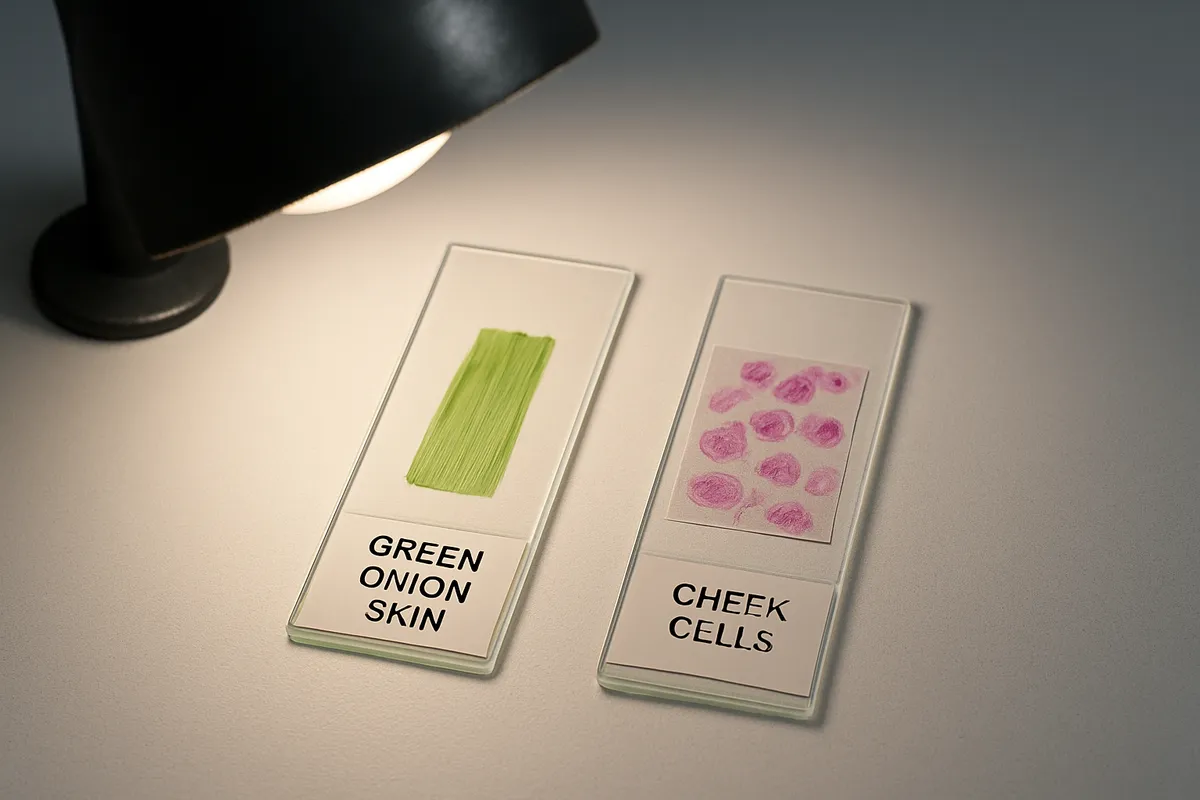
Two students compare a labeled onion cell with a labeled cheek cell. Both drawings show one rounded structure that holds the genetic information. Which structure is that shared part?
Both plant cells and animal cells contain mitochondria.
A leaf cell and a cheek cell are compared side by side under the same microscope. Which structure is present in the leaf cell but missing from the cheek cell?
A thin flexible layer surrounds the cell and controls which substances enter and leave it. Which cell type has this cell membrane?
One large fluid-filled sac takes up most of the middle of a cell and pushes the other parts out toward the edges. Which cell type has it?
Which pair of structures is found in plant cells but not in animal cells?
Nadia sorts cell structures into a column headed "found in both plant and animal cells". Which structure does not belong in that column?
An animal cell has a rounded, irregular outline that can change as the cell moves. Which missing structure best explains that flexible shape?
In a plant cell, sugar is made inside the mitochondria.
Which list names only structures that a plant cell and an animal cell both have?
Some cells hold water in many small scattered vacuoles instead of one large central vacuole. Which cell type is described?
The chloroplasts in a leaf cell are building sugar. What do they use to do it?
At night a plant's leaf cells cannot use light to make sugar. How do they still get the energy they need?
Moving from the outside of a plant cell inward, which structure comes first?
Under a microscope, leaf cells look green but cheek cells do not. Why do the leaf cells look green?
An animal cell has no structure that can build sugar out of light. How does it get the sugar its mitochondria need?
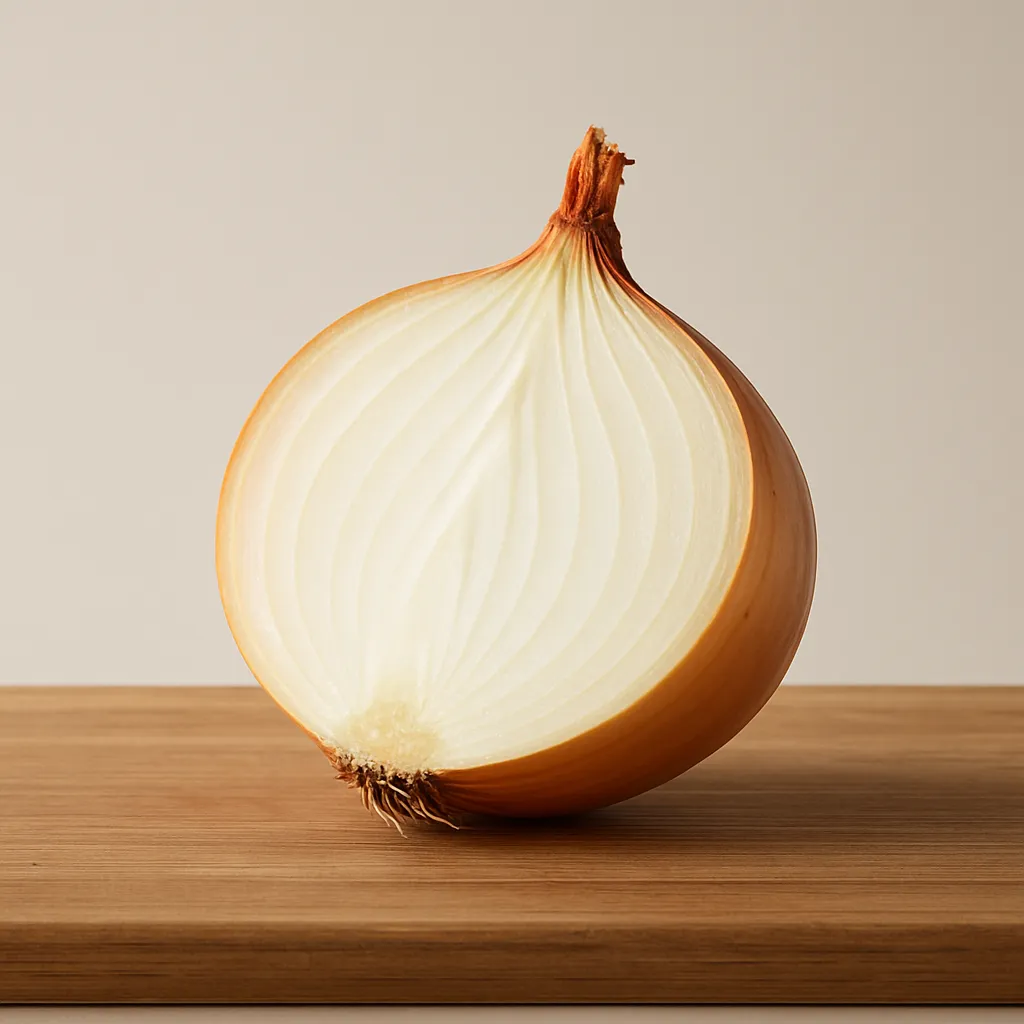
In an onion skin cell under a microscope, the nucleus is squeezed against one side of the cell. Which structure fills the middle?
In bright light, a leaf cell builds sugar while a nearby muscle cell in a grazing animal cannot. Which structure does that job, and does the muscle cell have it?
A carrot root cell and a human nerve cell both break down sugar to release the energy they need. Which structure does that work in each of them?
A potted plant droops when its soil dries out, then stands firm again hours after watering. Which structure explains this, and which cell type has it?
A cat and a sunflower are both made of cells that have a nucleus. What does that show about cat cells and plant cells?
Under a microscope a cell looks like a rigid rectangle packed against its neighbors, with one large clear space filling most of its middle. Which cell is it, and what settles it?
A cell on a slide has a rounded outline that shifts slightly as it moves, a clear nucleus, and no green bodies anywhere inside it. What is it, and what settles it?
A student places a piece of a green pondweed leaf on a slide and sees many small green oval bodies inside each cell. Which observation settles the cell type?
Two cells are viewed at the same magnification: cell X is boxy and packed tightly against its neighbors, and cell Y is rounded with a soft outline. Which is the plant cell, and why?
A cell taken from deep inside a carrot root shows no green bodies at all, but it does have a rigid outer wall and one large central vacuole. What does the evidence show?
A student spots a nucleus in an unknown cell and concludes at once that the sample must be from a plant. Why is that evidence not enough?
A red blood cell placed in pure water swells until it bursts, but a leaf cell in pure water swells only until it is firm. What does that observation show?
A cell seen under a microscope has both a rigid cell wall and chloroplasts, so it is a plant cell.
On one slide, cell A has a straight-edged square outline and green bodies inside, while cell B is rounded and colorless. Which conclusion fits the evidence?
Red onion skin cells are soaked in salty water. Under a microscope, each cell's colored contents shrink and pull away from a straight outer edge that keeps its shape. What can be concluded about the sample?
Ben claims animal cells have no mitochondria because animals do not make their own food. Where does his reasoning break down?

Ana writes that a plant cell has no cell membrane because its cell wall already does that job. What is the correction?
Only animal cells are filled with a jelly-like cytoplasm.
During a review, a group decides plant cells cannot have mitochondria because chloroplasts already fill that role. What is actually true?
A student writes that an animal cell has a cell wall that is simply thinner than a plant's. How should that sentence be corrected?
A poster claims that every cell keeps one large central vacuole in its middle. Which correction should be made to the poster?
Crack the passcode before the zombies get in.
Answer, then swat bugs for bonus points.
Race through questions at your own speed.
Same question on every screen. Fastest wins.

Pick a tile, answer, hit bonuses and steals.
Cells, Tissues, Organs, and Systems
40 questions