Loading
by BlastRoom
How the first peoples of North, Central, and South America adapted to and reshaped the environments they lived in. Aligned to the New York State Grade 5 social studies framework.
#indigenous_peoples#us_grade_5_social_studies
40 questions
One question set, multiple game modes. Tap any game to see it in action. Not sure which to pick?
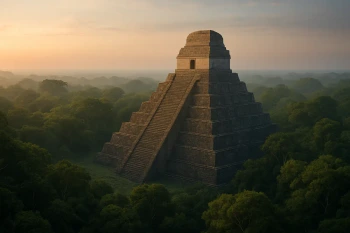
The Maya city of Tikal sat in tropical lowlands with few rivers or lakes and a long dry season each year. What did the Maya build there to keep water available all year?
The Mexica, also called the Aztec, farmed on chinampas in the shallow lakes of the Valley of Mexico. How was a chinampa made?
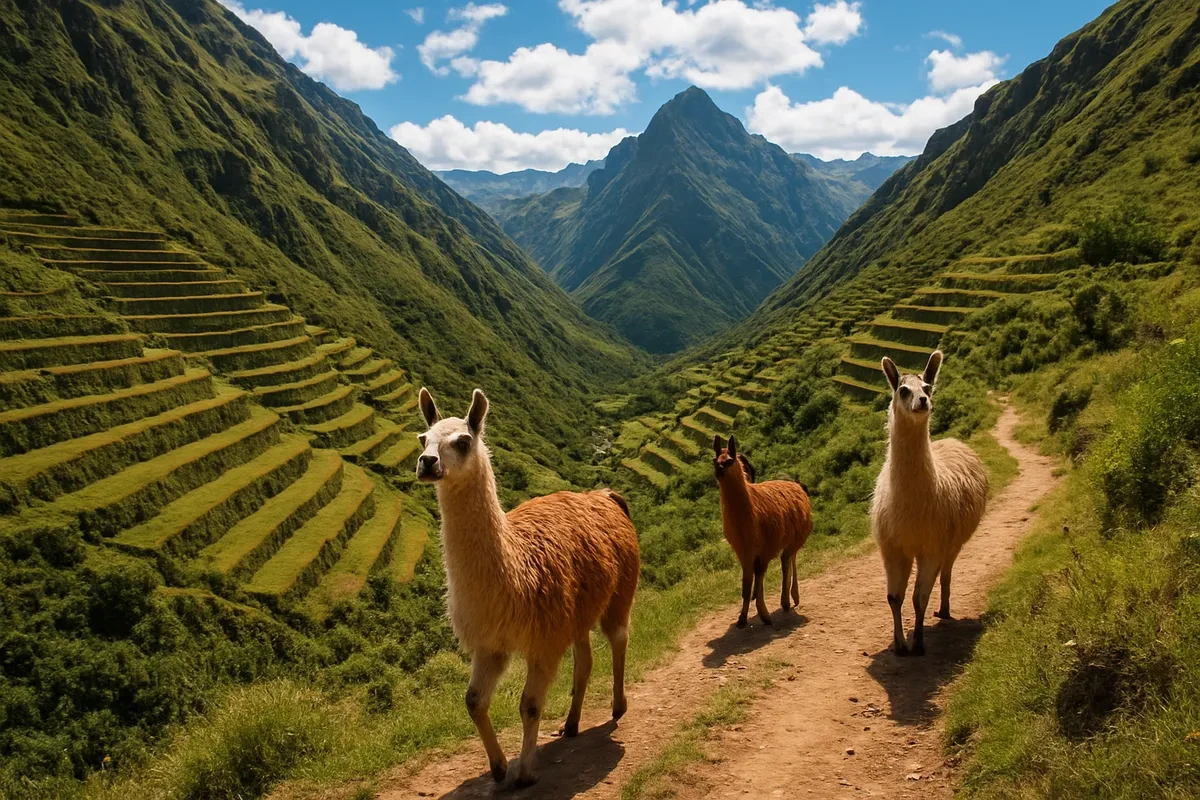
Inca farmers cut wide steps called terraces into steep Andean mountainsides. Besides creating flat ground to plant on, what problem did the terraces solve?
Inca officials kept careful records of people, crops, and stored goods without an alphabet. What is a quipu, the tool they used?
Central America is an isthmus, a narrow strip of land joining North America and South America. What did that narrow land bridge make possible?
Several related families shared each Haudenosaunee longhouse. How was a person's clan passed down in Haudenosaunee families?
Haudenosaunee farmers planted maize, beans, and squash together in the same mound, a garden called the Three Sisters. What did the maize stalks give the other two plants?
Mississippian people built Cahokia, near where the Missouri and Mississippi Rivers meet, into the largest city north of Mexico in its time. What is the site best known for today?
In the dry Southwest, Ancestral Pueblo people built stone villages inside natural alcoves under the cliffs at Mesa Verde. What did an alcove give those villages?
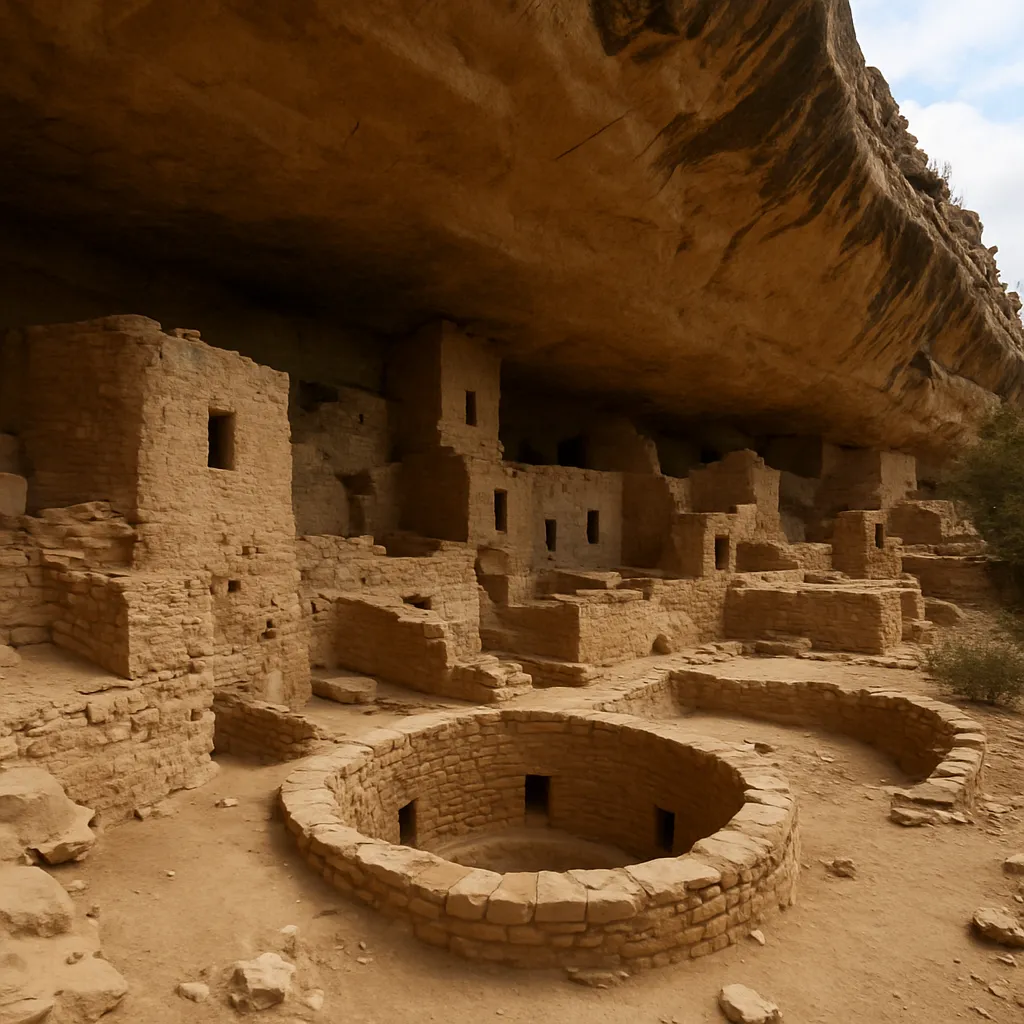
Pueblo nations such as the Hopi and Zuni live in the Southwest today and trace their ancestry to the communities that built the Mesa Verde cliff villages.
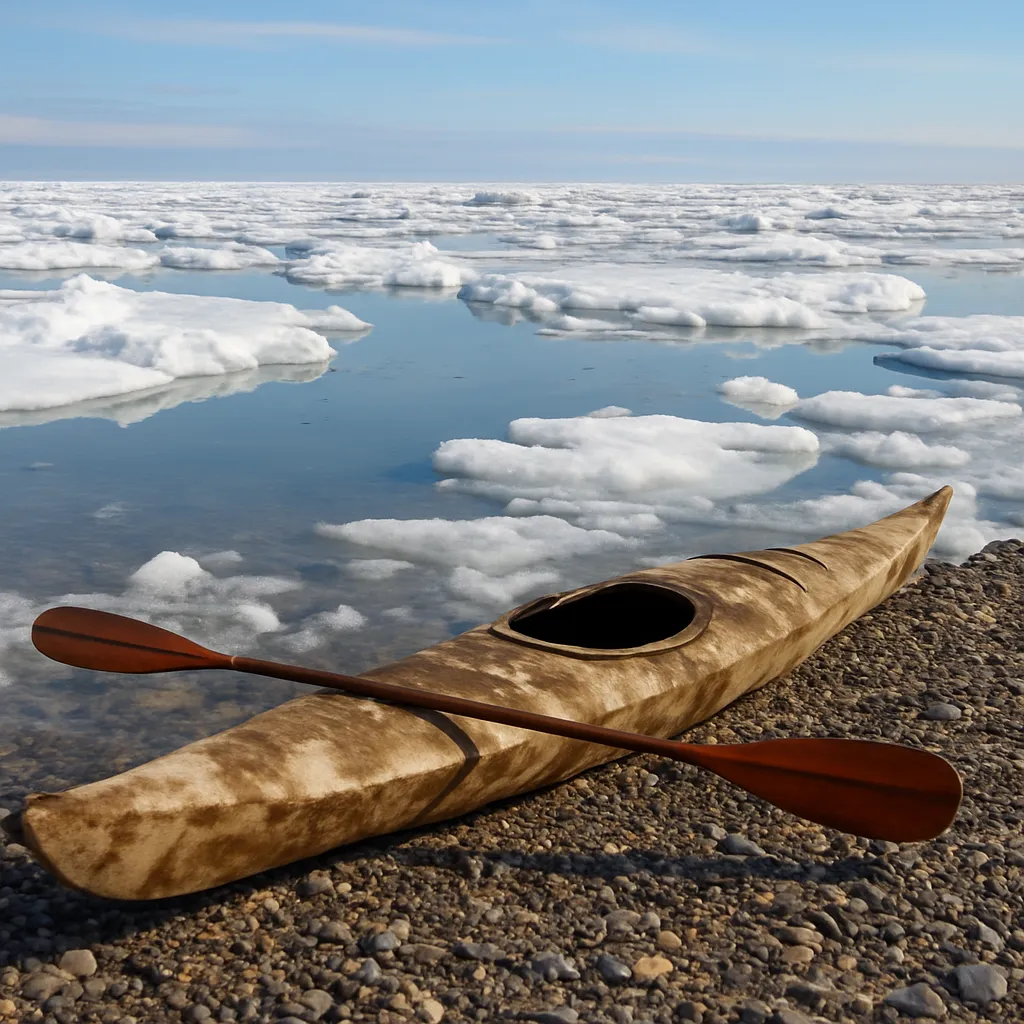
Trees do not grow on the Arctic tundra where Inuit hunters traveled by kayak. What did they build a kayak frame from in a place with almost no timber?
Nations of the Pacific Northwest Coast, such as the Tlingit and the Haida, live in a rainy coastal forest beside salmon-rich waters. What did they build their large family houses from?
In the savannas of what is now Bolivia, farmers long ago dug long canals and piled the earth into raised planting platforms. Why raise the beds?
High in the Andes, farmers spread potatoes out to freeze overnight and thaw in the sun by day, then pressed the water out of them. What did this process produce?
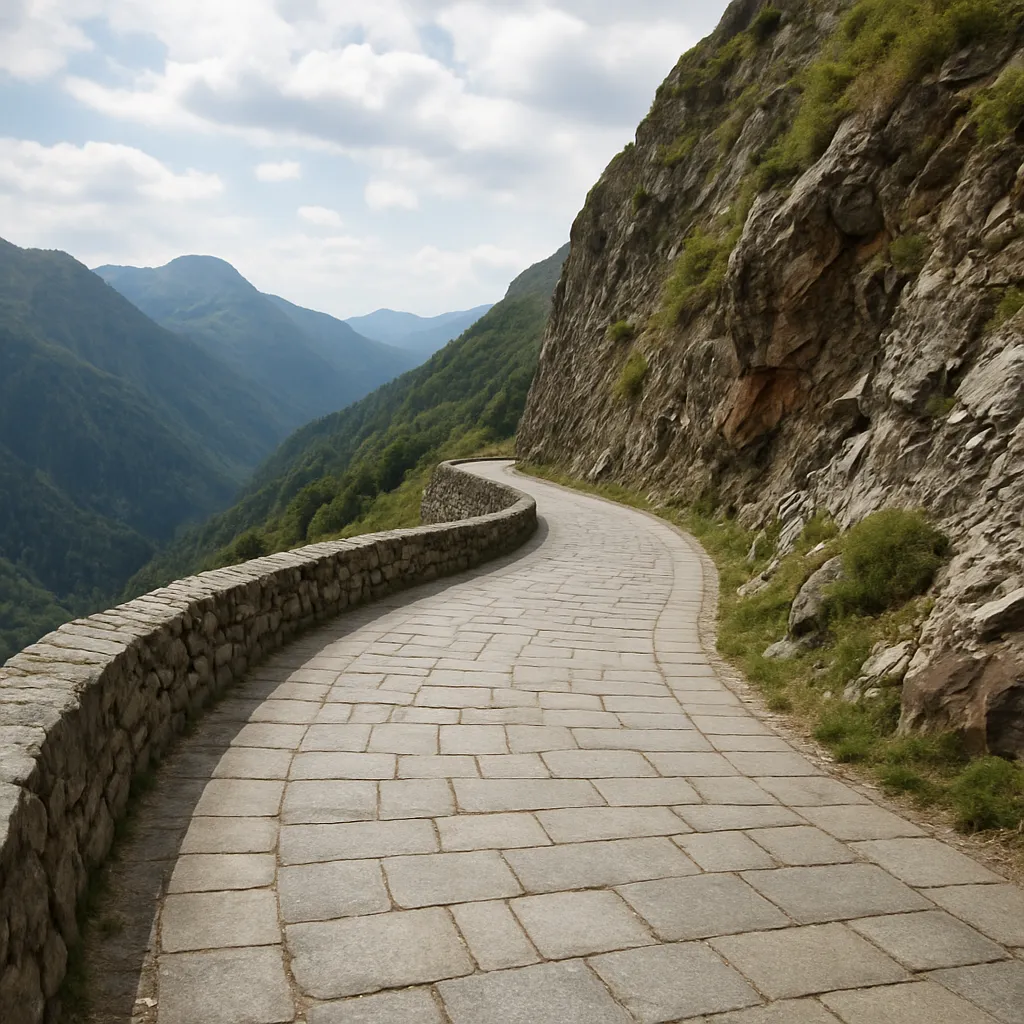
The Inca built a road network that crossed mountains, deserts, and river valleys. How did an official message travel quickly from one end of that network to the other?
The Maya built many cities, among them Tikal and Copan. How were those cities governed?
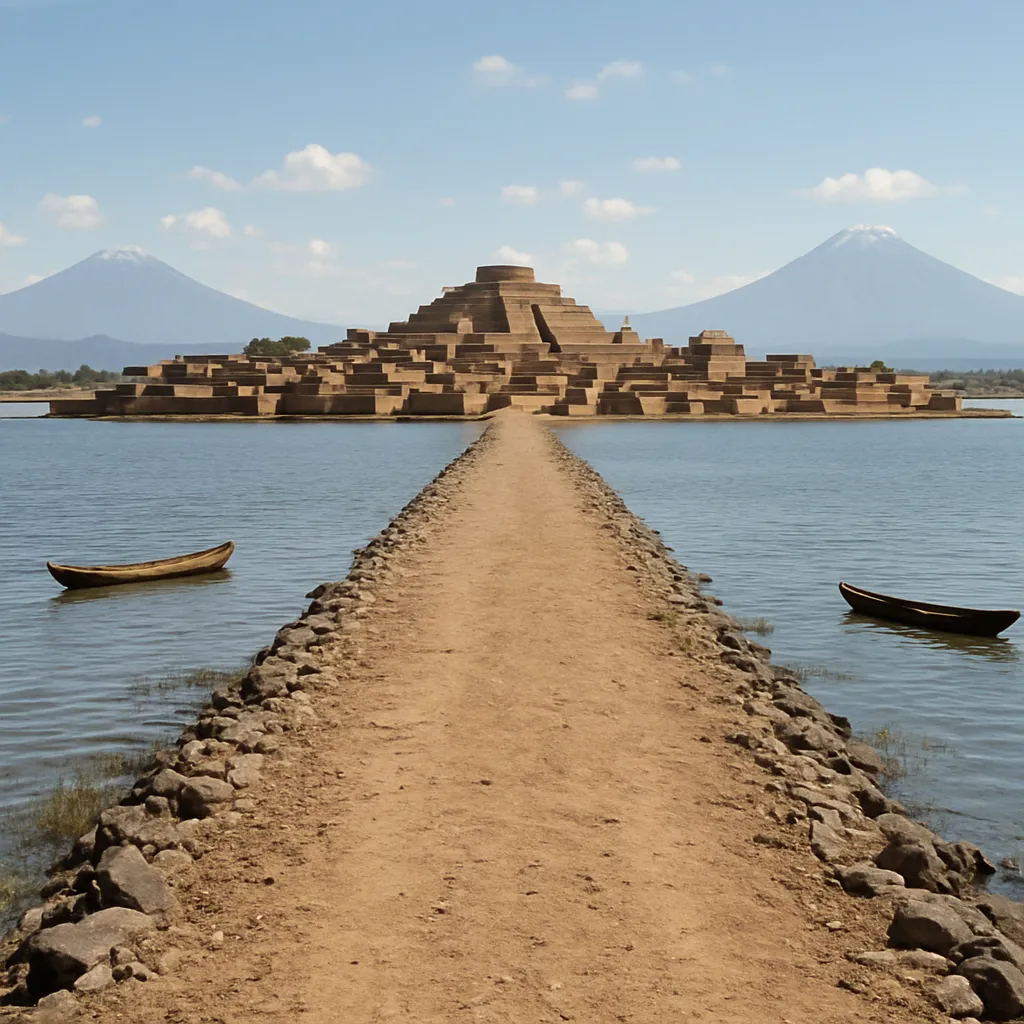
Tenochtitlan, the Mexica capital, stood on an island in a shallow lake. What did its builders construct so people could walk between the island city and the lakeshore?
The Haudenosaunee Confederacy's Grand Council still meets today at Onondaga in central New York.
What is one widely accepted way early people first reached the Americas during the last Ice Age?
During the last Ice Age, sea levels were lower and more land near the Bering Strait was exposed. Why were sea levels lower?
Early peoples of the Americas all lived in the same kind of houses and ate the same foods.
Which choice best explains why early peoples often moved from place to place?
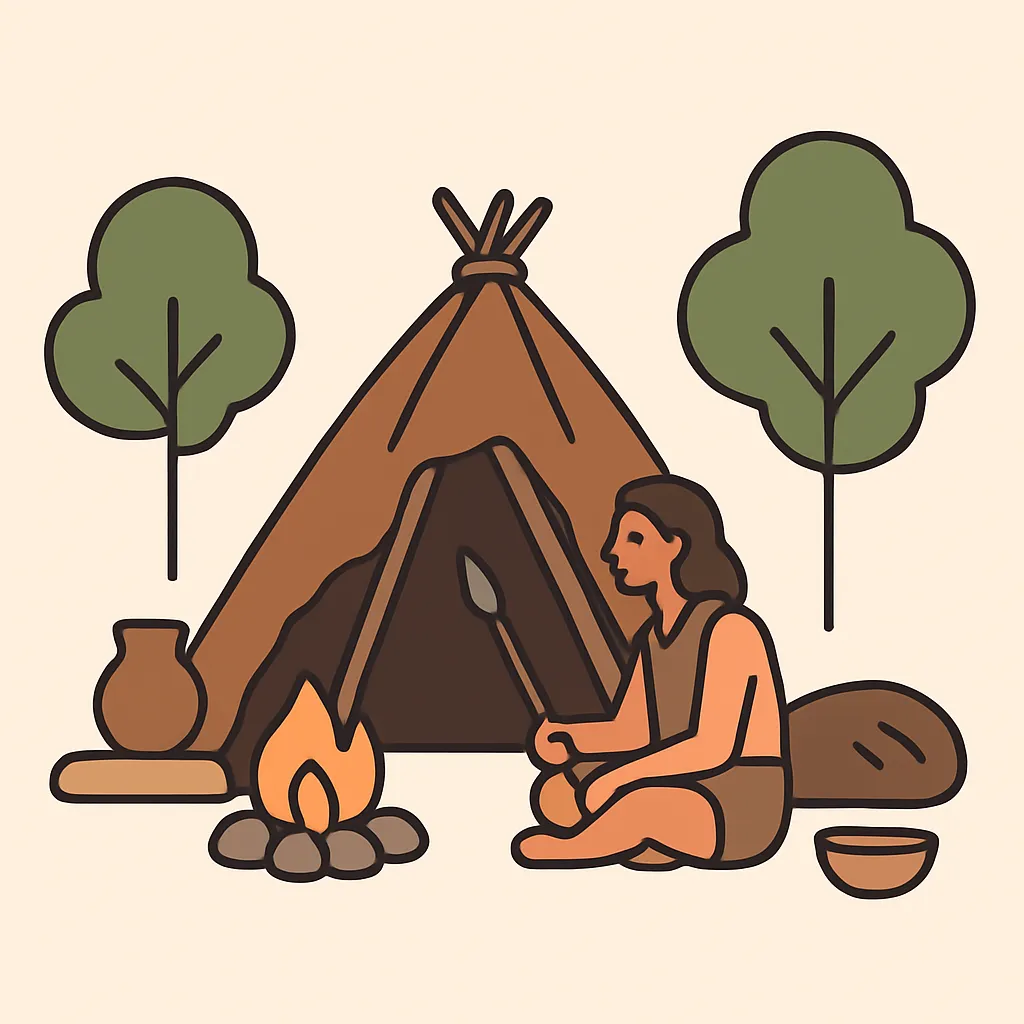
What is an artifact?
What can archaeologists learn from ancient tools, pottery, and remains of homes?
Which crop combination is often called the “Three Sisters” by many Indigenous peoples of North America?
How did farming change many early communities in the Americas?
Which statement best describes cultural adaptation?
In the Arctic, why did some Indigenous peoples build shelters from snow blocks or animal skins?
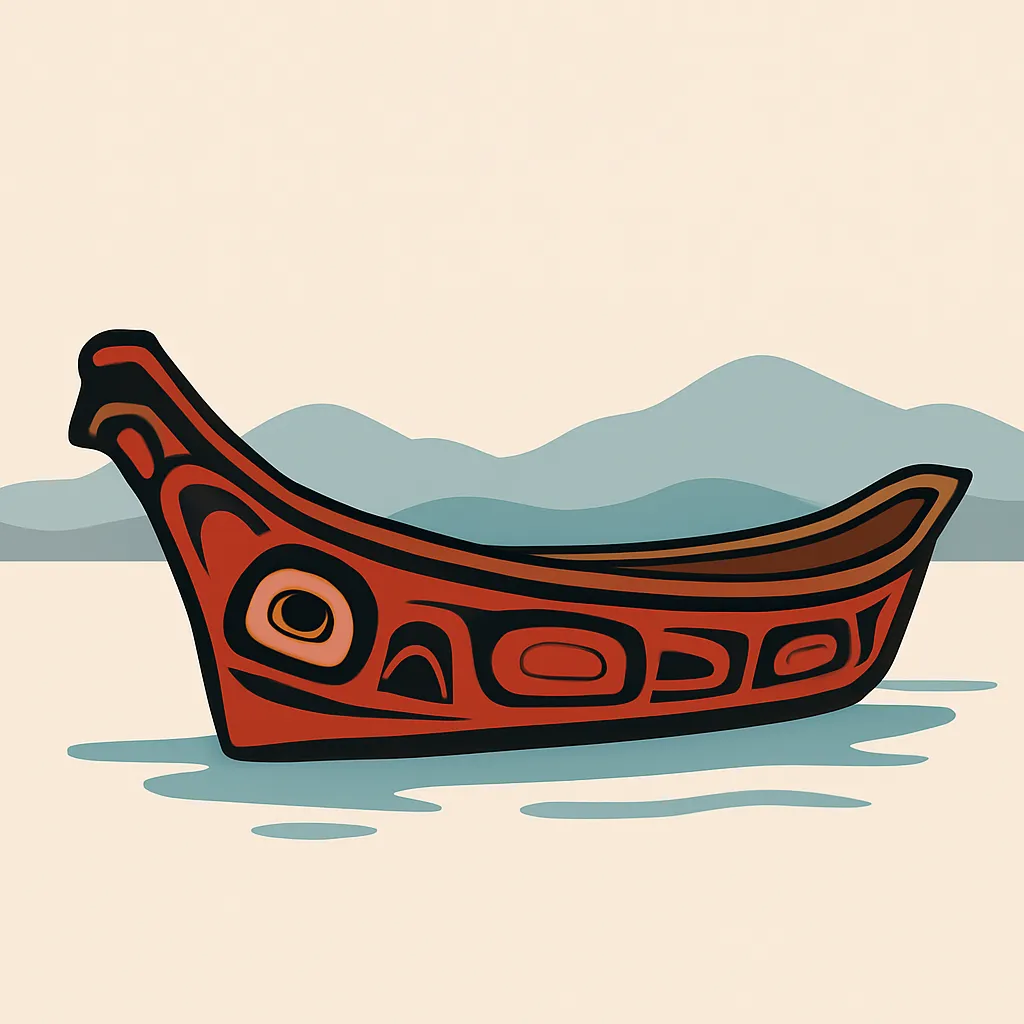
Northwest Coast peoples paddled large canoes like this one along the coast. How did they make a canoe like this?
On the Great Plains, why did some groups rely heavily on bison?
The Maya developed city-states, writing, mathematics, astronomy, and large stone buildings in Mesoamerica.
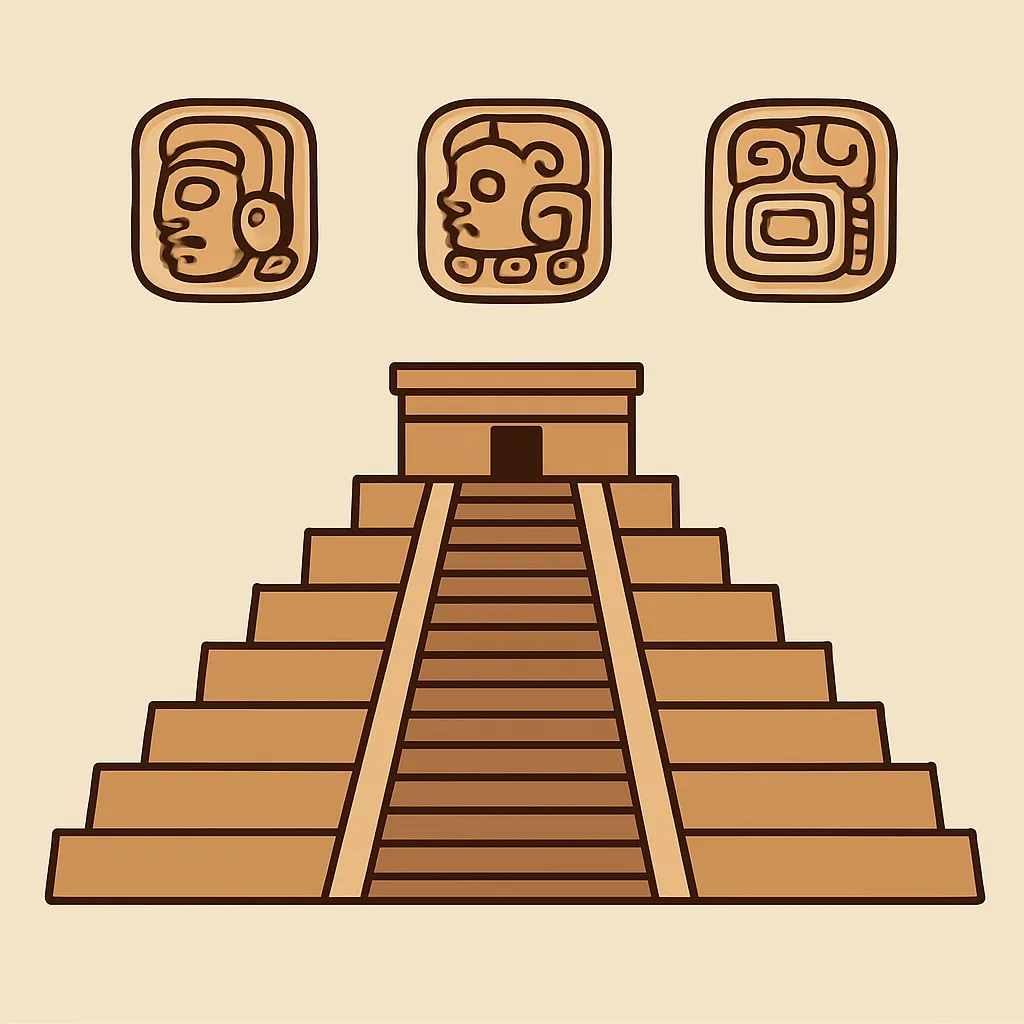
Where did the Maya civilization develop?
Which civilization built a powerful capital at Tenochtitlan on an island in Lake Texcoco?
Which civilization built an empire in the Andes Mountains and used roads to connect faraway regions?
Why were roads and runners important in the Inca Empire?
The Haudenosaunee, also called the Iroquois Confederacy, formed an alliance among several nations in what is now New York and nearby areas.
What type of home was commonly used by many Haudenosaunee communities?
Which statement best describes trade among early peoples of the Western Hemisphere?
Why are oral traditions important for learning about Indigenous histories?
Which answer best shows a respectful way to describe the first peoples of the Americas?
Crack the passcode before the zombies get in.

Pick a tile, answer, hit bonuses and steals.
European Conquest of the Western Hemisphere
40 questions