Loading
by BlastRoom
How European powers conquered parts of the Americas and what that meant for Indigenous peoples. Aligned to the New York State Grade 5 social studies framework.
#history#us_grade_5_social_studies
40 questions
One question set, multiple game modes. Tap any game to see it in action. Not sure which to pick?
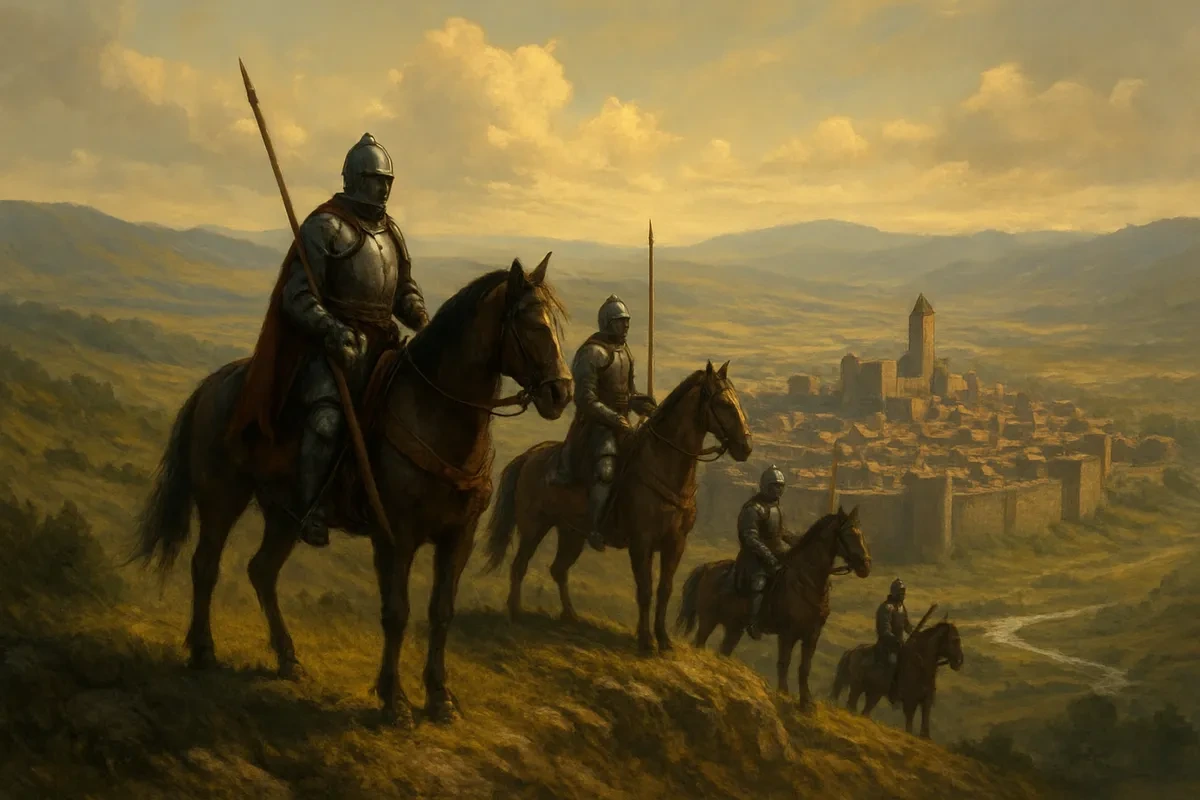
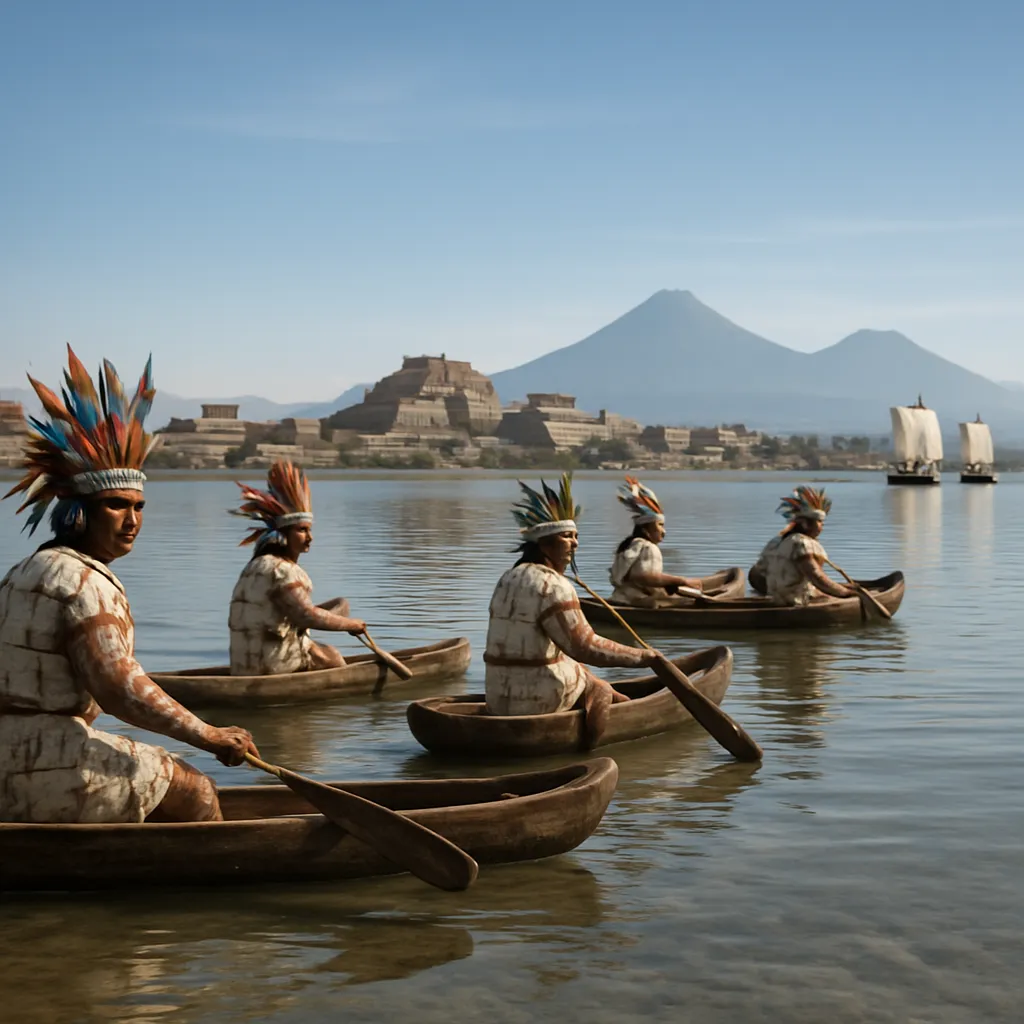
In November 1519 Hernan Cortes entered Tenochtitlan, an island city on a lake, where the ruler Moctezuma II received him. Tenochtitlan was the capital of which empire?
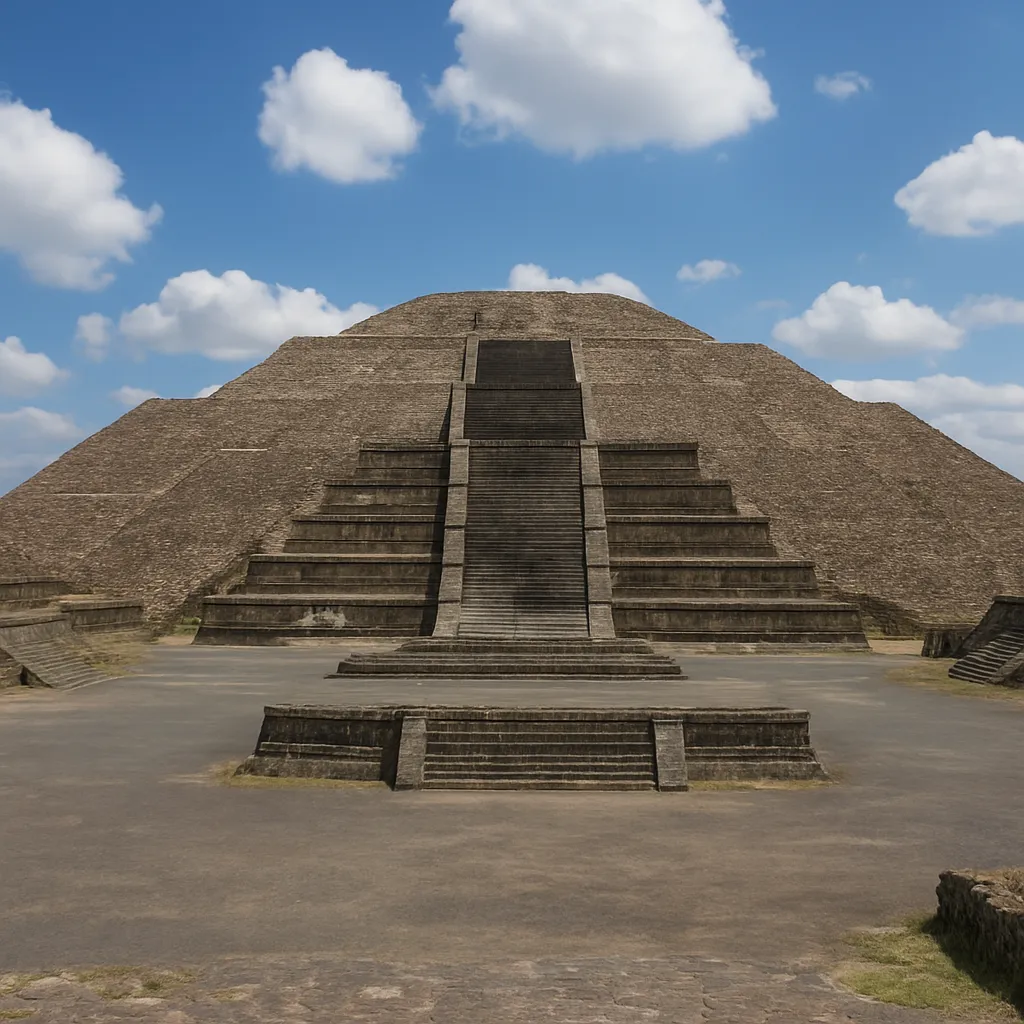
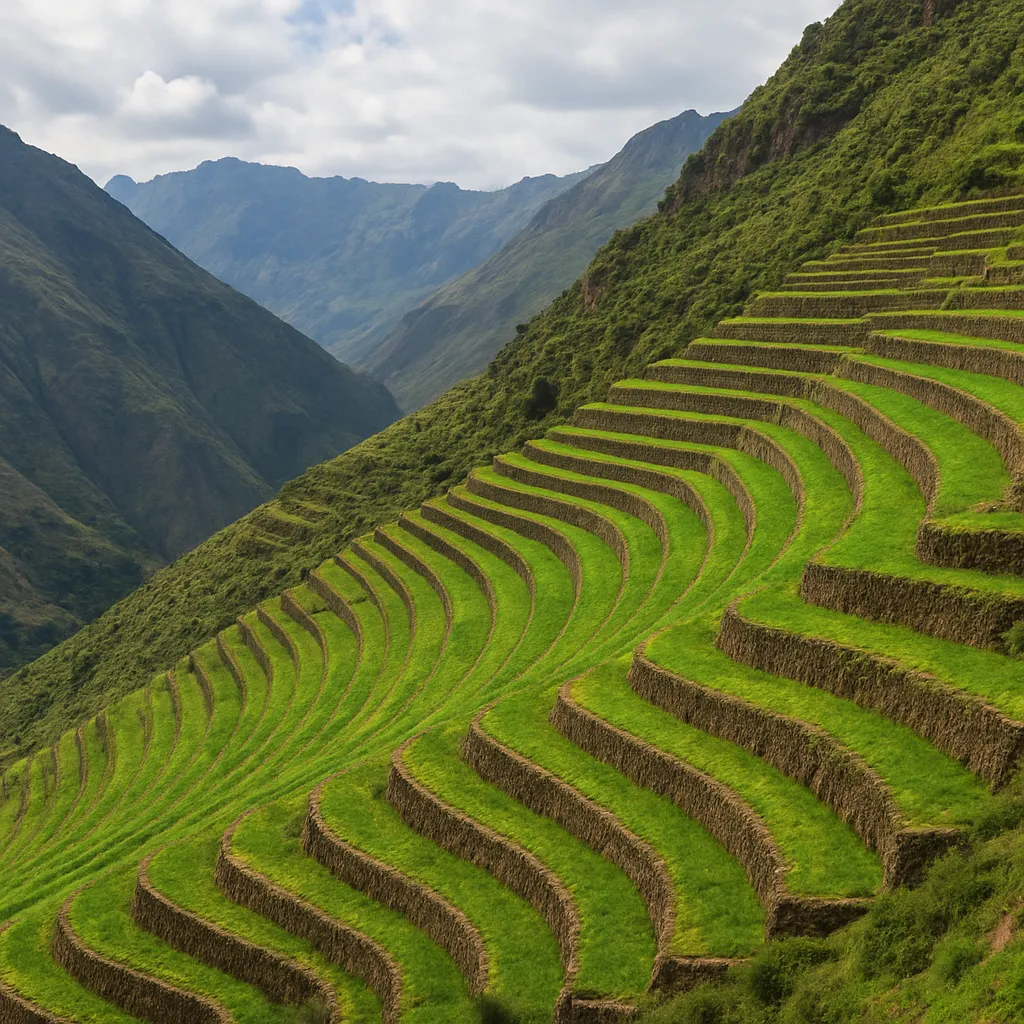
Francisco Pizarro's force reached the Inca Empire in the Andes in 1532. Which city was the capital of the Inca Empire?
In 1532 Francisco Pizarro's small force seized the Inca ruler Atahualpa during a meeting. In which highland town did this happen?
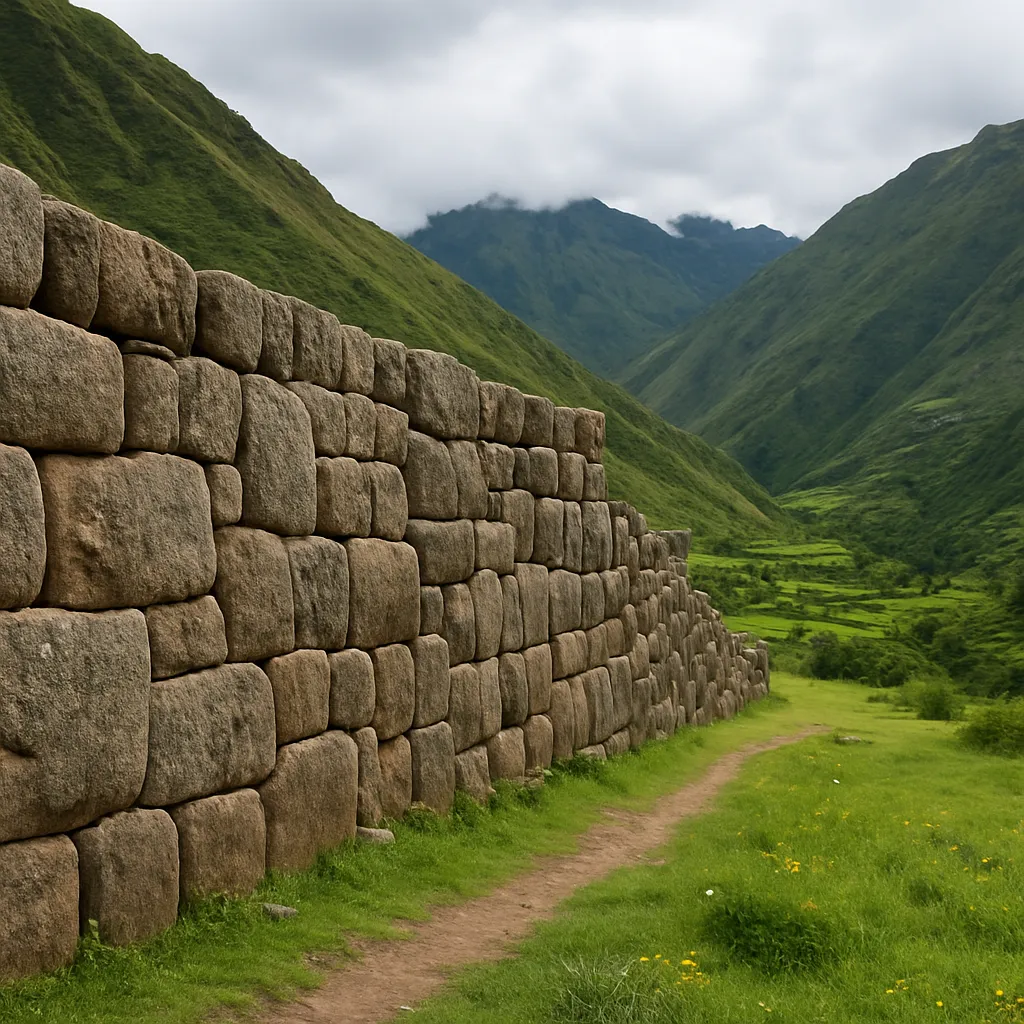
When Cortes besieged Tenochtitlan in 1521, his army was far larger than the group of Spanish soldiers he had landed with. Who made up most of that army?
Historians name several causes behind the fall of the Aztec and Inca empires. Which cause led to by far the greatest loss of Indigenous life?
Smallpox reached central Mexico in 1520 and killed about half the people of Tenochtitlan within months. Why did it spread so fast and kill so many?
Atahualpa had just won a civil war against his own brother when Francisco Pizarro's force reached the Inca Empire in 1532.
Nahuatl, the main language of the Aztec Empire, has no speakers left anywhere today.
There were no horses in the Americas before Europeans brought them. In early fighting, what advantage did Spanish soldiers on horseback have?
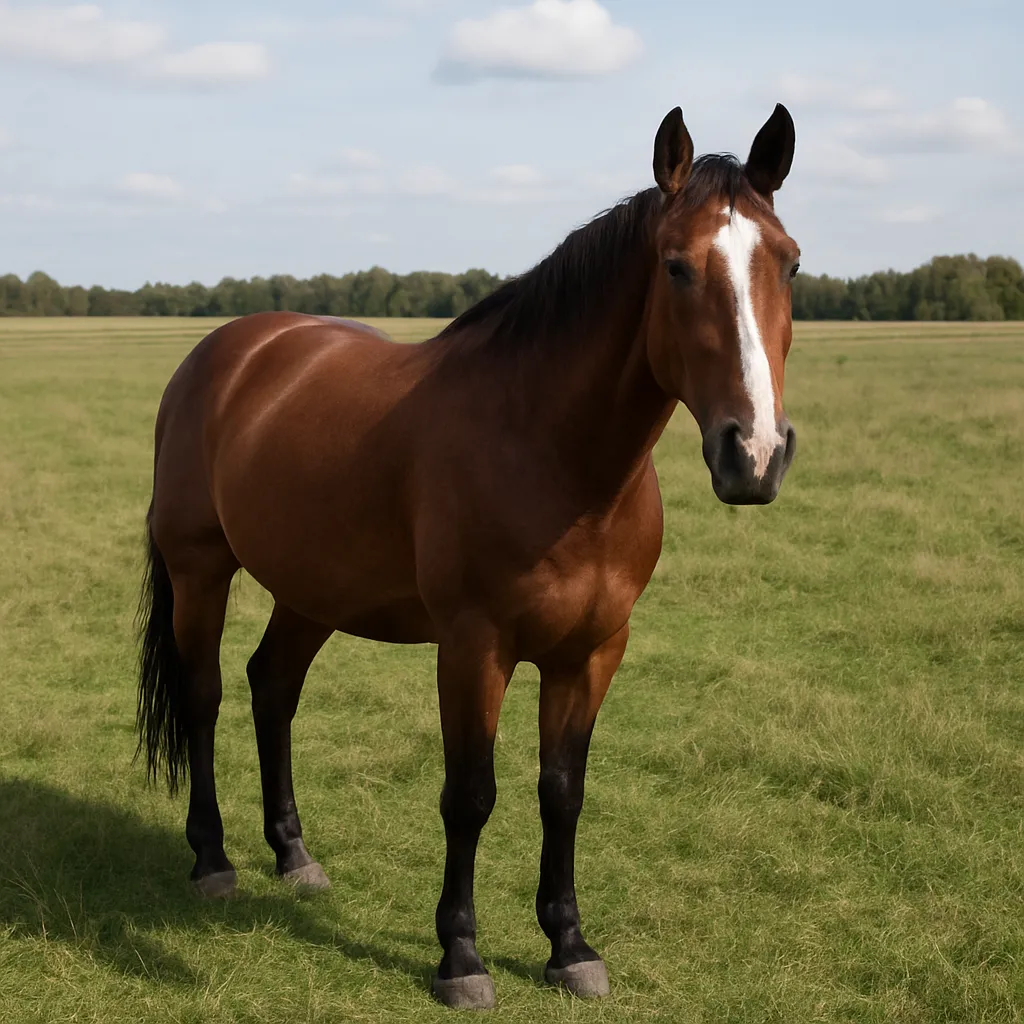
Spain used the encomienda system in its American colonies. What was an encomienda?
European colonists planted huge fields of sugar cane on Caribbean islands rather than in the cool Andes highlands. What explains that choice?
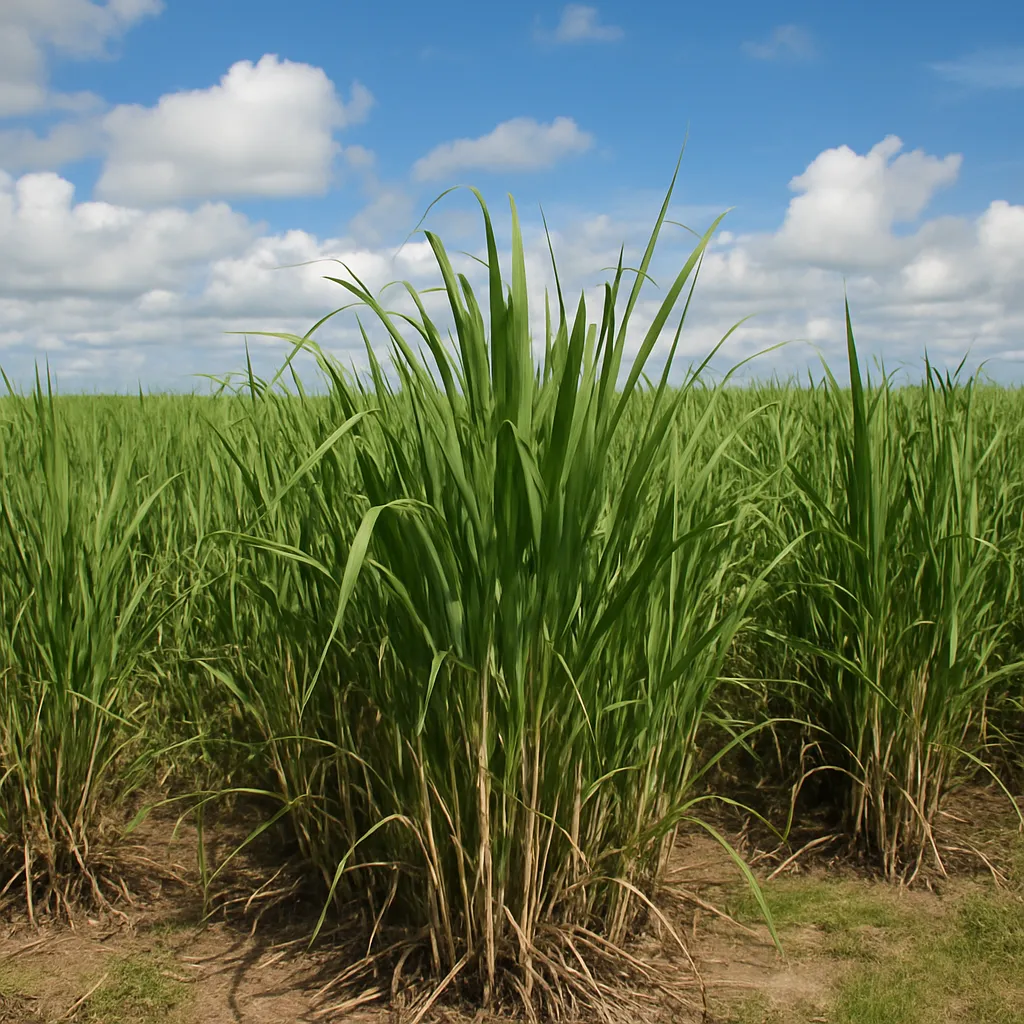
As Indigenous populations fell after contact, colonists forced enslaved Africans across the Atlantic to labor on Caribbean sugar plantations. What is that forced ocean crossing called?
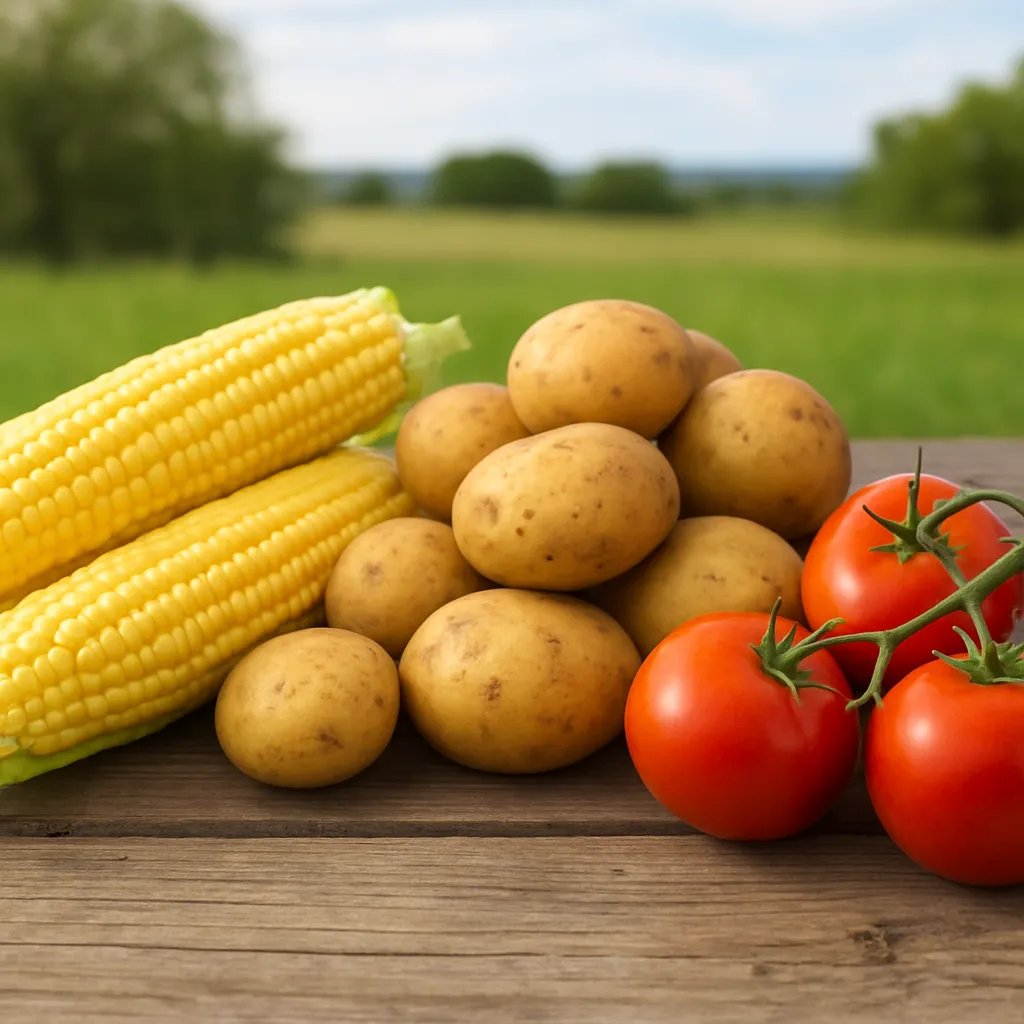
Horses, cattle, wheat and sugar cane crossed to the Americas, while maize, potatoes and tomatoes crossed to Europe. What is this movement of plants, animals and diseases called?
Here are four events: Columbus's first Atlantic crossing, the founding of Veracruz, Cortes entering Tenochtitlan, Pizarro's force reaching the Inca Empire. Which happened last?
Spanish soldiers who led armed expeditions to claim lands in the Americas for Spain were known by what name?
Cortes and his Indigenous allies surrounded Tenochtitlan in May 1521, and the city surrendered on August 13, 1521. About how long did that siege last?
A Spanish soldier who marched with Cortes wrote a report on the fall of Tenochtitlan. Nahua elders later described the same siege to a friar who wrote it down. What can a historian learn from reading both?
Which language of the Inca Empire is still spoken today by millions of people in Peru, Bolivia and Ecuador?
Which continent did most conquistadors come from?
What was one major goal of Spanish conquistadors in the Americas?
What combination of factors caused Indigenous populations in the Americas to collapse after European conquest?
Which disease brought by Europeans killed many Indigenous people who had no immunity to it?
The Columbian Exchange was the movement of plants, animals, people, ideas, and diseases between which areas?
Which item traveled from the Americas to Europe as part of the Columbian Exchange?
Which animal introduced by Europeans changed life for many Native peoples of the Great Plains?
True or False: Many Indigenous societies in the Americas had cities, governments, trade networks, and cultures before Europeans arrived.
Who led the Spanish conquest of the Aztec Empire?
Who led the Spanish conquest of the Inca Empire?
Which advantage helped small Spanish forces win battles against much larger Indigenous armies?
True or False: After the Spanish captured Atahualpa in 1532, the Inca stopped resisting Spanish rule.
Bartolome de las Casas was a Spanish priest who lived in the Americas in the 1500s. What is he best known for?
Which phrase best describes forced labor?
Why did Spain build missions in parts of the Americas?
True or False: European nations competed with each other for land, trade, and wealth in the Americas.
What was the Treaty of Tordesillas intended to do?
Which European nation founded the colony that included New Amsterdam, the town that later became New York City?
In 1609 an English explorer sailing for the Dutch traveled up a large river in present-day New York. Which river did he explore?
How did European demand for furs affect many Indigenous communities in the Northeast?
True or False: The Haudenosaunee were an important Indigenous confederacy in what is now New York.
Which statement best explains one lasting effect of European conquest in the Americas?
Crack the passcode before the zombies get in.

Pick a tile, answer, hit bonuses and steals.
Comparing Geography Across the Western Hemisphere
20 questions