Loading
by BlastRoom
Major twentieth-century developments in the United States and Texas that continue to shape life today. Aligned to the Texas Grade 5 social studies standards (TEKS).
#history#us_grade_5_social_studies
24 questions
One question set, multiple game modes. Tap any game to see it in action. Not sure which to pick?
The Great Depression began after a sudden event in October 1929. What was the immediate trigger?
During the 1930s, enormous dust storms swept the Texas Panhandle after years of drought. Which earlier change had left the soil loose enough for wind to carry away?
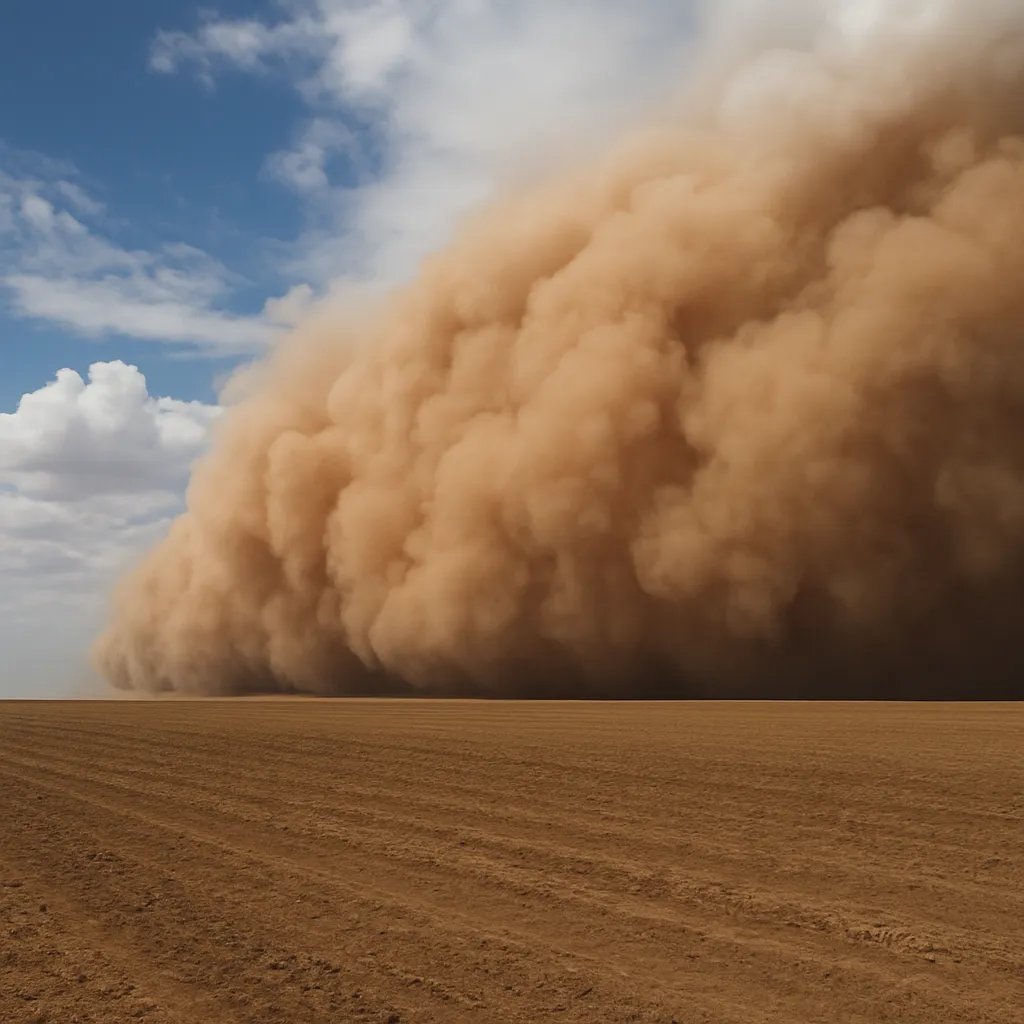
A well near Beaumont, Texas struck a huge gusher in 1901 and started an oil boom. Which growing use of oil made that discovery so valuable in the years that followed?
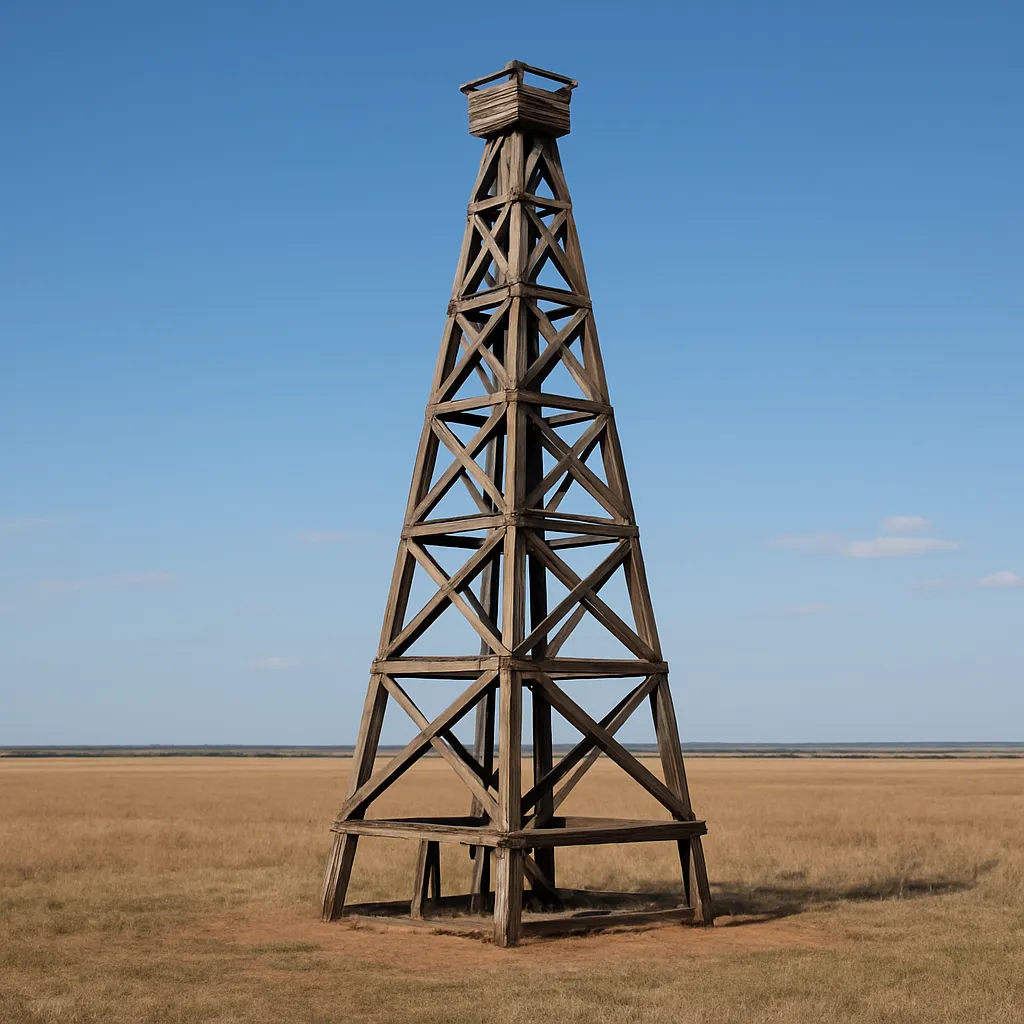
The United States entered World War II in December 1941. What was the immediate cause of that entry?
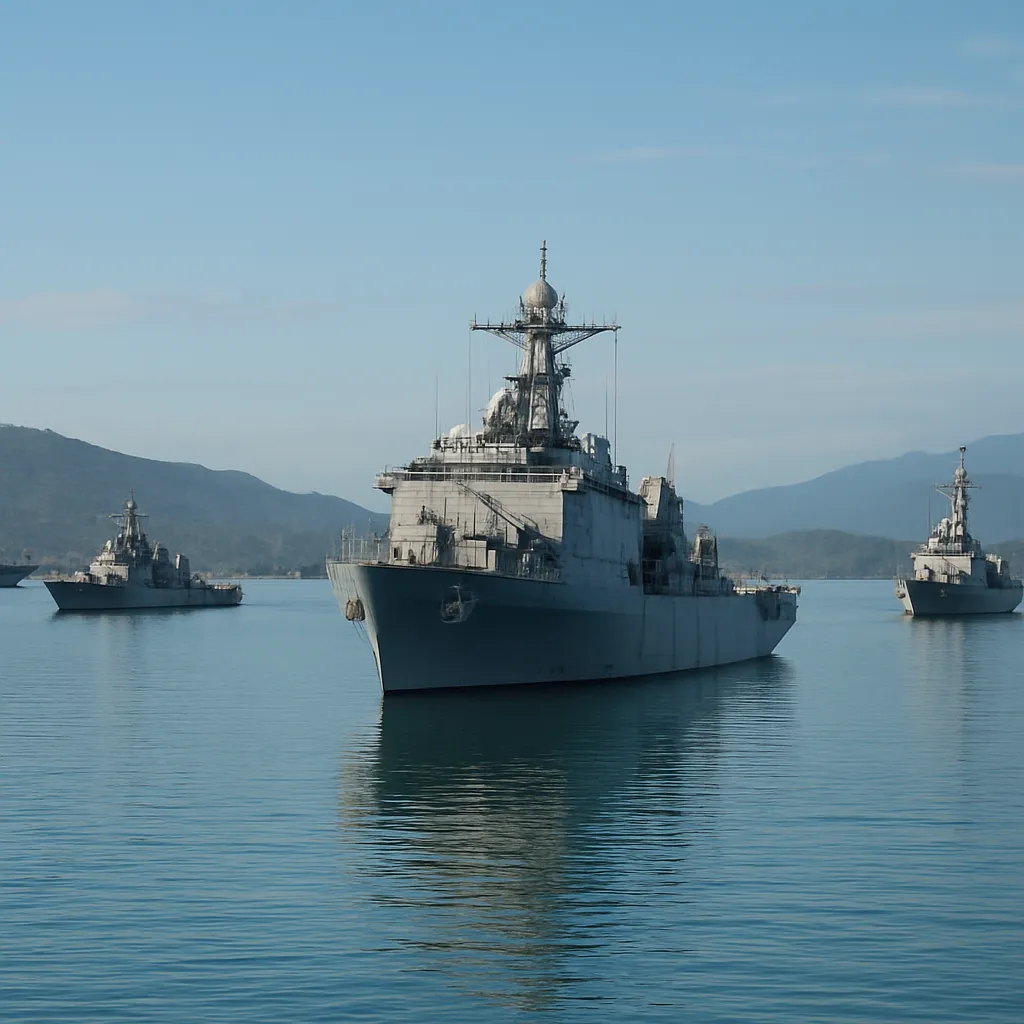
NASA opened its center for human spaceflight in Houston, Texas in 1961. What job did that center do during the Apollo missions to the Moon?
Rockets and satellites launched by the space program let television pictures and weather information travel between distant parts of the world.
In 1956 the national government began paying for a system of interstate highways across the country. How did that change the way goods moved between cities?
After World War II, millions of American families bought cars, and new roads reached past the edges of the cities. Where did large numbers of people move?
Houston and Dallas grew quickly after 1950 even though summers there are long and very hot. Which invention made living and working in those cities comfortable year-round?
In 1958 Jack Kilby, an engineer at Texas Instruments in Dallas, built the first integrated circuit, placing a whole electric circuit on one small chip. What did that invention make possible?
The internet grew out of a network built in 1969 that first linked computers at a few universities. What could people do because those computers were connected?
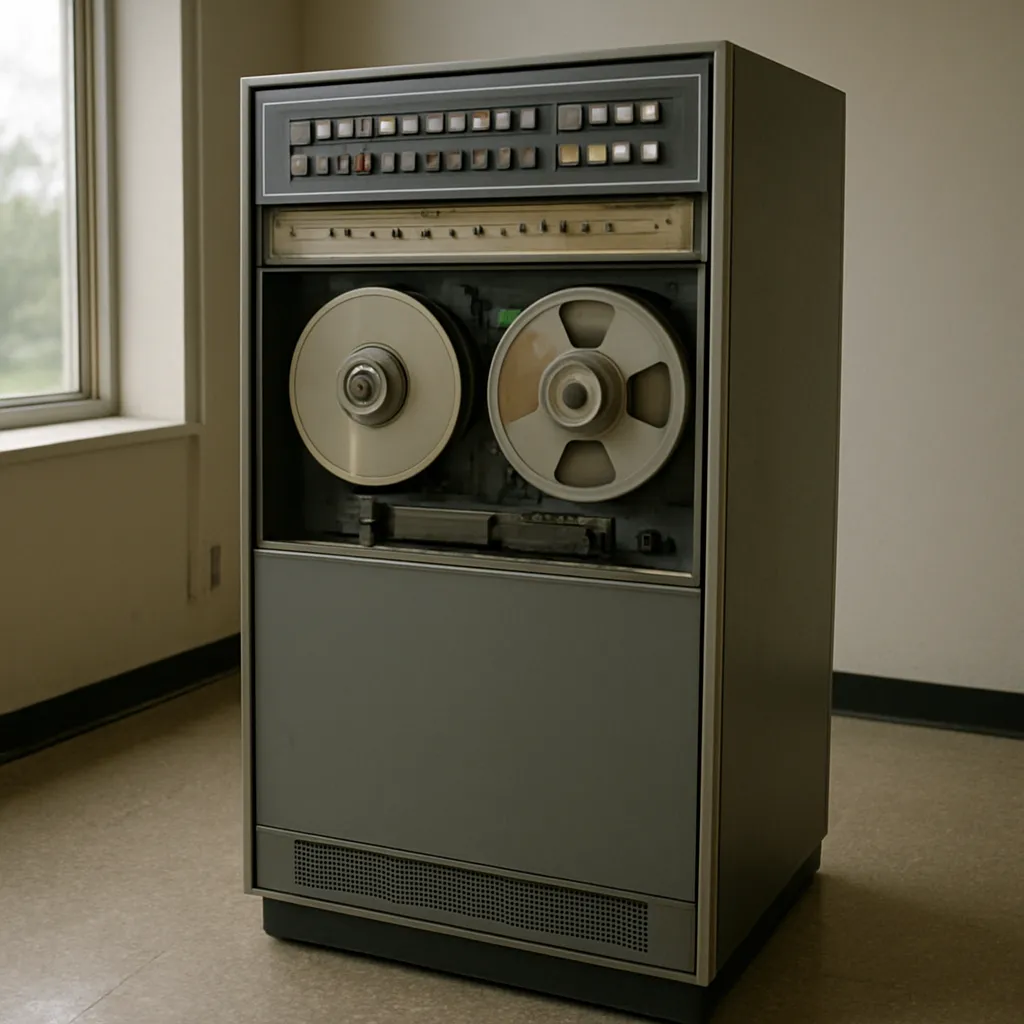
In December 1955, Rosa Parks was arrested in Montgomery, Alabama for refusing to give up her bus seat. How did Black residents of the city respond?
Martin Luther King Jr. became a national leader during the civil rights movement of the 1950s and 1960s. Which action is he known for?
In 1964 Congress passed a law ending legal segregation in public places such as restaurants, hotels, theaters, and schools. What is that law called?
In 1956 a new law began paying for a system of interstate highways across the country. Which president signed that law?
As the interstate highways spread across the country, which kinds of businesses grew up near the highway exits?
After World War II, millions of Americans moved to fast-growing cities in the warm South and Southwest. What is this region often called?
What event showed that the United States had achieved President John F. Kennedy’s goal in the Space Race?
What did the growth of television broadcasting change most about American home life in the decades after World War II?
In the decades after World War II, what shift happened in the kinds of jobs many Americans held?
Besides computers, which small handheld machine did Texas Instruments build using integrated circuits in the late 1960s?
In 1969, researchers linked a few university computers together in a network. What did that network eventually grow into?
What was one reason many people moved from cities to suburbs after World War II?
In 1962, which American astronaut became the first American to orbit Earth?
Crack the passcode before the zombies get in.

Pick a tile, answer, hit bonuses and steals.
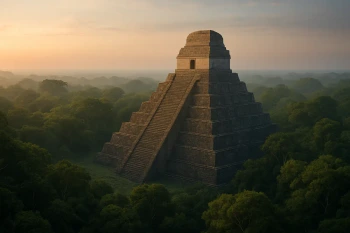
Complex Societies of Mesoamerica and South America
40 questions