Loading
by BlastRoom
How factories, railroads, oil, and new arrivals from Europe, Asia, and Mexico reshaped American and Texas communities. Aligned to the Texas Grade 5 social studies standards (TEKS).
#history#us_grade_5_social_studies
40 questions
One question set, multiple game modes. Tap any game to see it in action. Not sure which to pick?
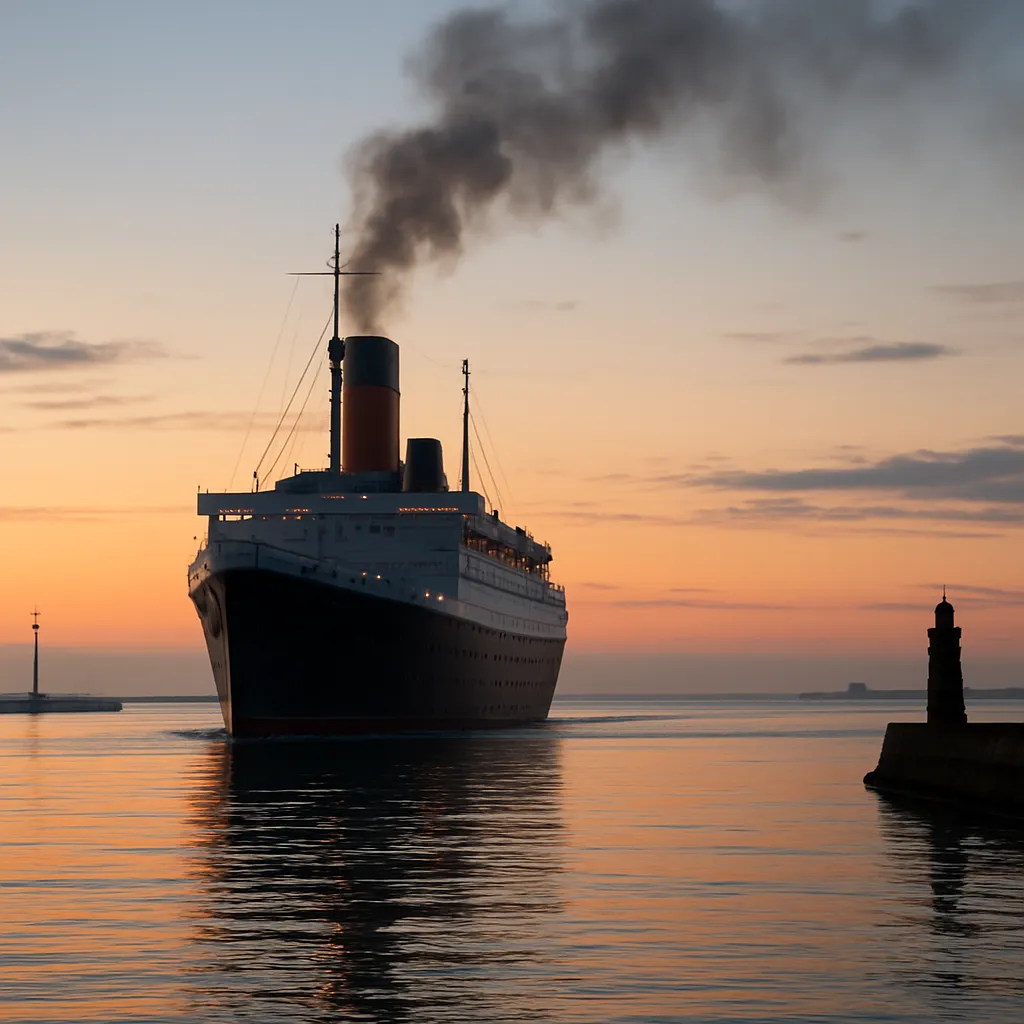
From 1892 to 1954, most immigrants who arrived by ship in New York Harbor were inspected at a station on a small island. What was that station called?
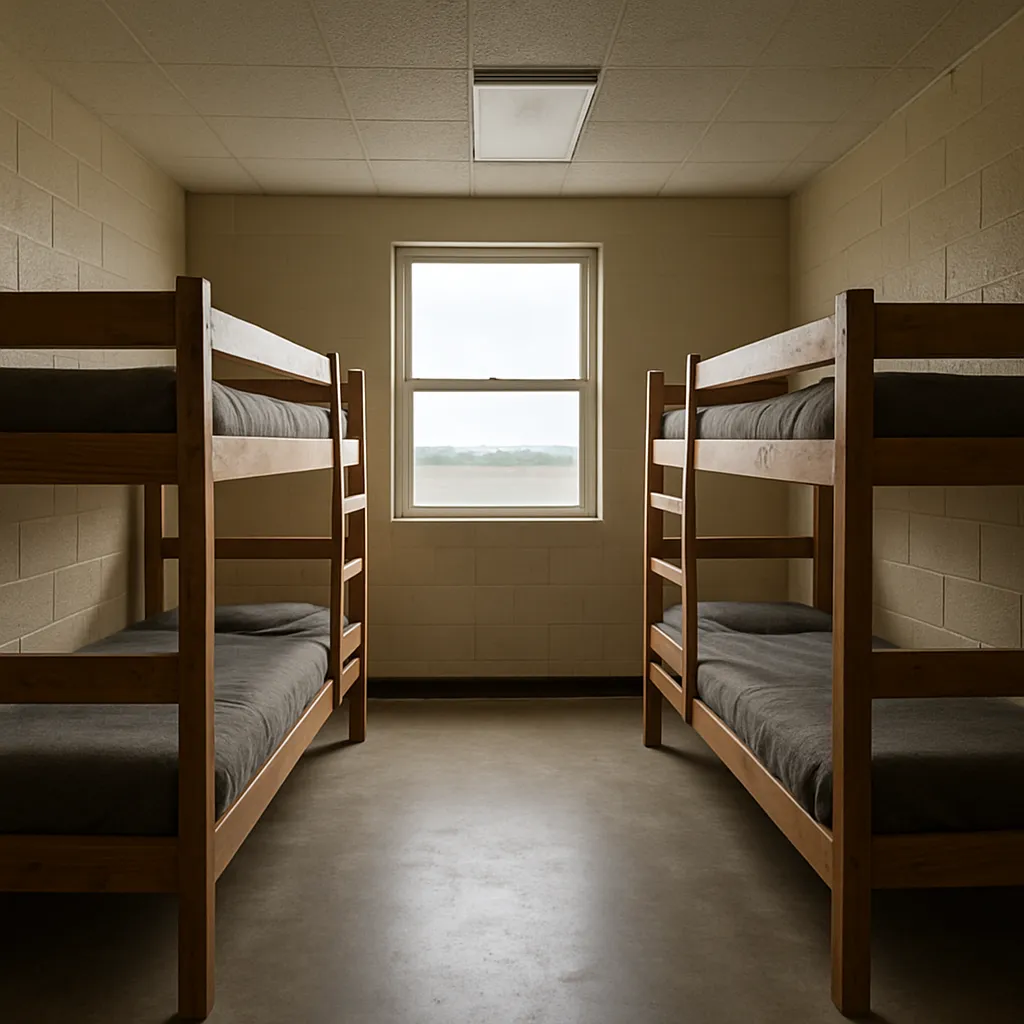
Chinese immigrants held for weeks at the Angel Island station in San Francisco Bay left a lasting record of their long wait inside the detention barracks. What did they leave behind?
In 1882 Congress passed the Chinese Exclusion Act. What did this law do?
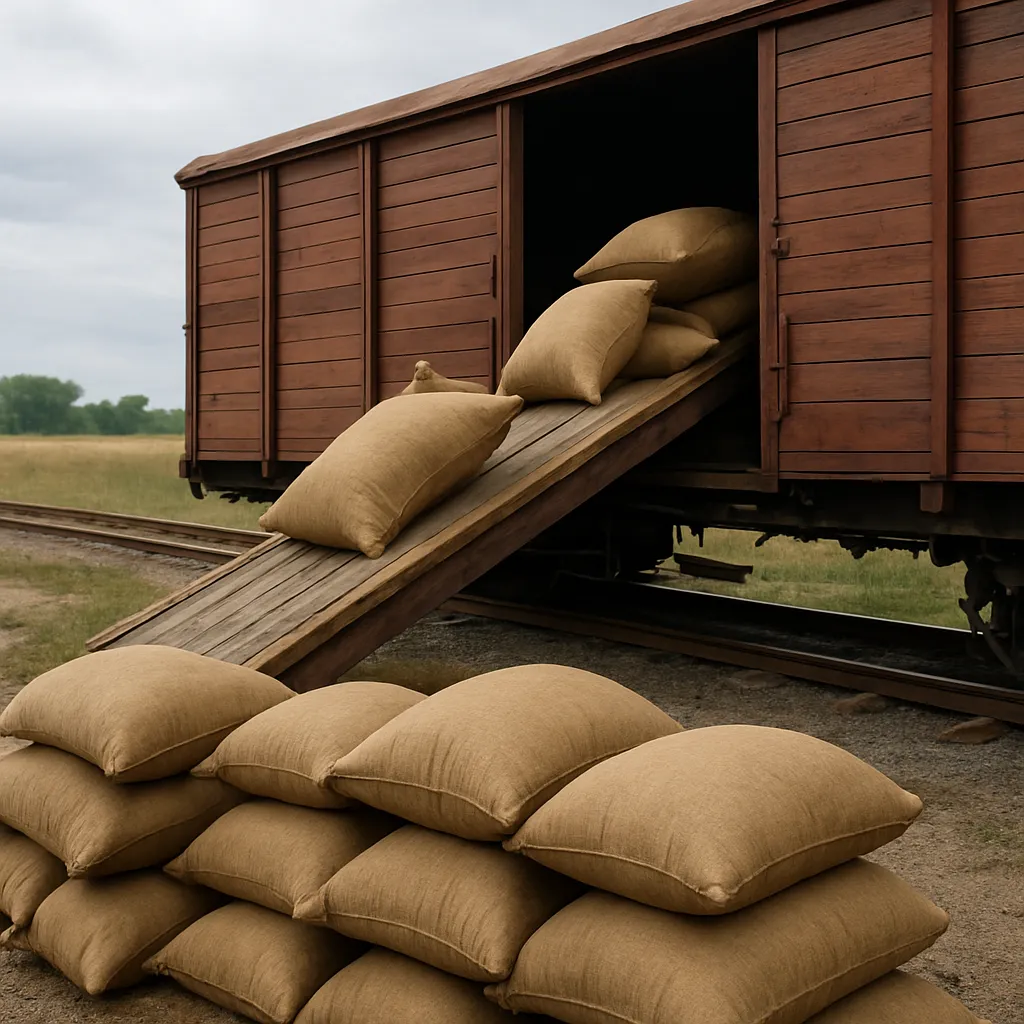
Before rail lines crossed the Great Plains, farmers there could sell their crops only close to home. What changed for those farmers once the railroads arrived?
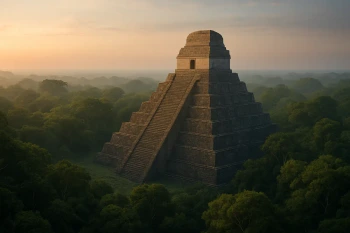
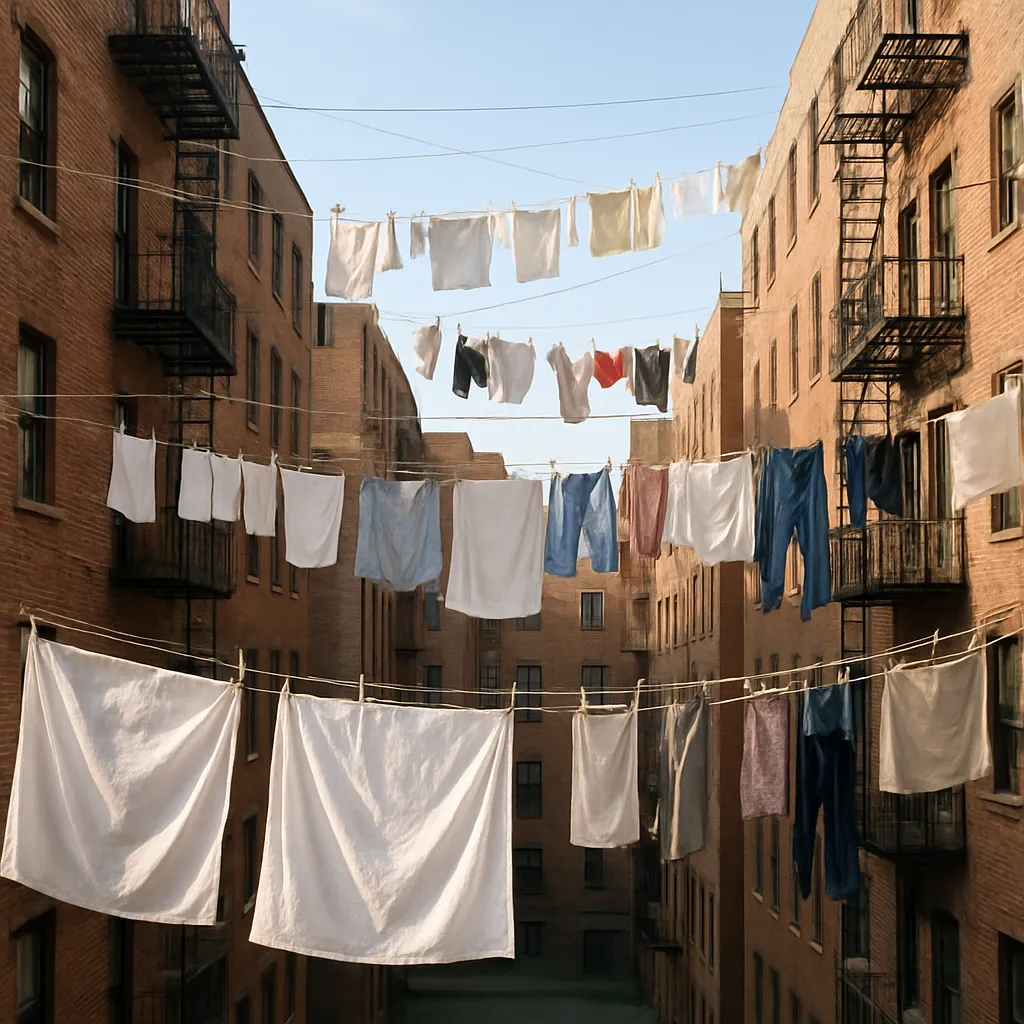
Between 1870 and 1920 American cities grew quickly as factories opened and people moved in looking for jobs. What is the word for this growth of cities?
In crowded industrial cities, many immigrant families rented rooms in tall, packed apartment buildings that had little light or fresh air. What were these buildings called?
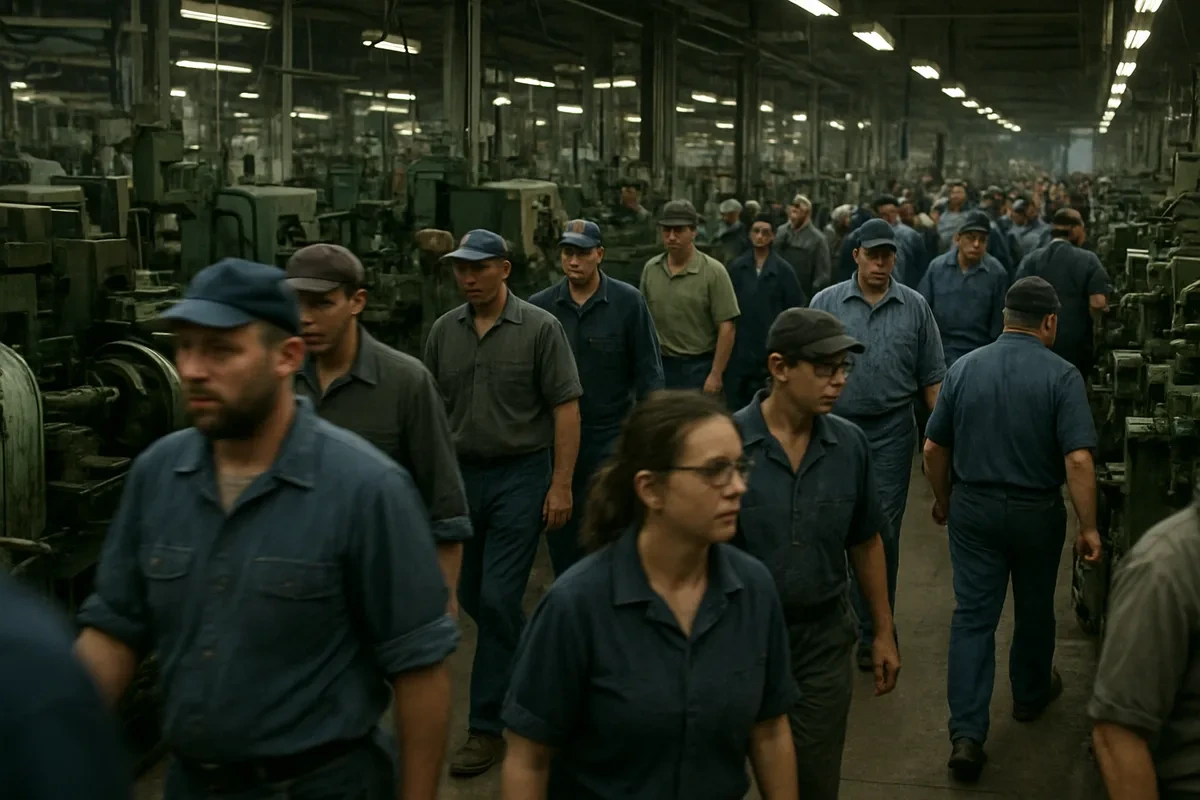
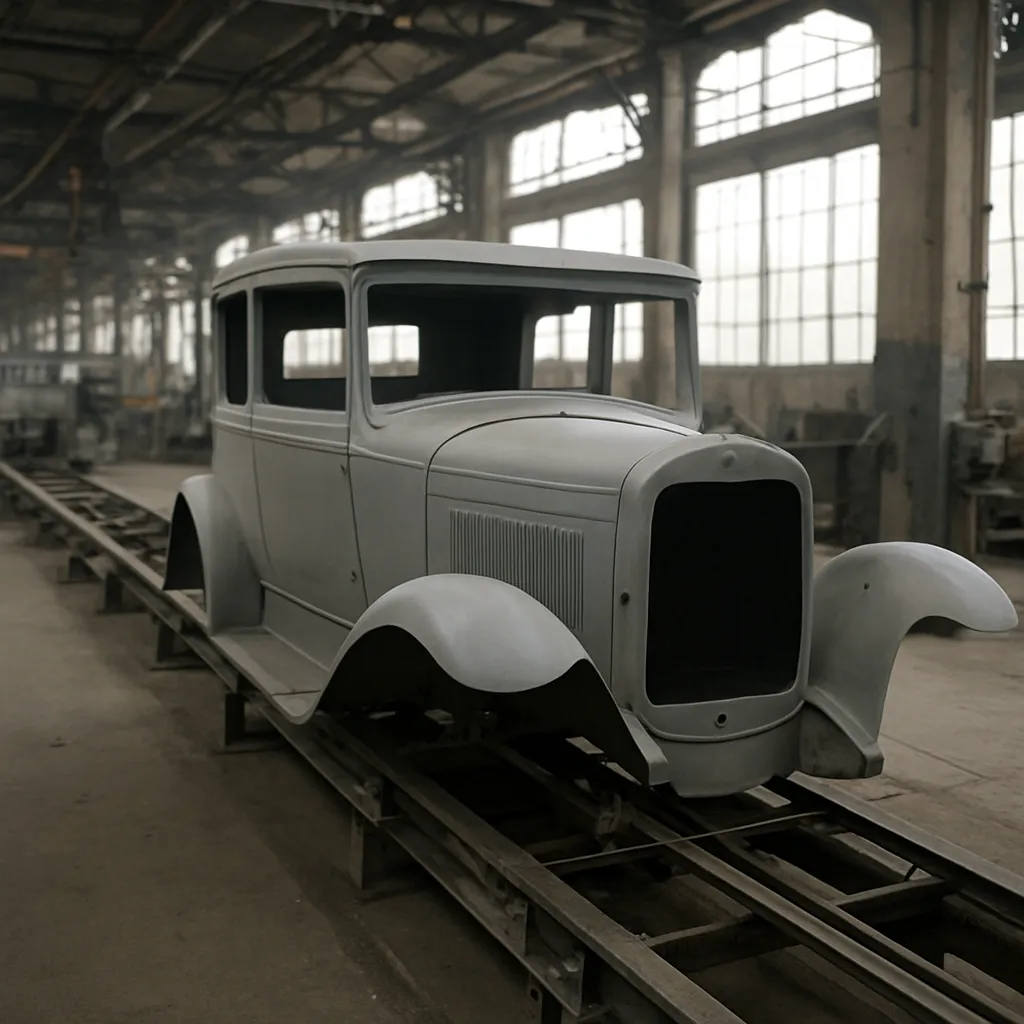
In 1913 Henry Ford's automobile factory began moving car bodies past a line of workers who each added one part. What was the main effect of this assembly line?
Electric lighting spread through American factories in the late 1800s and early 1900s. How did it change factory work?
In the early 1900s many children worked long days in mills and mines instead of going to school. What did reformers push new laws to do?
A fire at a New York garment factory in 1911 killed 146 workers, many of them young immigrant women, partly because exit doors were locked. What did New York do afterward?
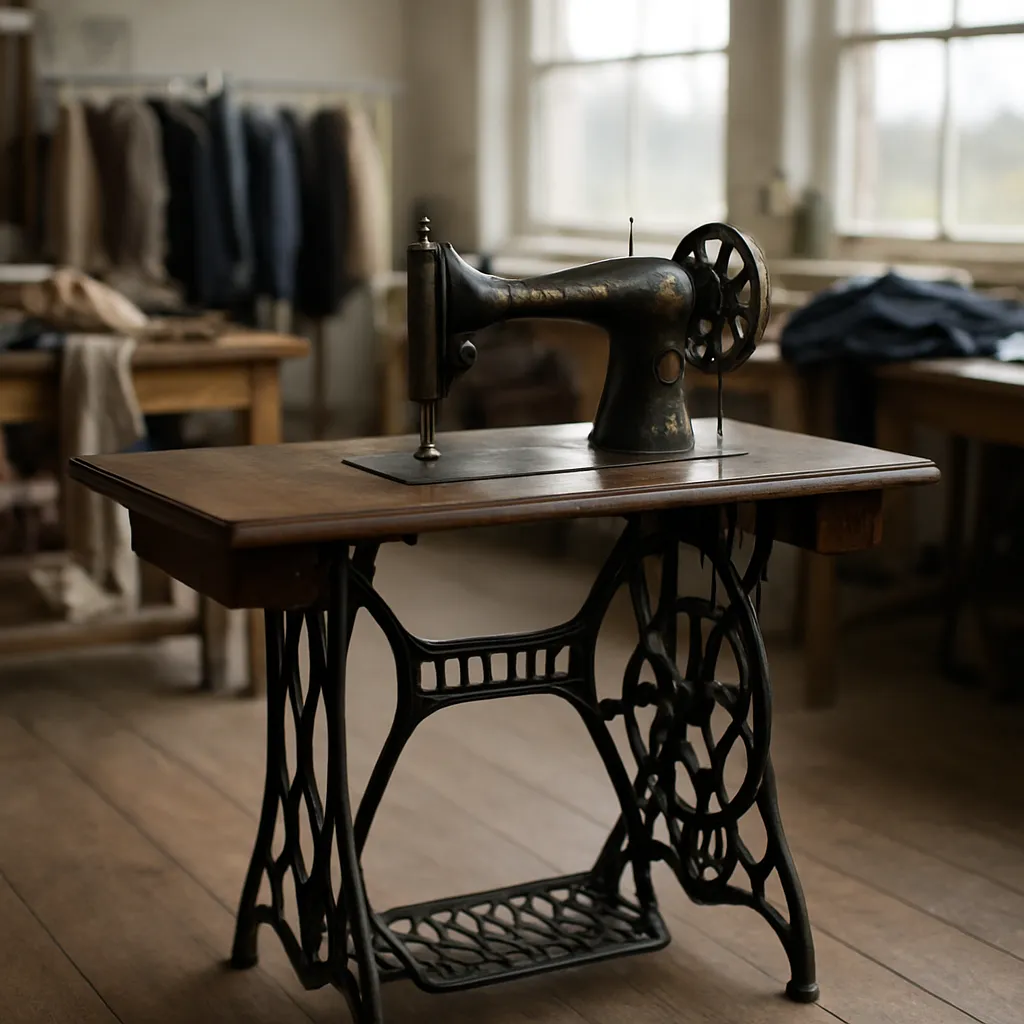
Factory workers in the late 1800s often worked twelve-hour days for low pay. When union members all refused to work until the owners raised their pay, what was this action called?
Millions of people left southern and eastern Europe for the United States between 1880 and 1920. What drew most of them here?

Immigrants from countries such as Poland, Italy, and Greece who arrived after 1890 often settled in northeastern and midwestern cities. What kind of work did most of them find?
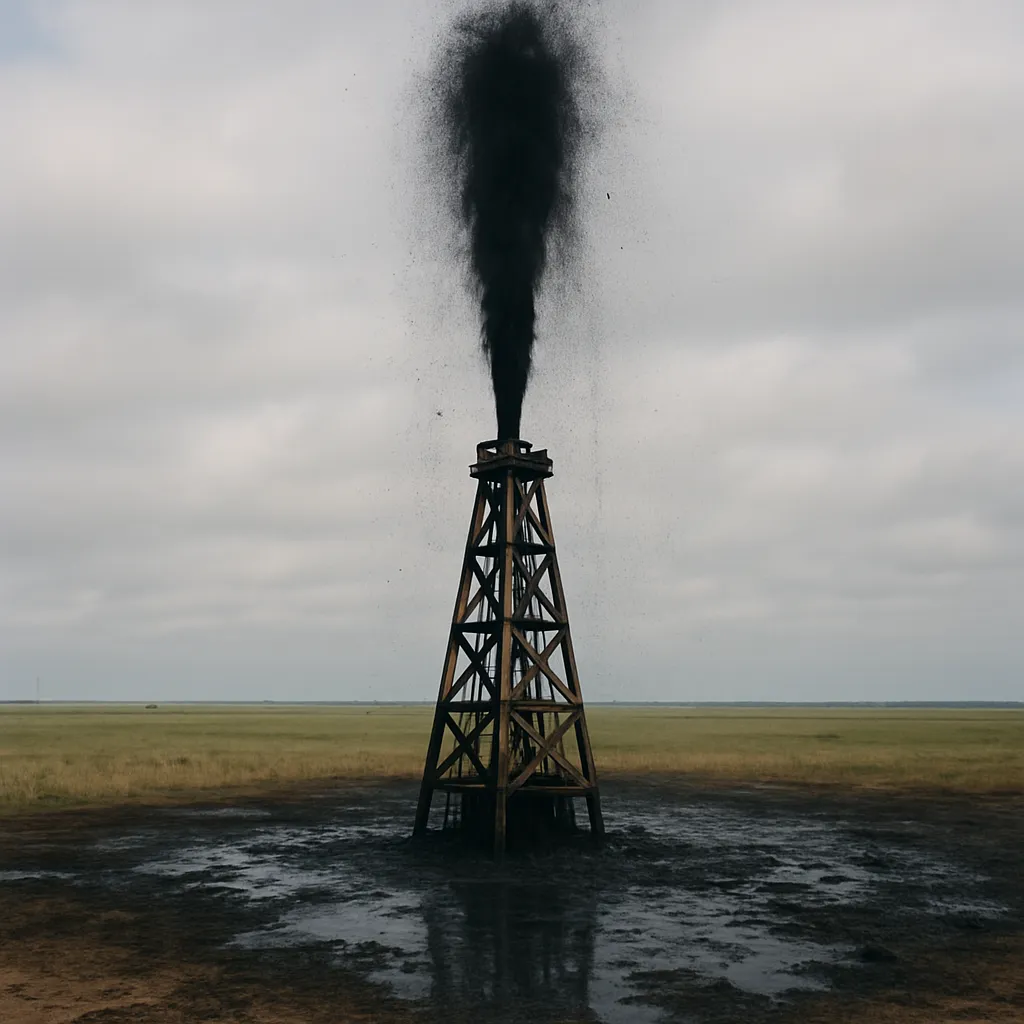
In January 1901 a well at Spindletop near Beaumont, Texas, blew oil more than one hundred feet into the air. What happened to the area soon afterward?
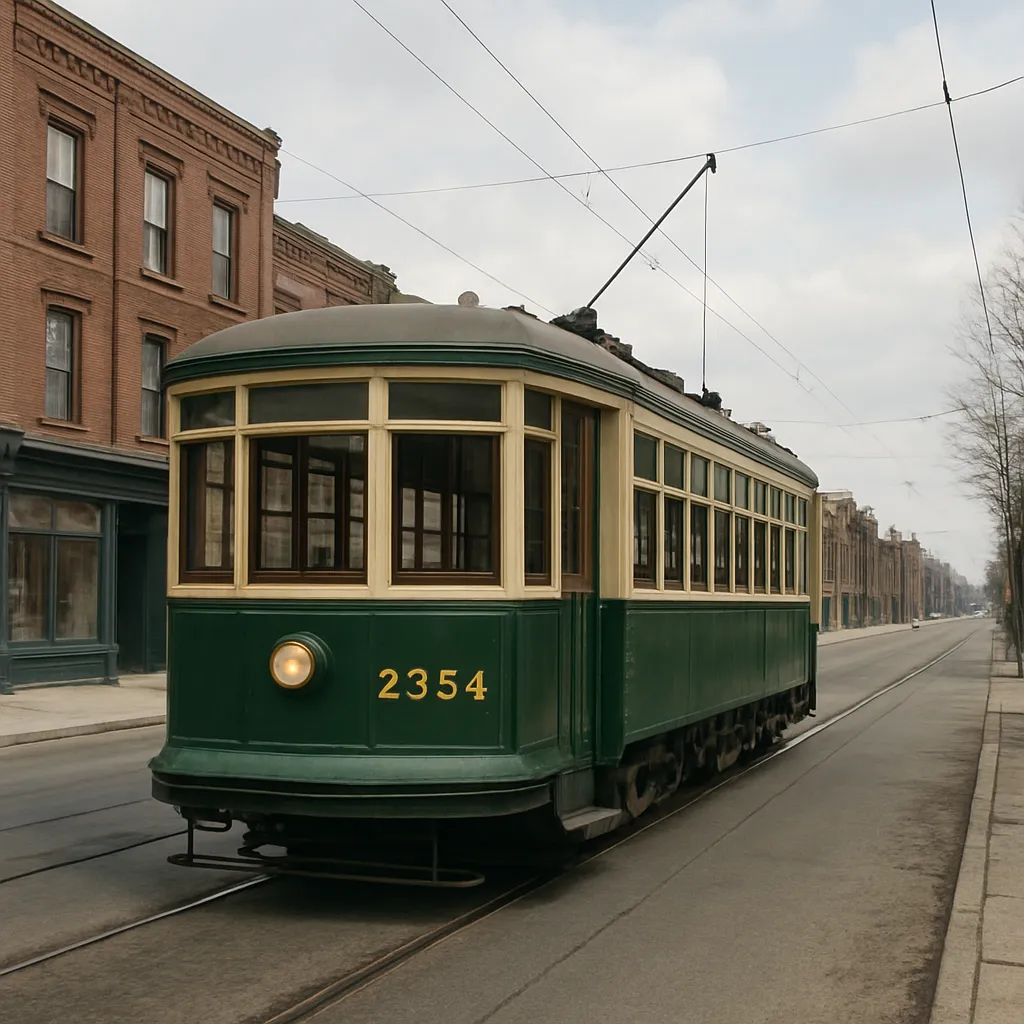
By the 1890s electric streetcars carried riders from downtown factories out to the edge of many American cities for a few cents. How did that change where city workers could live?
During the Mexican Revolution of 1910 to 1920, many families crossed into Texas at El Paso. What work did large numbers of these arrivals take up?
Because disease spread fast in crowded tenement districts, cities began requiring new apartment buildings to have windows, running water, and better plumbing.
Immigrants who arrived on the Pacific coast in the early 1900s were inspected at the Angel Island station in San Francisco Bay.
What does industrialization mean?
Which invention helped factories produce goods faster during industrialization?

True or False: Railroads helped industrialization by moving raw materials and finished goods across long distances.
Many new arrivals in the late 1800s and early 1900s settled in city neighborhoods such as Little Italy or Chinatown. Why did they often choose these neighborhoods?
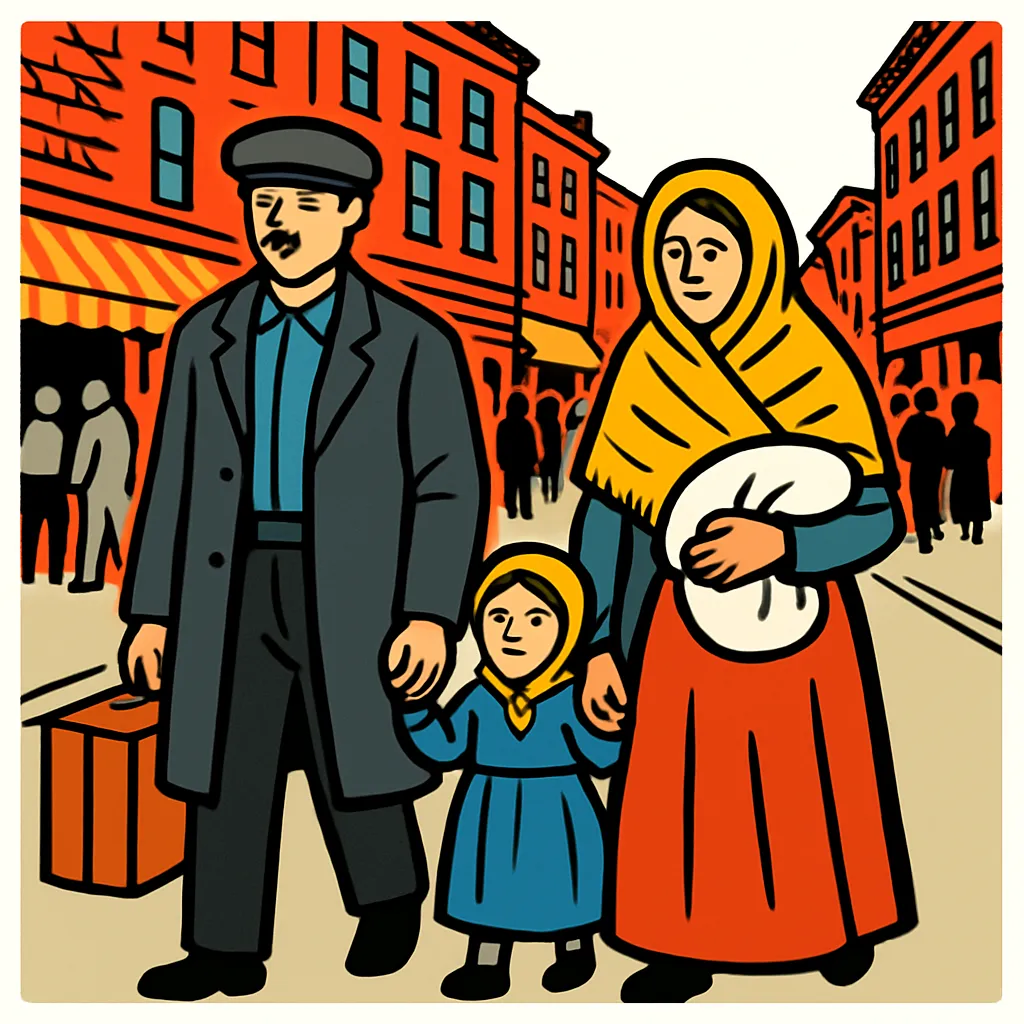
At Ellis Island, doctors looked over every newcomer. What could happen to an immigrant found to have a serious disease that spreads easily?
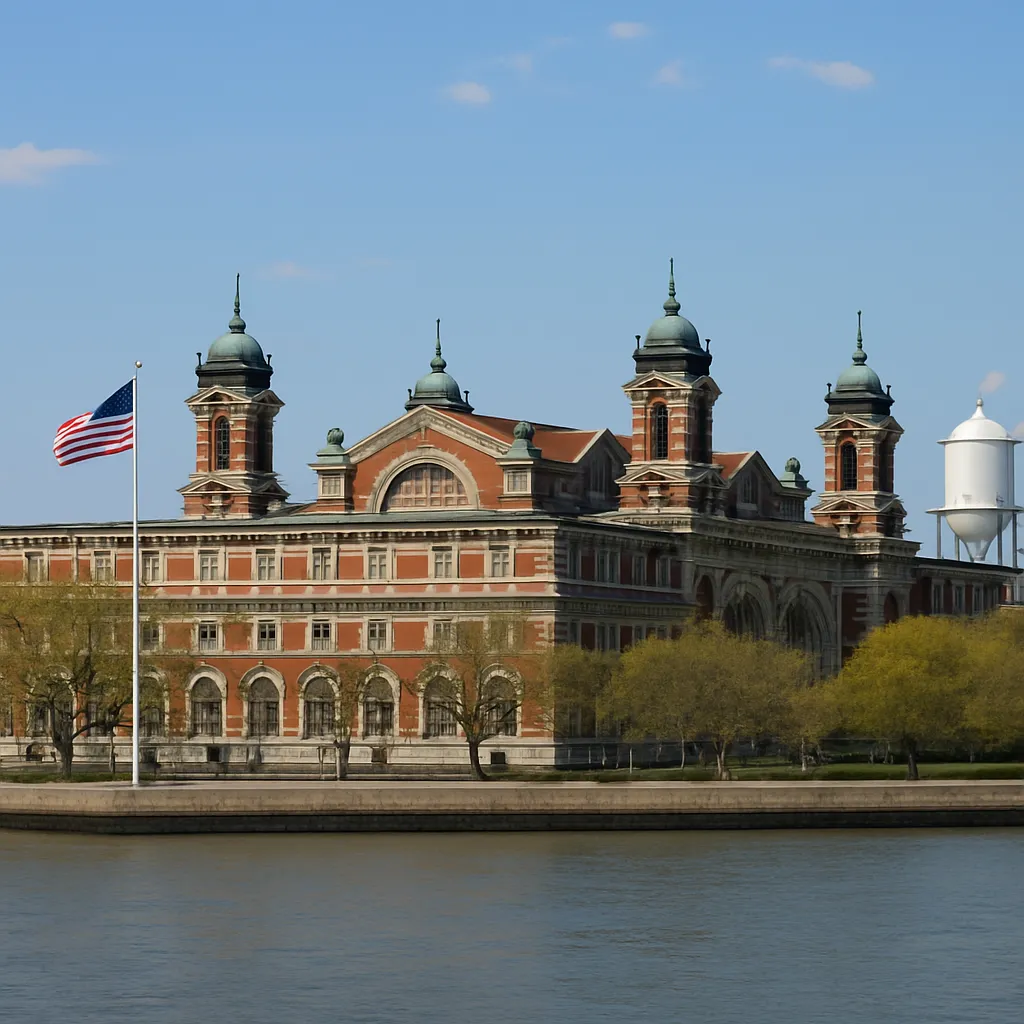
Which symbol in New York Harbor welcomed many immigrants to the United States?
In 1889 Jane Addams opened Hull House in a crowded Chicago neighborhood to help her immigrant neighbors. What kind of place was it?
What is an example of a 'push factor' that caused people to leave their home countries and immigrate to the United States?
What was one challenge many immigrants faced in crowded cities?
How did immigrants contribute to the United States during industrialization?
Which metal became important for building railroad tracks, bridges, and skyscrapers in the late 1800s?
Factories in the 1800s began making parts that were exactly alike, so any part could fit any product of the same kind. What did these interchangeable parts let factories do?
Henry Ford is most closely connected with which product?
Thomas Edison is known for helping develop which invention?
Alexander Graham Bell is best known for work on which invention?
True or False: New inventions in communication and transportation helped connect Americans across long distances.

What is a labor union?
Why did some reformers work to end child labor?

True or False: Most factory workers in the late 1800s worked eight-hour days around safe machines.
What was one effect of the transcontinental railroad?
How did immigration influence American culture?

Which statement best describes a major change caused by industrialization and immigration?
Crack the passcode before the zombies get in.

Pick a tile, answer, hit bonuses and steals.
Twentieth- and Twenty-First-Century America Overview
24 questions