Loading
by BlastRoom
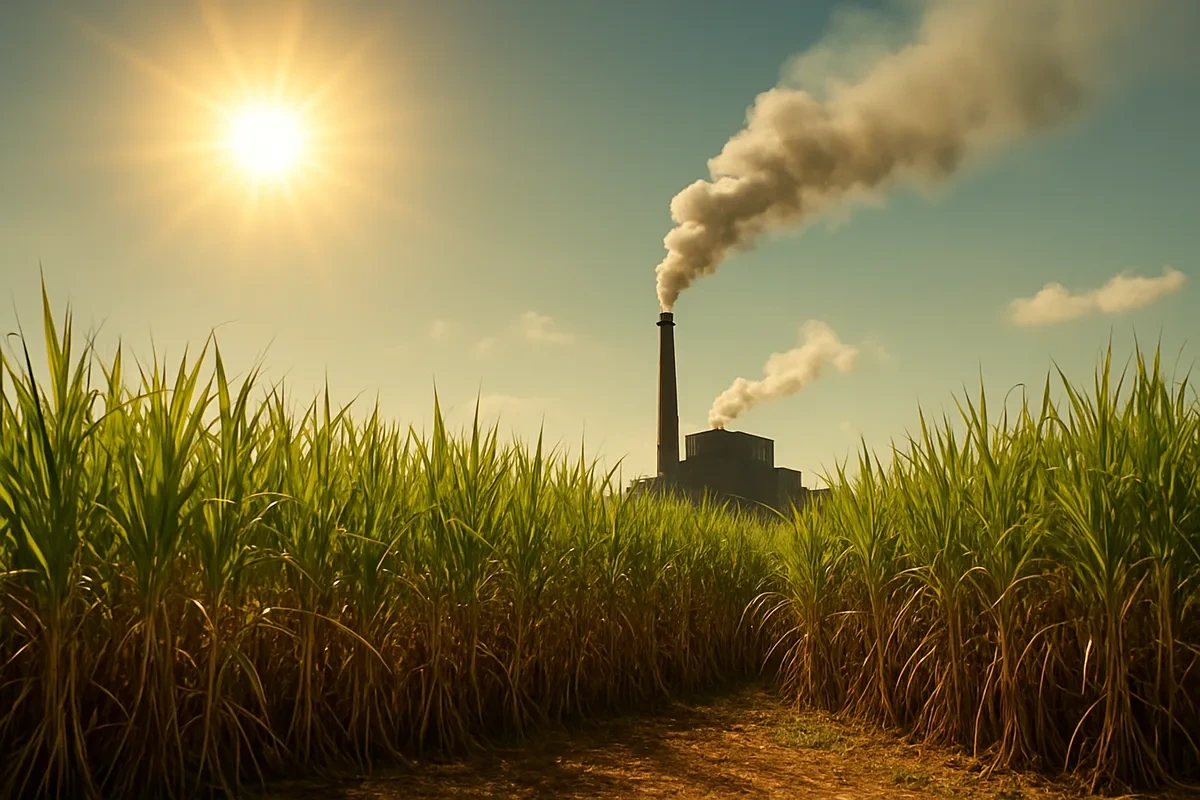
How sugar plantations in the Caribbean depended on the forced labor of enslaved Africans, and how people resisted until abolition. Aligned to the New York State Grade 5 social studies framework.
#history#us_grade_5_social_studies
40 questions
One question set, multiple game modes. Tap any game to see it in action. Not sure which to pick?
Sugar cane did not grow in the Americas before 1492. On his 1493 voyage, which explorer carried sugar cane cuttings from the Canary Islands and had them planted on Hispaniola?
Which Indigenous people were living on Hispaniola and the nearby islands when Spanish colonization of the Caribbean began?
By the late 1600s, the hardest and largest part of the labor on Caribbean sugar plantations was forced from which group of people?
Most Africans forced onto ships bound for the Caribbean sugar colonies were taken from ports along which part of Africa?
Sugar cane needs a long growing season. Which Caribbean condition made the islands well suited to the crop?
In the 1640s, English planters on Barbados stopped growing tobacco and cotton and switched to a crop that made the island far richer. What was the new crop?
Cut sugar cane starts to spoil within a day or two. Because of this, what did planters build directly on the plantation?
On Caribbean sugar plantations, enslaved people cut the cane in the fields and also did the dangerous work of feeding the mill and tending the boiling coppers.
Caribbean sugar islands used nearly all their farmland for cane. What did they therefore have to buy from the North American colonies?
Boiling cane juice left behind a thick, dark syrup called molasses. Ships carried it to New England, where it was made into which product?
People who escaped from Caribbean plantations and built their own free communities in the mountains and forests were known by what name?
Maroon communities formed in several Caribbean and South American colonies, not only in Jamaica.
For years, maroon communities in Jamaica's mountains fought British troops using ambushes and hidden camps. How did that fighting end in 1739?
In 1791, enslaved people in the French sugar colony of Saint-Domingue rose up against the plantation system, and Toussaint Louverture soon became their leader. What was the result by 1804?
In 1807, Parliament banned British ships from carrying captives across the Atlantic, but slavery continued on British Caribbean plantations. In which year did the later abolition law take effect?
Slavery did not end everywhere in the Caribbean at once. Sugar plantations in which colony kept using enslaved labor until abolition in 1886?
Why was sugar an important crop in many Caribbean colonies?
When English planters on Barbados first began growing sugar, before they came to rely mainly on enslaved Africans, which workers did much of the field labor?
True or False: Colonial New York was connected to the Caribbean sugar trade.
Which item did Caribbean sugar islands often send to port cities such as New York?
Rhode Island ships carried rum made from Caribbean molasses across the Atlantic and traded it for captive people. In which region did that trade take place?
Which statement best explains how New York merchants could profit from Caribbean slavery?
What best describes the size and labor of most Caribbean sugar plantations?
Most of the sugar made on Caribbean plantations was shipped to one market, where more and more people used it to sweeten tea, coffee and baked goods. Which market was it?
Which New York location became important because ships could load and unload Atlantic trade goods there?
True or False: At harvest time, sugar mills often ran day and night, and enslaved people were forced to work long shifts to keep them going.
New York and New England shipped wooden barrel staves and hoops to the sugar islands. What did the plantations use the finished barrels for?
What does the term “Atlantic trade” refer to in this topic?
Which answer best describes the Middle Passage?
True or False: Sugar cane is a tall grass, and its stalks are crushed to squeeze out a sweet juice that is boiled into sugar.
Why is it important to study New York’s connection to the sugar trade?
What was one danger of work on sugar plantations?
True or False: Slavery existed in colonial New York as well as in the Caribbean.
Under colonial law, how were enslaved people on Caribbean sugar plantations treated?
What role did ships play in New York’s connection to Caribbean sugar islands?
How did different people's experiences of the sugar trade differ?
Who usually owned the land and kept the profits from a Caribbean sugar estate?
What is one way consumers in colonial New York were connected to enslaved labor in the Caribbean?
Which statement is the best historical claim about New York and the Caribbean?
Why is it valuable to study the history of Caribbean sugar and slavery together?
Crack the passcode before the zombies get in.

Pick a tile, answer, hit bonuses and steals.
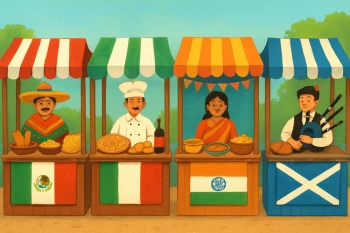
Comparing Cultures of the United States, Canada, Mexico, and a Caribbean or South American Country
20 questions