Loading
by BlastRoom
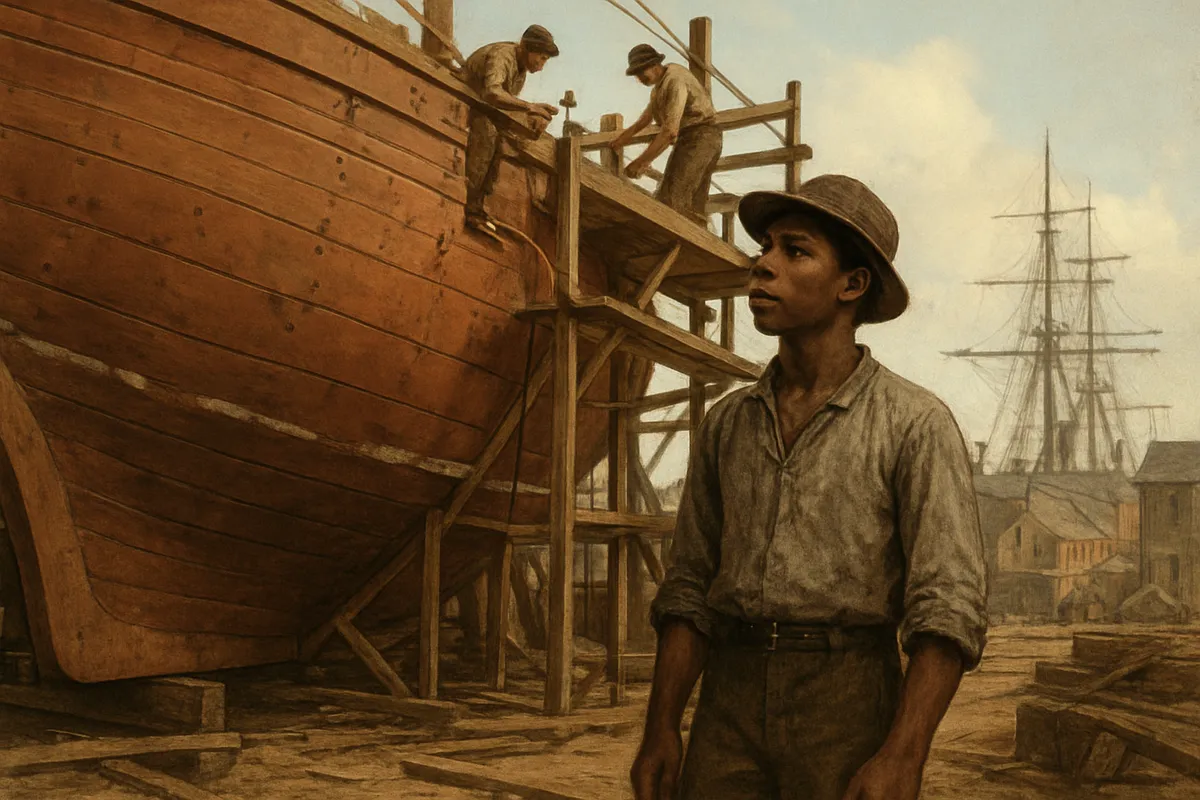
Questions analyze purpose and rhetoric in Narrative of the Life of Frederick Douglass, an American Slave by Frederick Douglass (1845).
#us_grade_8_english
20 questions
One question set, multiple game modes. Tap any game to see it in action. Not sure which to pick?
Douglass writes that he has "no accurate knowledge of my age" and says enslaved people knew as little of their ages "as horses know of theirs." What conclusion does he press on readers?
At Colonel Lloyd's, Douglass says children ate coarse cornmeal mush from a trough and were given few clothes or beds. What does this detail push readers to recognize?
Douglass recounts Captain Anthony tying Aunt Hester and whipping her until she screamed, then whipping her to make her stop. What should readers conclude about that violence?
Douglass says his mother was hired twelve miles away, saw him only at night, and died when he was about seven while he was absent. What conclusion does this episode support?
Douglass says his grandmother served her enslaver for decades, then was left in a hut in the woods when she was old. What conclusion does he want readers to draw?
Douglass says Sophia Auld began kindly but slaveholding changed her, calling power's effect a "fatal poison." What conclusion is he building?
When Hugh Auld says teaching Douglass to read would "forever unfit him to be a slave," Douglass treats the warning as a clue. What appeal drives this reasoning?
After describing Aunt Hester's beating, Douglass says it was the "blood-stained gate" into slavery's hell. Which appeal is strongest here?
Douglass names places, enslavers, and his own childhood experiences instead of speaking in general claims. Which appeal does that choice strengthen?
Douglass rejects the idea that songs proved enslaved people were happy, saying "Slaves sing most when they are most unhappy." What appeal guides the correction?
Douglass recounts his grandmother's abandonment after years of labor, left in a lonely hut when old. Which appeal most directly carries this passage?
Hugh Auld says reading "would forever unfit him to be a slave." What does the line reveal about literacy and power?
After Hugh Auld forbids his lessons, Douglass writes, "From that moment, I understood the pathway from slavery to freedom." What pathway does he mean?
Douglass traded bread with poor white boys for lessons, calling reading "that more valuable bread of knowledge." What does the phrase reveal?
Under Covey, Douglass says, "I was broken in body, soul, and spirit." What method of slaveholding does this reveal?
Douglass writes, "You have seen how a man was made a slave; you shall see how a slave was made a man." What shift does this line announce?
Douglass says his feet were so cracked by frost that the pen he is writing with could be laid in the gashes. What does this firsthand detail add?
Douglass describes his terror while witnessing Aunt Hester's whipping as a child. What can that firsthand scene do that a general argument cannot?
Douglass recounts learning letters from Sophia Auld, then secretly trading bread for reading lessons after Hugh Auld forbade teaching. What does memoir add?
Douglass withholds details of his escape route, warning that naming methods could close paths for others. What does firsthand testimony accomplish here?
The Monsters Are Due on Maple Street: Acts, Scenes and Stage Directions
20 questions
Twelve Angry Men: Evidence, Reasoning and Dramatic Structure
20 questions

Dunbar: Extended Metaphor in "Sympathy" and "We Wear the Mask"
20 questions
The Raven: Sound Devices, Meter and Mood
20 questions

The Crossover: A Novel in Verse
20 questions
Crack the passcode before the zombies get in.

Pick a tile, answer, hit bonuses and steals.