Loading
by BlastRoom
Analyze verse form in The Crossover by Kwame Alexander (2014).
#us_grade_8_english
20 questions
One question set, multiple game modes. Tap any game to see it in action. Not sure which to pick?
Answer to place stones and capture territory.
Outrun the snow together.
Earn blasts, then hunt the other team.
Answer to earn energy, then climb.

The class blasts through walls together.
Bid on mystery lots. Most money wins.
Sell tours. Nice, standard, or a total scam.

Answer, restock, and serve the rush.
More correct answers pulls the rope your way.
Answer, then shoot down the alien wave.
Answer, then tap to leap the frozen ridge.
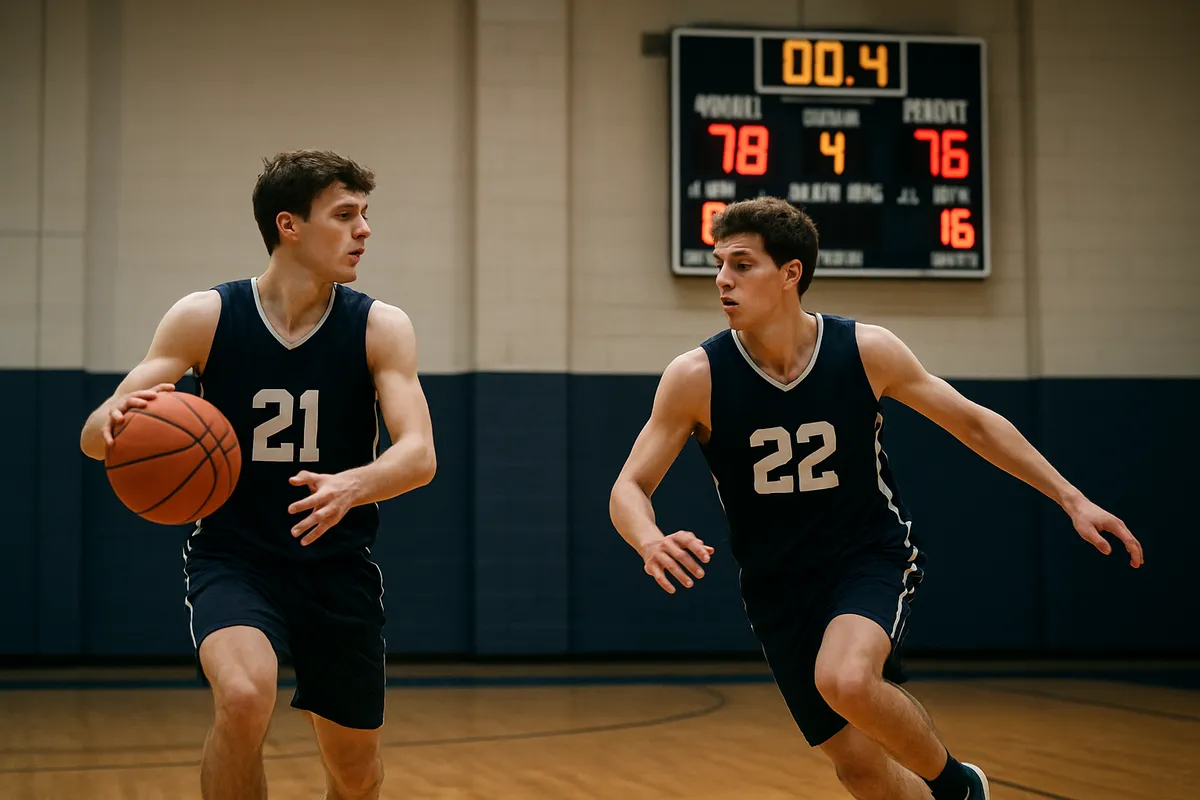
In “At the top of the key, I’m / MOVING & GROOVING, / POPping and ROCKING—” what do the breaks and capitals do?
Read: “Why you BUMPING? / Why you LOCKING? / Man, take this THUMPING.” How does the line spacing affect the voice?
In “CrissCROSSING, / FLOSSING / flipping / and my dipping,” why are the moves split across lines?
Read: “your family is the court / and the ball is your heart.” What does the line break help connect?
In “always leave / your heart / on the court,” why isolate “your heart”?
Read: “Josh Bell is my name. / But Filthy McNasty is my claim to fame.” What effect does the line break and rhyme create?
Alexander often turns basketball rules into short poems. What can that verse form convey better than one prose paragraph?
A game scene shifts from long, excited phrases to short one-word lines. What does verse let the reader feel?
The novel mixes definitions, rules, and play-by-play poems. What story effect does this form create?
When a painful family moment appears in spare, quiet lines, what does the verse form add?
Why does free verse suit Josh’s first-person narration of games and family conflict?
Where does Josh’s nickname, Filthy McNasty, come from?
Dad’s rule says “the ball is your heart.” How does this image take on a second meaning by the end of the novel?
The novel’s sections are named like parts of a basketball game, such as “First Quarter” and “Overtime.” What does this structure do?
Some poems are set up like dictionary entries for words Josh learns. What do these poems add to the novel?
As JB spends more time with Alexis, whom Josh calls “Miss Sweet Tea,” what does Josh’s narration mainly show?
Dad keeps refusing to see a doctor despite warning signs that his health is failing. What does this choice create for the reader?
In The Crossover, Josh narrates games in verse and often prints action and sound words in capital letters. What does this choice do?
The whole novel is told by Josh. What does this point of view limit?
JB cuts off Josh’s locks after Josh loses a bet. How does this event affect the twins?
The Monsters Are Due on Maple Street: Acts, Scenes and Stage Directions
20 questions
Twelve Angry Men: Evidence, Reasoning and Dramatic Structure
20 questions
Dunbar: Extended Metaphor in "Sympathy" and "We Wear the Mask"
20 questions
The Raven: Sound Devices, Meter and Mood
20 questions
Poems in Many Forms: Sonnet, Ballad, Free Verse and Haiku
20 questions
Crack the passcode before the zombies get in.
Answer, then swat bugs for bonus points.
Race through questions at your own speed.
Same question on every screen. Fastest wins.

Pick a tile, answer, hit bonuses and steals.