Loading
by BlastRoom
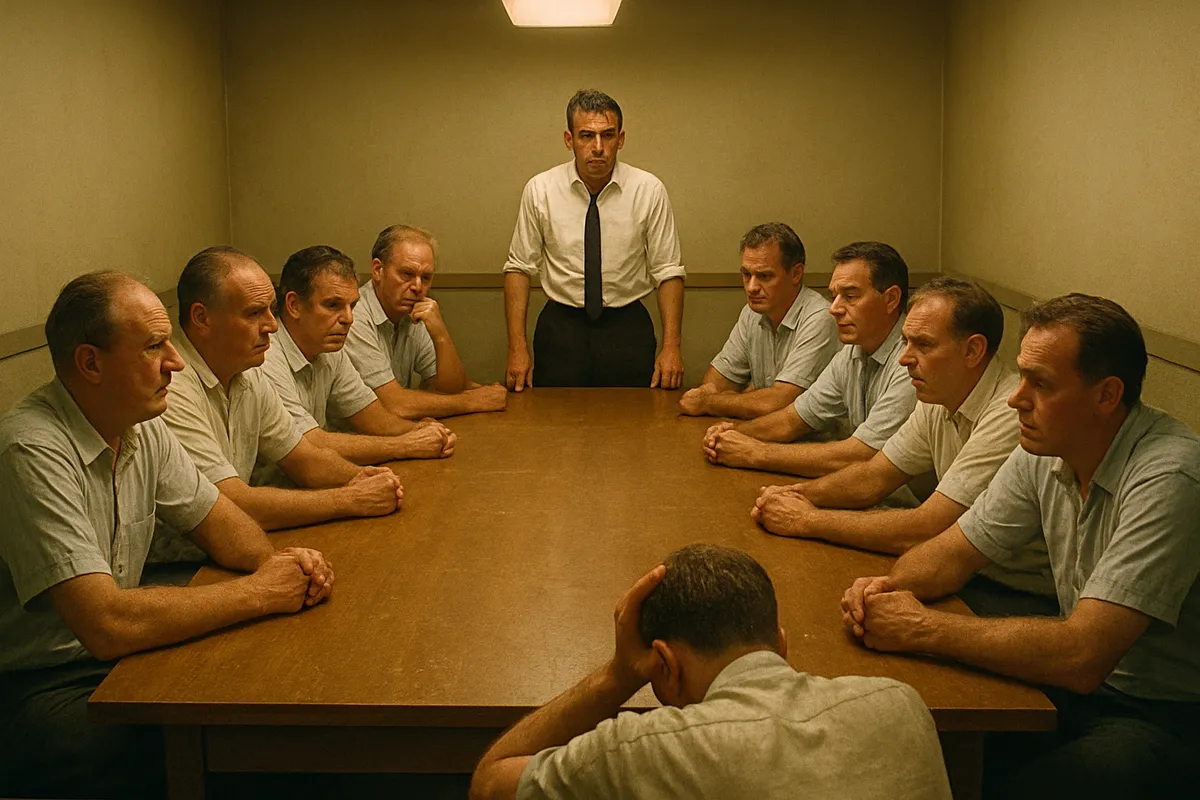
Questions analyze evidence, reasoning, bias, and act structure in Twelve Angry Men by Reginald Rose (1954).
#us_grade_8_english
20 questions
One question set, multiple game modes. Tap any game to see it in action. Not sure which to pick?
Juror 8 says the El train roared past when the old man claimed he heard “I'm gonna kill you.” How sound is Juror 8's challenge?
Juror 3 treats the boy's shouted “I'm gonna kill you” as proof of intent; later he yells “I'll kill him” at Juror 8. How sound is Juror 3's reasoning?
Juror 8 times the old man’s walk from bed to door and finds it took longer than claimed. How sound is this challenge to the identification?
During Juror 10's rant about “these people,” the other jurors get up from the table and turn away from him. What does their reaction show?
Juror 5 says a skilled switchblade user would stab upward, not downward, and the defendant was shorter than his father. How strong is this reasoning?
Juror 4 trusts the woman’s eyewitness account until jurors notice marks on her nose from glasses, which she likely was not wearing in bed. How sound is relying on her view?
After testimony called the murder knife unique, Juror 8 reveals he bought an identical switchblade nearby. What did this evidence change?
Juror 8 points out that the boy's court-appointed lawyer asked the witnesses few hard questions. What point does Juror 8 draw from this?
The boy could not recall the names or stars of the movies he said he watched that night, and Juror 4 called this alibi flimsy. What did Juror 8's demonstration show?
Juror 8 questions why the boy would come back home about three hours after the killing. What is he suggesting?
Juror 12, an advertising man, changes his vote more than once during the deliberations. What does this suggest about him?
Juror 10 says, “You know how these people lie. It's born in them.” What does the line reveal?
Juror 7 keeps reminding the others that he has tickets for that night and wants a fast vote. What motive does this reveal?
Juror 3 says about his son, “I haven't seen him in two years,” while pressing for guilt. What does this reveal?
Juror 9 calls the witness “a quiet, frightened, insignificant old man” who wanted attention. What does this reveal about Juror 9's motive?
Juror 11, an immigrant watchmaker, tells the others that a jury like theirs is a remarkable thing about democracy. What motive does this show?
The play opens deliberations with an 11-to-1 guilty vote and one holdout asking to talk before a boy is sent to die. Why place this turn in Act I?
Act I ends after a secret ballot adds one more not-guilty vote while Juror 8 stays silent. What is the structural effect of this placement?
Act II places the train-noise argument and the timed walk before Juror 3's outburst. Why build the action this way?
Act III leaves Juror 3 isolated until he tears up his son's photograph and changes his vote. Why make this the final turn?

The Scarlet Ibis: Symbolism and Flashback
20 questions

Marigolds: Characterization and Theme
20 questions
The Cask of Amontillado: Dramatic Irony and Mood
20 questions
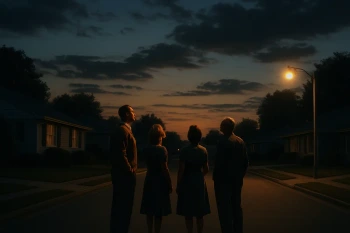
The Monsters Are Due on Maple Street: Acts, Scenes and Stage Directions
20 questions

Dunbar: Extended Metaphor in "Sympathy" and "We Wear the Mask"
20 questions
Crack the passcode before the zombies get in.

Pick a tile, answer, hit bonuses and steals.