Loading
by BlastRoom
Questions analyze characterization and theme in Marigolds by Eugenia Collier (1969).
#us_grade_8_english
20 questions
One question set, multiple game modes. Tap any game to see it in action. Not sure which to pick?
Answer to place stones and capture territory.
Outrun the snow together.
Earn blasts, then hunt the other team.
Answer to earn energy, then climb.

The class blasts through walls together.
Bid on mystery lots. Most money wins.
Sell tours. Nice, standard, or a total scam.

Answer, restock, and serve the rush.
More correct answers pulls the rope your way.
Answer, then shoot down the alien wave.
Answer, then tap to leap the frozen ridge.
Lizabeth joins bored children who taunt Miss Lottie and throw pebbles at her marigolds. What does this moment reveal about Lizabeth?
After the children pelt Miss Lottie's flowers, Lizabeth says, “Suddenly I was ashamed, and I did not like being ashamed.” What does her reaction reveal?
At night Lizabeth hears her father sob because he cannot find work, while her mother supports the family. What does her response reveal about her?
Lizabeth runs to Miss Lottie's yard and tears up the marigolds while sobbing. What does this incident reveal about her?
When Miss Lottie silently watches the ruined garden, Lizabeth sees her as “only a broken old woman.” What does this reveal about Lizabeth?
Lizabeth remembers the destroyed flowers as the moment her childhood ended. What does that memory reveal about her adult self?
The narrator says that “futile waiting was the sorrowful background music” of her poor, dusty community. What theme does this setting develop?
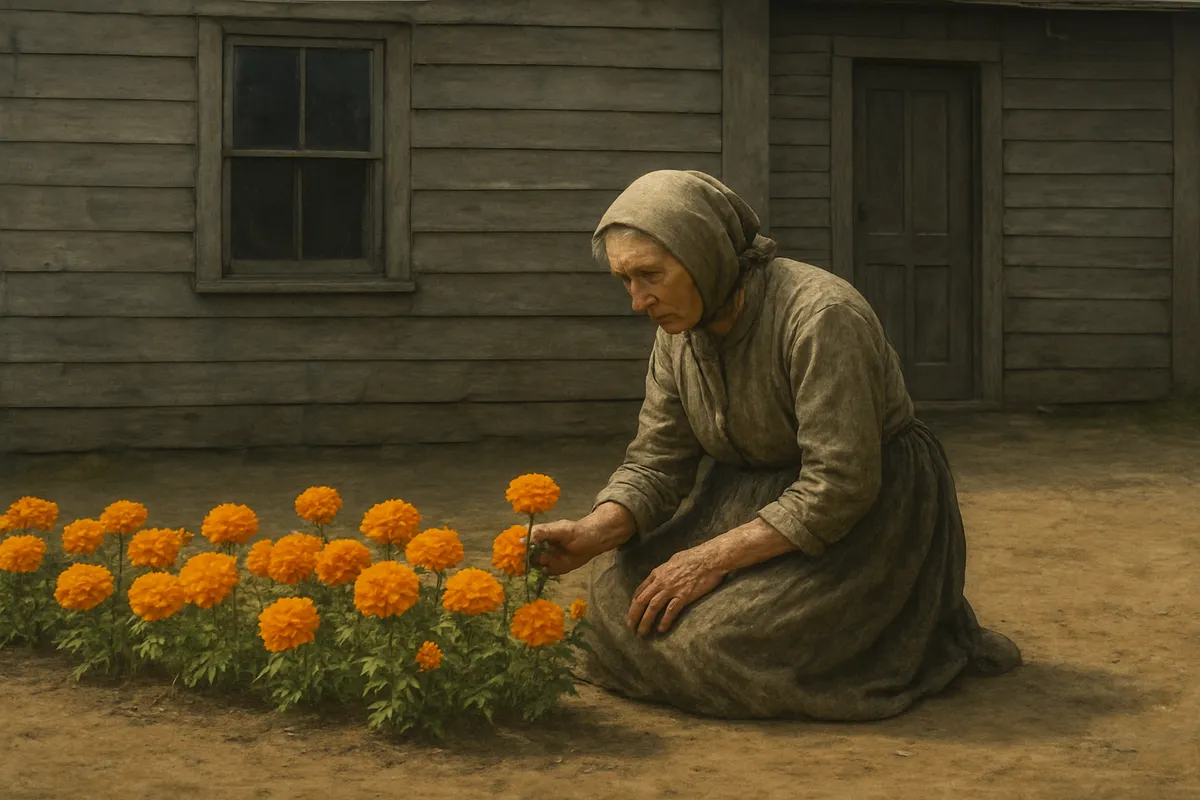
Miss Lottie tends bright marigolds beside a ramshackle house in an ugly yard. What theme does this contrast develop?
The children mock Miss Lottie and her son John Burke before attacking the flowers. What theme grows from this cruelty?
Hearing her father's helpless crying shatters Lizabeth's view of him as strong. What theme does this moment develop?
The adult narrator says that, despite her regret, Miss Lottie never planted marigolds again. What theme does this detail develop?
The narrator says, “Memory is an abstract painting—it does not present things as they are, but rather as they feel.” What does this show?
Looking back, the narrator says adolescence felt “illusive as smoke” yet “as real” as a geranium. What does this show?
The narrator says, “The years have put words to the things I knew in that moment.” What does this reveal?
The narrator recalls, “In that humiliating moment I looked beyond myself and into the depths of another person.” What does this show?
The narrator says, “This was the beginning of compassion, and one cannot have both compassion and innocence.” What does this show?
The marigolds are called “a brilliant splash of sunny yellow against the dust.” What do they mainly mean to Miss Lottie?
Before the final night, Lizabeth sees Miss Lottie's marigolds as oddly out of place in poverty. What do they mean to young Lizabeth then?
After the flowers are ruined, Lizabeth faces Miss Lottie and understands what she has destroyed. What do the marigolds come to mean?
The story ends with the adult narrator saying, “I too have planted marigolds.” What do the flowers mean to Lizabeth now?
Crack the passcode before the zombies get in.
Answer, then swat bugs for bonus points.
Race through questions at your own speed.
Same question on every screen. Fastest wins.

Pick a tile, answer, hit bonuses and steals.
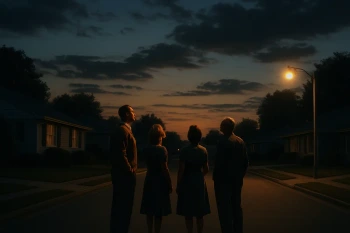
The Monsters Are Due on Maple Street: Acts, Scenes and Stage Directions
20 questions