Loading
by BlastRoom
Analyze irony and theme in The Necklace by Guy de Maupassant (1884).
#us_grade_8_english
20 questions
One question set, multiple game modes. Tap any game to see it in action. Not sure which to pick?
Answer to place stones and capture territory.
Outrun the snow together.
Earn blasts, then hunt the other team.
Answer to earn energy, then climb.

The class blasts through walls together.
Bid on mystery lots. Most money wins.
Sell tours. Nice, standard, or a total scam.

Answer, restock, and serve the rush.
More correct answers pulls the rope your way.
Answer, then shoot down the alien wave.
Answer, then tap to leap the frozen ridge.
Mathilde borrows a diamond necklace to seem rich at a ball, then spends ten years paying for a replacement. What makes the outcome ironic?
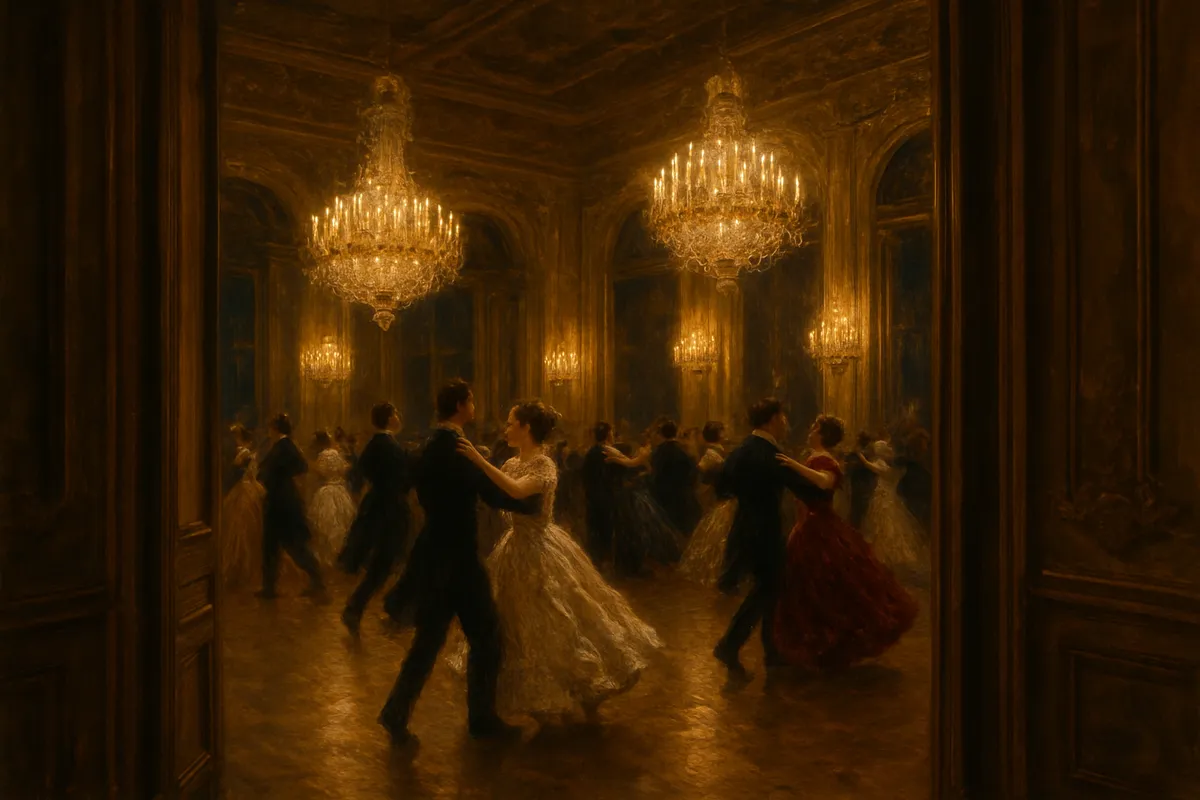
Mathilde goes to the ball hoping to show she belongs in high society. What is ironic about how the evening affects her life?
Loisel saves money for a gun, but gives it to Mathilde for a dress. Later they go deeply into debt. What makes this reversal ironic?
Mathilde stops visiting Madame Forestier because the visits leave her miserable about being poor. Years later, she learns the necklace was false. What is ironic?
When Mathilde returns the replacement necklace, Madame Forestier does not even open the case. Why is this detail ironic?
Mathilde finally feels pride in telling Madame Forestier about the debt. Forestier answers that the necklace was paste. What makes this moment ironic?
Years later, Mathilde wonders what would have happened if she had not lost the necklace. She thinks how little it takes to ruin or save a person. Which theme does this support?
The lost necklace changes Mathilde from a daydreaming woman into a worn laborer. What theme grows from that change?
Mathilde gets one perfect evening by pretending to be wealthier than she is, then loses ten years. What theme fits this reversal?
If Mathilde had admitted the loss, she might have learned the necklace was cheap. What theme does that missed chance develop?
At the end, Madame Forestier says the necklace was worth at most five hundred francs. Which theme does this final reversal emphasize?
Quote: Mathilde was born, "as if by an error of destiny," into a clerk's family. What does this reveal about her view of life?
Quote: "She suffered endlessly, feeling herself born for every delicacy and luxury." What does the line show about Mathilde?
Quote: "She had no clothes, no jewels, nothing. And these were the only things she loved." What does this reveal?
After Loisel brings an invitation, Mathilde says, "What do you want me to do with that?" What does her response reveal?
At the ball, Mathilde danced "with intoxication, with passion, made drunk by pleasure." What does this reveal about her idea of life?
Earlier, Mathilde chooses the most beautiful necklace from Forestier's case. After the ending, how does that detail change?
Madame Forestier says, "Yes, certainly," when Mathilde asks to borrow the necklace. After the ending, what does this easy answer suggest?
The jeweler says he supplied only the case, not the original necklace. Once the ending is known, what does that detail suggest?
Before the loss, Mathilde worries that wearing flowers will look poor, so she borrows jewels. After the ending, what does this detail mean differently?
Crack the passcode before the zombies get in.
Answer, then swat bugs for bonus points.
Race through questions at your own speed.
Same question on every screen. Fastest wins.

Pick a tile, answer, hit bonuses and steals.
Marigolds: Characterization and Theme
20 questions