Loading
by BlastRoom
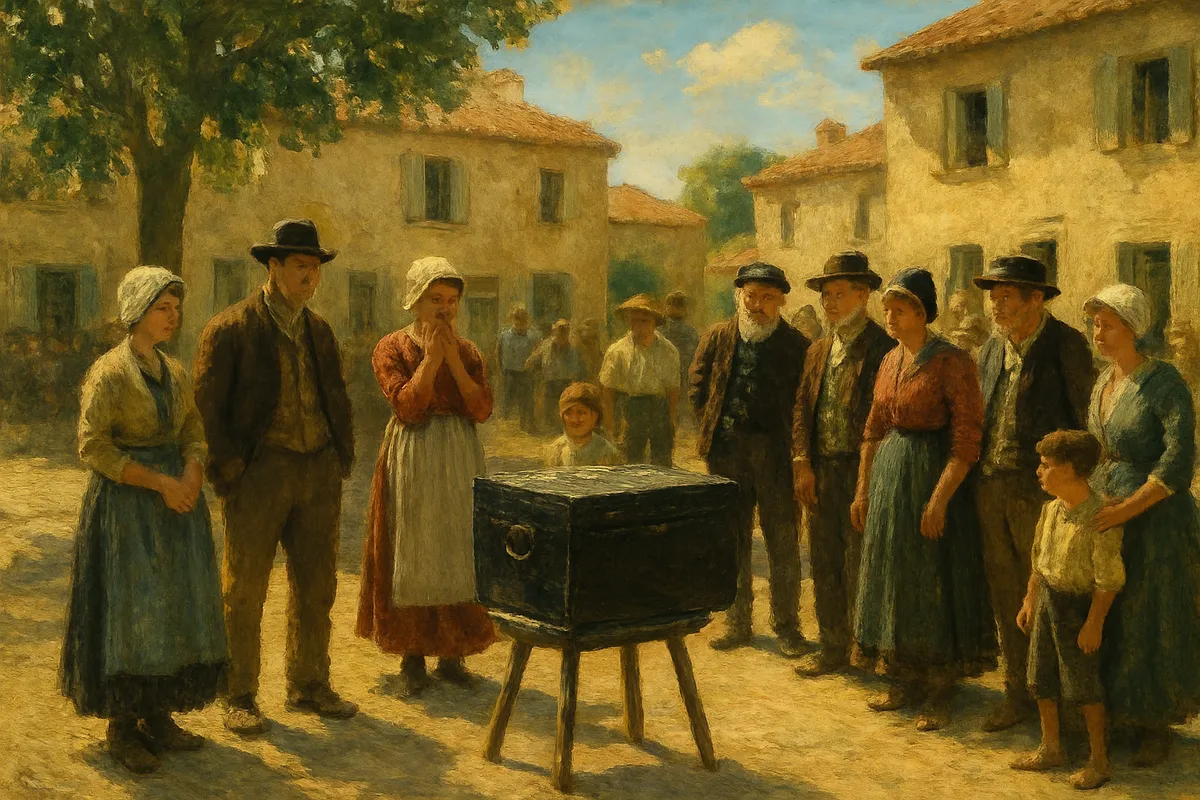
This set analyzes foreshadowing, withholding, tone, and irony in The Lottery by Shirley Jackson (1948).
#us_grade_8_english
20 questions
One question set, multiple game modes. Tap any game to see it in action. Not sure which to pick?
Answer to place stones and capture territory.
Outrun the snow together.
Earn blasts, then hunt the other team.
Answer to earn energy, then climb.

The class blasts through walls together.
Bid on mystery lots. Most money wins.
Sell tours. Nice, standard, or a total scam.

Answer, restock, and serve the rush.
More correct answers pulls the rope your way.
Answer, then shoot down the alien wave.
Answer, then tap to leap the frozen ridge.
Before the drawing, the men's "jokes were quiet and they smiled rather than laughed." What does this detail hint at?
Before the drawing, boys gather stones into a pile while adults chat calmly. What does this detail foreshadow?
One slip in the lottery is marked with a black spot drawn in heavy pencil. What does the black spot hint at before the ending?
Jackson says the black box is not completely black anymore, but villagers refuse to replace it. What does this detail suggest before the stoning ending?
Before Mr. Summers begins, the villagers keep their distance from the stool and black box. What future event does that distance hint at?
When Mr. Summers asks for help with the black box, the men hesitate. What does this moment foreshadow about the ceremony?
The story opens on a clear, sunny June morning with flowers blooming. What effect does this calm opening have on the story as a whole?
Mr. Summers also runs square dances and the teen club before he conducts the death lottery. What does this ordinary description do?
Men talk about planting, rain, tractors, and taxes while the lottery approaches. How does that conversation shape the ending?
Tessie jokes that she 'Clean forgot what day it was,' then dies after drawing the marked slip. What irony comes from this casual tone?
The narration reports the final stoning plainly, including villagers picking up stones. Why does this restrained tone intensify the irony?
Old Man Warner repeats, 'Lottery in June, corn be heavy soon.' What belief about the lottery drives his line?
Old Man Warner says, 'There's always been a lottery.' What reason for keeping the lottery appears in this line?
Mr. and Mrs. Adams mention that other places are giving up lotteries. At the end, Steve Adams is at the front of the crowd. What irony does this create?
Tessie cries, 'It isn't fair, it isn't right,' just before the villagers stone her. What does her protest reveal about her view?
Mr. Adams says people in the north village are 'talking of giving up the lottery.' What pressure on the tradition is suggested?
Most people link the word 'lottery' with winning a prize. Why is the title of Shirley Jackson's story ironic?
When Nancy and Bill Jr. open blank slips, they beam and laugh and hold them up for the crowd. Why is their reaction ironic?
The slips are blank except one with a black spot. The story still delays saying what happens to that person. What does this delay do?
After Bill Hutchinson draws the marked slip, Tessie protests the process, but the death is not revealed yet. What does this moment signal?
Crack the passcode before the zombies get in.
Answer, then swat bugs for bonus points.
Race through questions at your own speed.
Same question on every screen. Fastest wins.

Pick a tile, answer, hit bonuses and steals.
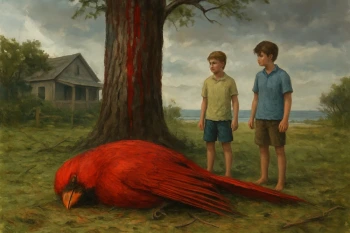
The Scarlet Ibis: Symbolism and Flashback
20 questions