Loading
by BlastRoom
Questions analyze testimony in Night by Elie Wiesel (1956; English translation 1960).
#us_grade_8_english
20 questions
One question set, multiple game modes. Tap any game to see it in action. Not sure which to pick?
Answer to place stones and capture territory.
Outrun the snow together.
Earn blasts, then hunt the other team.
Answer to earn energy, then climb.

The class blasts through walls together.
Bid on mystery lots. Most money wins.
Sell tours. Nice, standard, or a total scam.

Answer, restock, and serve the rush.
More correct answers pulls the rope your way.
Answer, then shoot down the alien wave.
Answer, then tap to leap the frozen ridge.
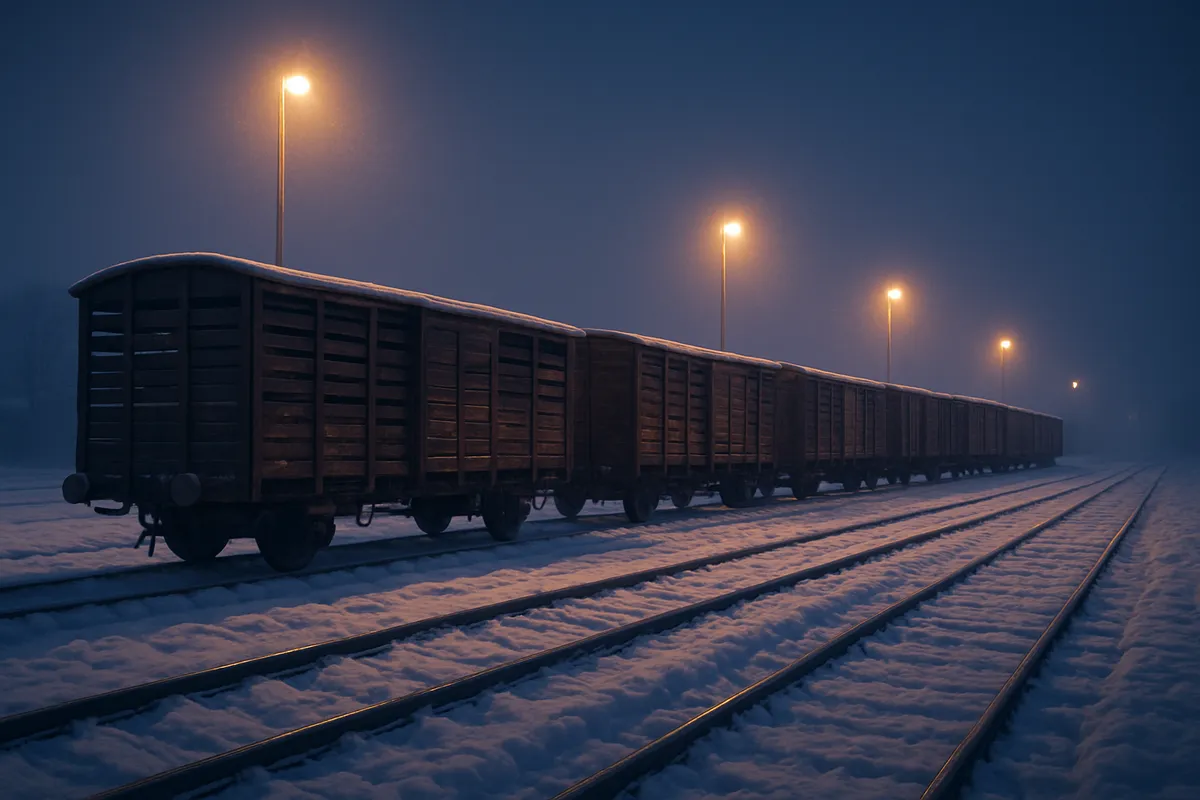
Wiesel recounts Jews in Sighet first confined to ghettos, then packed into cattle cars for deportation. What does this sequence show about his experience?
On arrival at Auschwitz-Birkenau, Wiesel is separated from his mother and sisters and stays with his father. What does that moment emphasize?
Wiesel describes seeing babies thrown into flames after arrival at Birkenau. What does this detail show about his testimony?
During the forced run from Buna, prisoners who cannot keep moving are shot or left behind. What part of the narrator's experience is shown?
In the cattle car to Buchenwald, Wiesel recounts prisoners fighting over pieces of bread. What does this scene reveal about camp life?
Near the end, Wiesel's father dies in Buchenwald after illness and beatings, and Wiesel cannot protect him. What does this show about his experience?
Wiesel often reports horrific events in short, direct sentences rather than dramatic language. What effect does that plain style create?
When describing selections, Wiesel names orders, movements, and outcomes with little explanation. How does that restraint affect the account?
Wiesel recounts his father's death without a long speech or sentimental farewell. What does this choice help convey?
The memoir often uses concrete details, such as smoke, barracks, numbers, soup, and roll call. Why is that choice important?
Wiesel's tone is often controlled even when he describes death. What purpose does that control serve?
After arriving at Birkenau, Wiesel begins line after line with “Never shall I forget.” What does repeating that phrase emphasize?
After a hanging, a prisoner asks, “Where is God now?” What does the question reveal about faith in the camp?
Wiesel writes, “I was the accuser, God the accused.” What change in his faith does this line express?
During the evacuation, Wiesel thinks, “I had no right to let myself die.” What does this reveal about survival?
After his father's death, Wiesel admits that deep inside he might have felt something like “Free at last!” What does this admission reveal about family in the camp?
Night is a memoir rather than a novel. What does that form give readers?
A history book might sum up deportations with dates and numbers. Wiesel instead recounts his own family being forced from Sighet. What can his memoir show?
Night is told by Wiesel in the first person. Which of these can readers NOT learn directly from his account?
Unlike a broad history, Night follows a son and father through ghettos, Auschwitz, Buna, evacuation, and Buchenwald. What is gained by this focus?
The Monsters Are Due on Maple Street: Acts, Scenes and Stage Directions
20 questions
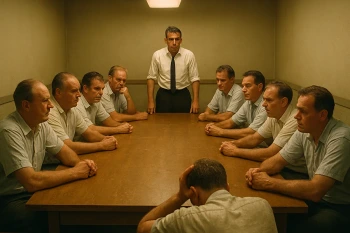
Twelve Angry Men: Evidence, Reasoning and Dramatic Structure
20 questions

Dunbar: Extended Metaphor in "Sympathy" and "We Wear the Mask"
20 questions
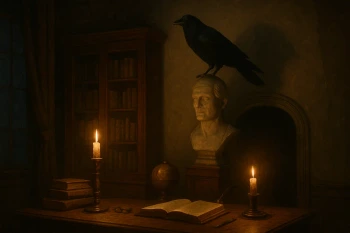
The Raven: Sound Devices, Meter and Mood
20 questions

The Crossover: A Novel in Verse
20 questions
Crack the passcode before the zombies get in.
Answer, then swat bugs for bonus points.
Race through questions at your own speed.
Same question on every screen. Fastest wins.

Pick a tile, answer, hit bonuses and steals.