Loading
by BlastRoom
Learn how workers faced hard conditions and organized for change.
#economics#us_grade_4_social_studies
40 questions
One question set, multiple game modes. Tap any game to see it in action. Not sure which to pick?
Answer to place stones and capture territory.
Outrun the snow together.
Earn blasts, then hunt the other team.
Answer to earn energy, then climb.

The class blasts through walls together.
Bid on mystery lots. Most money wins.
Sell tours. Nice, standard, or a total scam.

Answer, restock, and serve the rush.
More correct answers pulls the rope your way.
Answer, then shoot down the alien wave.
Answer, then tap to leap the frozen ridge.
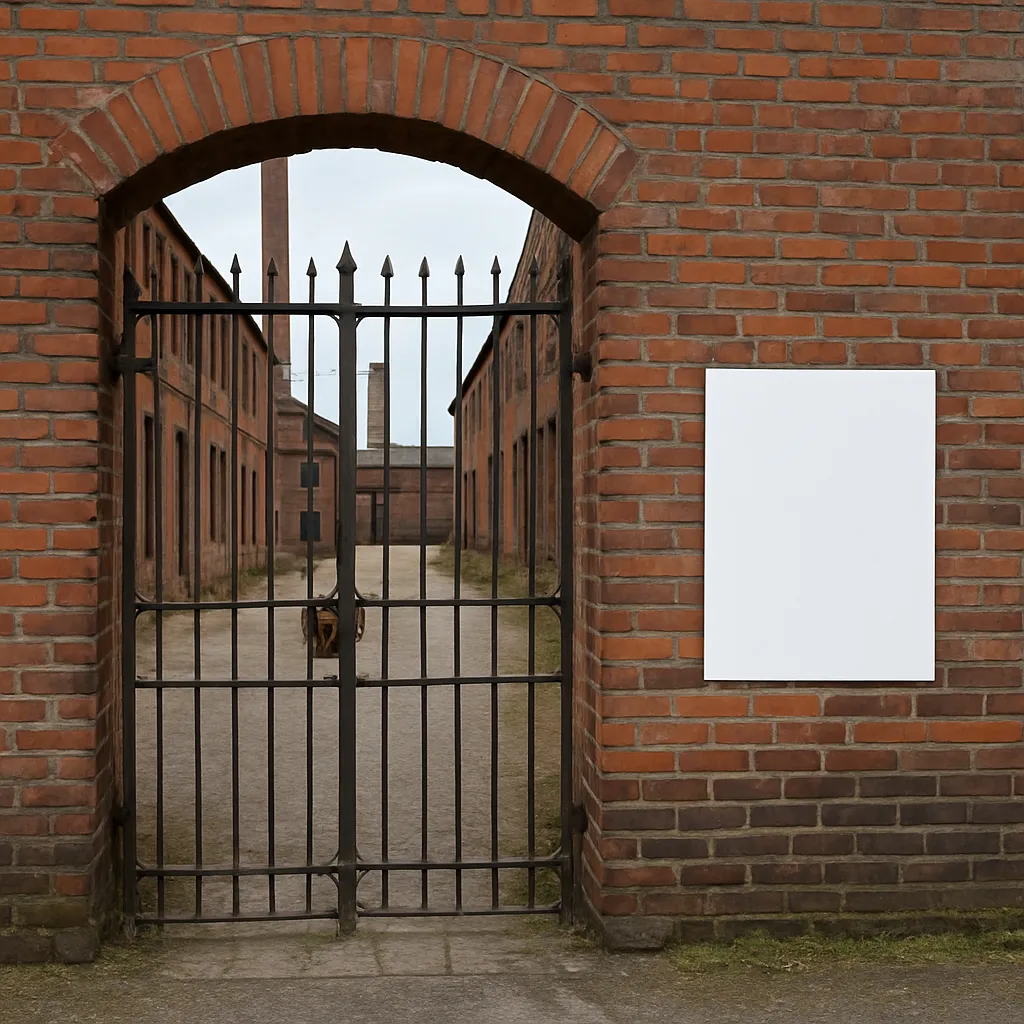
In an 1800s textile mill, a worker arrived before sunrise and left after dark. What working condition does this describe?
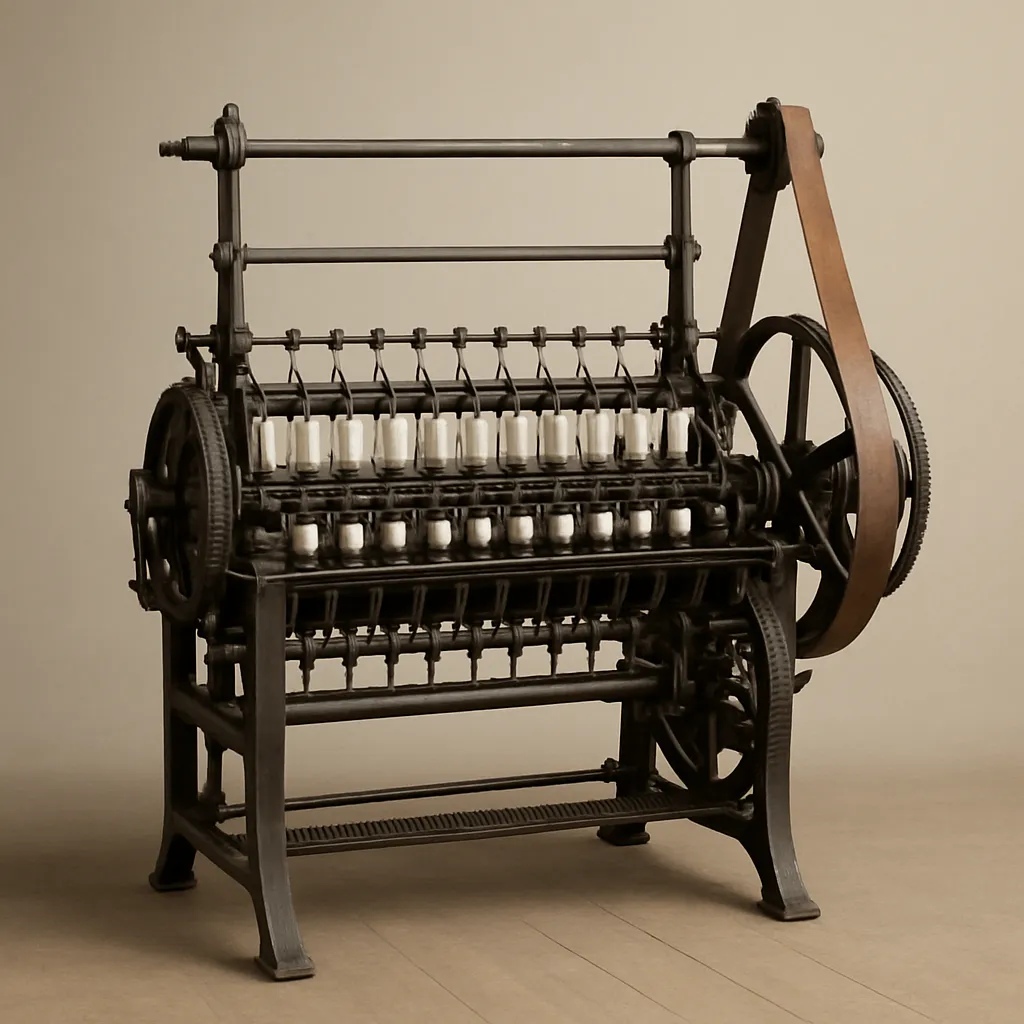
A mill record shows children changing bobbins on spinning machines instead of attending class. What problem does the record show?
Several machine operators met after work to speak to the owner as one group. What is a labor union?
After reformers described young children working long factory hours, many governments began setting minimum ages for industrial jobs. What changed?
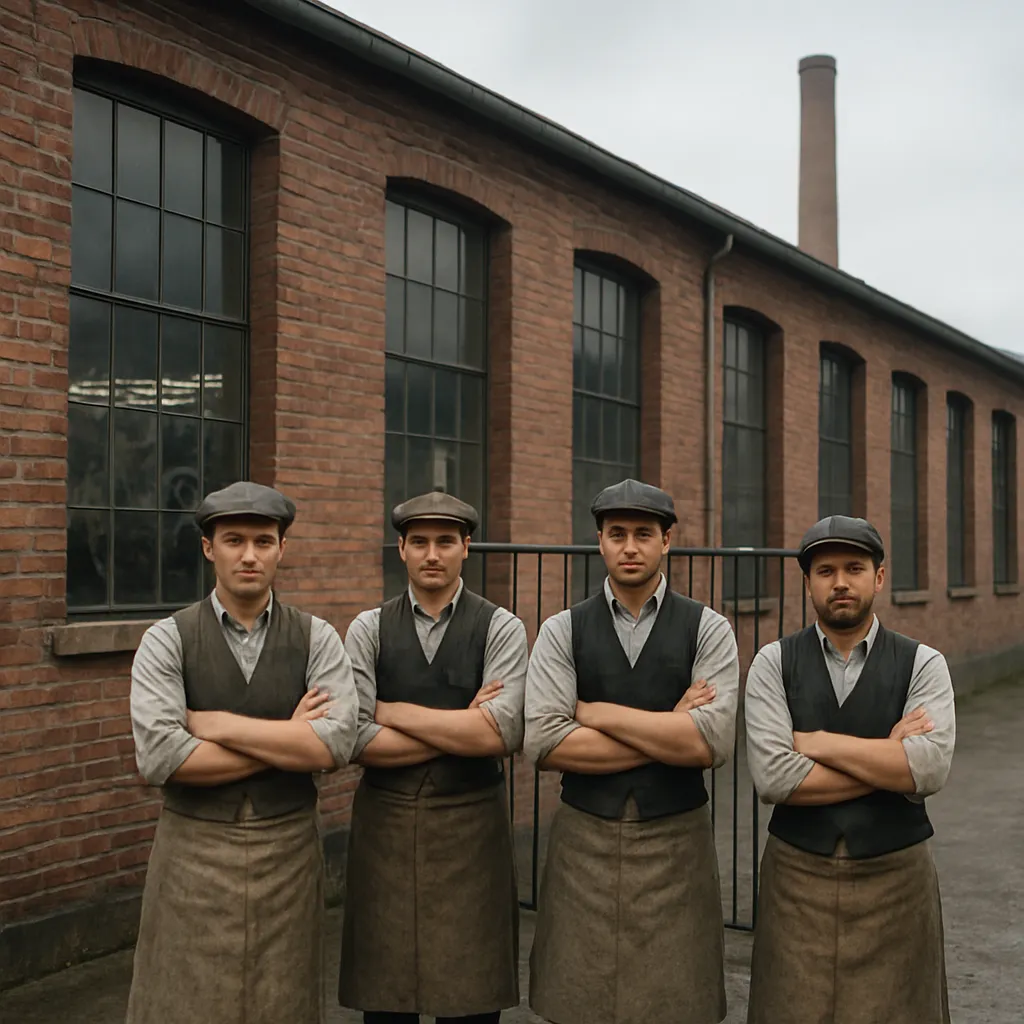
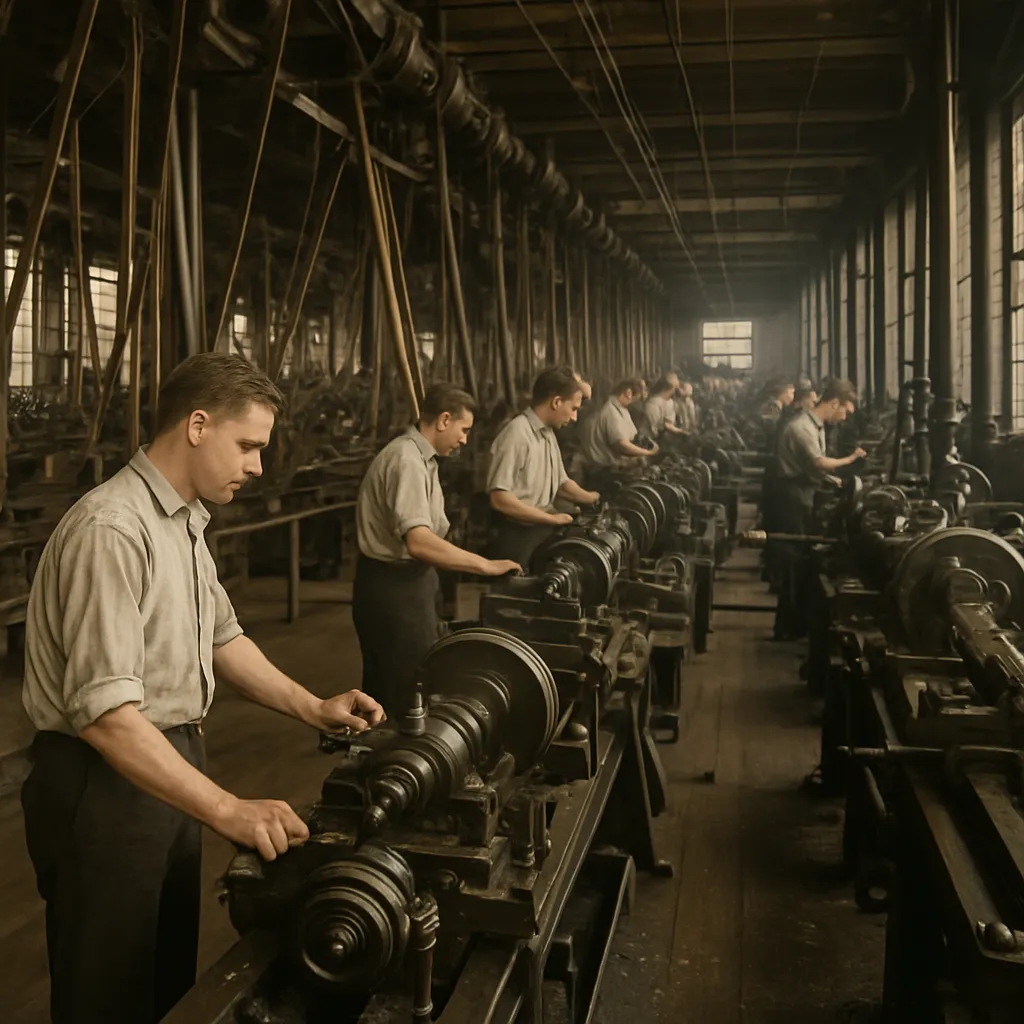
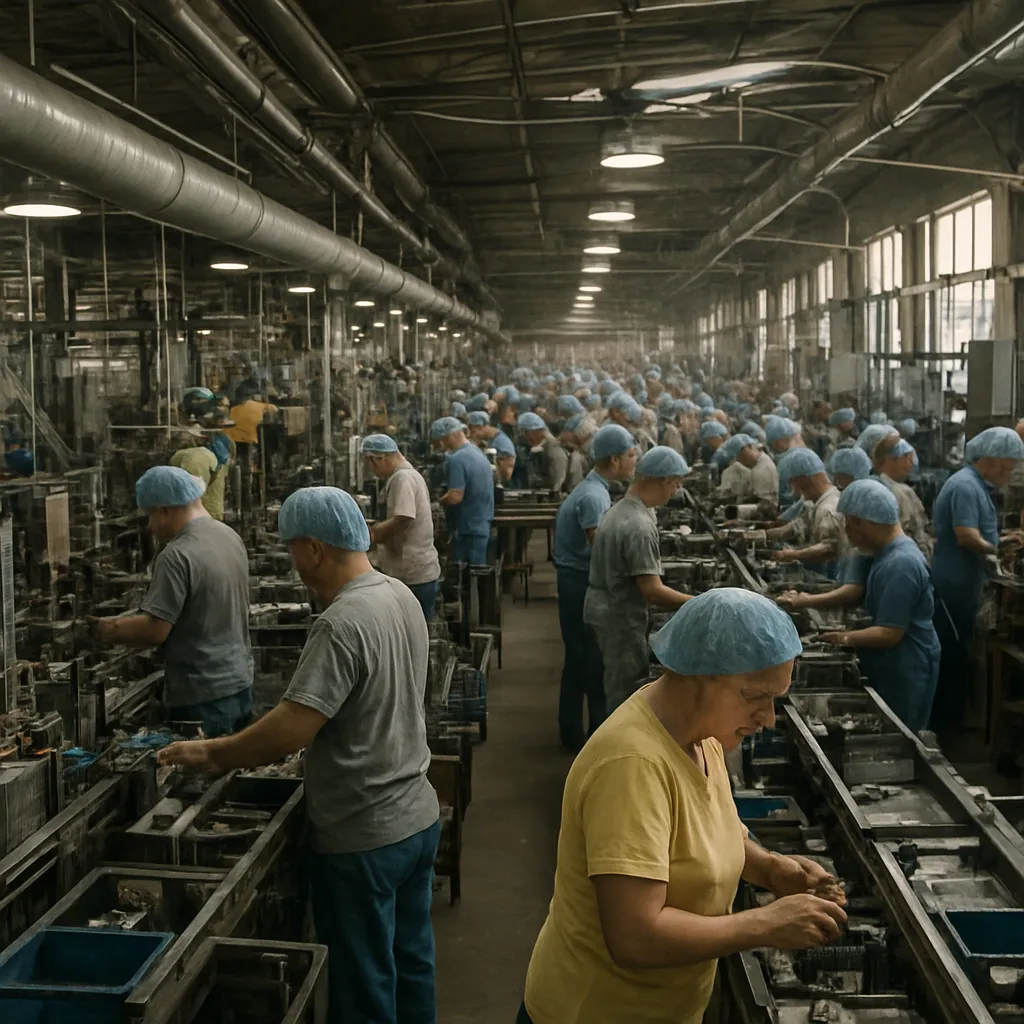
Workers stood shoulder to shoulder beside steam-powered machines, and the windows stayed shut all summer. What working condition does this describe?
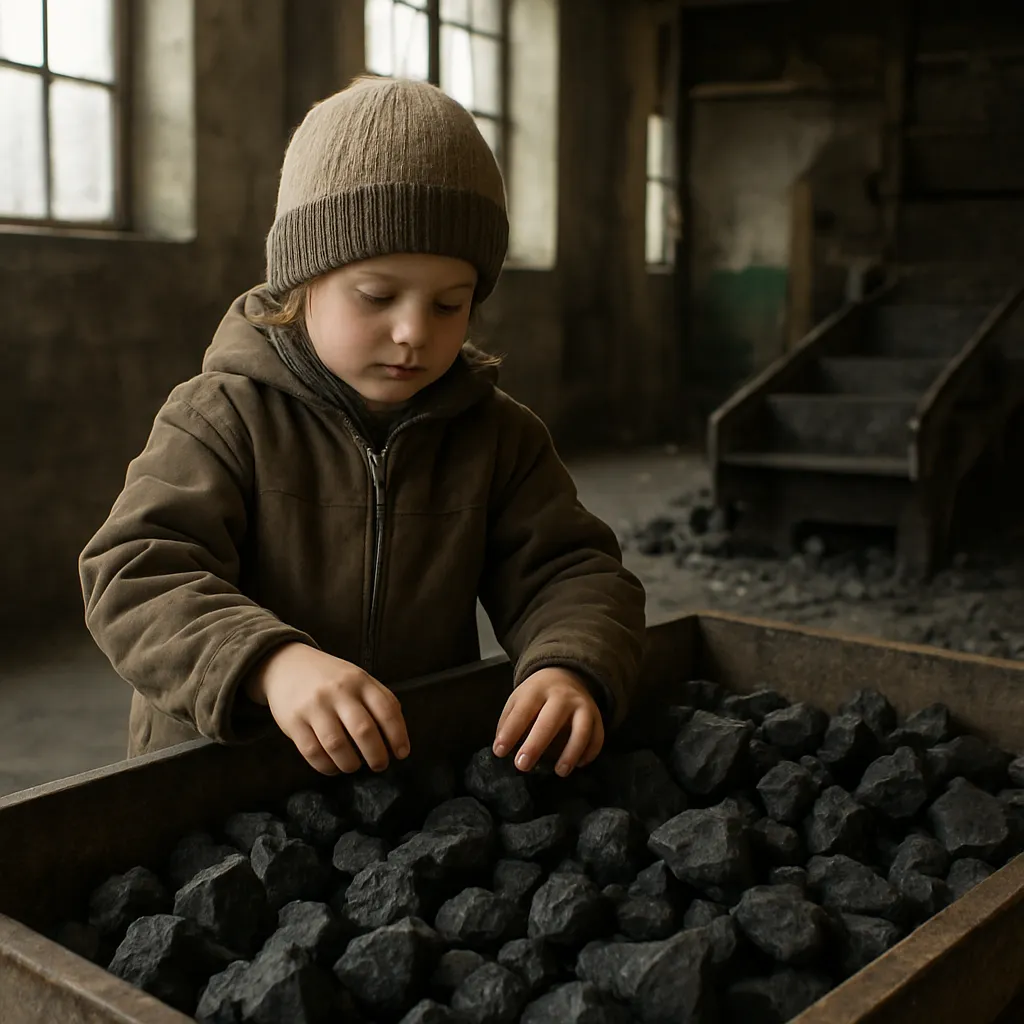
In coal mining towns, workers as young as eight sat in breaker rooms for ten hours a day sorting coal from rock. What kind of work was this?
Workers in one factory stopped working on the same morning and said they would return if wages improved. What was their action called?
A worker lost fingers when a machine had no guard around its moving parts. What condition made the factory dangerous?
Workers and reformers said that ten to fourteen hours a day at a machine left people exhausted and hurt. What change did they push for?
A girl in a textile mill crawled under running machines to clear tangled thread because her small size fit the space. Why were children sometimes hired?
Workers wanted safer machines, but the owner ignored each person alone. Why might they organize together?
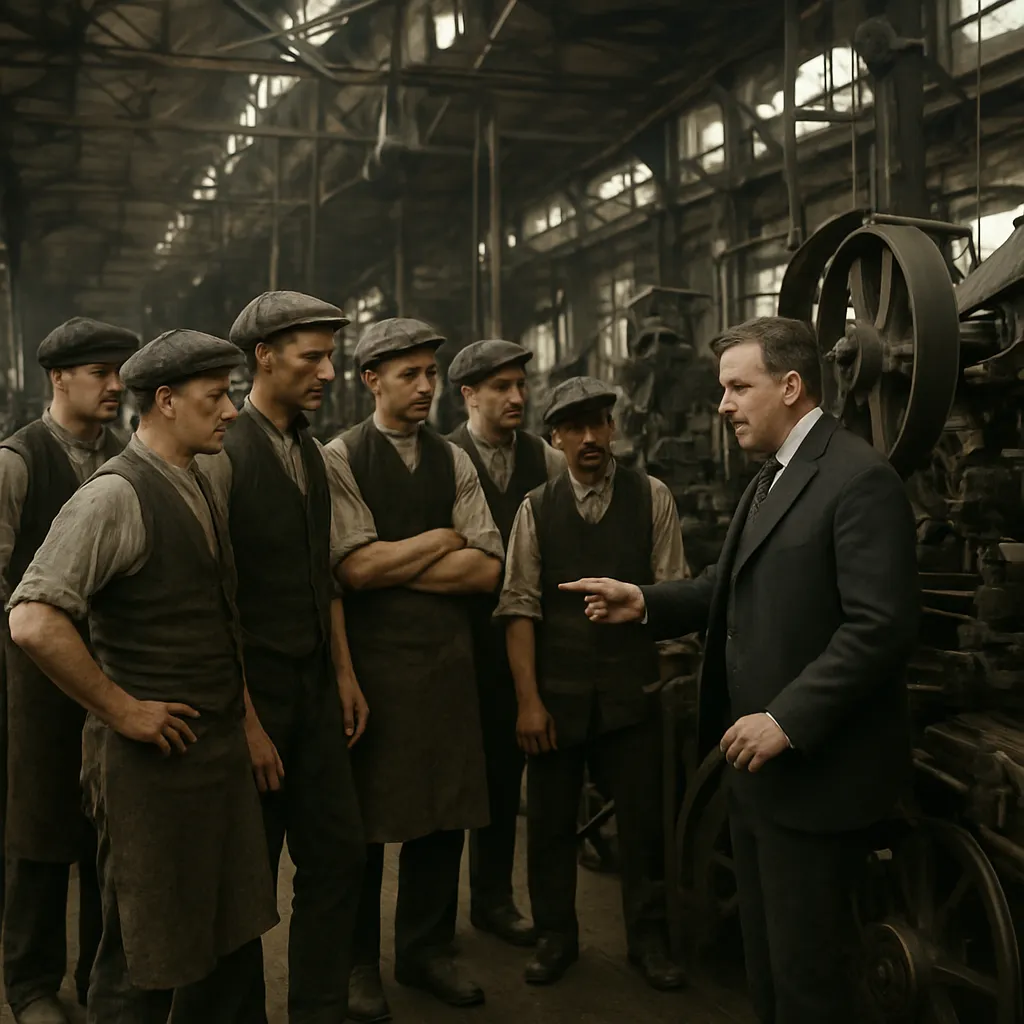
A pay envelope from a mill held only a few coins for a full week of work. What working condition does this evidence point to?
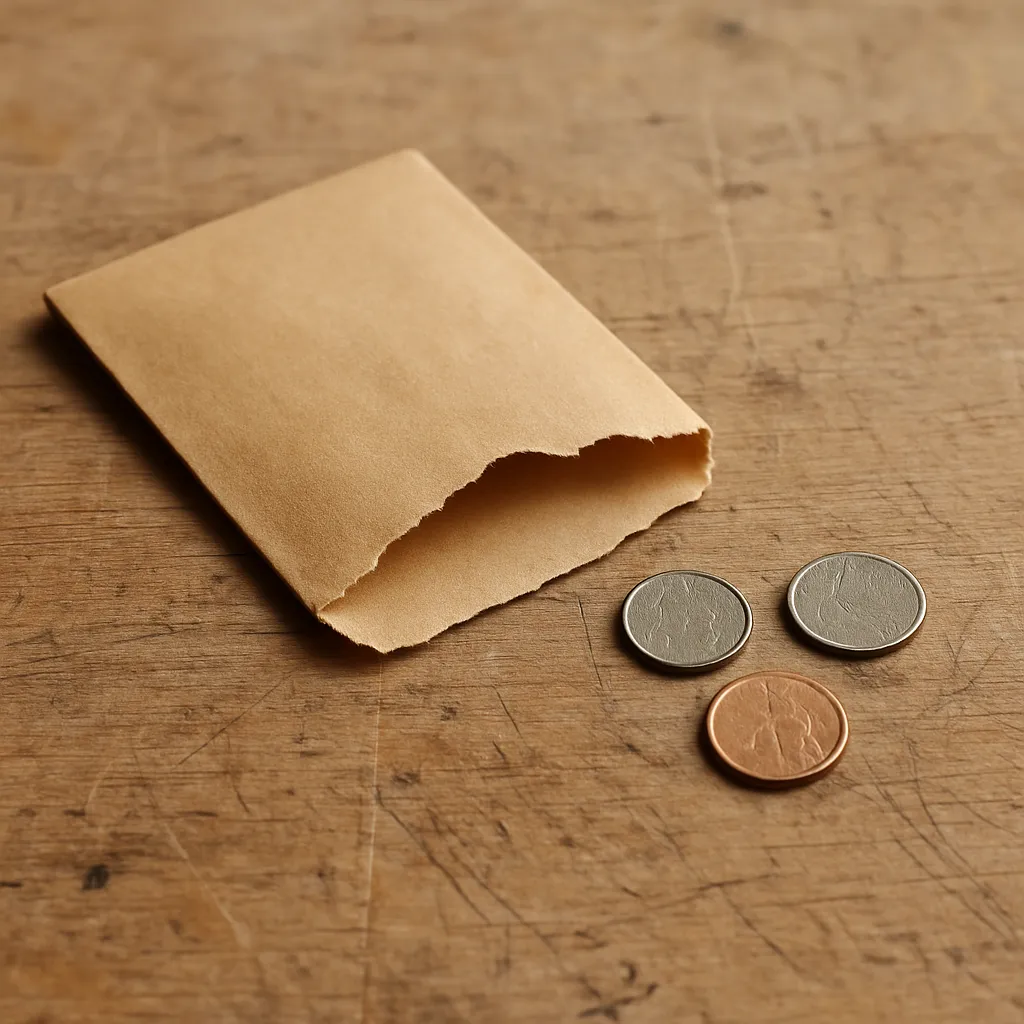
A newspaper described young workers who were tired because they worked late in a factory. What part of childhood did this labor often reduce?
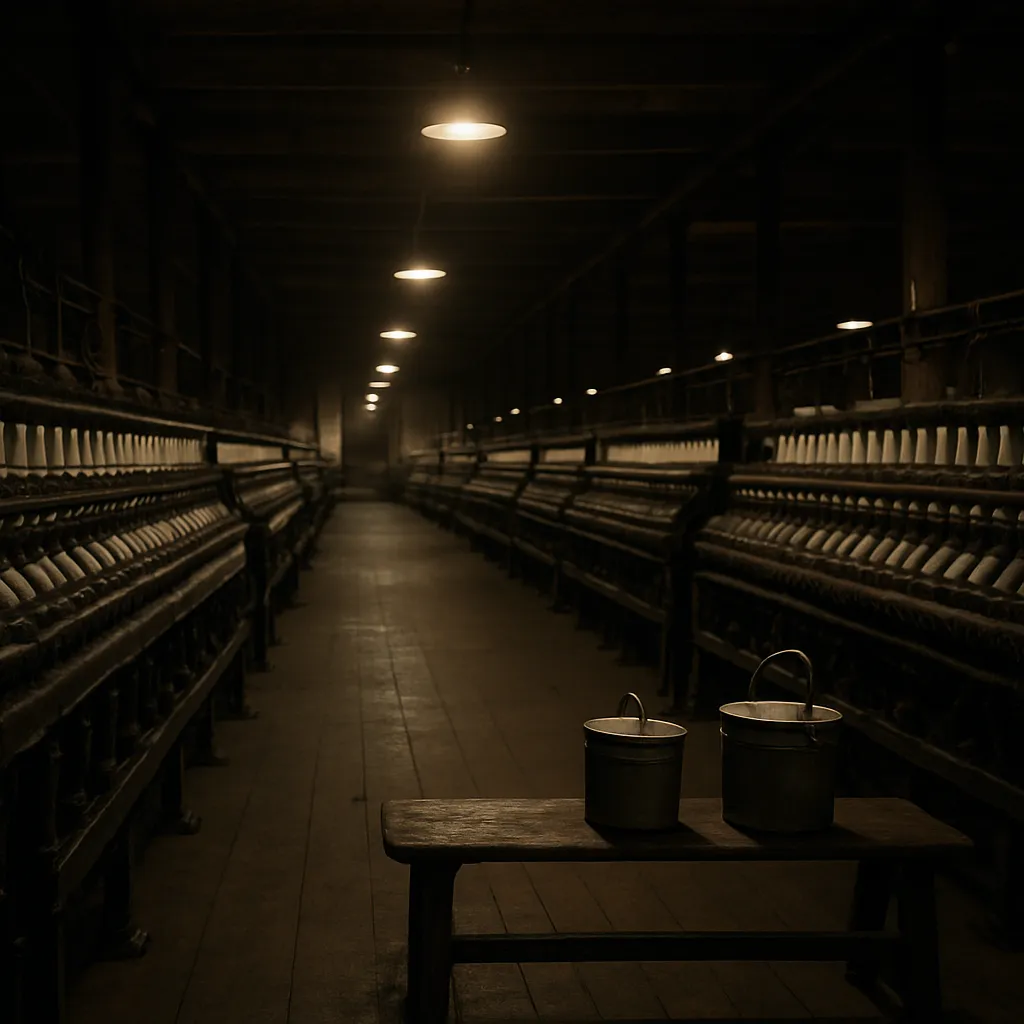
A worker says, “A strike means we quit forever and never come back.” What correction best explains a strike?
After reports of injuries in factories, some places required guards on machines and safer exits. What kind of outcome was this?
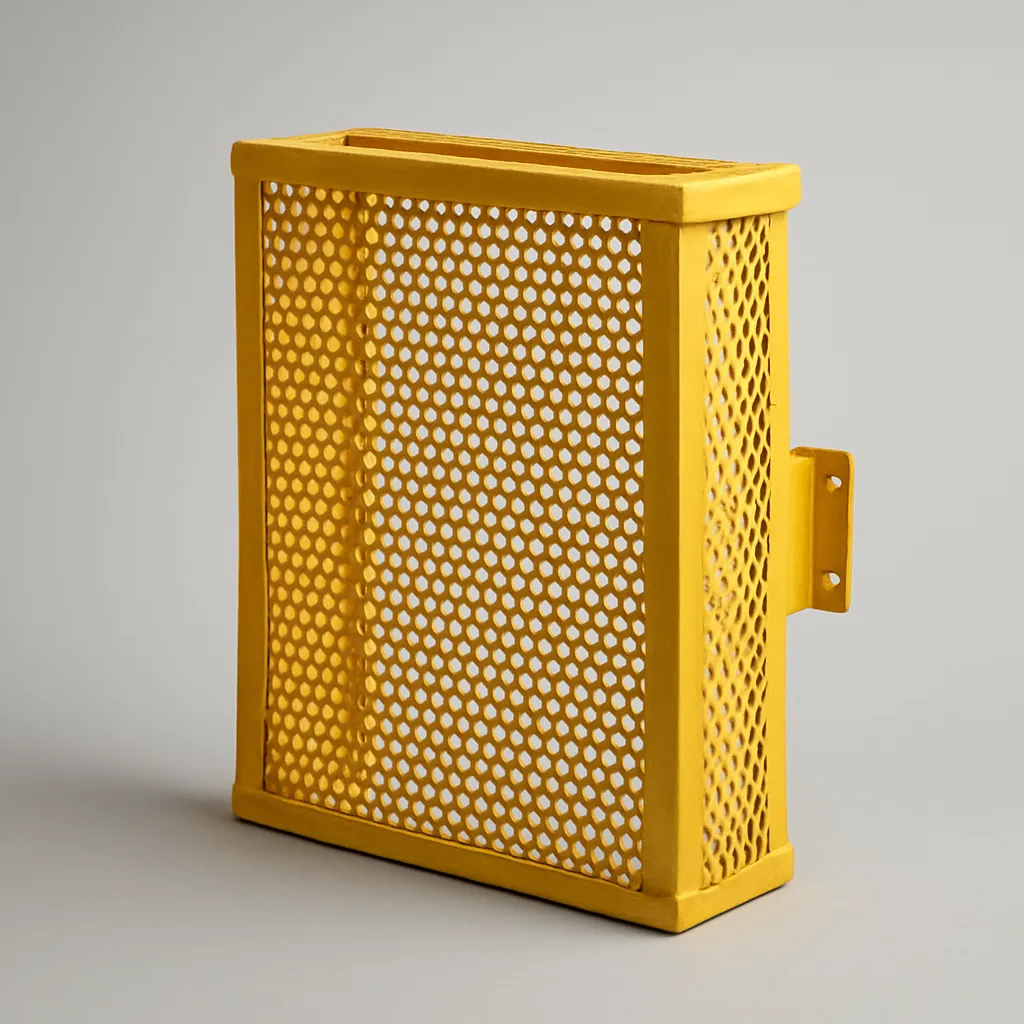
A mill bell rang early Monday through Saturday, and workers had only Sunday away from machines. What schedule does this describe?
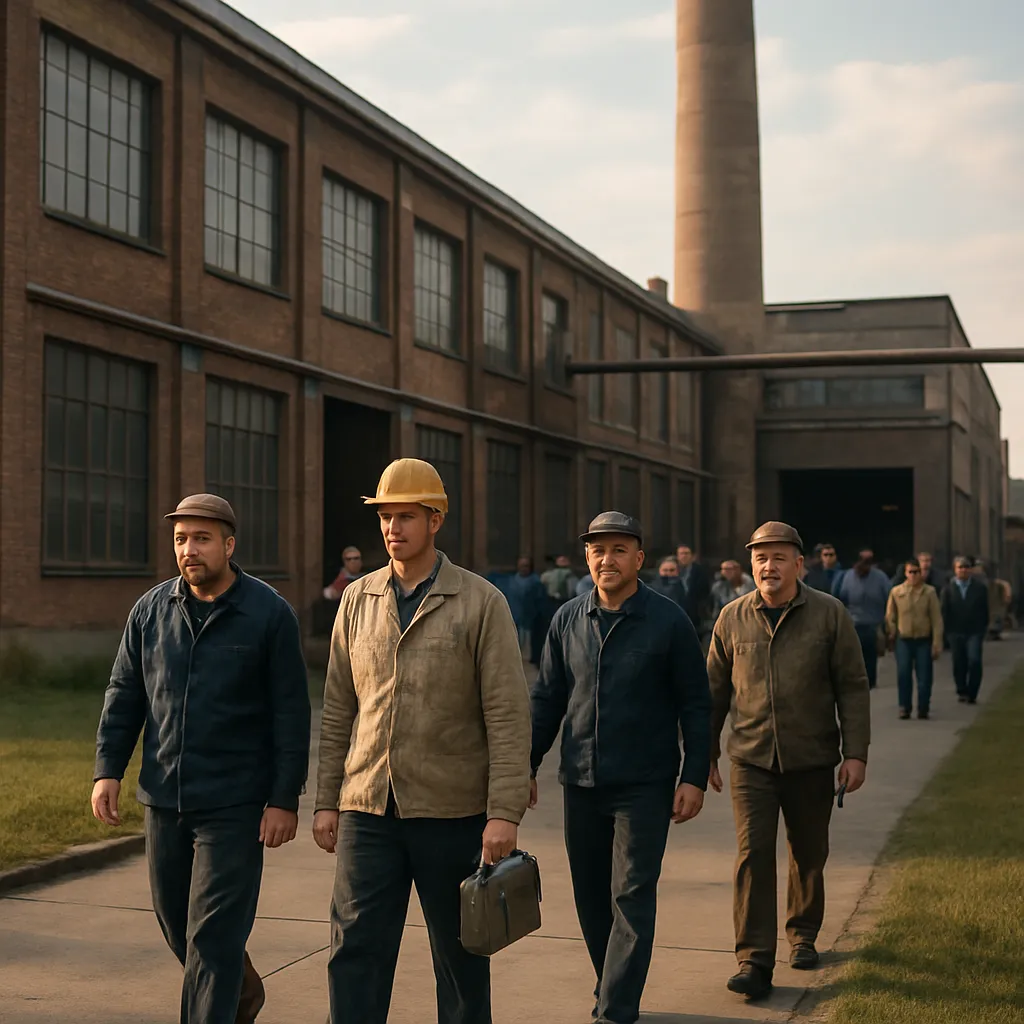
Why was a glass factory around 1900 especially dangerous for the boys who worked there?
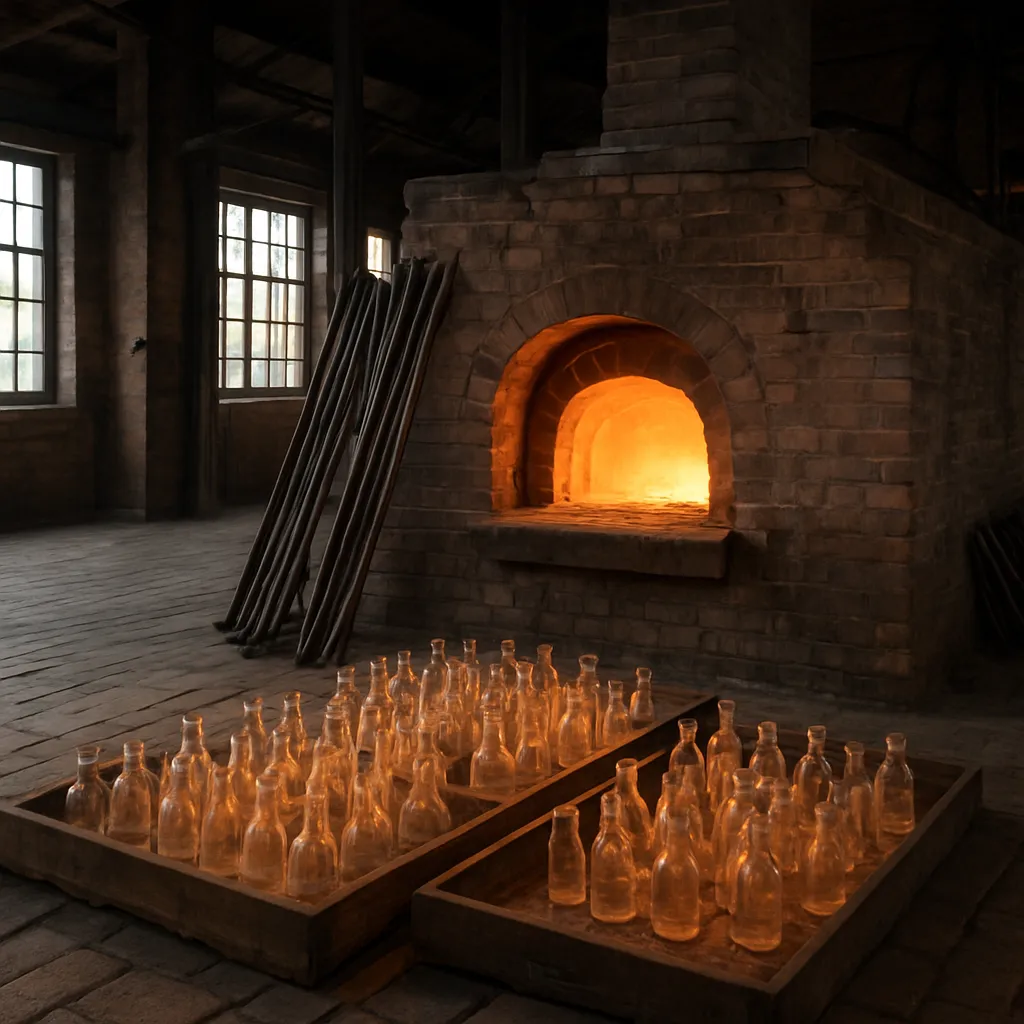
A group calls itself a labor union. It collects workers' ideas about pay and safety before meeting management. What is the union's role?
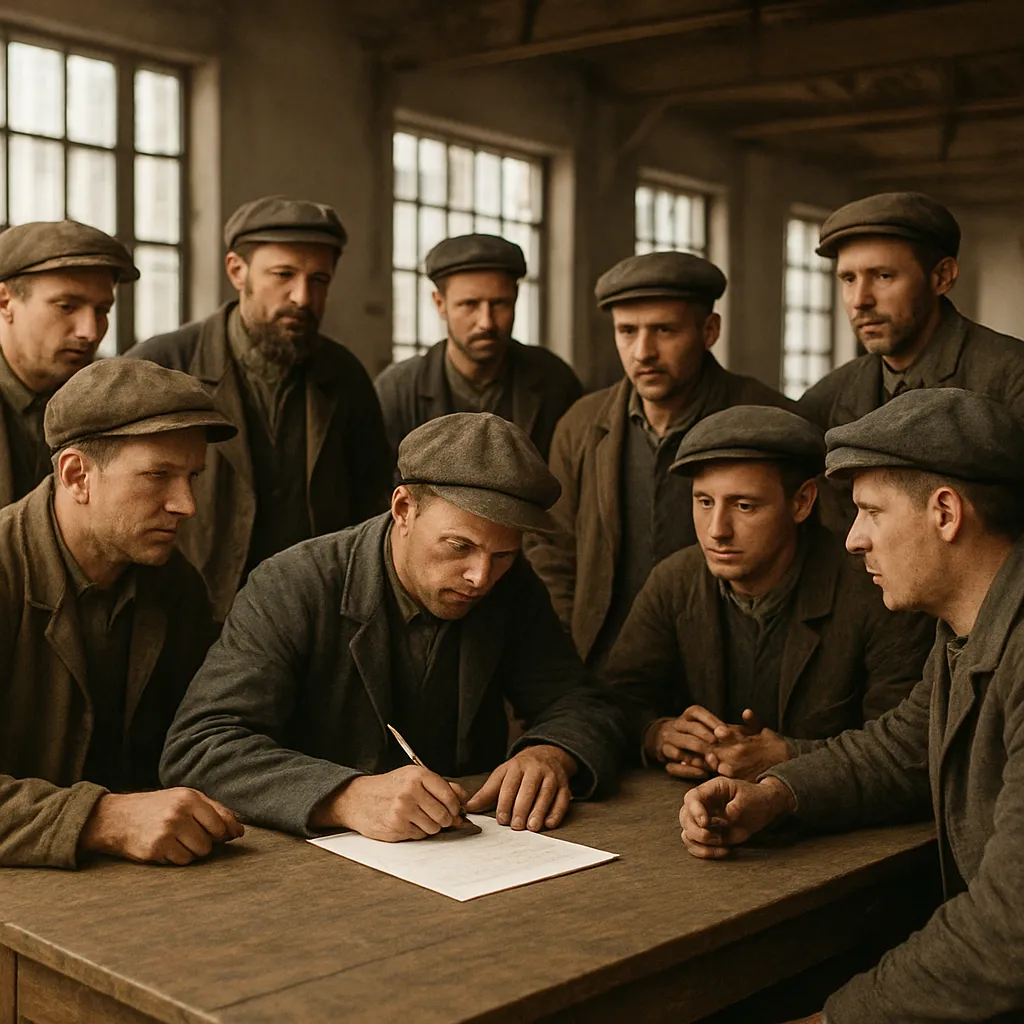
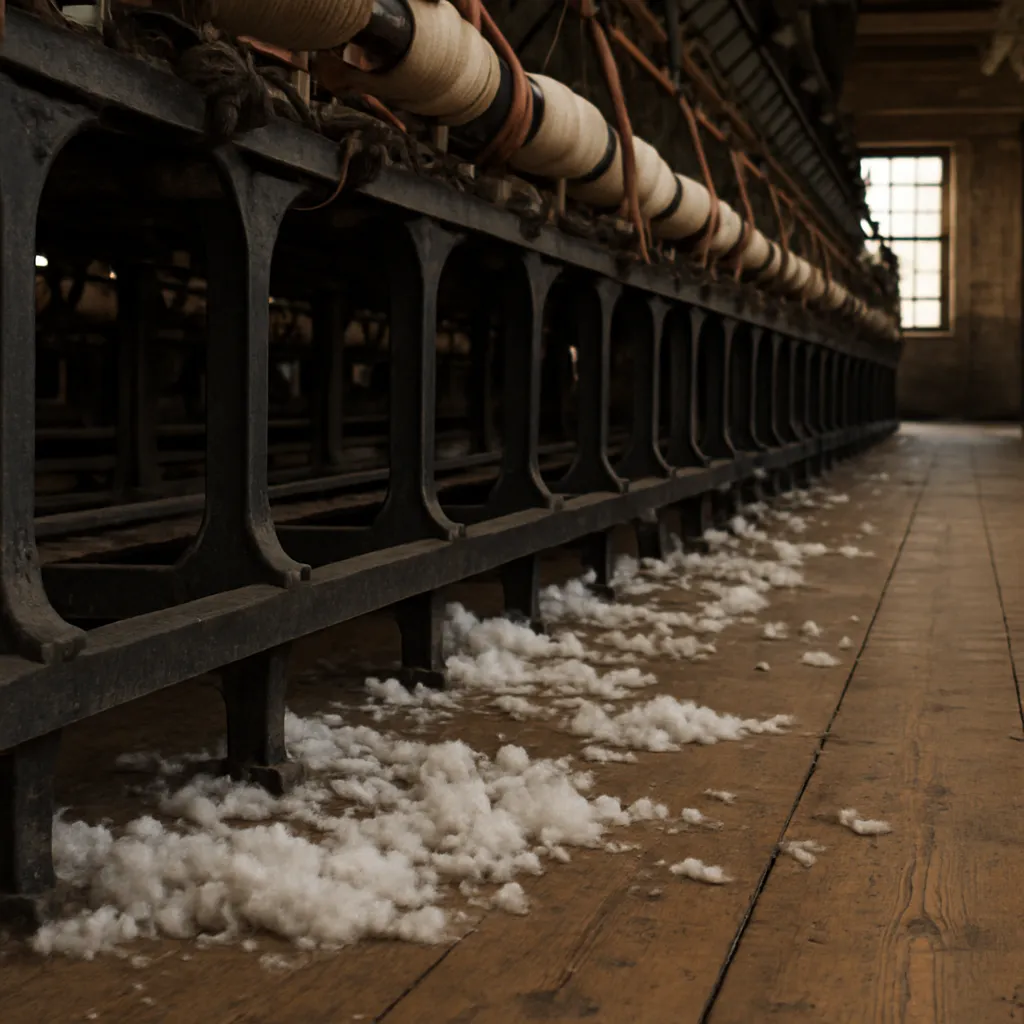
A worker stood beside loud machines all day and breathed cotton dust in the air. What workplace problem does this source describe?
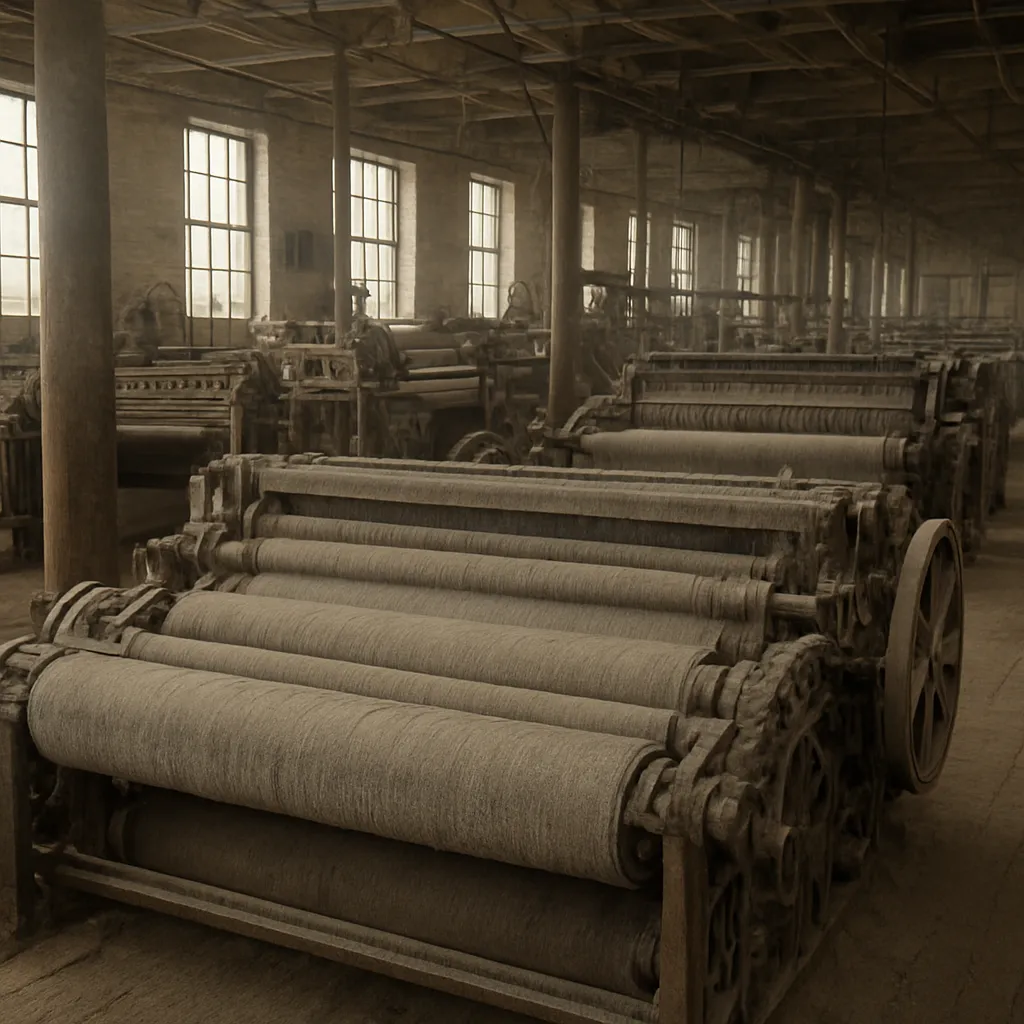
As labor unions grew, employers sometimes had to meet with workers' representatives. What change did this create?
A family needed income, so a young son took a mill job even though he should have been in class. What was one cause of child labor?
A union meeting lists goals: safer machines, higher pay, and shorter hours. What do those goals show?
In some factories, workers repeated the same task for hours as goods moved from station to station. What condition could make the work tiring?
In 1903, Mother Jones led a march of child mill workers from Philadelphia to President Theodore Roosevelt's home. What was the march protesting?
A factory owner says, “My company is the union because it employs everyone.” Why is that wrong?
New rules in some states limited how late children could work on school nights. What did these rules try to protect?
A room with locked doors, crowded aisles, and few exits could become deadly during a fire. What working condition is described?
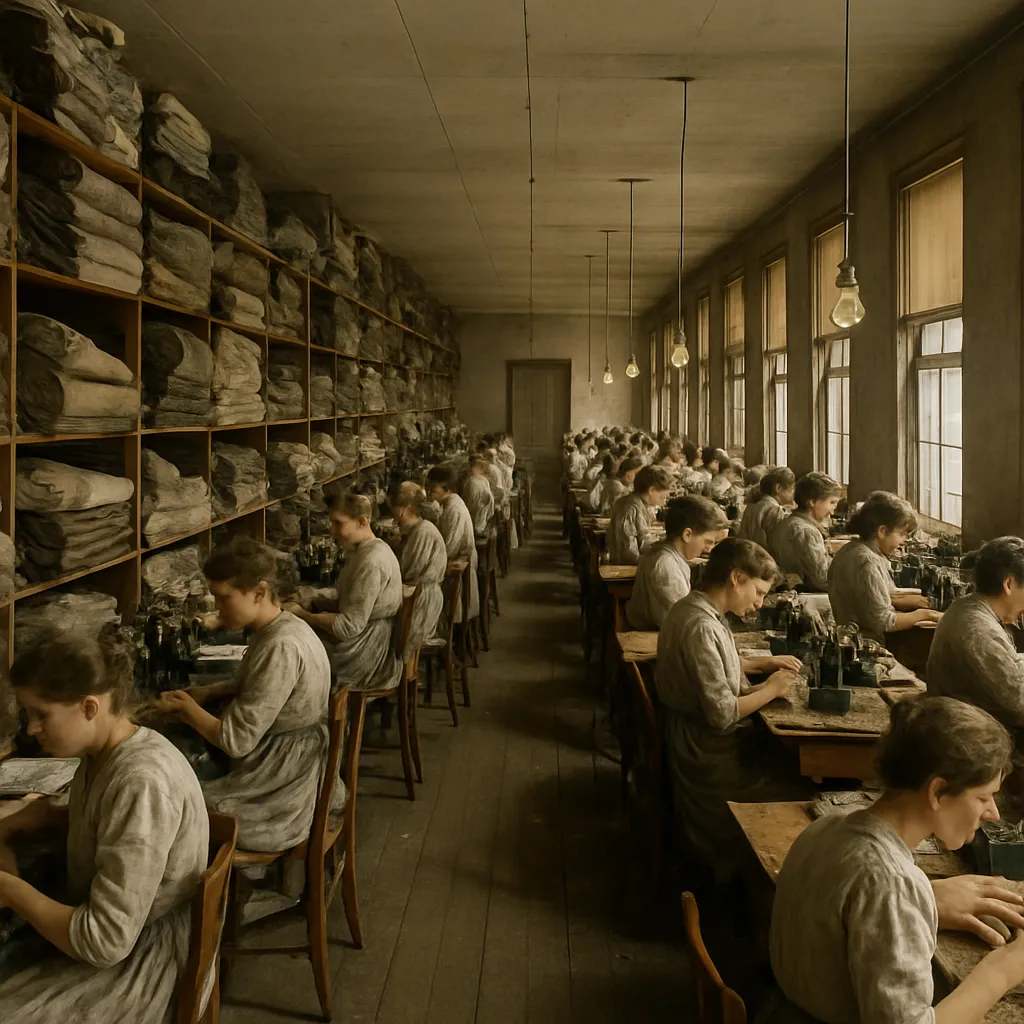
A teacher notices several students absent because they work long factory shifts. What effect of child labor is shown?
Workers asked shoppers not to buy a company's shoes until the owner raised wages. What is refusing to buy a company's goods called?
Workers had to ask permission for short breaks, and some were fined for being late. What condition does this show?
Before 1938, each state made its own child labor rules, so they were different from place to place. What did the Fair Labor Standards Act of 1938 do?
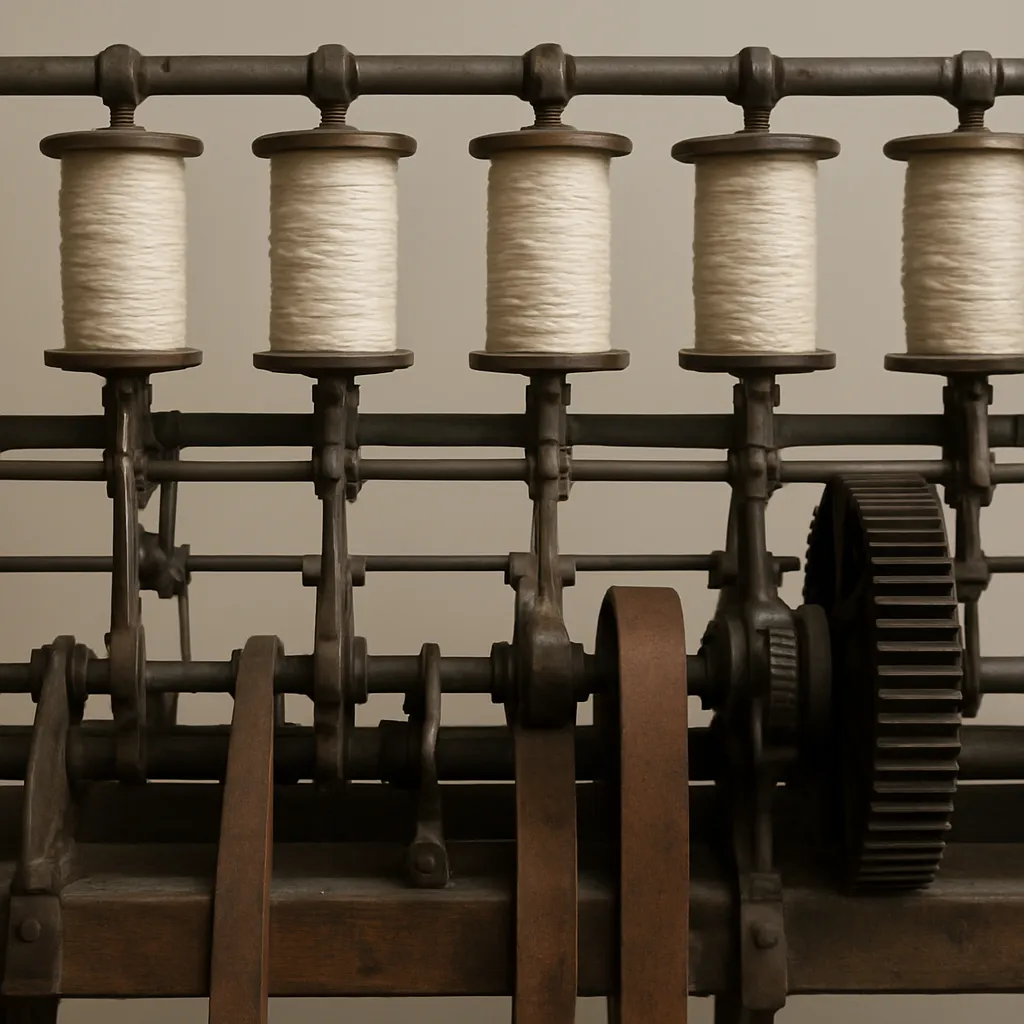
In textile mills, children sometimes tied broken threads while machines kept moving. Why was this work unsafe?
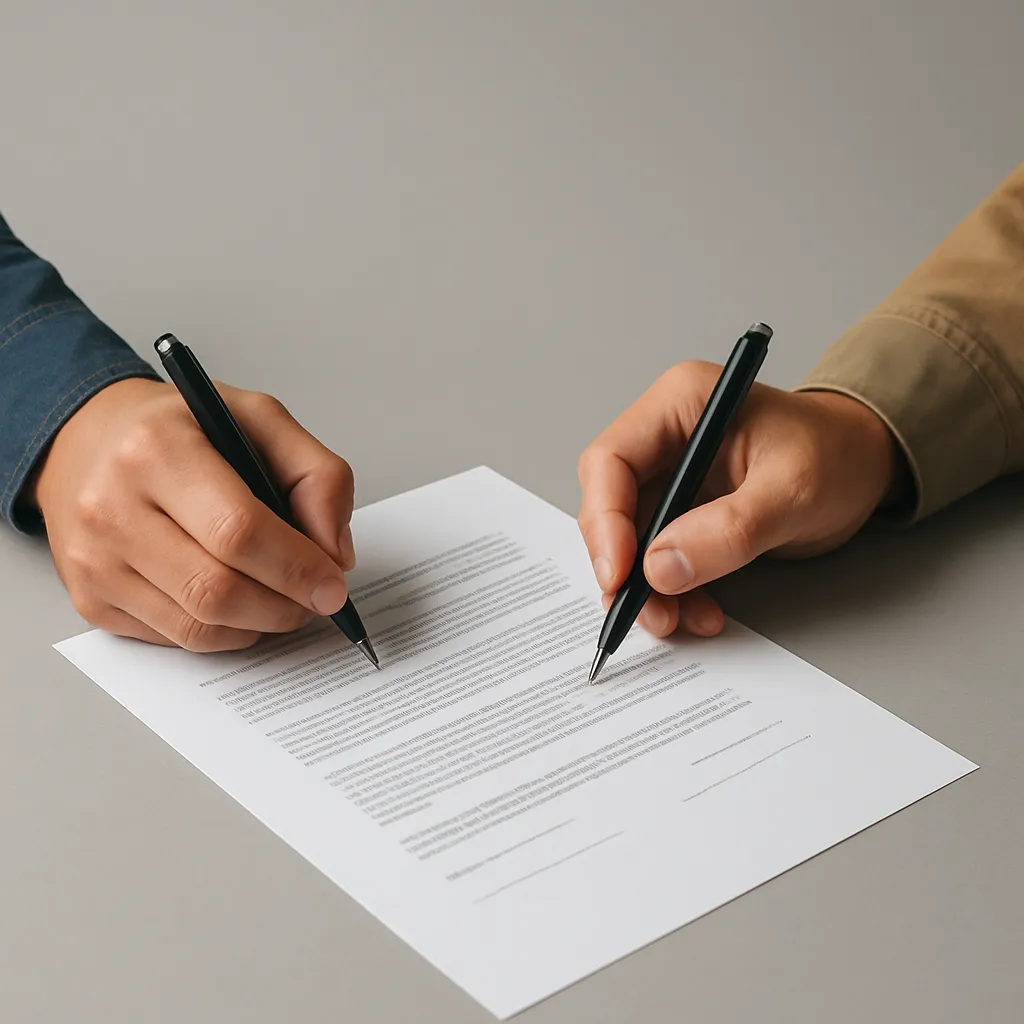
Workers sign a letter asking the owner to raise wages for everyone in their group. What organizing method are they using?
A factory hired many people but provided no training about dangerous machines. What problem could result?
Labor Day became a national holiday in 1894. What does Labor Day honor?
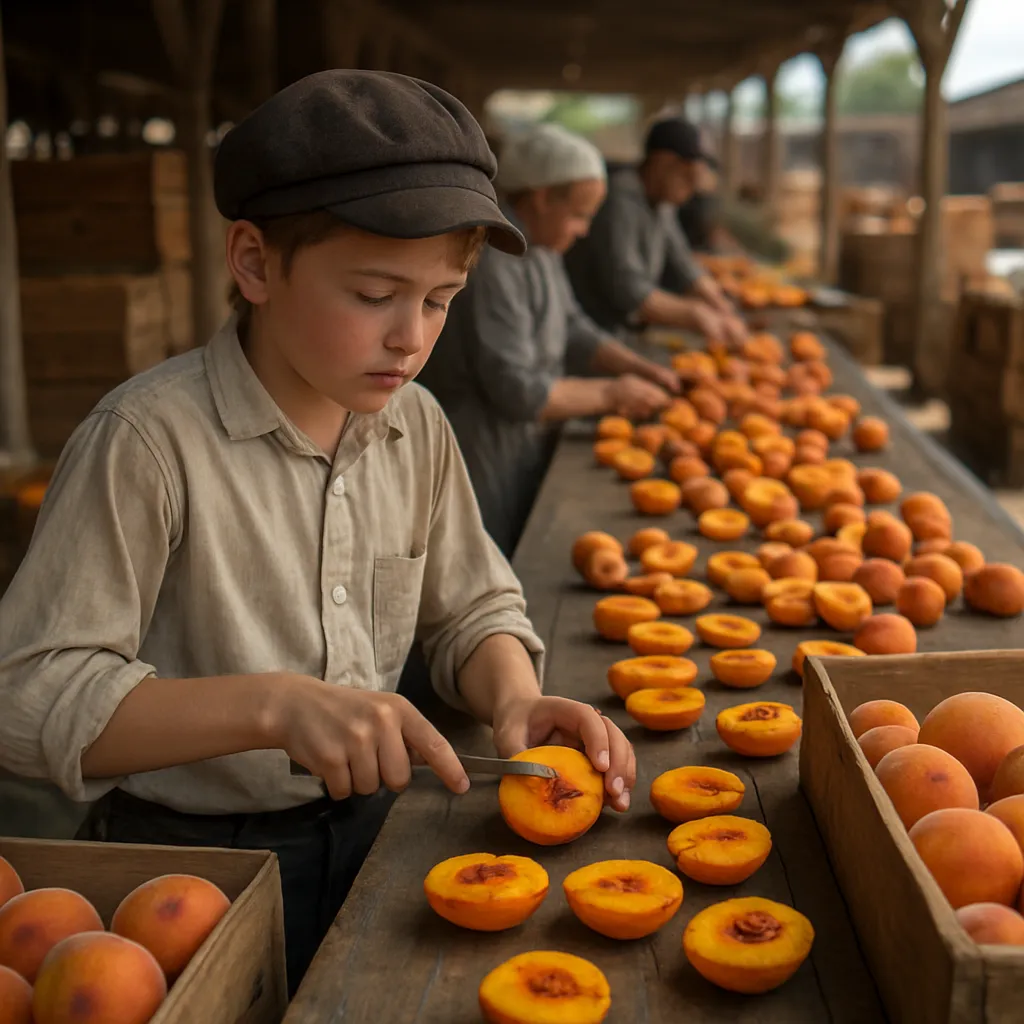
A child worker in a cannery cut fruit all day and came home too tired for homework. What does this show about child labor?
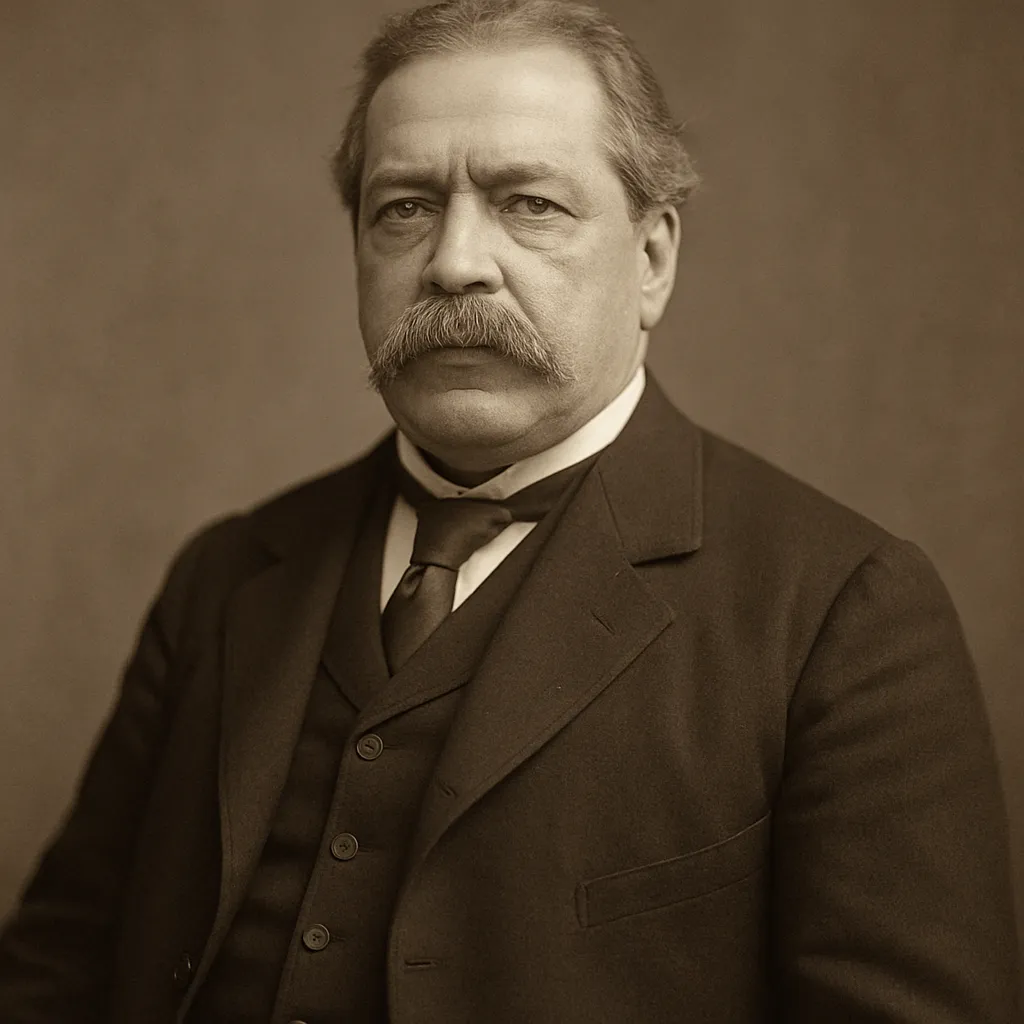
Samuel Gompers worked in the labor movement during the late 1800s. What action is he known for?
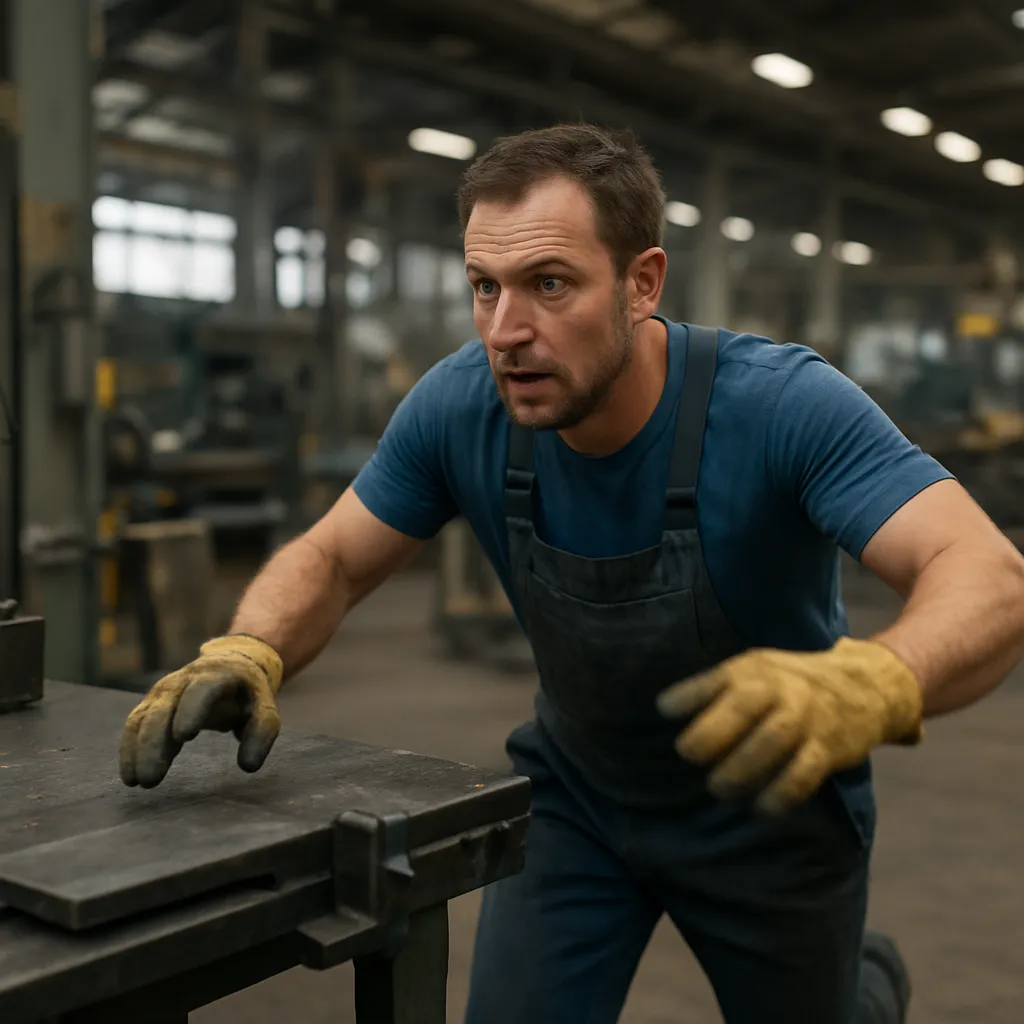
A factory owner paid by the piece, so workers rushed to finish as many items as possible. What condition could this create?
In 1911, a fire at the Triangle Shirtwaist Factory in New York City killed 146 workers trapped behind locked doors. What change followed?
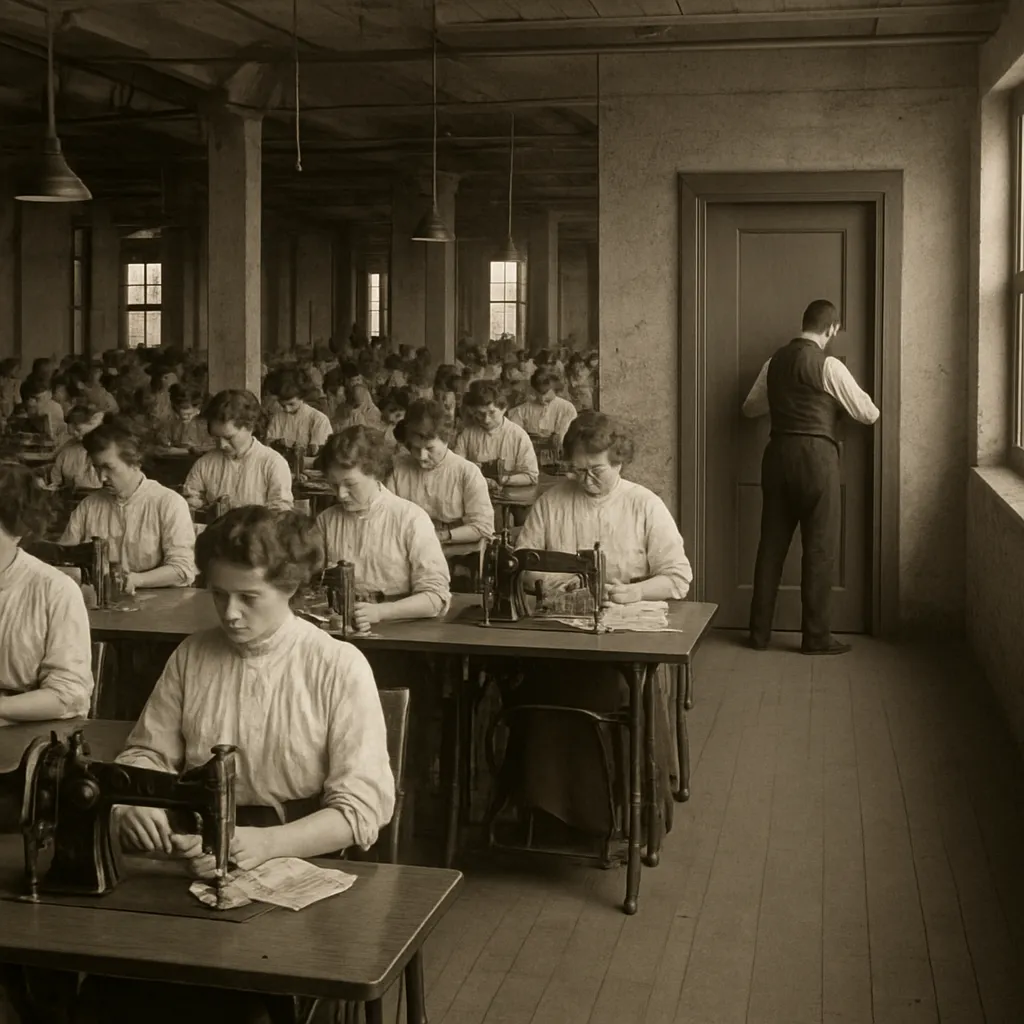
An immigrant worker wrote that the factory was hot, crowded, and tiring, but the family needed the wages. What does this describe?
Crack the passcode before the zombies get in.
Answer, then swat bugs for bonus points.
Race through questions at your own speed.
Same question on every screen. Fastest wins.

Pick a tile, answer, hit bonuses and steals.
The Great Migration
40 questions