Loading
by BlastRoom
Students explain how factories and mills changed where people worked and where they lived.
#technology#us_grade_4_social_studies
40 questions
One question set, multiple game modes. Tap any game to see it in action. Not sure which to pick?
Answer to place stones and capture territory.
Outrun the snow together.
Earn blasts, then hunt the other team.
Answer to earn energy, then climb.

The class blasts through walls together.
Bid on mystery lots. Most money wins.
Sell tours. Nice, standard, or a total scam.

Answer, restock, and serve the rush.
More correct answers pulls the rope your way.
Answer, then shoot down the alien wave.
Answer, then tap to leap the frozen ridge.
On a family farm, work often followed daylight, weather, and seasons. In a factory, what changed most about the workday?
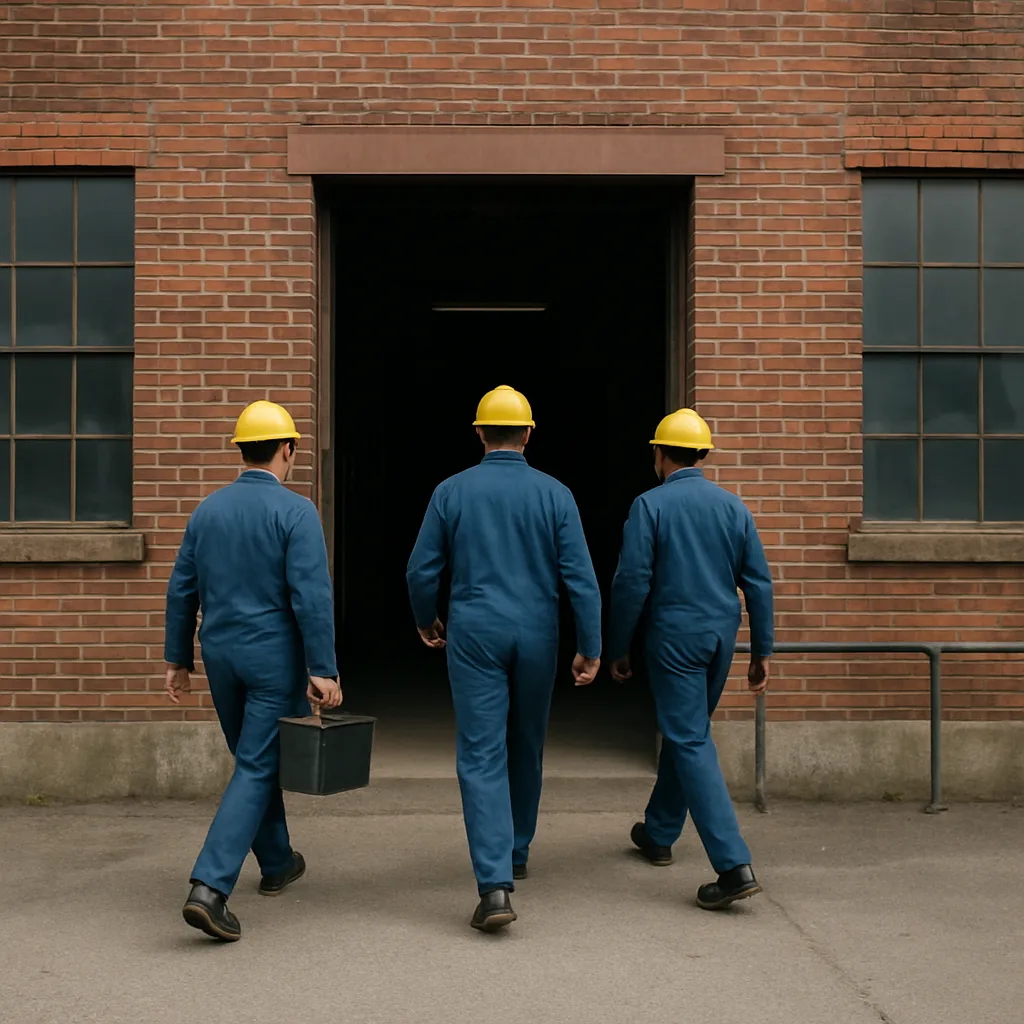
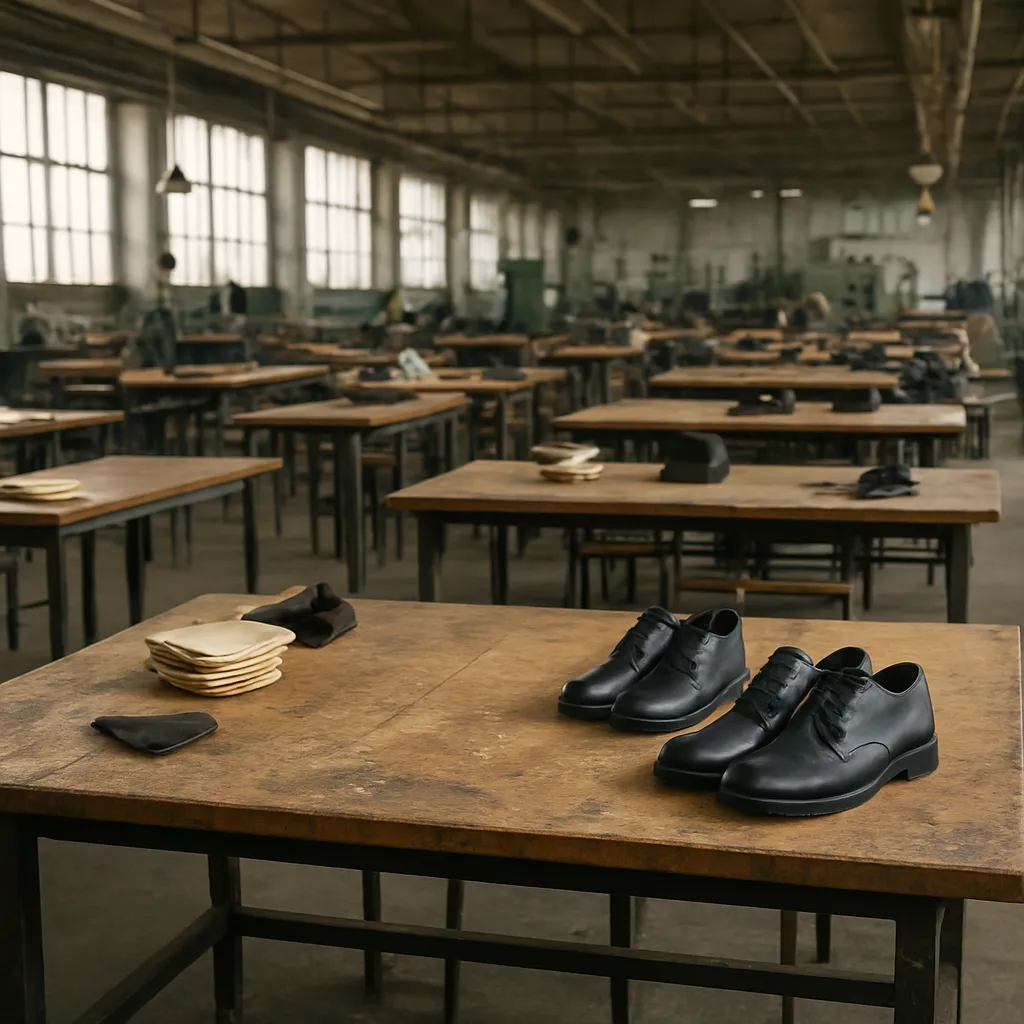
A shoemaker once made whole shoes in a small workshop. In a factory, several workers each did one part of many shoes. What changed?
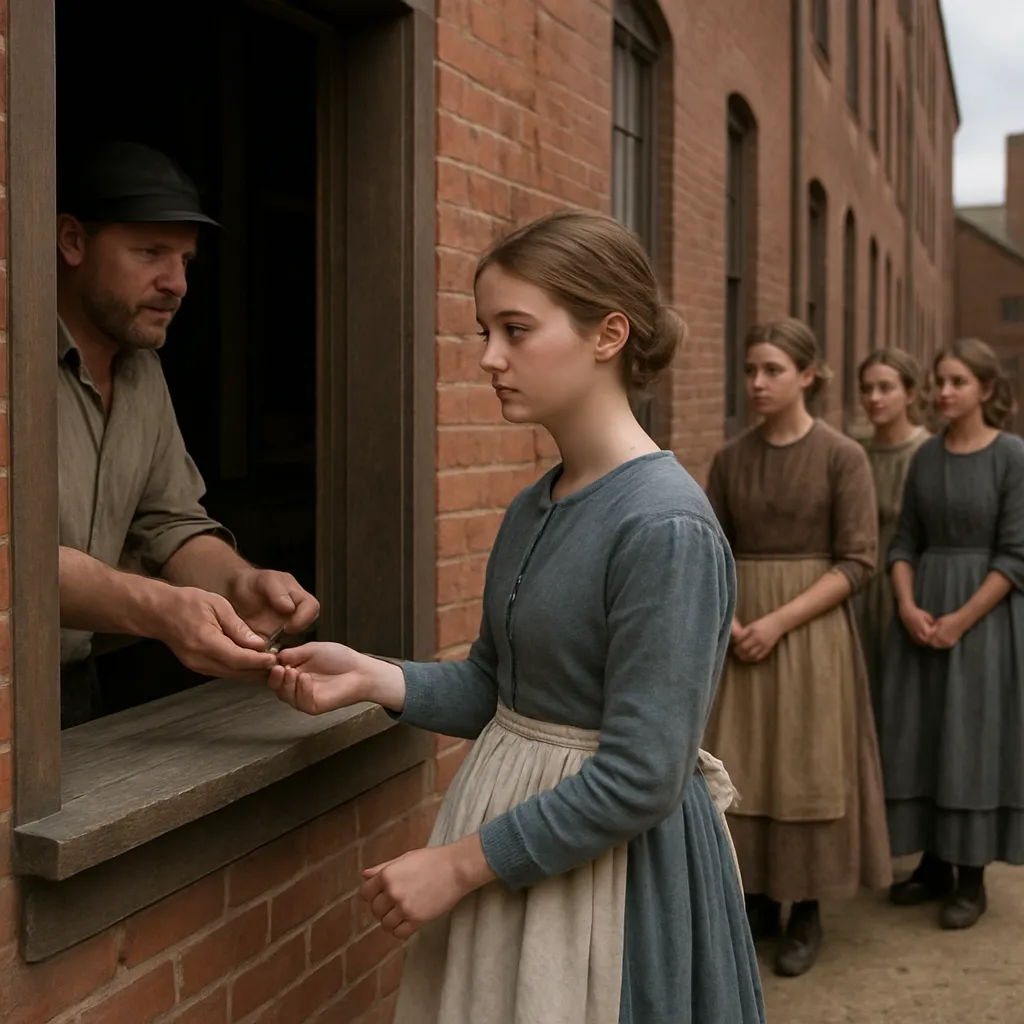
A young worker leaves home each morning to work in a textile mill and receives money every week. What kind of payment is this?
Before factory growth, many people worked on farms or in small shops near home. What new pattern became common?
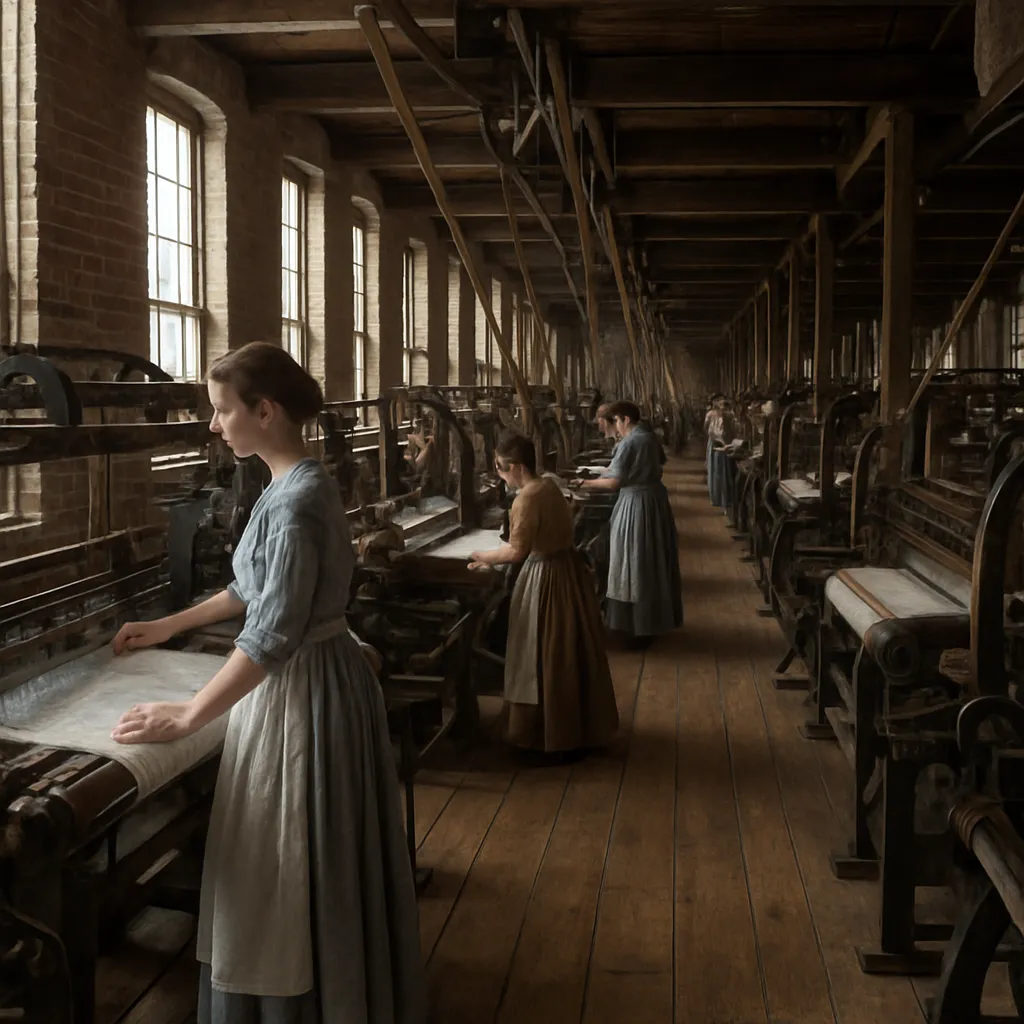
In a workshop, a craft worker could often slow down or change tasks. In many factories, what set the pace of work?
A family spins thread at home when farm chores are finished. Later, one member goes to a mill for a daily shift. What changed?
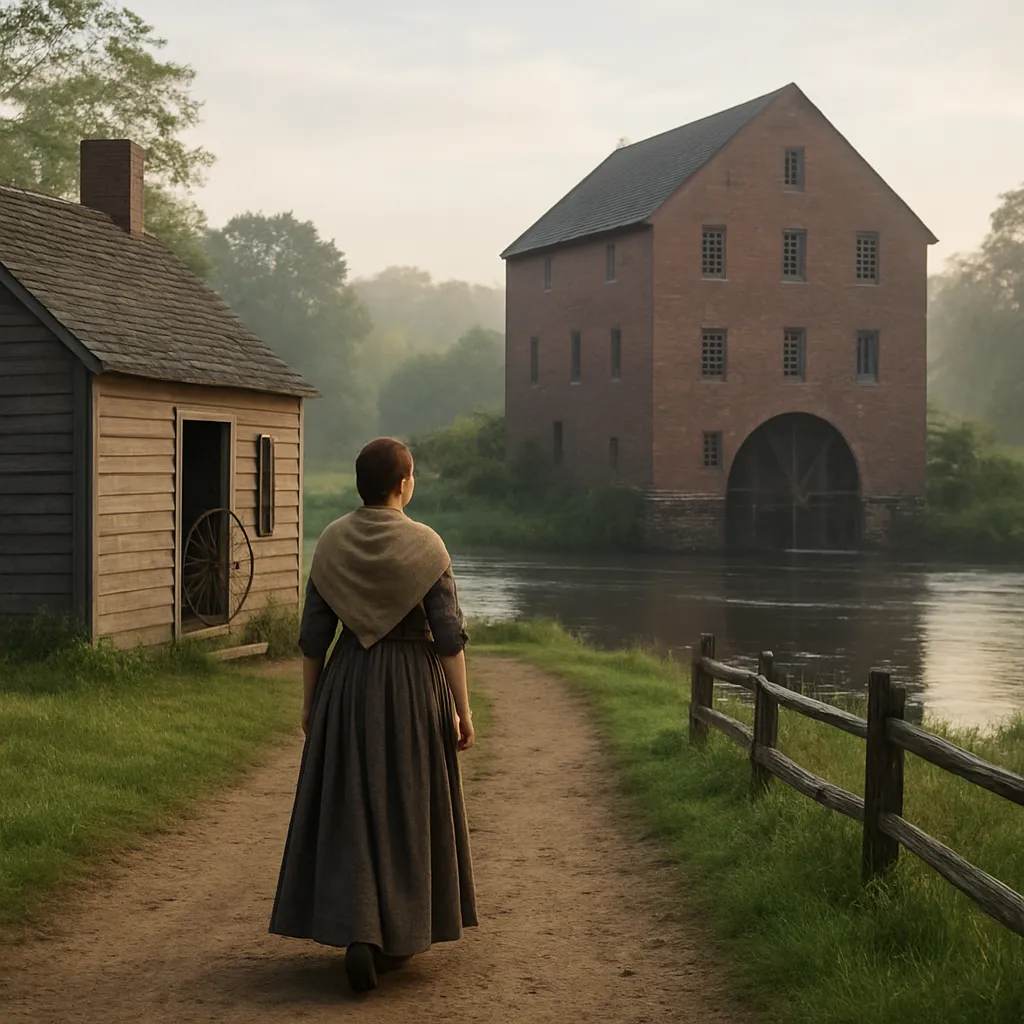
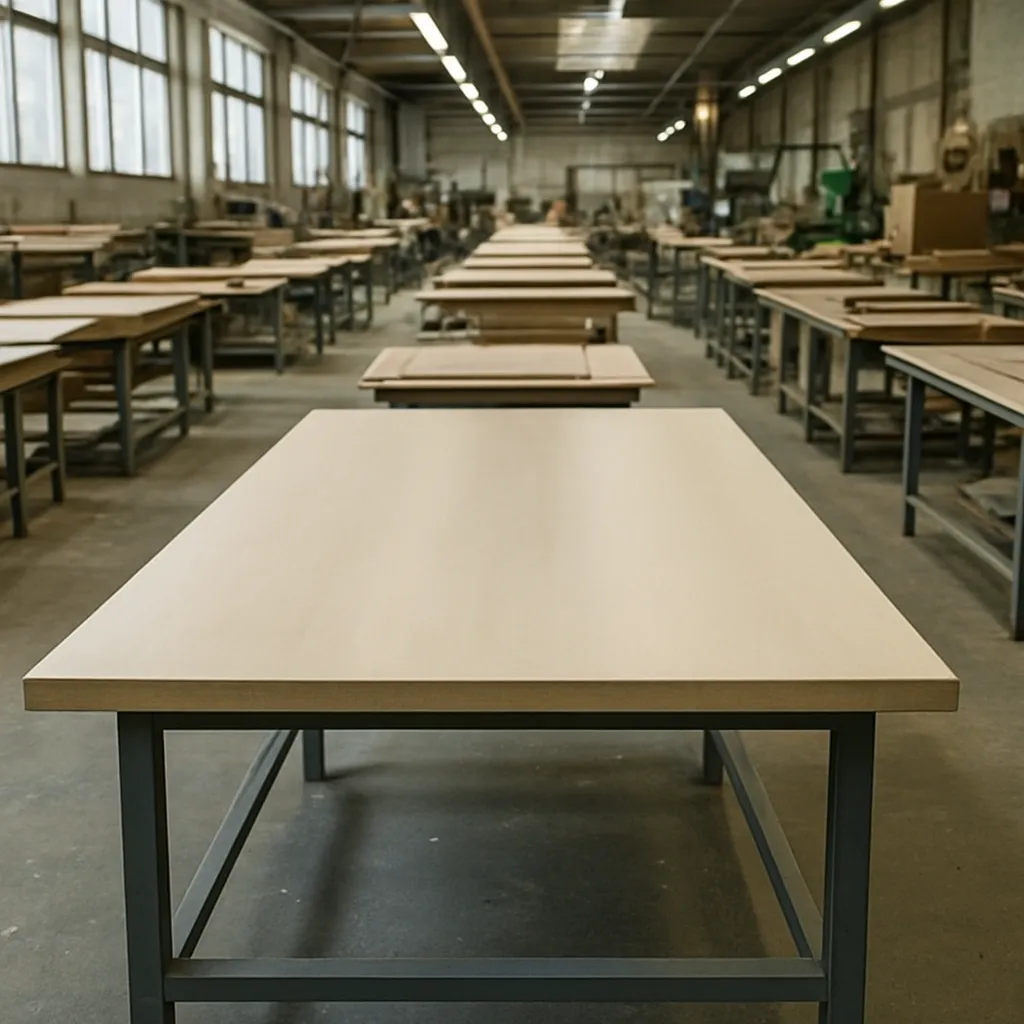
A cabinetmaker in a small shop builds one table from start to finish. A factory worker attaches the same table legs all day. What changed?
A farmer might be paid after selling a crop. A factory worker was commonly paid for hours or days worked. What changed?
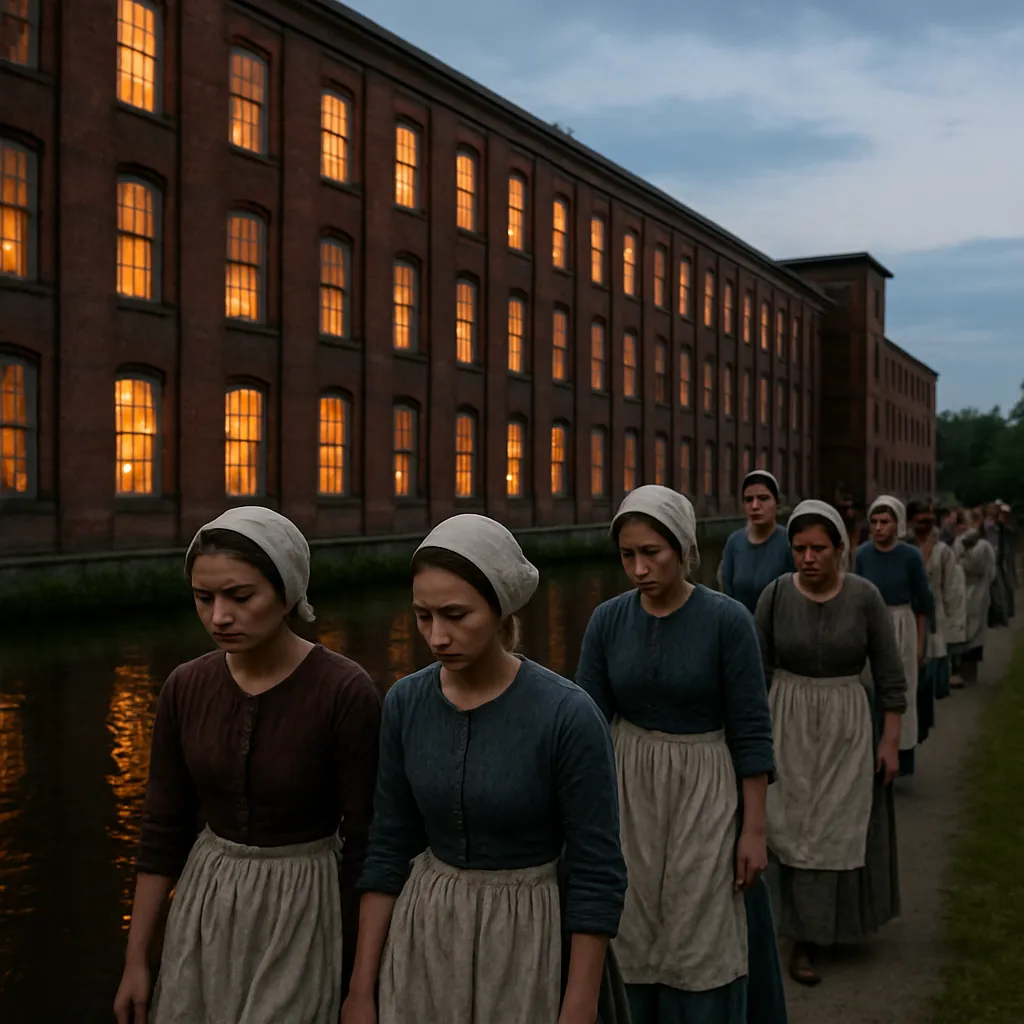
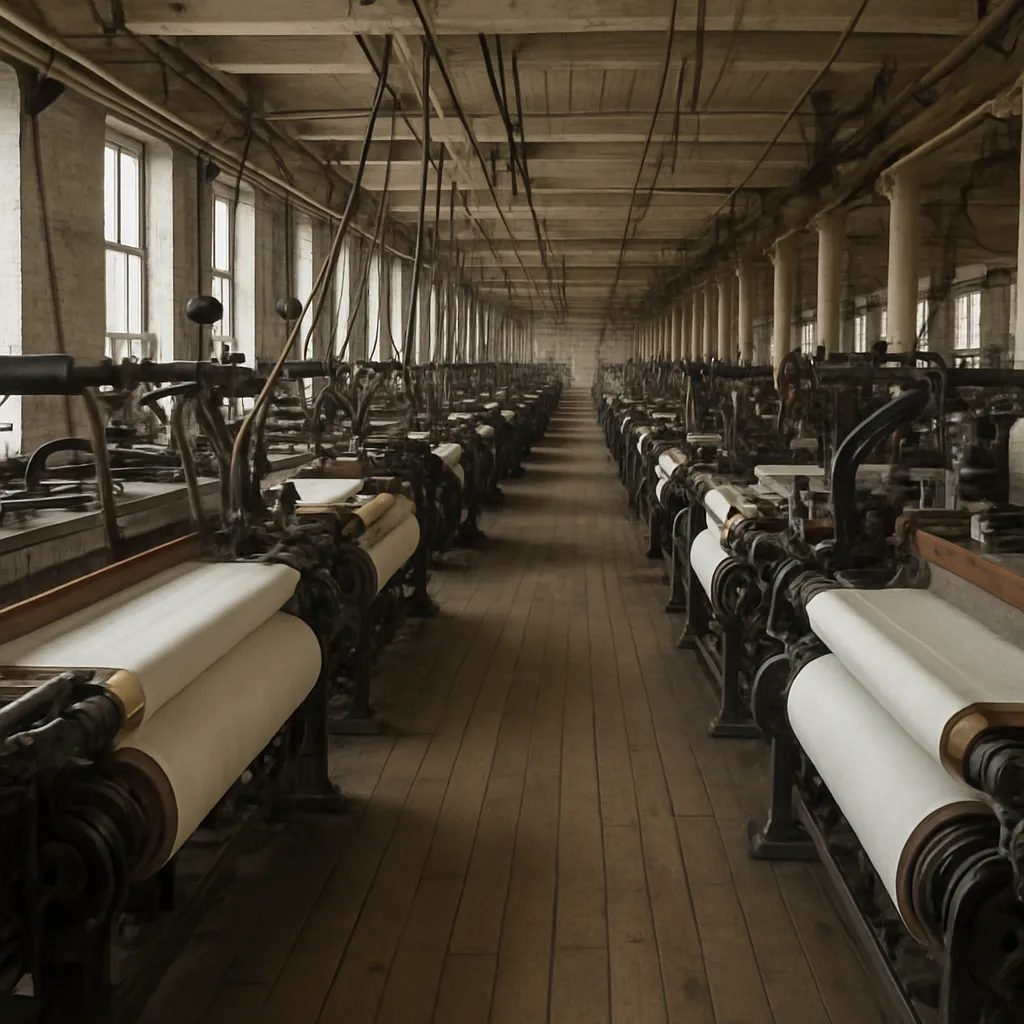
A weaver once owned tools in a small shop. In a textile factory, the looms belonged to the owner. What changed?
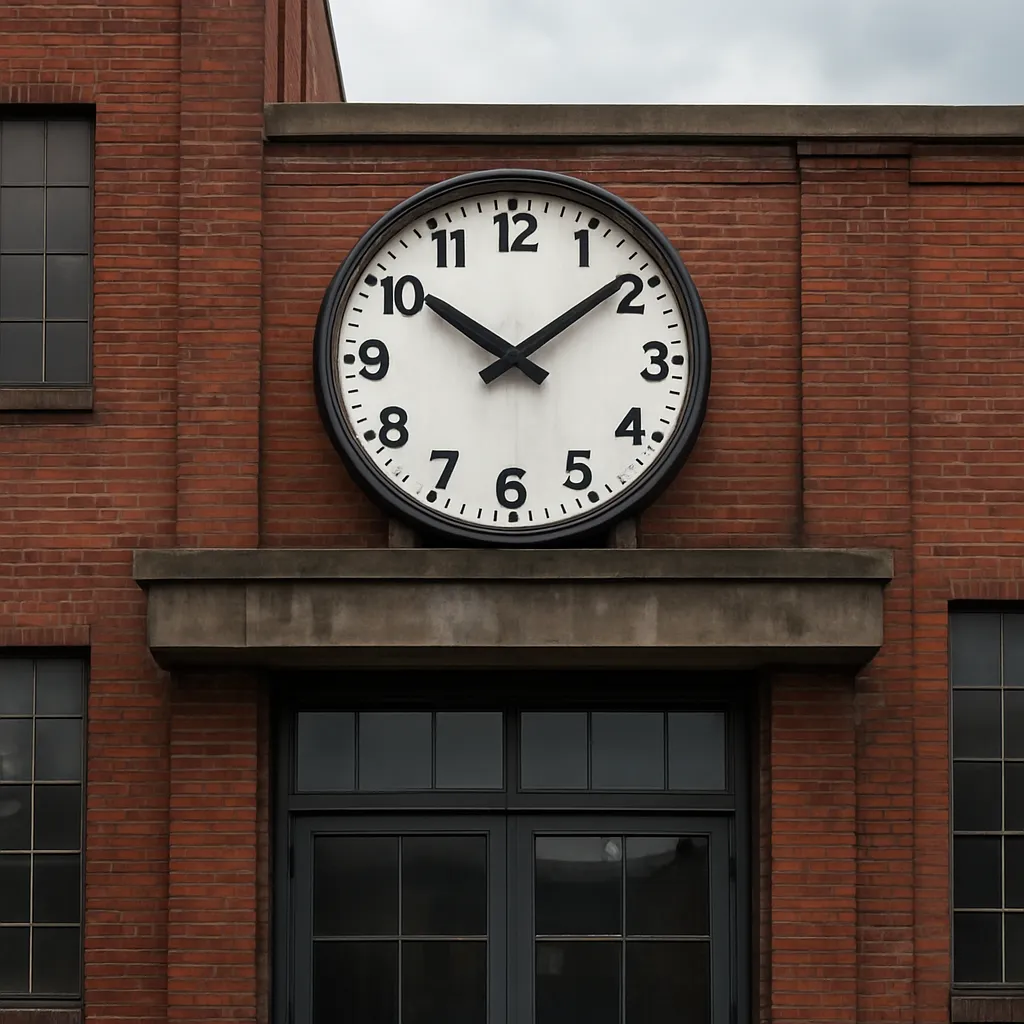
A clock tells factory workers when the workday begins and ends. Why did time become more important in factory work?
In a small workshop, a craftsperson might talk with a customer and make one custom item. What did factories usually emphasize instead?
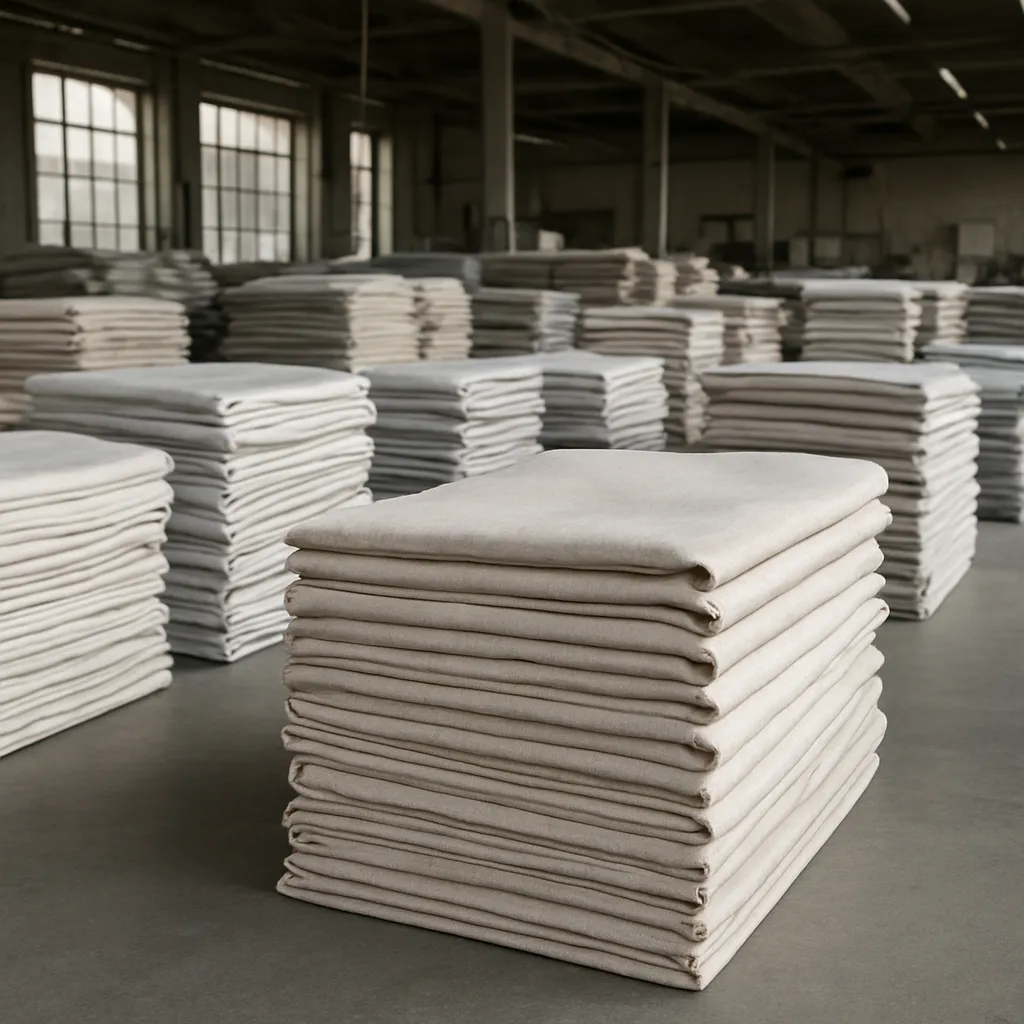
A farm family works in many places: field, barn, kitchen, and shop. A factory gathered workers and machines together. What changed about where work happened?
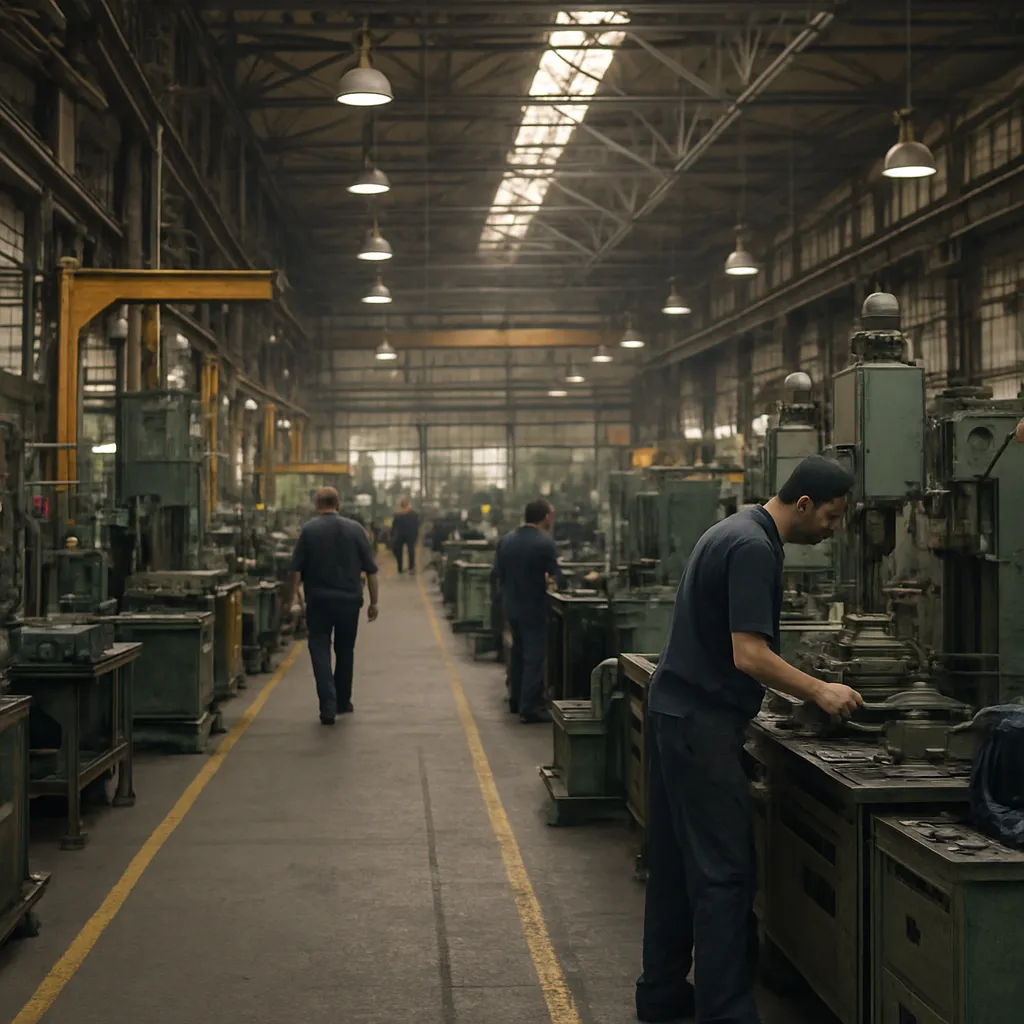
Early mills in New England were often built beside fast-running rivers. What advantage did the river provide?
Lowell, Massachusetts, grew along the Merrimack River. Why was that river useful for early textile mills?
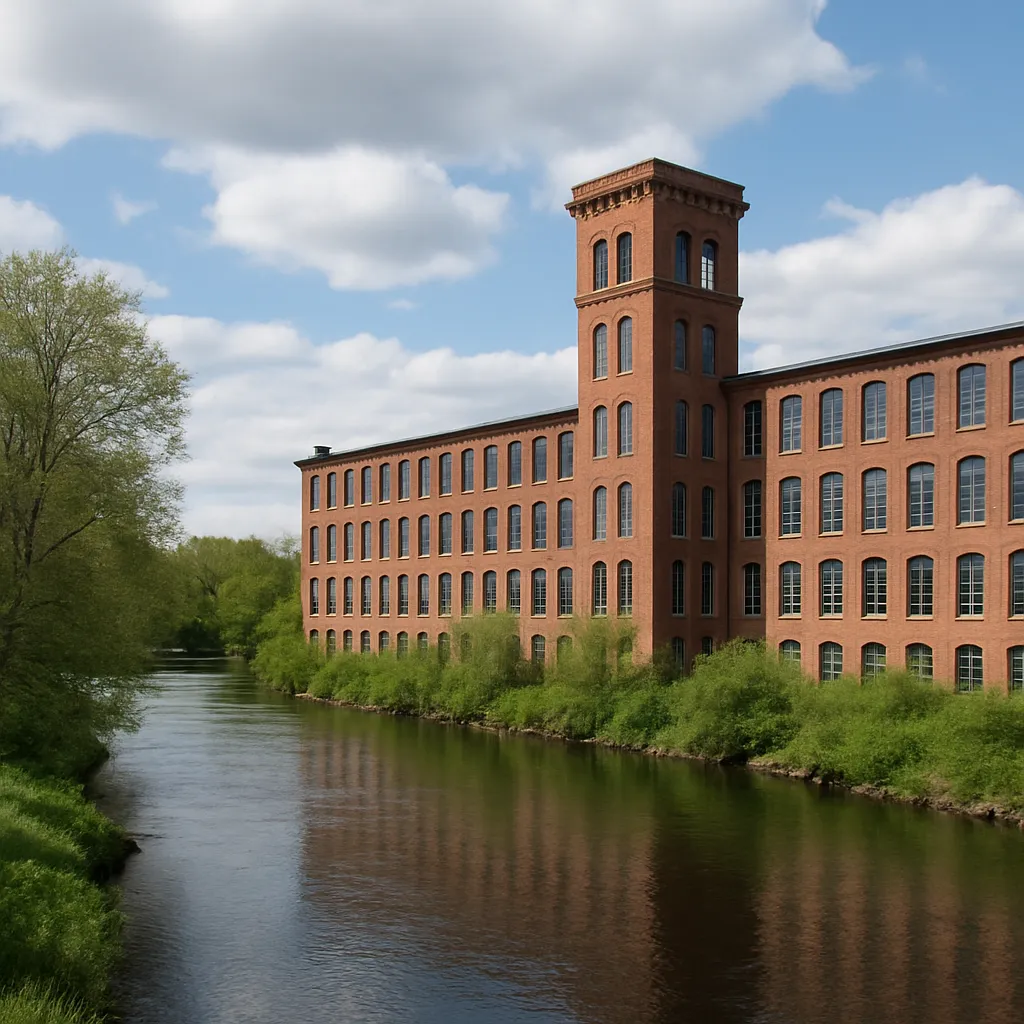
Paterson, New Jersey, developed near the Great Falls of the Passaic River. Why was this site attractive for mills?
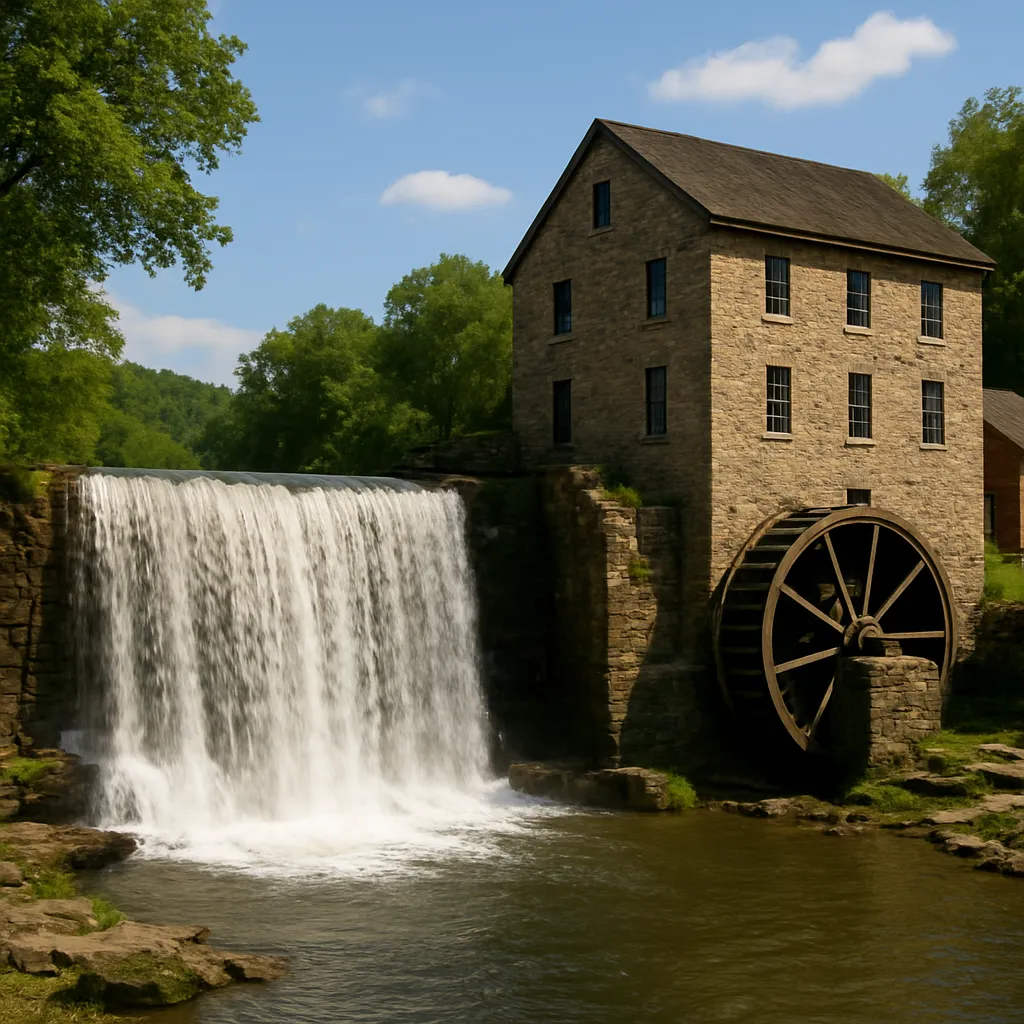
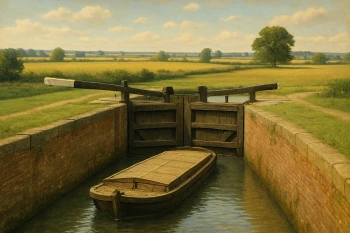
A factory owner chooses a site beside a canal that connects to larger markets. What advantage does the canal give?
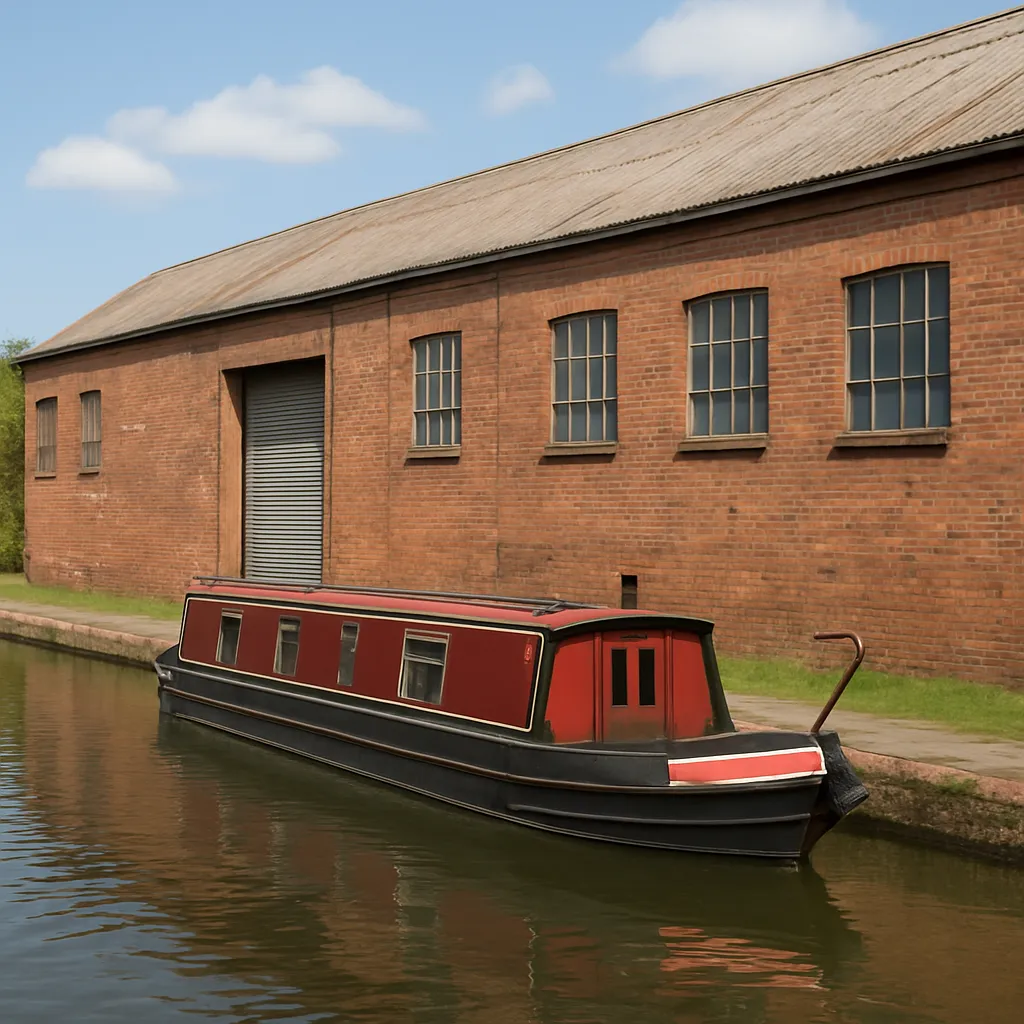
A factory making iron goods is built near coal and iron ore. Why does that location help the factory?
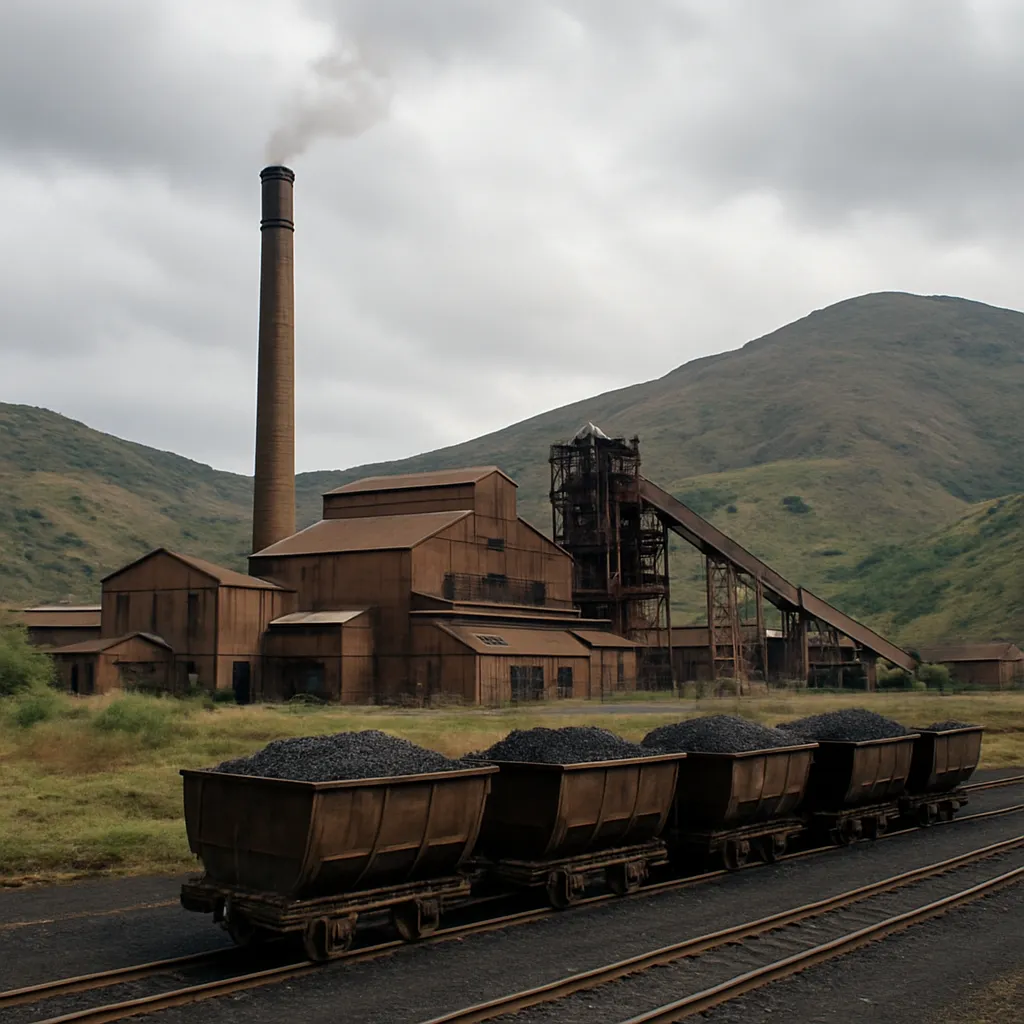
Pittsburgh grew as an industrial city near rivers and coal fields. What location advantage helped factories there?
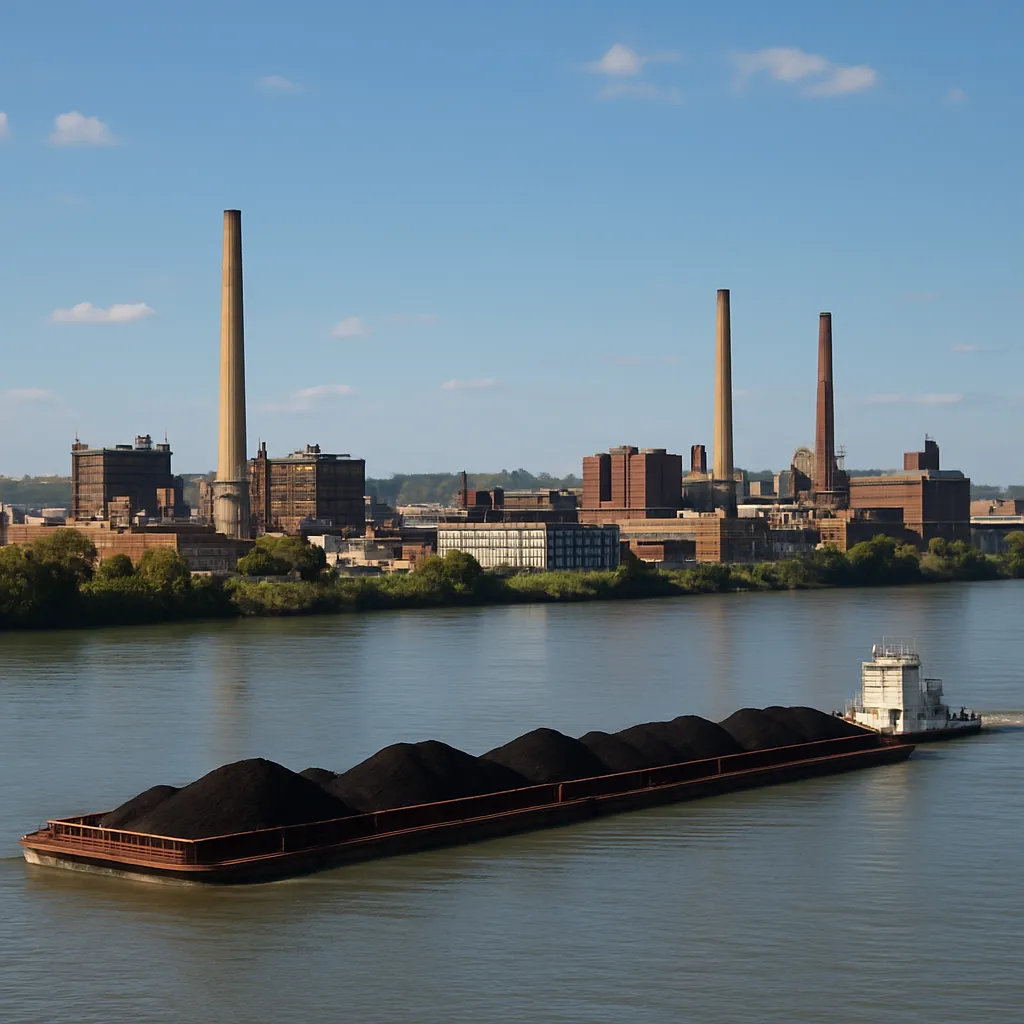
A cloth mill is built near a growing town instead of far from people. What advantage does the town provide?
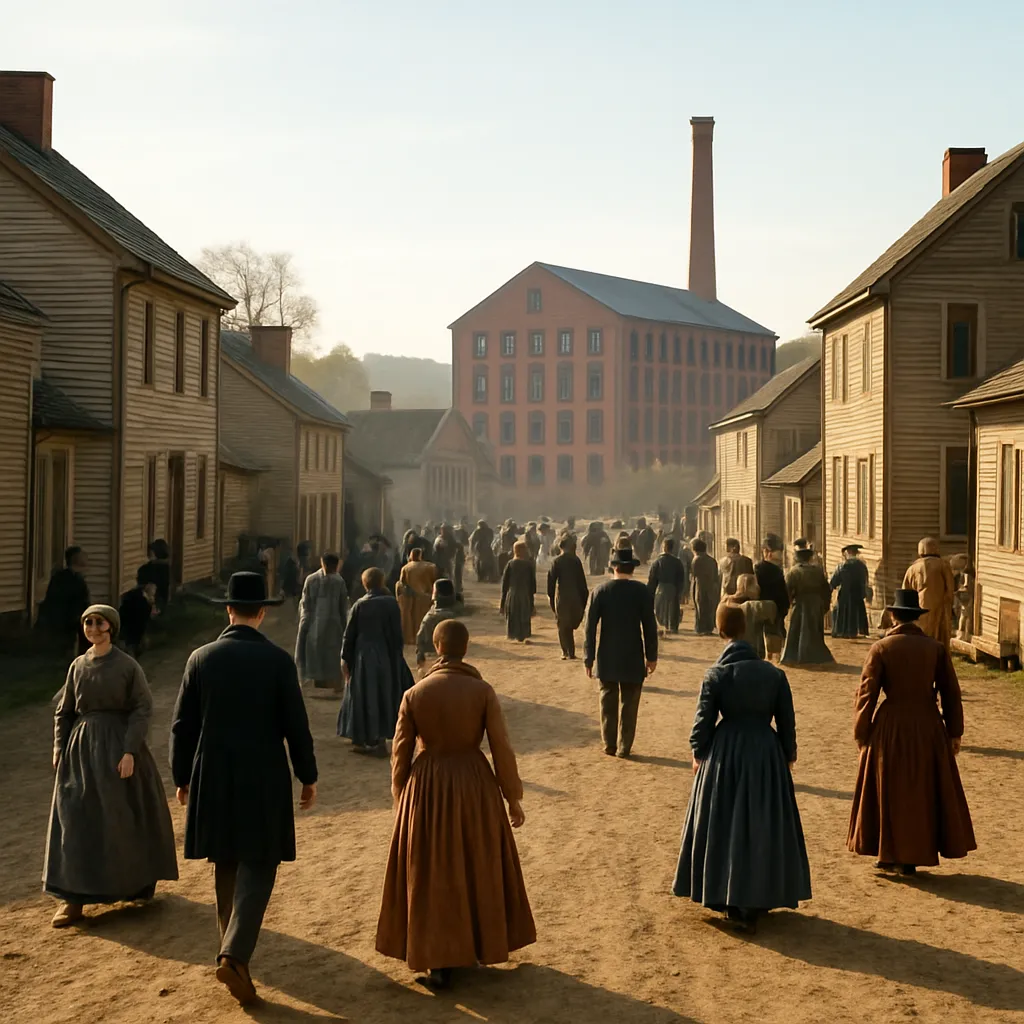
A factory that imports raw materials and exports finished goods is built near a port. Why is the port useful?
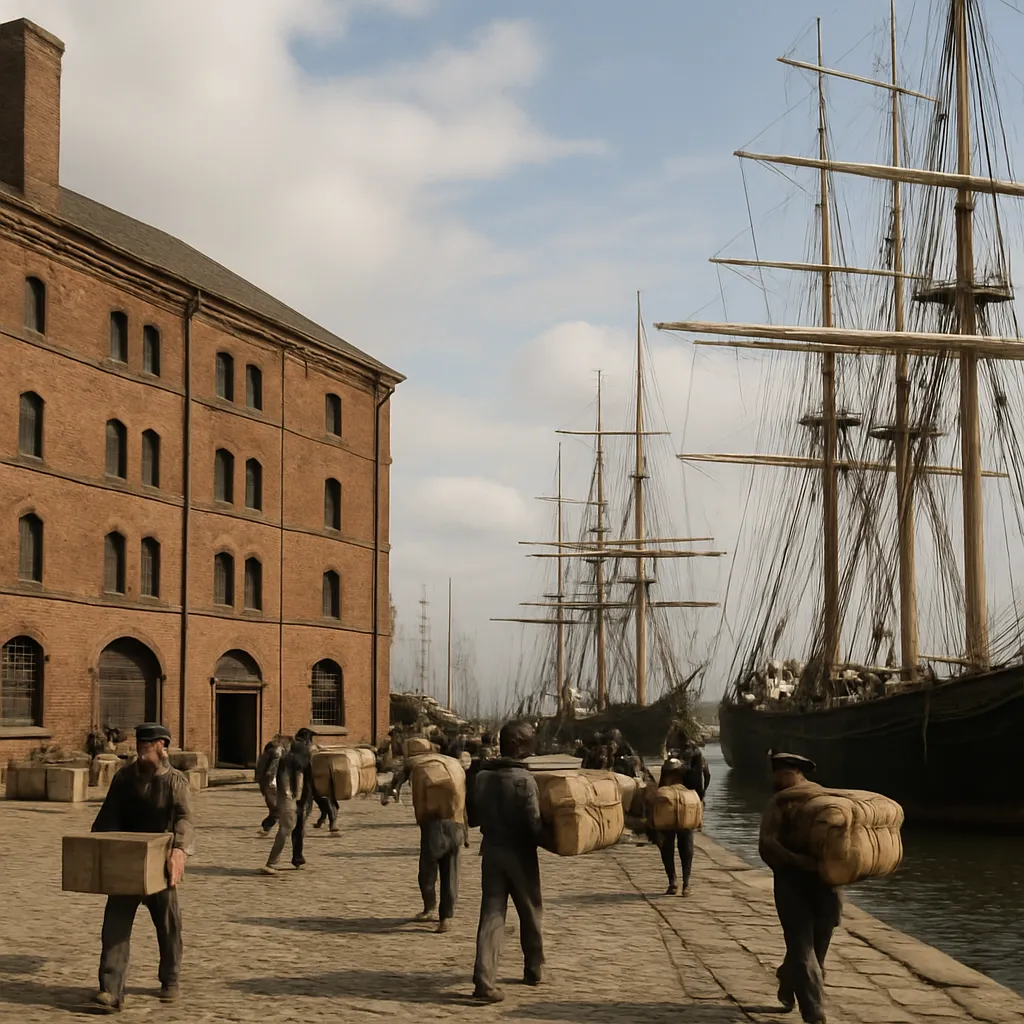
A mill owner looks for a river with a steep drop instead of a slow, flat stream. What is the main reason?
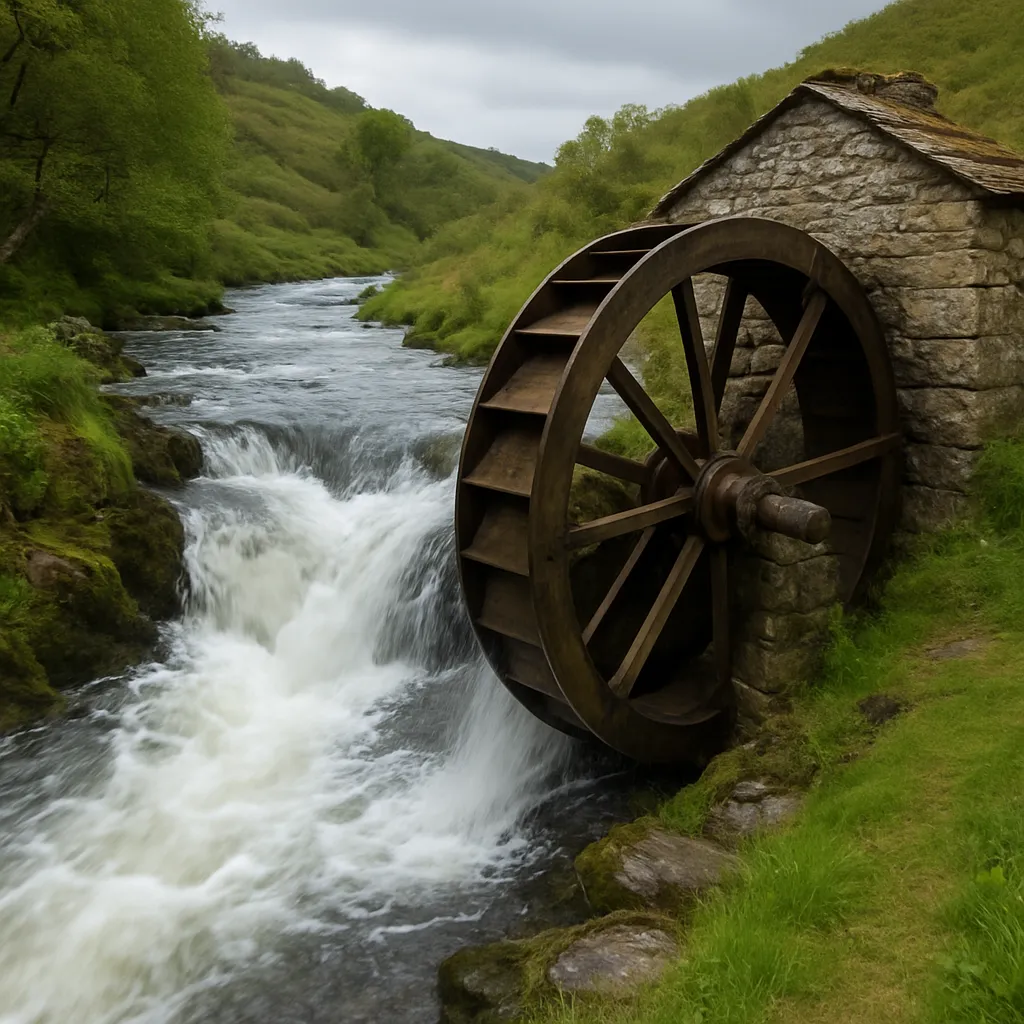
A factory is built beside a railroad line after rail transportation reaches a region. What advantage does the railroad give?
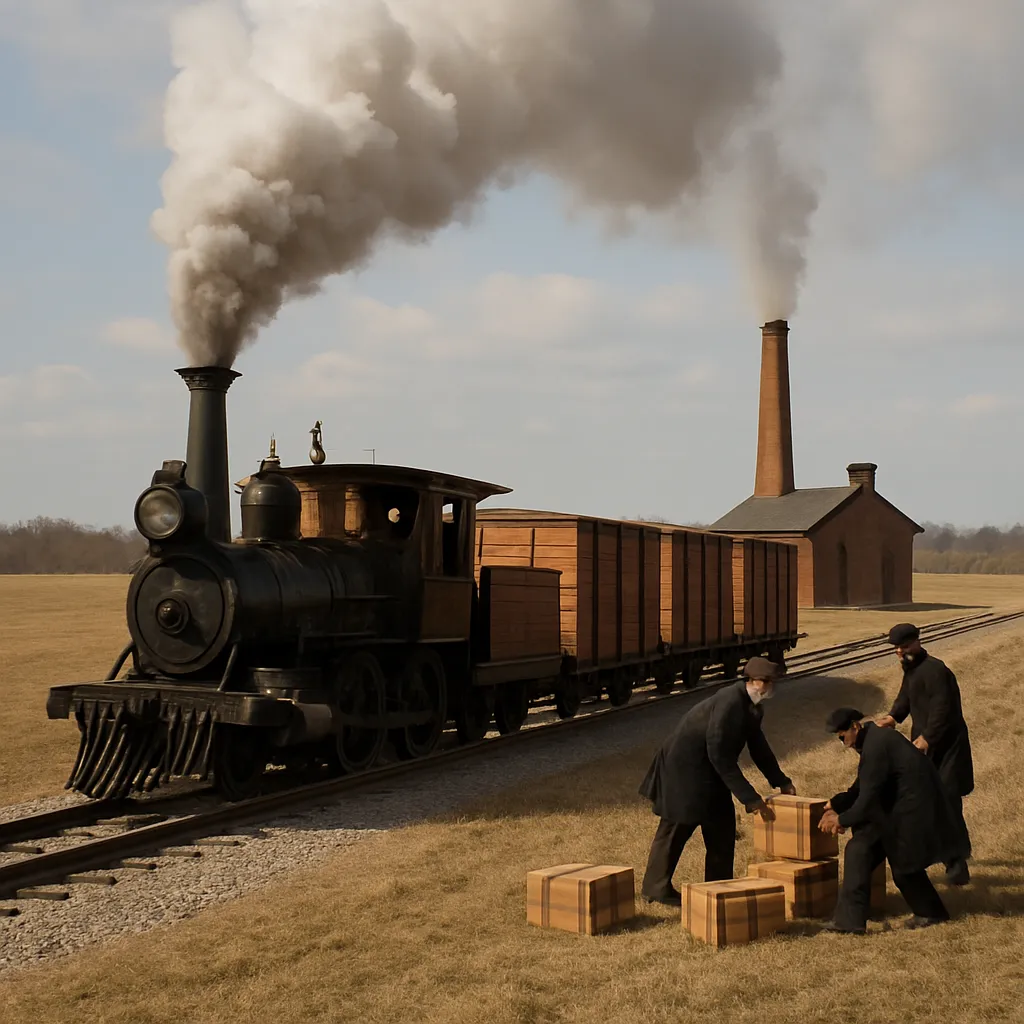
A new factory opens in a small farming town and hires hundreds of workers. What was one likely result for the town?
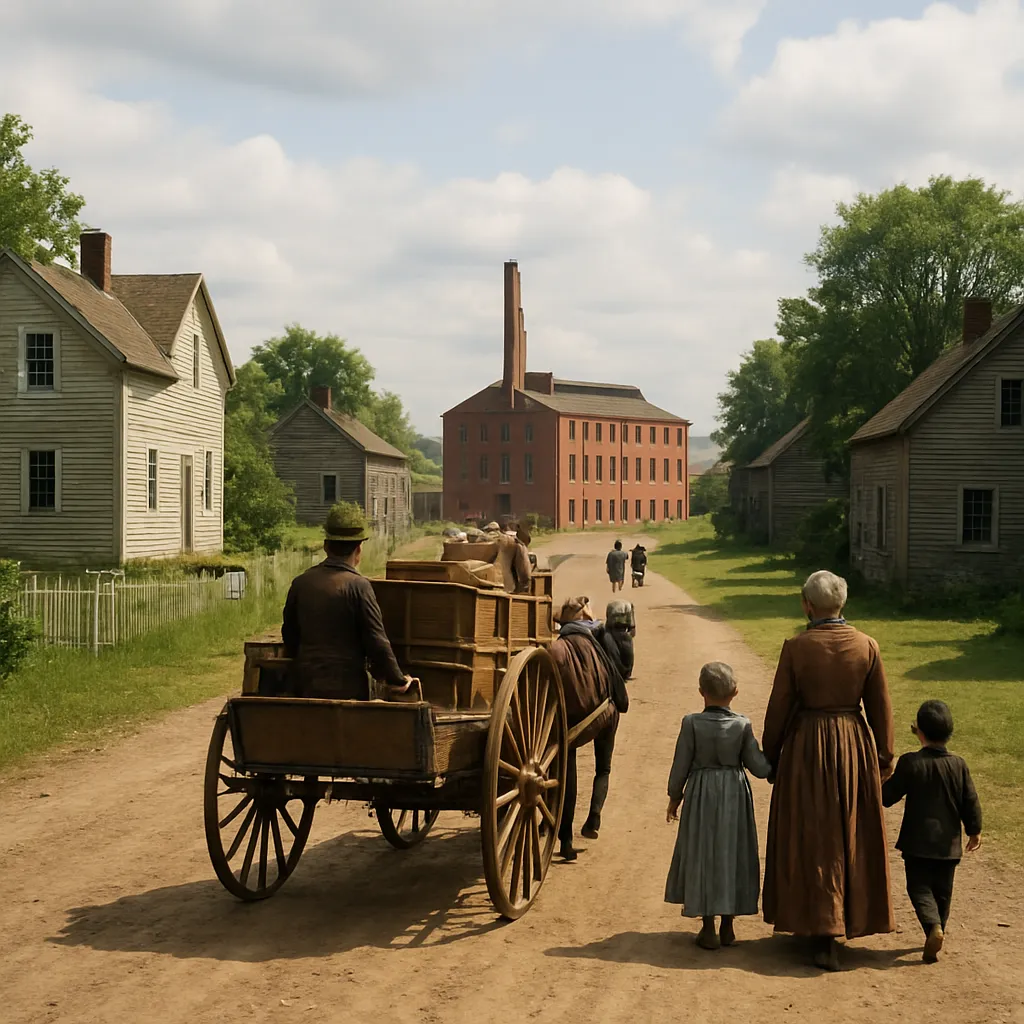
A mill town adds rows of small houses near the factory. Why did housing grow there?
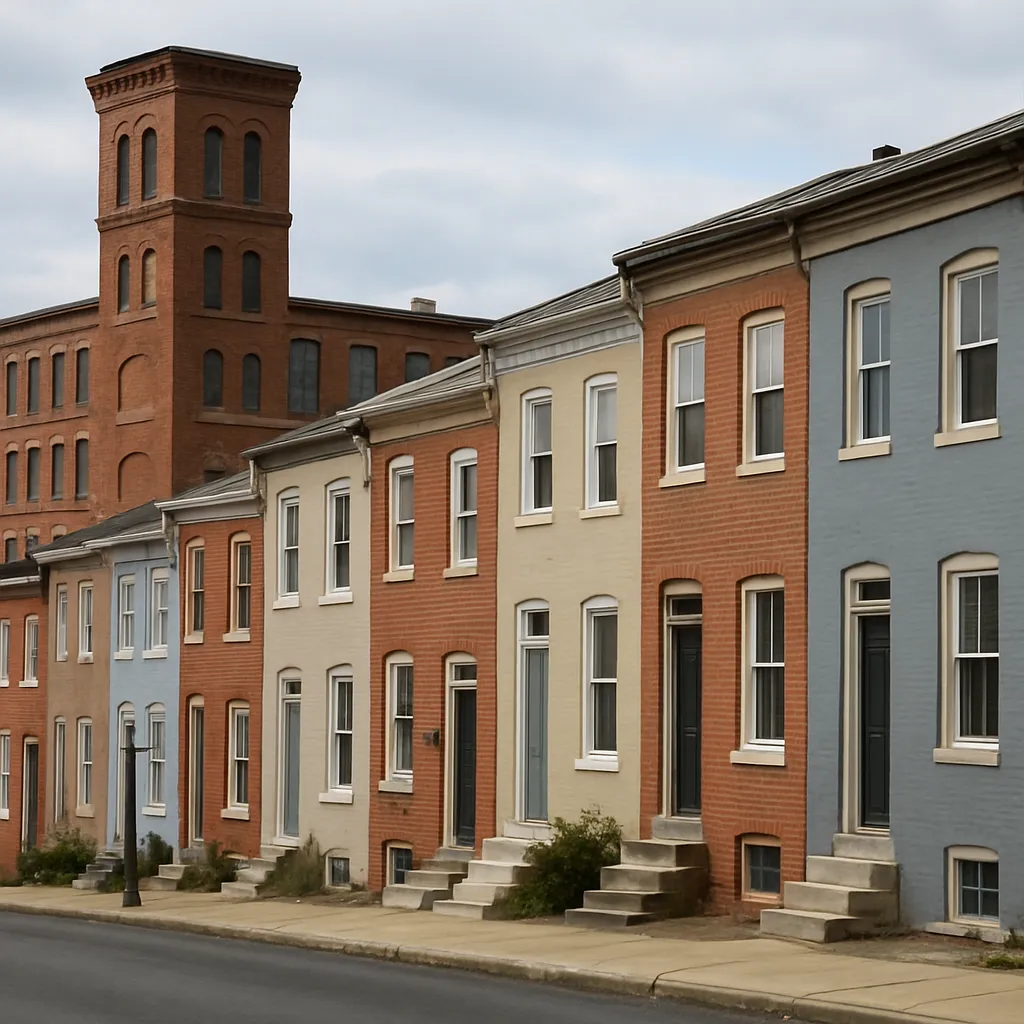
A city with several factories needs clerks, wagon drivers, machine repairers, and shopkeepers. What consequence of industrial growth does this show?
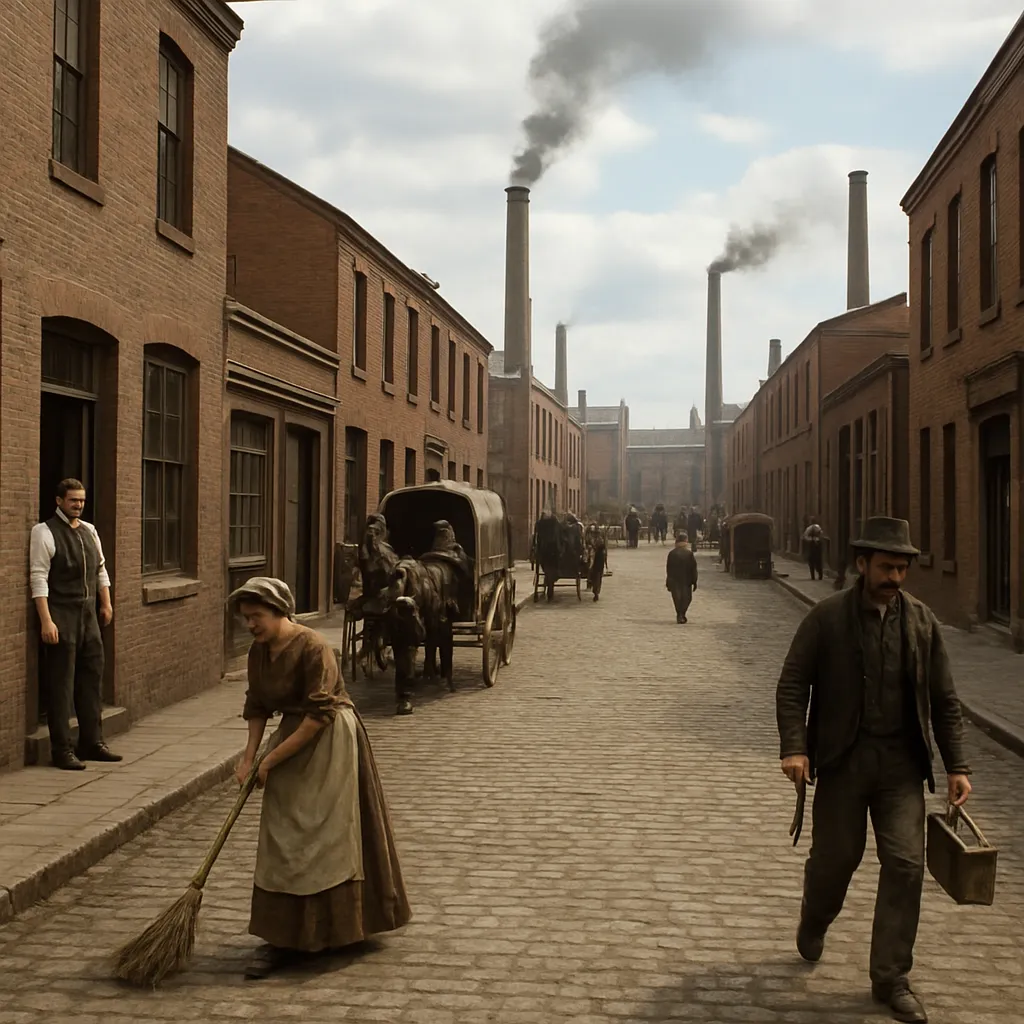
Immigrants arriving at a port city hear that factories are hiring workers. What pull factor might draw them to that city?
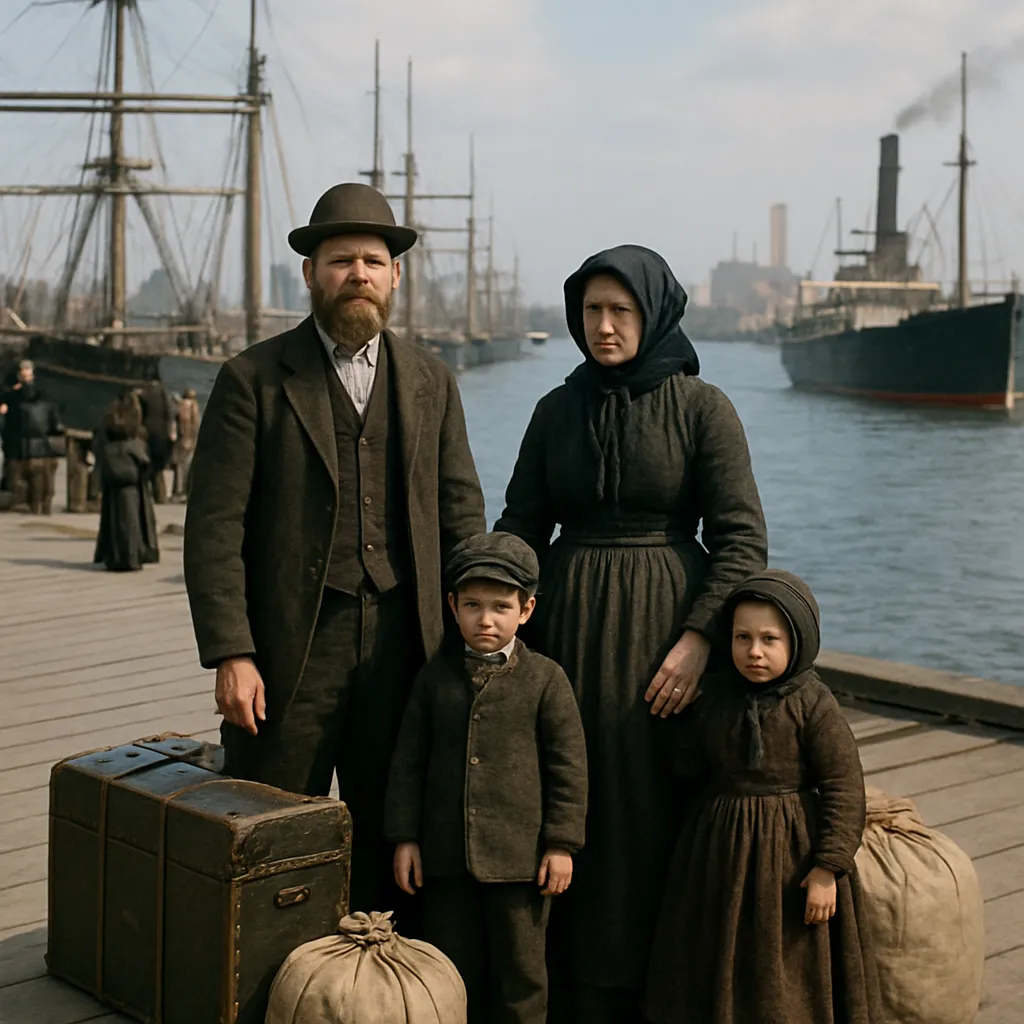
As more factories opened, nearby stores, banks, and boardinghouses appeared. Why did these businesses grow?
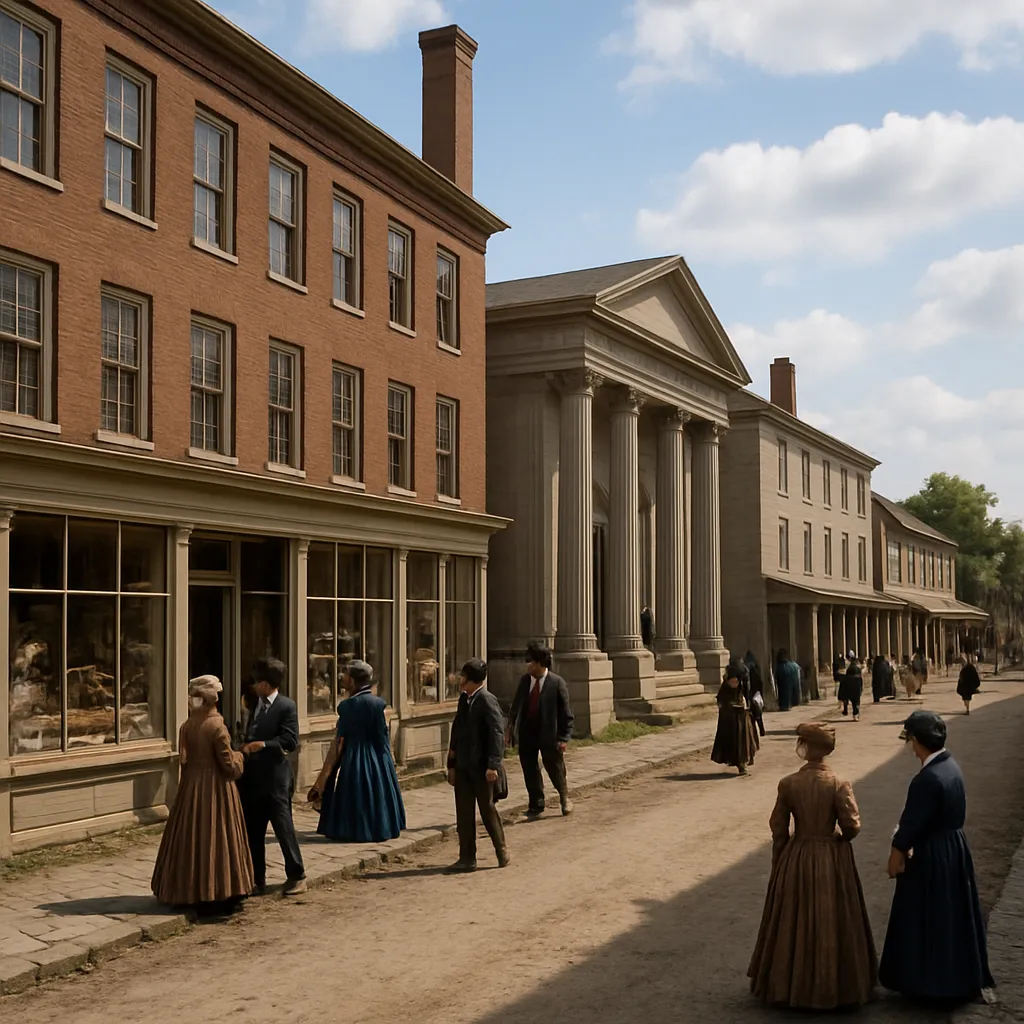
A farming village becomes a factory town over several decades. What change in where people lived was common?
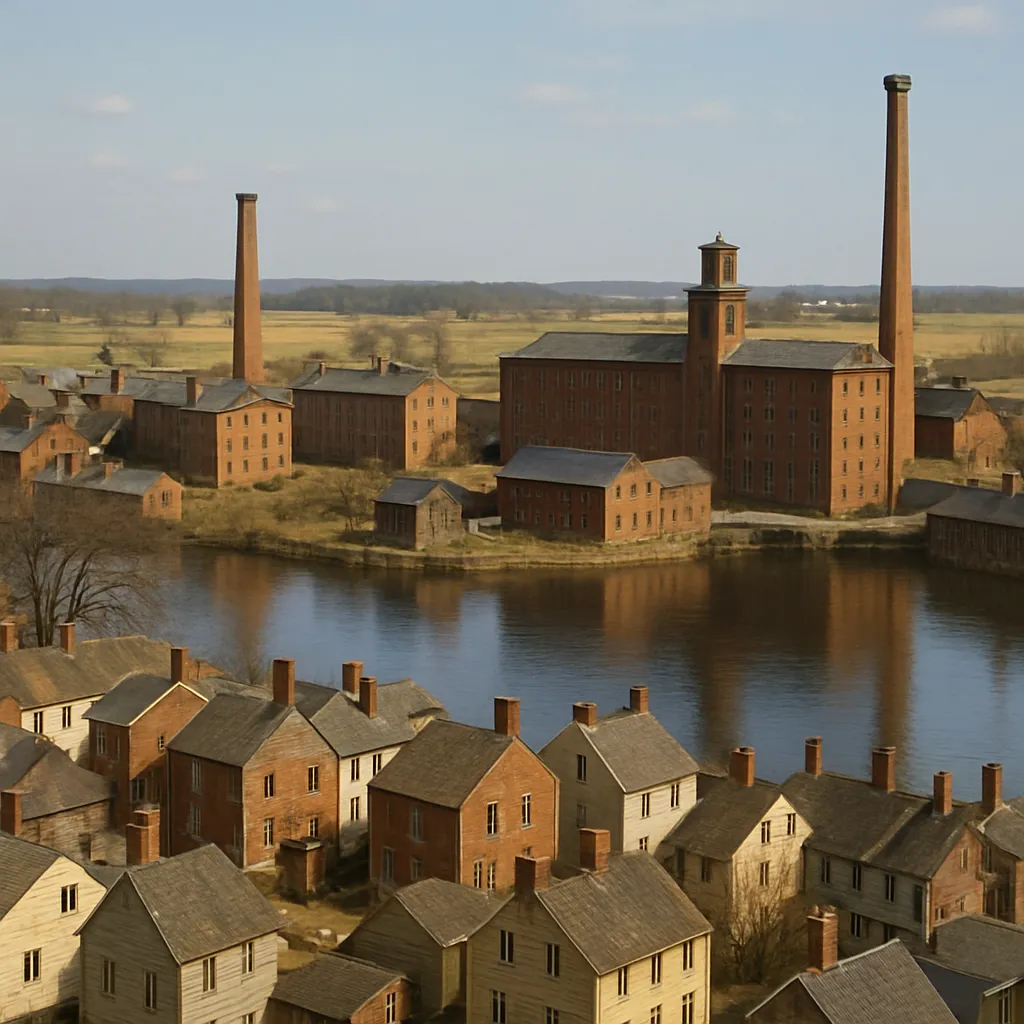
A factory district grows near a river, and streets become busier with carts and workers. What does this show about industrial growth?
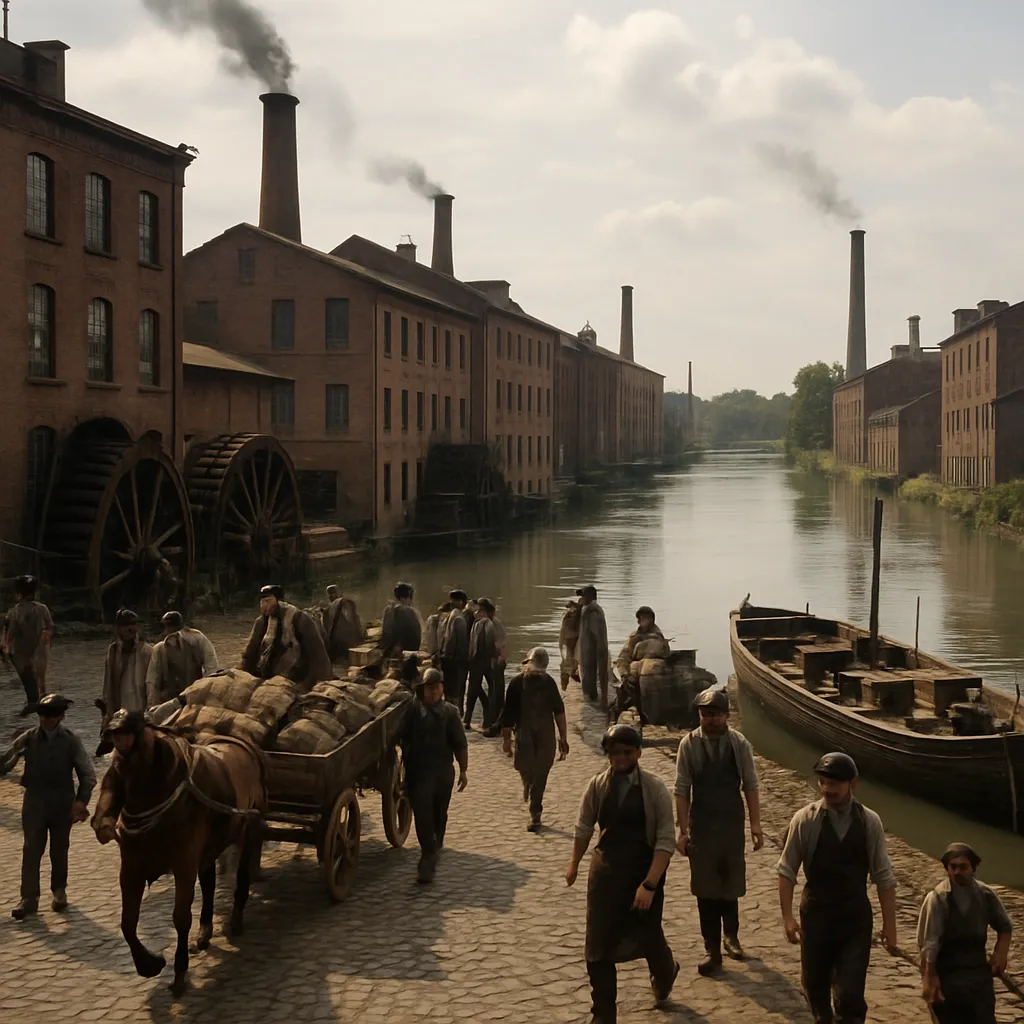
A textile mill hires many workers, and new families settle nearby. What might local leaders need to plan for?
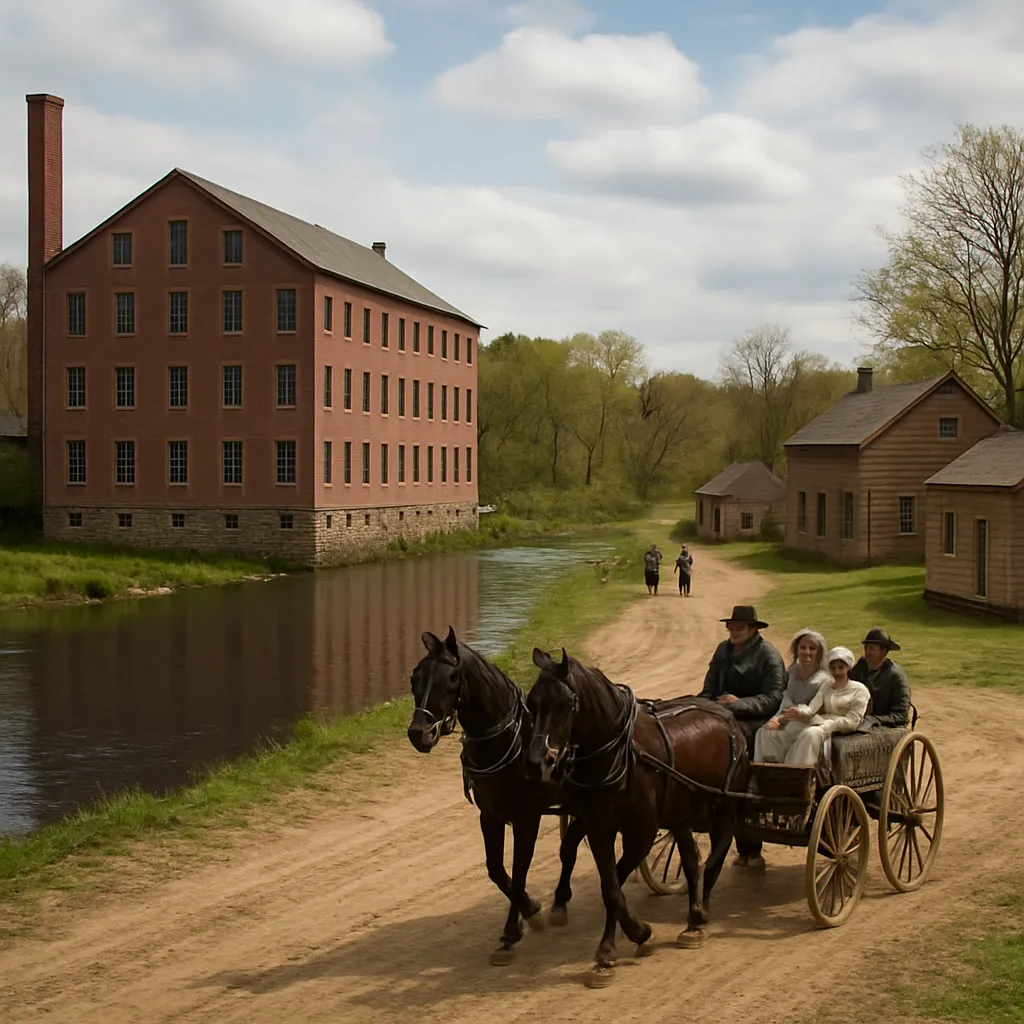
A town newspaper reports that a new mill brought workers from farms and other countries. What change is the report describing?
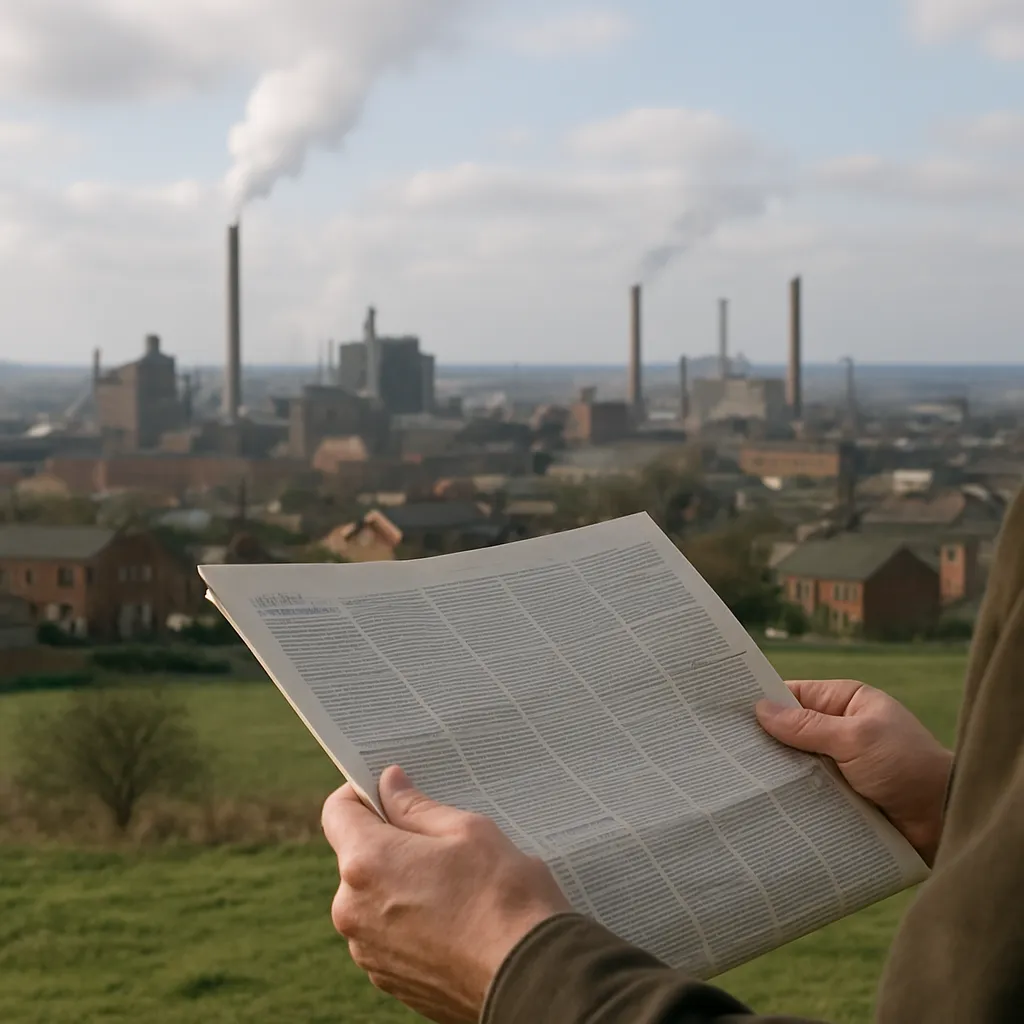
A city grows around factories, warehouses, and worker housing. What broad change over time is happening?
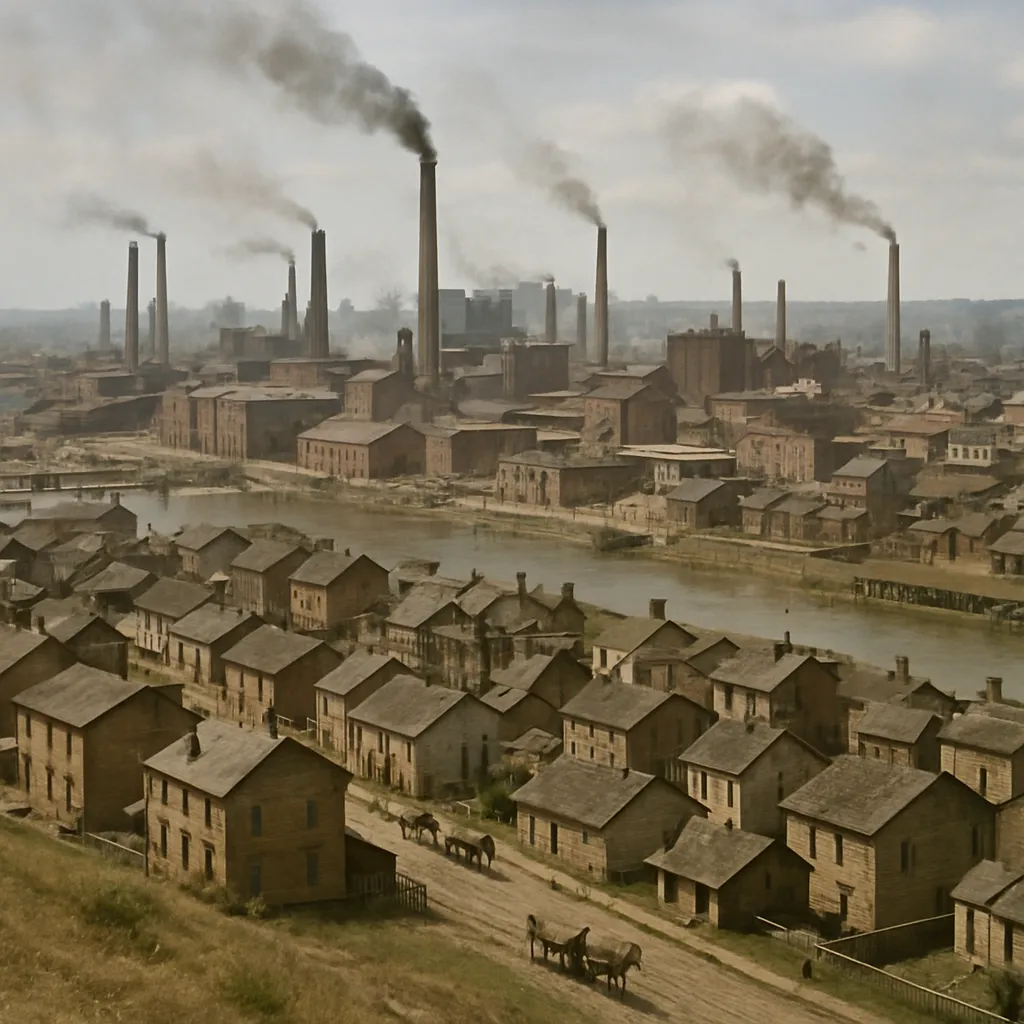
A large building has machines, many workers, and cloth being made for sale. What term best names this place?
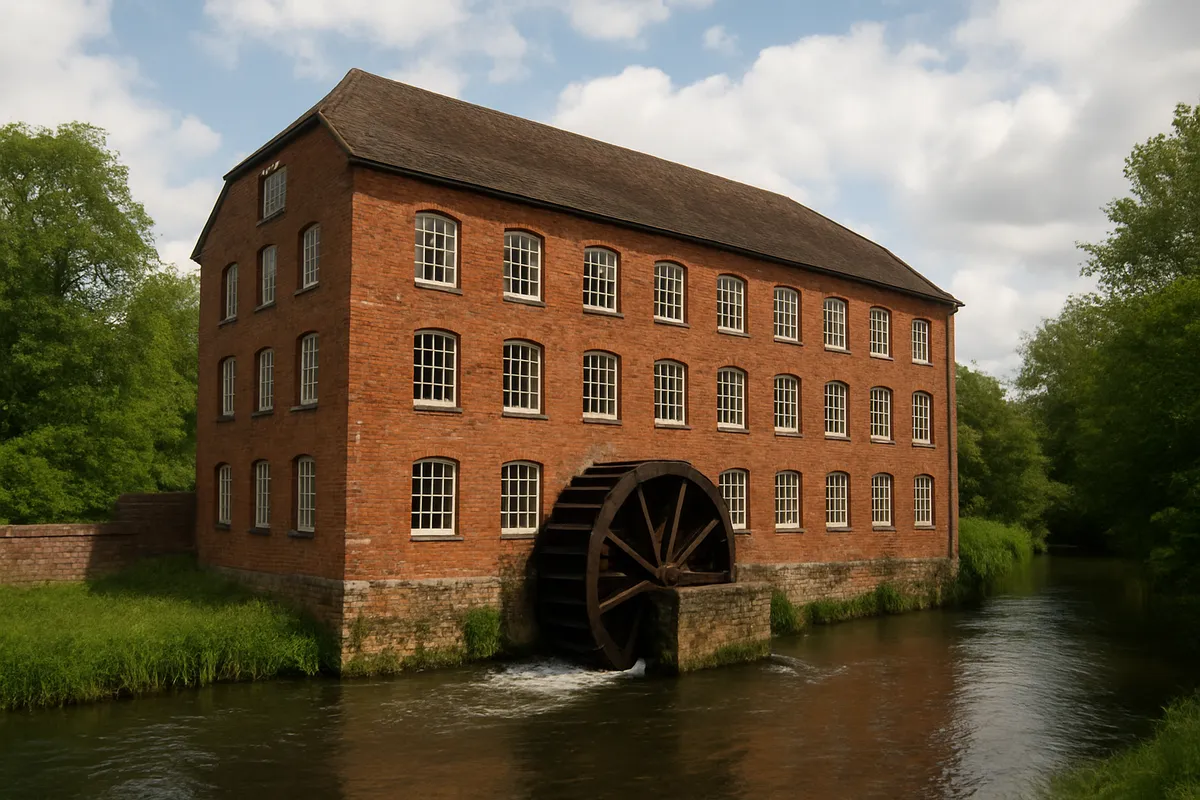
An early water-powered building beside a river grinds grain into flour for nearby farms. What term fits this building?
Workers use machines to turn raw cotton into finished cloth. What verb means to make goods from materials?
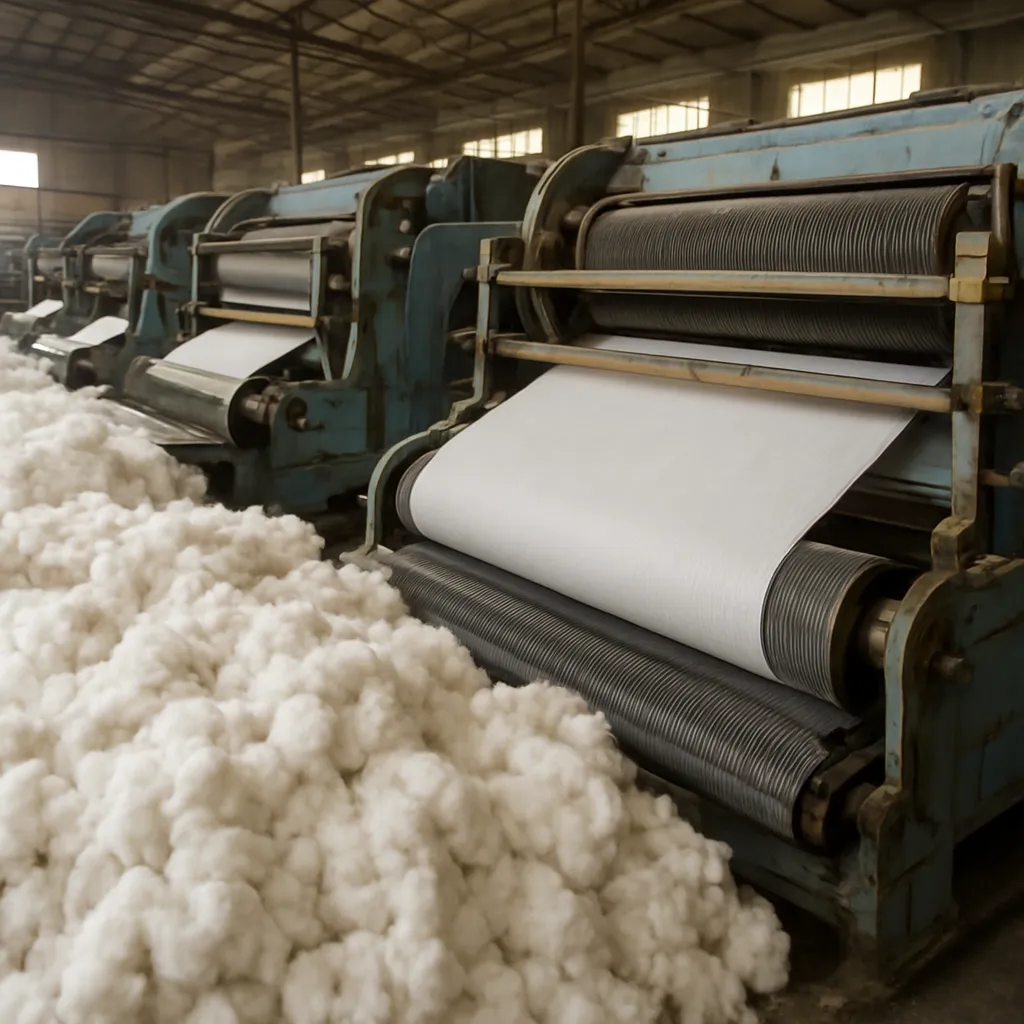
A town has many businesses that make iron tools, cloth, and other goods. What word names this part of the economy?
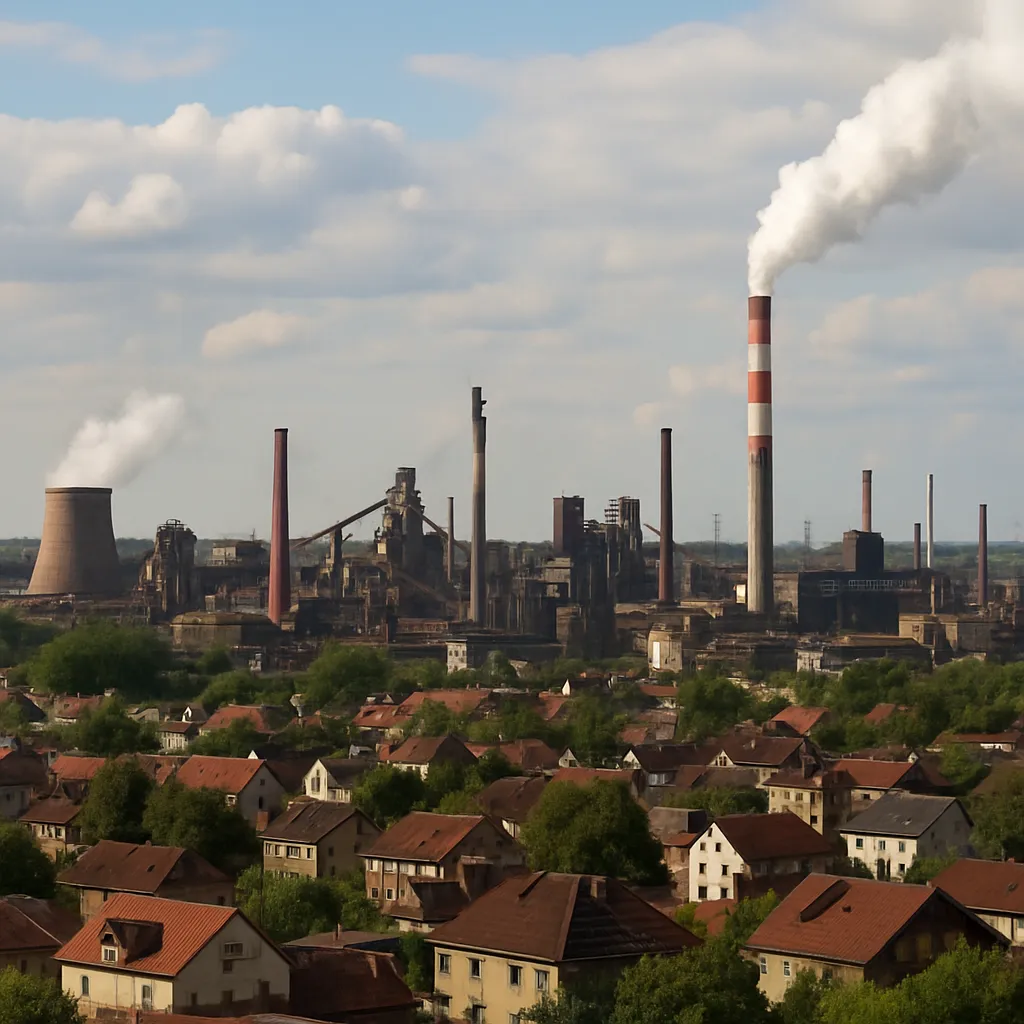
A worker gets a pay envelope every Friday for running a machine in a mill. What is the worker selling to the mill owner?
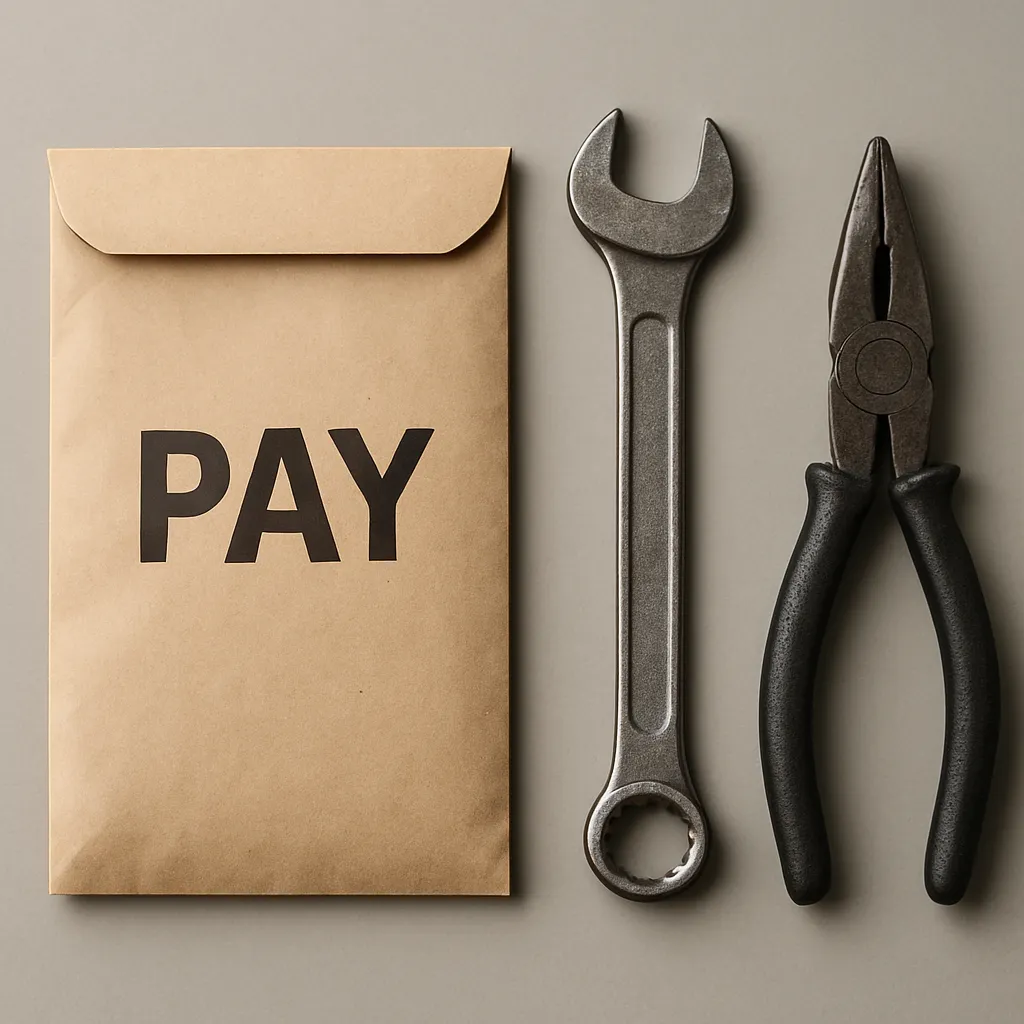
A company uses workers and machines to make hundreds of identical metal tools each week. What is the company doing?
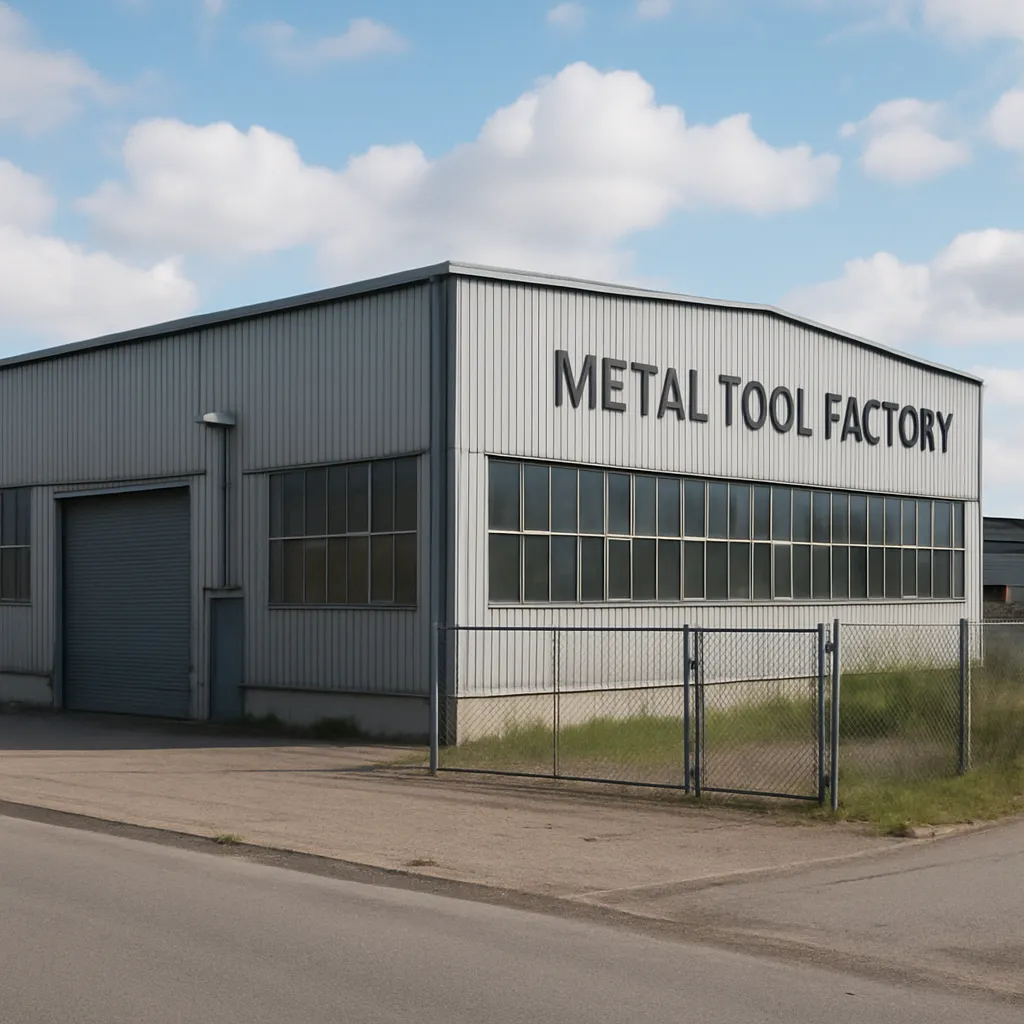
A map key labels a river site as a textile mill. What would people most likely expect to find there?
A region's economy changes as more people work in factories making goods instead of only on farms. What growth is described?
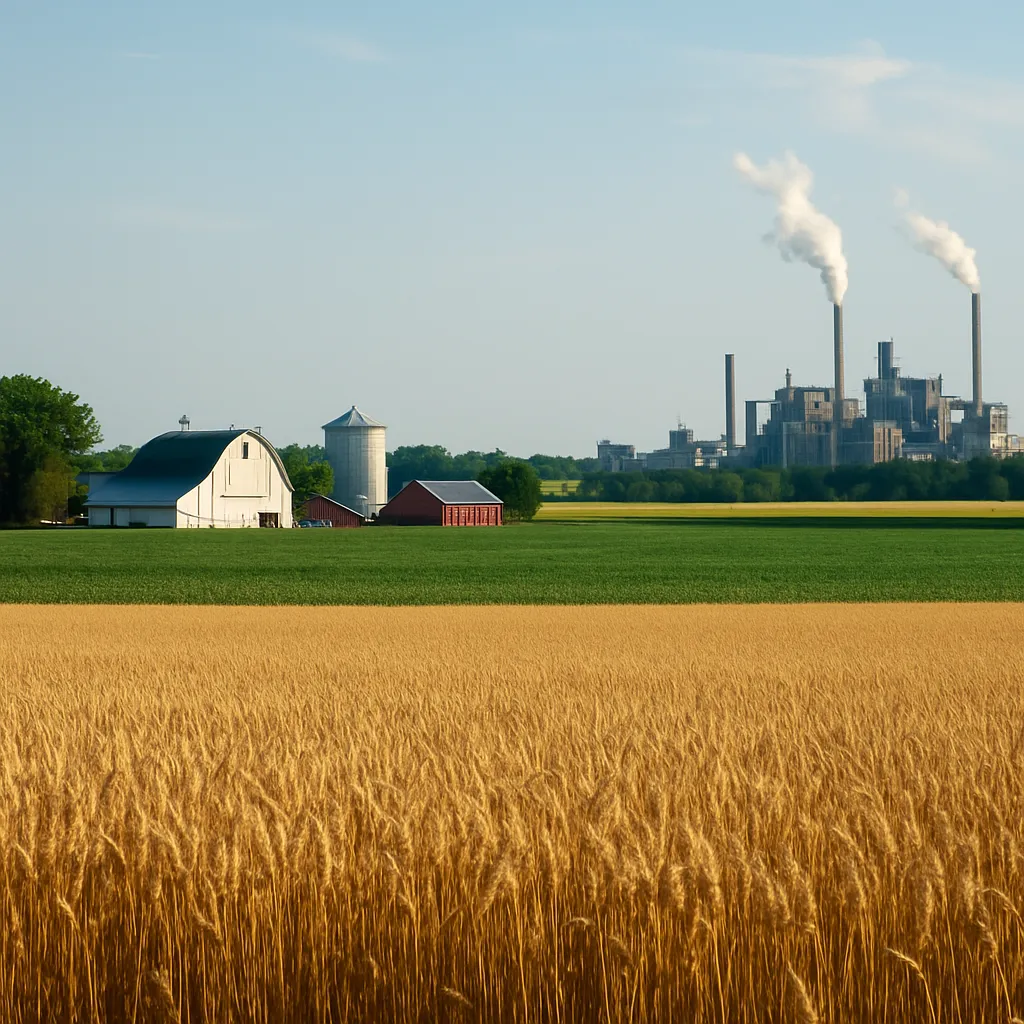
Crack the passcode before the zombies get in.
Answer, then swat bugs for bonus points.
Race through questions at your own speed.
Same question on every screen. Fastest wins.

Pick a tile, answer, hit bonuses and steals.
Workers, Working Conditions, and Unions
40 questions