Loading
by BlastRoom
Students identify rights women lacked, organizing methods, outcomes, and key reformers.
#history#us_grade_4_social_studies
40 questions
One question set, multiple game modes. Tap any game to see it in action. Not sure which to pick?
Answer to place stones and capture territory.
Outrun the snow together.
Earn blasts, then hunt the other team.
Answer to earn energy, then climb.

The class blasts through walls together.
Bid on mystery lots. Most money wins.
Sell tours. Nice, standard, or a total scam.

Answer, restock, and serve the rush.
More correct answers pulls the rope your way.
Answer, then shoot down the alien wave.
Answer, then tap to leap the frozen ridge.
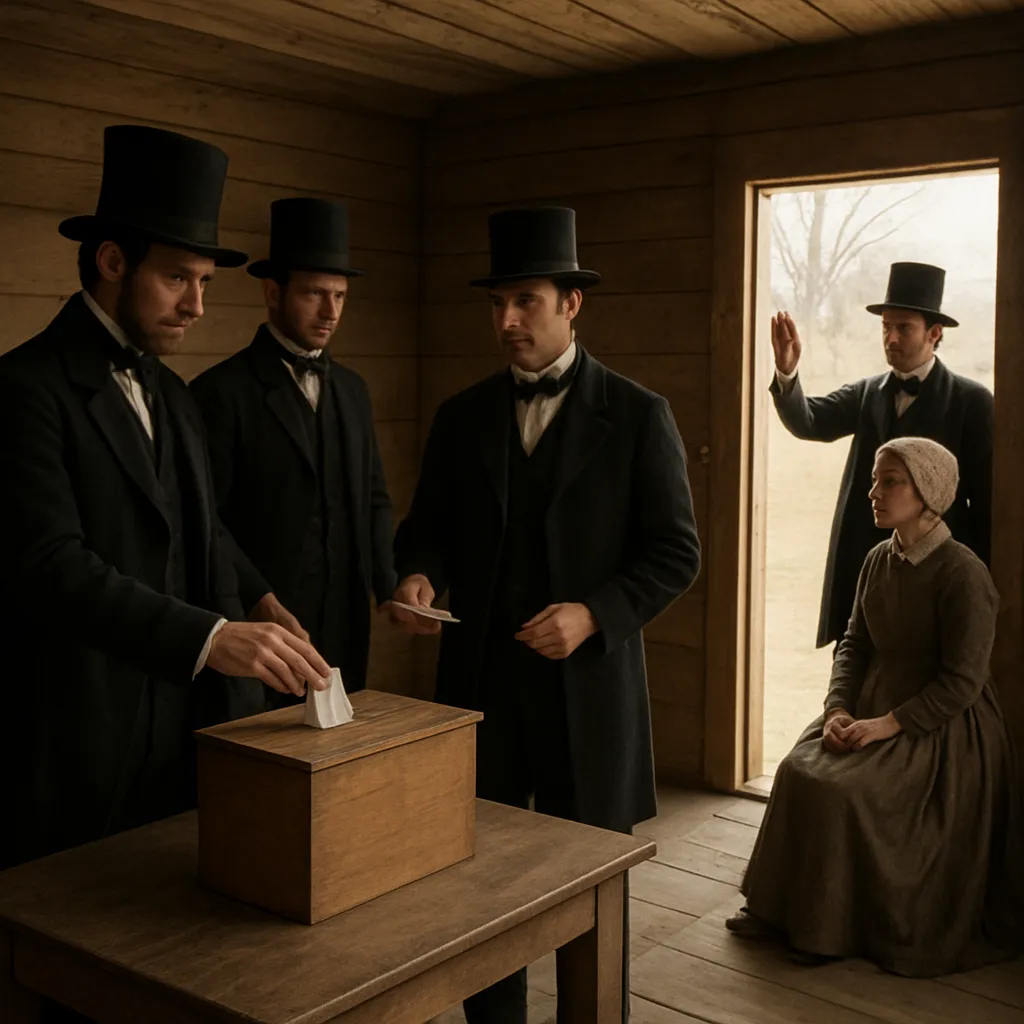
On Election Day in 1840, a woman in Ohio went to choose the next governor but was turned away. Which right did she lack?
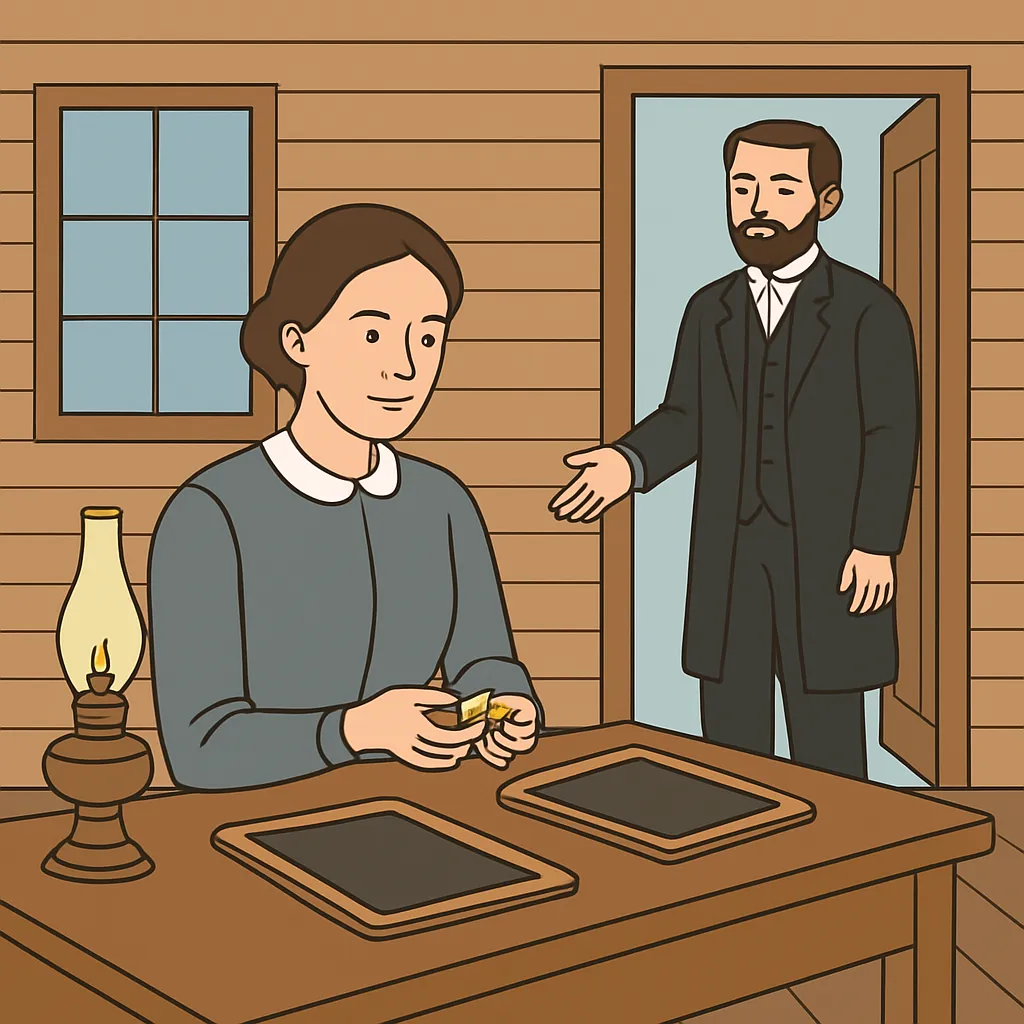
A married teacher in 1840 earned money each month, but the law let her husband take all of it. What did the law deny her?
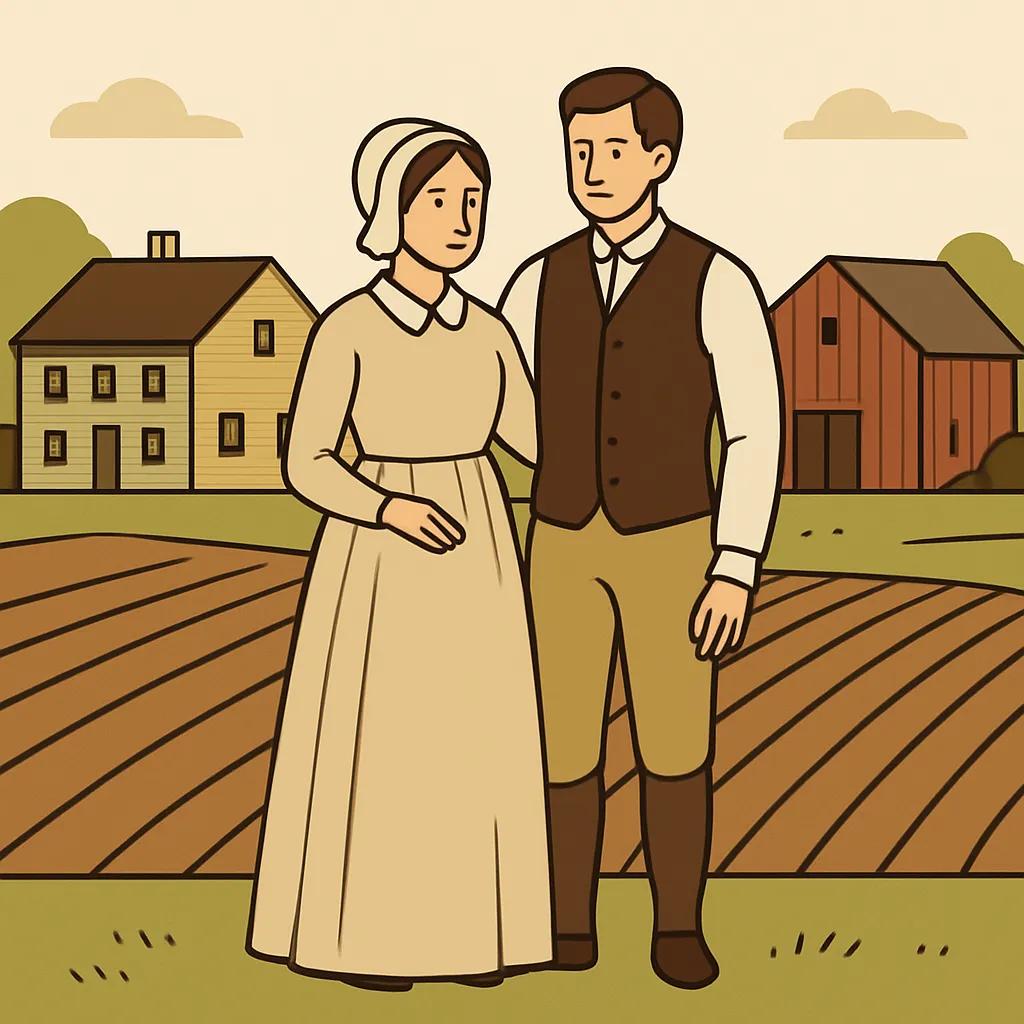
When a woman married in the early 1800s, the farm her father had left her legally became her husband's. What right did she lose?
In the 1800s, when a court picked twelve people to hear a trial and decide the verdict, women were never chosen. What civic right were women denied?
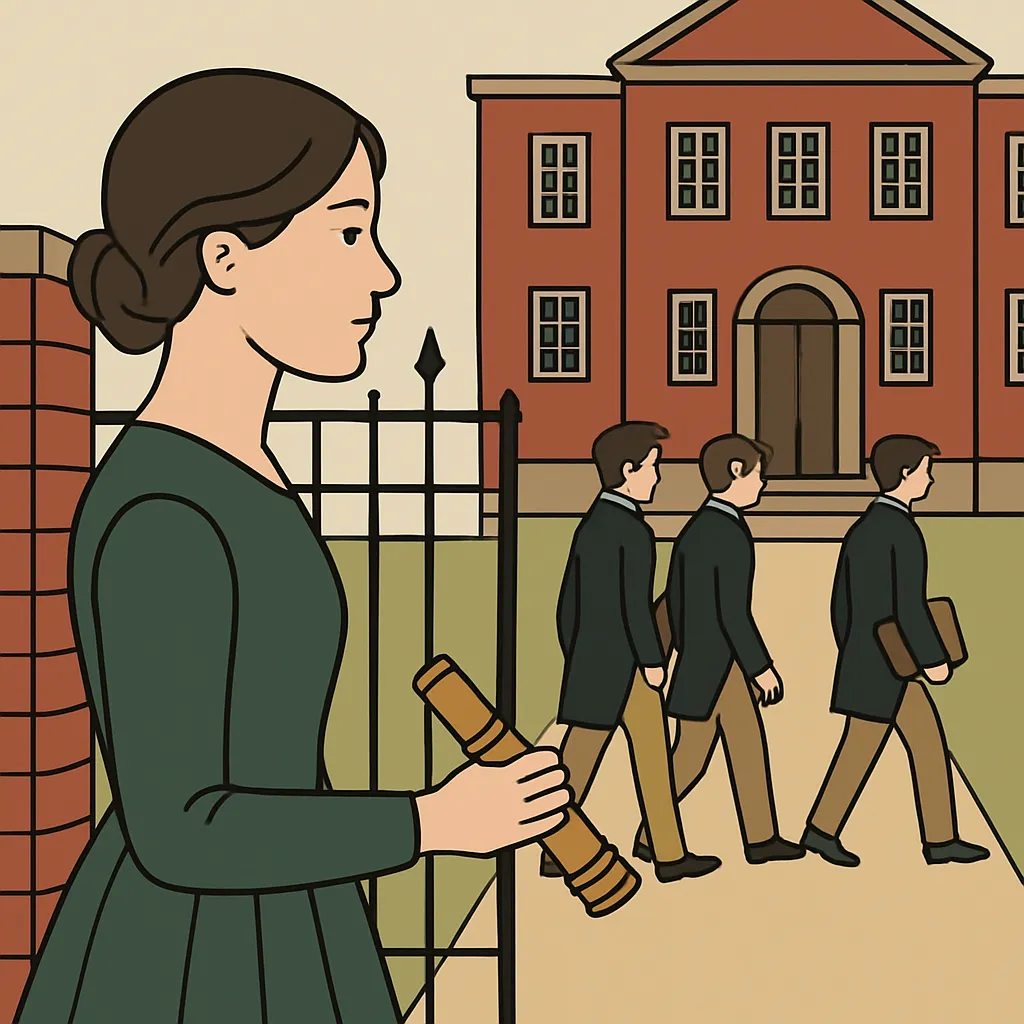
In 1830, a young woman who loved science could not study at Harvard or Yale because she was female. What opportunity was limited?
In 1869, Myra Bradwell passed the Illinois bar exam, but the state would not let her work as a lawyer because she was a woman. What opportunity was missing?
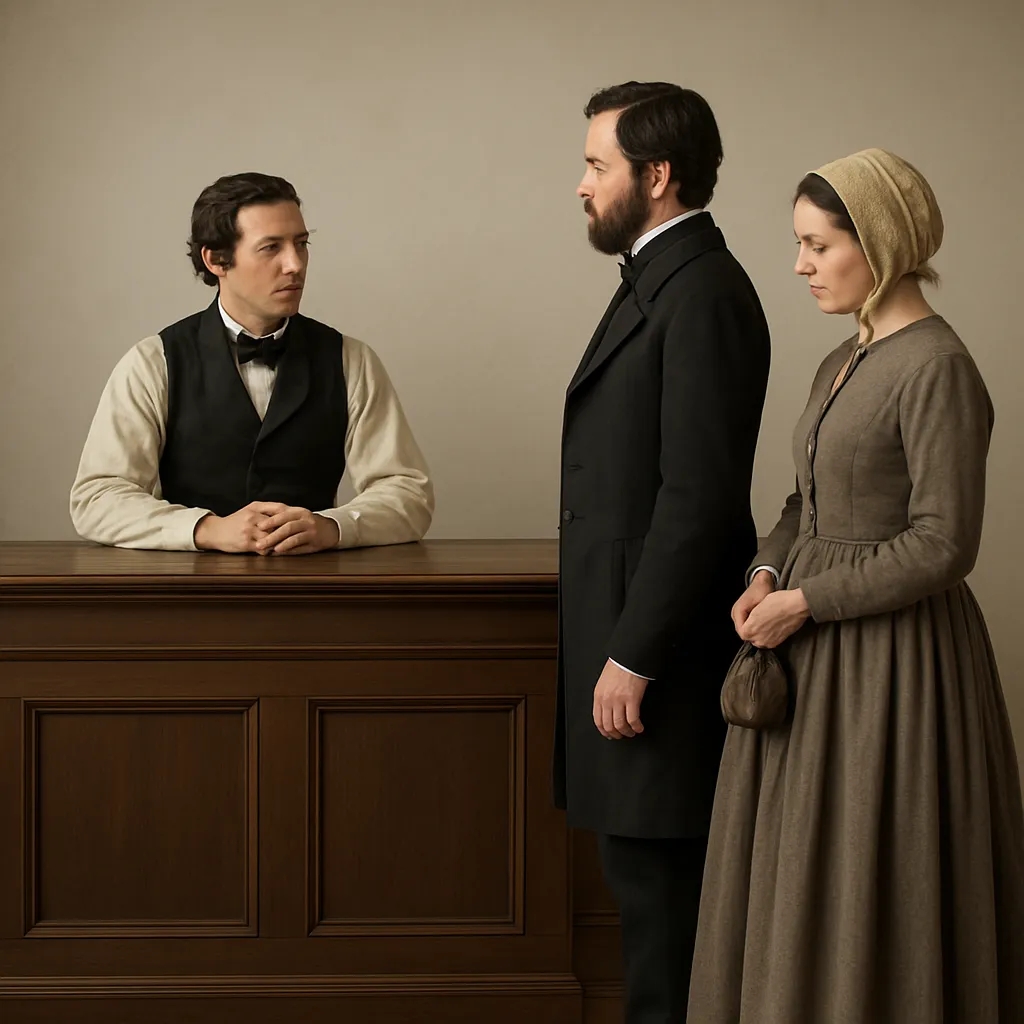
Under old laws, a married woman could not buy land or borrow money in her own name without her husband. What freedom was restricted?
True or False: In 1851, Sojourner Truth, who had escaped slavery, gave a famous speech for women's rights at a convention in Ohio.
A woman paid taxes on a shop but could not vote for lawmakers who spent tax money. What right was she missing?

Reformers like Ernestine Rose petitioned New York lawmakers for years. In 1848 and 1860, the state passed new laws for married women. What did those laws change?
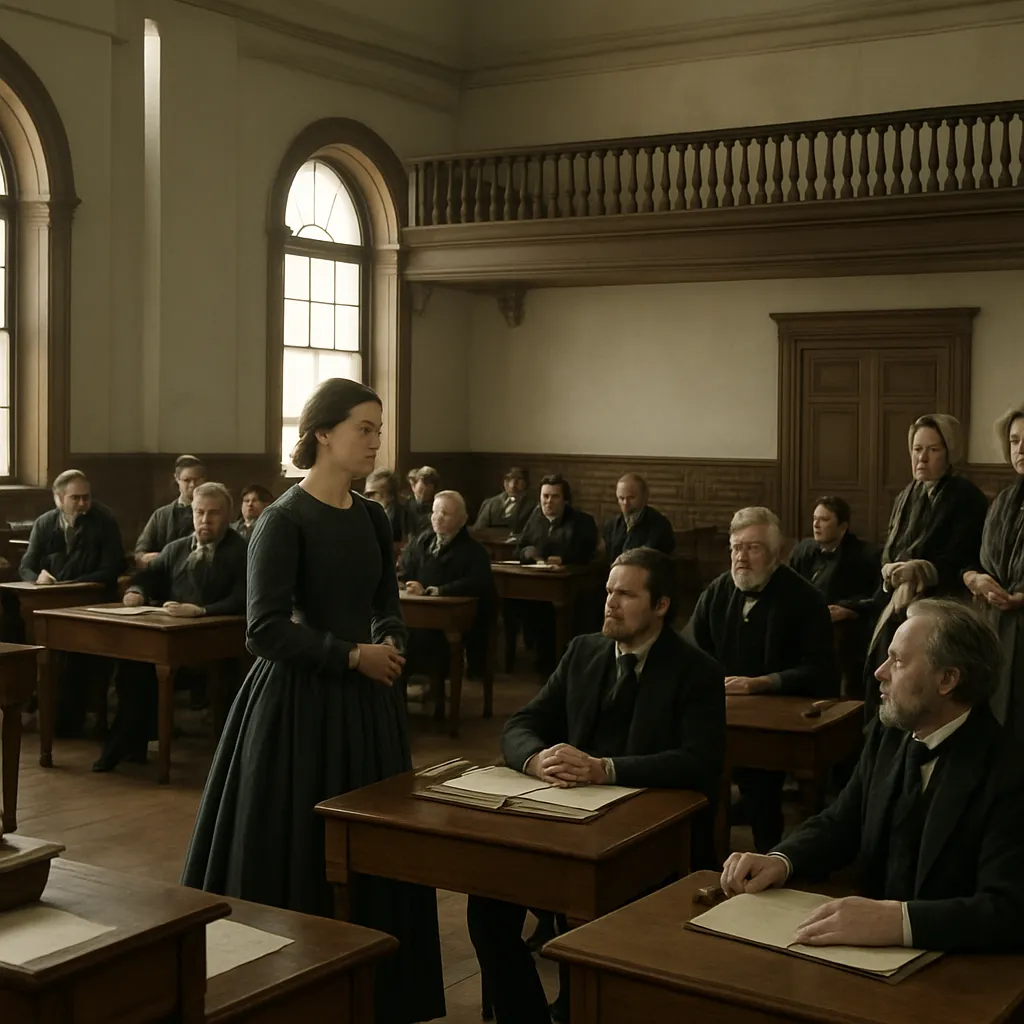
Some medical schools and law schools refused women students during the 1800s. What opportunity did this limit?
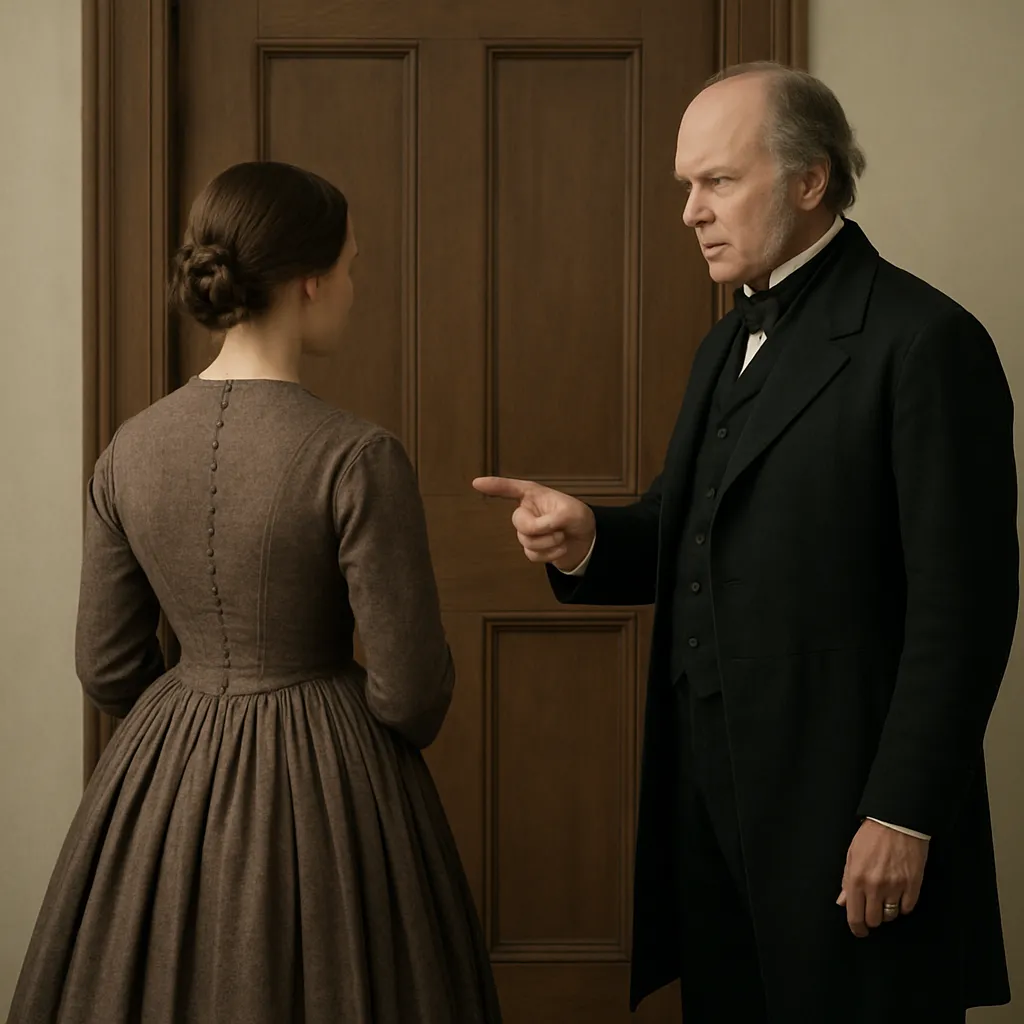
A married woman in the 1830s often had fewer legal rights than her husband. What did women's rights reformers seek?

In 1848, reformers met at Seneca Falls, New York, to discuss women's rights. What organizing action was this?
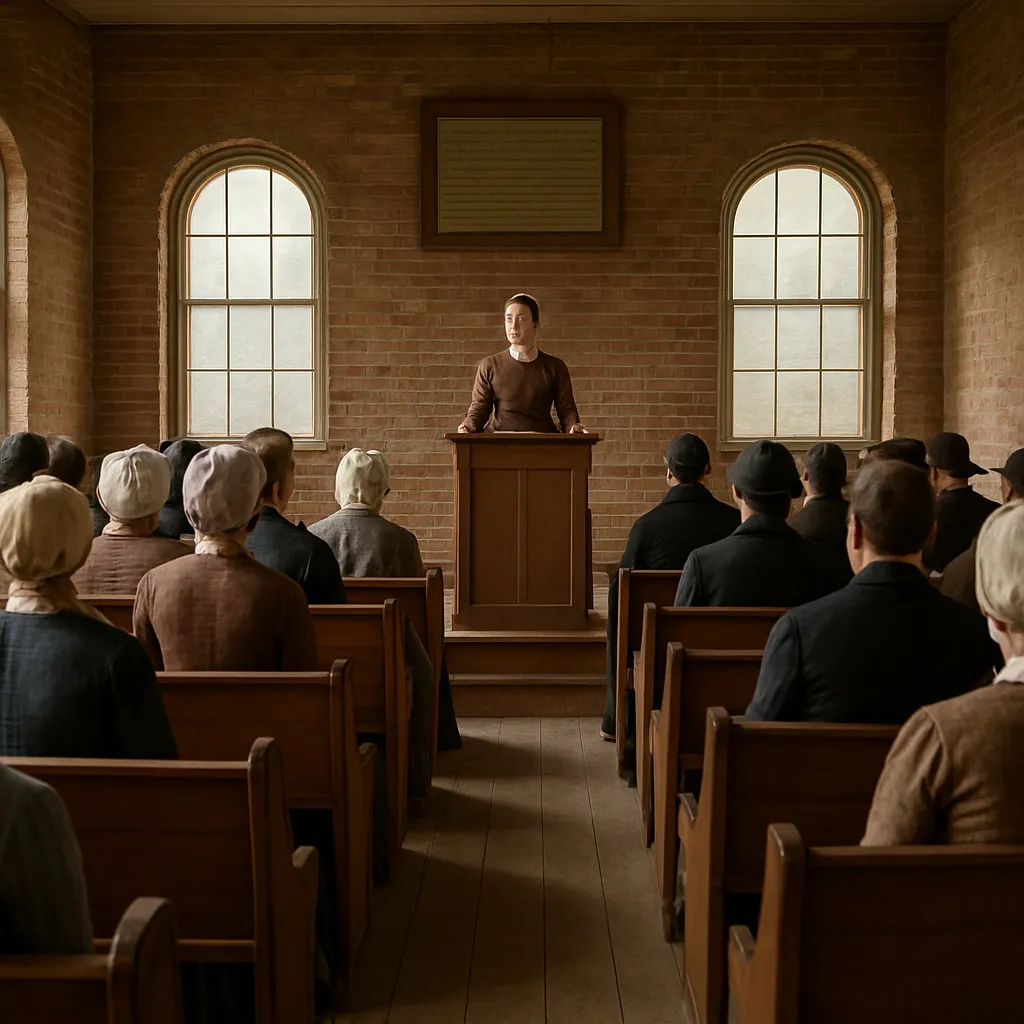
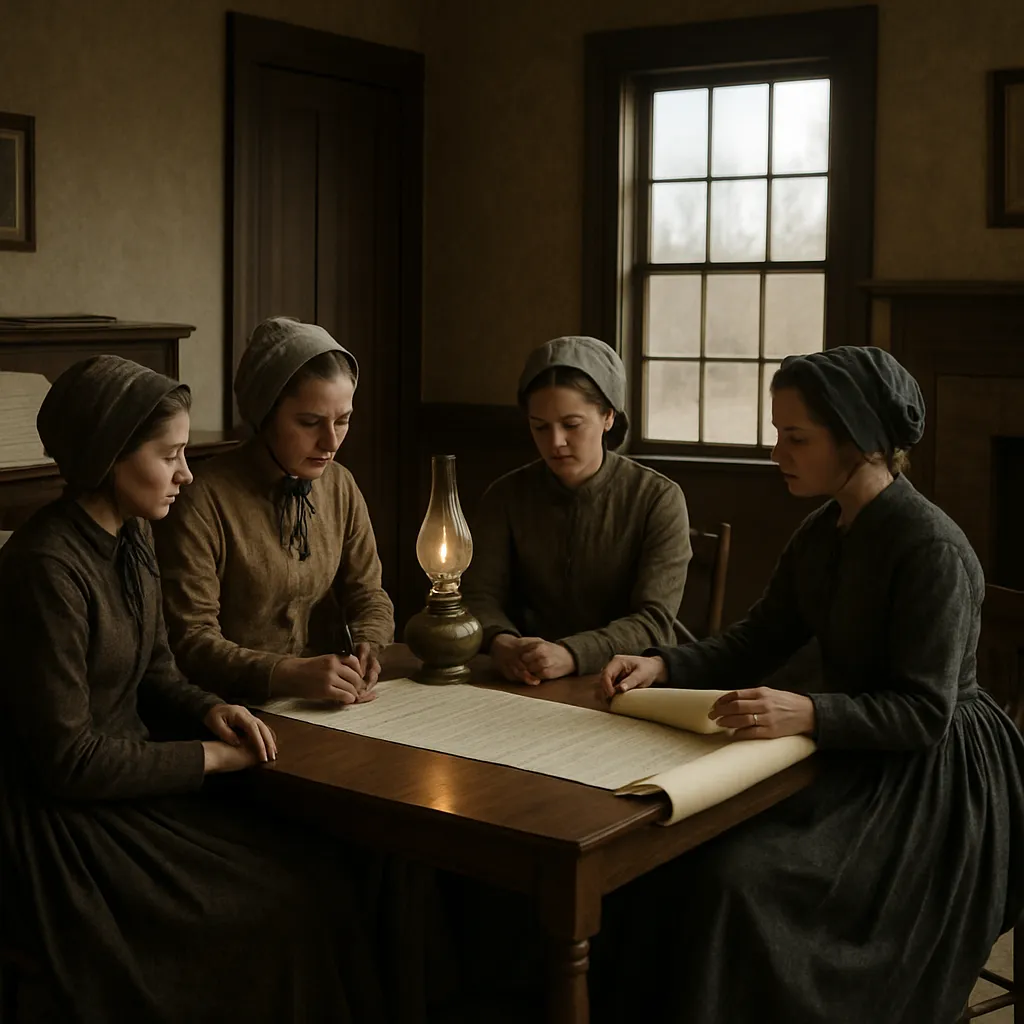
Women gathered signatures on papers asking lawmakers to change voting laws. What organizing tool were they using?
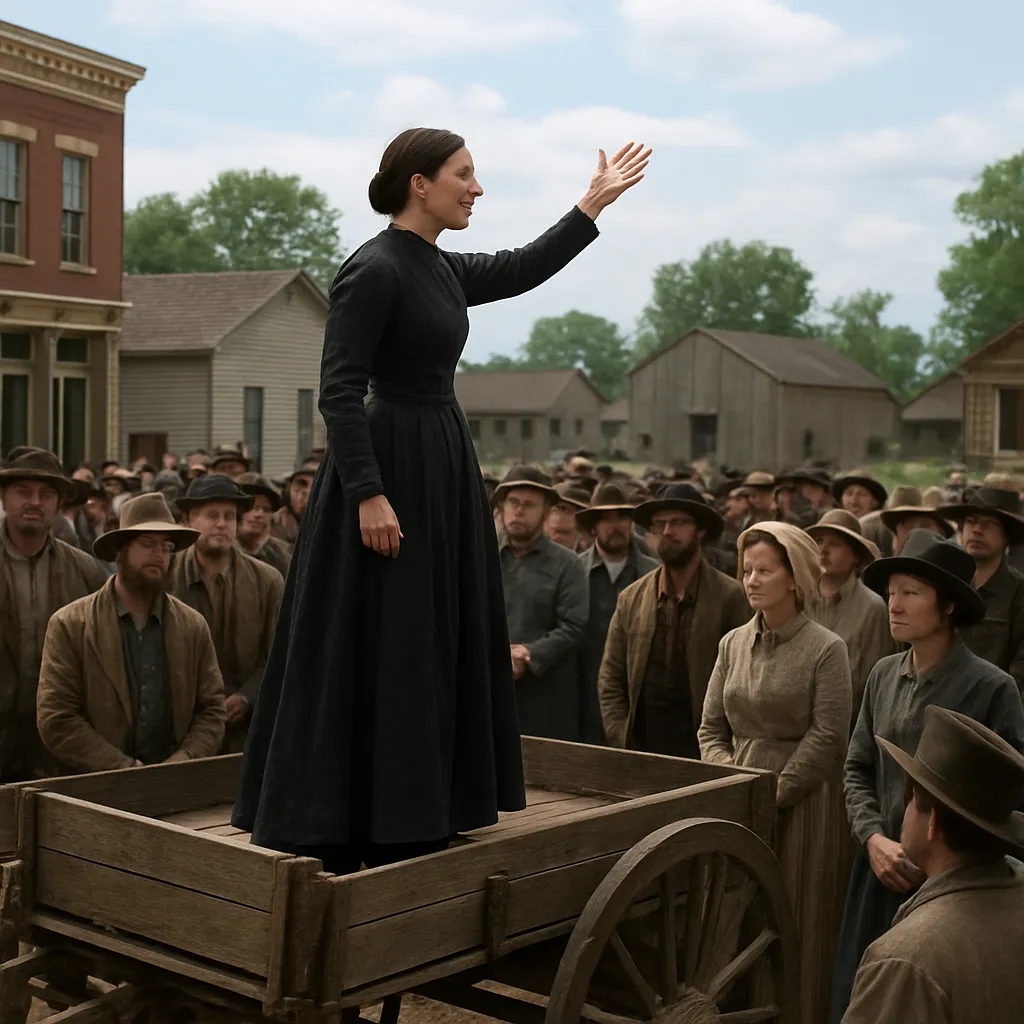
A reformer traveled from town to town explaining why women should vote. What method helped persuade listeners?
Suffrage newspapers printed arguments, meeting news, and stories from many states. What was their main organizing purpose?
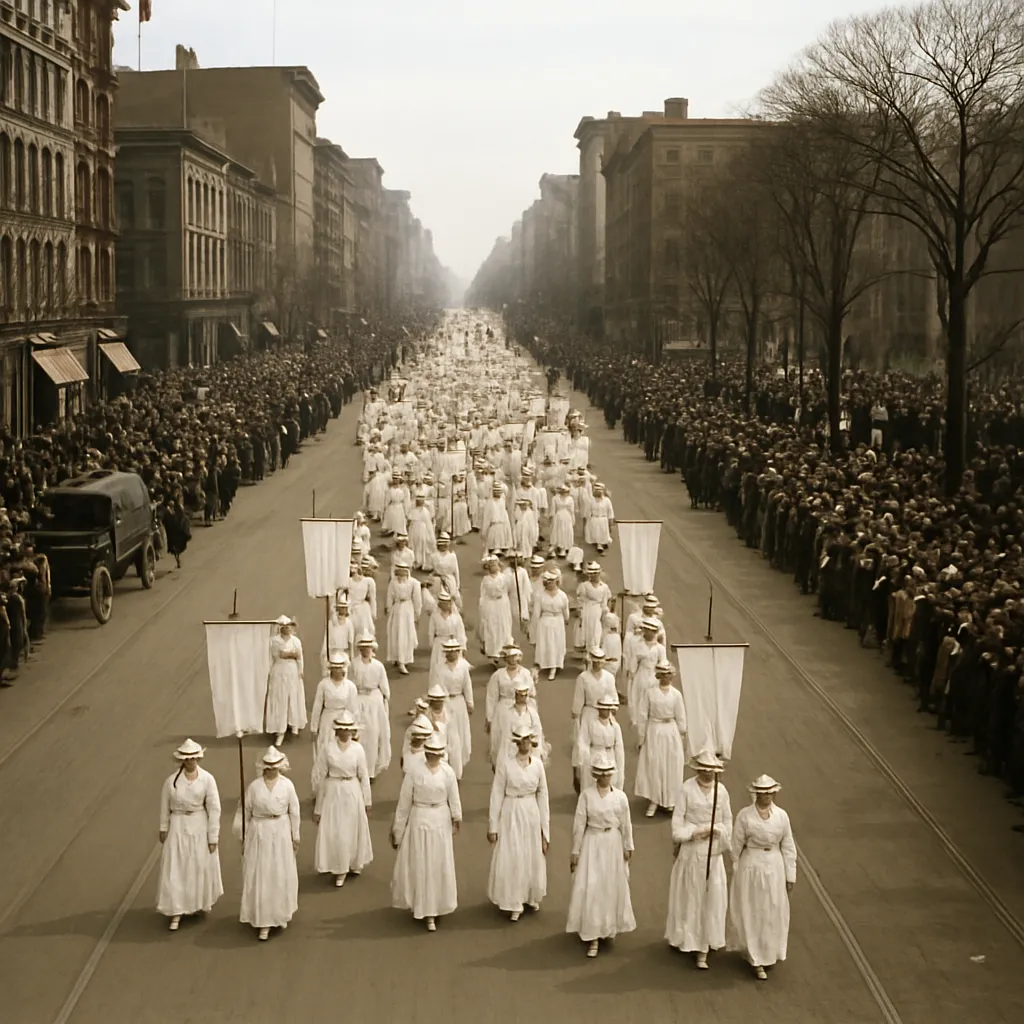
Marches and parades put suffrage supporters in public streets where many people could see them. What goal did this serve?
Local suffrage clubs and national groups planned speakers, petitions, and campaigns. Why organize in groups?

At Seneca Falls, leaders wrote a statement listing rights women wanted. What did such a document help do?

When supporters wanted new state property or voting laws, where did they send their petitions?
After the 1848 convention, supporters kept meeting, speaking, and petitioning. About how long did they work before women won the vote nationally?
In 1913, the day before a new president took office, thousands of suffrage supporters marched in a big parade. In which city did they march?

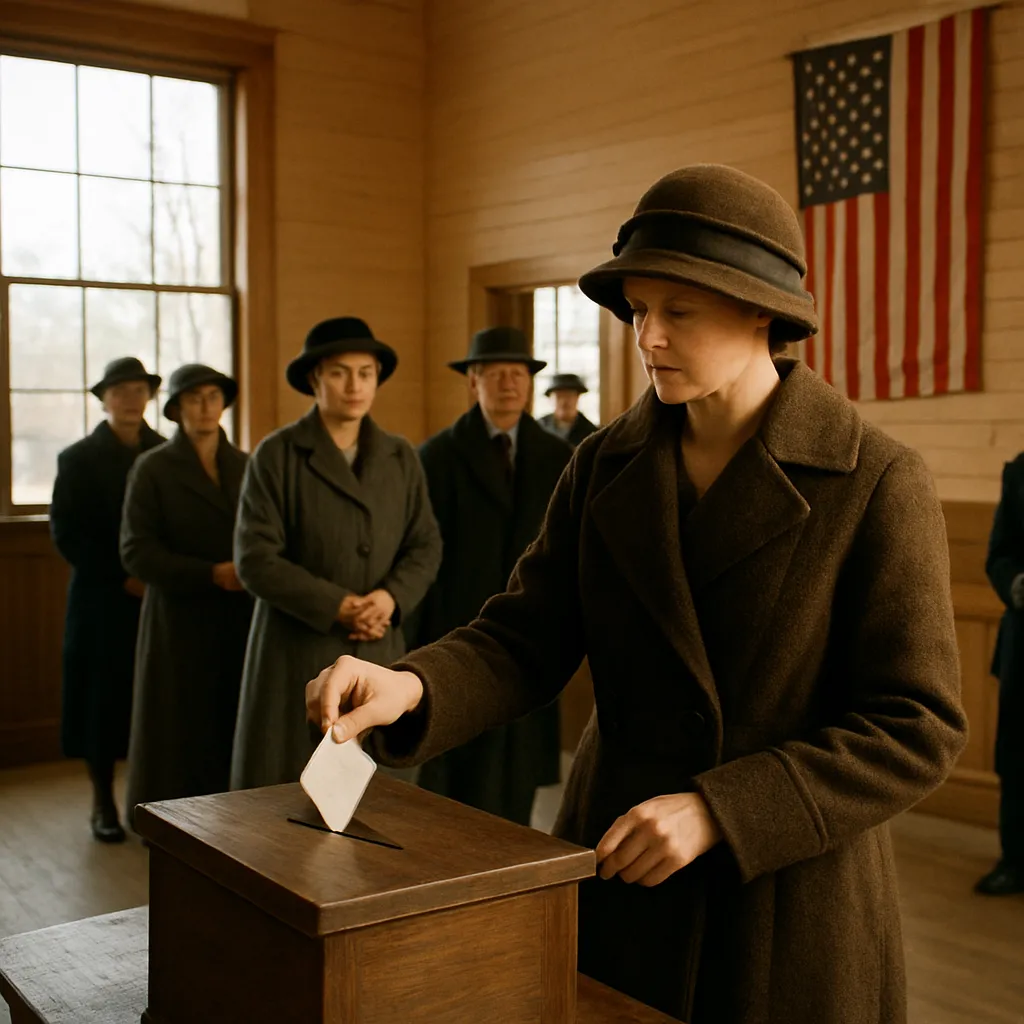
What changed nationally for women voters in 1920?
The Declaration of Sentiments, written for Seneca Falls in 1848, copied the style of which famous American document?
Wyoming Territory let women vote in 1869. What does this example show about women's voting rights?
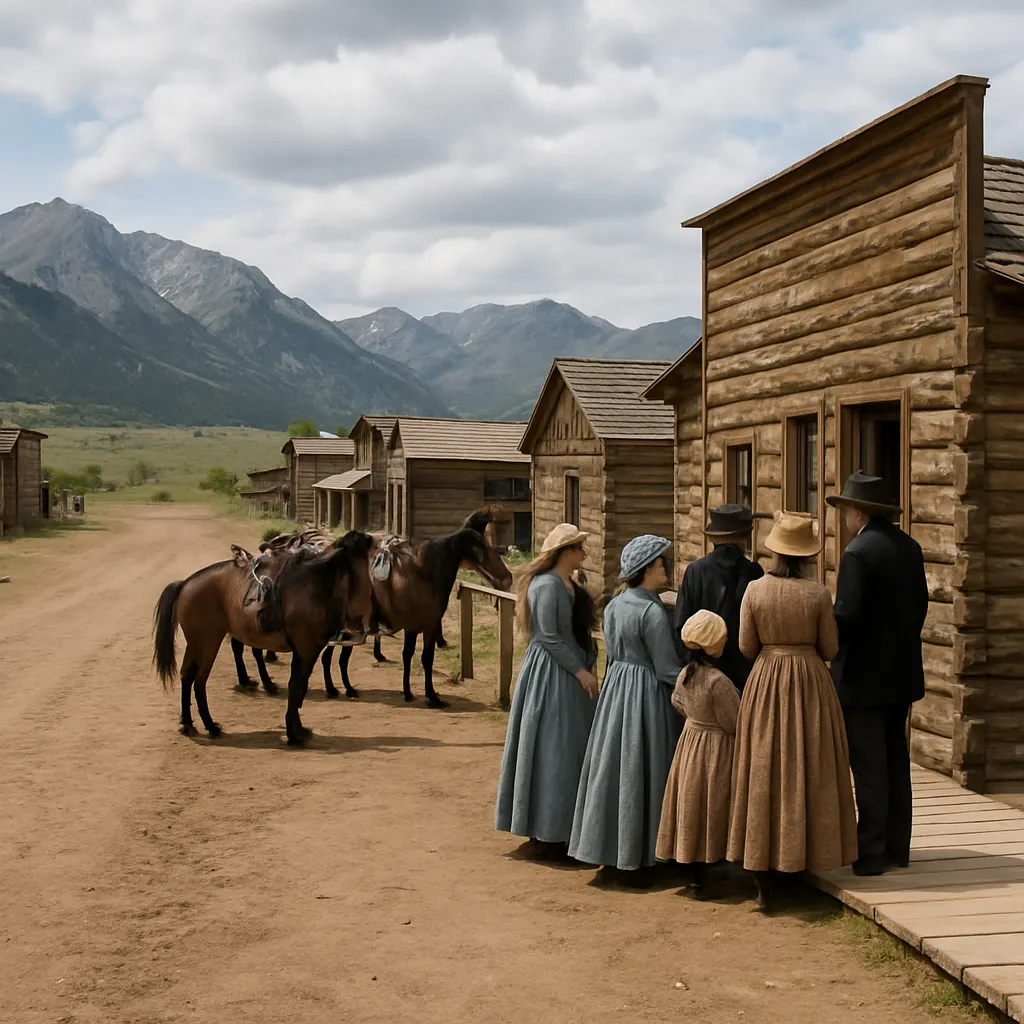
The first states to give women full voting rights, such as Wyoming, Colorado, Utah, and Idaho, were in which part of the country?
By the early 1900s, women could vote in some states but not in others. What change would give all U.S. women the same voting right?
In 1848, New York passed a law that let a married woman keep the land and money she brought into her marriage. What kind of right did this law expand?
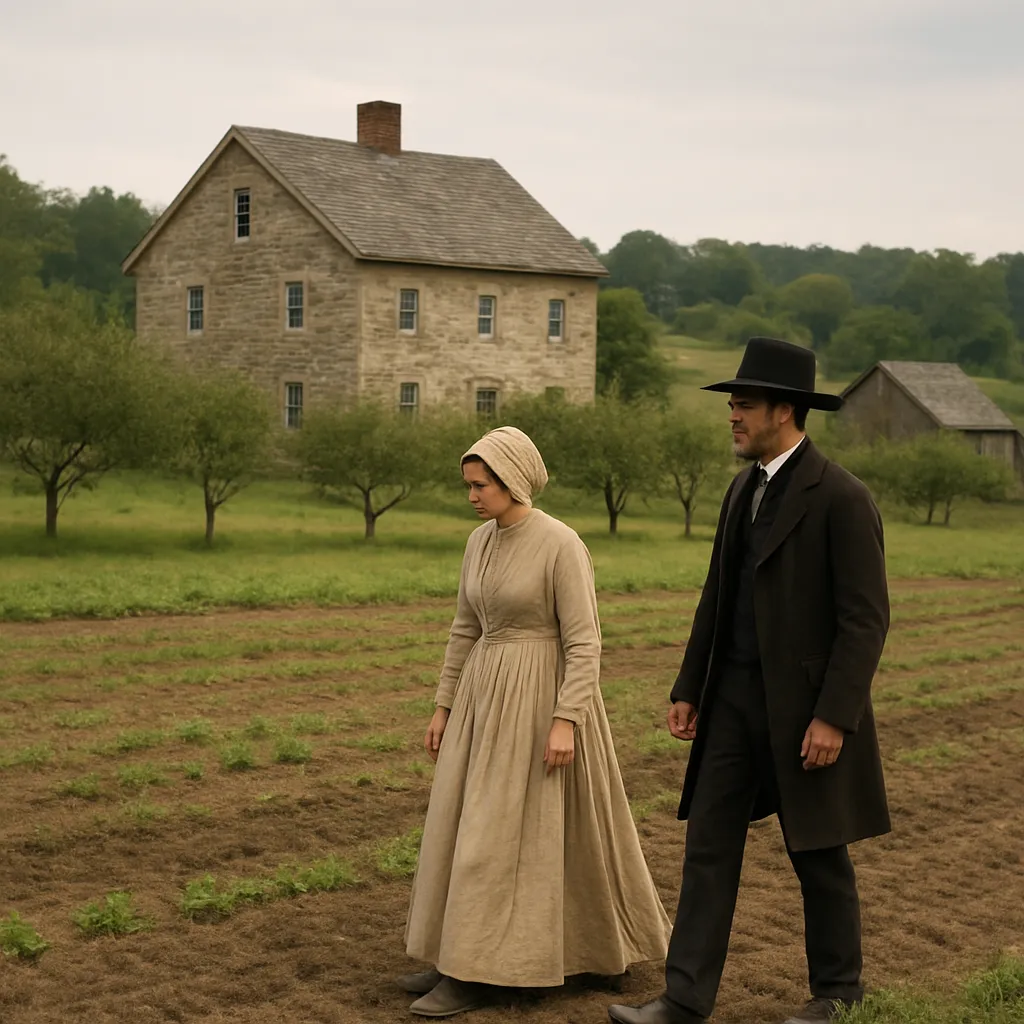
Over time, more colleges and professions opened to women. What was one result of this change?

The change that gave women across the country the right to vote in 1920 was added to the U.S. Constitution. What is it called?

Reformers did not win every right at once. After voting rights, what issue still needed more work in many states?
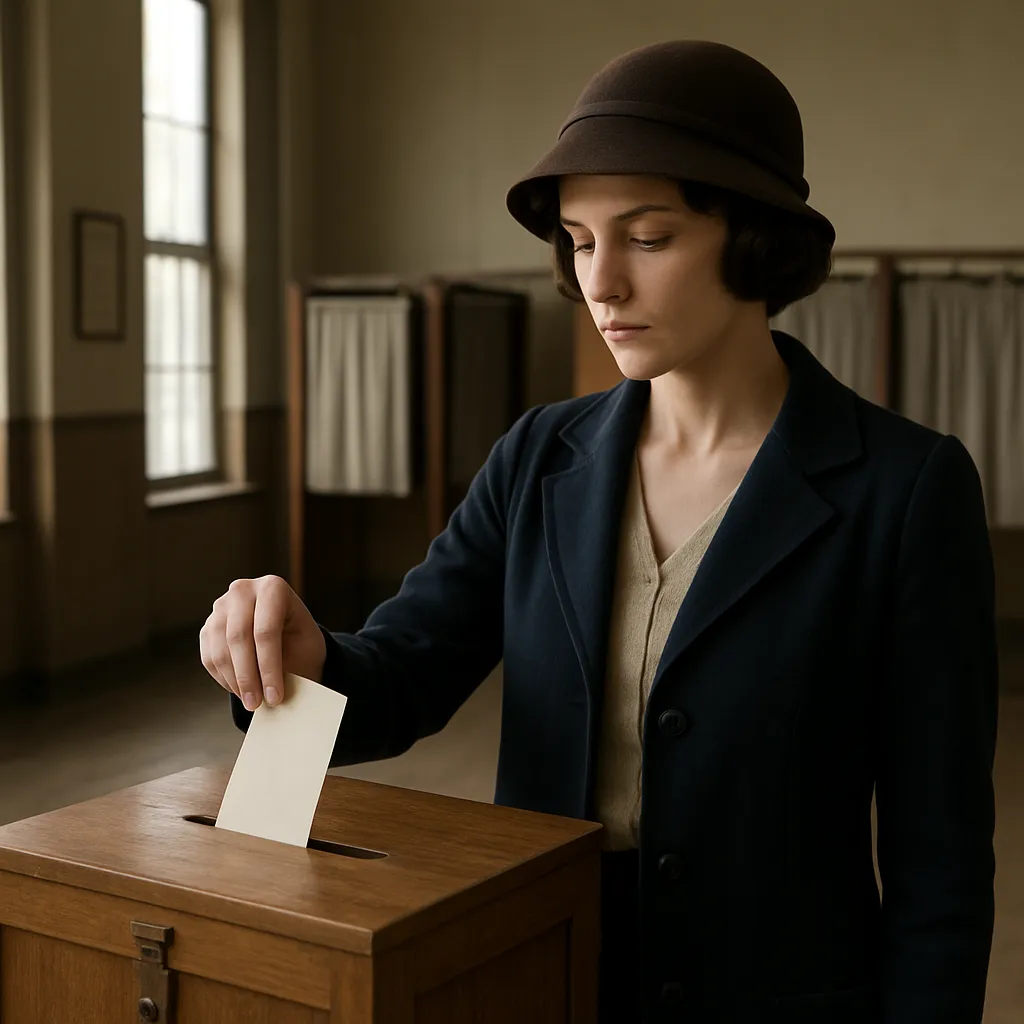
At the 1848 Seneca Falls Convention, which famous antislavery speaker spoke in favor of women's right to vote?
In 1872, Susan B. Anthony challenged laws against women voting. What did she do?

Susan B. Anthony traveled for decades to help women win the vote. What organizing work was she best known for?
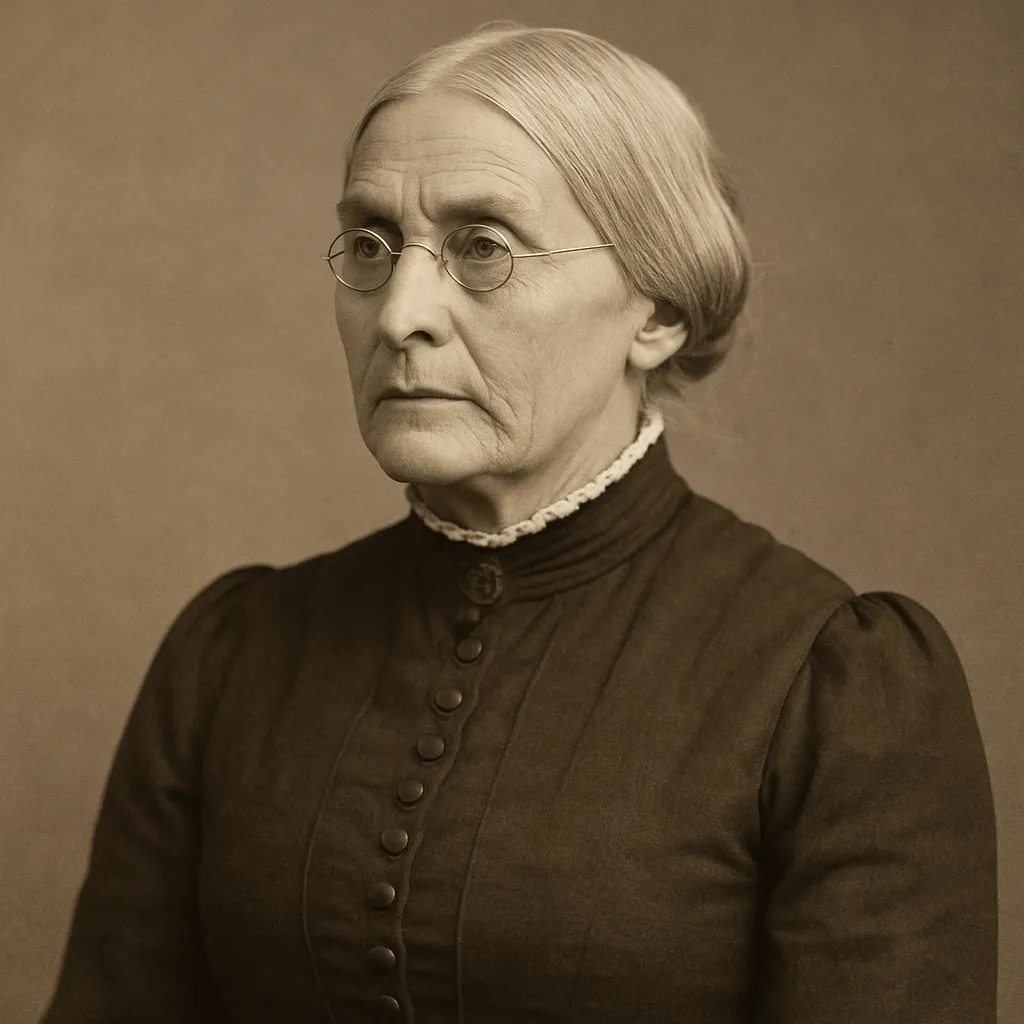
At the Seneca Falls Convention in 1848, what did Elizabeth Cady Stanton do?

At Seneca Falls, Elizabeth Cady Stanton argued for one demand that even some supporters thought went too far. What was it?
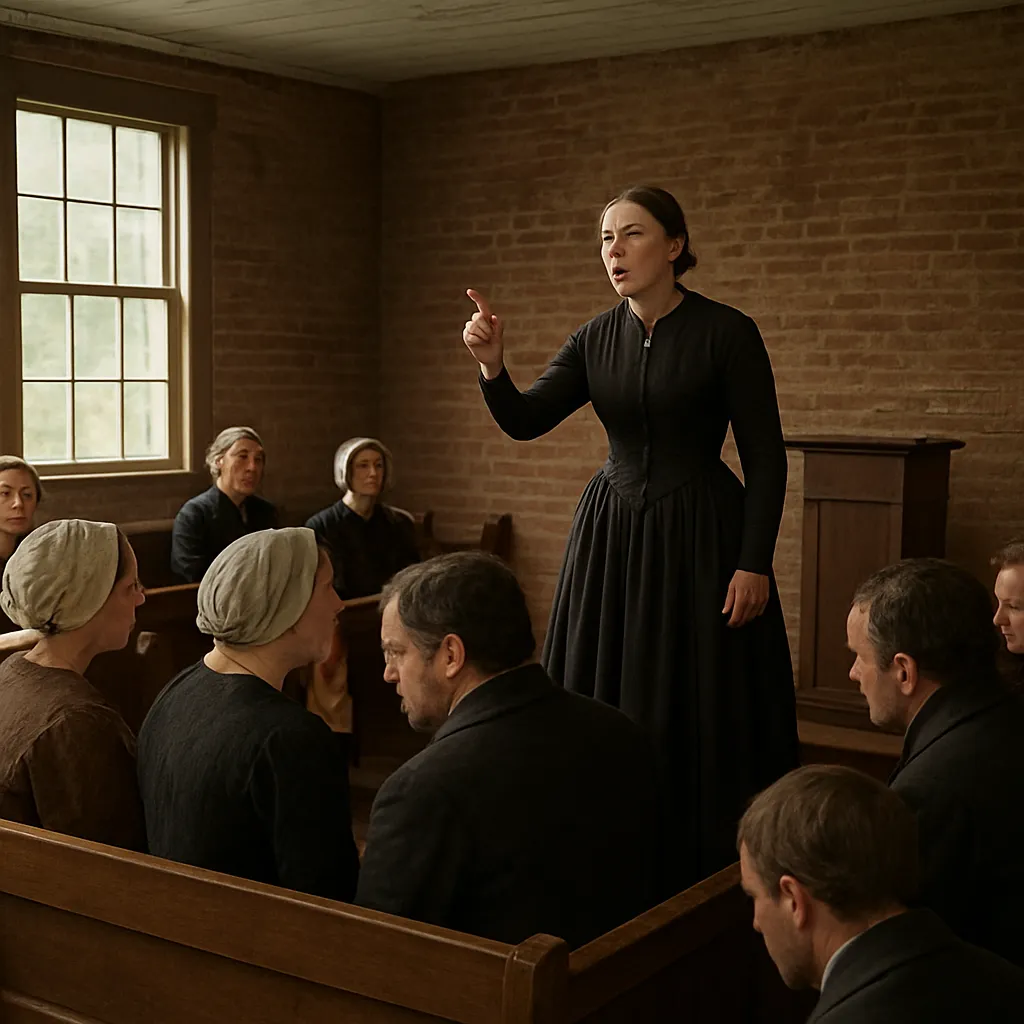
Lucretia Mott was a Quaker minister. What action did she use most to support women's rights?
After women were denied equal seats at an 1840 reform meeting, Lucretia Mott helped plan a women's rights meeting. What meeting resulted?
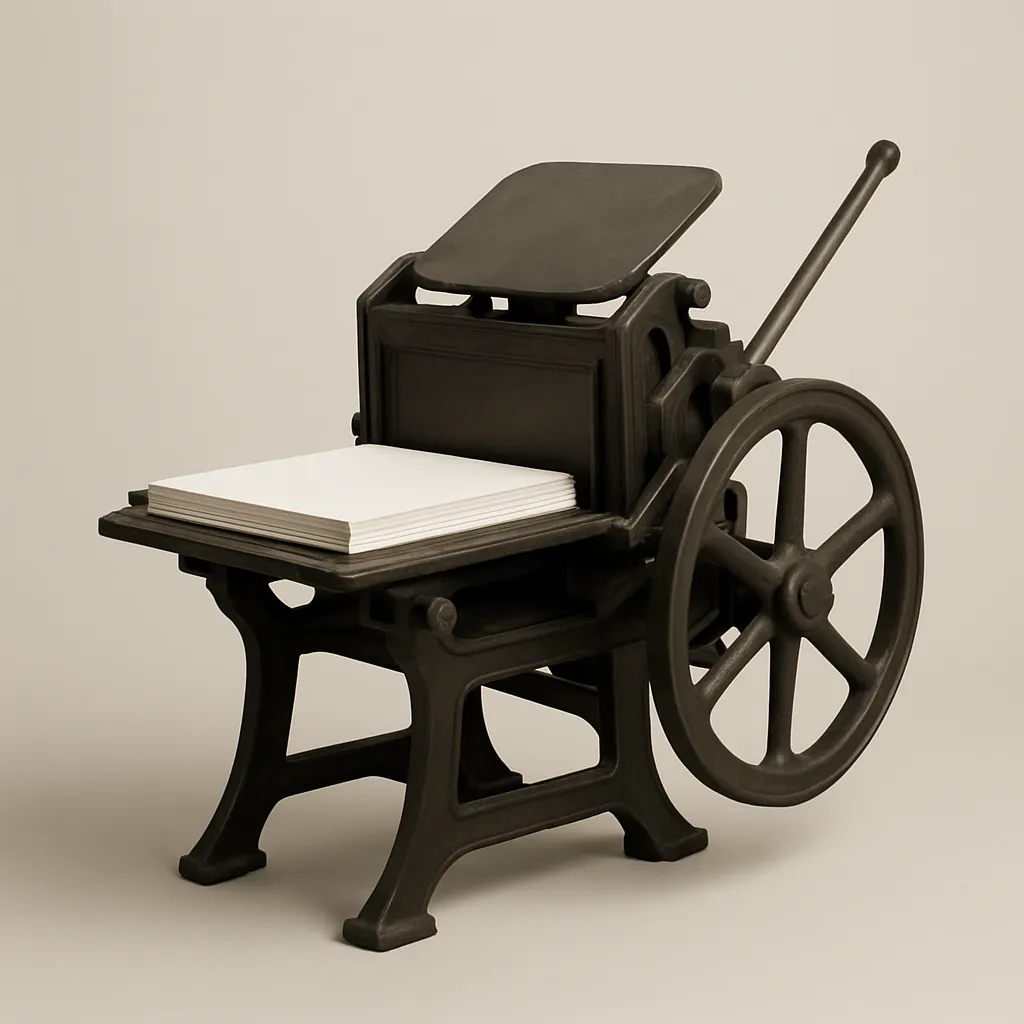
In 1868, Stanton and Anthony started The Revolution to share suffrage ideas. What was The Revolution?
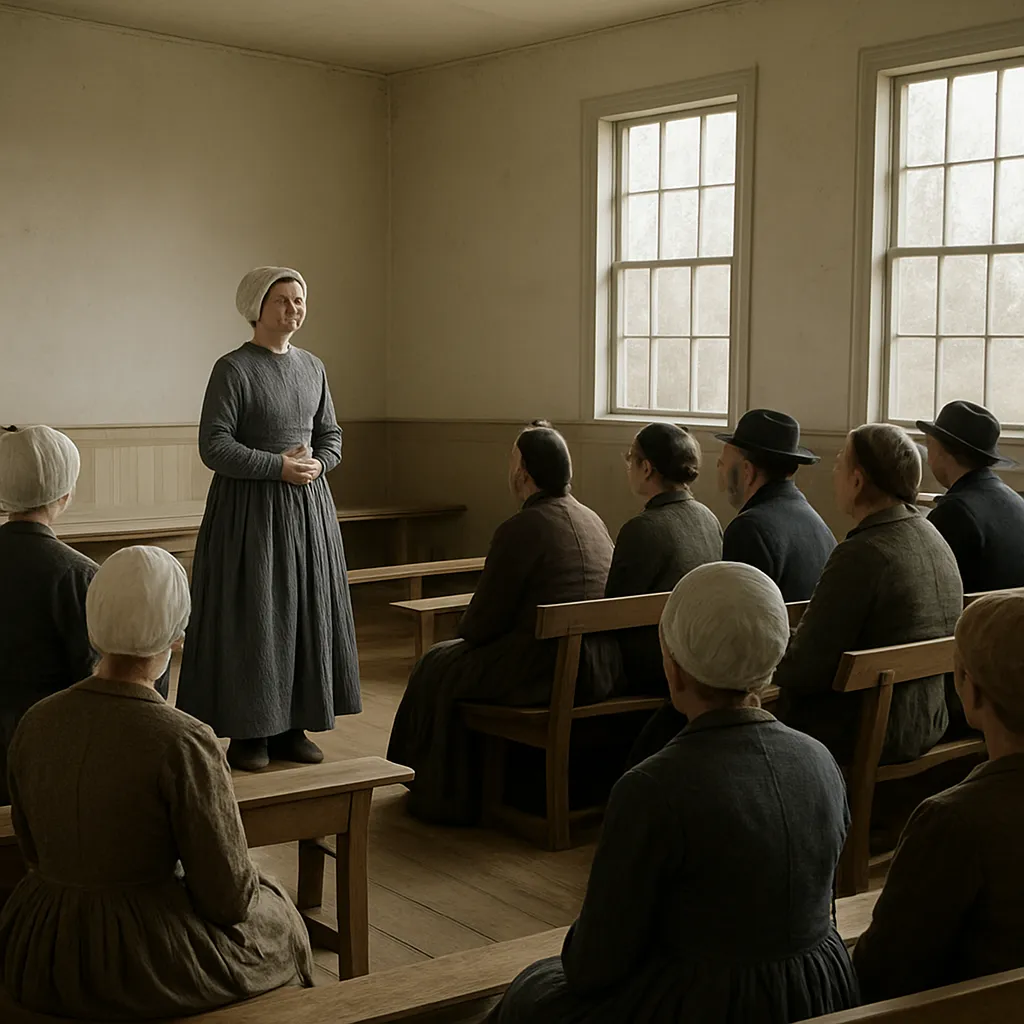
Lucretia Mott worked to end slavery as well as for women's rights. What were people who worked to end slavery called?
Crack the passcode before the zombies get in.
Answer, then swat bugs for bonus points.
Race through questions at your own speed.
Same question on every screen. Fastest wins.

Pick a tile, answer, hit bonuses and steals.
Emancipation and Reconstruction
40 questions