Loading
by BlastRoom
Learn what slavery was in the United States, where it was legal, and what forced work enslaved people did.
#history#us_grade_4_social_studies
40 questions
One question set, multiple game modes. Tap any game to see it in action. Not sure which to pick?
Answer to place stones and capture territory.
Outrun the snow together.
Earn blasts, then hunt the other team.
Answer to earn energy, then climb.

The class blasts through walls together.
Bid on mystery lots. Most money wins.
Sell tours. Nice, standard, or a total scam.

Answer, restock, and serve the rush.
More correct answers pulls the rope your way.
Answer, then shoot down the alien wave.
Answer, then tap to leap the frozen ridge.
Under slavery in the United States, enslaved people were treated by law as what?
An enslaved person worked all day in a cotton field. Under slavery, what was true about wages for that labor?
When enslavers sold enslaved people, what could happen to families?
What limited an enslaved person's movement under slavery?
In many slave states, a child born to an enslaved mother was given what legal status?
A contract worker agrees to work for pay. How was slavery different from contract work?
A plantation inventory listed enslaved people along with animals and tools. What does that record show about slavery?
Under the slave laws of many states, how were enslaved people treated?
Slavery was a system in which some people claimed ownership of other people and forced them to work. The people forced to work were called ___.
What usually happened to money earned from crops produced by enslaved workers?
Many historians use the word enslaver instead of master or owner. Why?
Some slave states made laws against teaching enslaved people to read or write. What does this show about slavery?
On large plantations in the Deep South, many enslaved field workers planted, hoed, and picked what major crop?
In Virginia and Maryland, enslaved labor often included planting, cutting, and drying leaves for what crop?
Low, wet coastal plantations in South Carolina and Georgia forced many enslaved people to work in fields for what crop?
In Louisiana, many enslaved workers cut tall stalks and boiled the juice near mills. What product were they forced to make?
On a plantation, some enslaved people were forced to cook, wash clothes, and care for the enslaver's children. What kind of forced work was this?
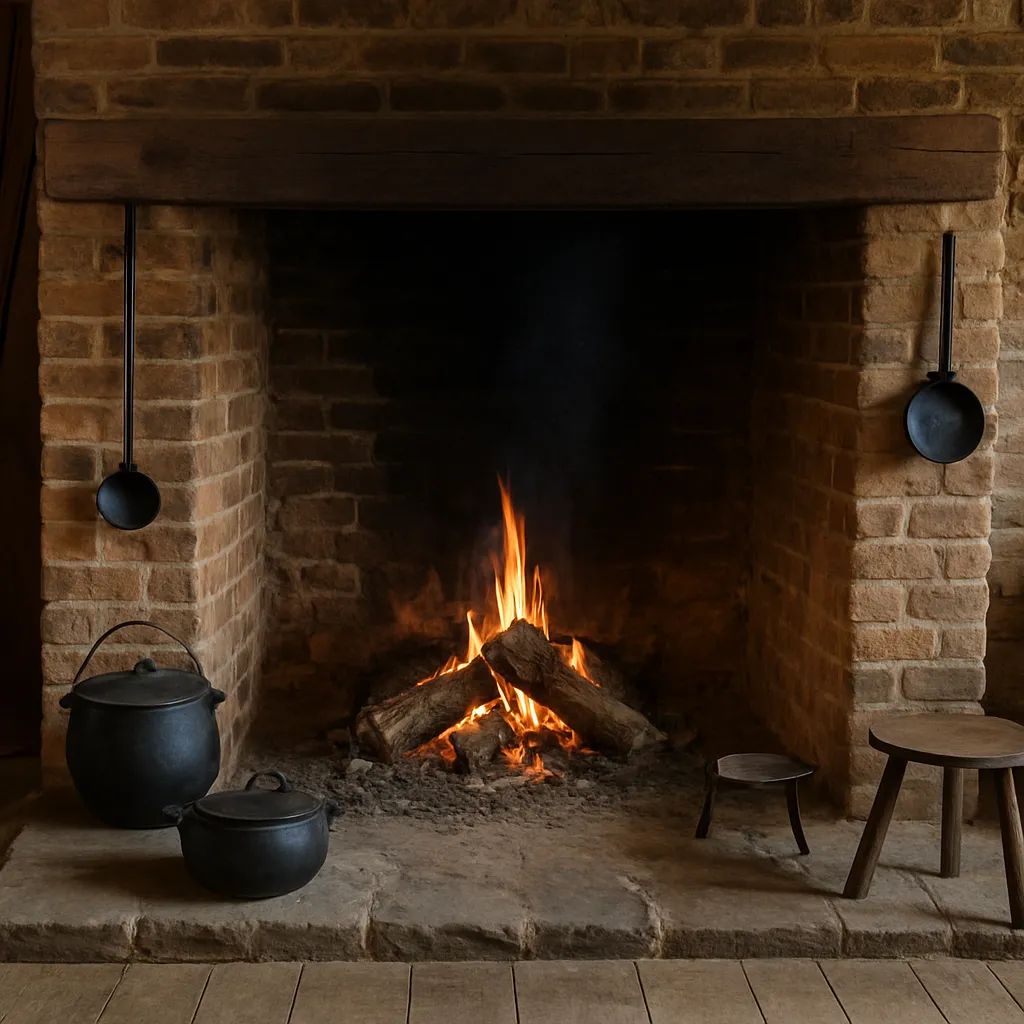
Some enslaved craft workers made barrels, shoed horses, or built furniture. What type of work were they forced to do?
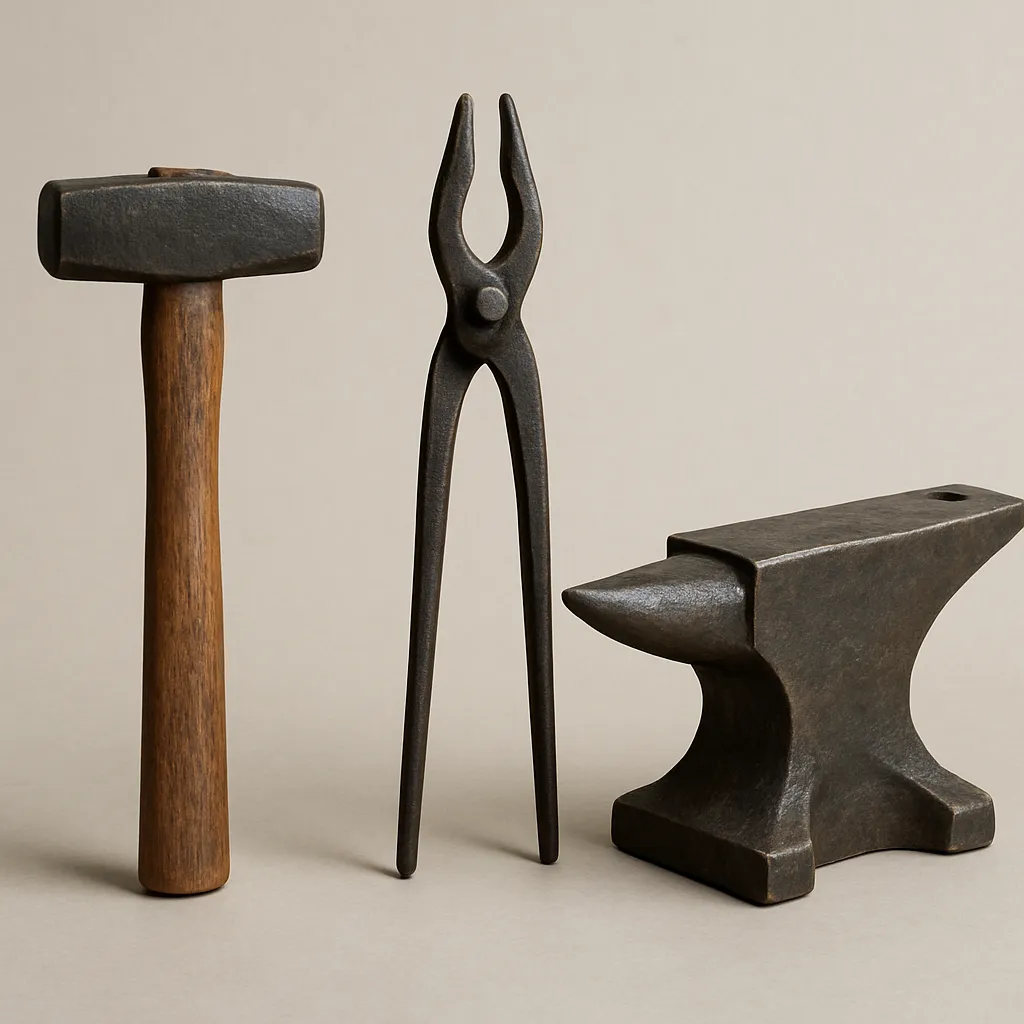
In places like Charleston, Richmond, and New Orleans, enslaved people could be forced to work as servants, carpenters, dockworkers, or drivers. What setting does this describe?
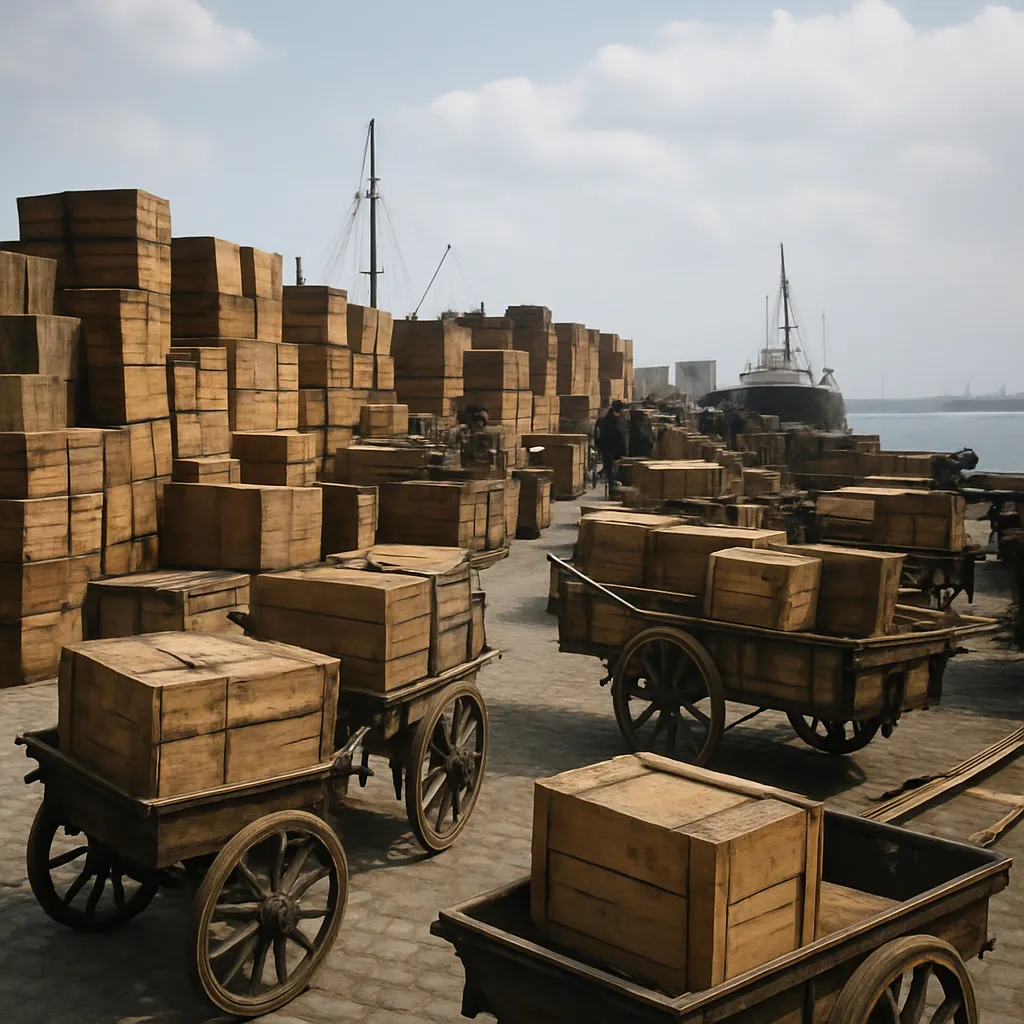
A crew of enslaved workers spent long days hoeing and picking under a driver's watch. Where were they most likely working?
An enslaved woman in a town was forced to sew clothing and clean rooms for an enslaver's household. What work category fits this labor?
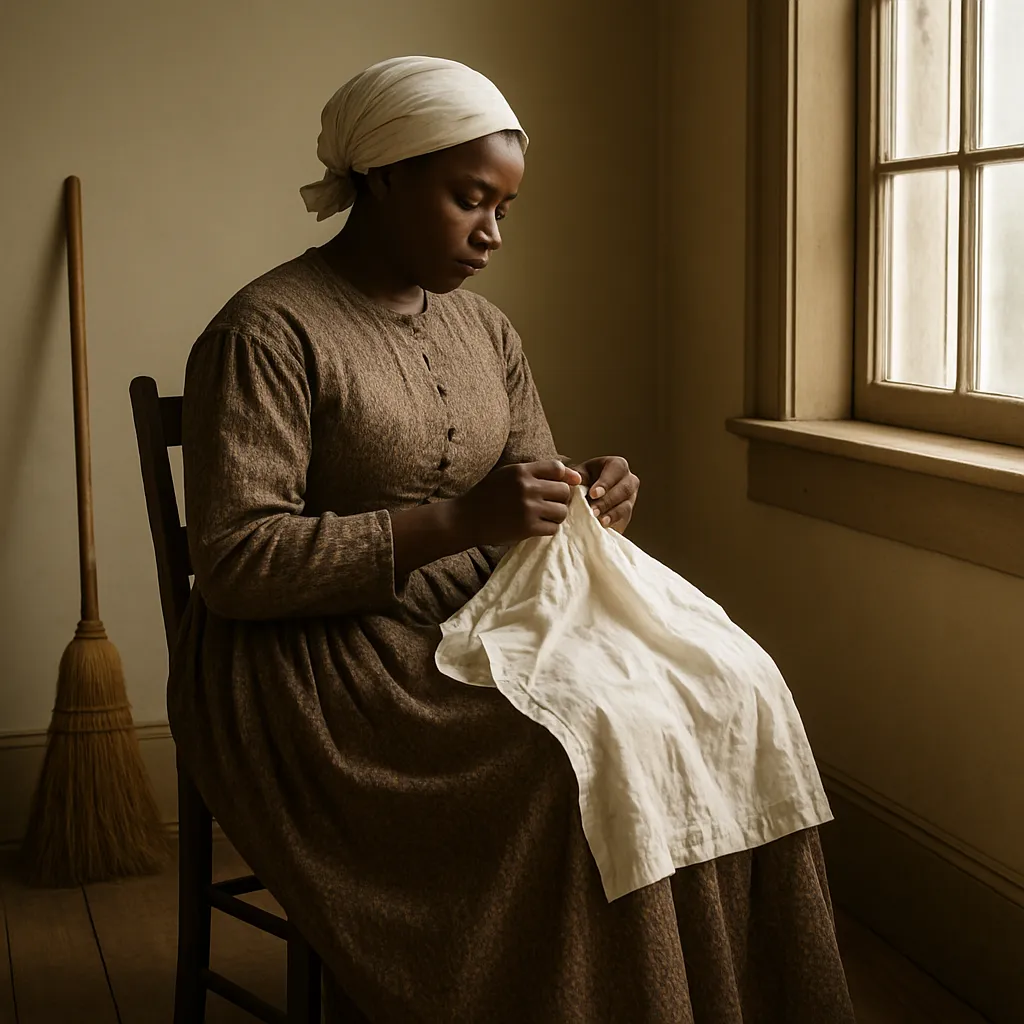
Some enslaved workers in Charleston and Baltimore spent their days at the waterfront moving barrels and bales onto ships. What work were they forced to do?
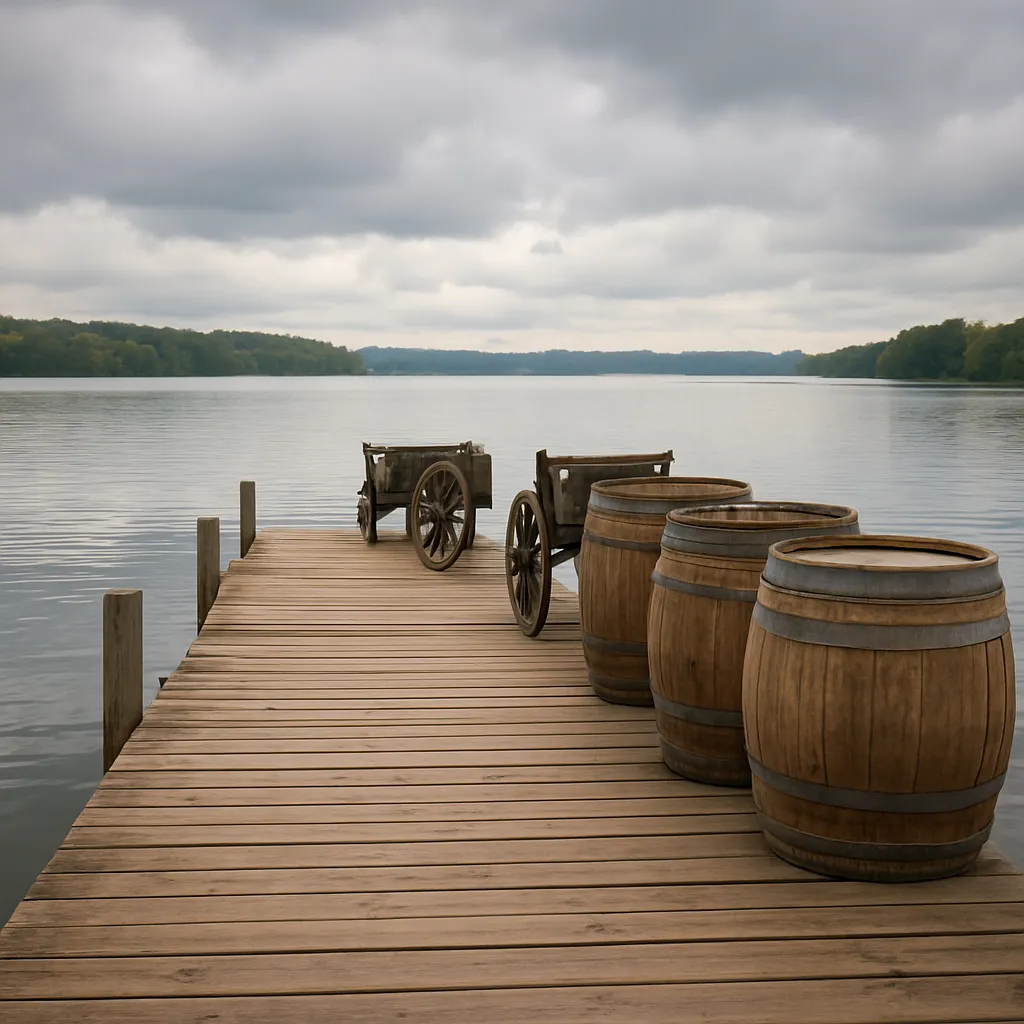
Why did large plantations demand many forced laborers?
The cotton gin cleaned cotton seeds from fiber faster than hand labor. What effect did this machine have on slavery?
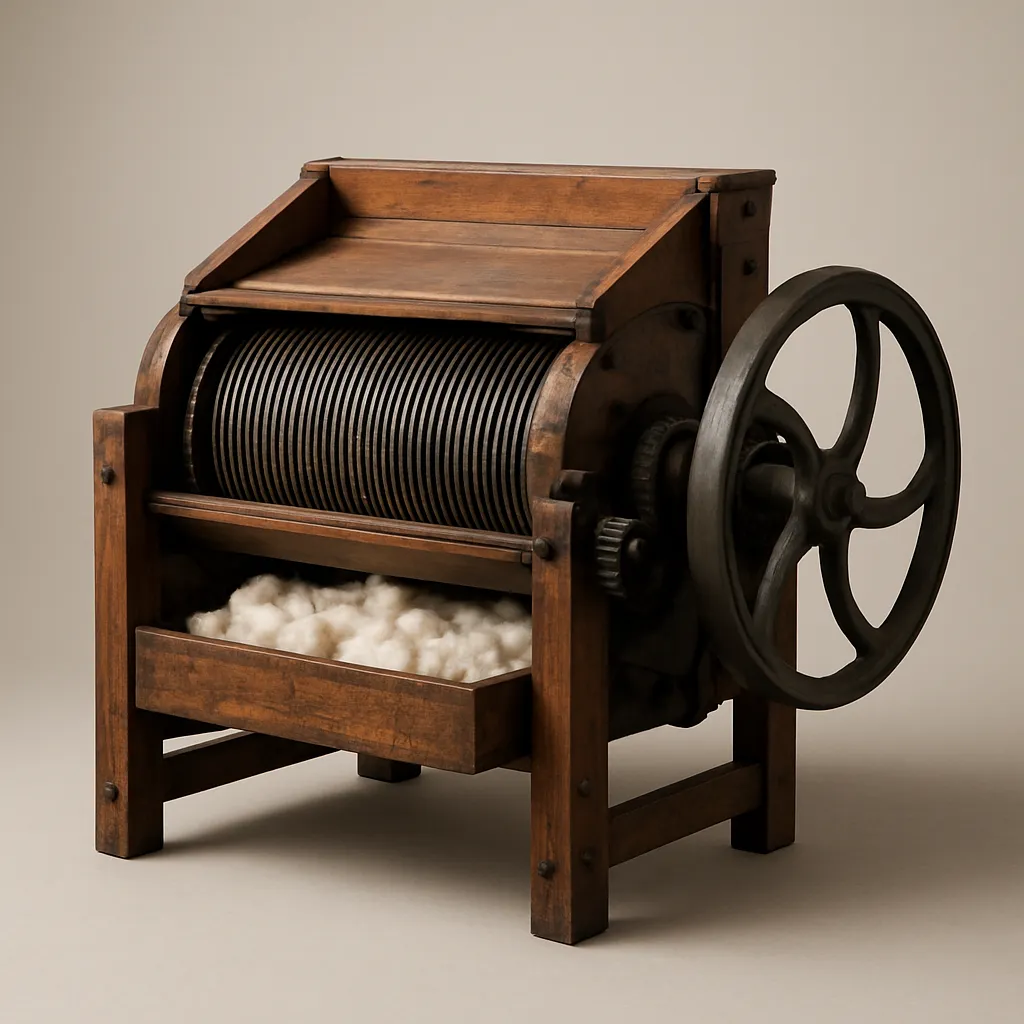
Southern cotton became very valuable in the 1800s. Where was much of it shipped to be made into cloth?
Rice fields required ditches, flooding, and hard labor in hot wetlands. What consequence followed on rice plantations?
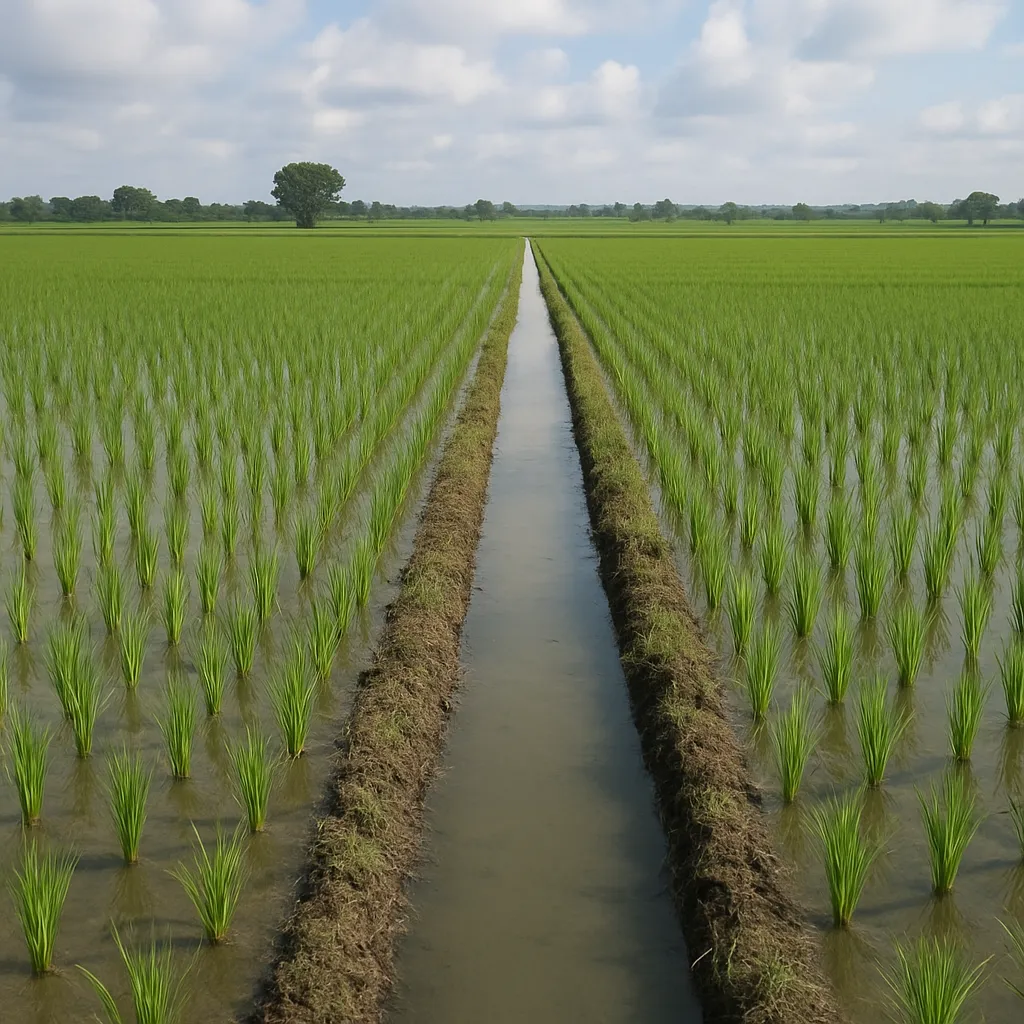
When enslavers in the Upper South sold enslaved people, where were many of them forced to go?
How did enslavers commonly use the wealth they gained from unpaid labor?
Because slave-state laws protected slavery, what could enslavers use to keep control?
What effect did the plantation system have on much of the Southern economy before the Civil War?
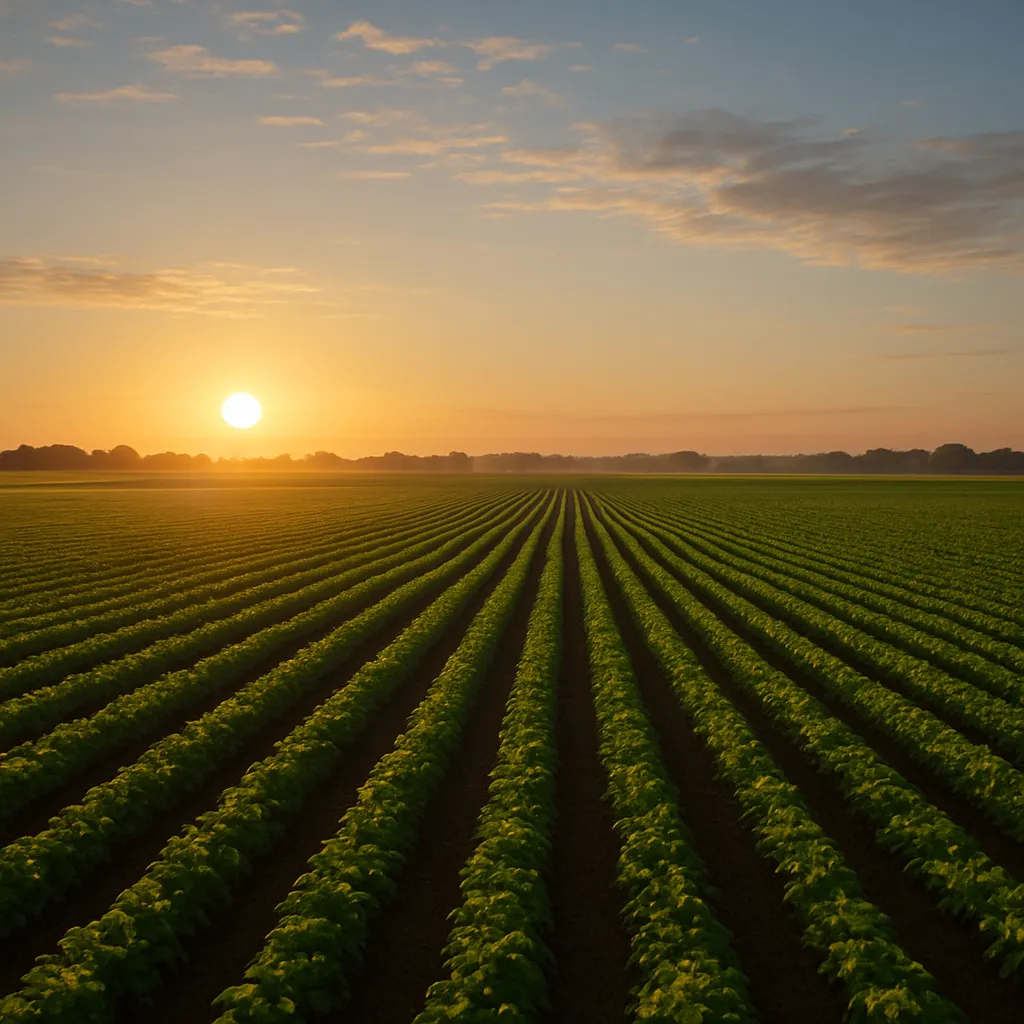
The South had climate and soil suited to cotton, tobacco, rice, and sugar. What did this help cause?
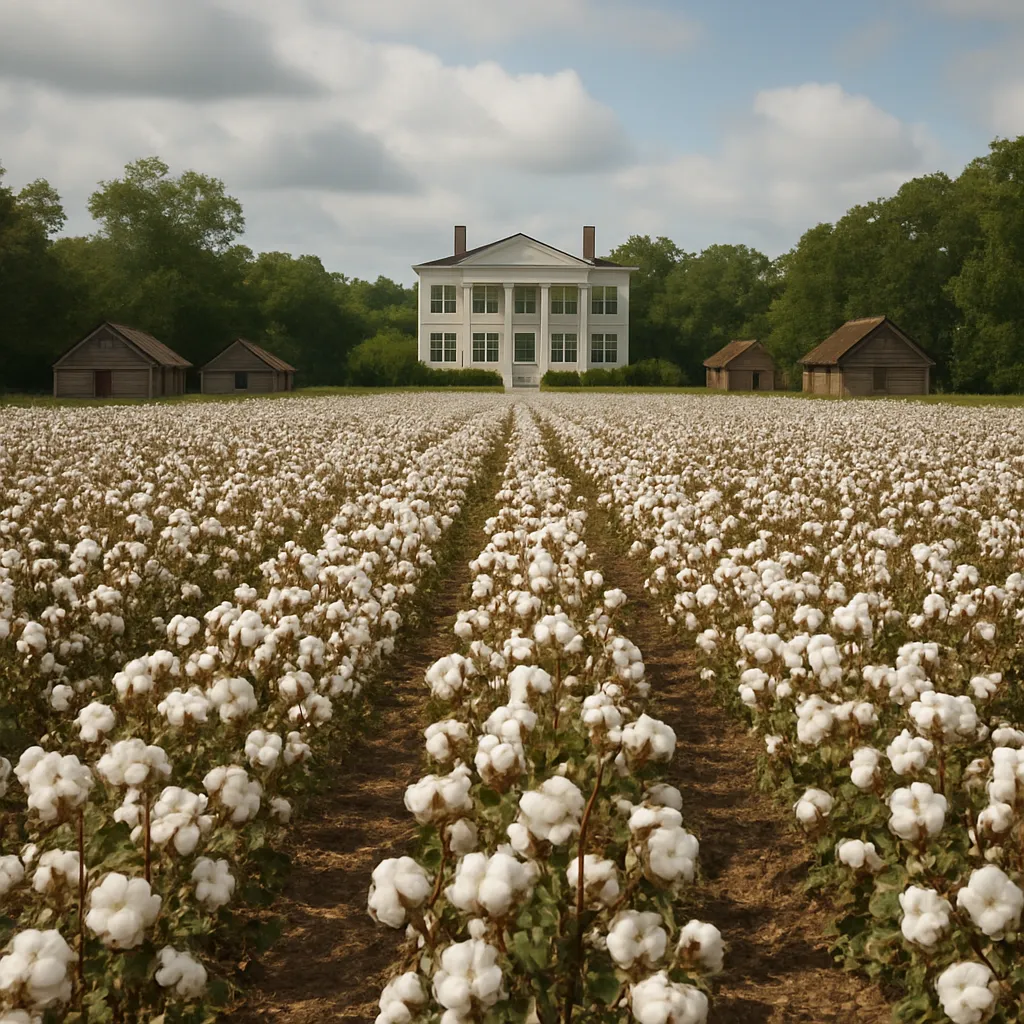
The cotton gin separated seeds from cotton fiber quickly. What task changed most directly?

Before the Civil War, slavery was most strongly tied to plantation agriculture in what region?
A state where law allowed slavery before the Civil War was commonly called what?
A state where state law did not allow slavery before the Civil War was commonly called what?
By the mid-1800s, slavery had generally ended under state law in what region?
Before the Civil War, people came to see the Mason-Dixon Line as a dividing line between what?
As new western territories and states were added, what question caused conflict between regions?
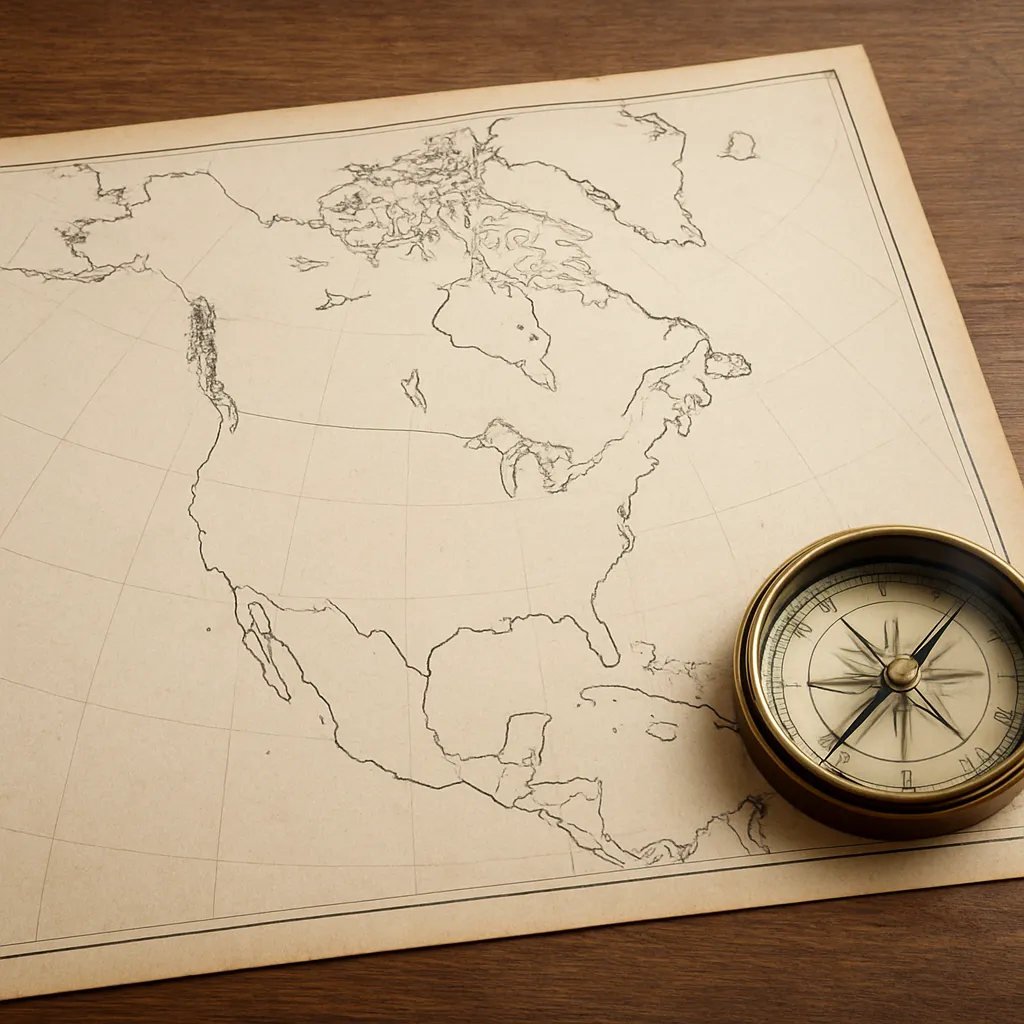
On a map of the United States in 1860, which state would be shaded as a slave state?
California joined the United States in 1850. What kind of state did it enter as?
Crack the passcode before the zombies get in.
Answer, then swat bugs for bonus points.
Race through questions at your own speed.
Same question on every screen. Fastest wins.

Pick a tile, answer, hit bonuses and steals.
The Fight for Women's Rights
40 questions