Loading
by BlastRoom
Students explain how canals and railroads connected regions and changed trade and settlement.
#technology#us_grade_4_social_studies
40 questions
One question set, multiple game modes. Tap any game to see it in action. Not sure which to pick?
Answer to place stones and capture territory.
Outrun the snow together.
Earn blasts, then hunt the other team.
Answer to earn energy, then climb.

The class blasts through walls together.
Bid on mystery lots. Most money wins.
Sell tours. Nice, standard, or a total scam.

Answer, restock, and serve the rush.
More correct answers pulls the rope your way.
Answer, then shoot down the alien wave.
Answer, then tap to leap the frozen ridge.
The Erie Canal was dug across New York in the 1800s. What larger route did it help create for boats carrying grain and lumber?
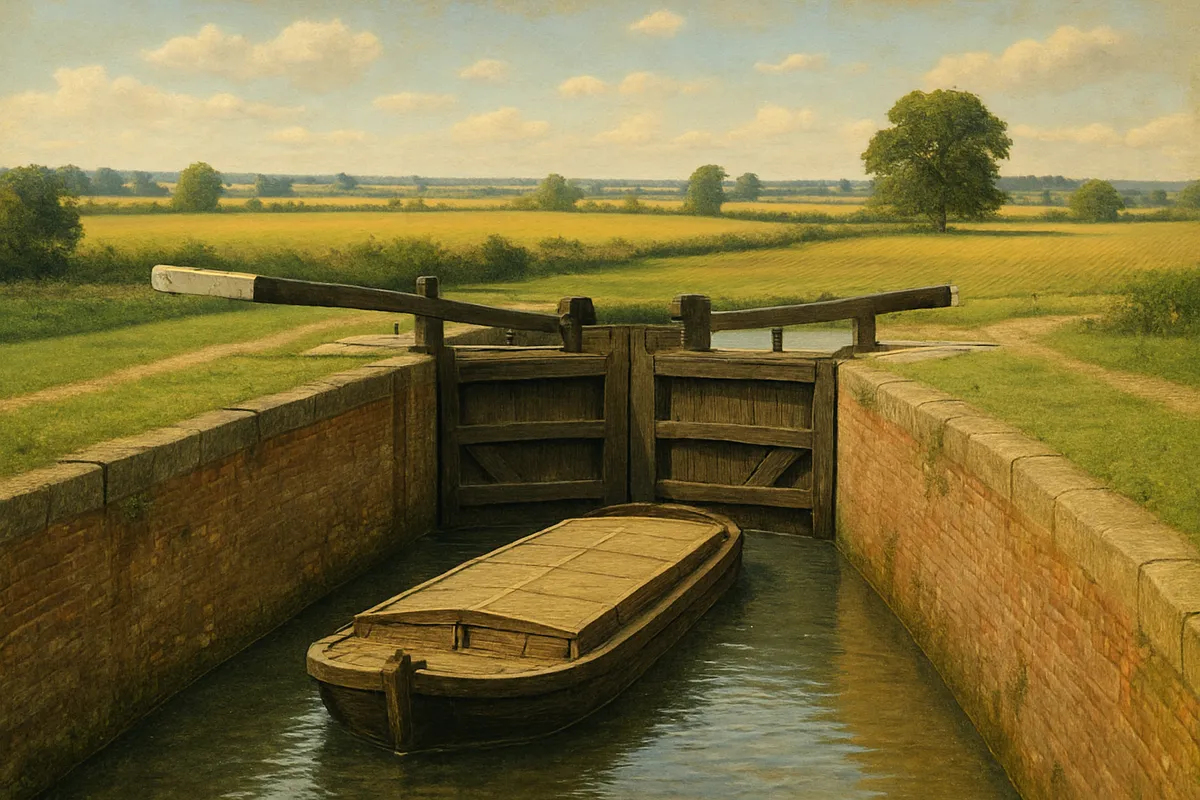
A canal reached a hill. What did a lock do for a boat there?
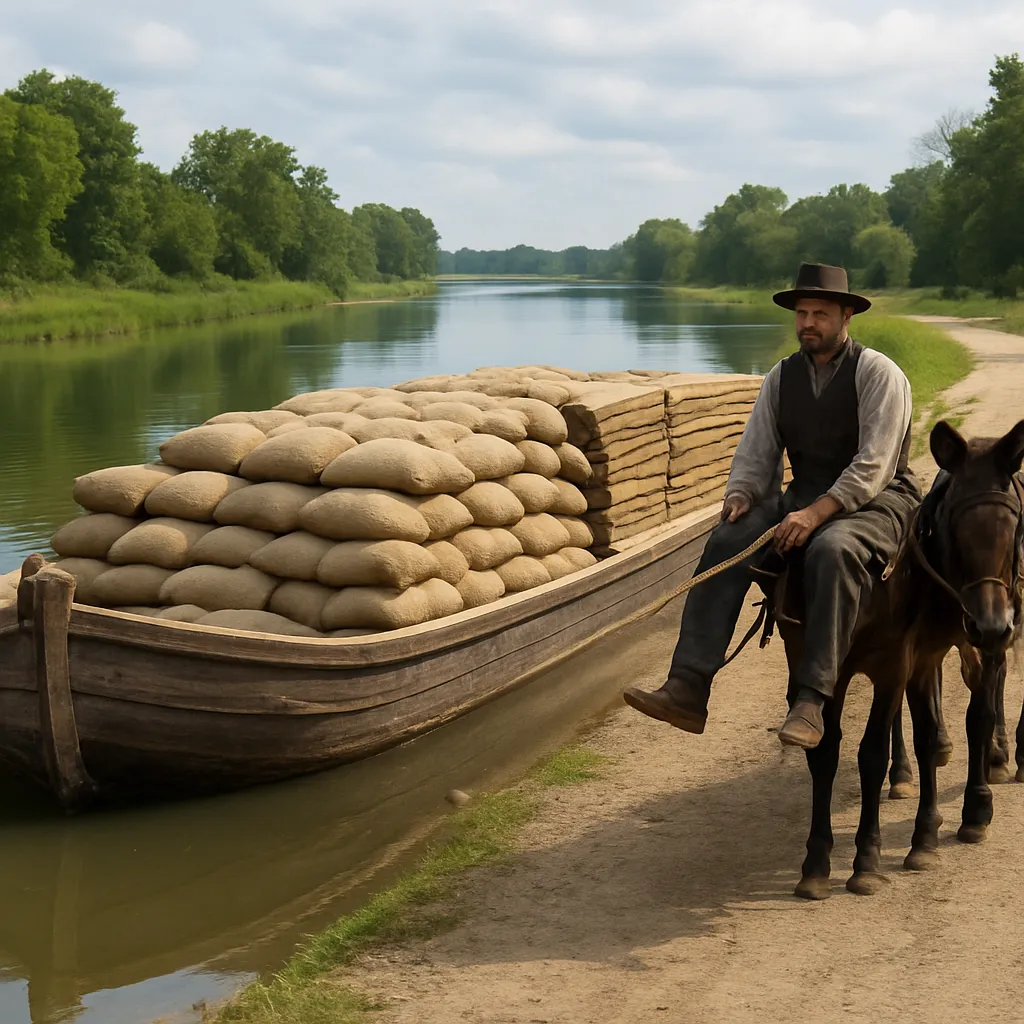
After the Erie Canal opened, shipping a load of wheat from the Great Lakes to New York City changed in what way?
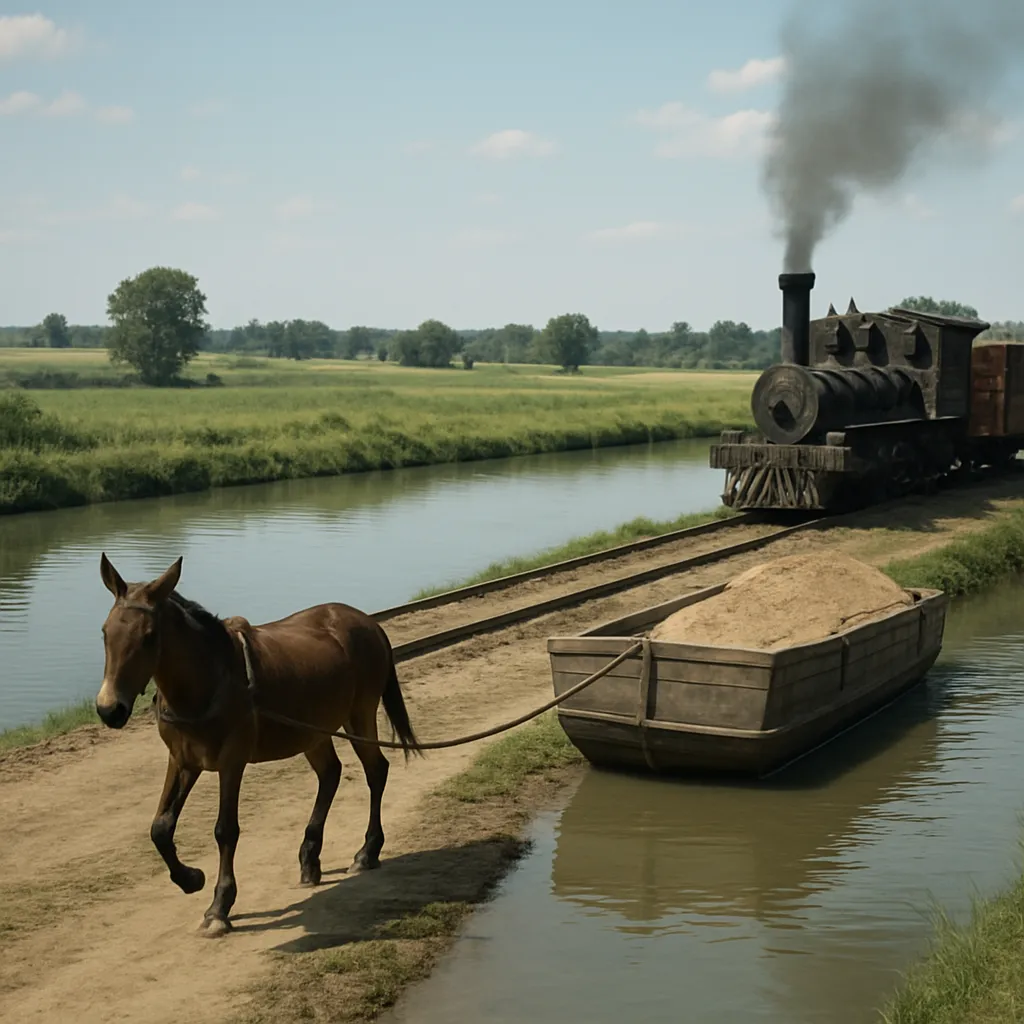
A farmer could choose a canal boat or a railroad car to ship grain in the 1800s. On speed, what was the usual difference?
The Erie Canal was a single waterway, not just a general route. Which two New York cities did the canal itself directly connect?
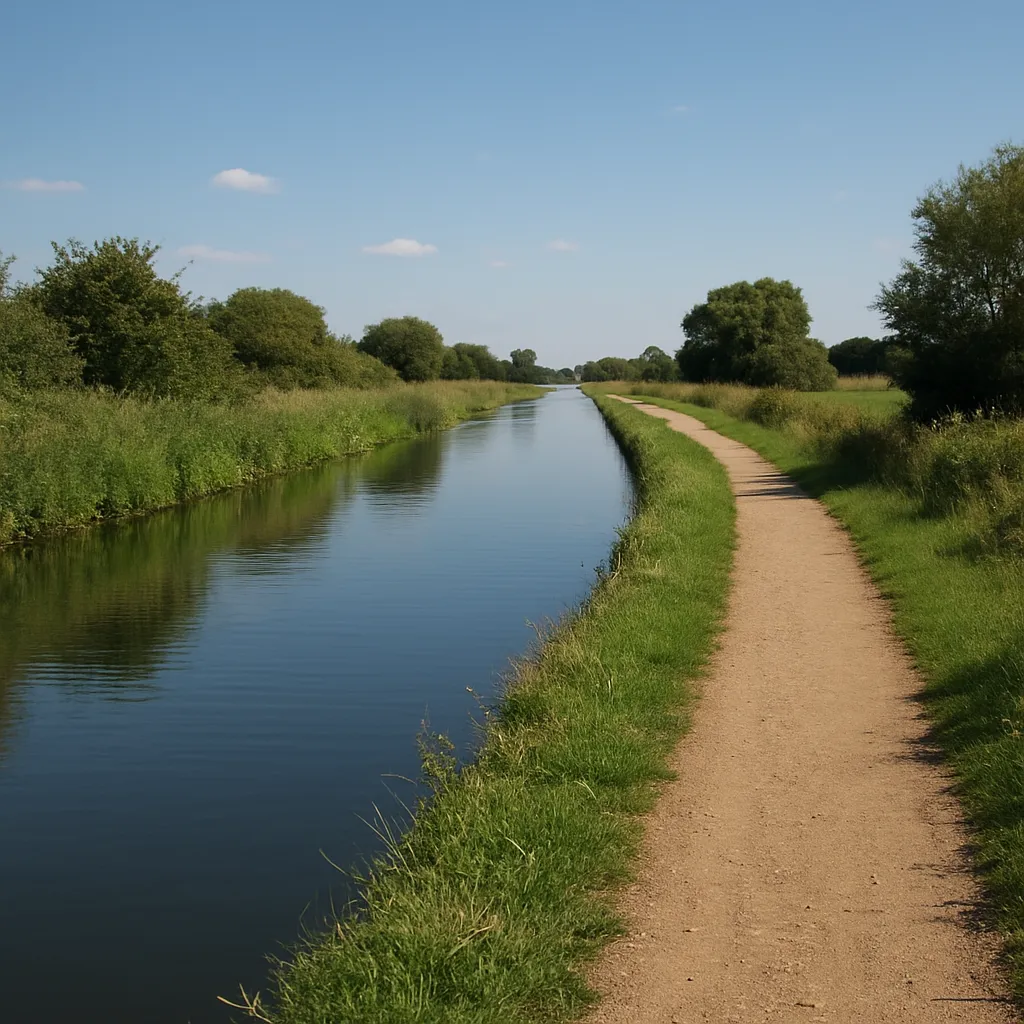
A student says a canal is just a river. What definition better explains how a canal worked?
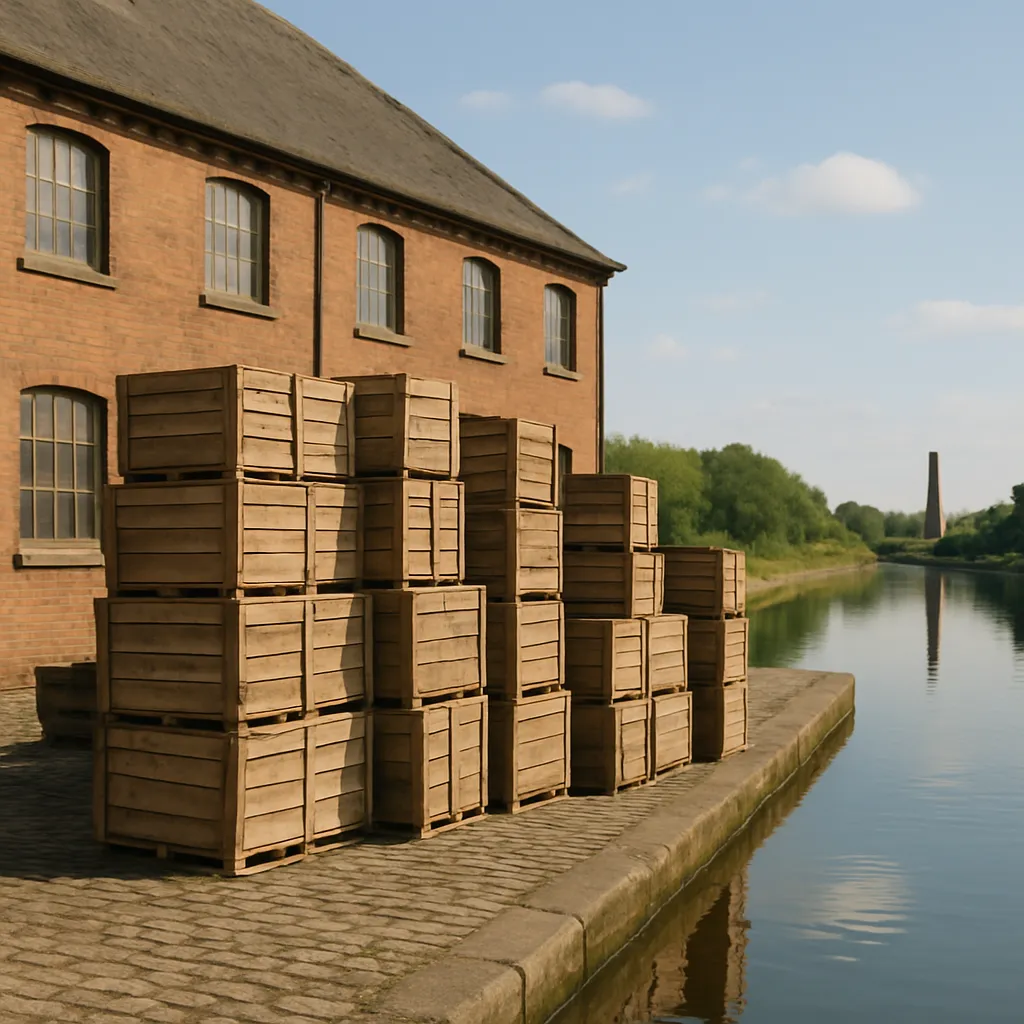
A storekeeper near the canal could order more goods from faraway places. What economic effect did the canal have?
Compare routes across land. How was a railroad different from a canal?
New York State borrowed a large sum of money to pay for building the Erie Canal. How did the state earn back that money once the canal opened?
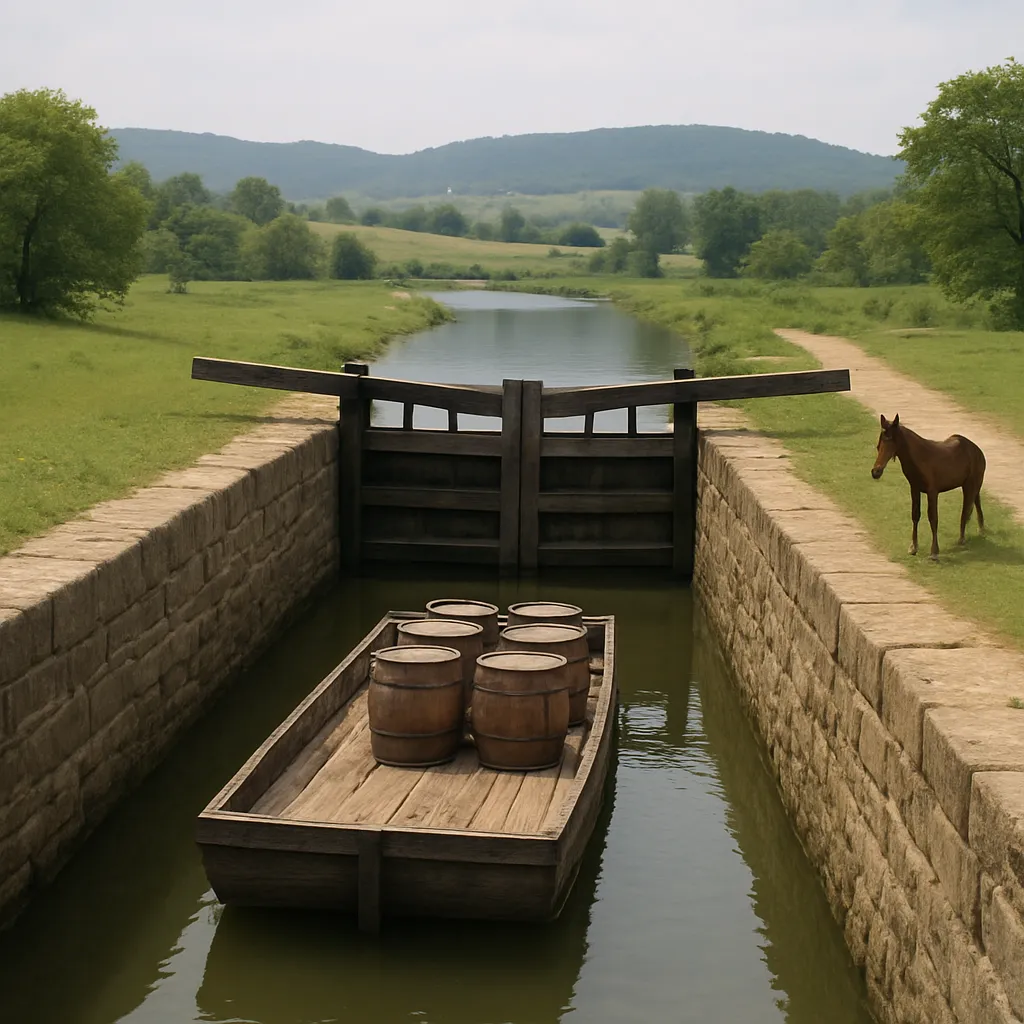
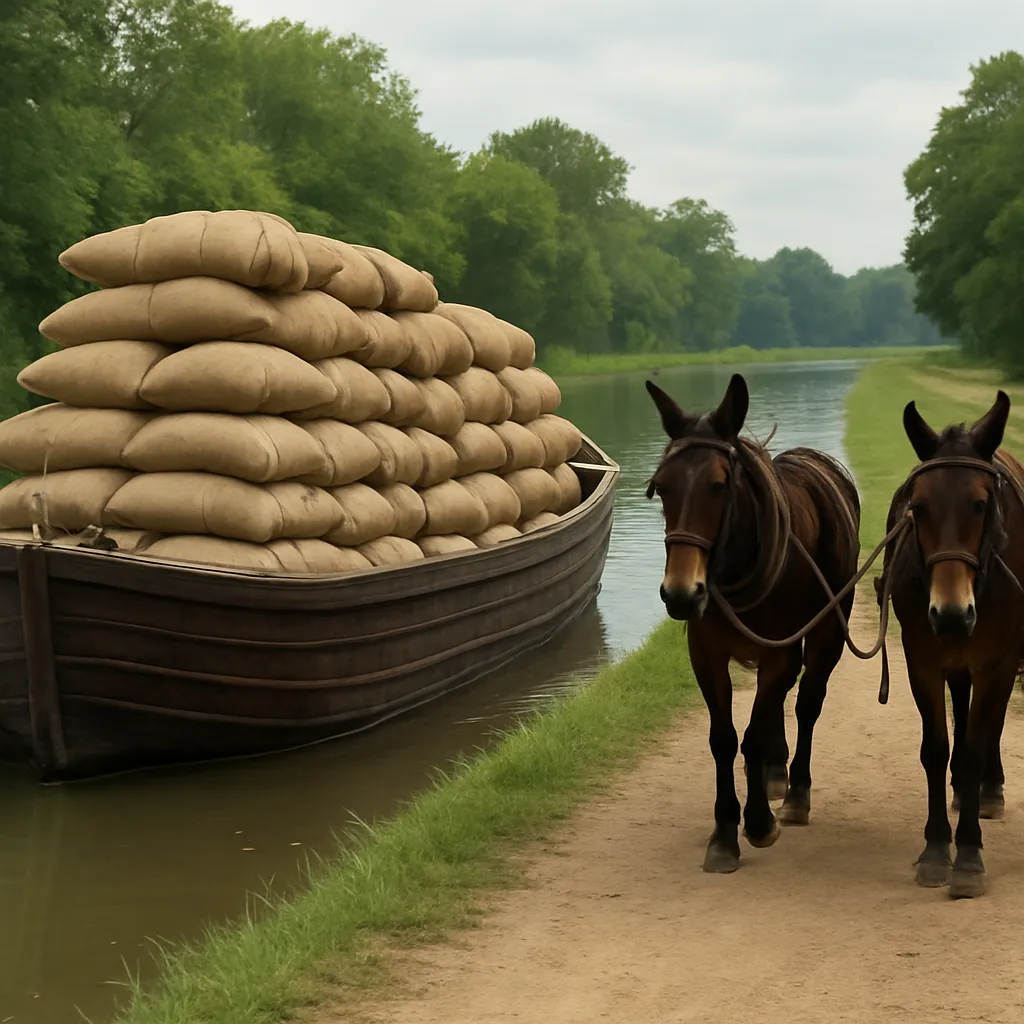
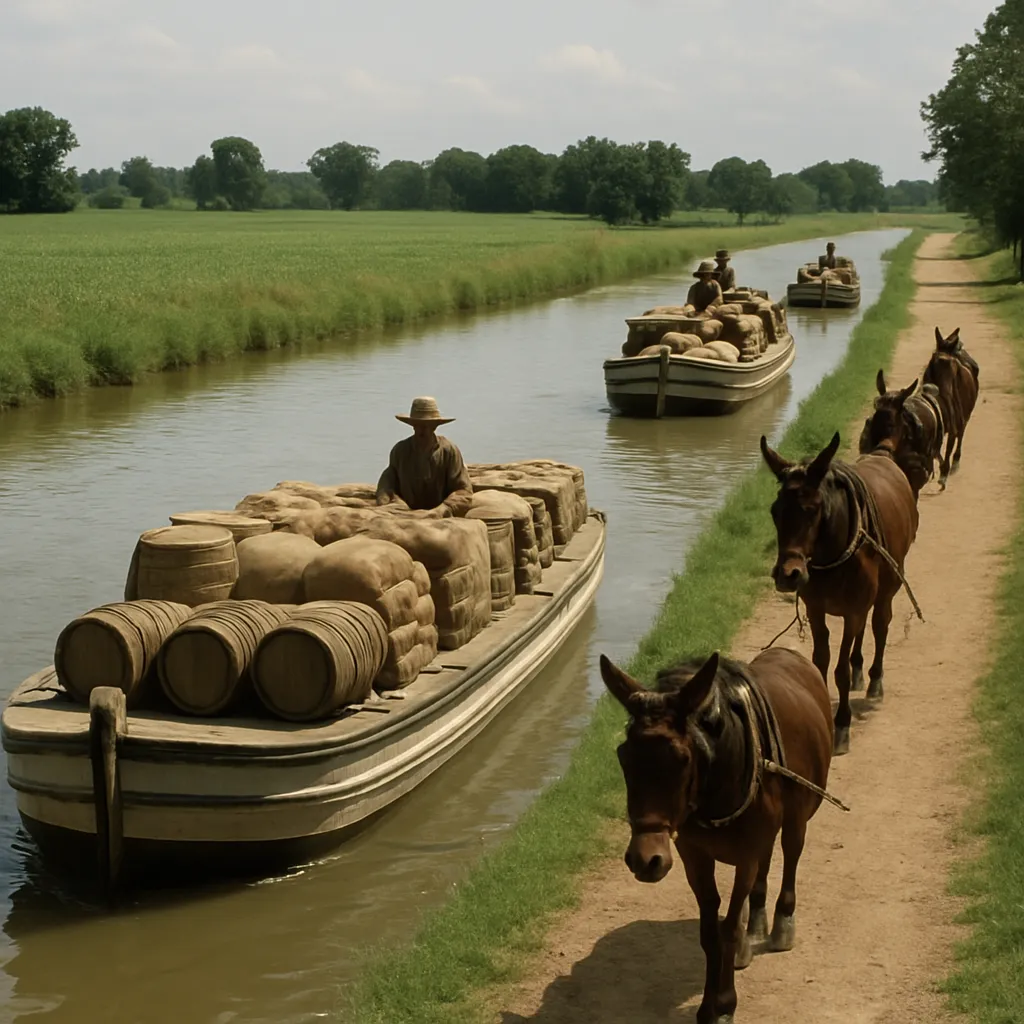
Before engines powered many boats, a canal boat often moved beside a towpath. What usually pulled it?
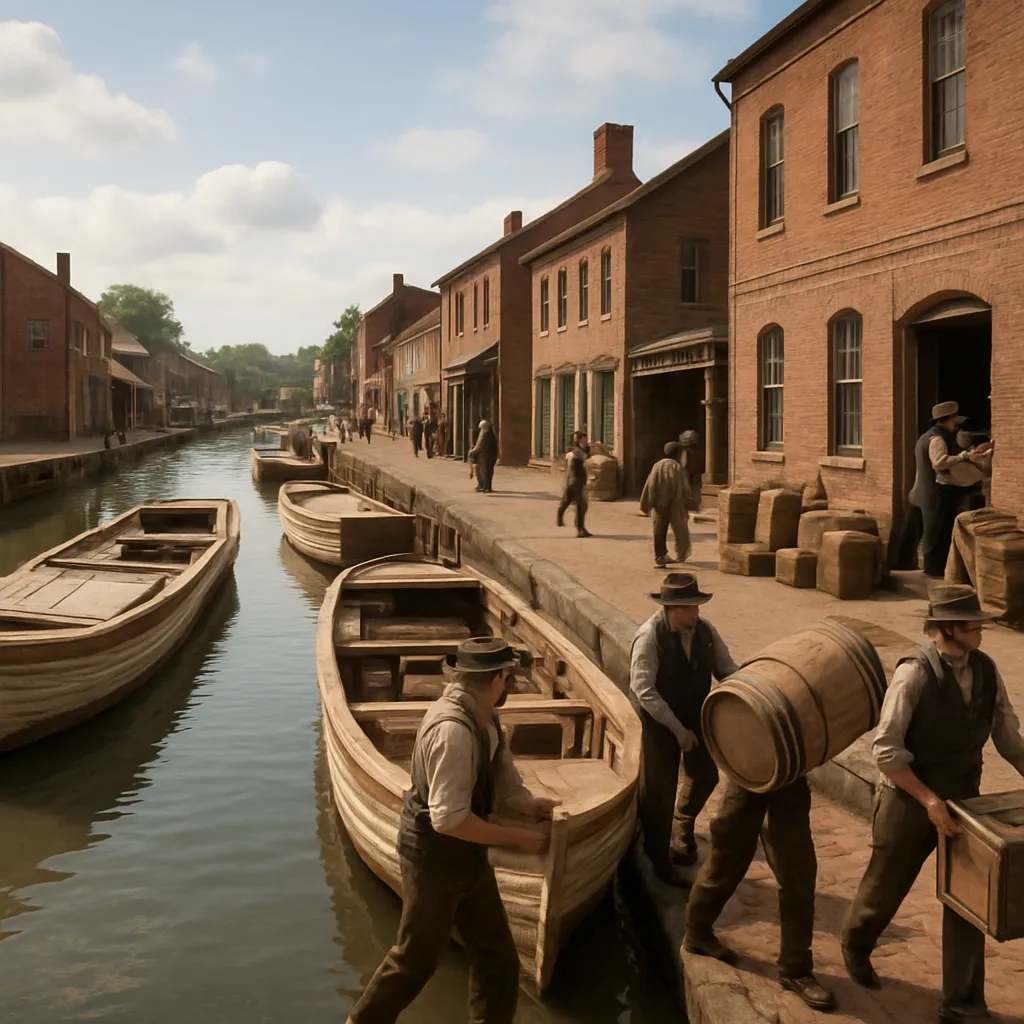
Many towns grew where canal boats stopped to load, unload, and repair. What caused that growth?
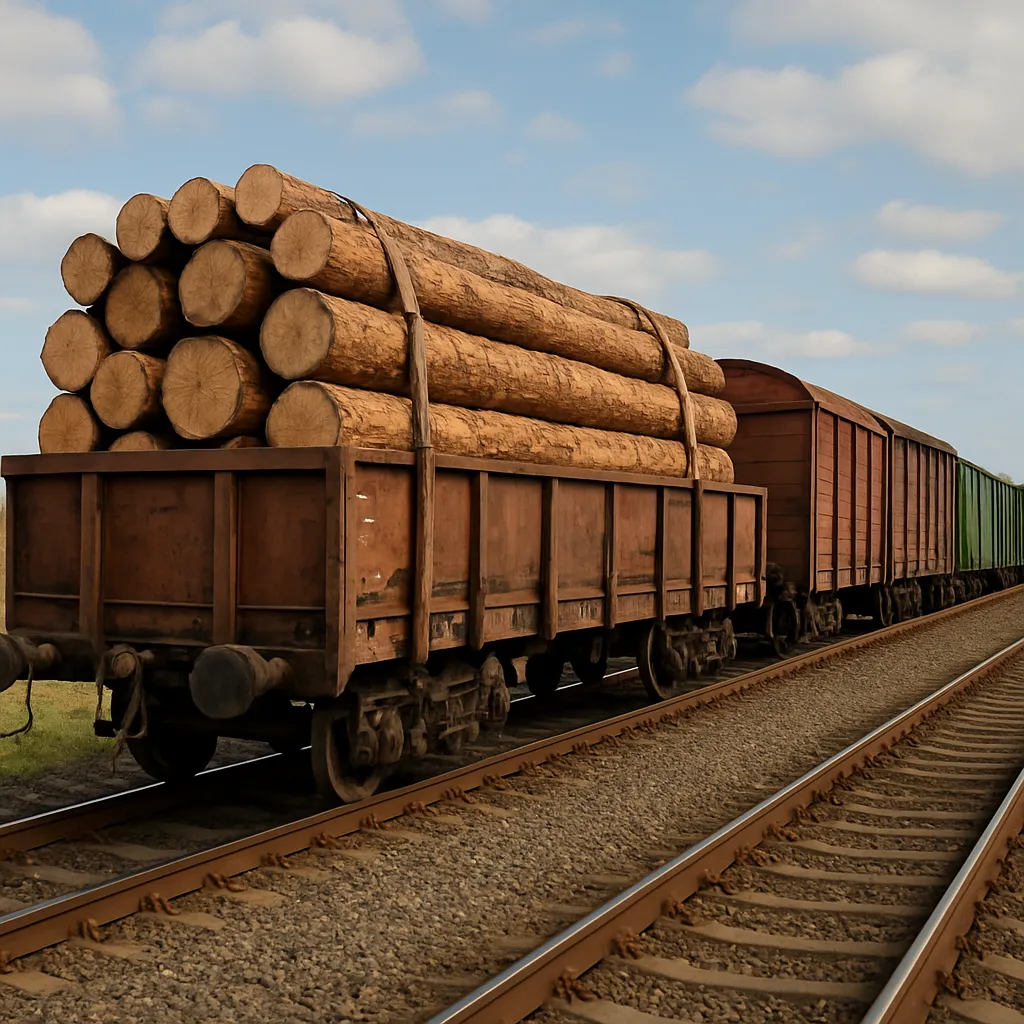
Canals and railroads both lowered some shipping costs. What shared reason explains this effect?
A canal planner chose a path between a lake and a river that did not meet naturally. What connection did the dug canal make?
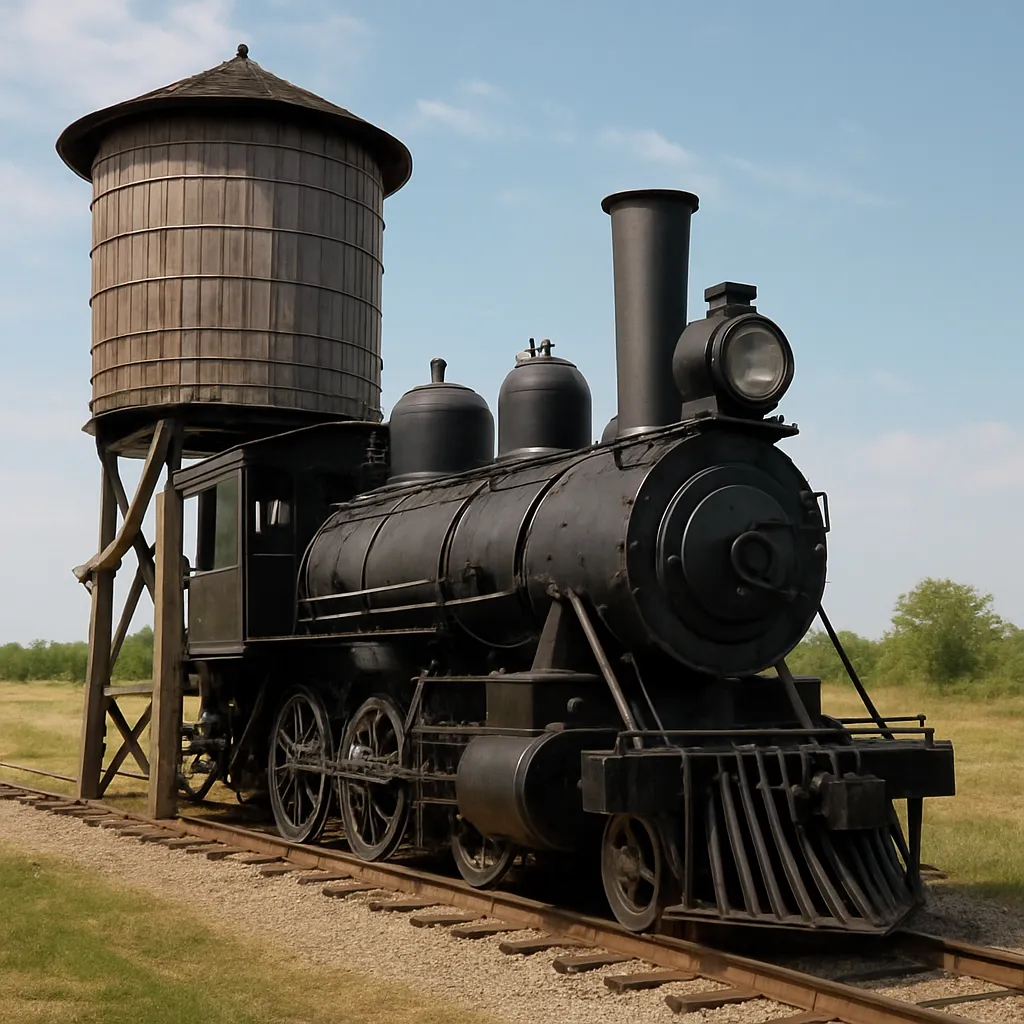
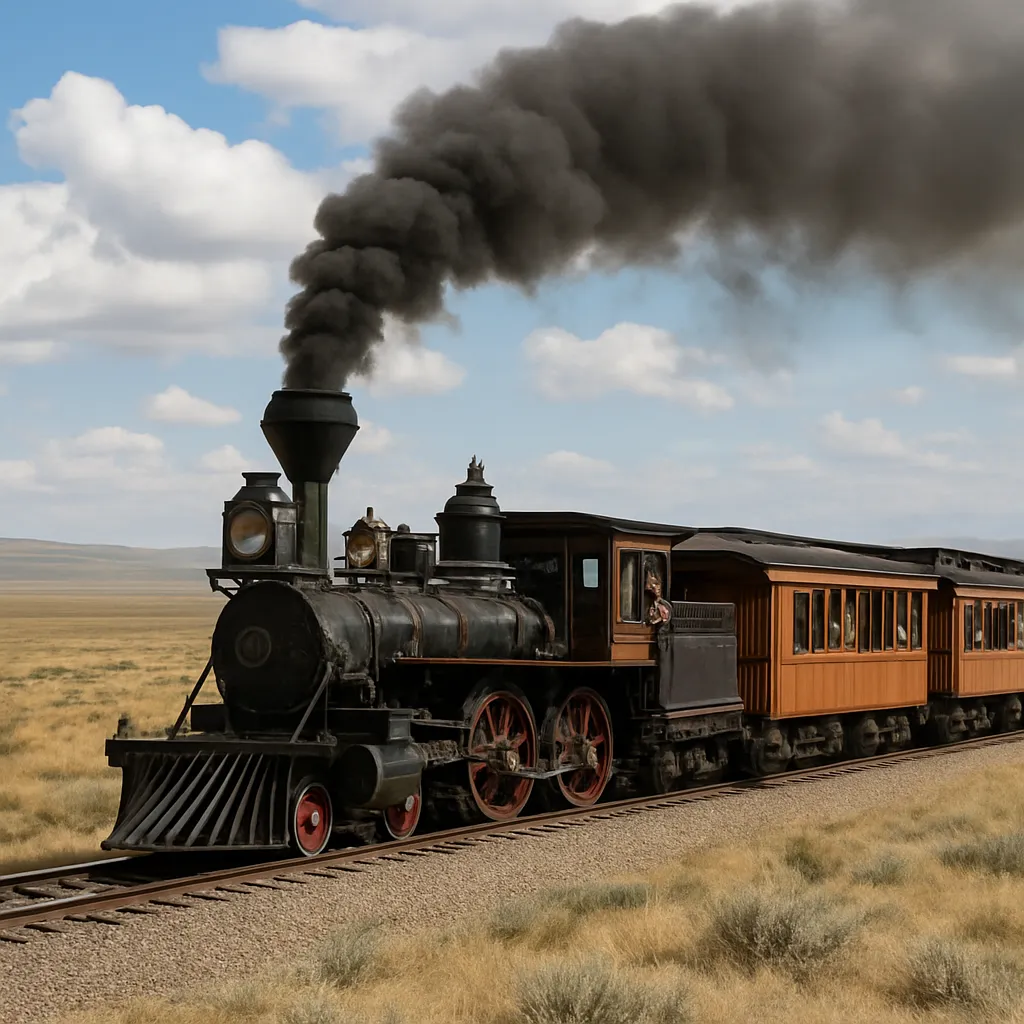
A steam locomotive needed fuel to heat water and make steam. What fuel did many early locomotives burn?
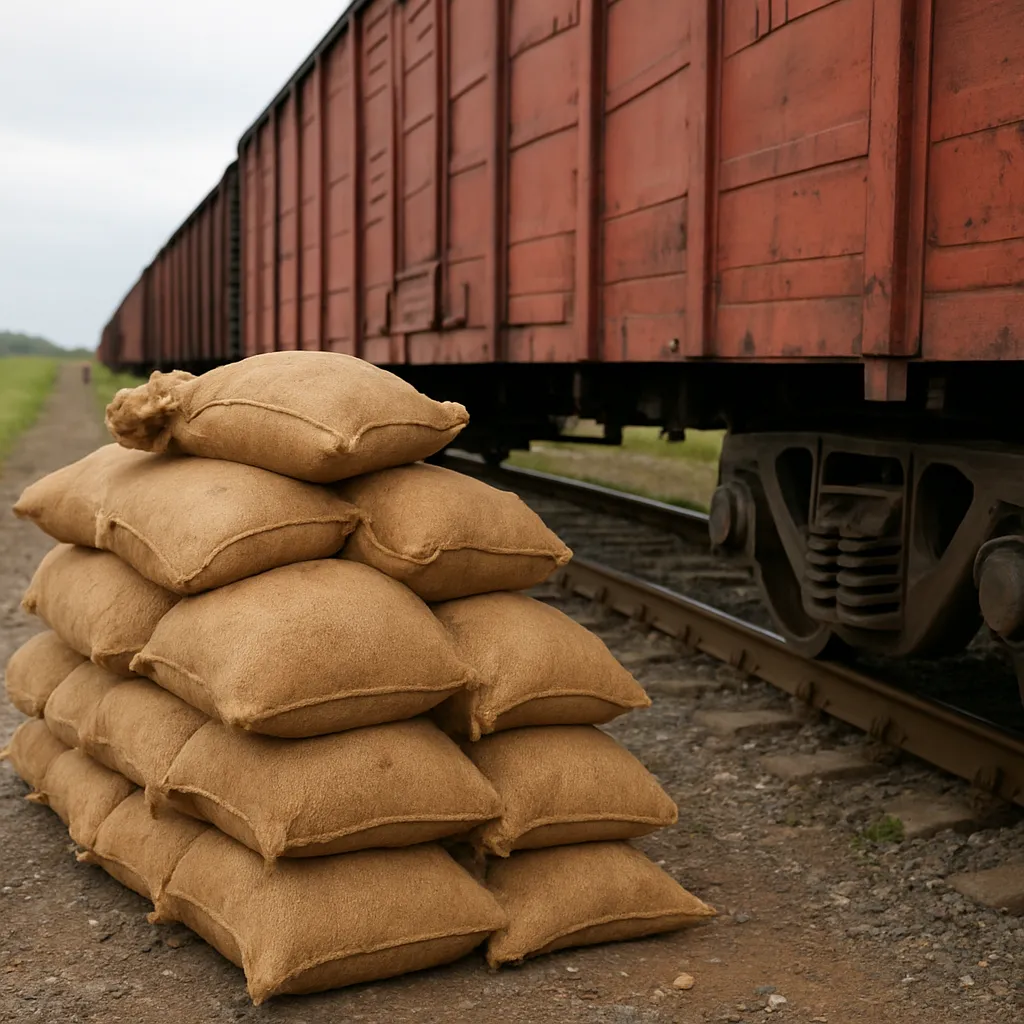
After railroads reached a plains farming area, farmers could send crops to cities more easily. What effect followed?
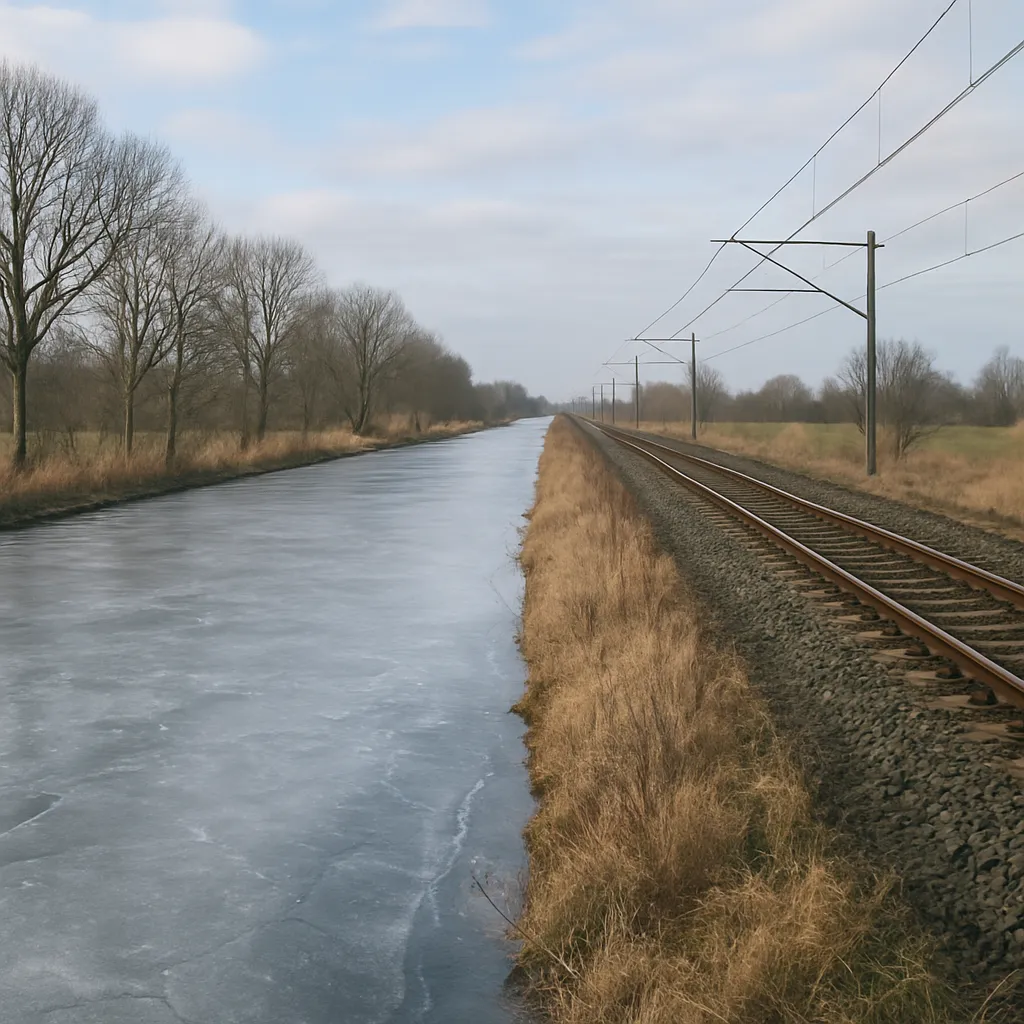
In winter, northern canals could freeze, but trains could often keep running. What comparison is being made?
The Central Pacific Railroad and the Union Pacific Railroad built track toward each other to form the transcontinental railroad. Which two cities did they start building from?
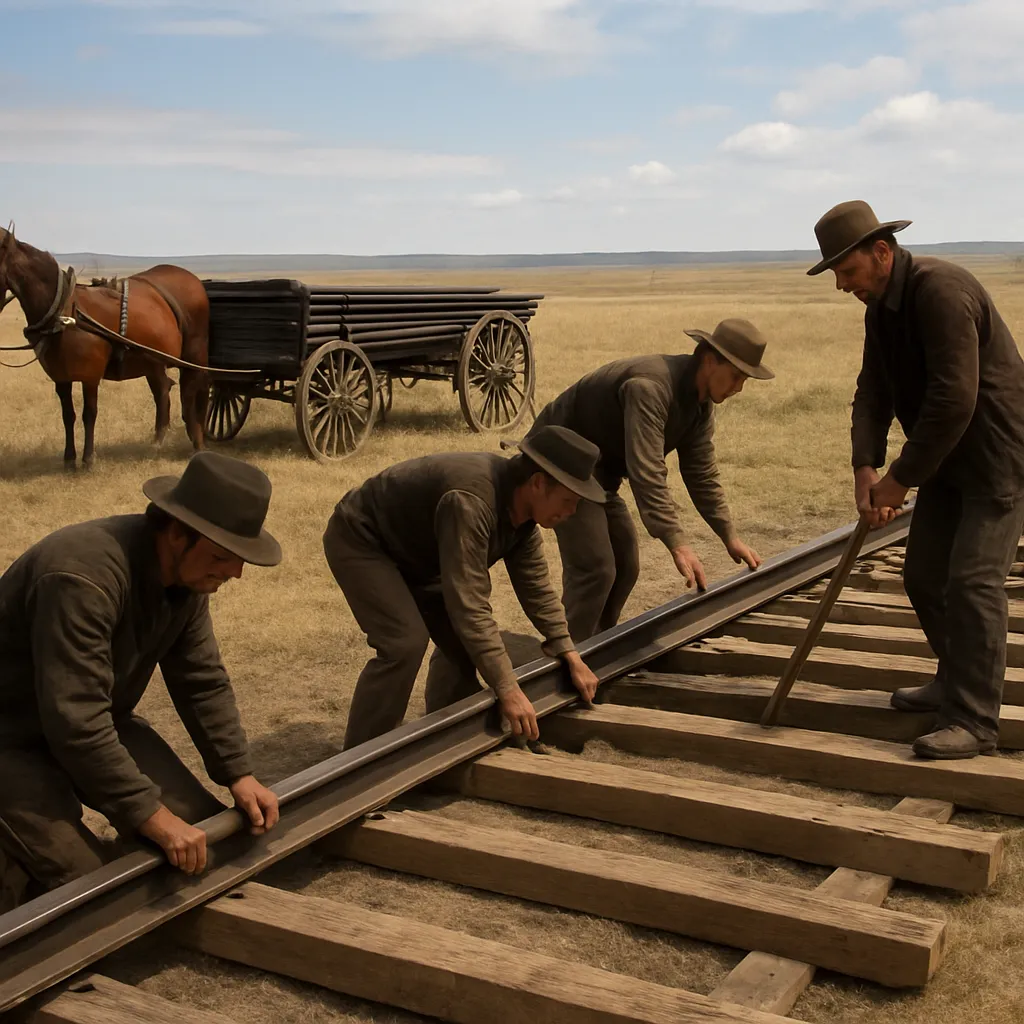
Railroad builders wanted heavy locomotives to roll smoothly. What did workers lay across the ground for the wheels?
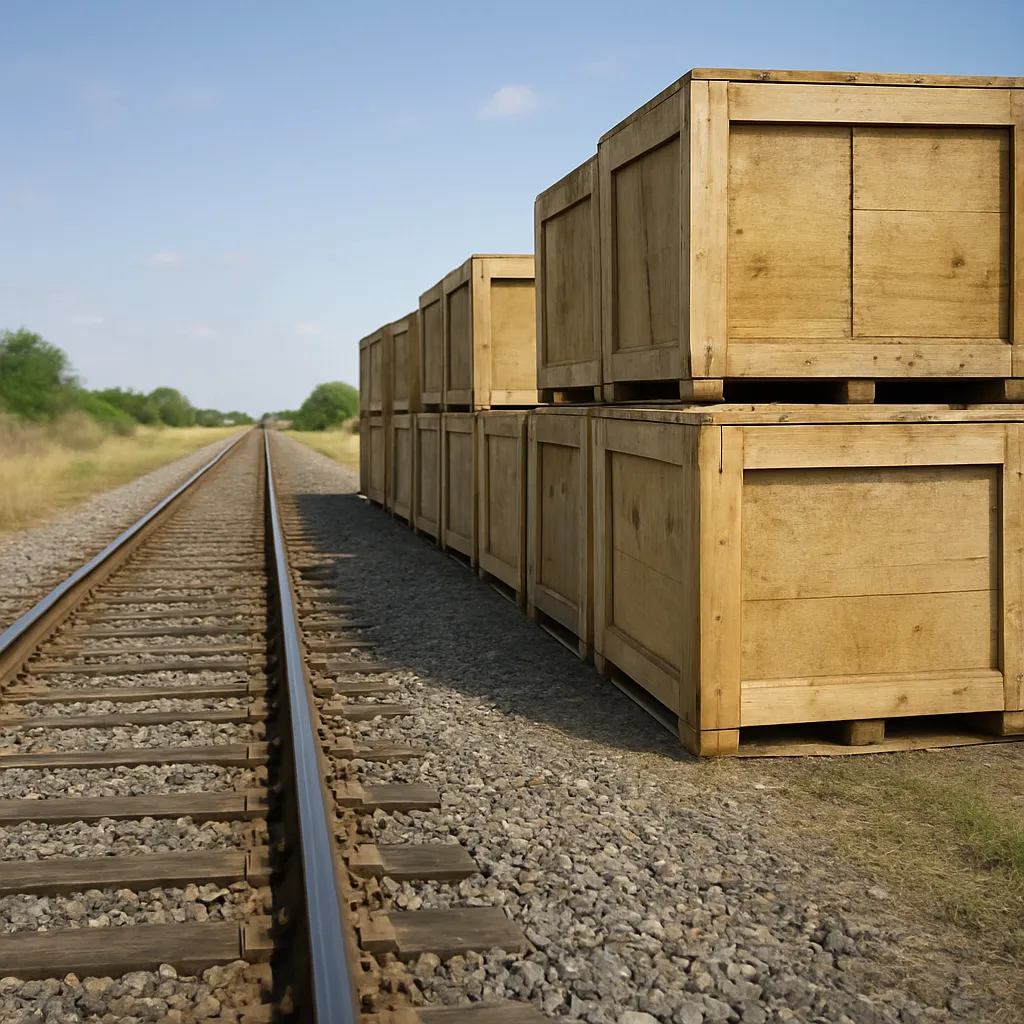
A town grew where a railroad station, workshops, and warehouses were built. What explains the growth?
Before the Erie Canal, goods from the Great Lakes reached the coast slowly and at high cost. After the canal opened, which city became the busiest port in the country?
Two railroad companies built toward each other in the 1860s. What did the completed transcontinental railroad connect?
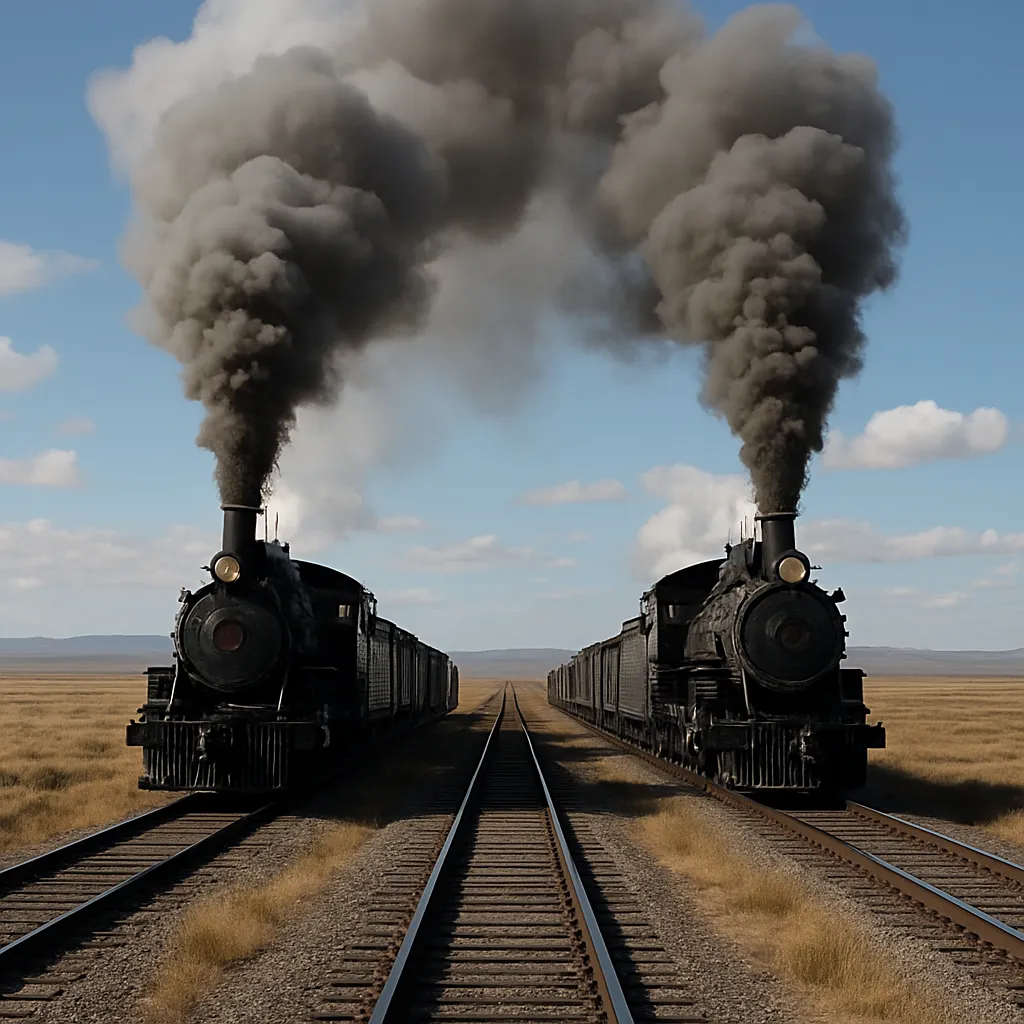
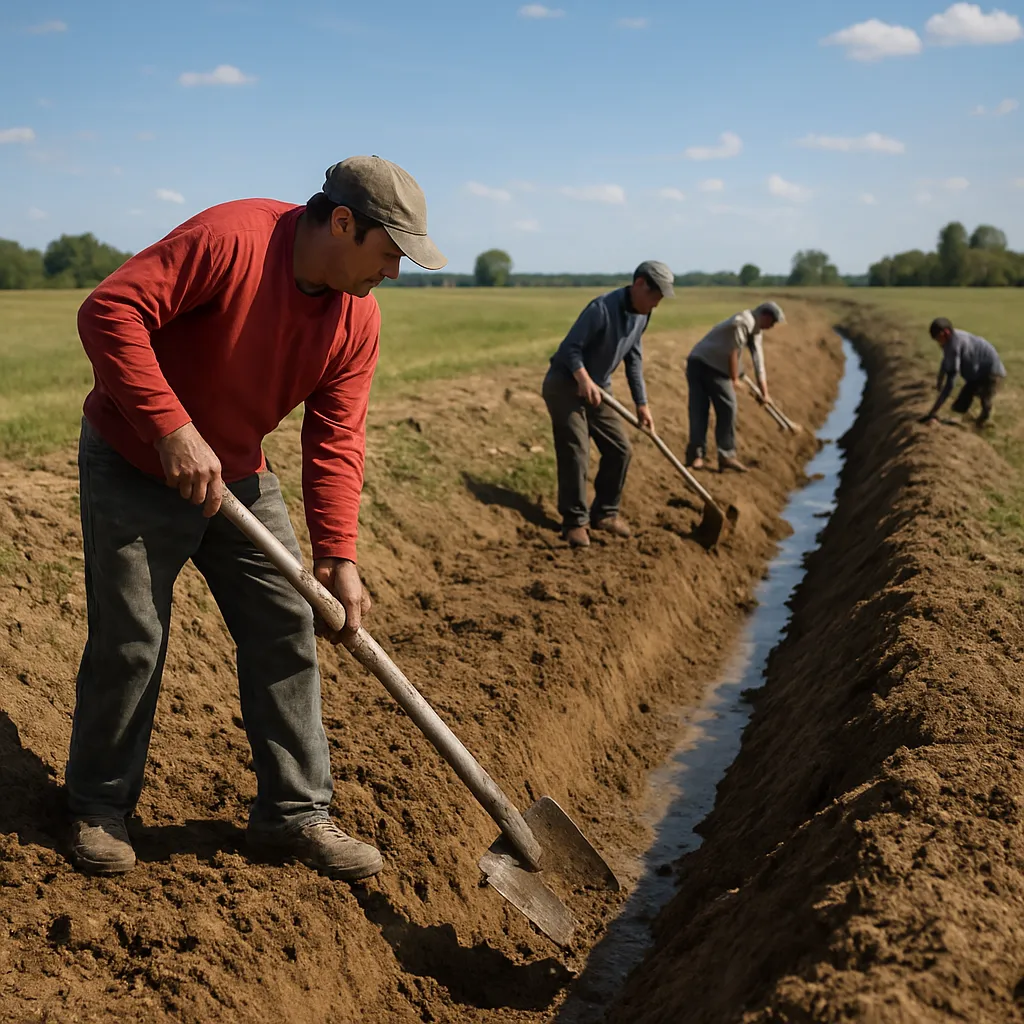
Workers dug the Erie Canal in the 1810s and 1820s, long before modern machines. How was most of the digging done?
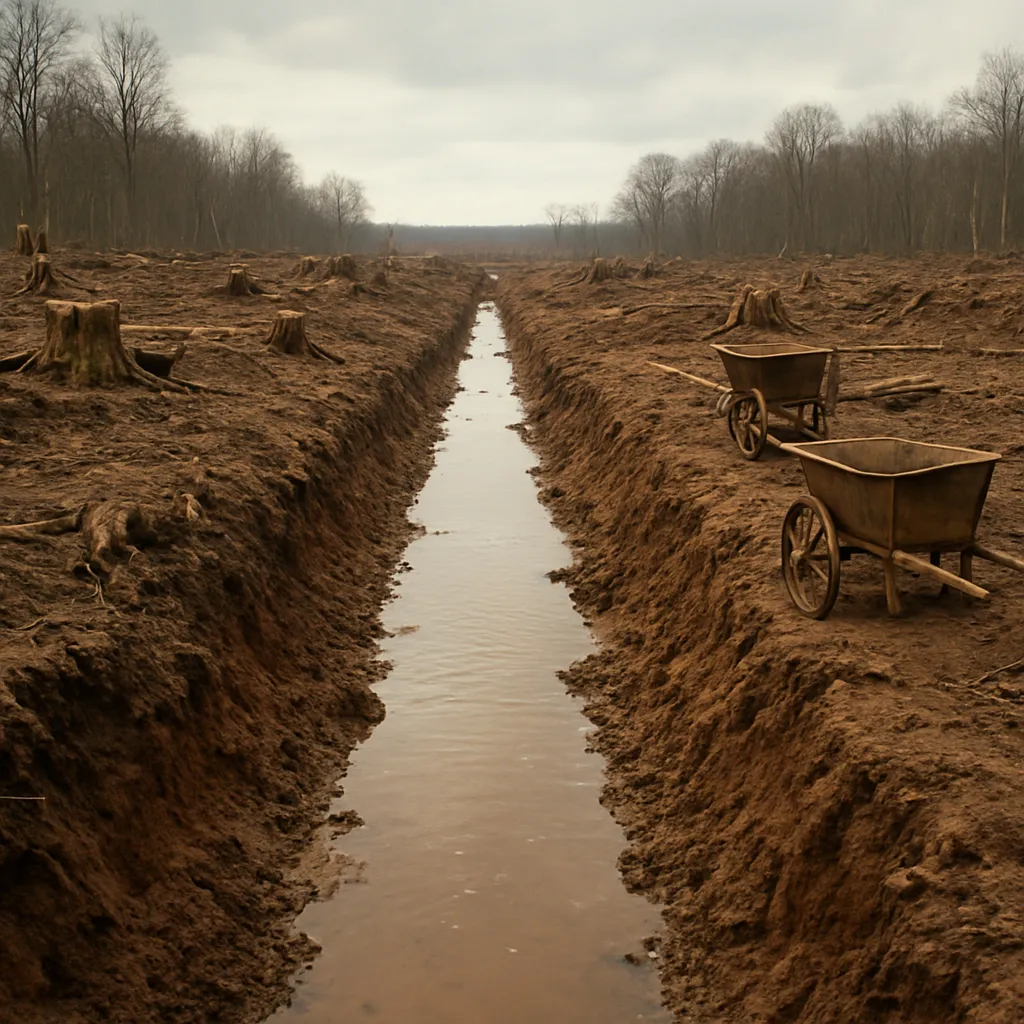
Building the transcontinental railroad took thousands of laborers doing difficult, dangerous work. Which two immigrant groups made up most of the workforce on the two railroad companies?
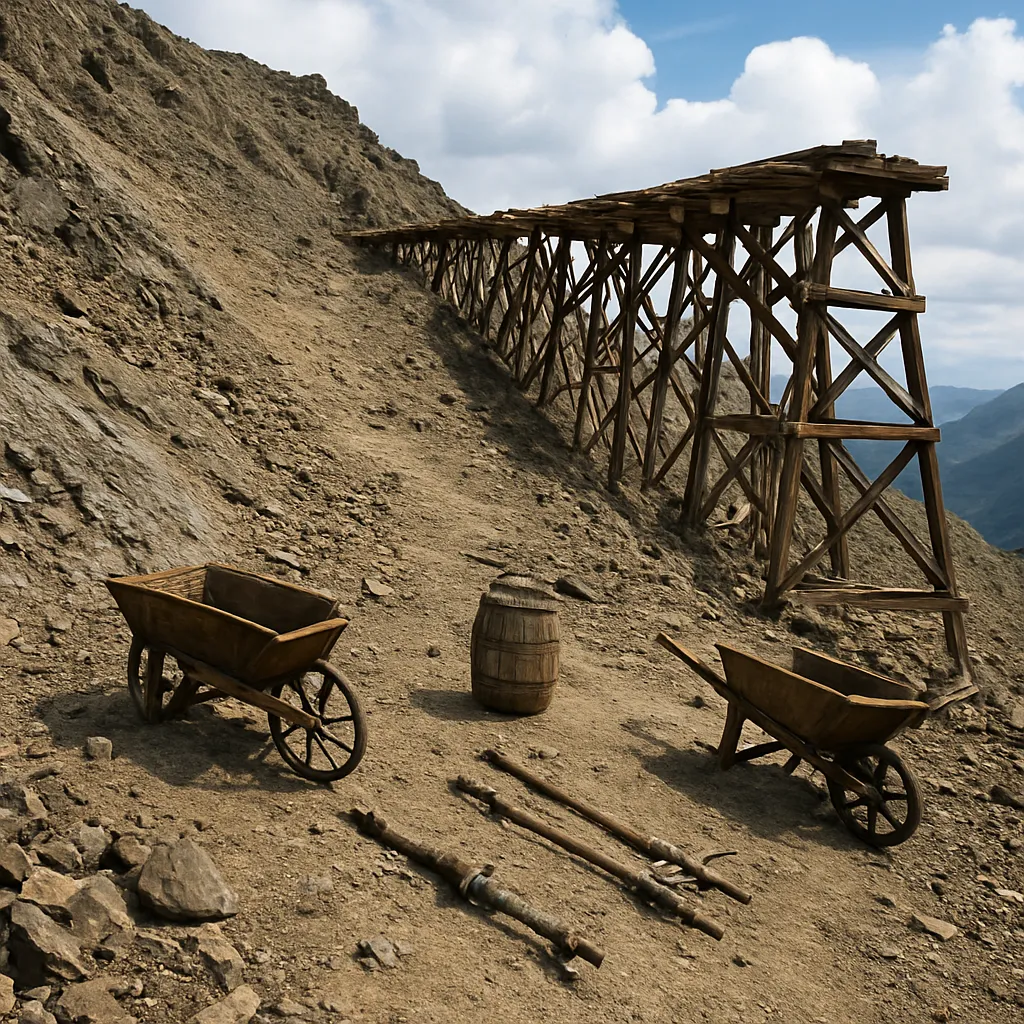
Railroads across the Great Plains brought hunters who killed millions of bison. How did this affect Plains nations?
The transcontinental railroad was finished when a golden spike was driven where the two lines met. Where did this happen?
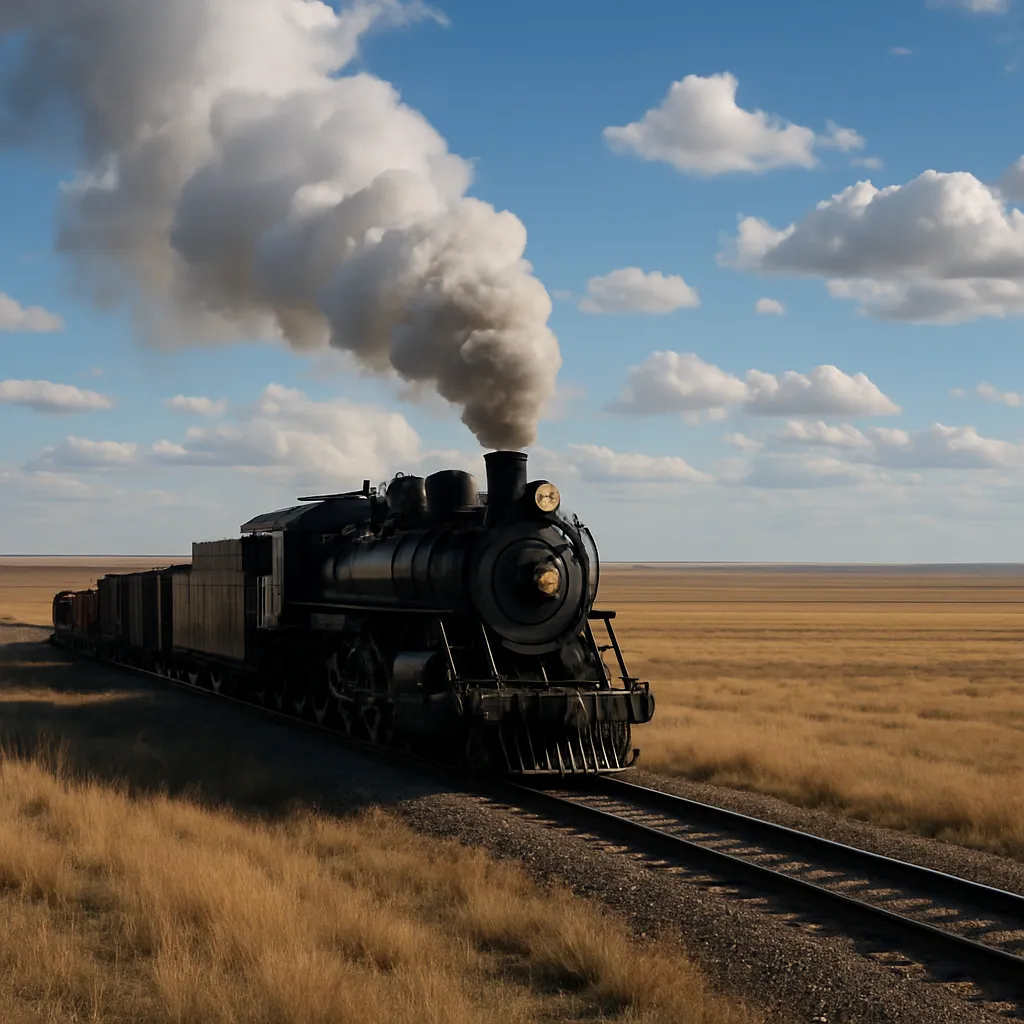
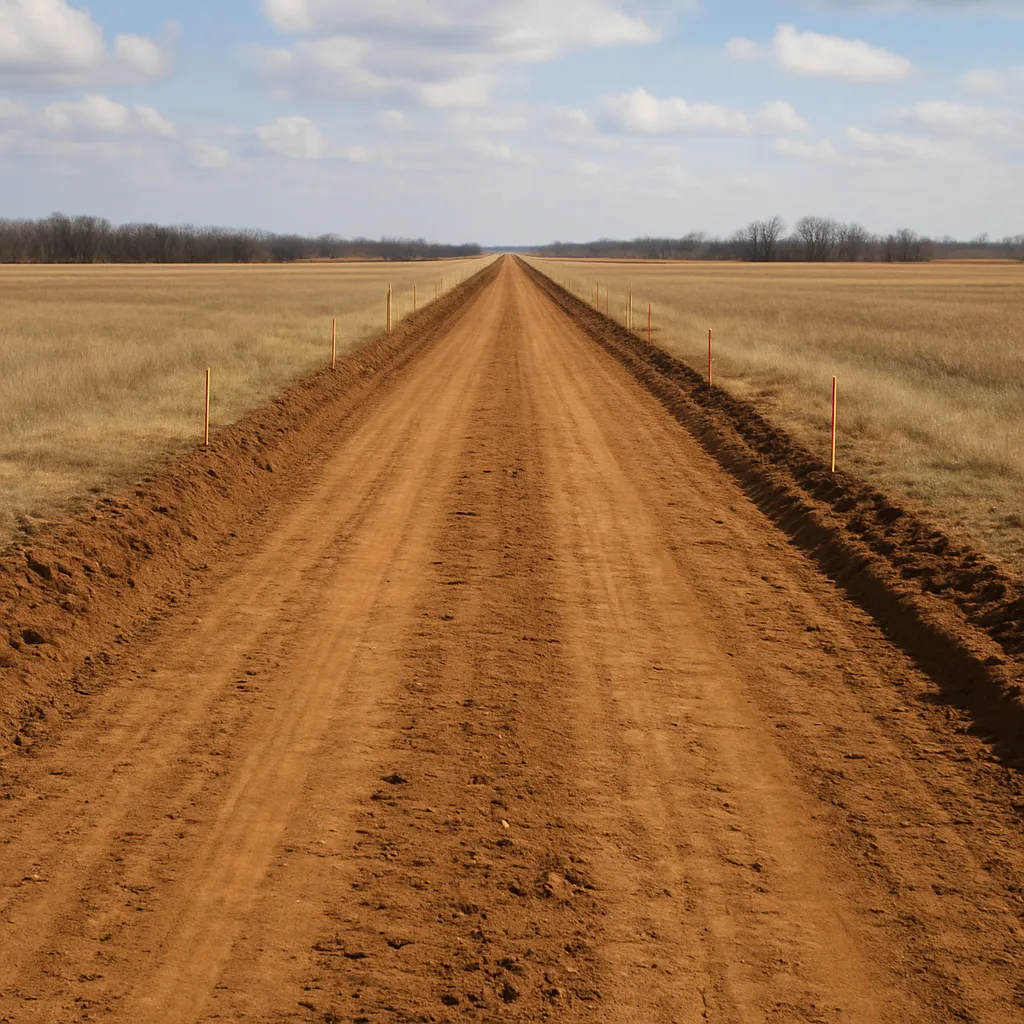
Railroad crews worked from a camp that moved forward as track was finished. What was the next step after grading the roadbed?
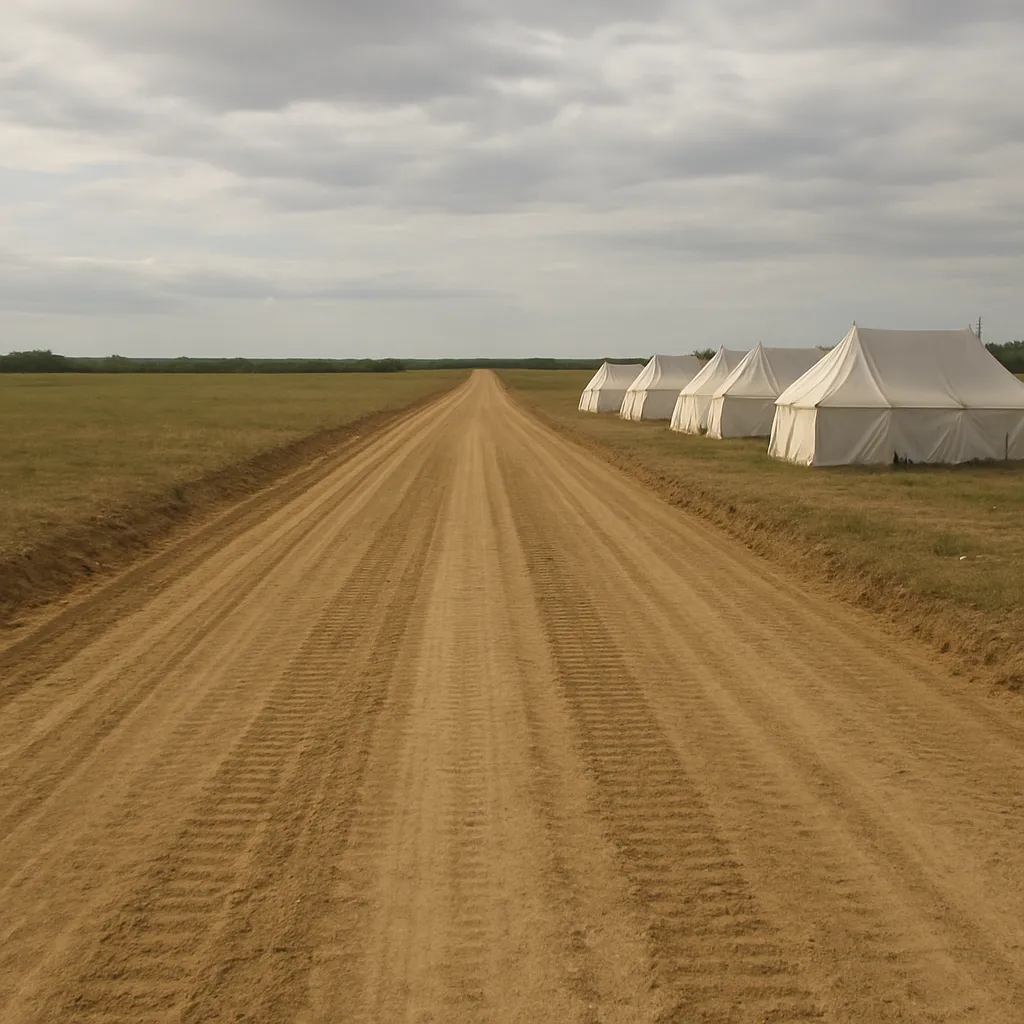
The transcontinental railroad cut the time needed to cross the continent. What change did families and workers experience?
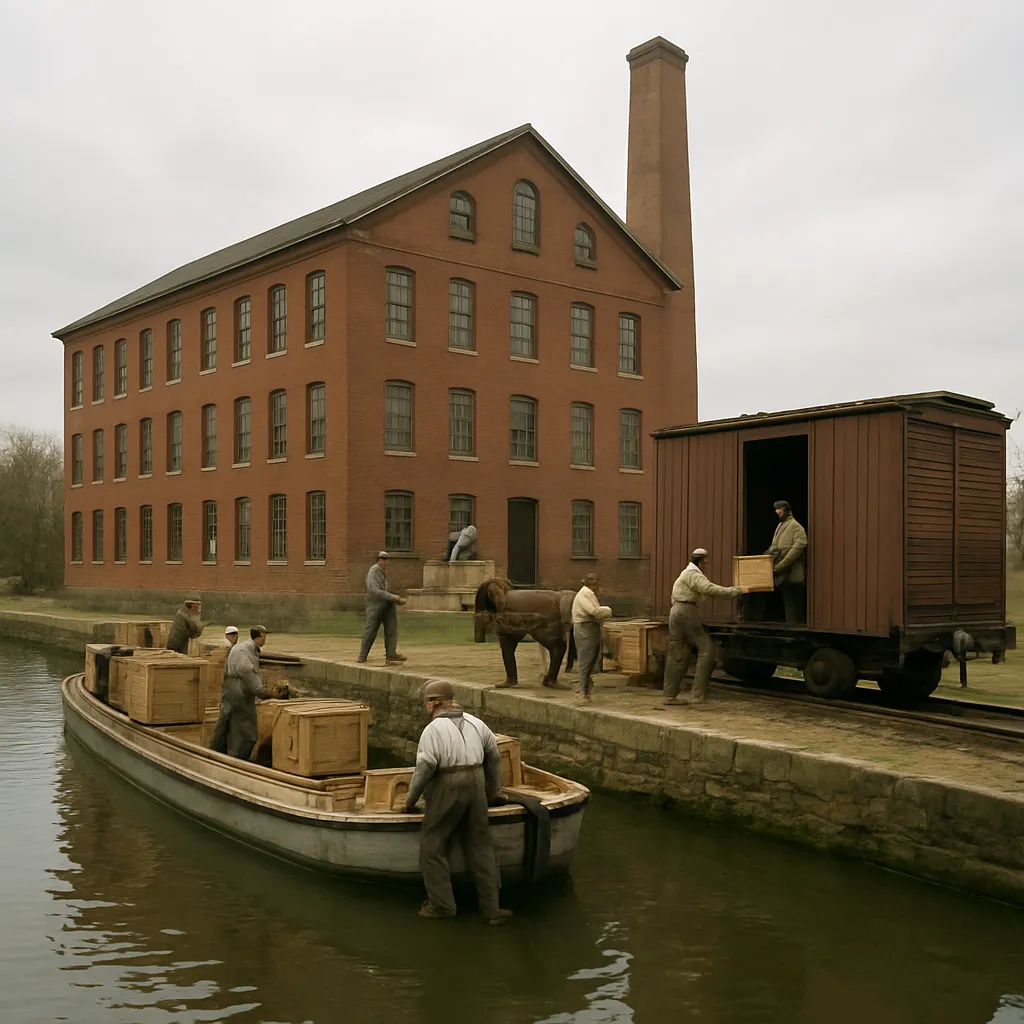
Compare the loads they carried. Why were canal boats and railroad freight cars both useful to factories?
A railroad line crossed plains, rivers, and mountains instead of following one waterway. What was it connecting for trade?
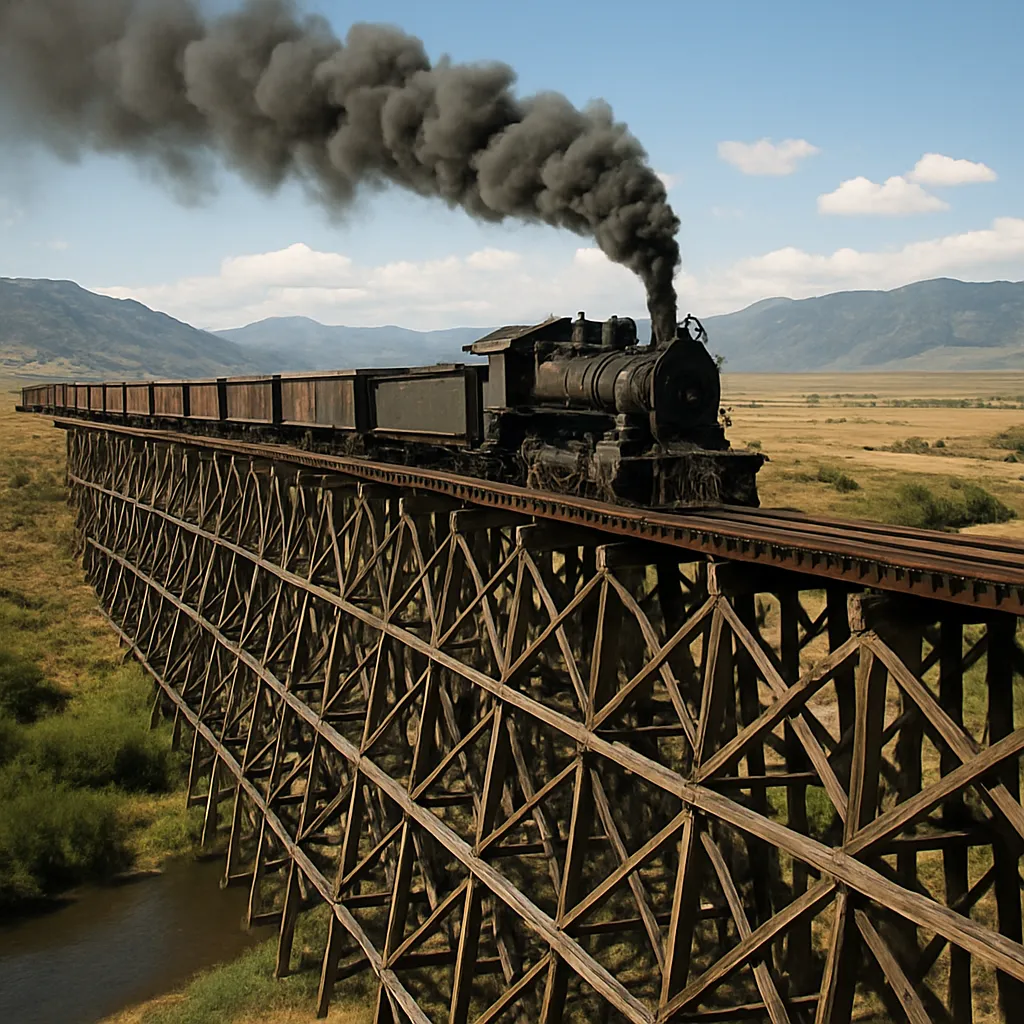
Early American railroads were built in the late 1820s and 1830s. Which railroad, begun in 1828, was one of the first in the country?
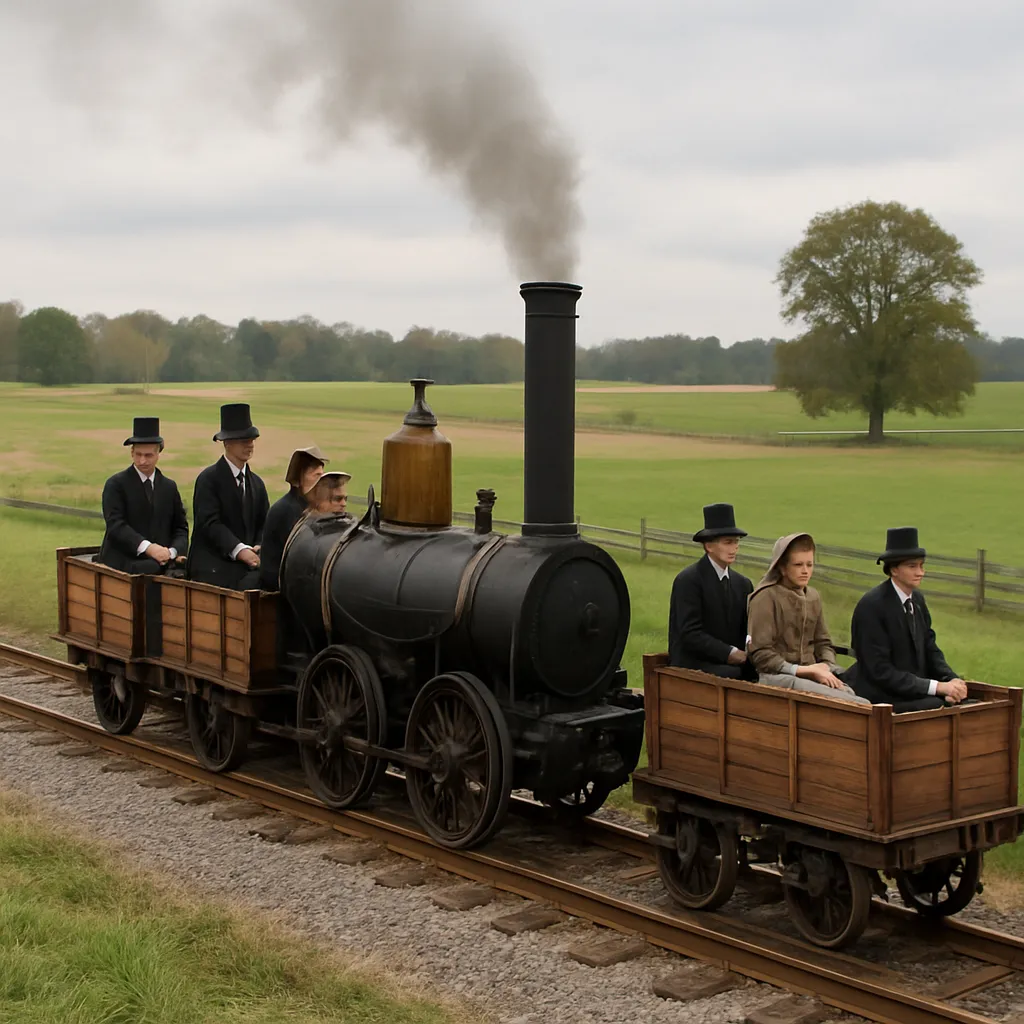
A manufacturer used railroads to bring iron and coal to a factory, then ship tools to stores. What effect does this show?
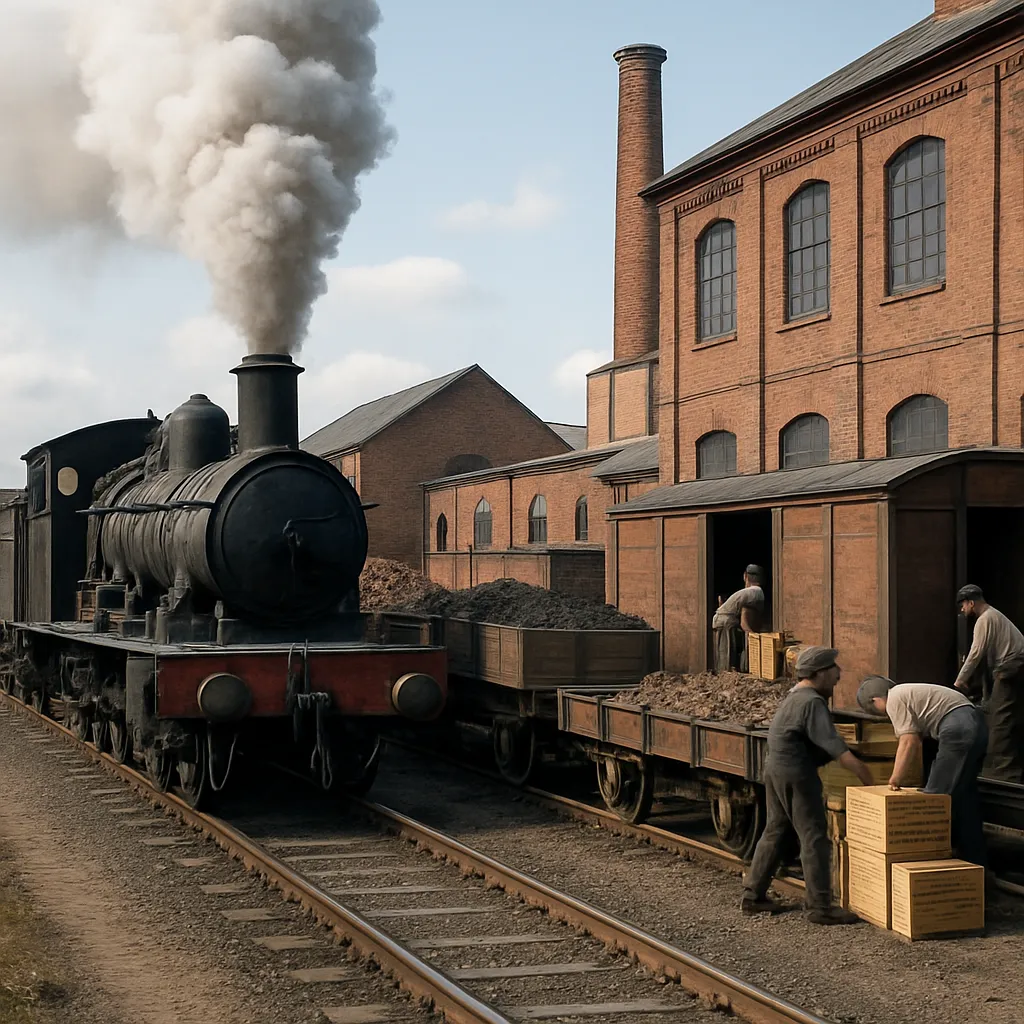
Compare settlement before and after a railroad arrived in a western area. What change was most likely?
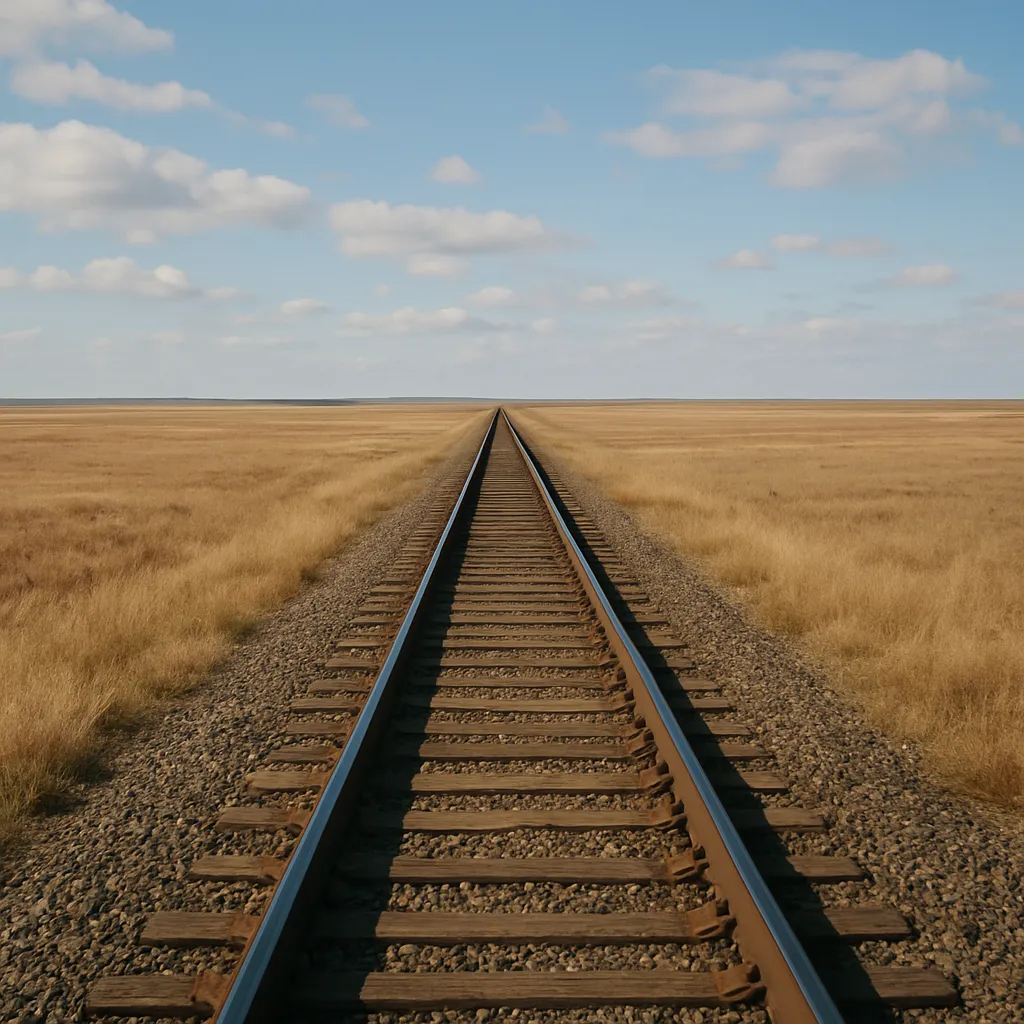
A source says a rail line carried western cattle and grain toward eastern cities. What connection did that rail line create?
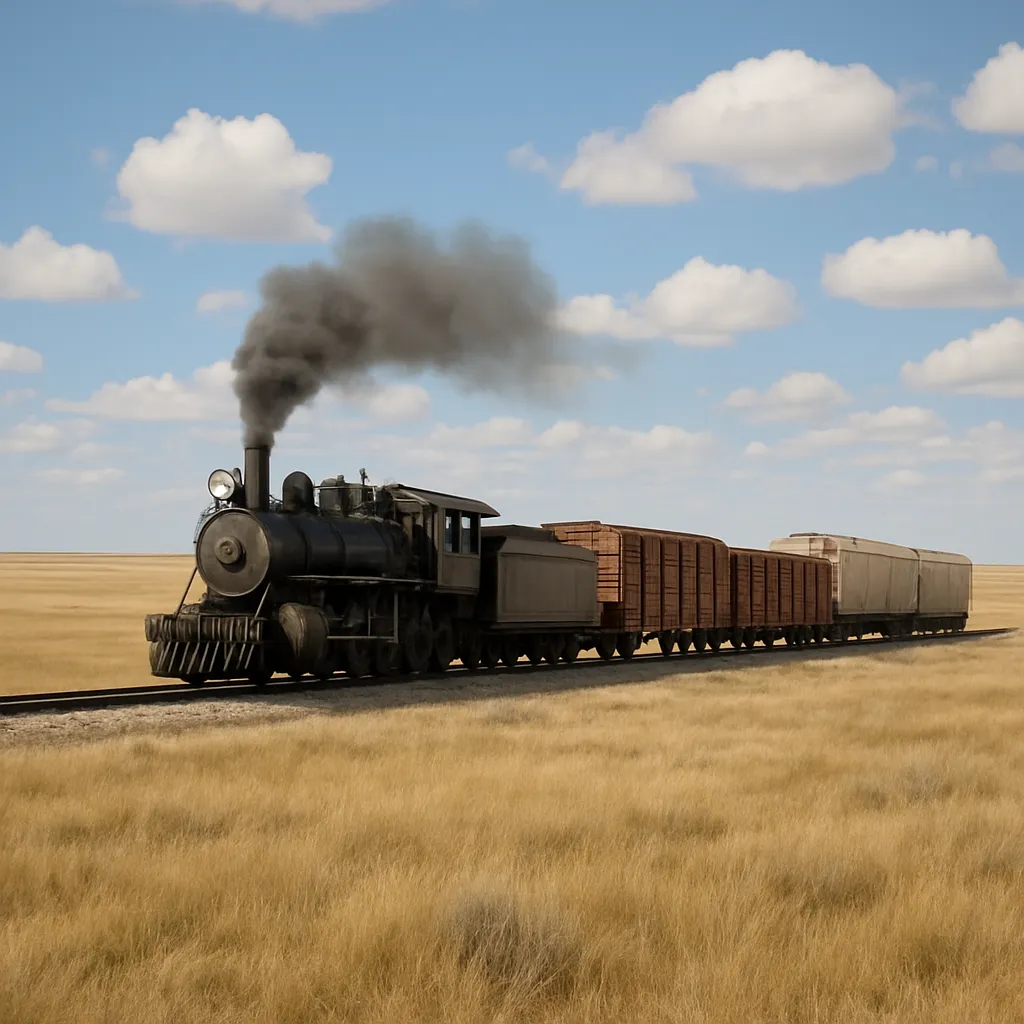
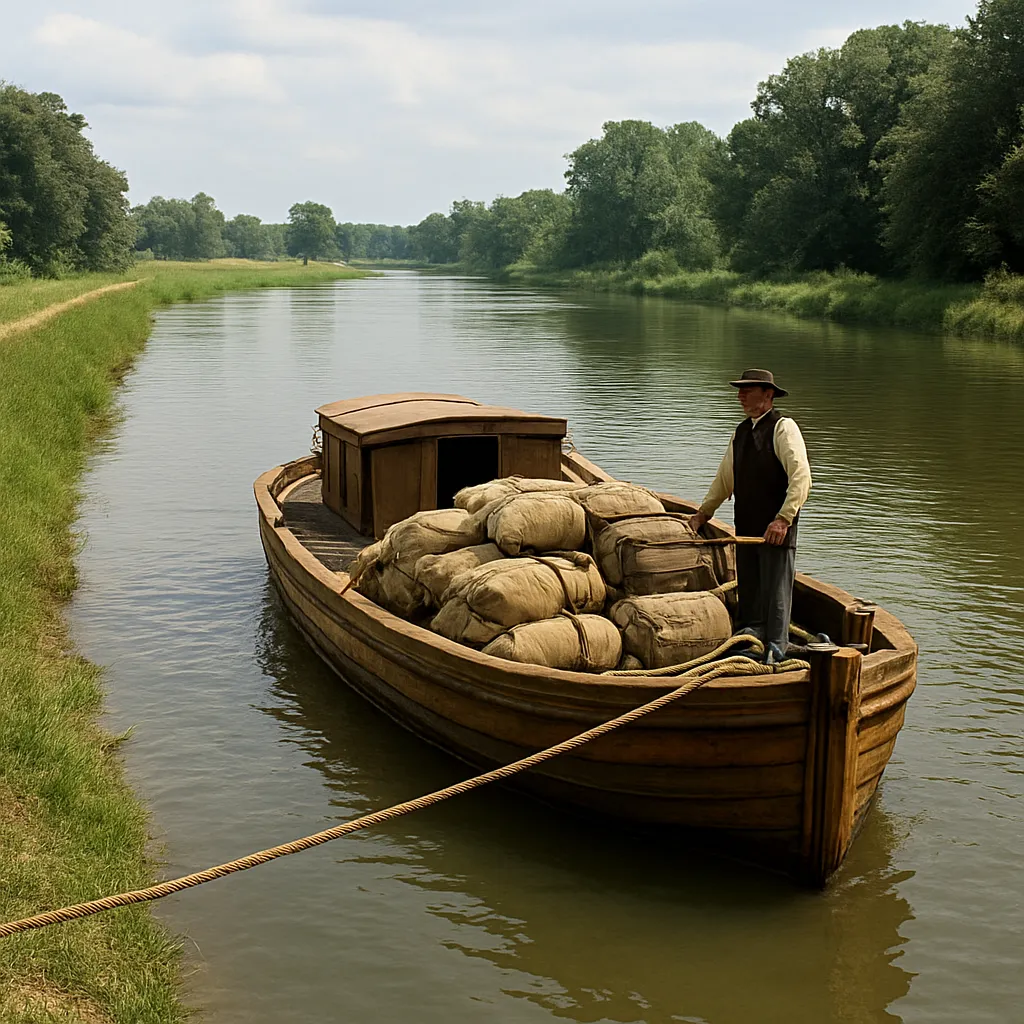
Canal builders often followed valleys and rivers but still dug their own channel. Why did the canal need a planned path?
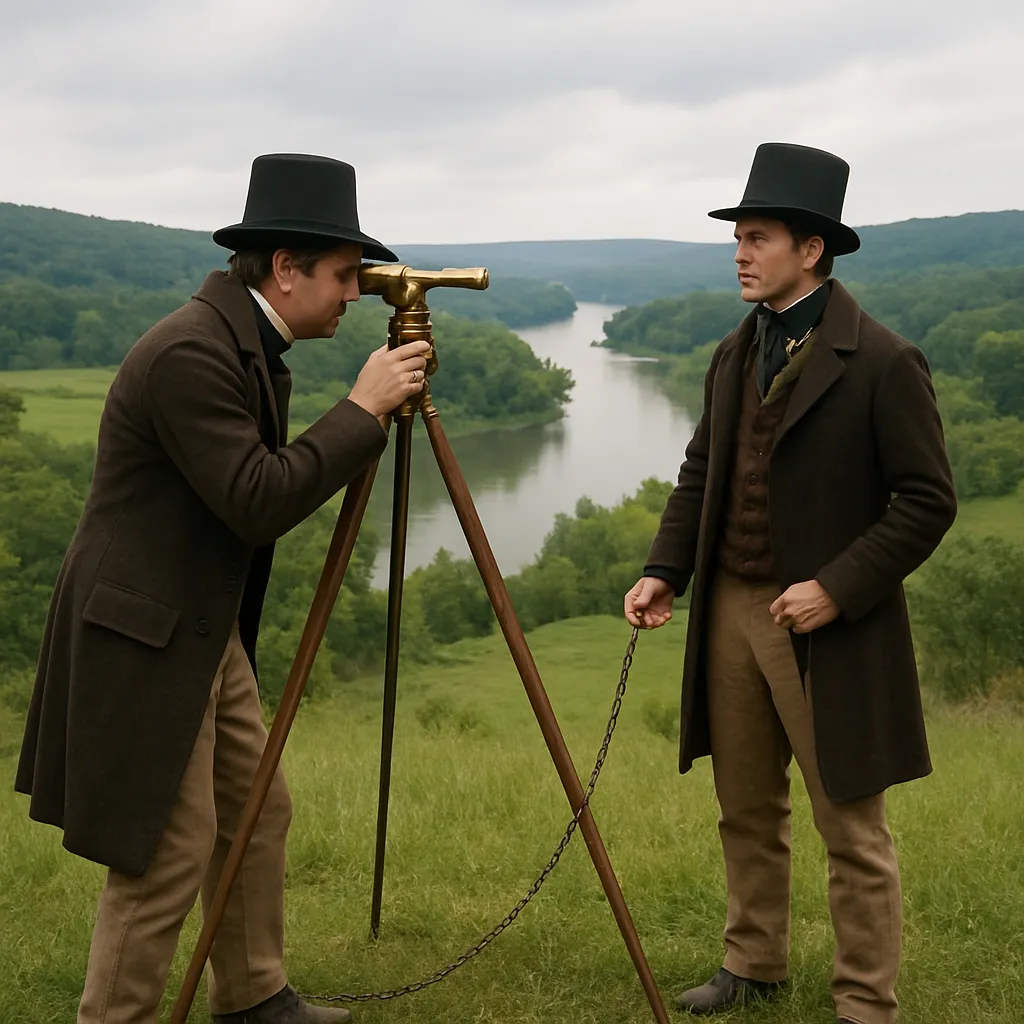
Central Pacific workers building east from California had to blast tunnels through high, snowy mountains. Which mountain range was it?
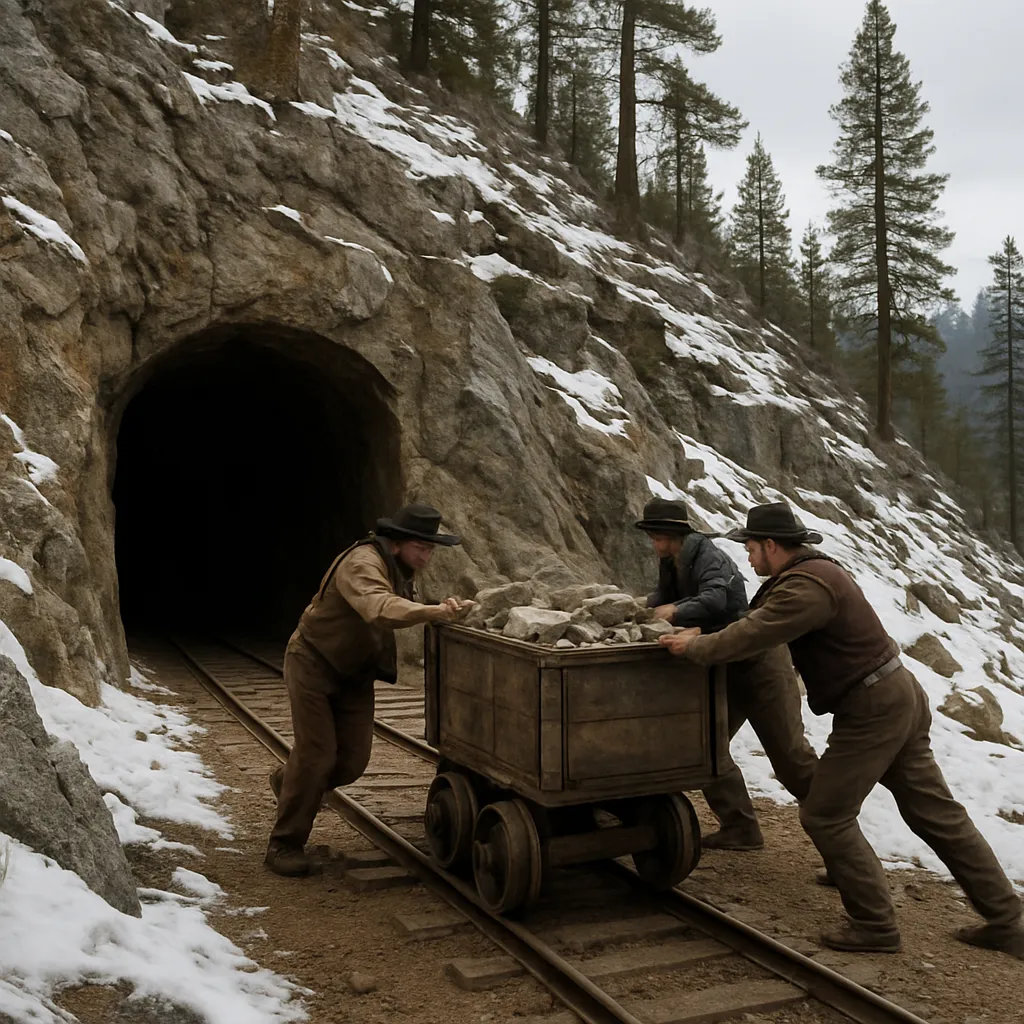
Before a canal was dug, an inland town had only rough roads to a river port. What new connection would the canal give the town?
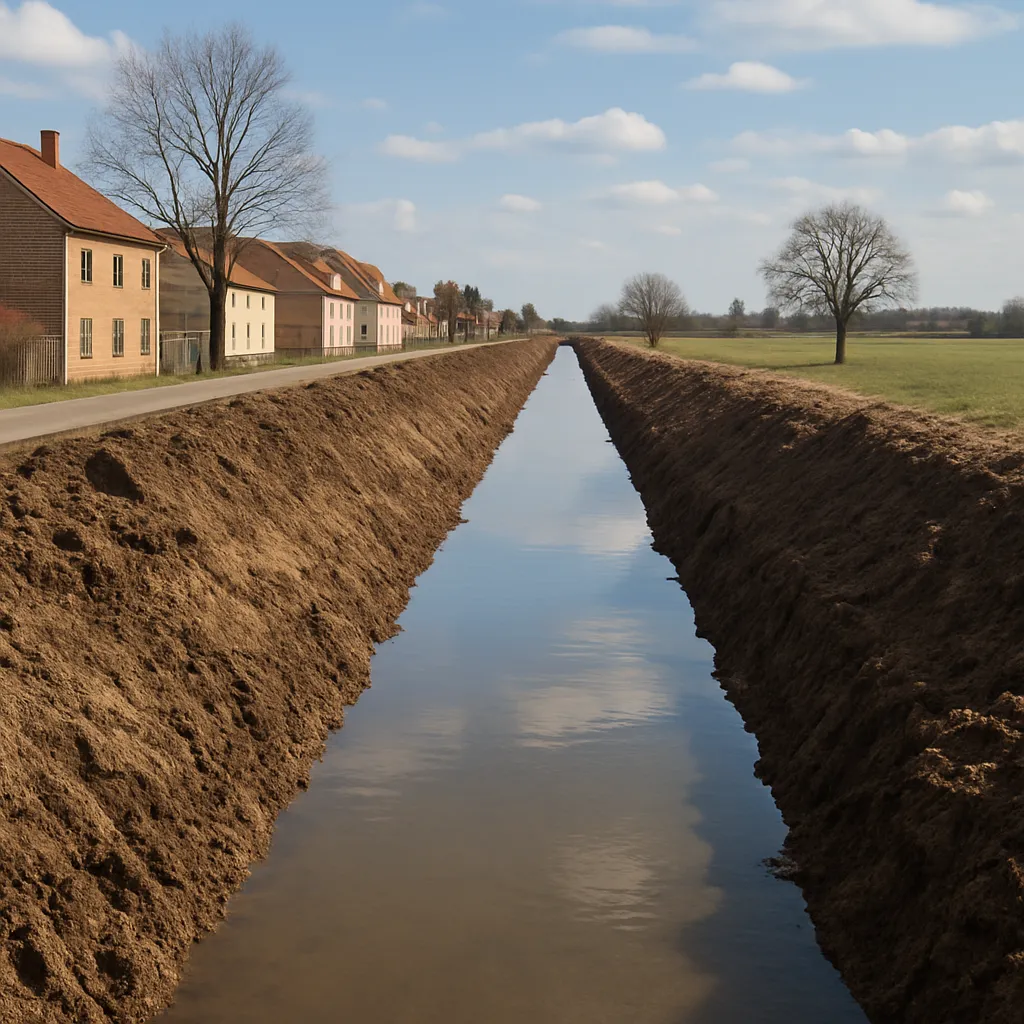
Steam locomotives were new and exciting in the 1800s. What nickname did many people give them?
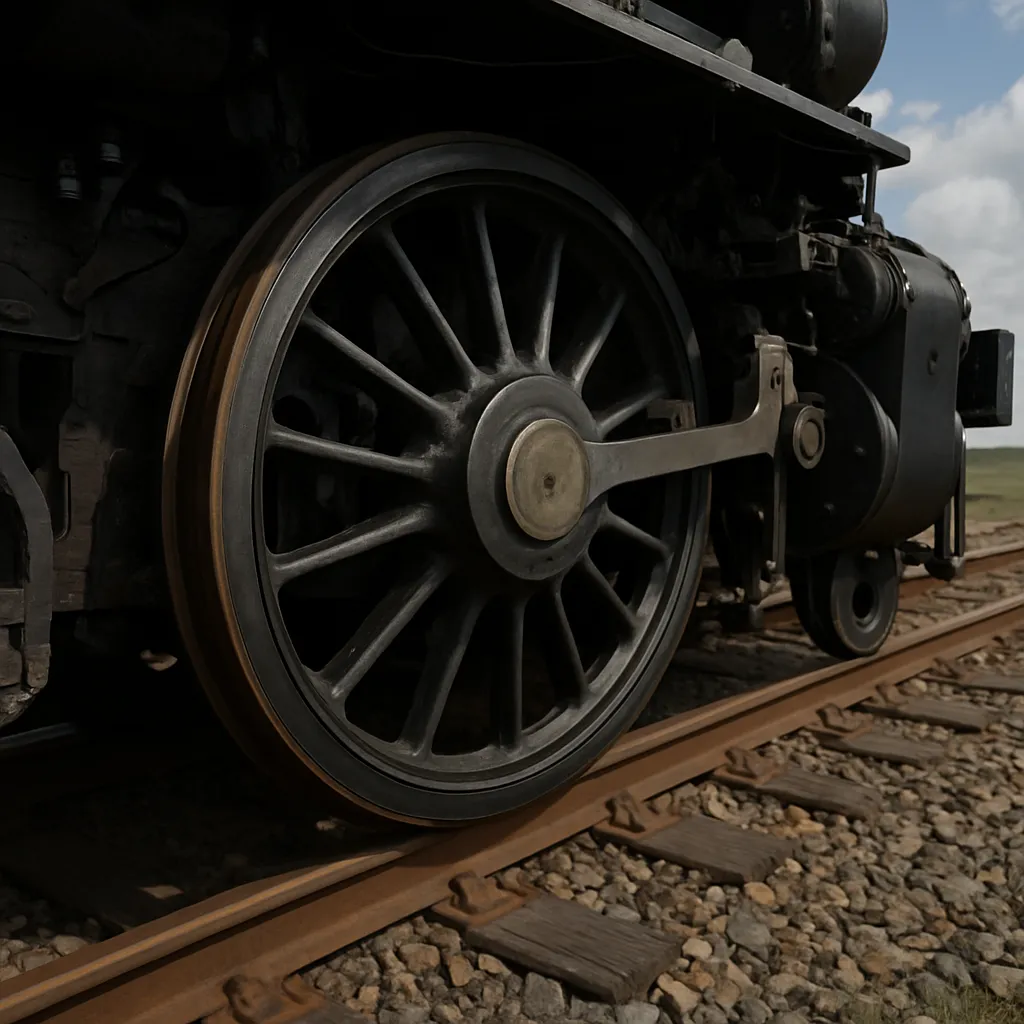
A canal connected a farming region to a mill town. Farmers began selling more grain there. What caused the change?
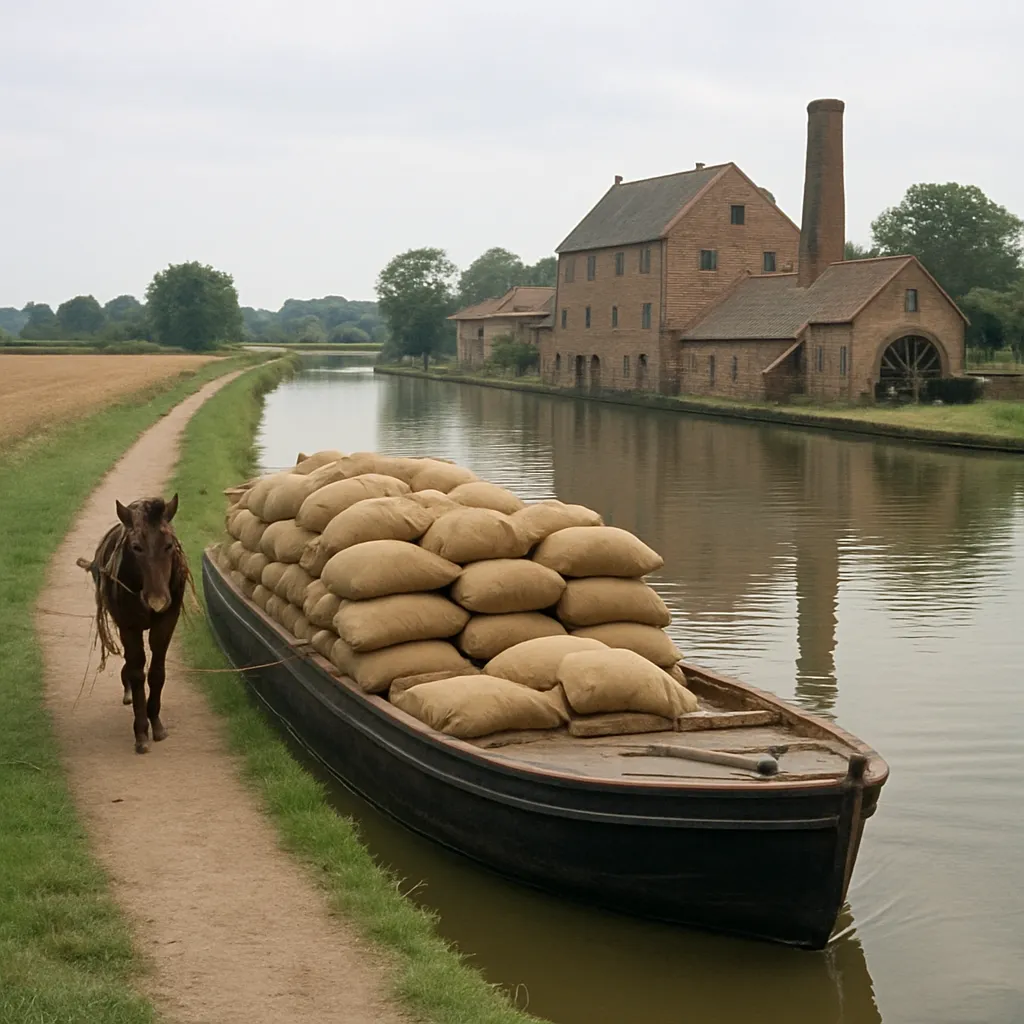
A map shows the Union Pacific building west and the Central Pacific building east. In which year did their tracks finally meet?
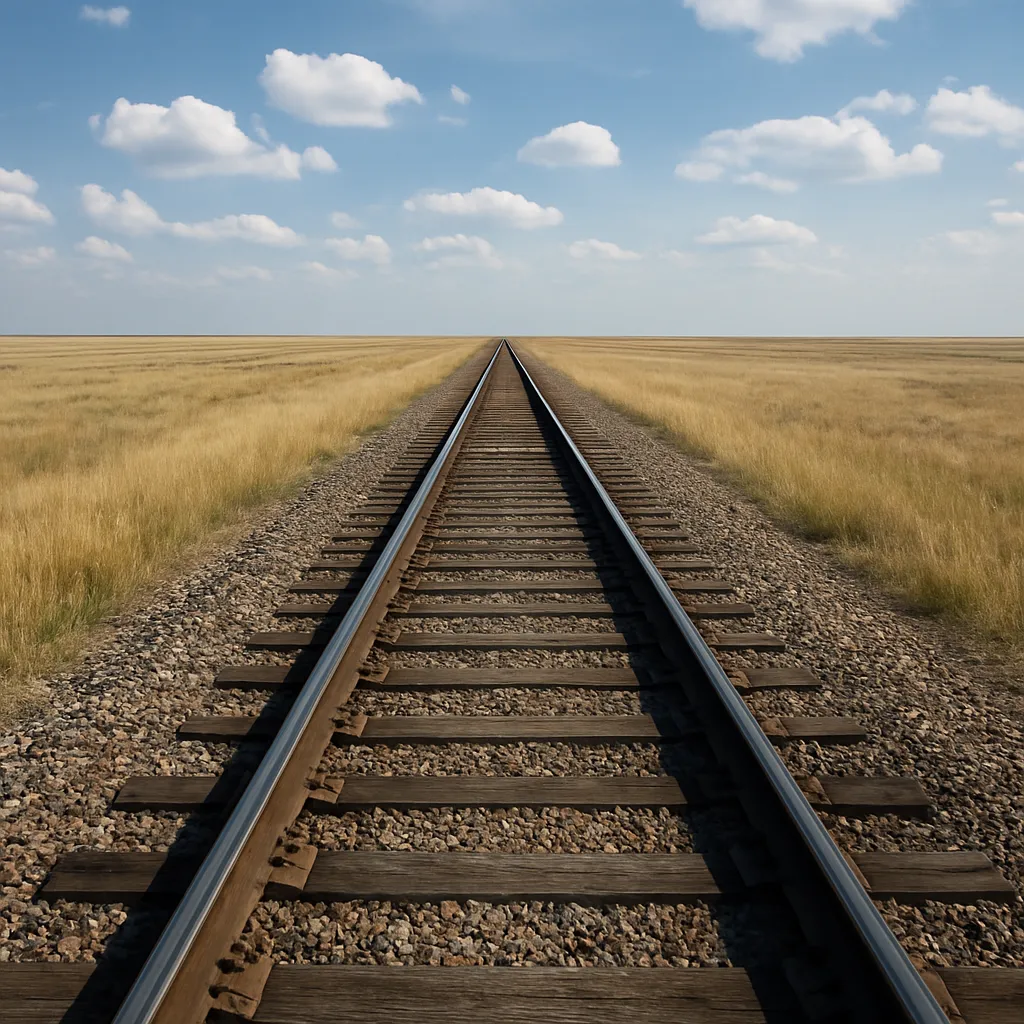
Erie Canal boats were built low, and passengers riding on the roof had to duck when someone shouted a warning. Why?
Crack the passcode before the zombies get in.
Answer, then swat bugs for bonus points.
Race through questions at your own speed.
Same question on every screen. Fastest wins.

Pick a tile, answer, hit bonuses and steals.
The United States in the 1900s
40 questions