Loading
by BlastRoom
How people challenged segregation and worked for equal rights in the 1900s.
#history#us_grade_4_social_studies
40 questions
One question set, multiple game modes. Tap any game to see it in action. Not sure which to pick?
Answer to place stones and capture territory.
Outrun the snow together.
Earn blasts, then hunt the other team.
Answer to earn energy, then climb.

The class blasts through walls together.
Bid on mystery lots. Most money wins.
Sell tours. Nice, standard, or a total scam.

Answer, restock, and serve the rush.
More correct answers pulls the rope your way.
Answer, then shoot down the alien wave.
Answer, then tap to leap the frozen ridge.
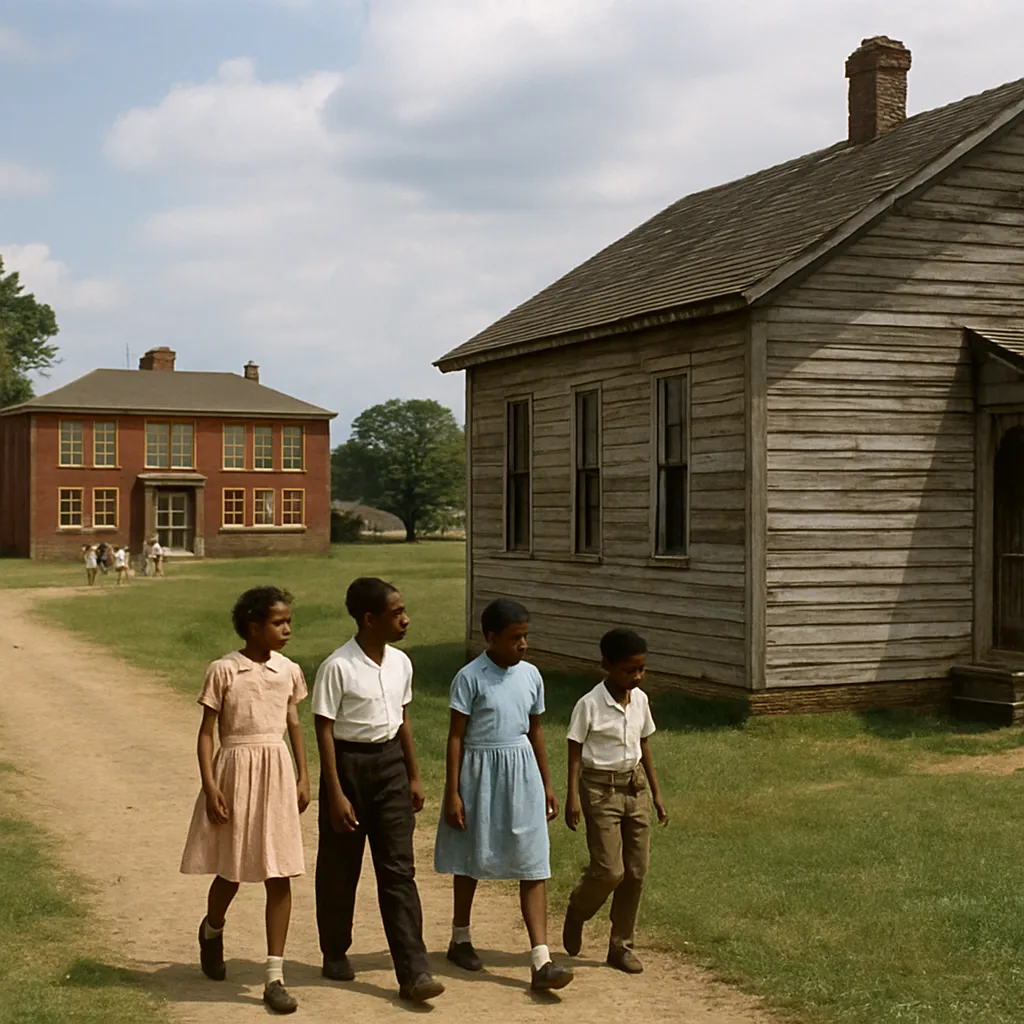
In one town, Black children and white children were assigned to different public schools because of race. What is that system called?
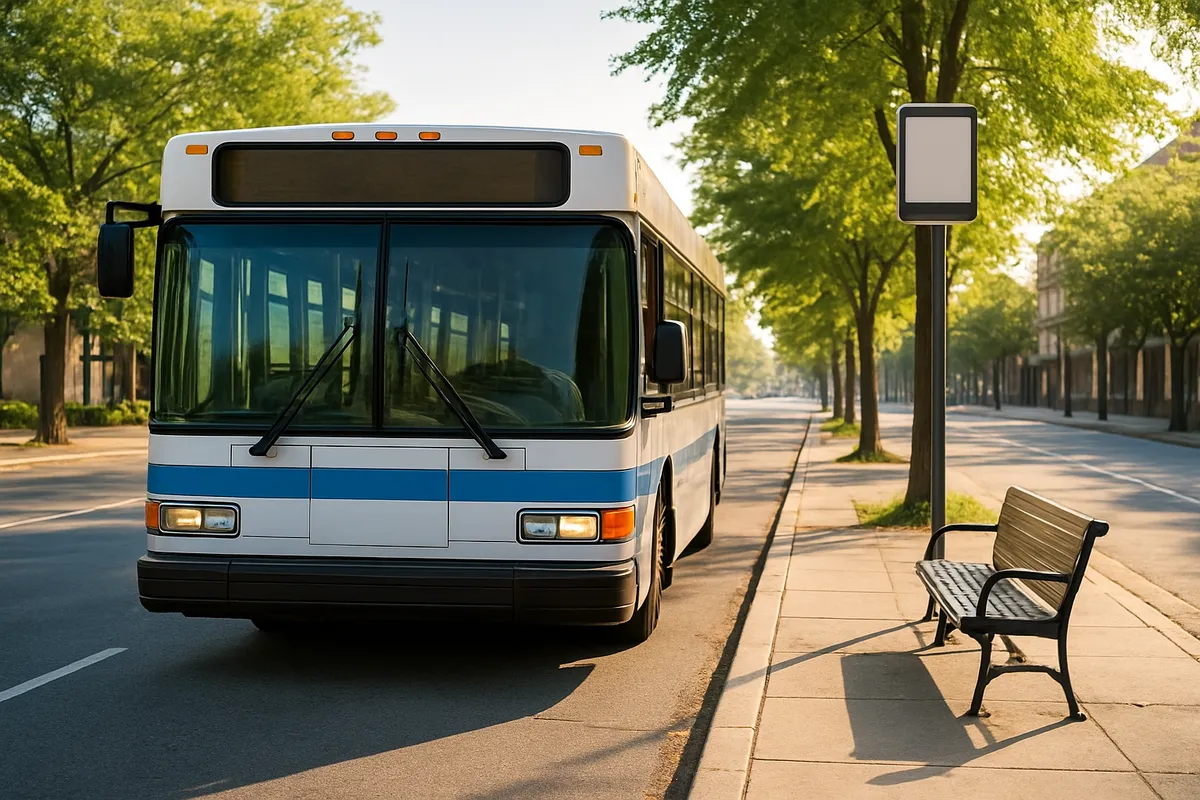
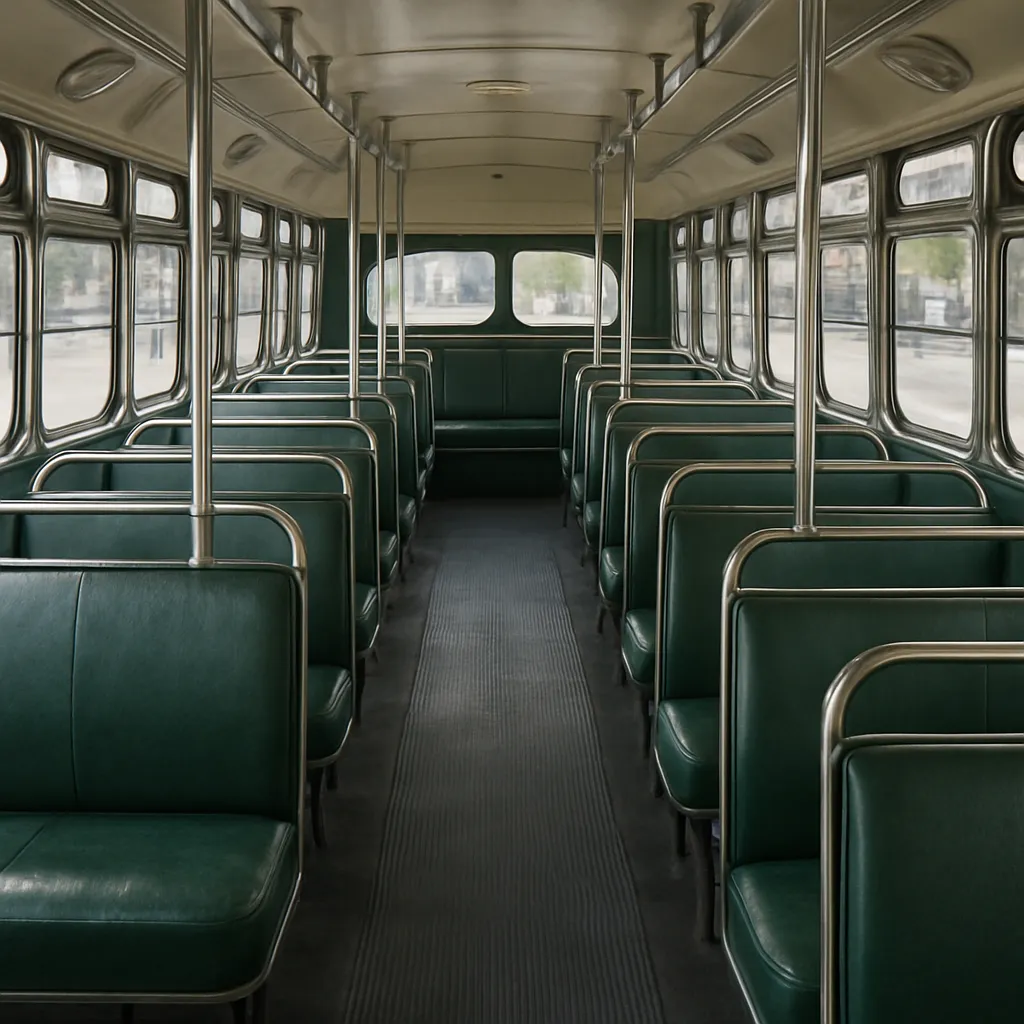
A city bus rule kept Black riders in back rows and white riders in front rows. What was true about that bus seating?
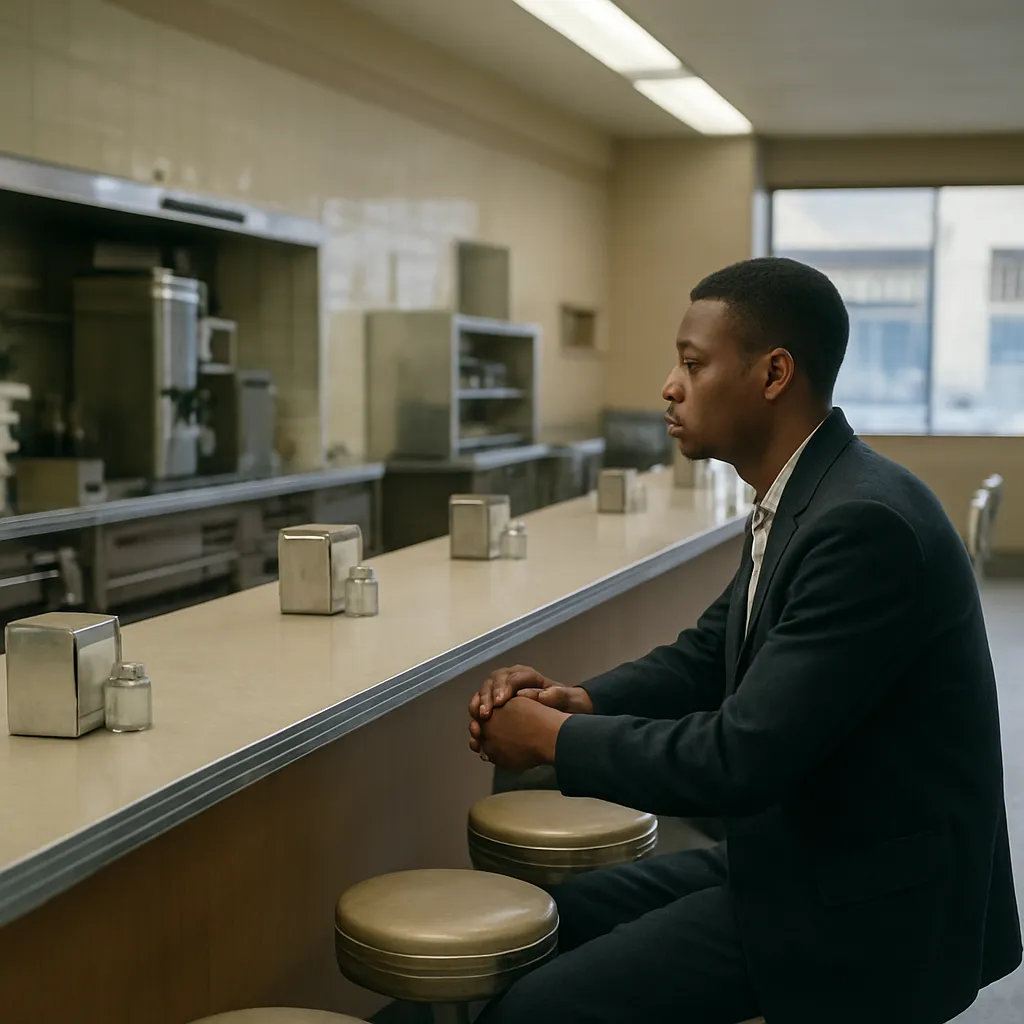
At a lunch counter, workers served white customers but would not serve Black customers. What did that business do?
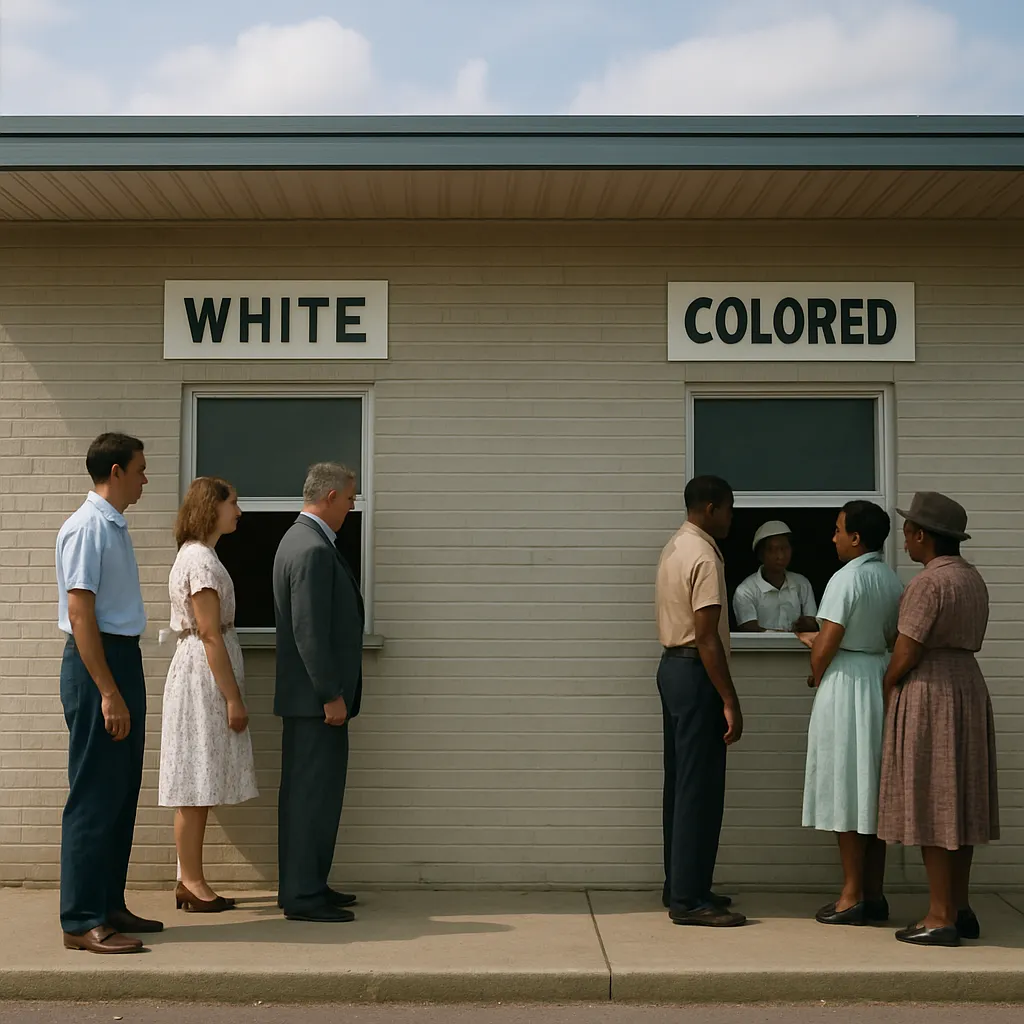
A courthouse had separate waiting rooms for Black visitors and white visitors. What civil rights problem does this describe?
A Black citizen tried to register to vote, but an unfair test was used to turn the citizen away. What is this an example of?
A public water fountain was assigned by race, so Black residents and white residents could not use the same one. What was happening?
A town pool was open to white children but closed to Black children. What was this policy an example of?
A theater required Black customers to sit in a balcony while white customers sat on the main floor. What was true of the theater?
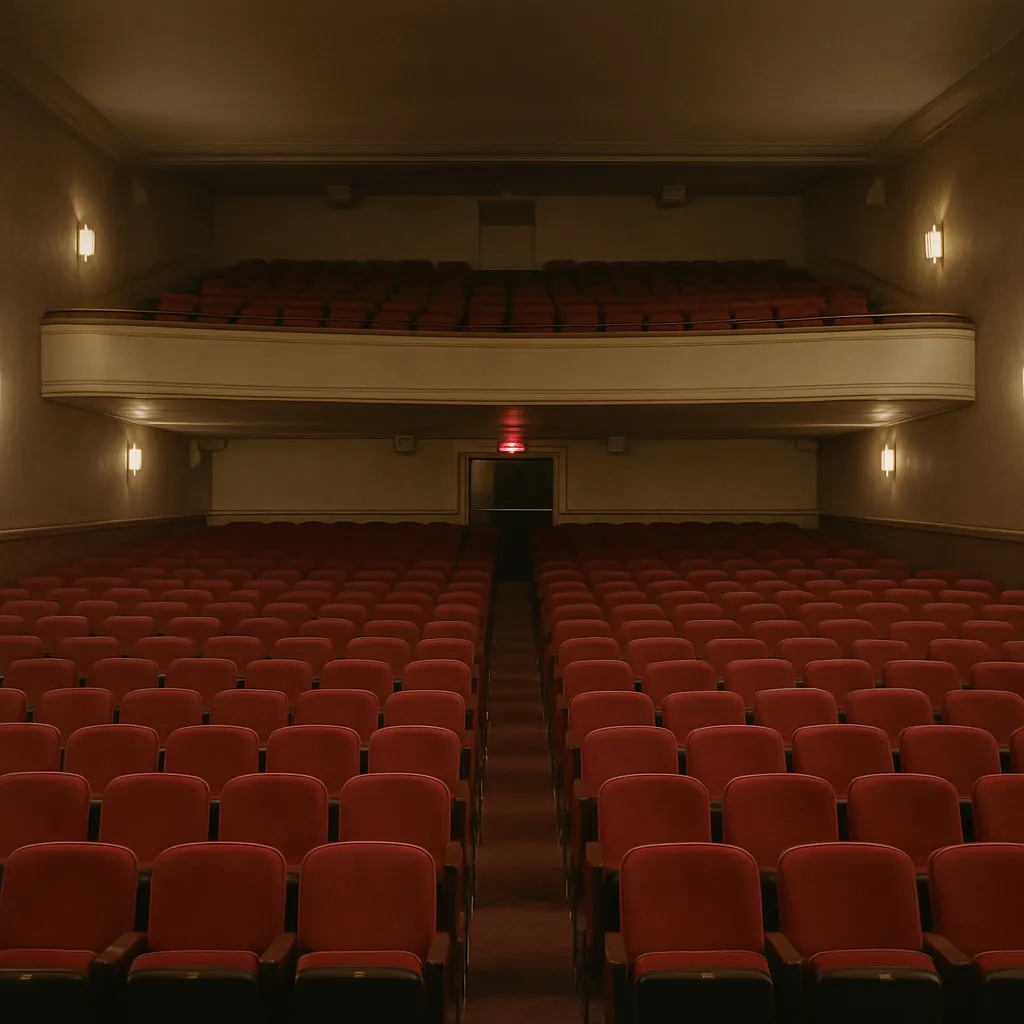
In 1954, the Supreme Court ruled that separating children into different public schools by race was unconstitutional. What was this famous case called?
A hotel rented rooms to white travelers but refused rooms to Black travelers. What is this an example of?
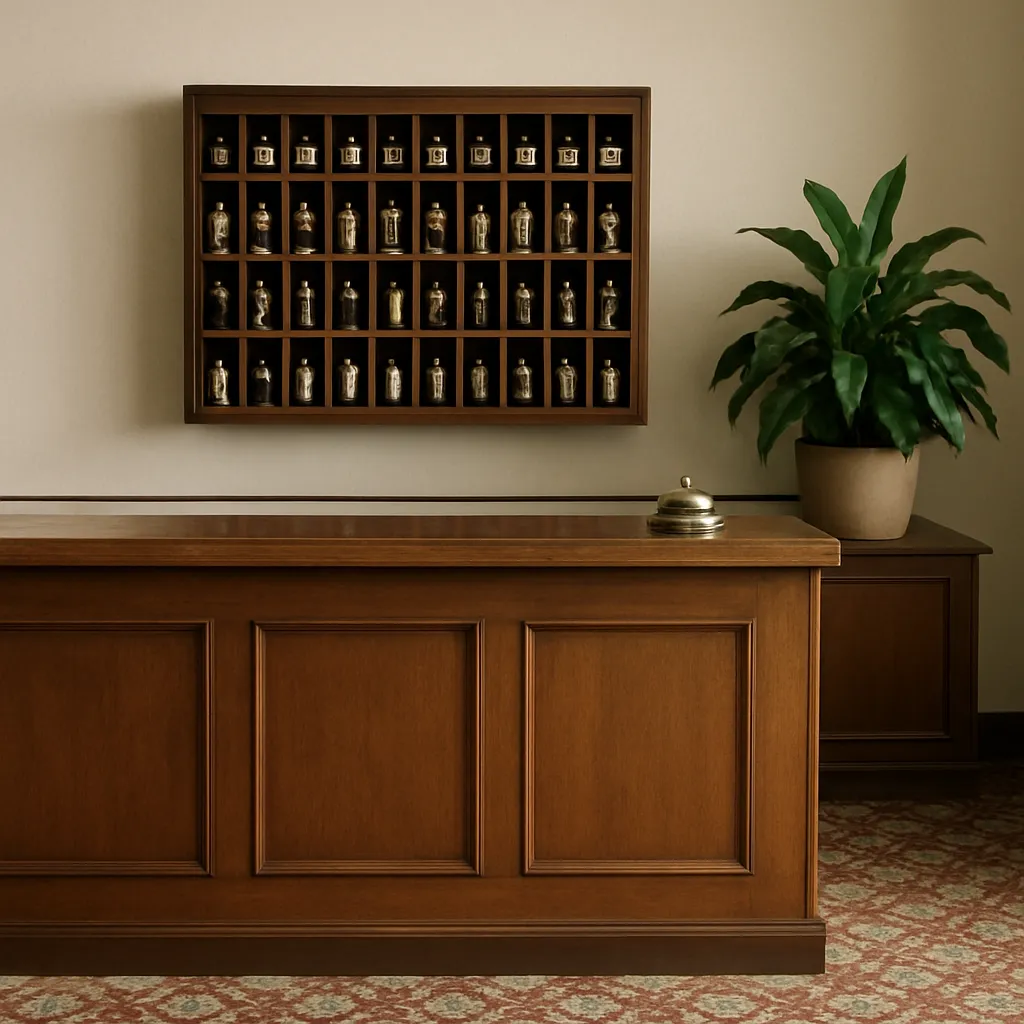
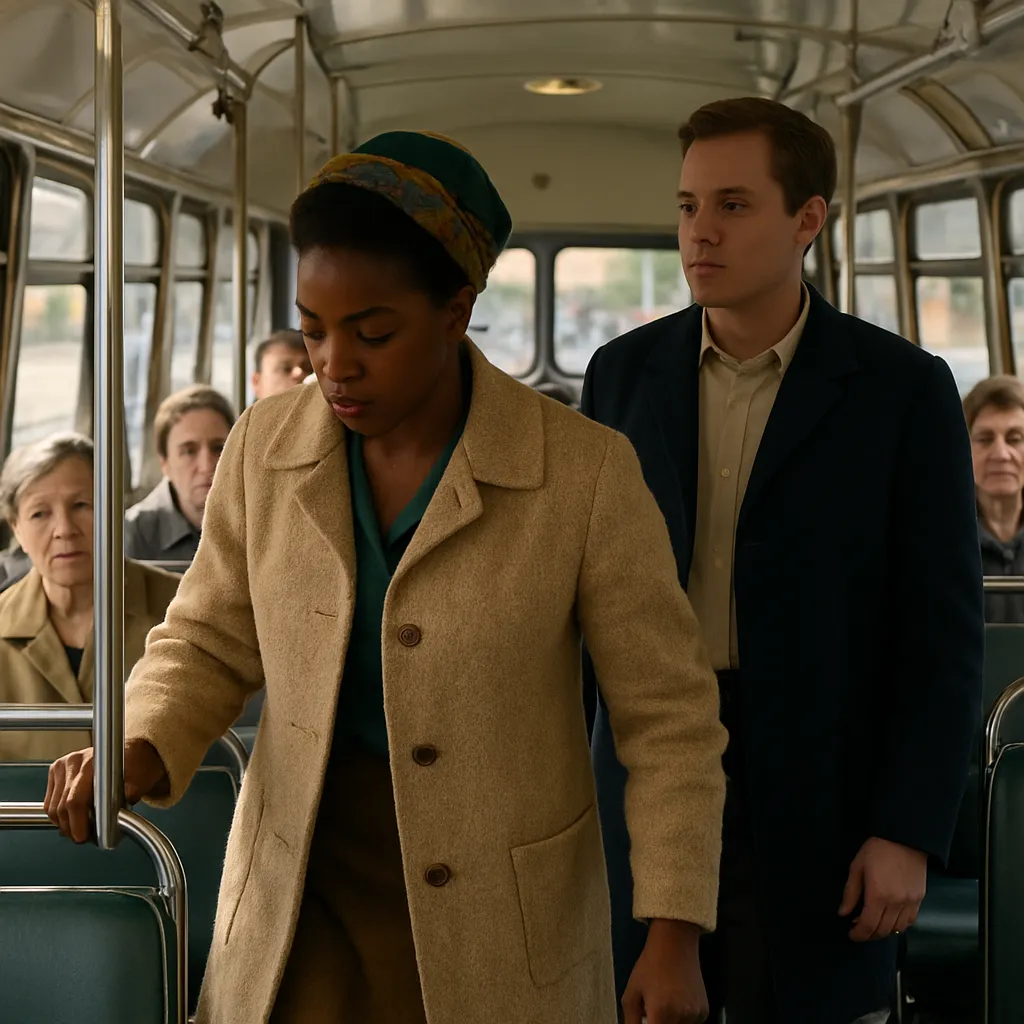
A bus law required Black riders to give seats to white riders. What was true of the rule?
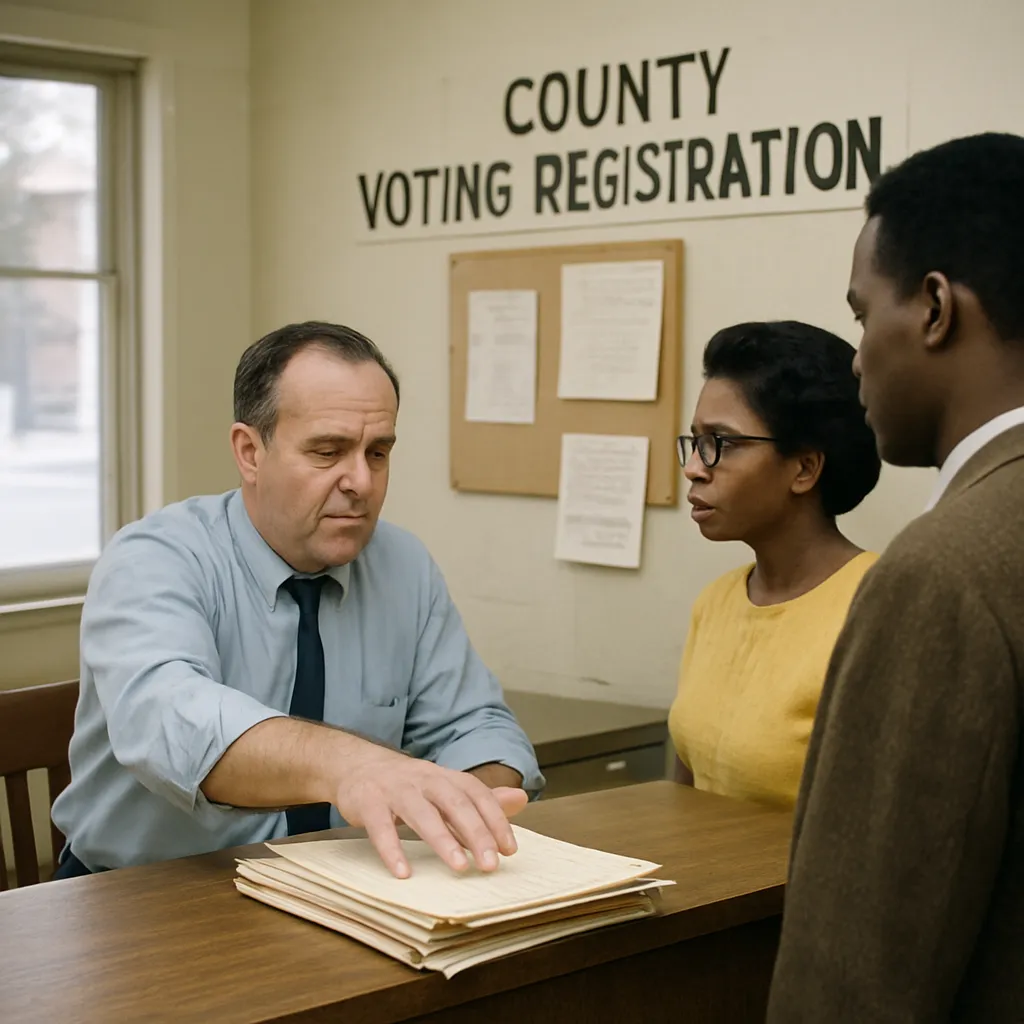
At a voter registration office, rules changed only when Black citizens arrived. What was the effect of those unfair rules?
In Montgomery, Black residents refused to ride city buses for over a year to protest segregated seating. What kind of protest was this?
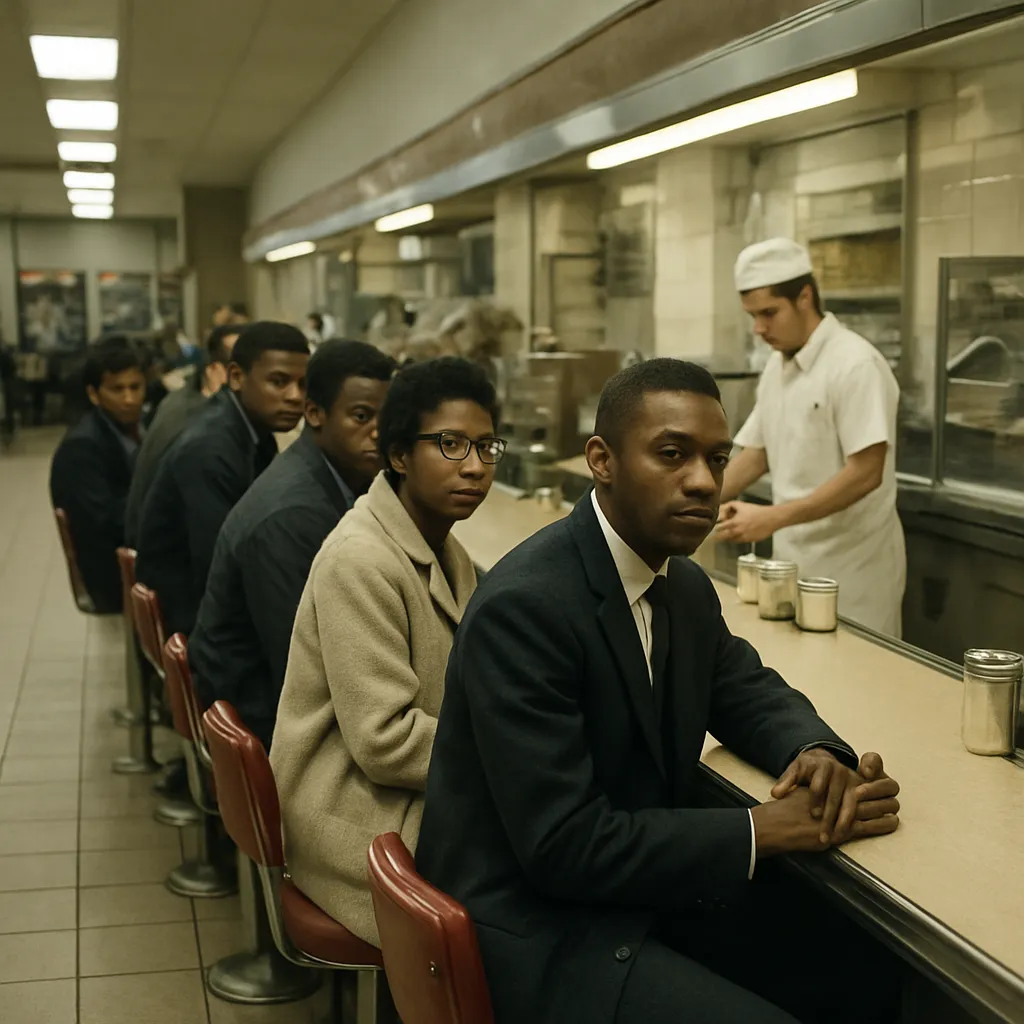
College students sat at a segregated lunch counter and calmly waited to be served. They stayed in their seats after being denied service. What action was this?
Thousands of people walked together to a government building to ask for fair voting rules. What action were they using?
Lawyers asked judges to rule that separate public schools denied equal rights. What action were they taking?
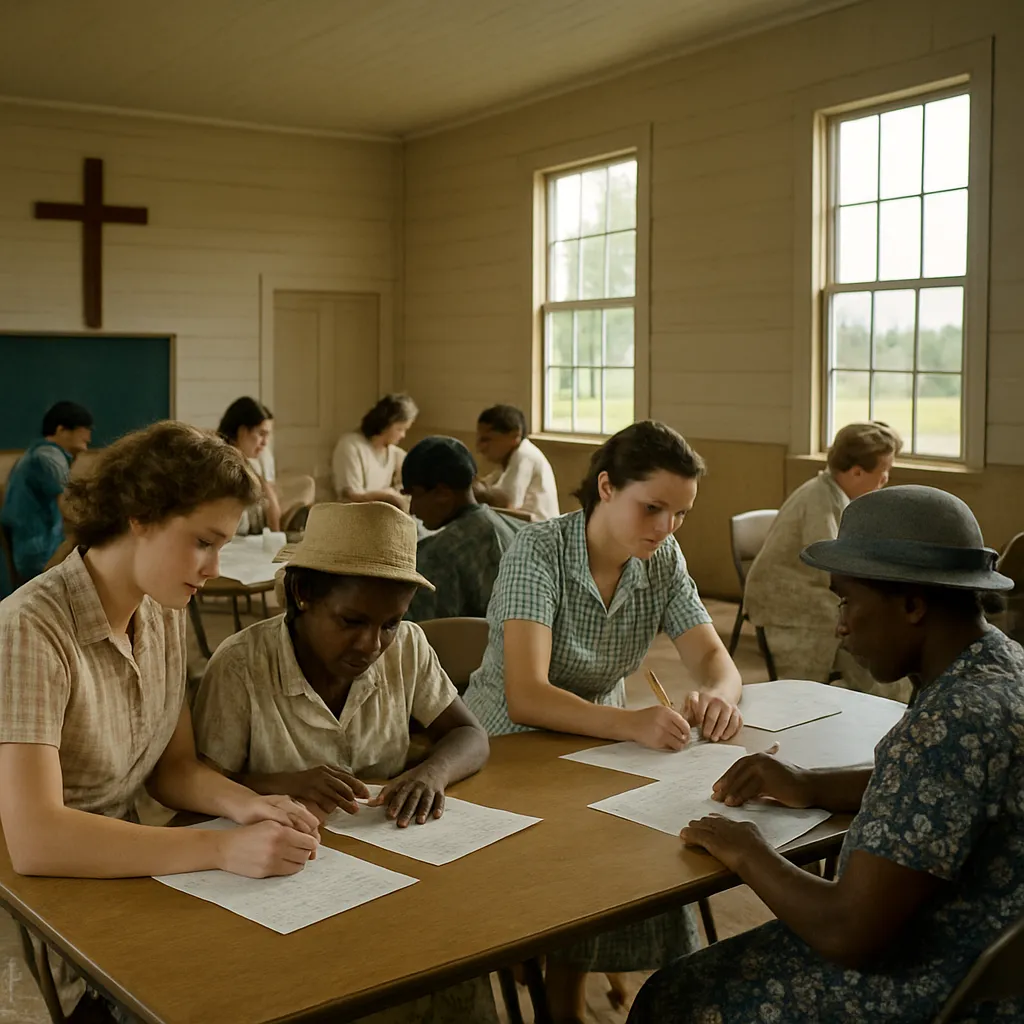
Volunteers helped Black citizens fill out forms and prepare to register to vote. What civil rights action is described?
During the Montgomery bus boycott, families shared rides and walked instead of riding city buses. Why did this put pressure on the bus company?
Neighbors wrote a request, gathered signatures, and sent it to city leaders asking for fair public services. What action did they use?
Customers agreed to stop buying from a store until the store served people equally. What protest action is described?
In 1960, four college students began a famous sit-in at a lunch counter that served only white customers. In which city did it take place?
Thurgood Marshall and other civil rights lawyers filed lawsuits against segregation for a large civil rights group. What was the group called?
In 1963, about 250,000 people marched in Washington, D.C., for jobs and freedom. Martin Luther King Jr. gave a famous speech there. What is it called?
A local group held meetings, chose speakers, planned rides, and assigned volunteers for a protest. What work was the group doing?
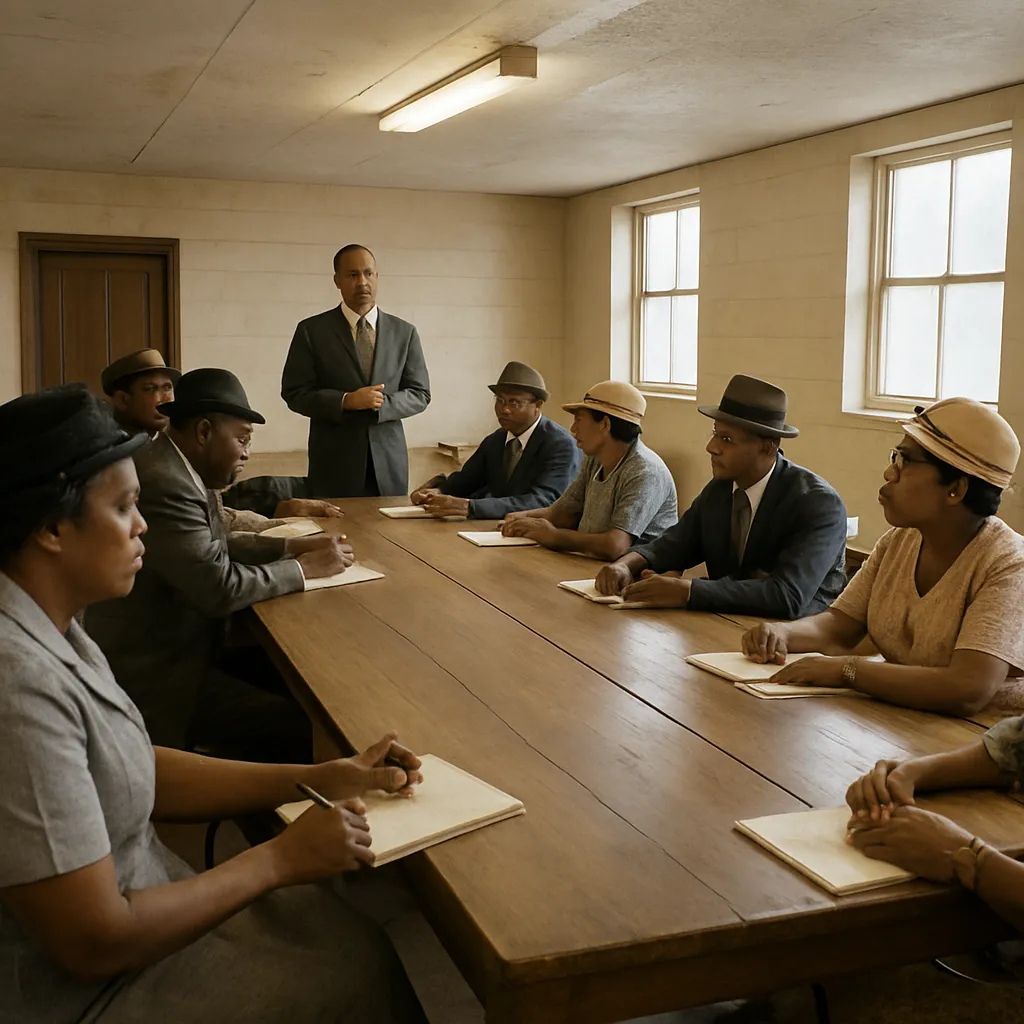
After court decisions, public schools could no longer legally separate children by race. What change did this support?
After protests and legal challenges, many restaurants, theaters, and hotels had to serve customers equally. What changed?
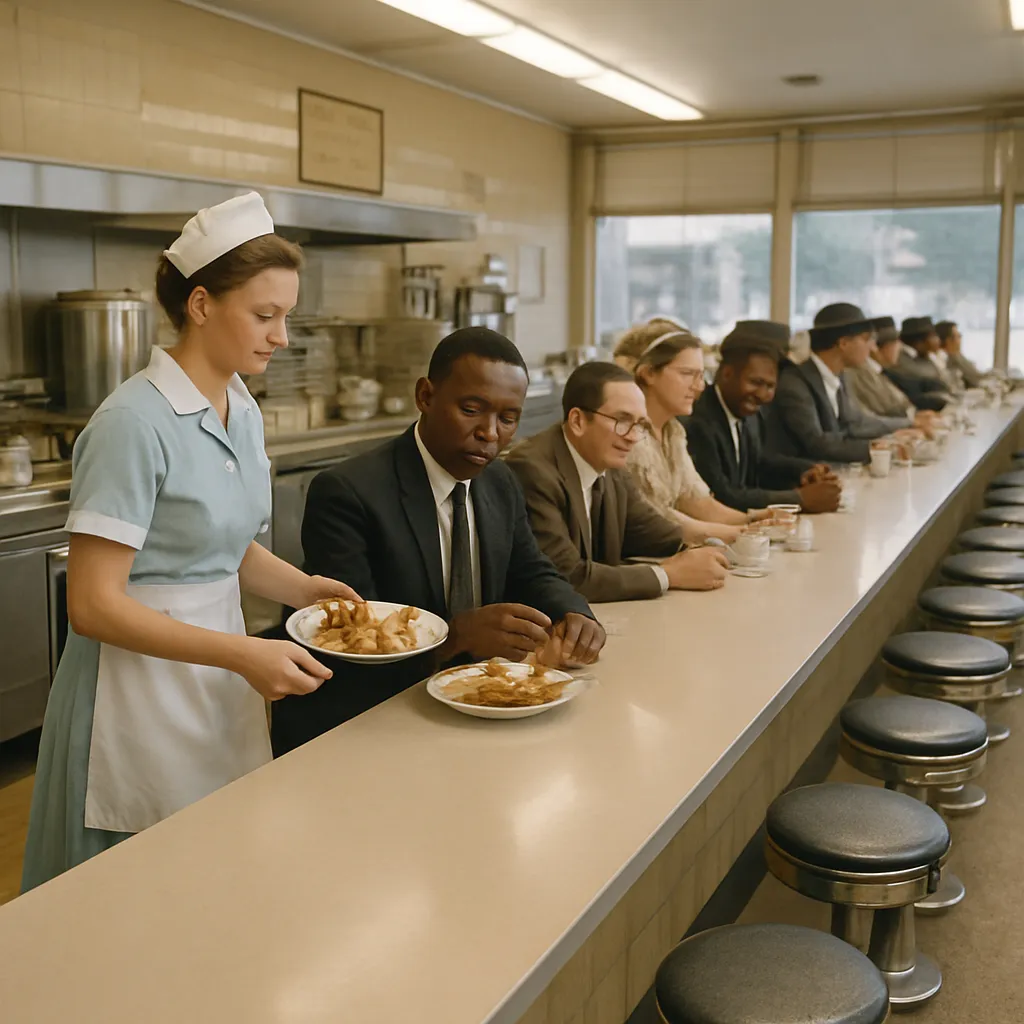
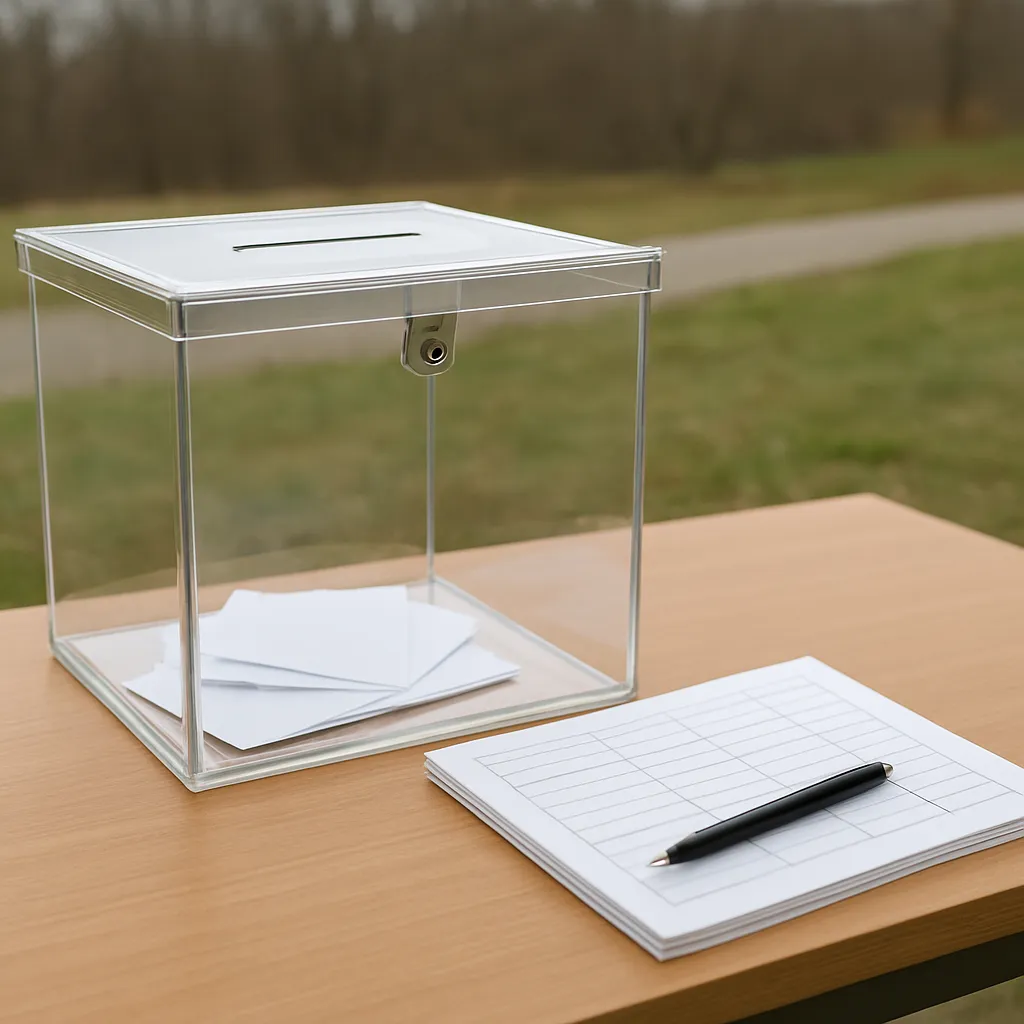
New federal voting protections in 1965 targeted unfair tests and other barriers used against Black citizens. What was this law called?
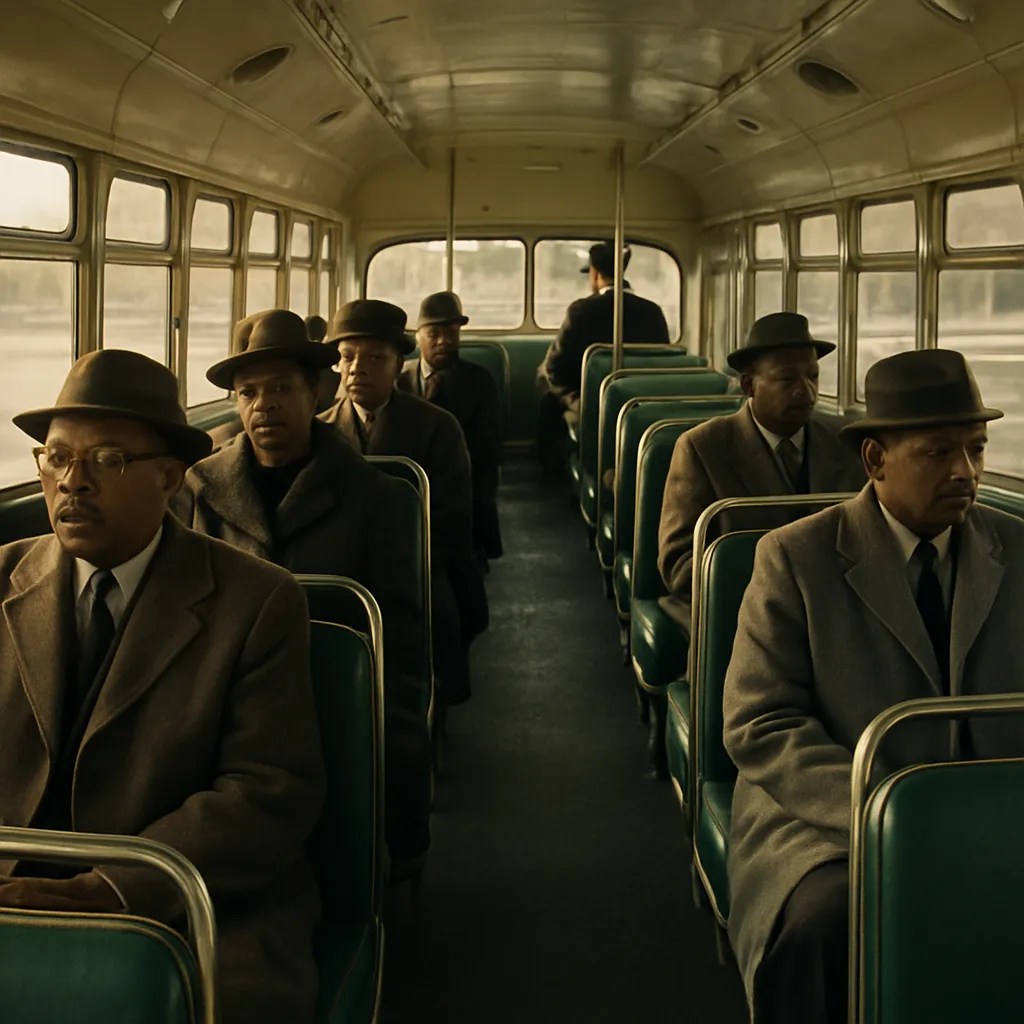
After the Montgomery bus boycott and a court ruling, Black riders in Montgomery could sit without the old race rules. What changed?
When a school desegregated, Black students and white students could attend the same public school. What is another word for bringing students of all races together in one school?
Civil rights victories changed rules for public businesses like hotels and lunch counters. Which president signed the Civil Rights Act of 1964 into law?
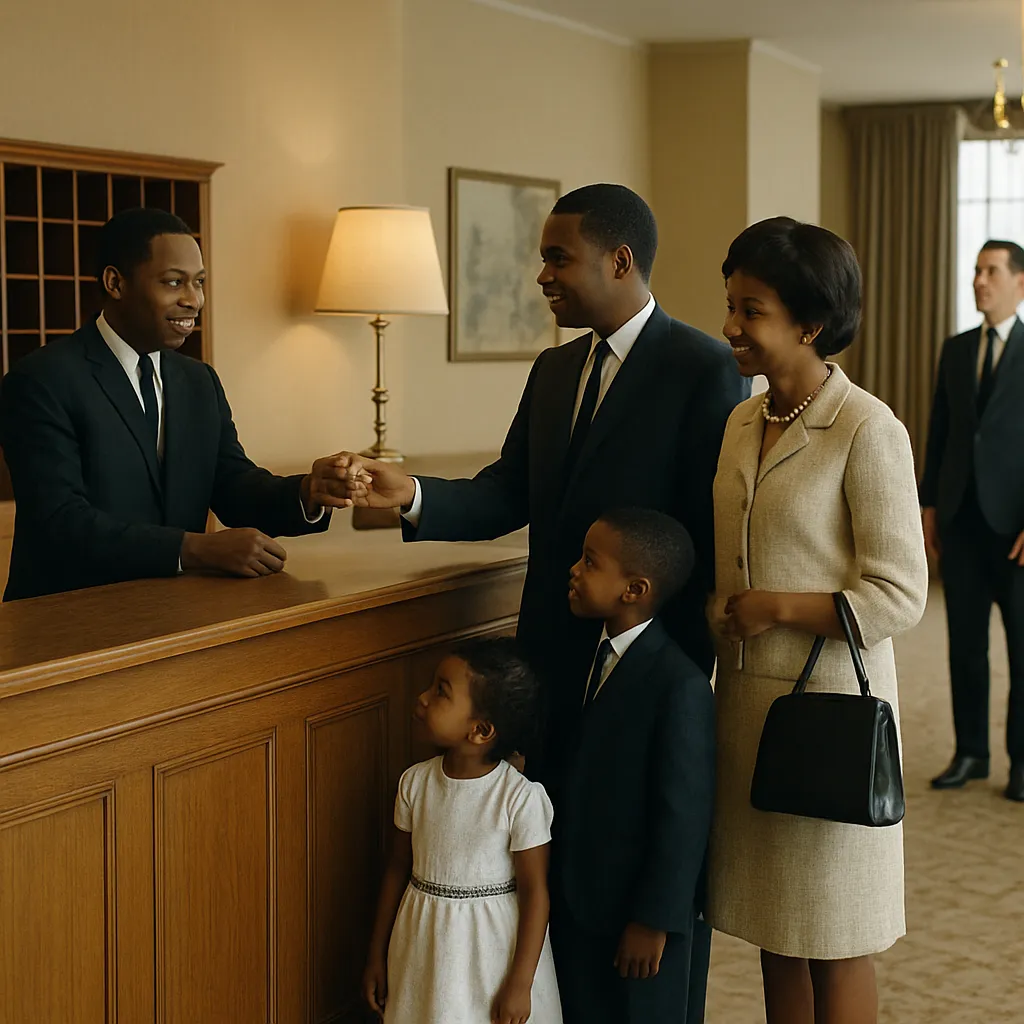
In 1957, Arkansas's governor tried to stop nine Black students from entering an all-white high school in Little Rock. What did President Eisenhower do?
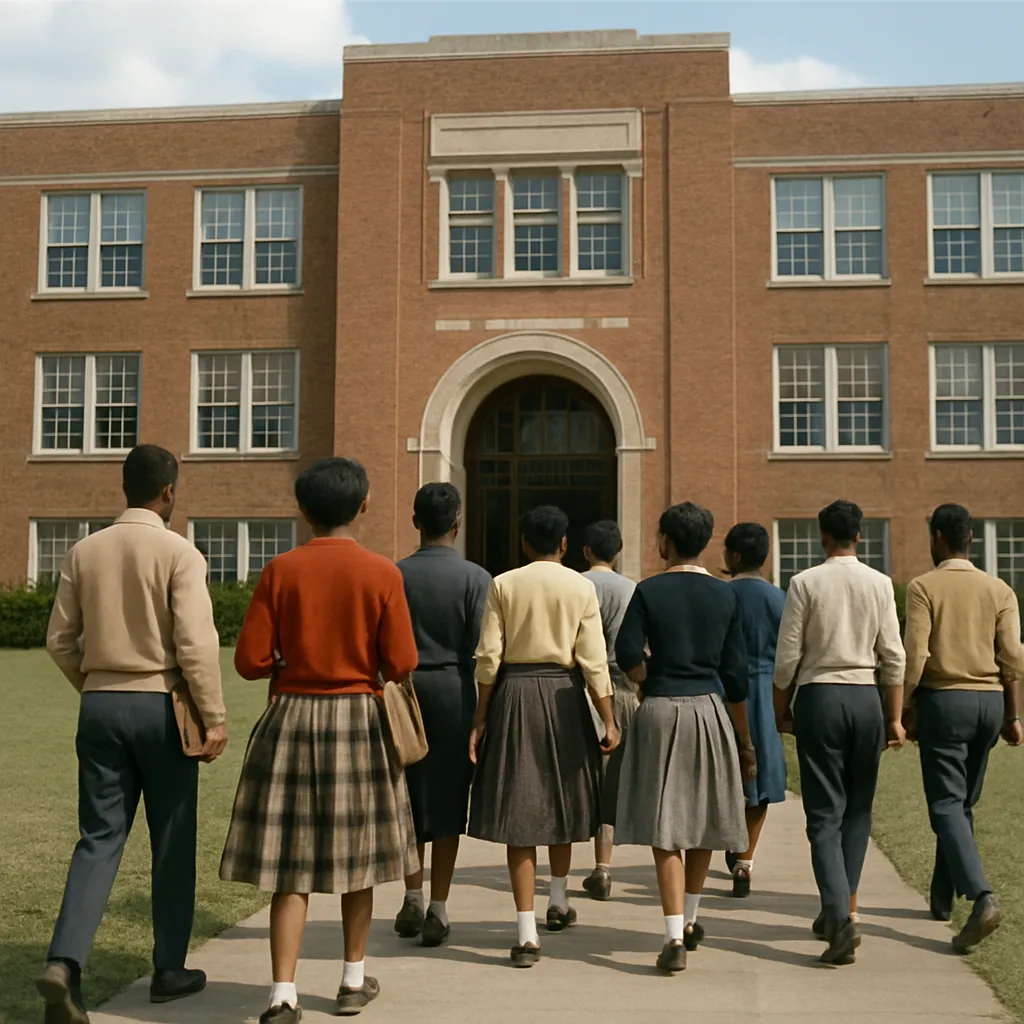
Voting-rights changes gave the national government stronger power to stop unfair local registration rules. What result did this help create?
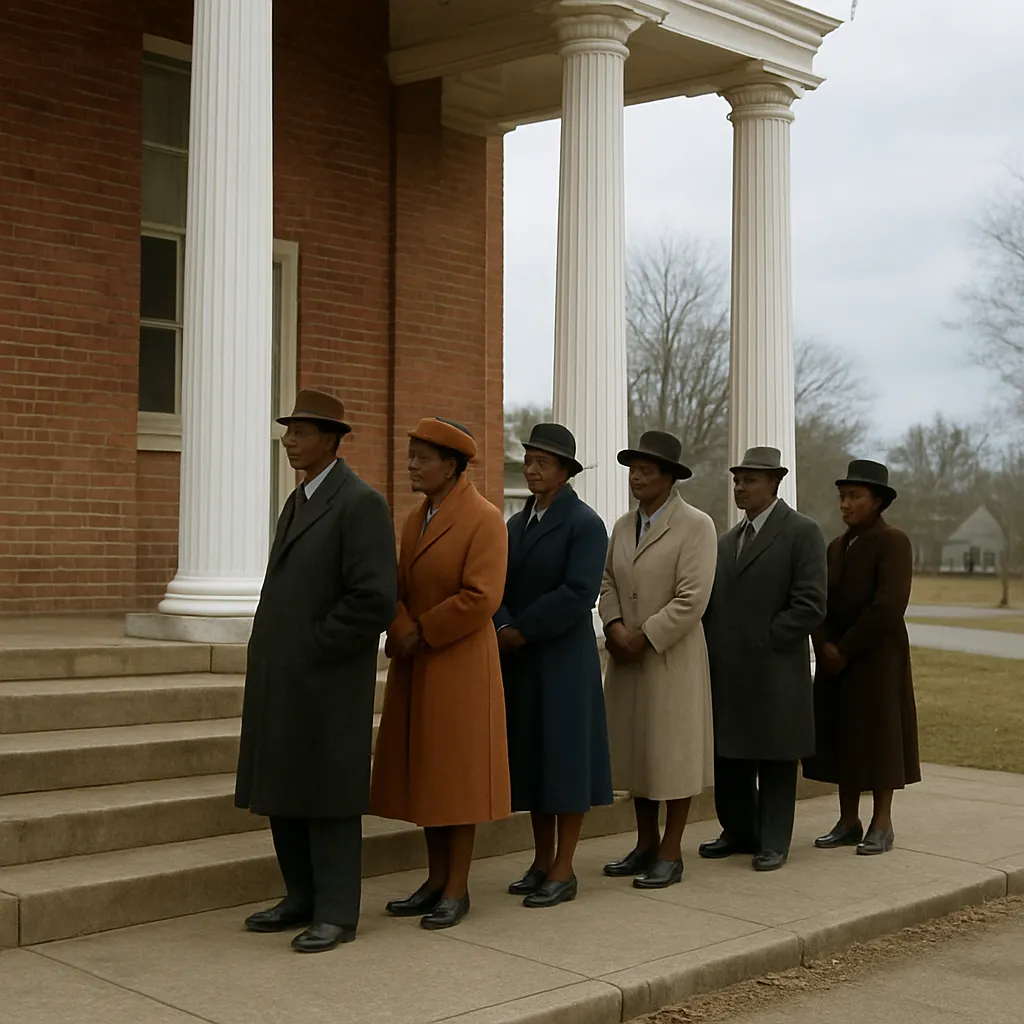
Martin Luther King Jr. worked for civil rights through nonviolent protest. What action is he especially known for?
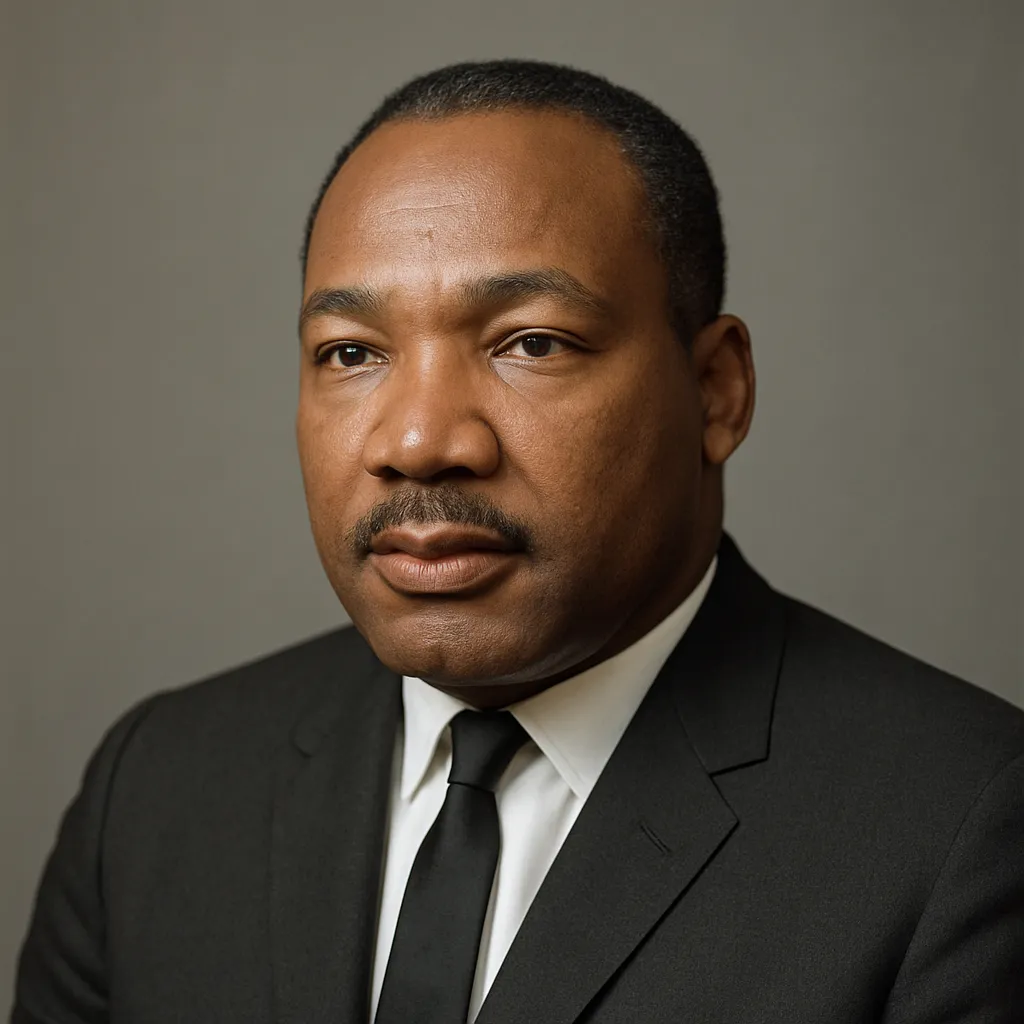
Rosa Parks was arrested in Montgomery, Alabama, in 1955. What action did she take?
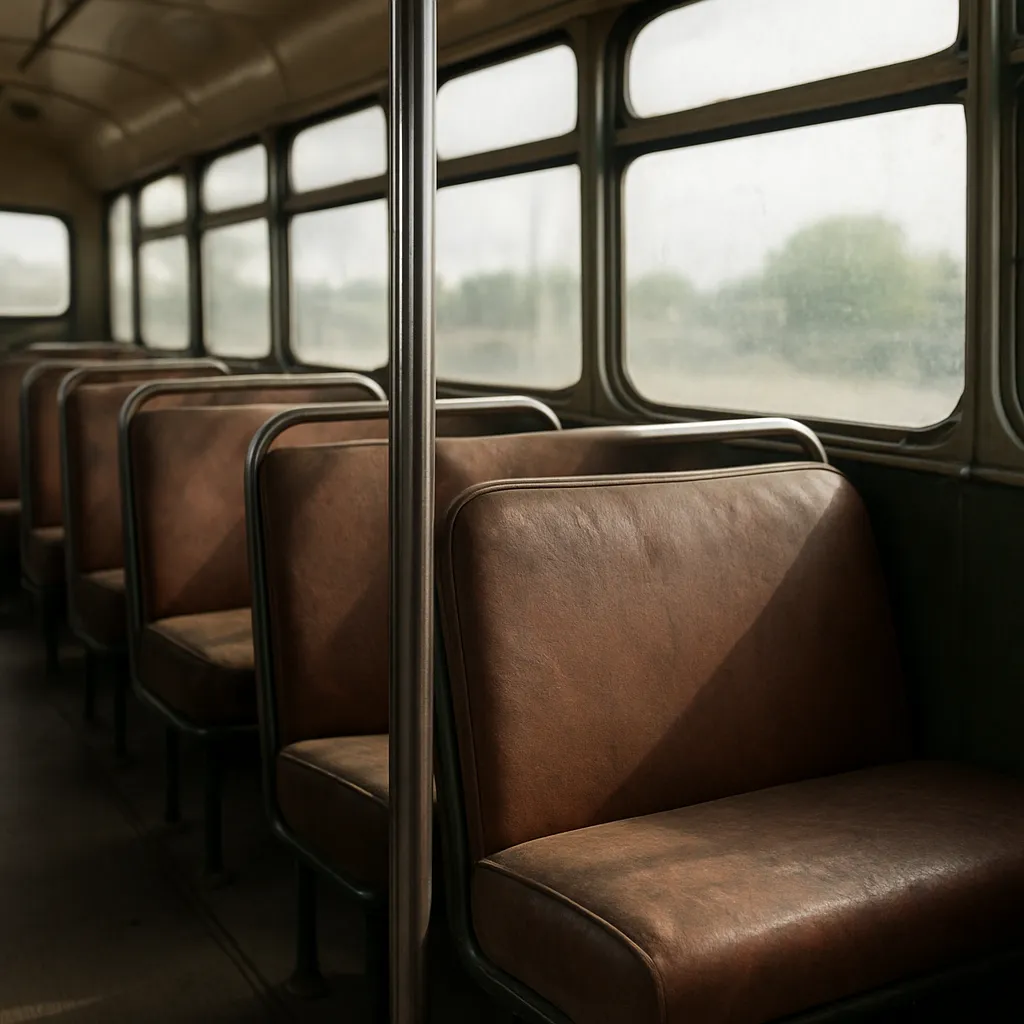
Thurgood Marshall was an important civil rights leader in the 1950s. What action did he take?
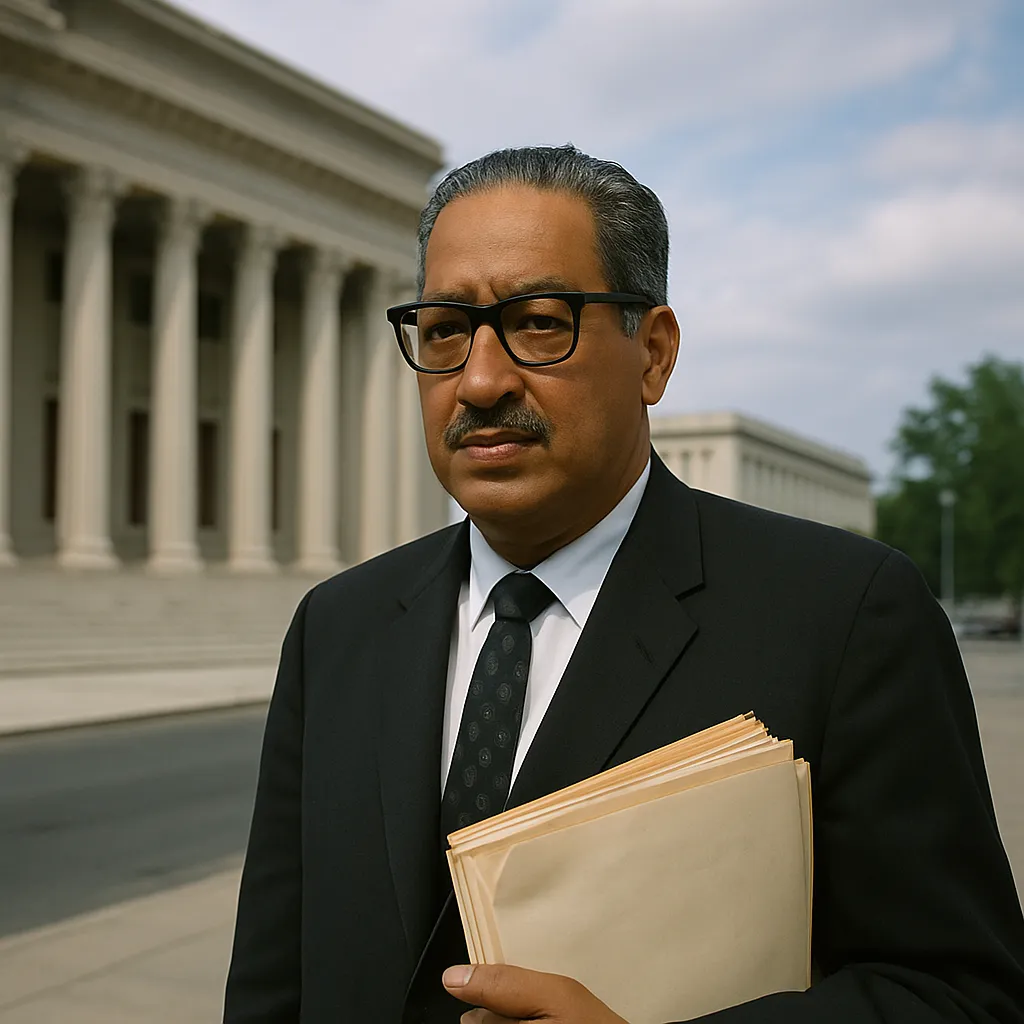
Jackie Robinson is a civil rights hero because of what he did in 1947. What is he known for?
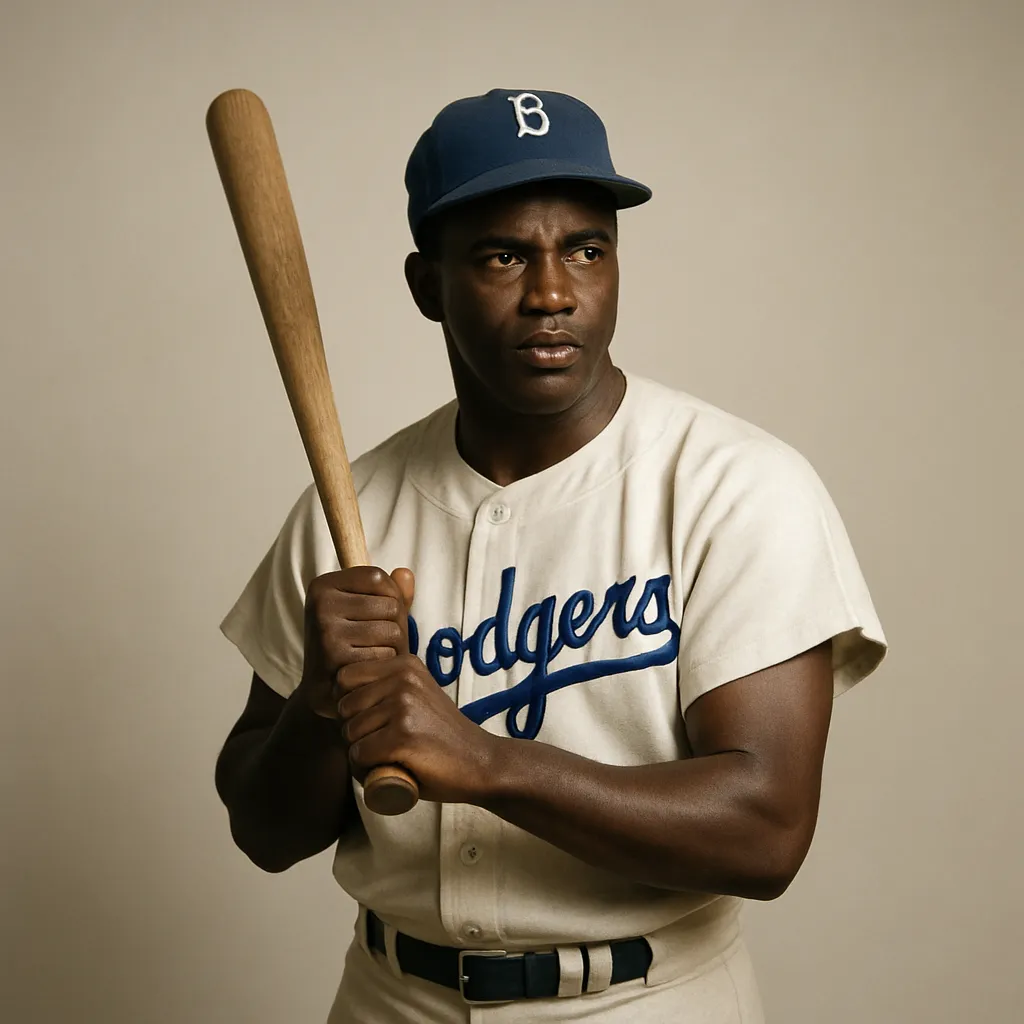
Cesar Chavez was a civil rights leader in California in the 1960s. What action is he known for?
In 1960, six-year-old Ruby Bridges walked past angry crowds into a school in New Orleans. What action is she known for?
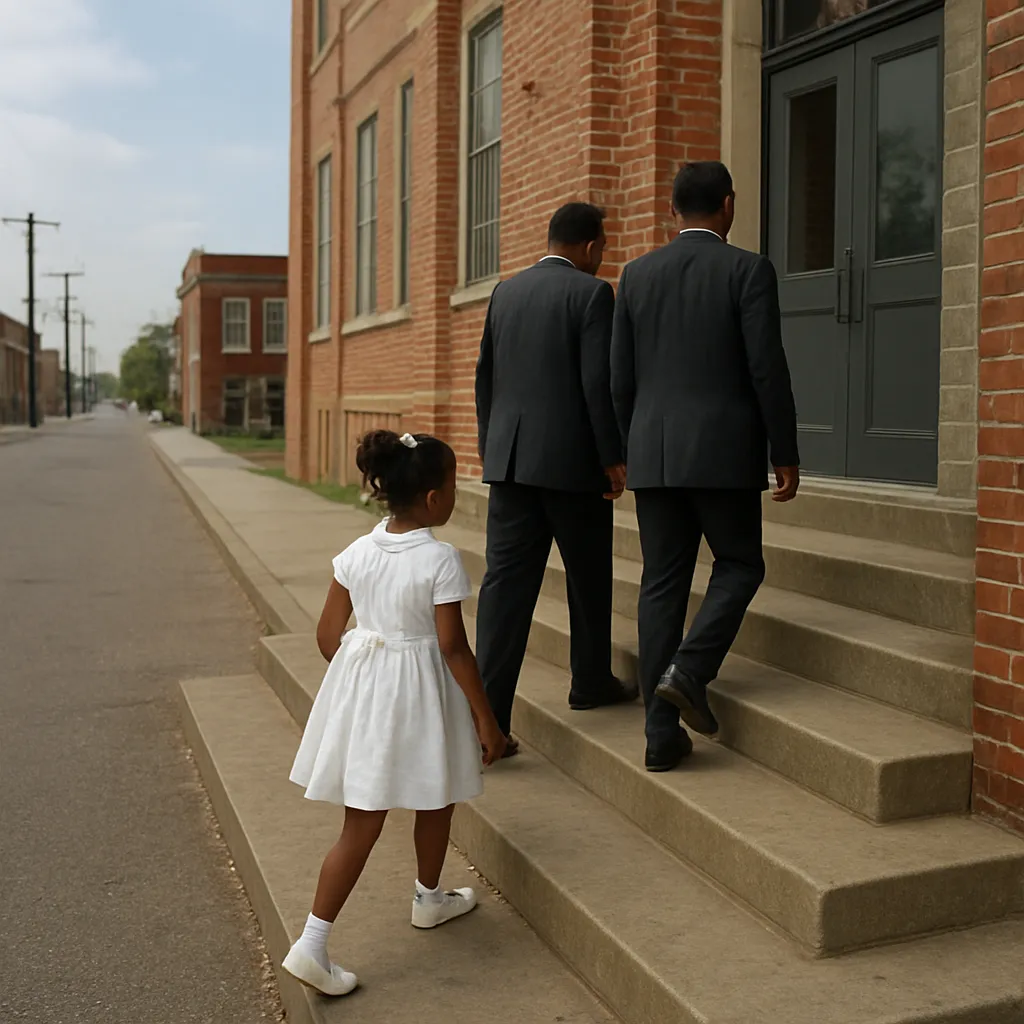
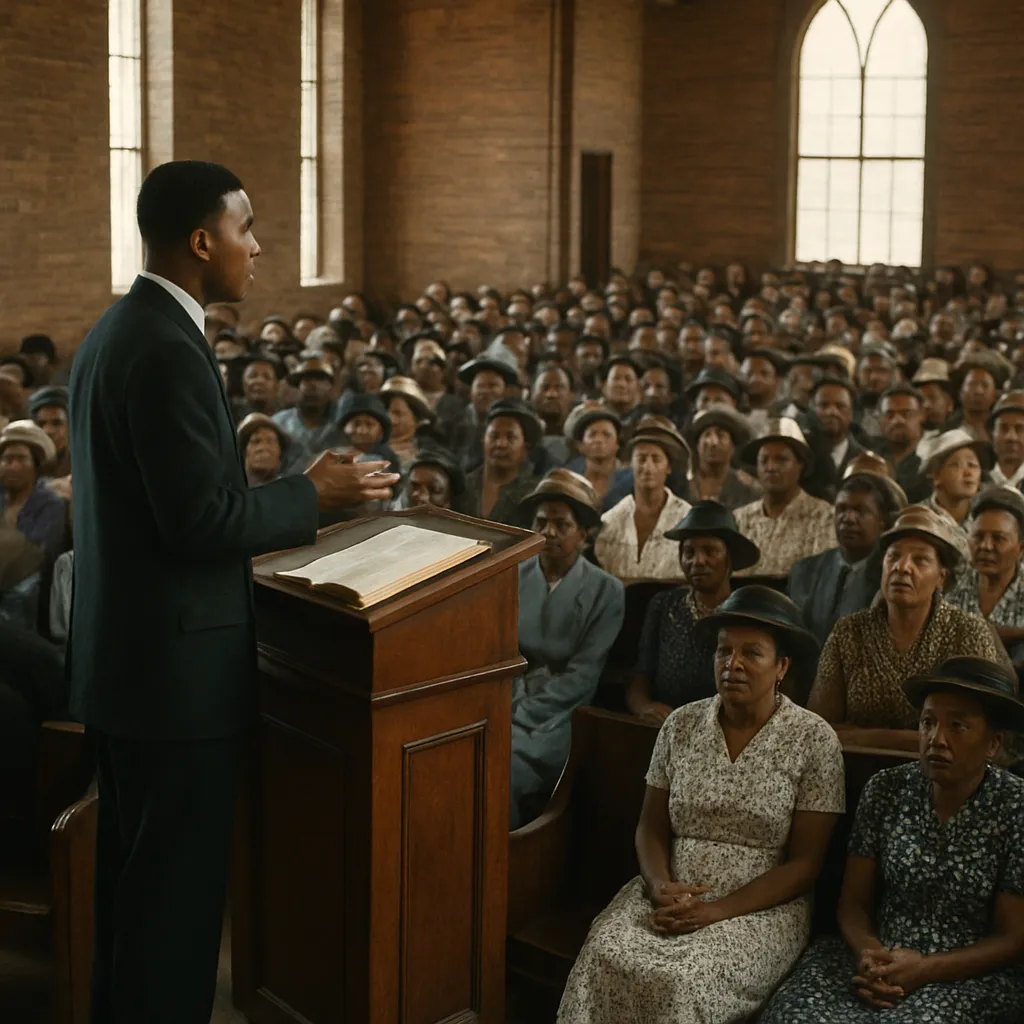
In 1955 and 1956, Martin Luther King Jr. led meetings in Montgomery, Alabama, and urged people to stay nonviolent. What action did he take?
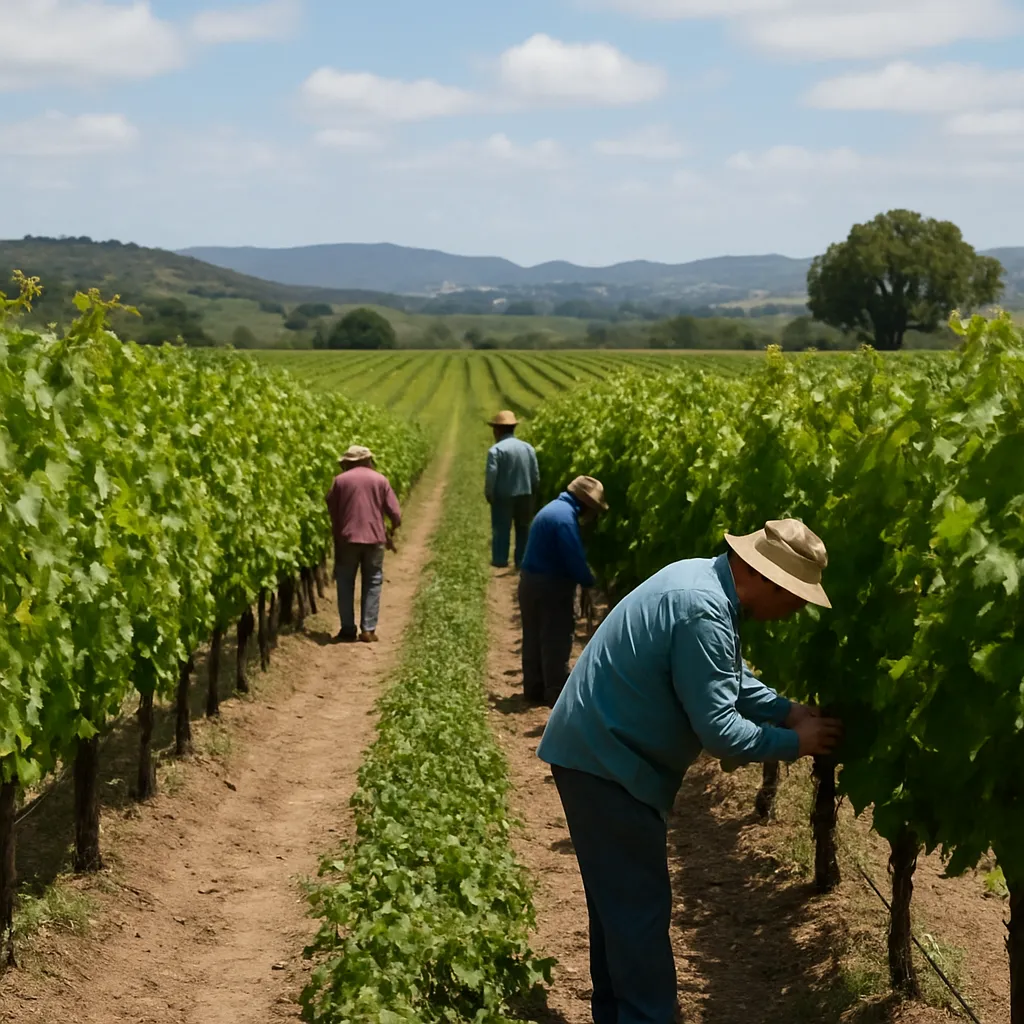
Cesar Chavez wanted grape growers to treat farm workers fairly. What action did he support to pressure the growers?
Crack the passcode before the zombies get in.
Answer, then swat bugs for bonus points.
Race through questions at your own speed.
Same question on every screen. Fastest wins.

Pick a tile, answer, hit bonuses and steals.
State Government
40 questions