Loading
by BlastRoom
Explore major changes in American life during the twentieth century.
#history#us_grade_4_social_studies
40 questions
One question set, multiple game modes. Tap any game to see it in action. Not sure which to pick?
Answer to place stones and capture territory.
Outrun the snow together.
Earn blasts, then hunt the other team.
Answer to earn energy, then climb.

The class blasts through walls together.
Bid on mystery lots. Most money wins.
Sell tours. Nice, standard, or a total scam.

Answer, restock, and serve the rush.
More correct answers pulls the rope your way.
Answer, then shoot down the alien wave.
Answer, then tap to leap the frozen ridge.
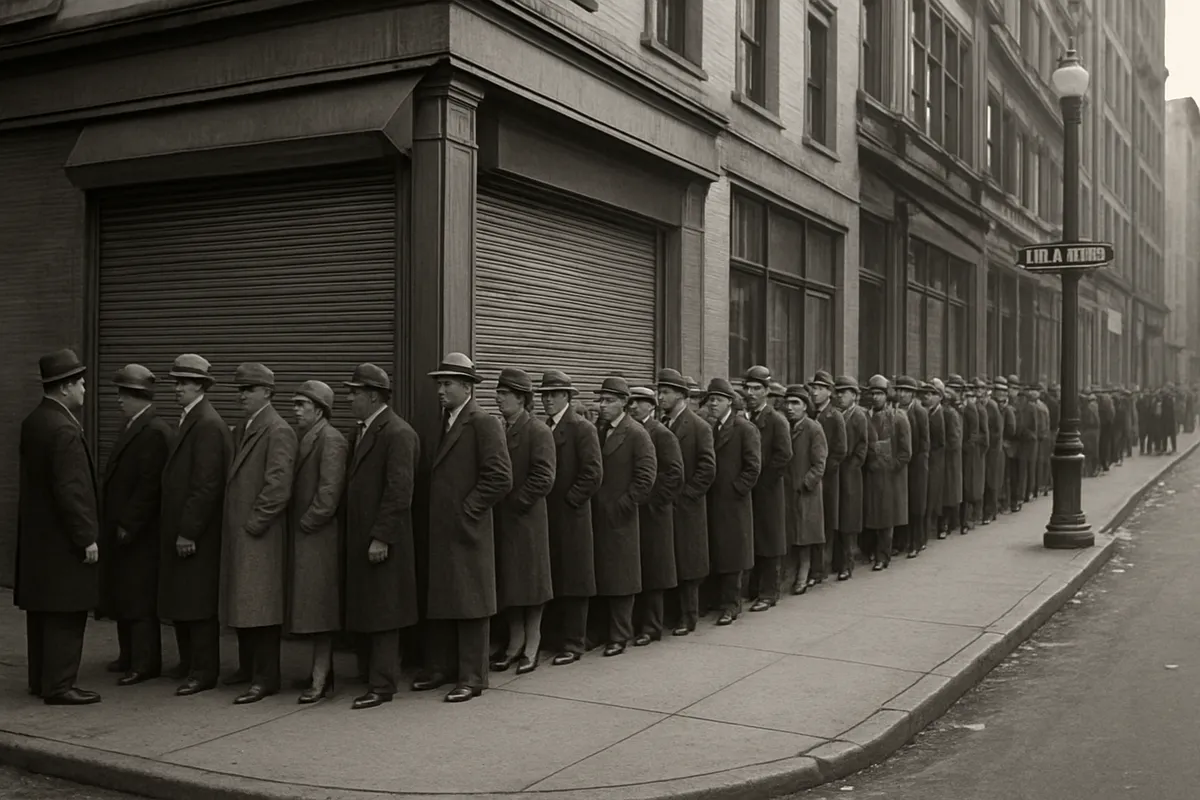
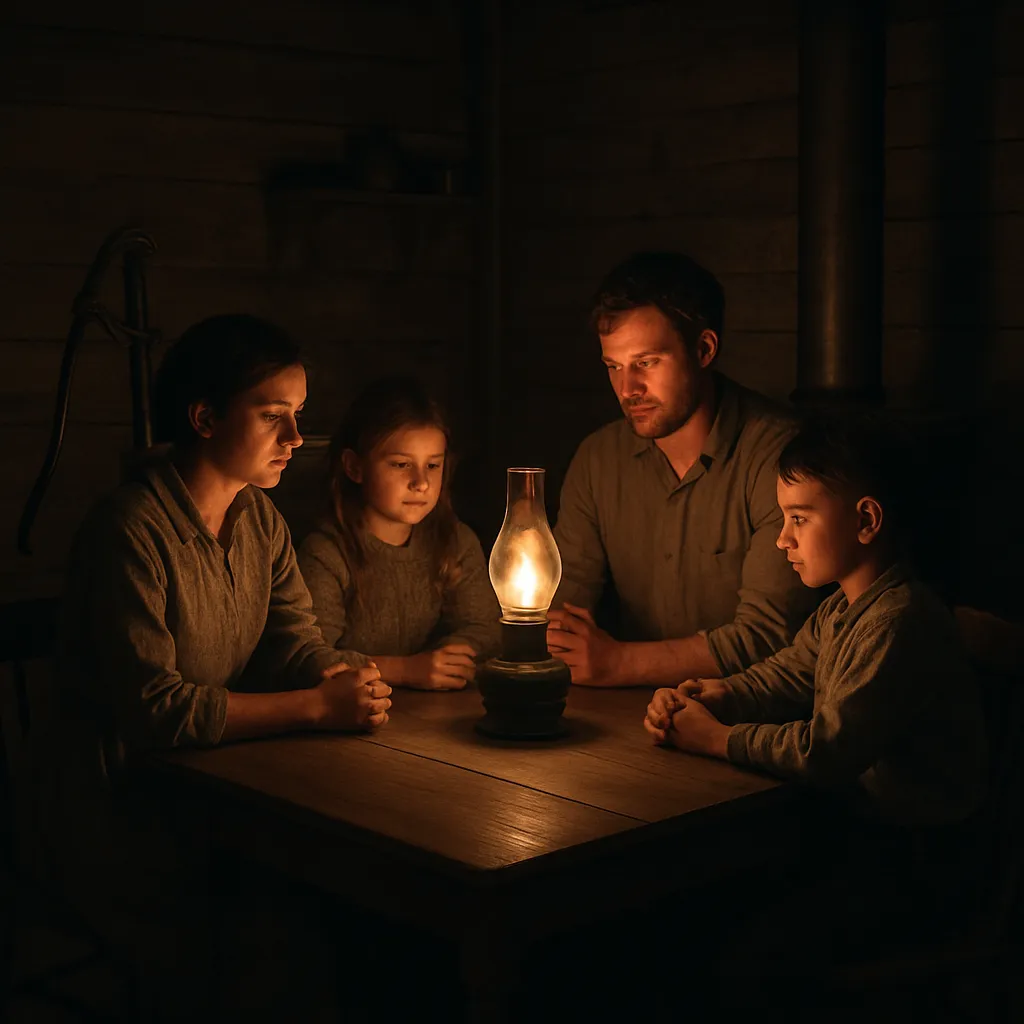
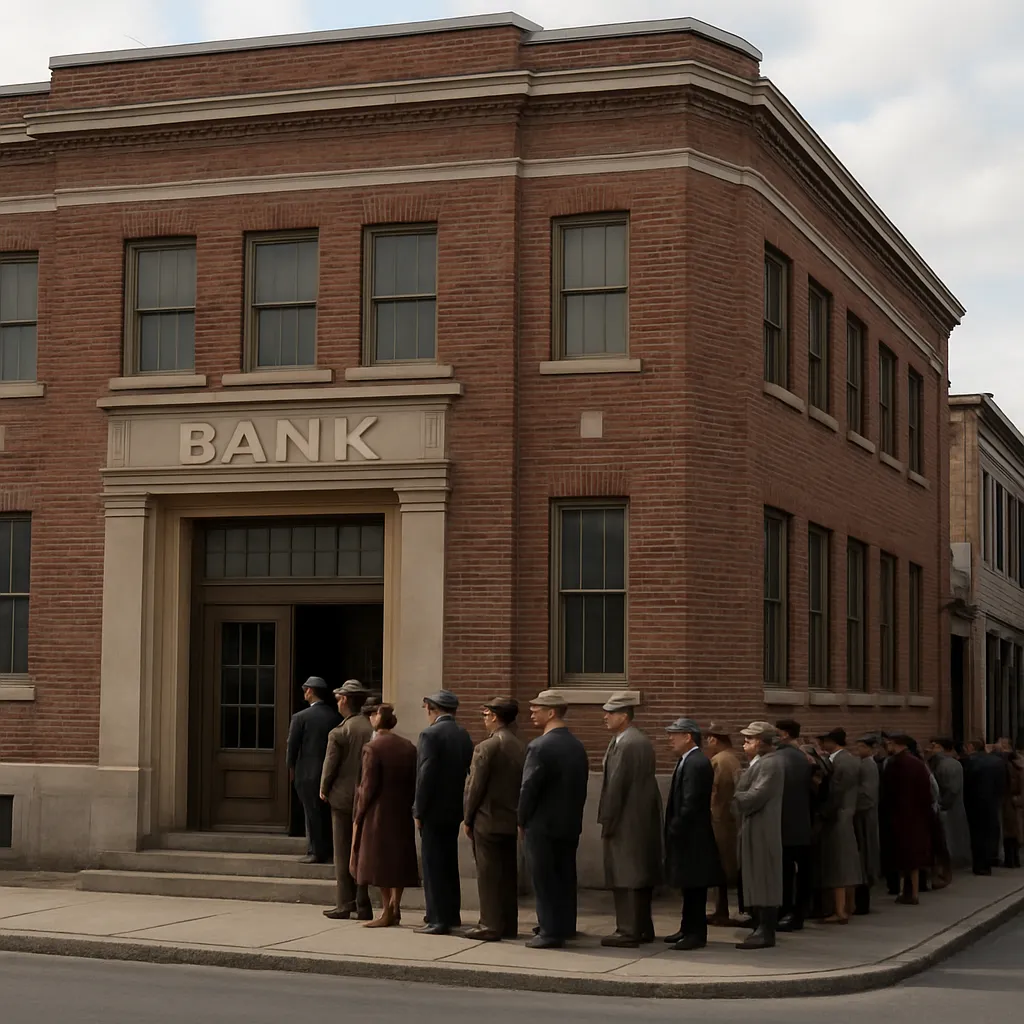
During the Great Depression, a family went to get its savings and found the doors locked and the money gone. What major problem does this show?
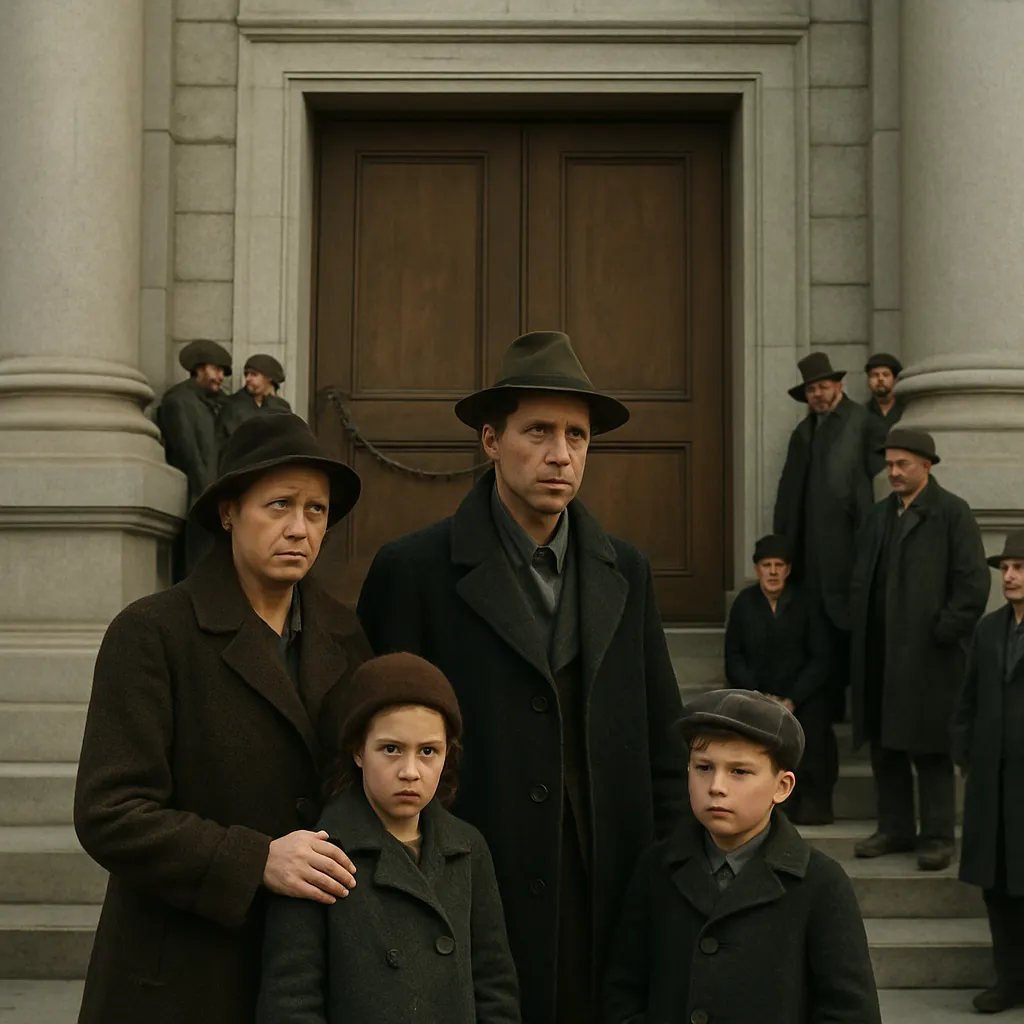
A newspaper described factories cutting hours and stores closing in the early 1930s. What happened to many workers when businesses closed?
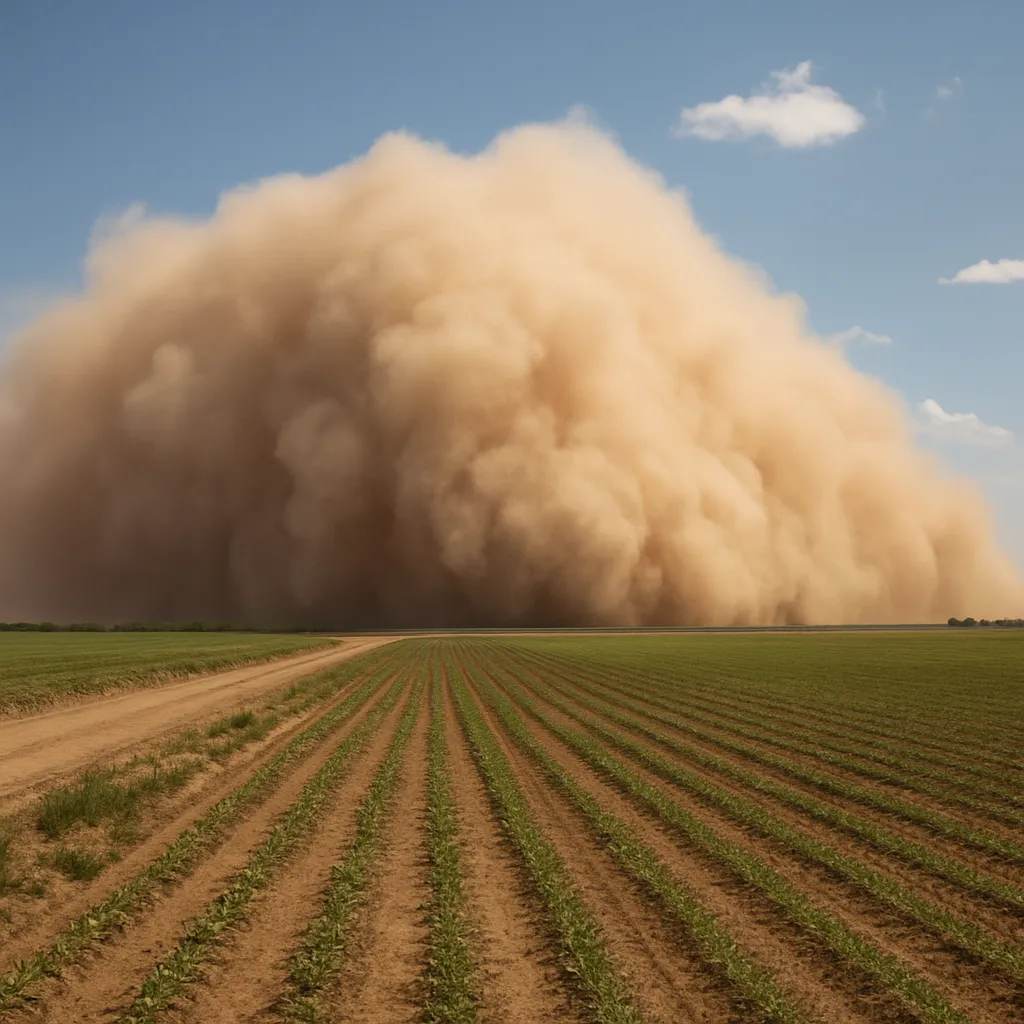
During the Great Depression, many families in the Great Plains had to leave their farms. What caused many of these farms to fail?
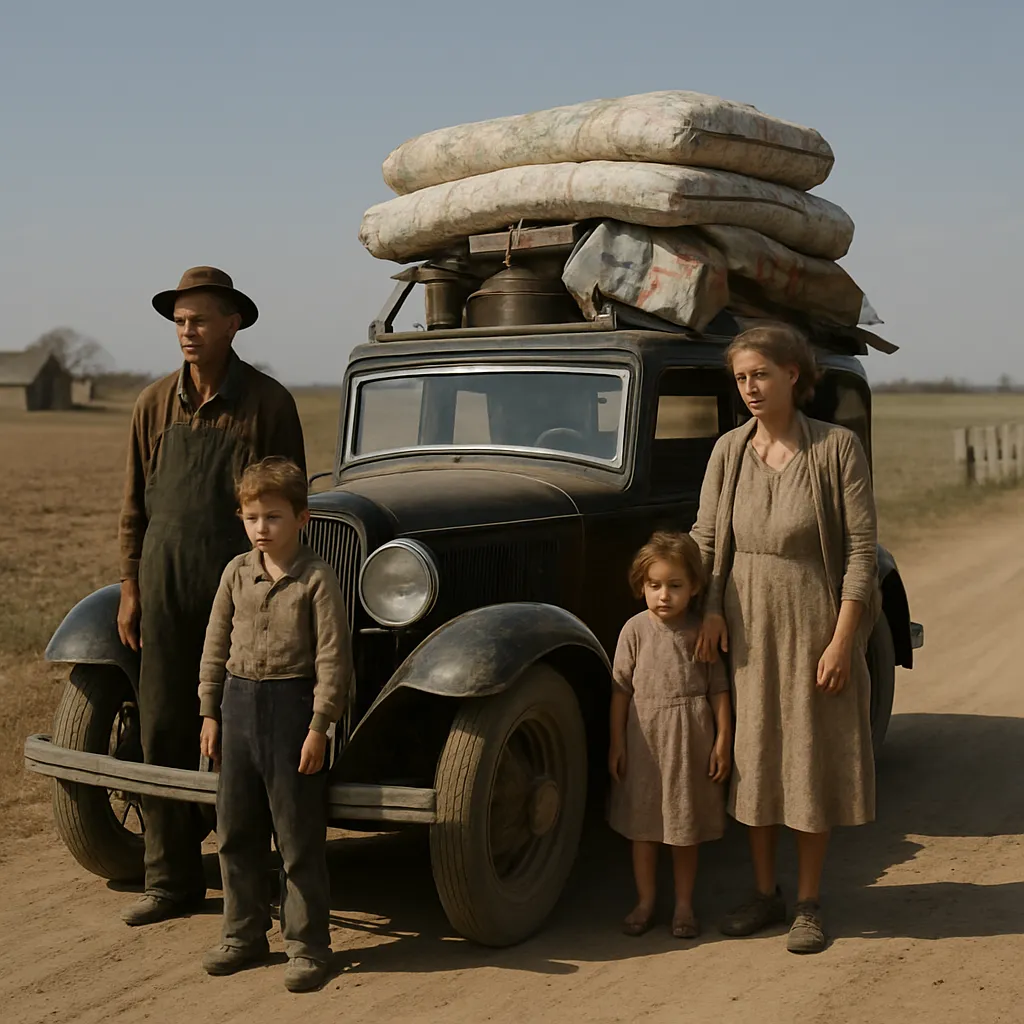
A family packed a car with bedding and tools, then left a dry farm to search for work. During the Great Depression, why did many families migrate?
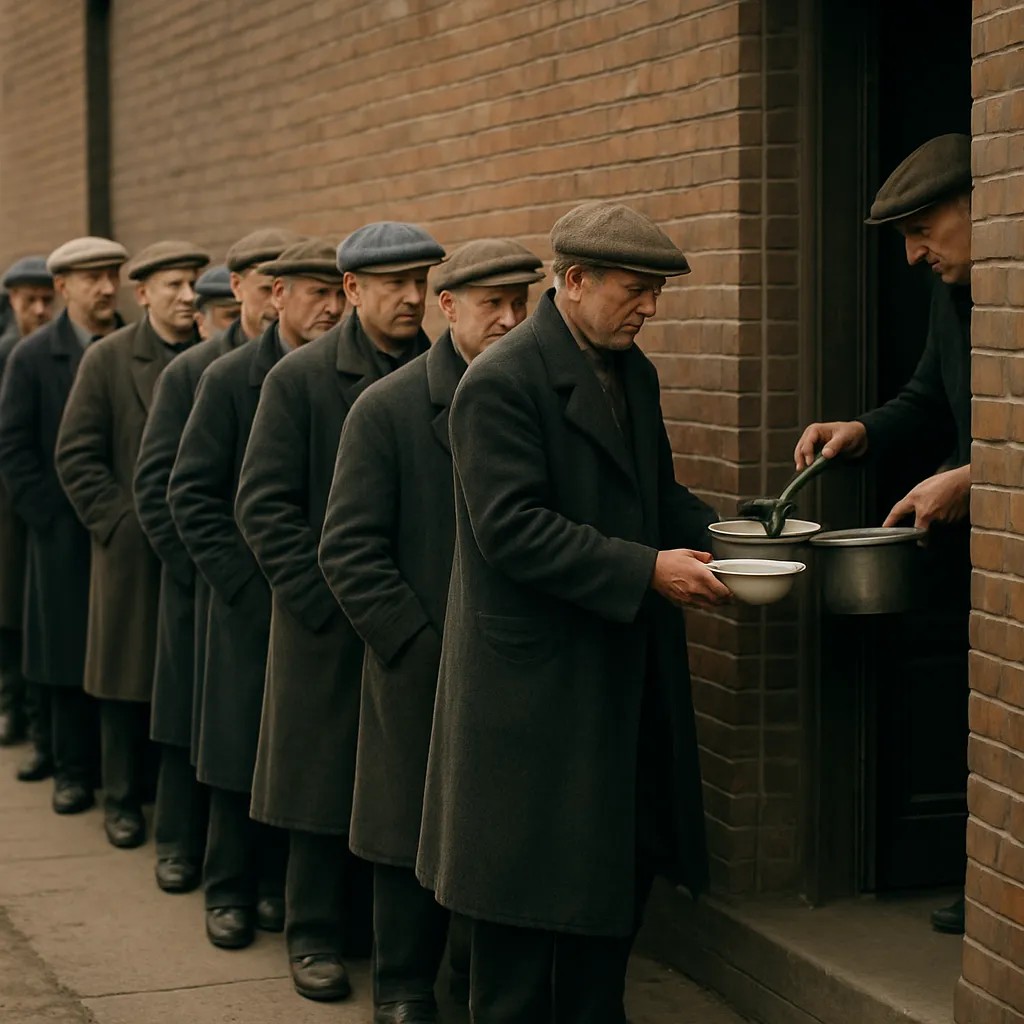
A photo from the 1930s shows people waiting for a free meal. What did soup kitchens and bread lines show about daily life?
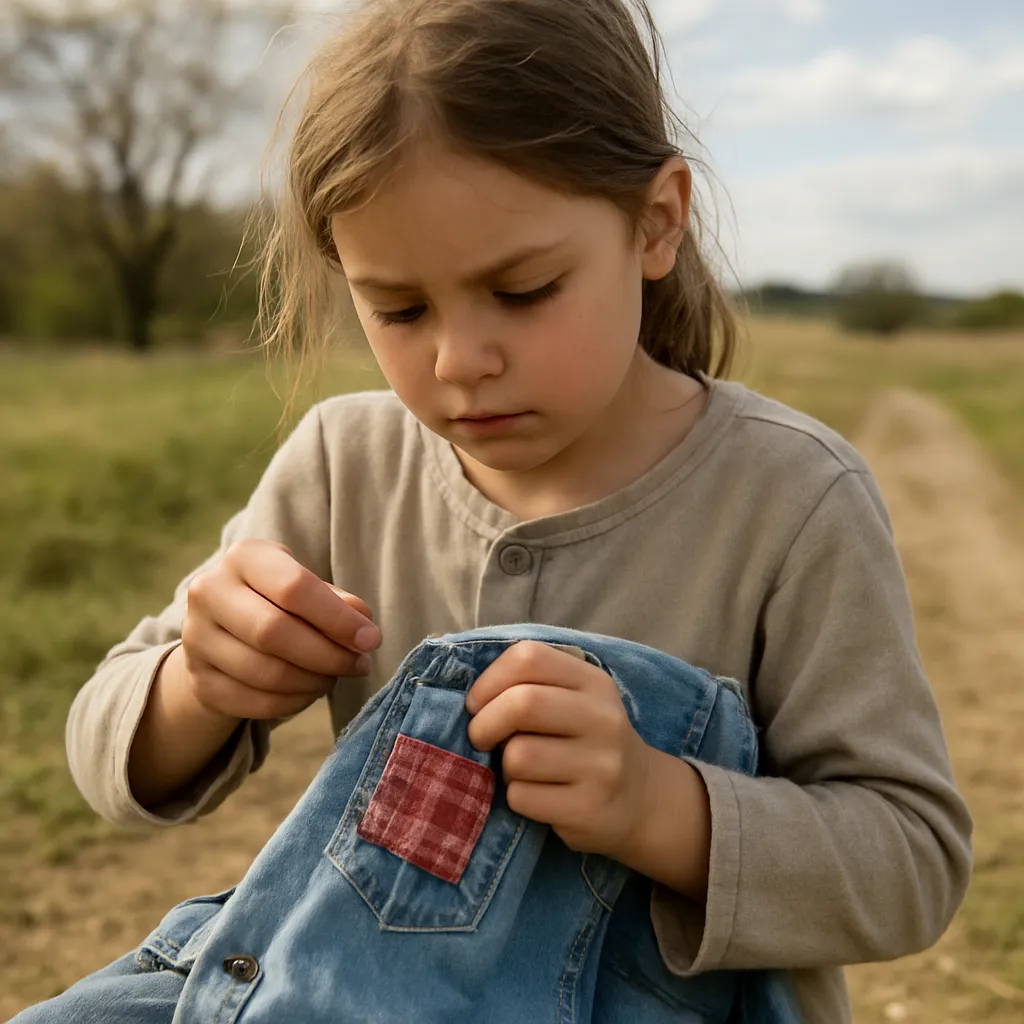
When money was scarce, many families mended clothes and reused supplies instead of buying new things. What does this show about life in the 1930s?
In the 1930s, dry soil blew across the Great Plains in huge dust storms. What is this time and place called?

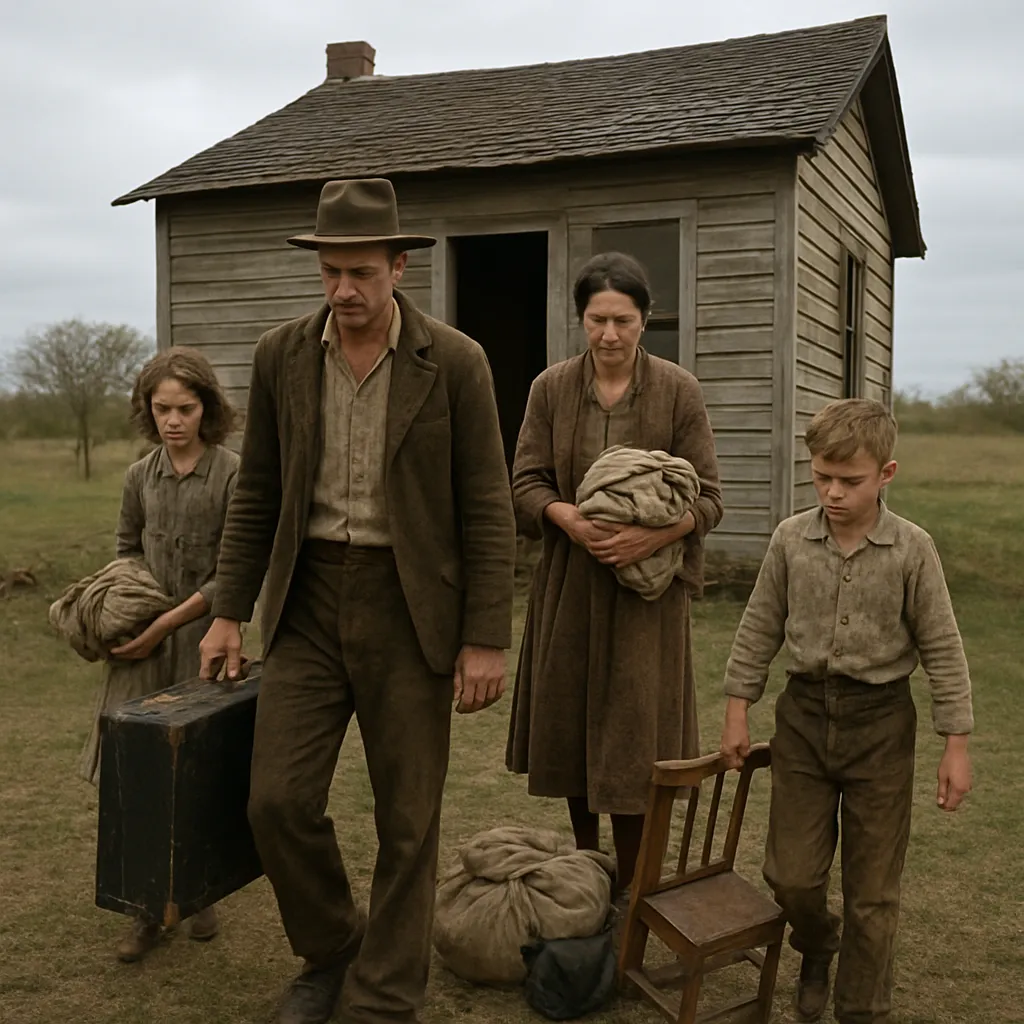
During the Great Depression, some families could not pay rent or house loans. What hardship did this often cause?
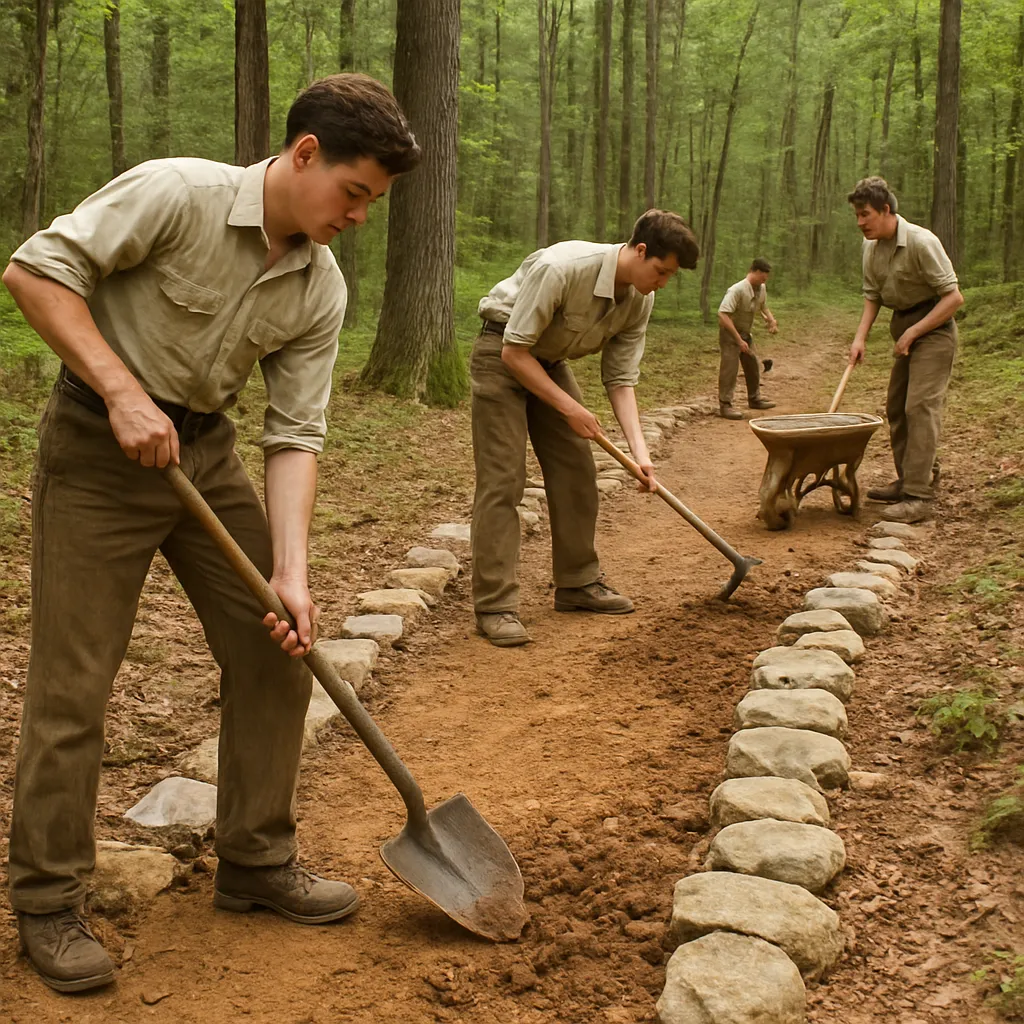
During the Great Depression, some public programs paid people to build roads, trails, and parks. Why were those jobs important?
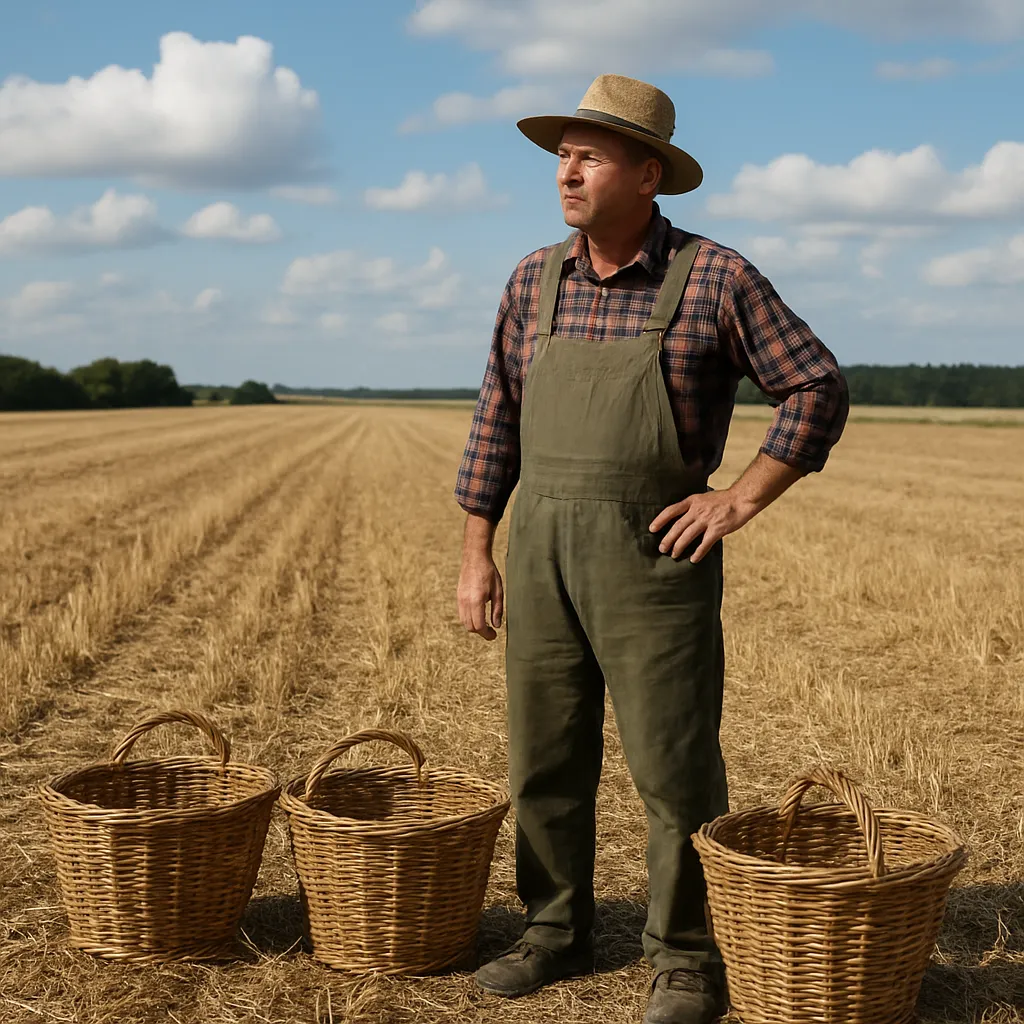
When crop prices dropped in the 1930s, many farmers earned less from harvests. What problem did this create?
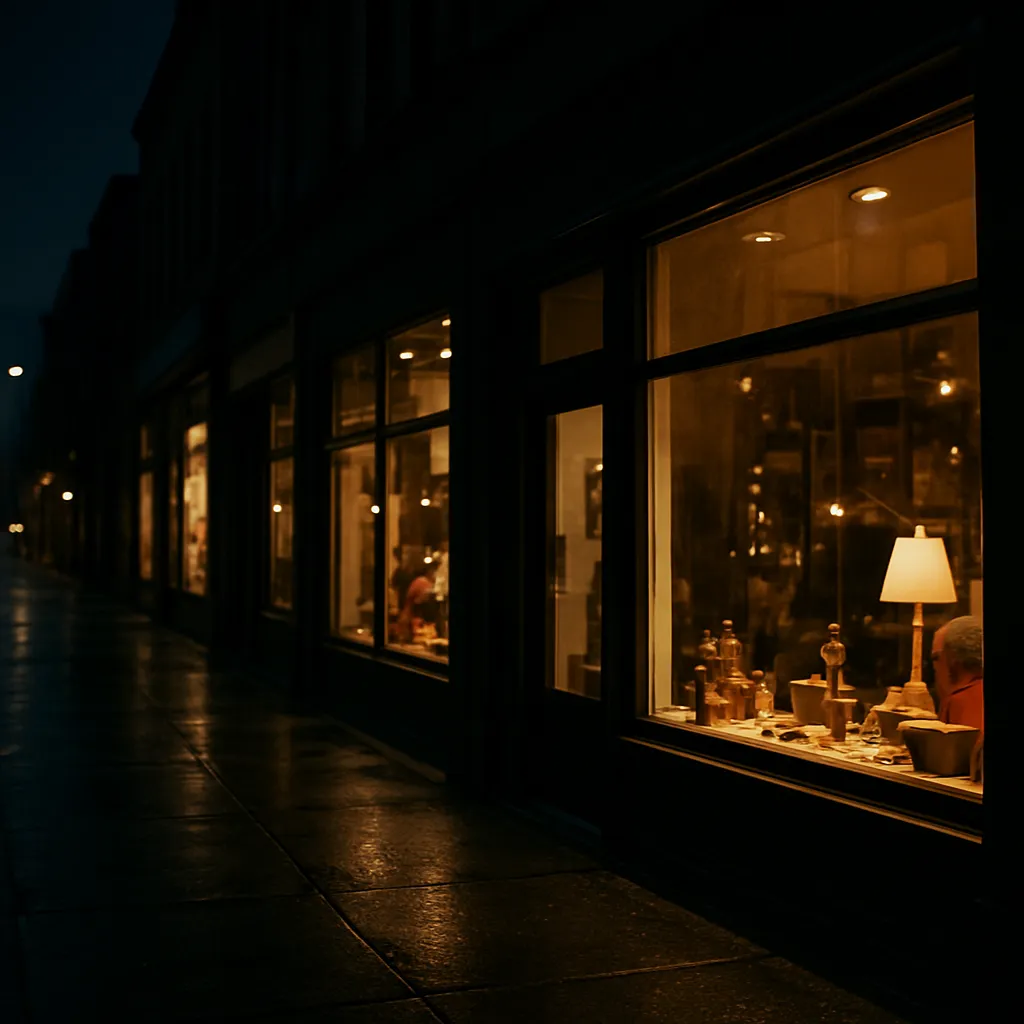
As electric service reached more homes, families could use lights after sunset. How did electricity change daily life?

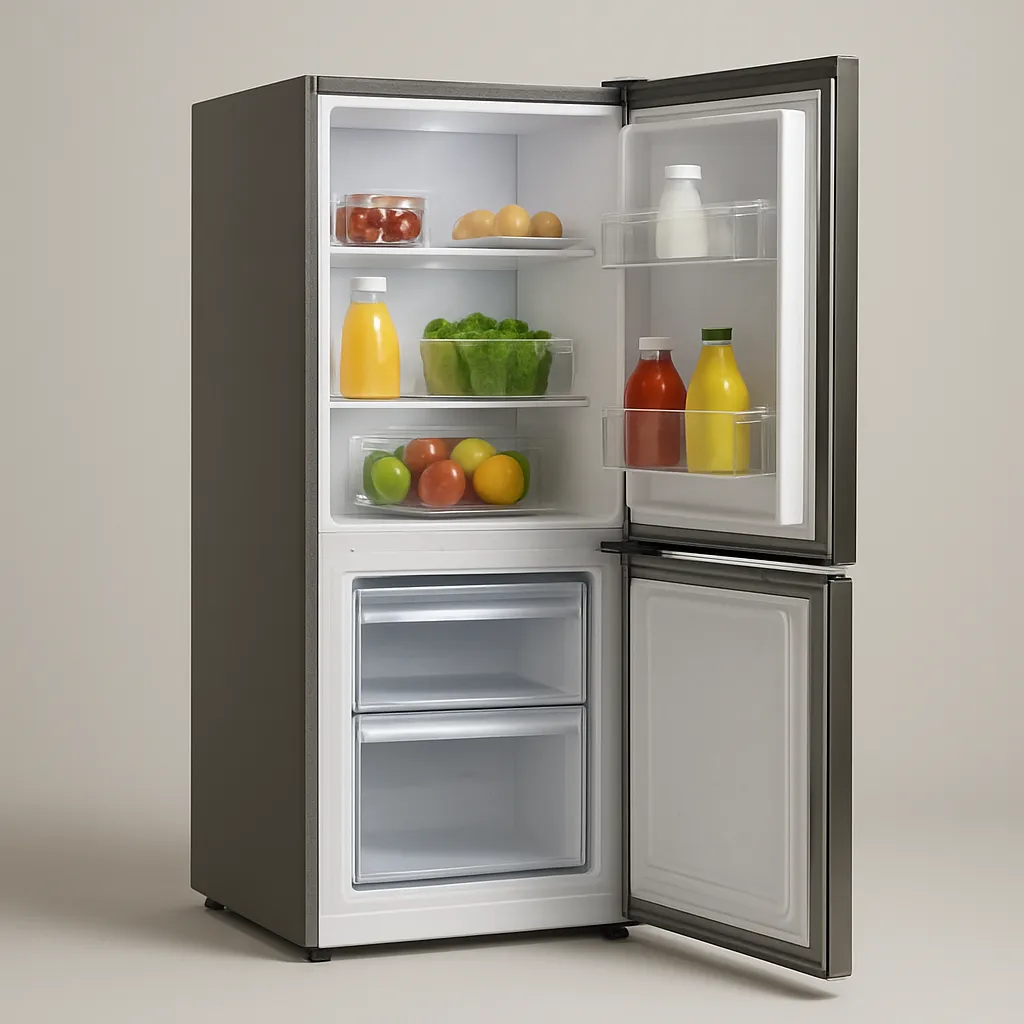
Before electric refrigerators, many families used iceboxes and bought ice often. What change did refrigerators bring to homes?
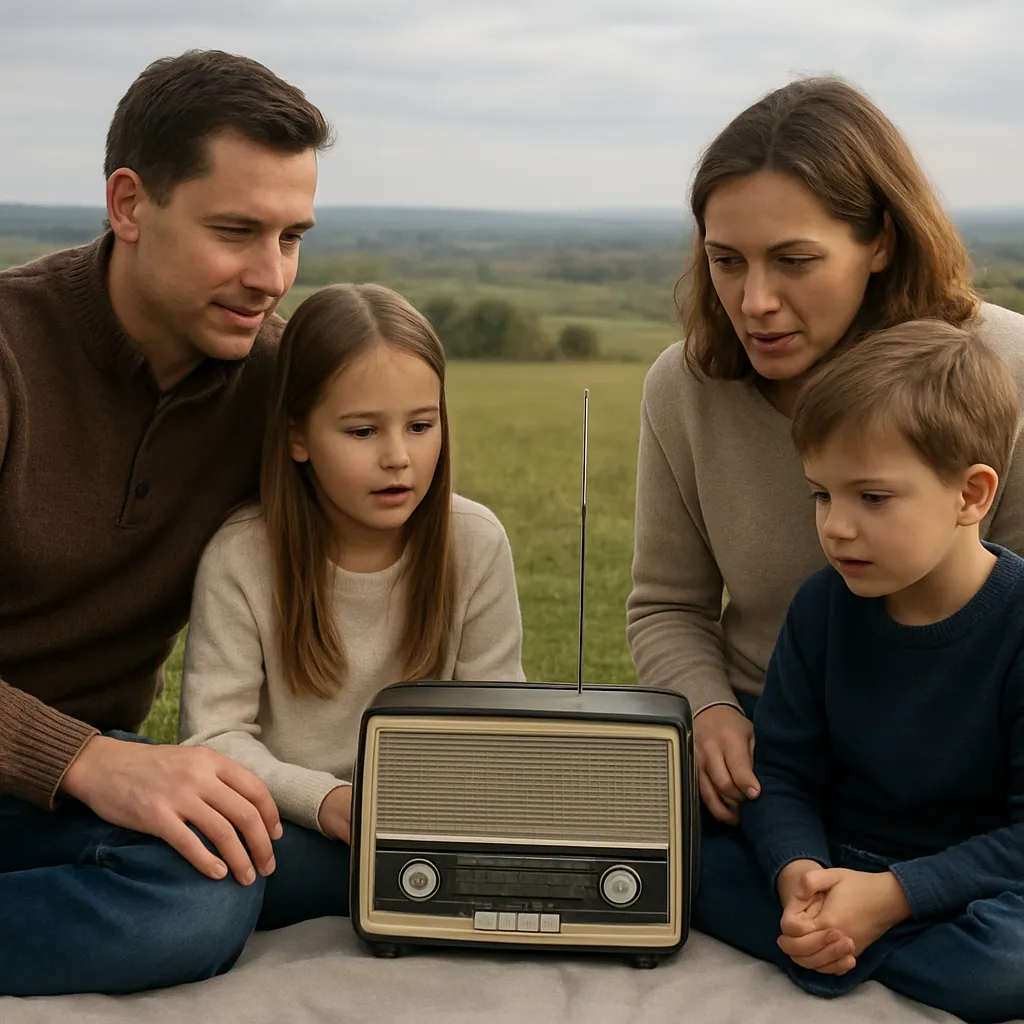
In the 1920s and 1930s, families gathered around radios for music, news, and sports. What did radio change?

A relative living far away could be reached by telephone instead of waiting for a letter. What did telephones improve?

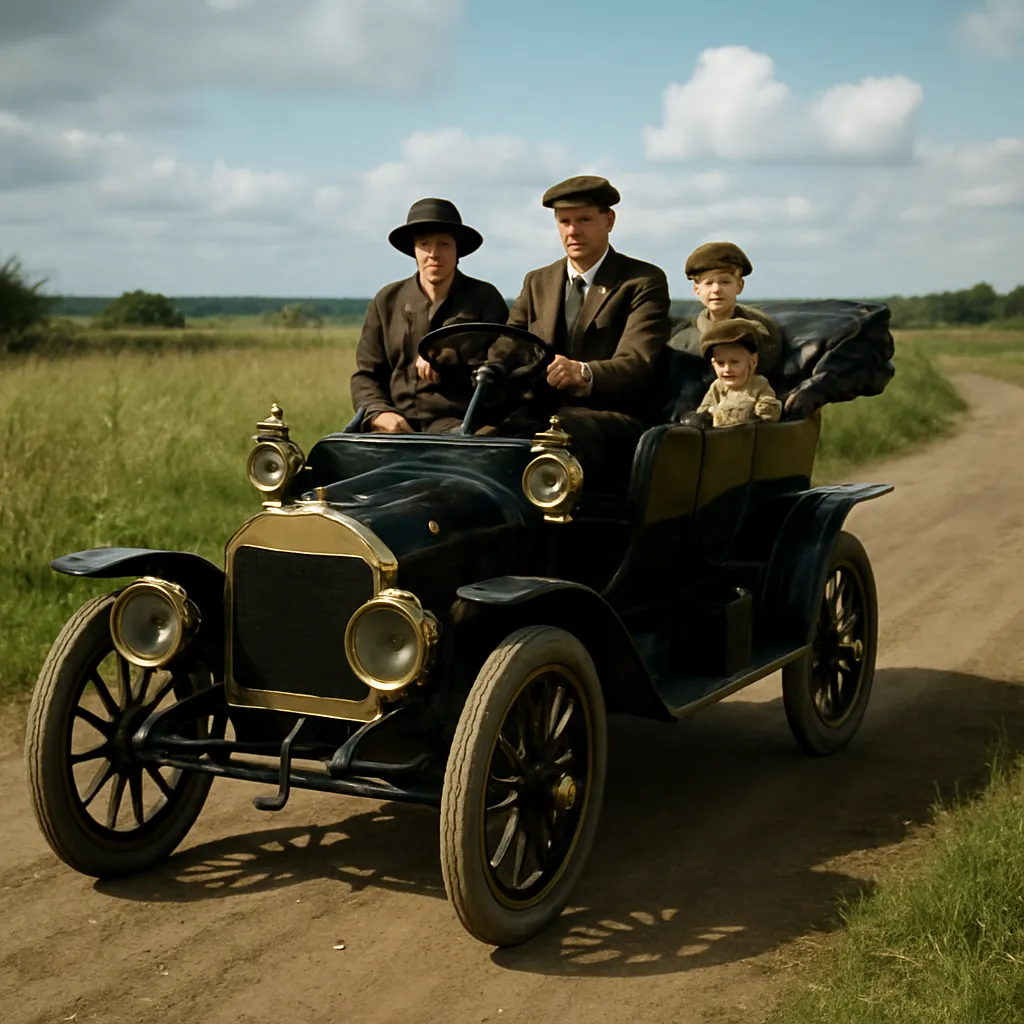
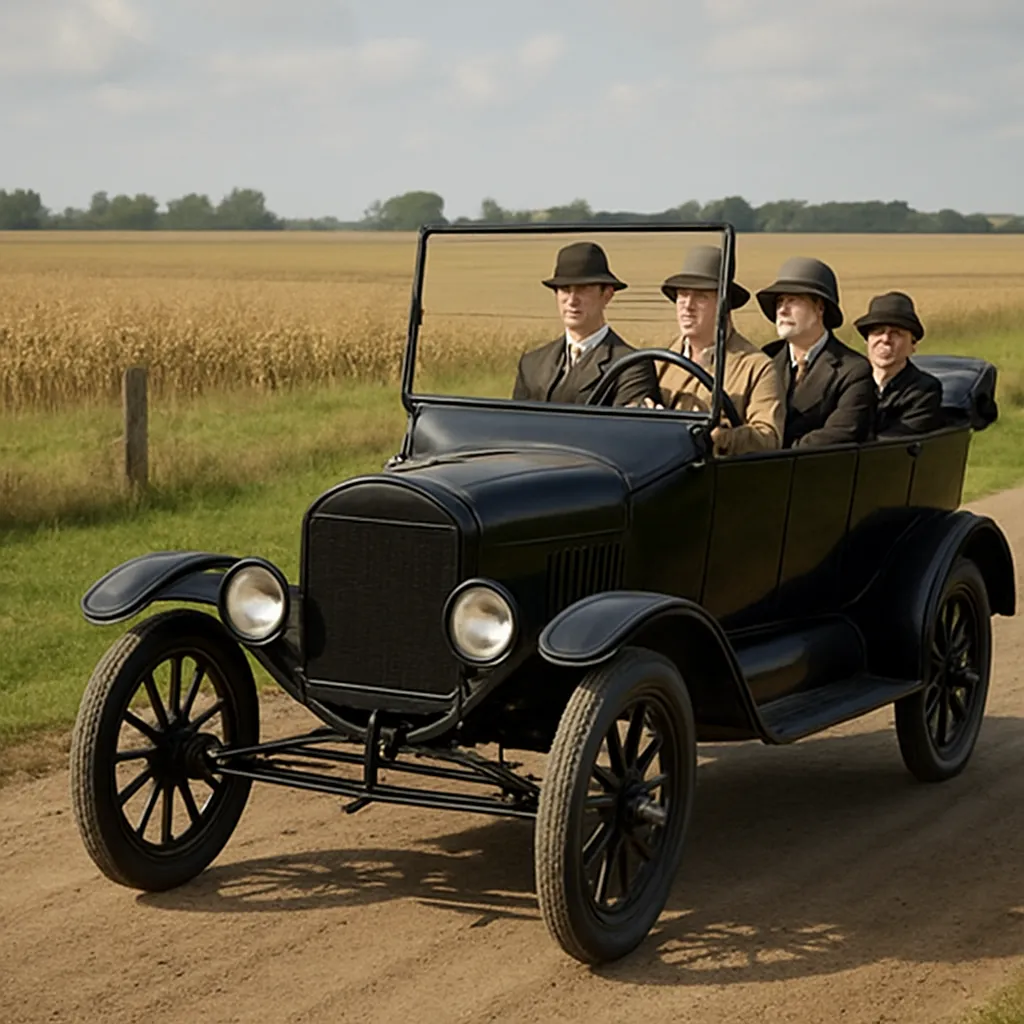
As cars became more common, families could travel farther to stores, jobs, and visits. What did automobiles change most directly?
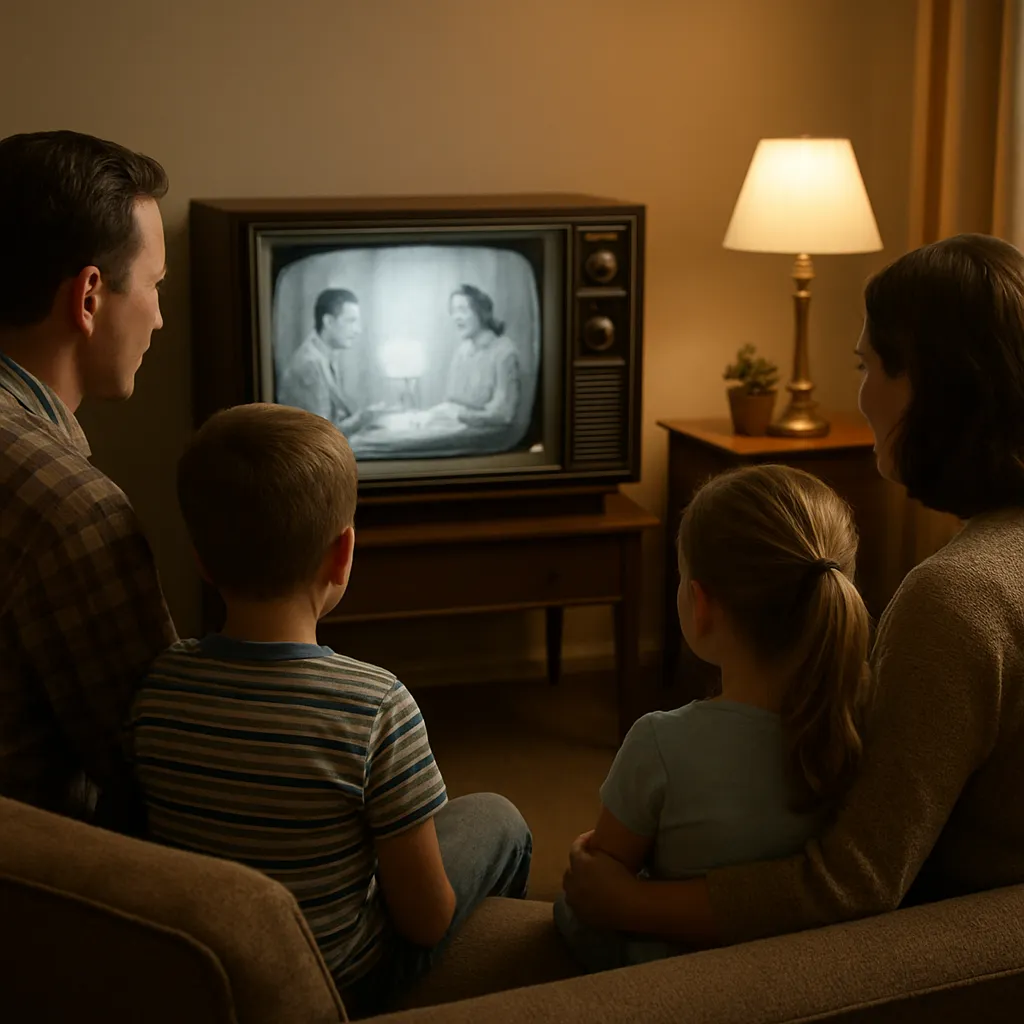
By the mid-1900s, many families watched news and entertainment on television. How was television different from radio?
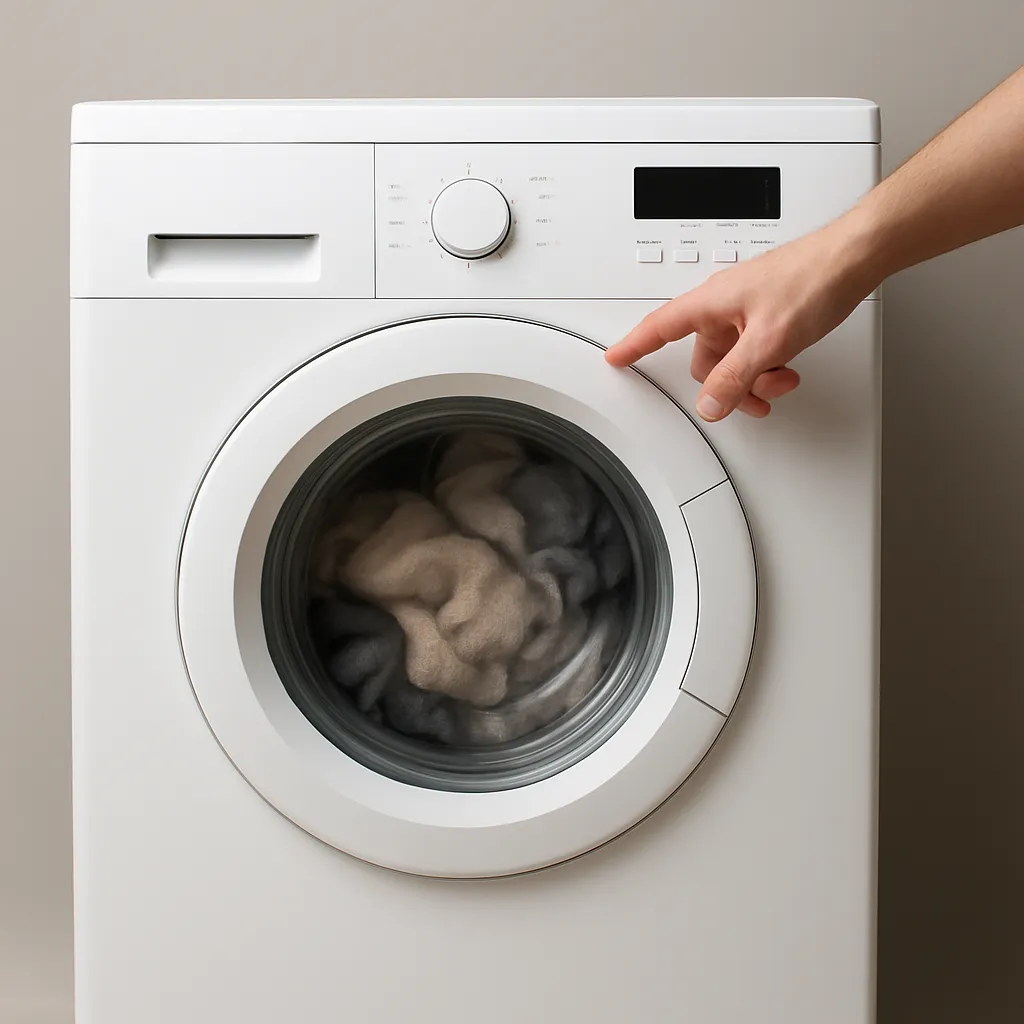
An electric washing machine could clean clothes with less hand scrubbing. What did many electric appliances change?
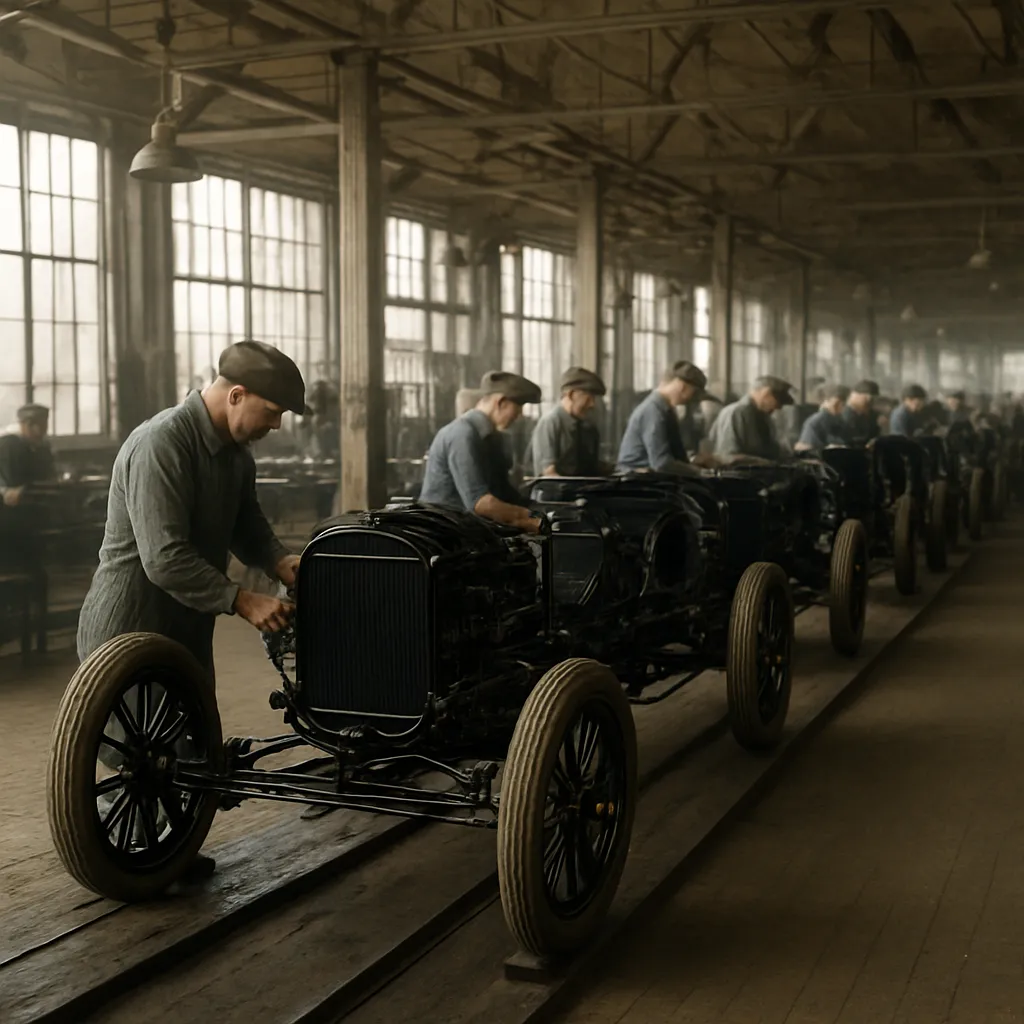
Mass-produced cars became less expensive than many hand-built cars. How did this affect more American families in the 1900s?
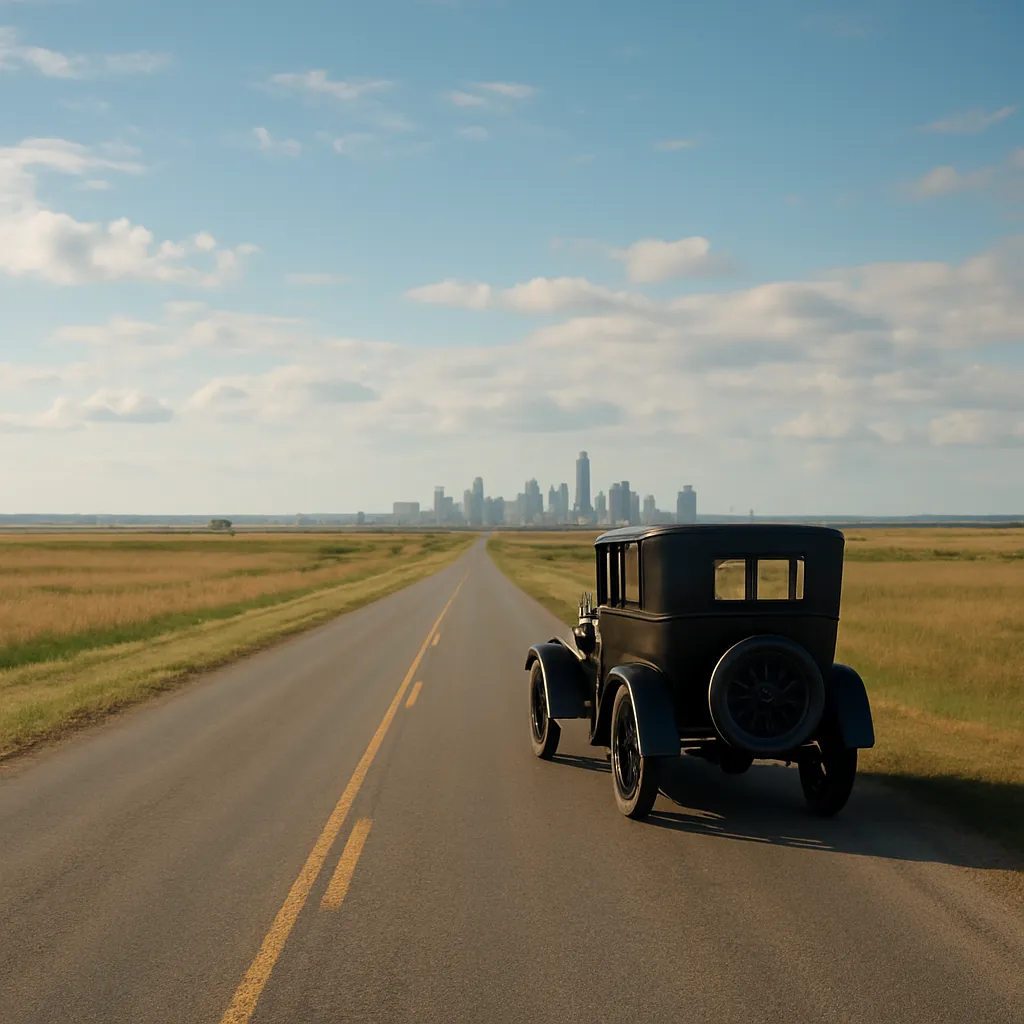
Car ownership helped some families live farther from city centers while still traveling to work. What place grew around this change?
In the 1930s, many farm homes still had no electricity. What did a government program started in 1935 help bring to these farms?
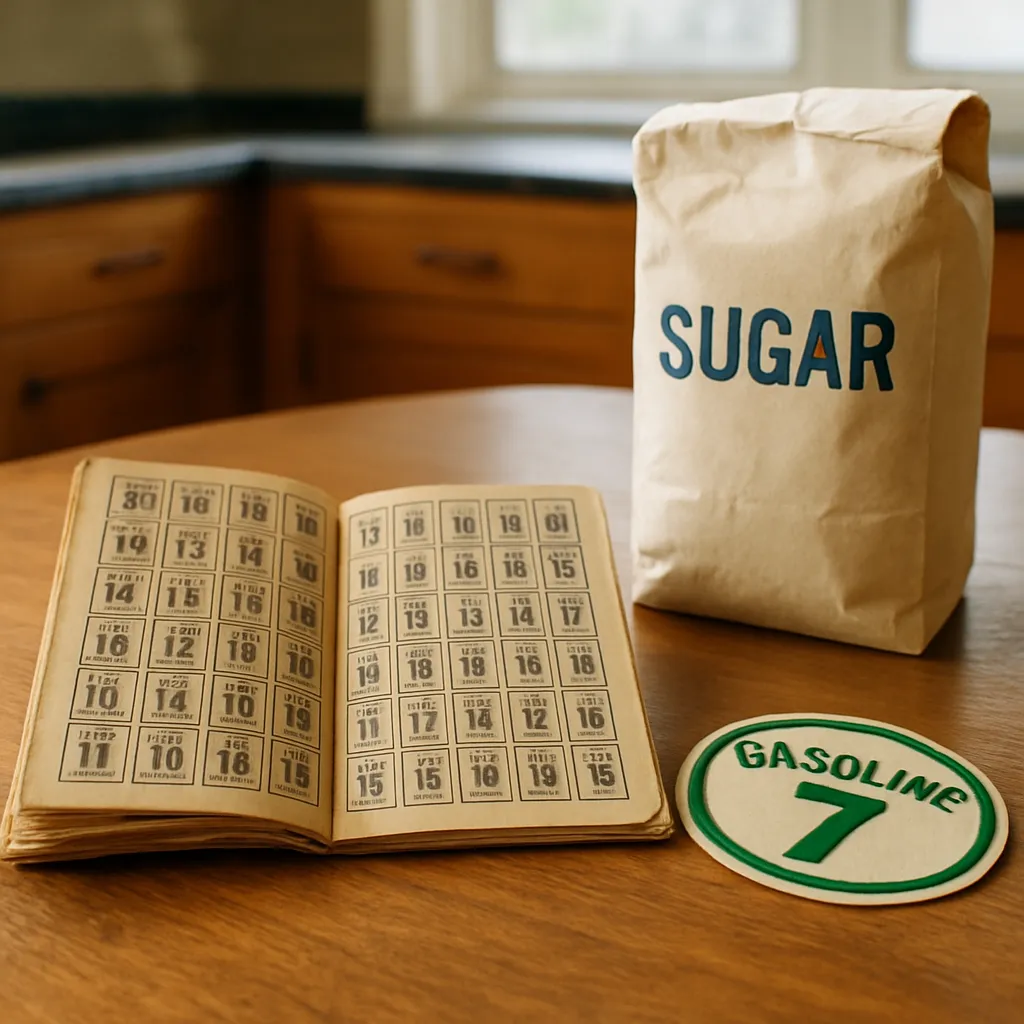
During World War II, families used ration books for goods such as sugar and gasoline. What was the purpose of rationing?
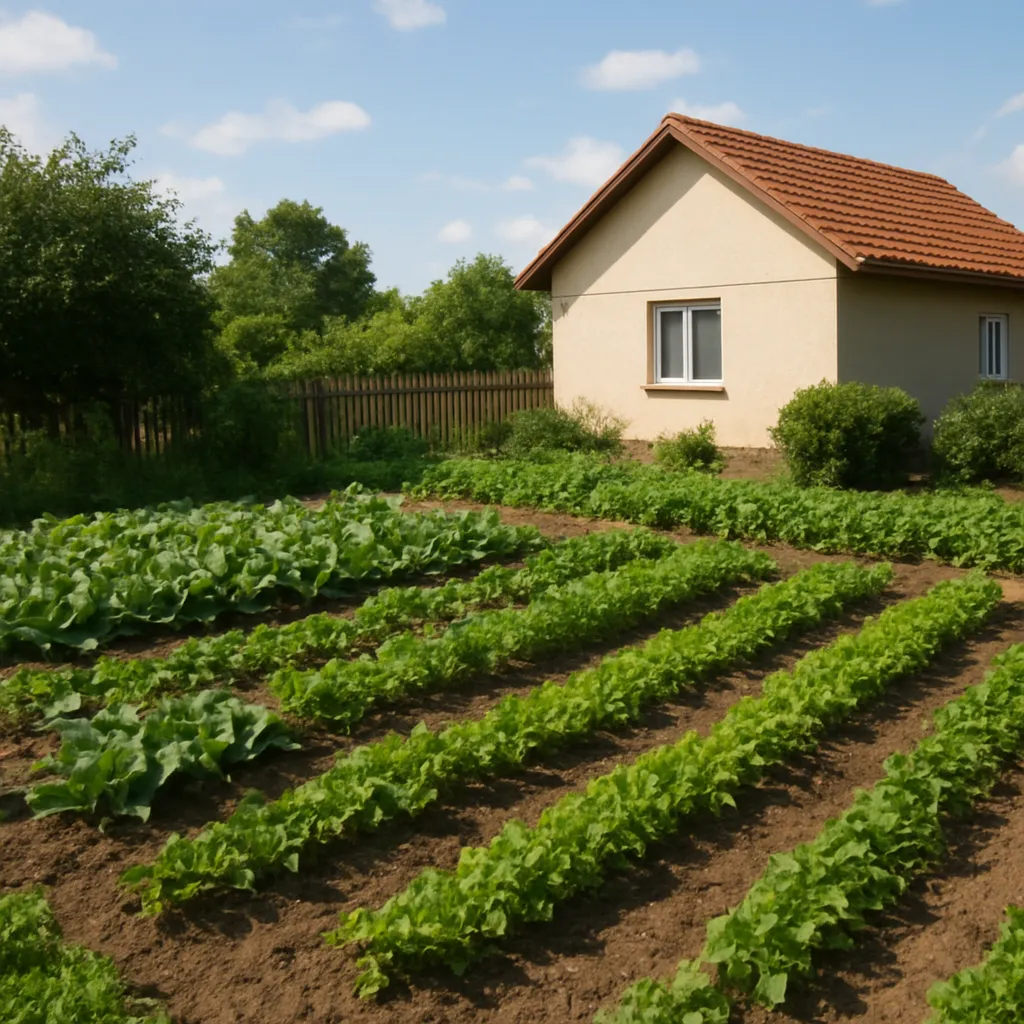
During both world wars, many families planted victory gardens in yards or empty lots. What did these gardens help families do?
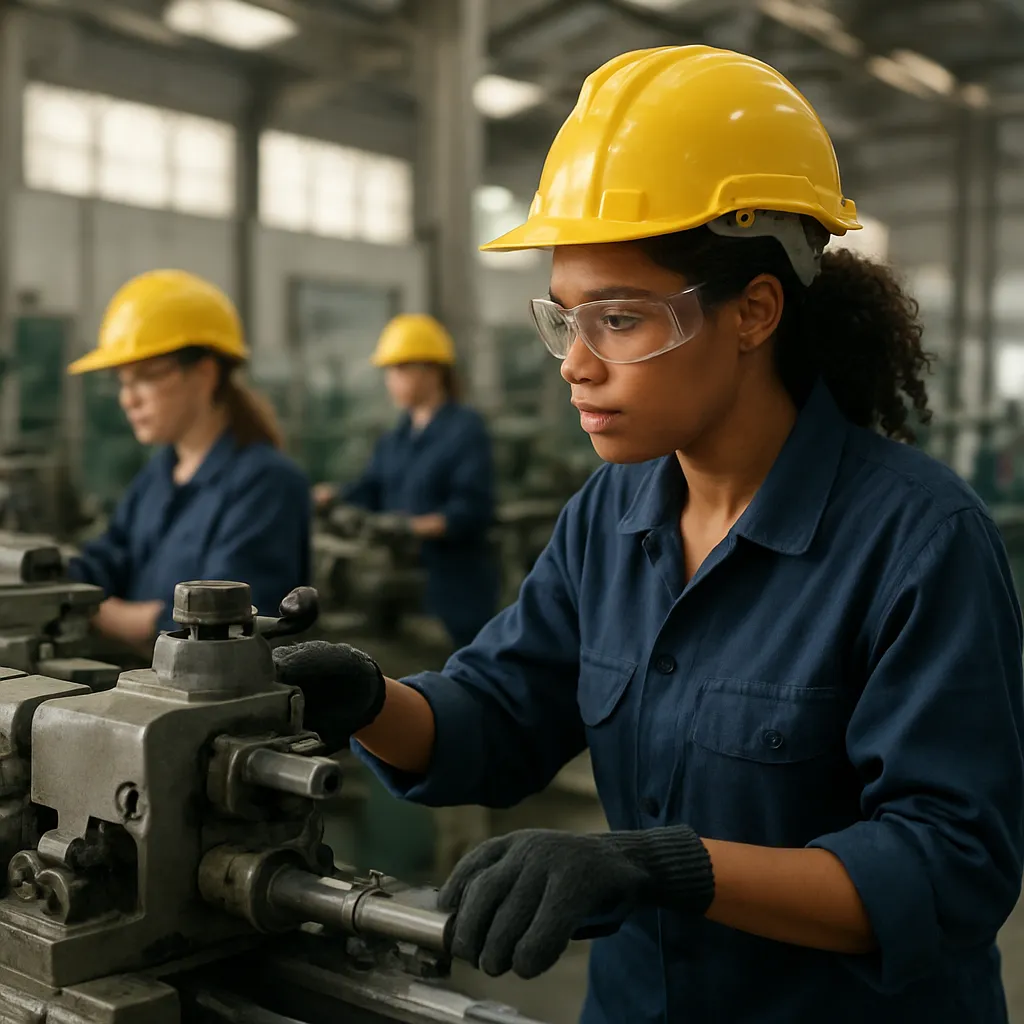
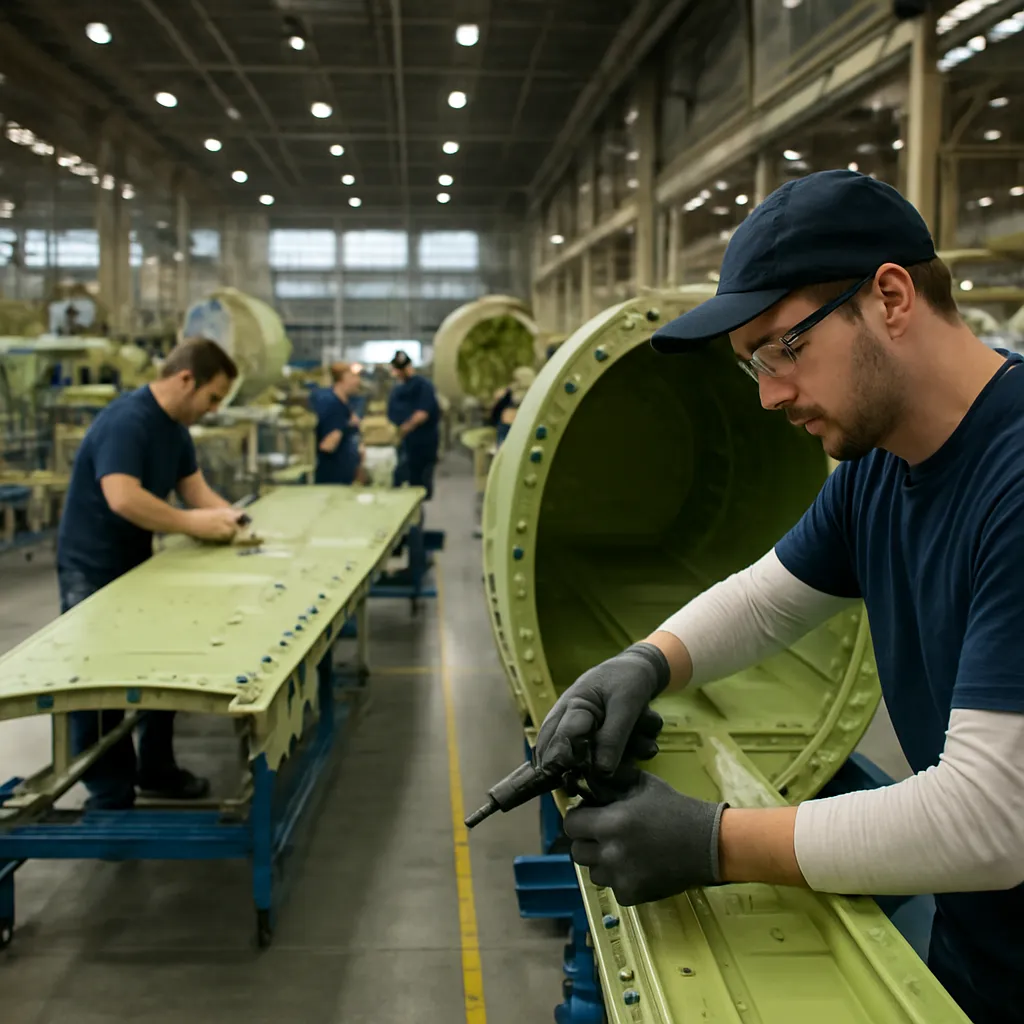
During World War II, many women worked in factories making planes, ships, and other supplies. What changed on the home front?
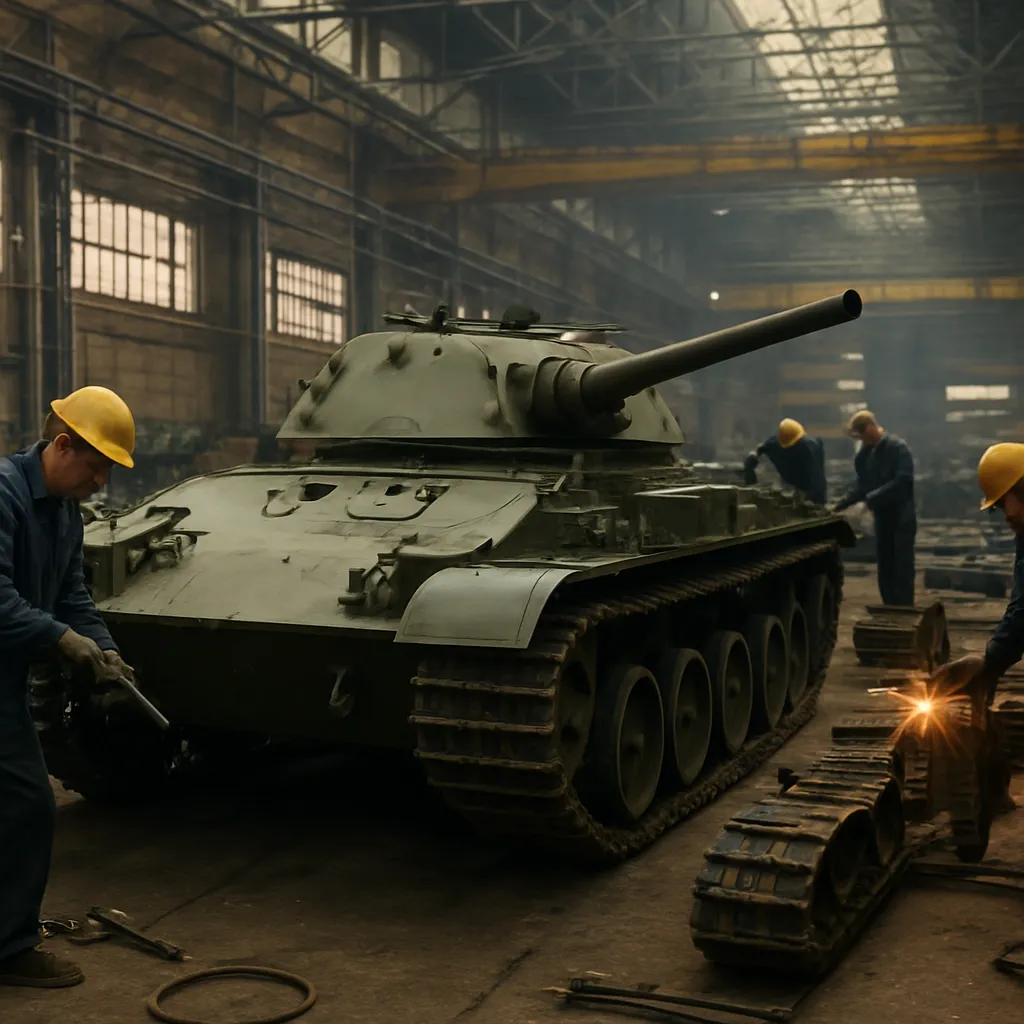
During World War II, some factories that once made cars changed to make tanks, ships, or airplane parts. What does this show?
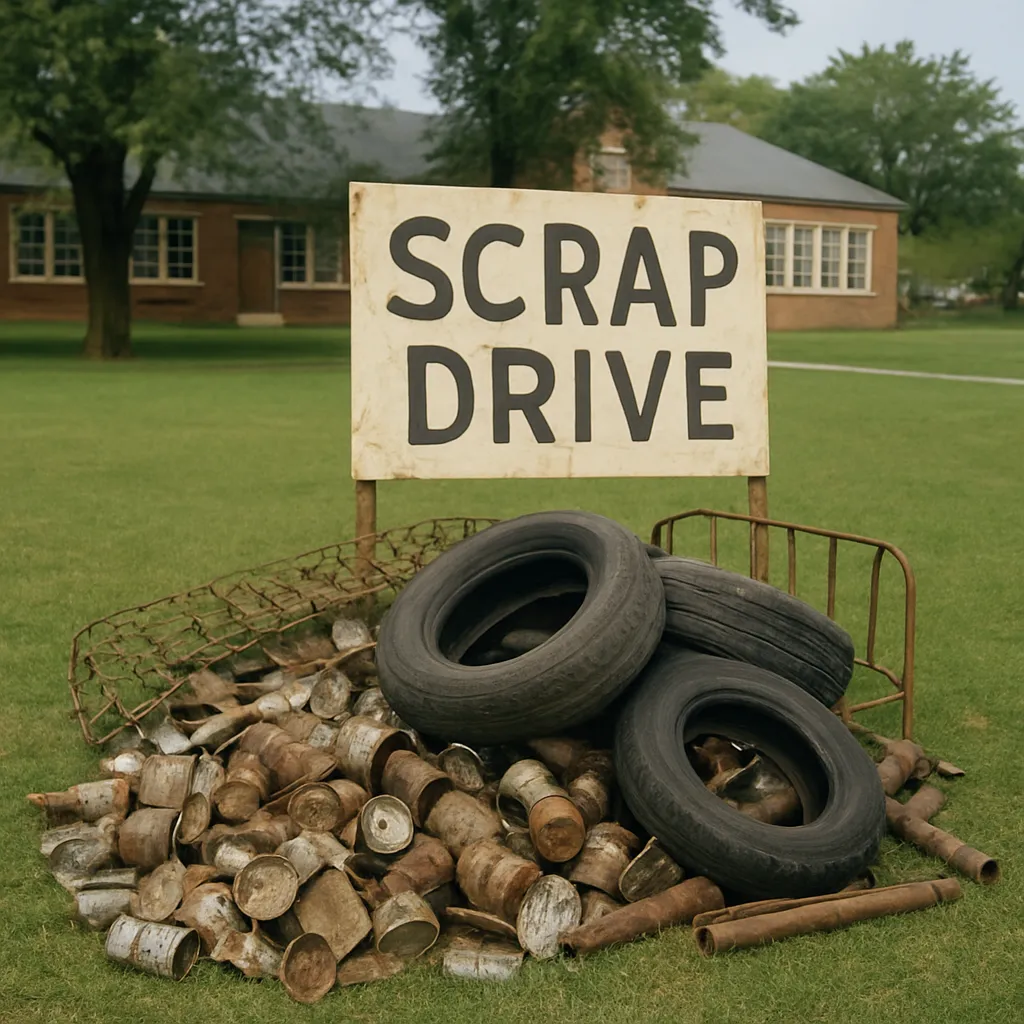
Students collected scrap metal and rubber during wartime drives. Why were these materials useful on the home front?
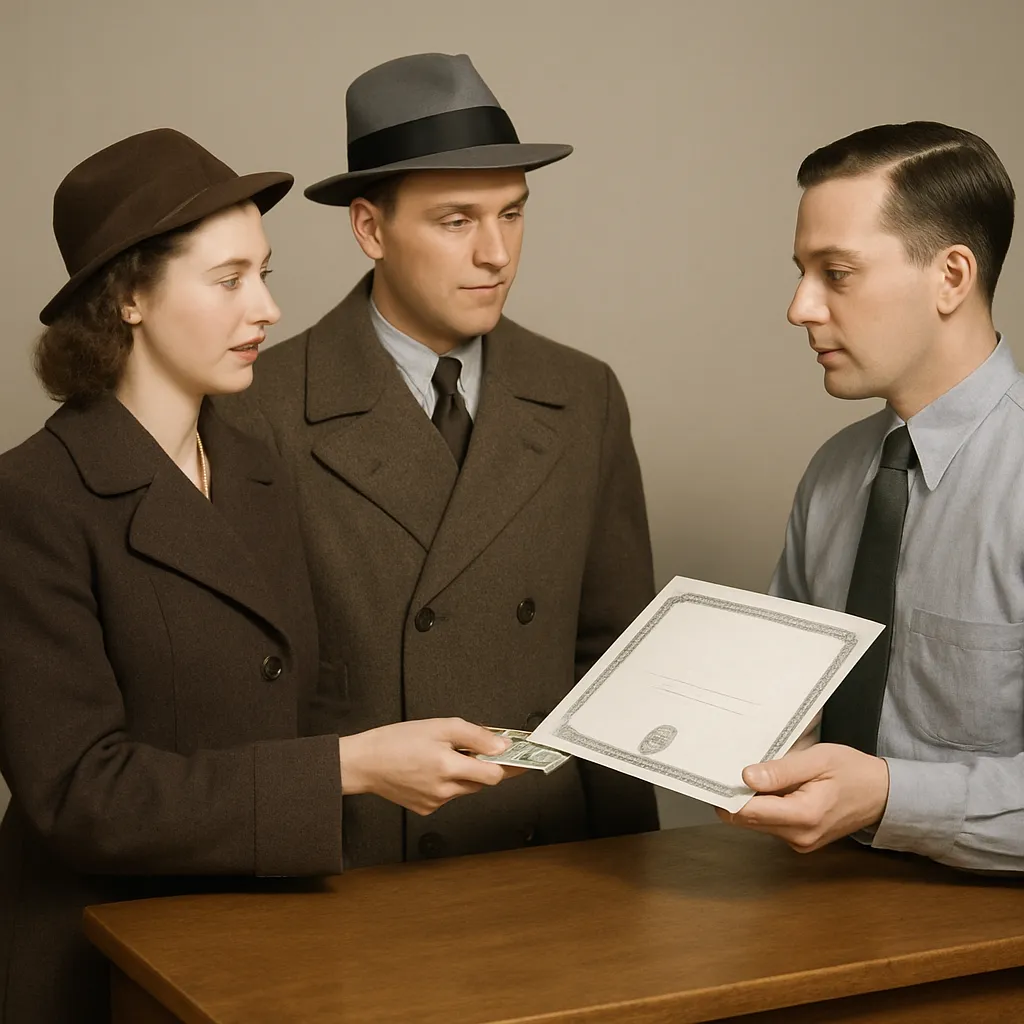
During World War II, people were asked to buy war bonds. What did buying a bond do?
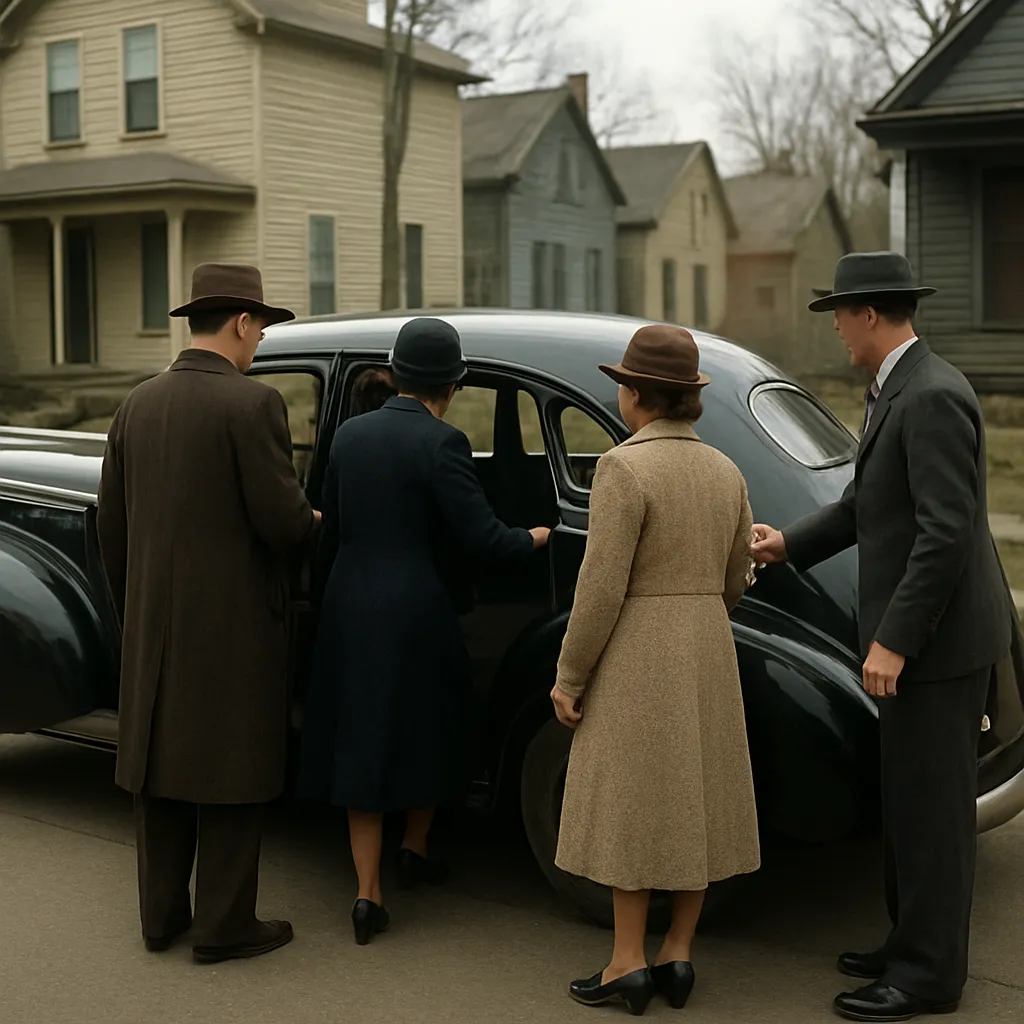
Because gasoline was rationed during World War II, some families shared rides or drove less. What home-front goal did this support?
During the world wars, families at home often wrote letters to service members far away. What need did this meet?

Put these events in order: World War I, the Great Depression, and World War II. What sequence is correct?
A home timeline includes radio programs, television programs, and internet streaming. What became common in many homes earliest?
A transportation timeline includes mass-produced cars, jet passenger travel, home computers, and smartphones. What belongs earliest?
A timeline shows Great Depression bank failures, World War II victory gardens, and television becoming common. What belongs first?
A home-history timeline lists electric lights, television sets, and home internet. What came earliest for many American homes?
A communication timeline lists letters, radio news, live television news, and websites. Which of these came last for most American homes?
As more American families bought cars in the 1900s, more people drove every day. What was one effect of this change?
Electric lights replaced gas lamps and candles in many factories and stores in the 1900s. What was one effect of this change?
During World War II, factories ramped up production of ships, planes, and equipment. What happened to the unemployment left over from the Great Depression?
Because thousands of banks failed and depositors lost savings during the Great Depression, the government created a new program in 1933. What was the effect of this program?
In the 1930s, President Franklin D. Roosevelt gave talks on the radio called fireside chats. Why did he use the radio?
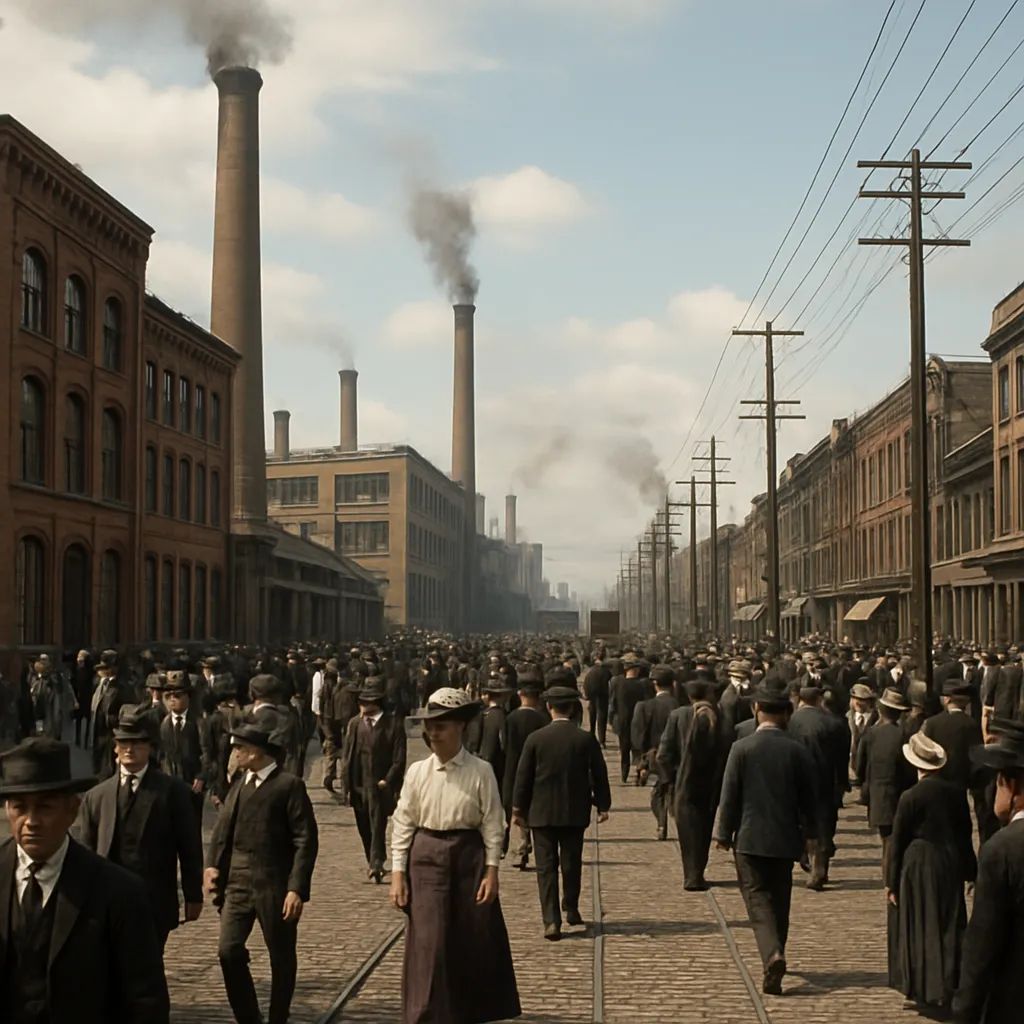
Because factories offered steady wages in the early 1900s, many families left farms to find work in growing industrial areas. What was one effect of this movement?
Crack the passcode before the zombies get in.
Answer, then swat bugs for bonus points.
Race through questions at your own speed.
Same question on every screen. Fastest wins.

Pick a tile, answer, hit bonuses and steals.
Local, State, and National Government
40 questions