Loading
by BlastRoom
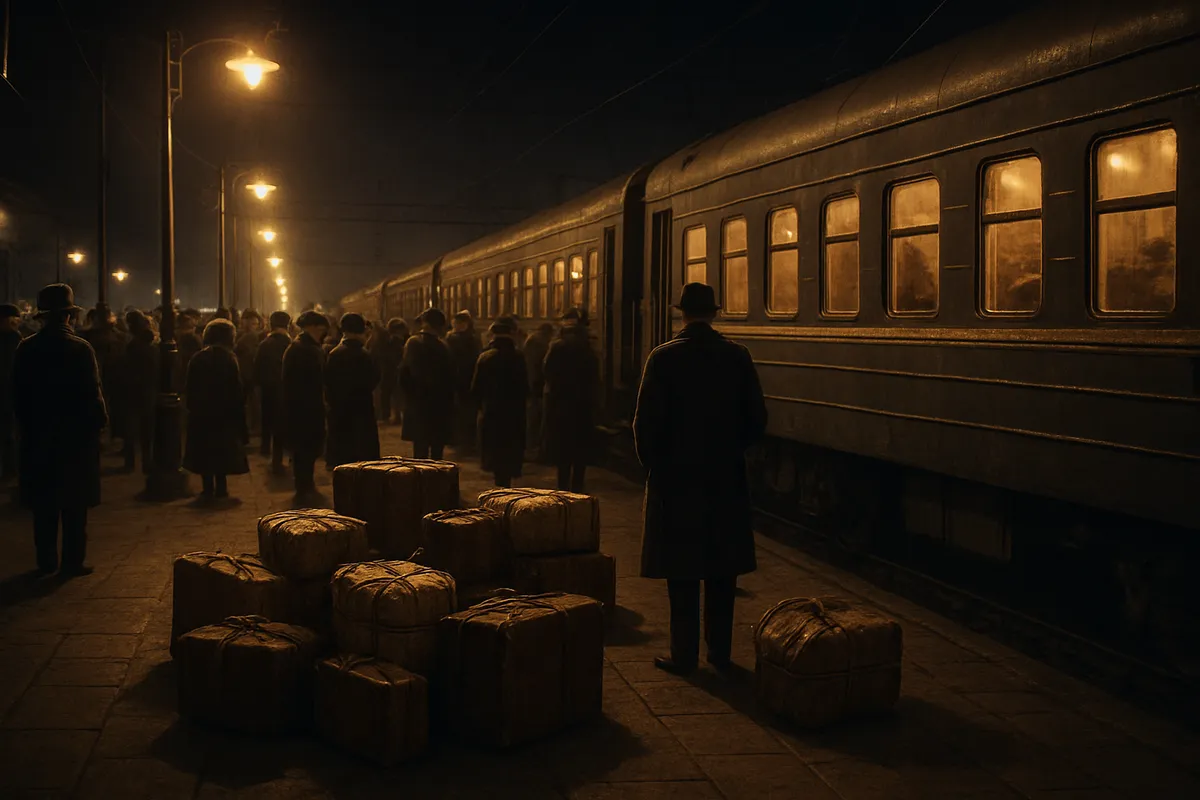
Students identify who moved, where they moved, and why during the Great Migration.
#history#us_grade_4_social_studies
40 questions
One question set, multiple game modes. Tap any game to see it in action. Not sure which to pick?
Answer to place stones and capture territory.
Outrun the snow together.
Earn blasts, then hunt the other team.
Answer to earn energy, then climb.

The class blasts through walls together.
Bid on mystery lots. Most money wins.
Sell tours. Nice, standard, or a total scam.

Answer, restock, and serve the rush.
More correct answers pulls the rope your way.
Answer, then shoot down the alien wave.
Answer, then tap to leap the frozen ridge.
A historian describes millions of people leaving farms and small towns in the South during the 1900s. Who made this move during the Great Migration?
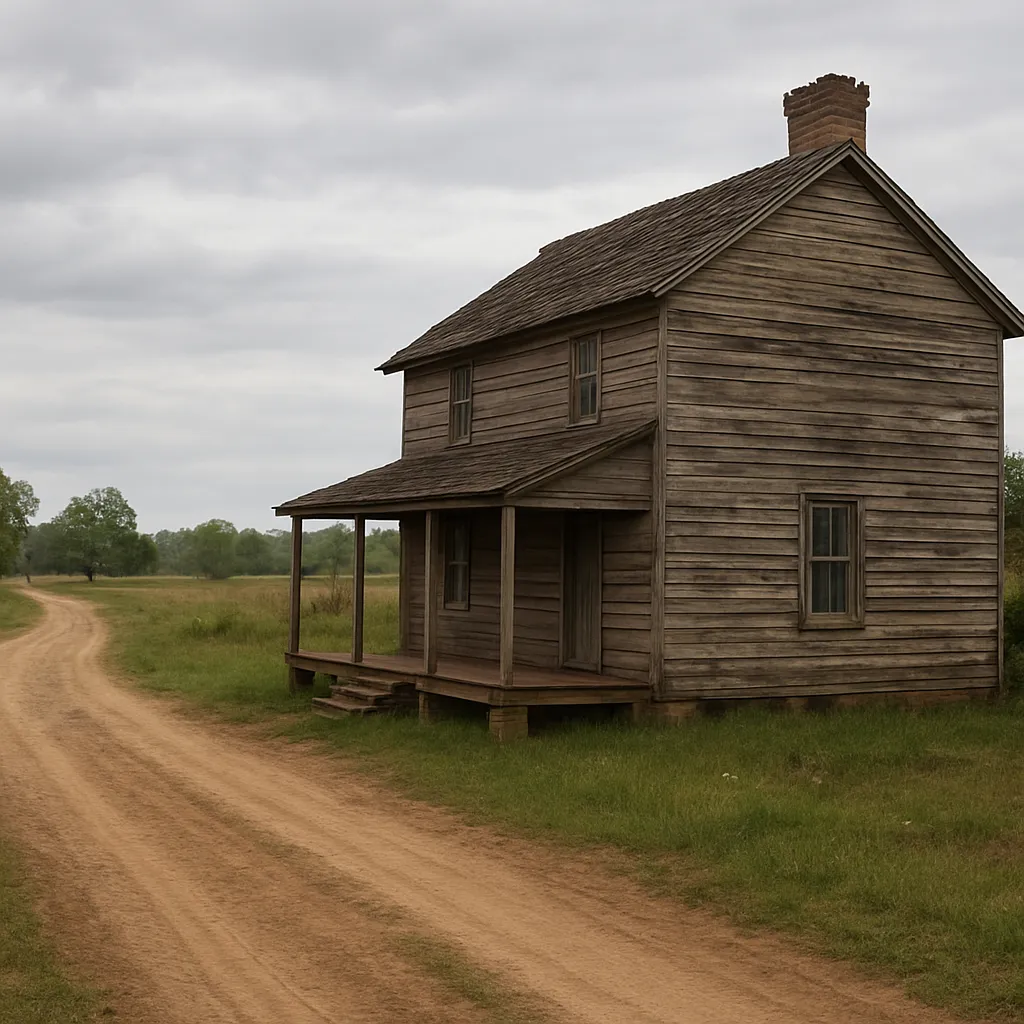
During the Great Migration, many migrants began their journey in states such as Mississippi, Alabama, Georgia, and Louisiana. What region did they leave?
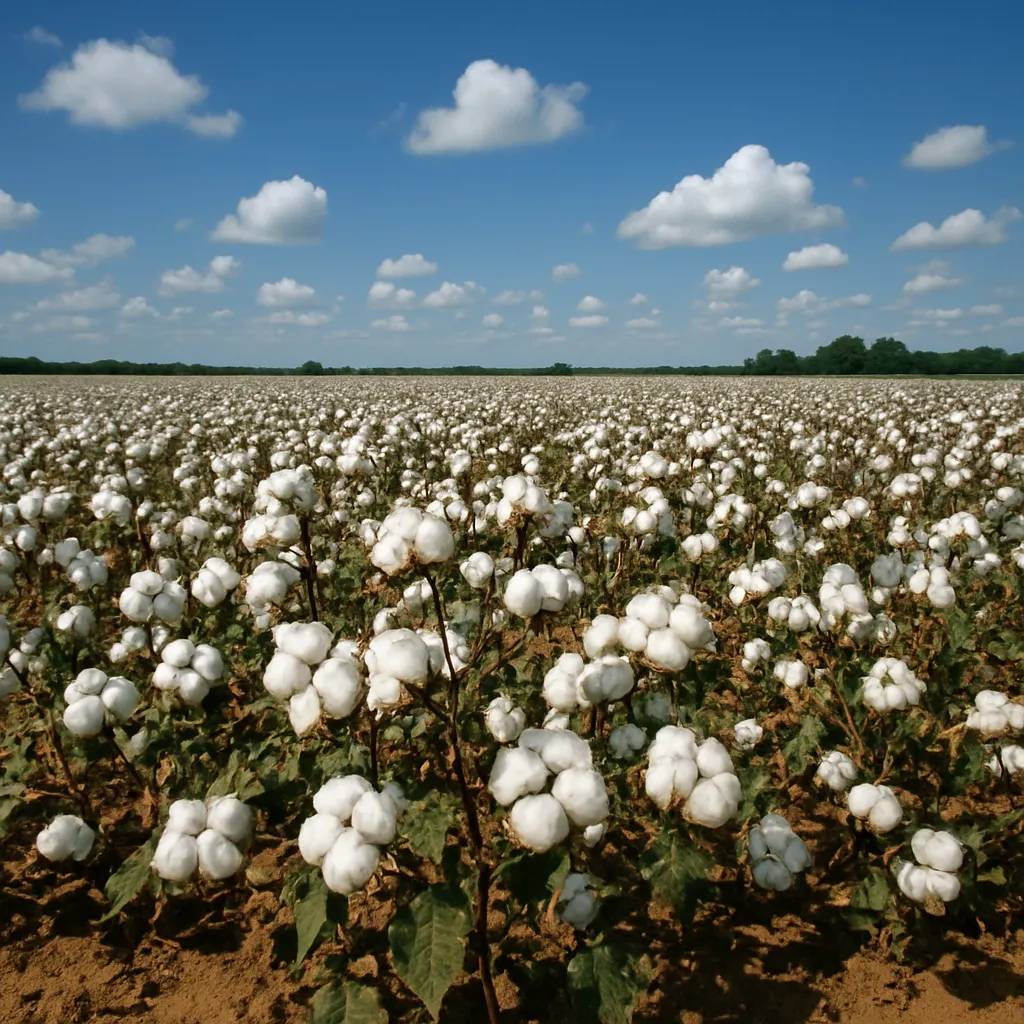
A family left a cotton farm and rode a train to Chicago for work. What kind of movement does this example show?
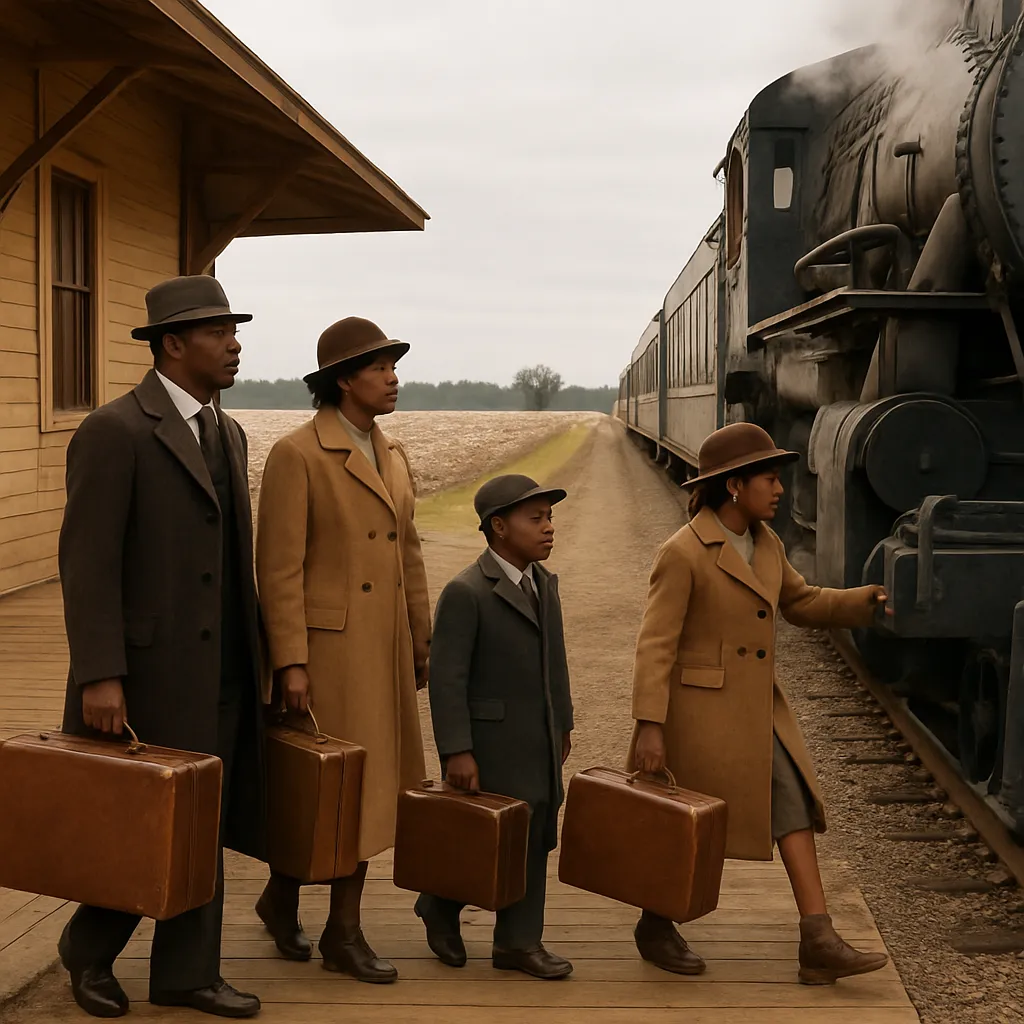
Many African American families left the South and settled in cities such as Chicago, Detroit, Philadelphia, and New York. What region was a major destination?
A timeline shows the Great Migration starting during World War I and continuing for decades afterward. When did it mainly happen?
A railroad ticket in a family scrapbook shows travel from Mississippi to Illinois. What destination city would fit the Great Migration?
A worker left Georgia for Michigan because automobile factories were hiring. What city became an important Great Migration destination in Michigan?
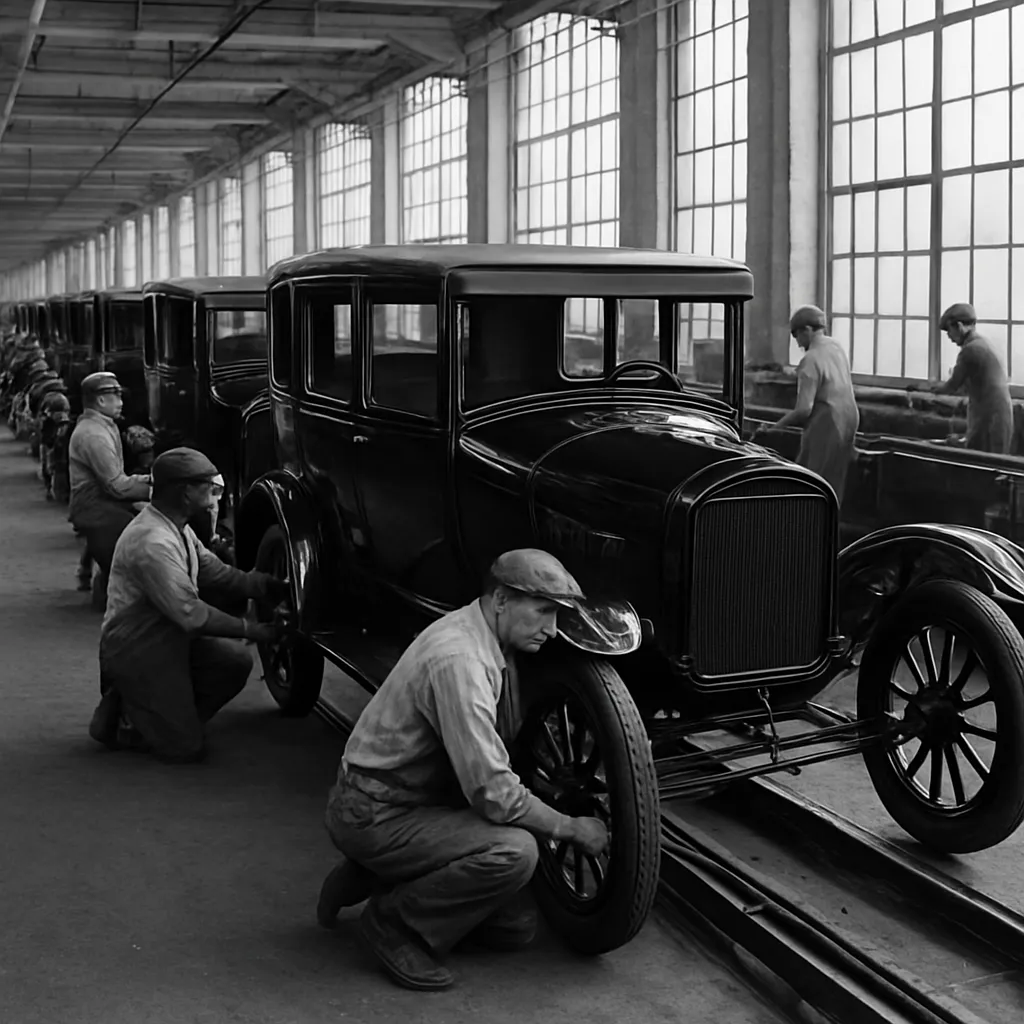
A family moved from South Carolina to a large city in Pennsylvania with factories and railroads. What city was a common destination?
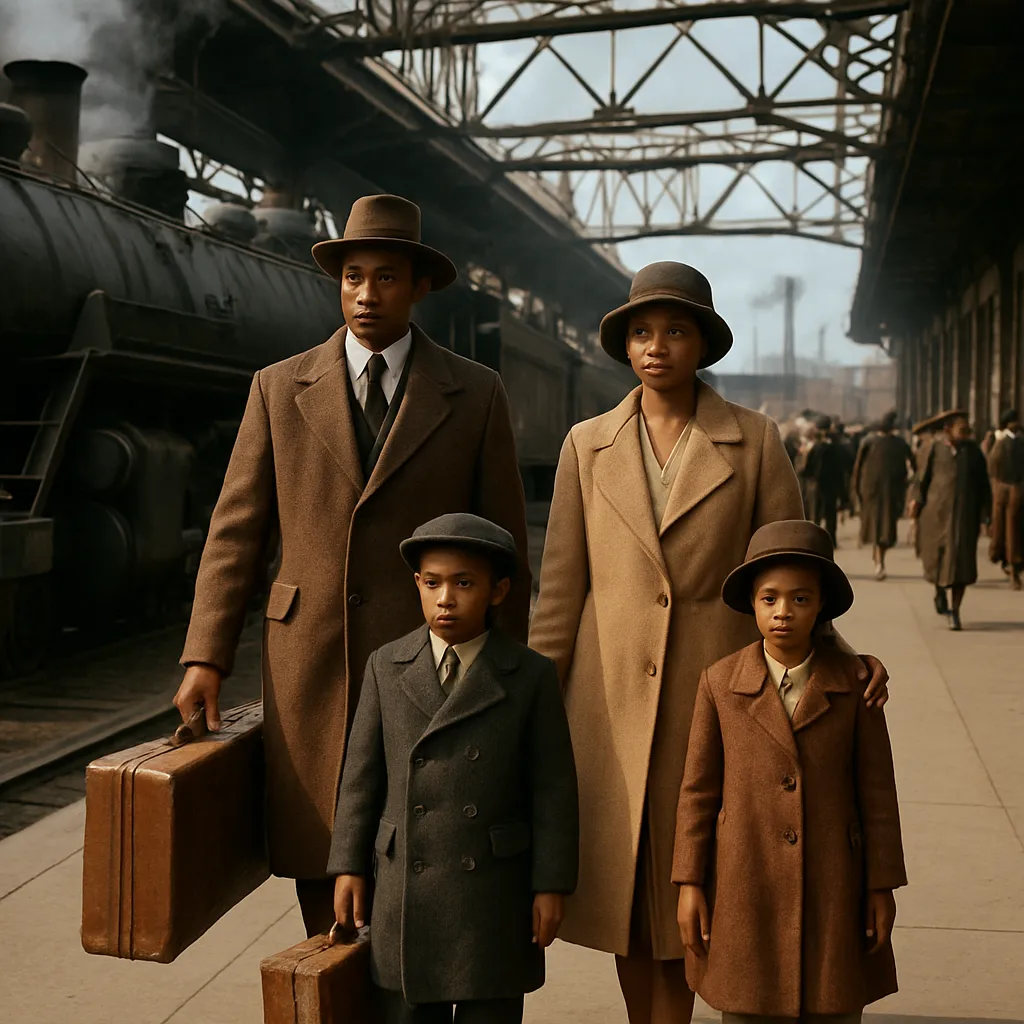
A source says some migrants traveled to Harlem, a neighborhood known for African American culture. In what city is Harlem located?
Some migrants traveled beyond the North to cities such as Los Angeles and Oakland. What other region received Great Migration migrants?
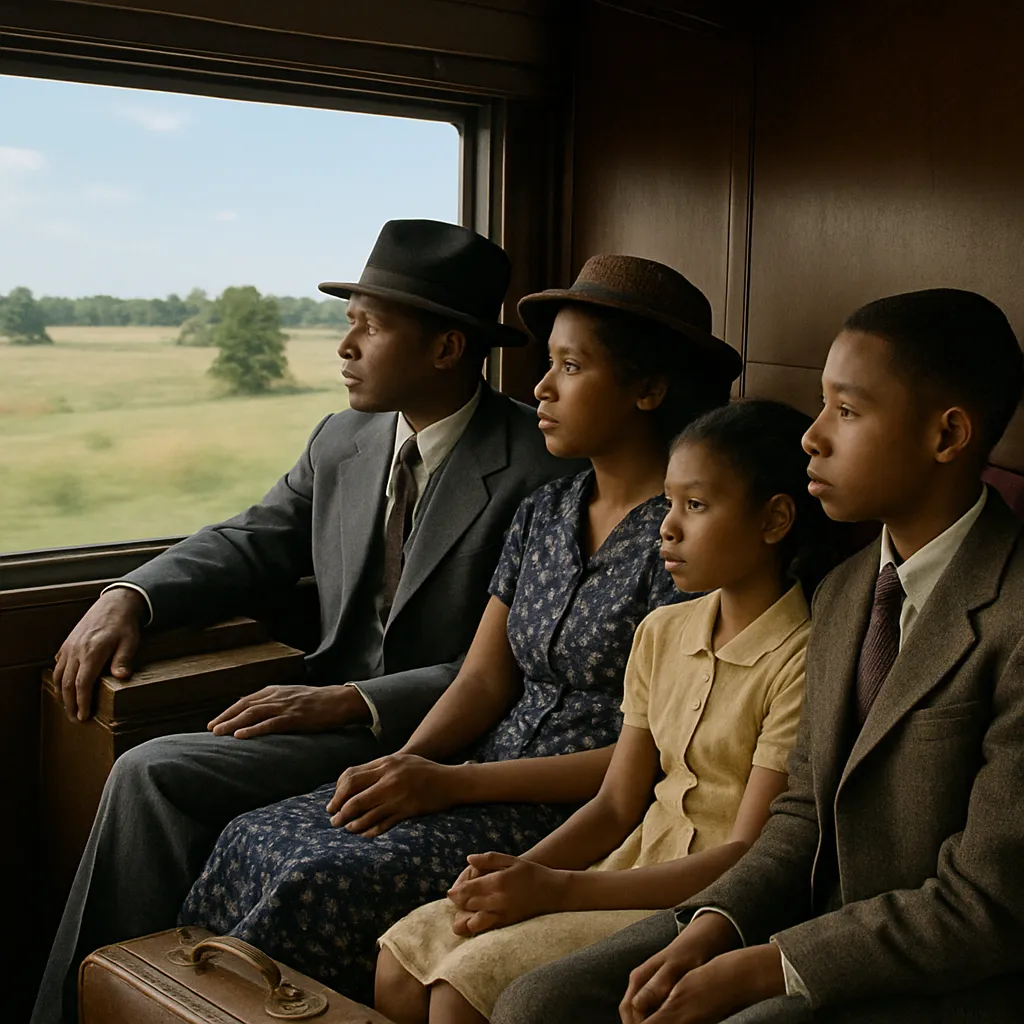
A census record shows African American population growing in northern cities while many southern counties lost residents. What does that pattern describe?
Before leaving the South, many migrants had worked as sharecroppers. What did a sharecropper do?
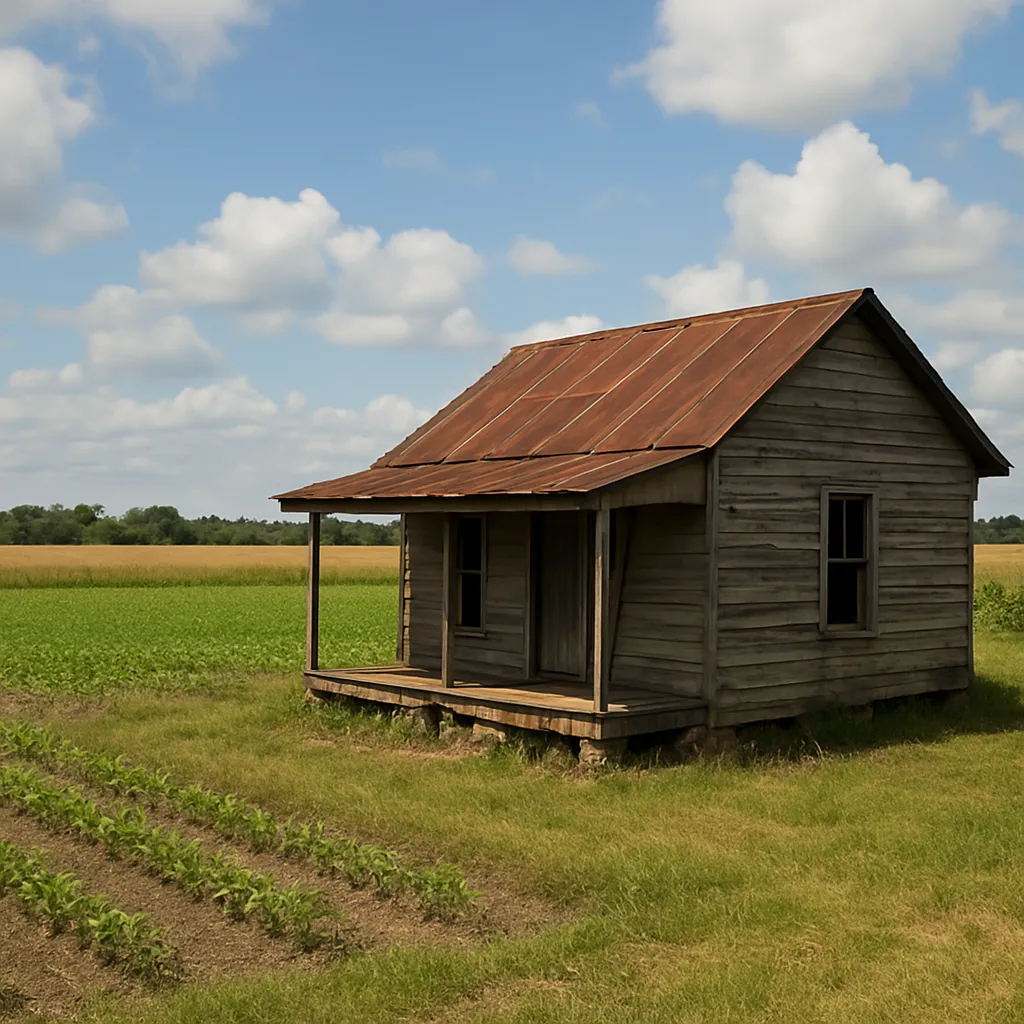
During World War I, many African Americans moved from the South to northern cities. What was the biggest pull factor drawing them north?
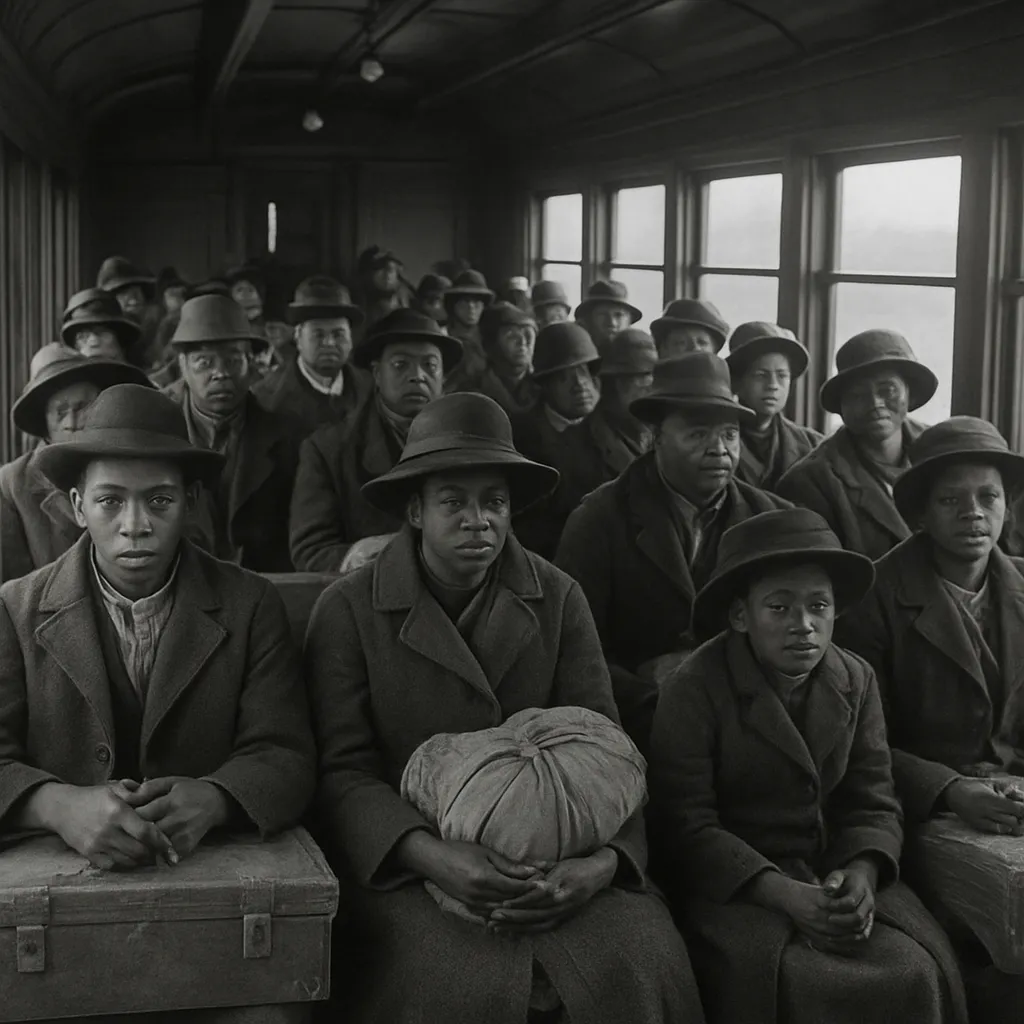
A sharecropper owed money to a landowner after a poor cotton harvest. Why could this push a family to leave the South?
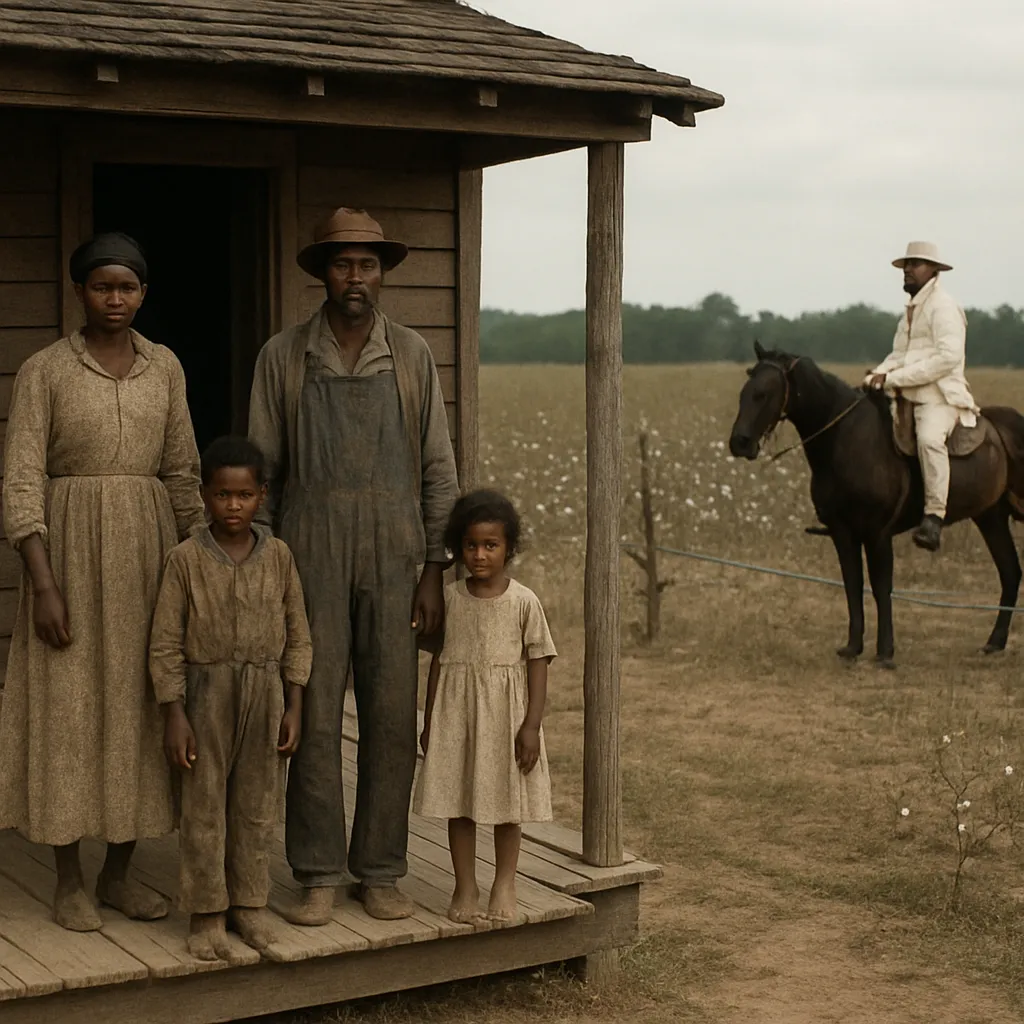
A southern town enforced segregation in schools, buses, and public places. What kind of reason for leaving was this?
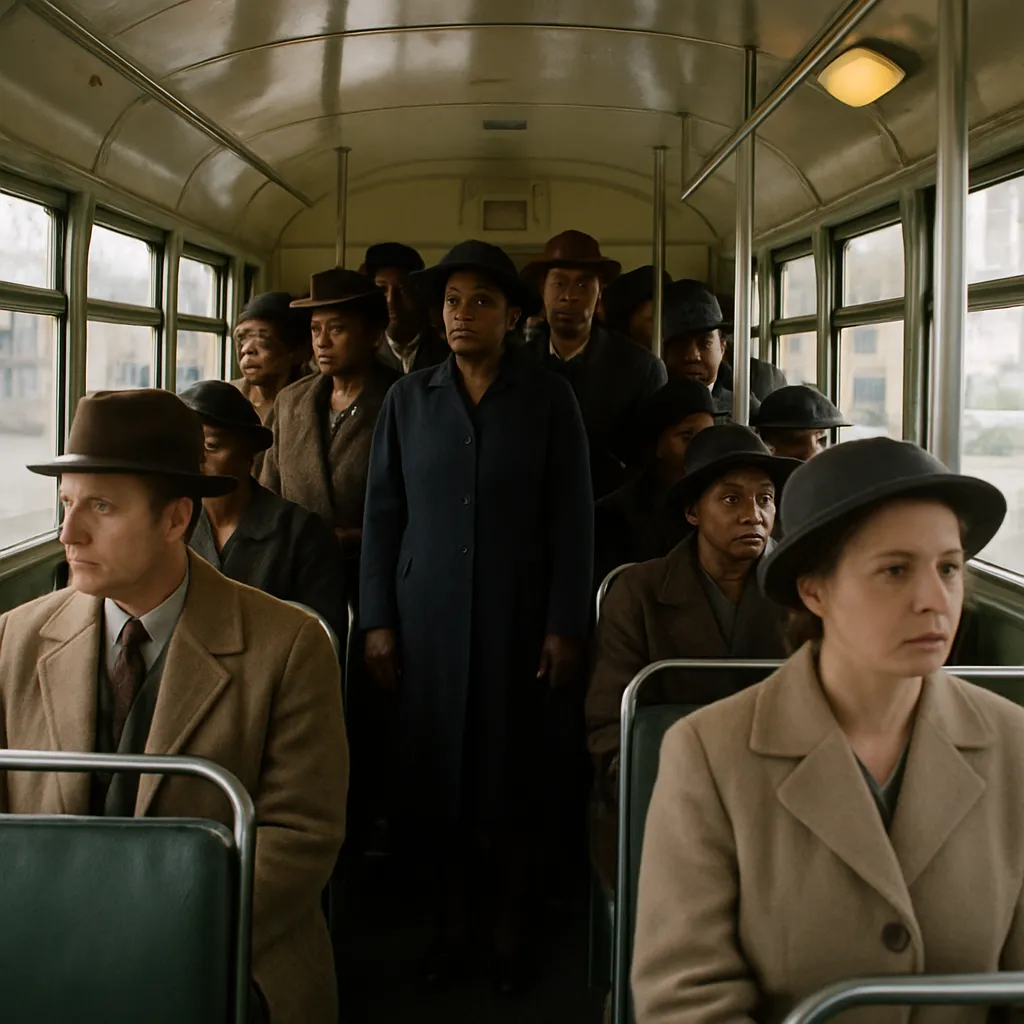
Some families left the South because of racist violence and unfair Jim Crow laws. What did they most hope to find in the North?
The boll weevil damaged cotton crops across the South. How did this insect help cause migration?
A parent read that a northern city had more public schools for Black children than their county did. What pull factor did this show?
A letter from Chicago said a meatpacking plant was hiring workers. Why might this message encourage migration?

During World War I, far fewer immigrants arrived from Europe. How did this help start the Great Migration?
A family compared low farm earnings in Alabama with higher wages advertised in Detroit. The higher wages in Detroit are an example of what?

A southern family wanted to escape Jim Crow segregation and find work in a city. What best describes their reasons for moving?
As migrants arrived, neighborhoods in Chicago, Detroit, and New York grew quickly. What changed in many northern cities?
A migrant found work making cars after moving from Alabama to Michigan. What type of work did many migrants find?
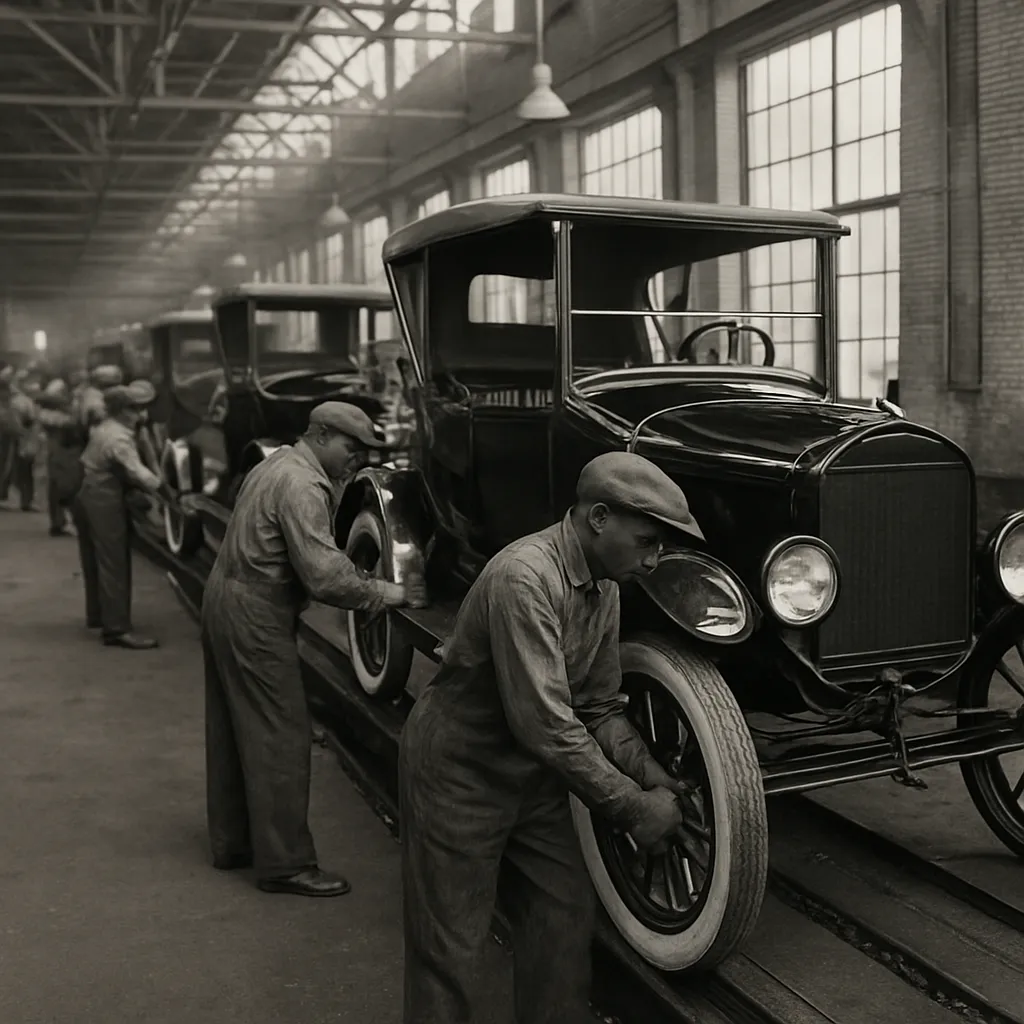
A Black family reached a northern city but was told some apartments would not rent to them. What difficulty did this show?
A worker in Detroit was hired for the lowest-paid job while white workers got better positions. What challenge did some migrants face?
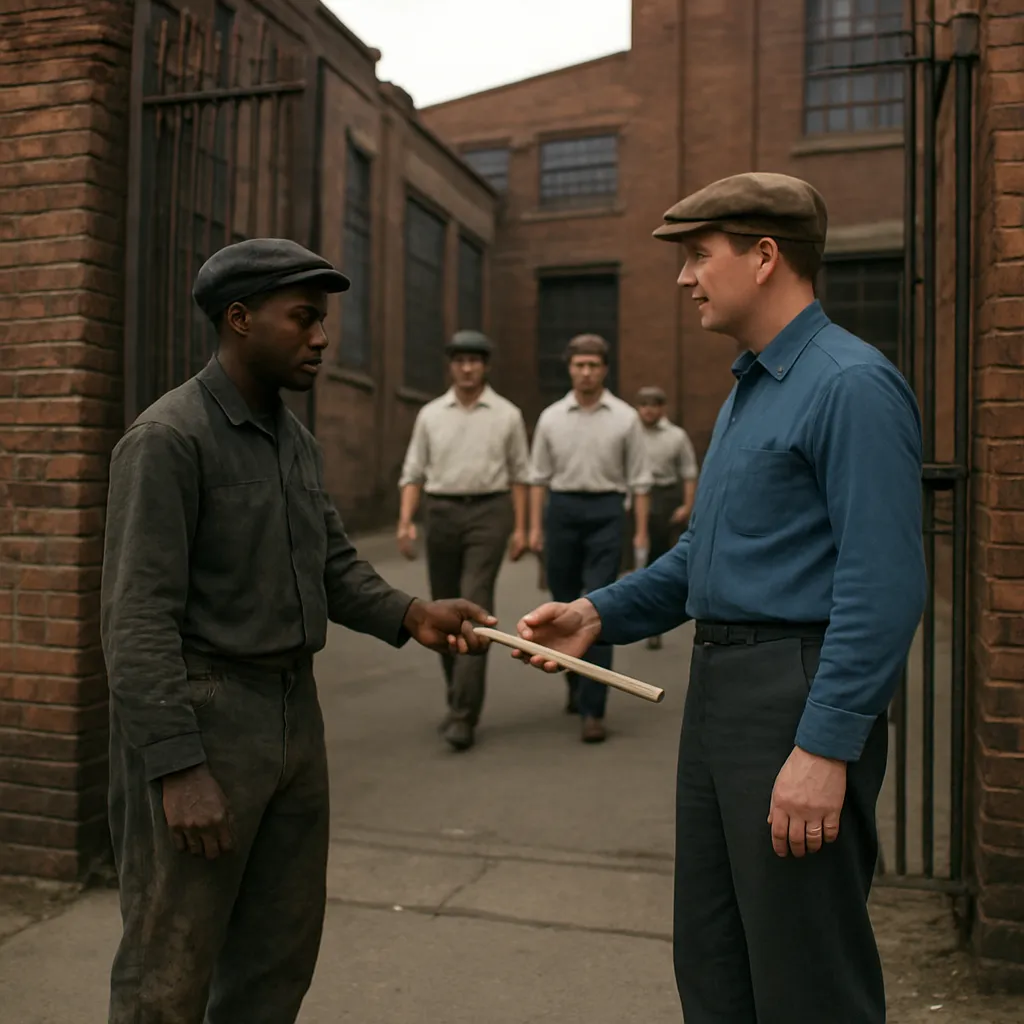
Some students think moving north ended segregation for migrants. What statement is accurate?
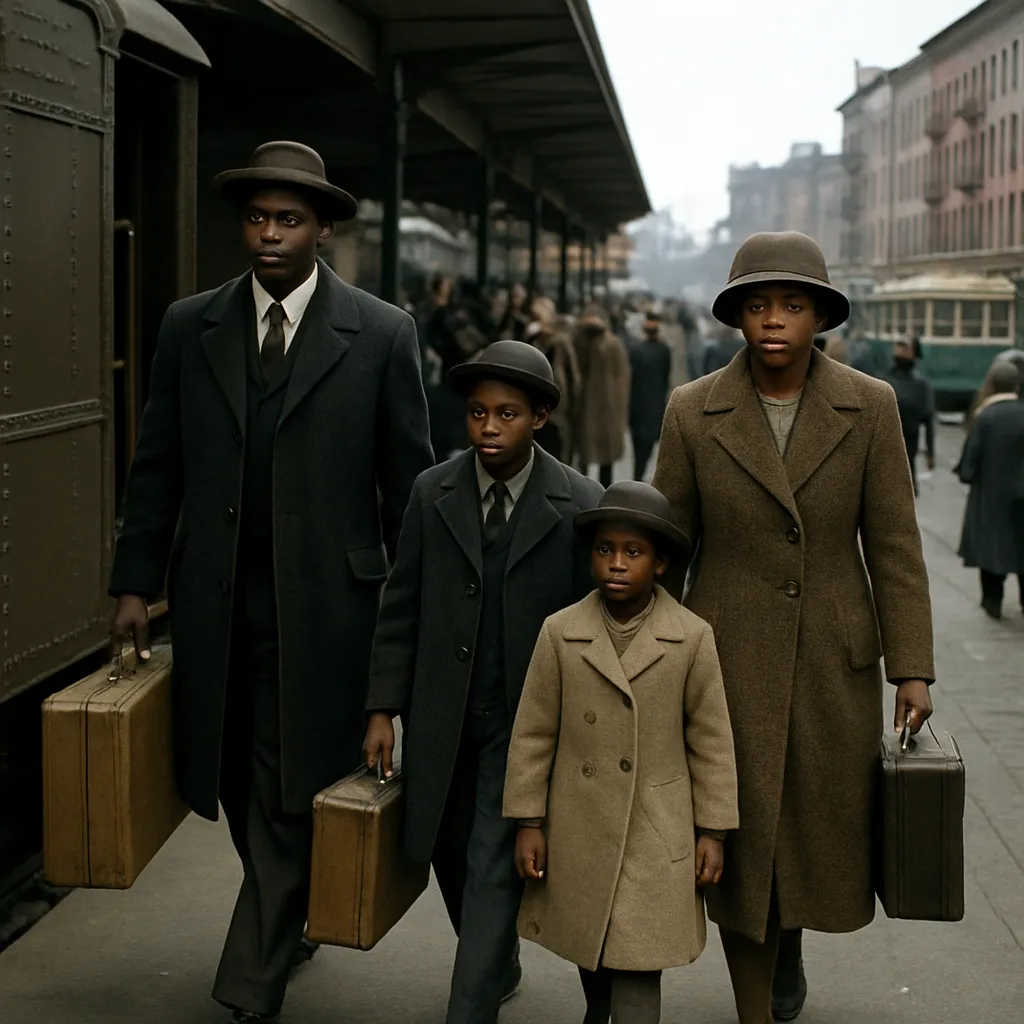
In a northern city, Black children and white children often attended different schools because neighborhoods were separated. What does this example show?
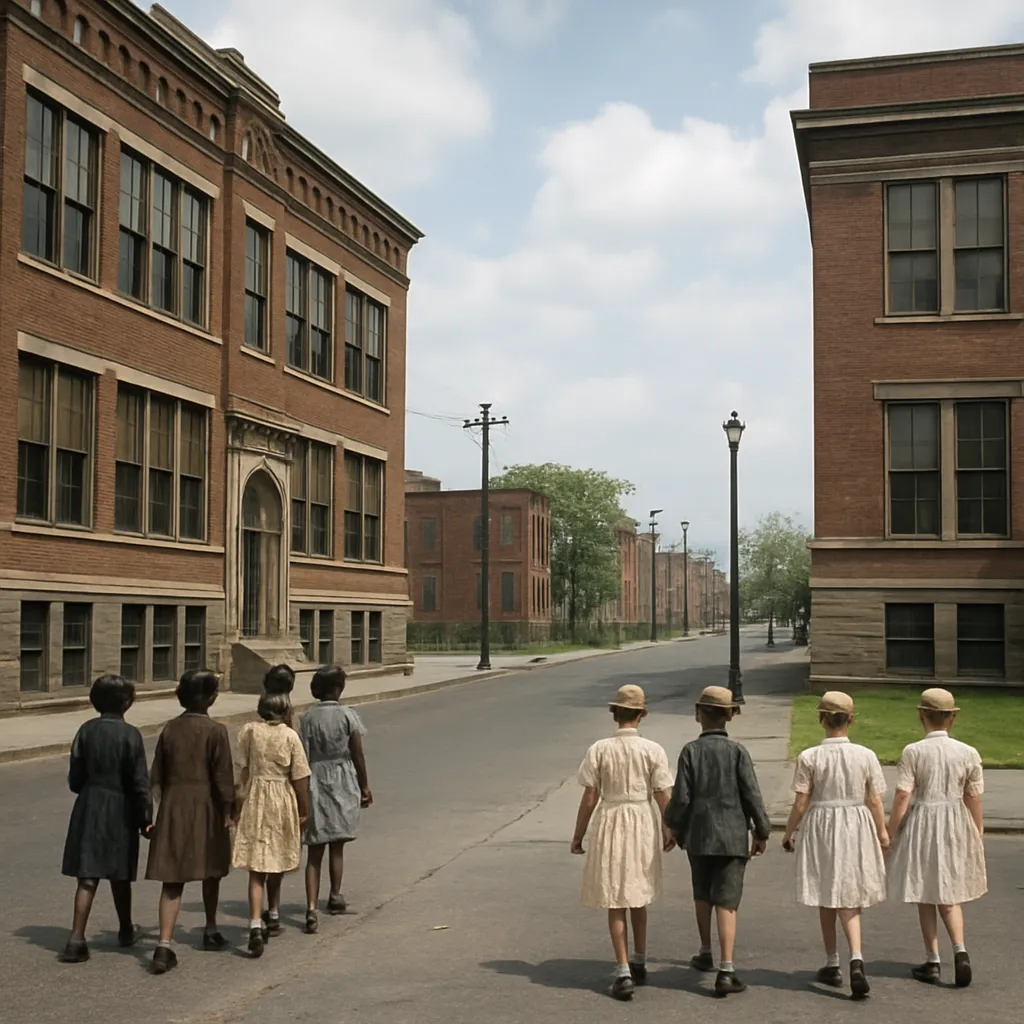
Migrants formed churches, newspapers, clubs, and businesses in their new neighborhoods. How did this affect northern cities?
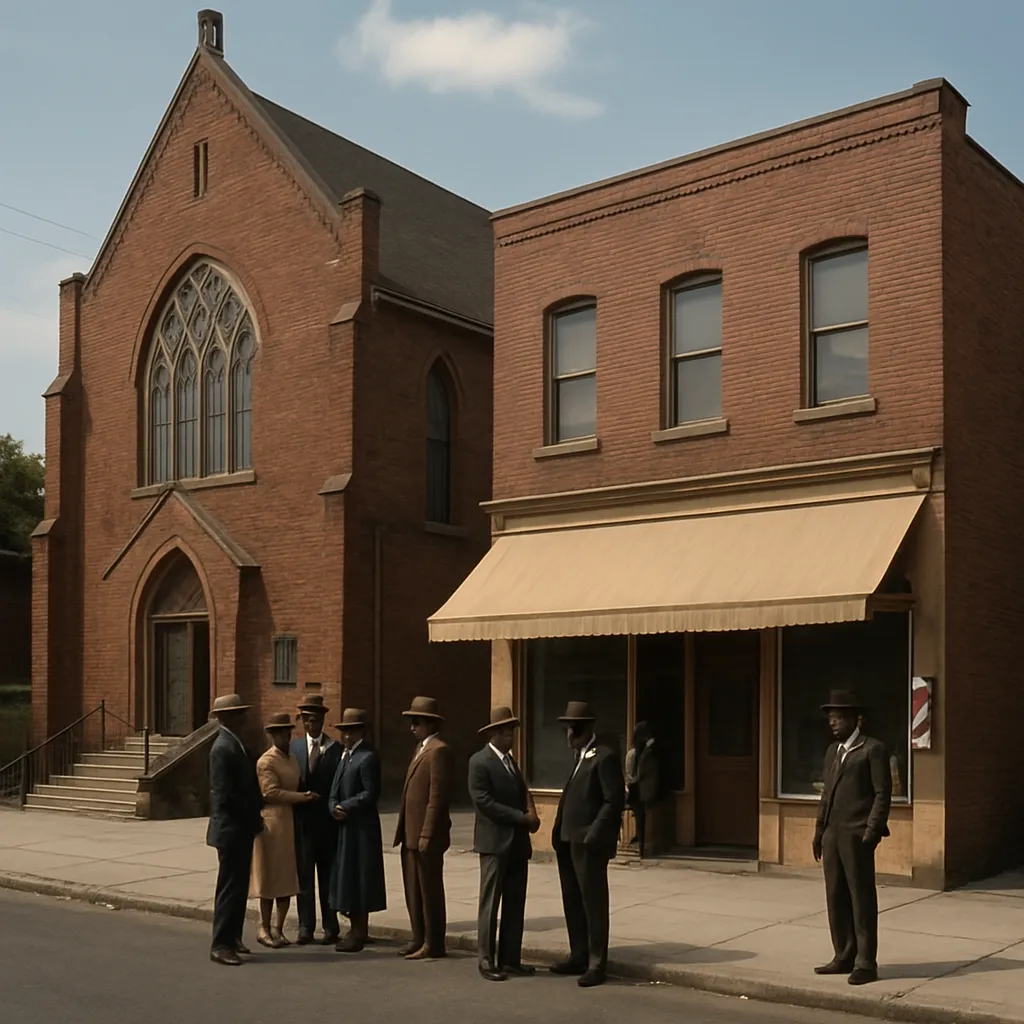
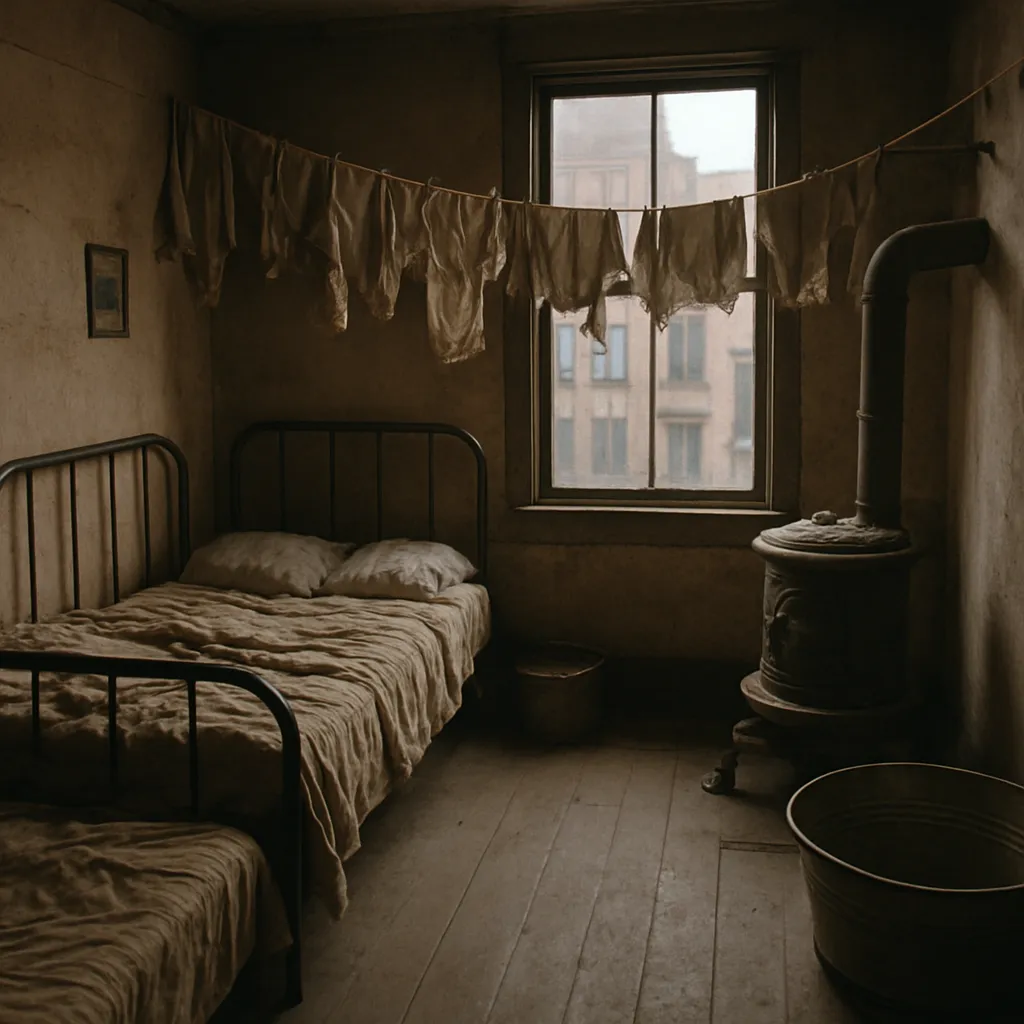
As thousands of migrants arrived in Chicago and other northern cities, what housing problem did many families meet?
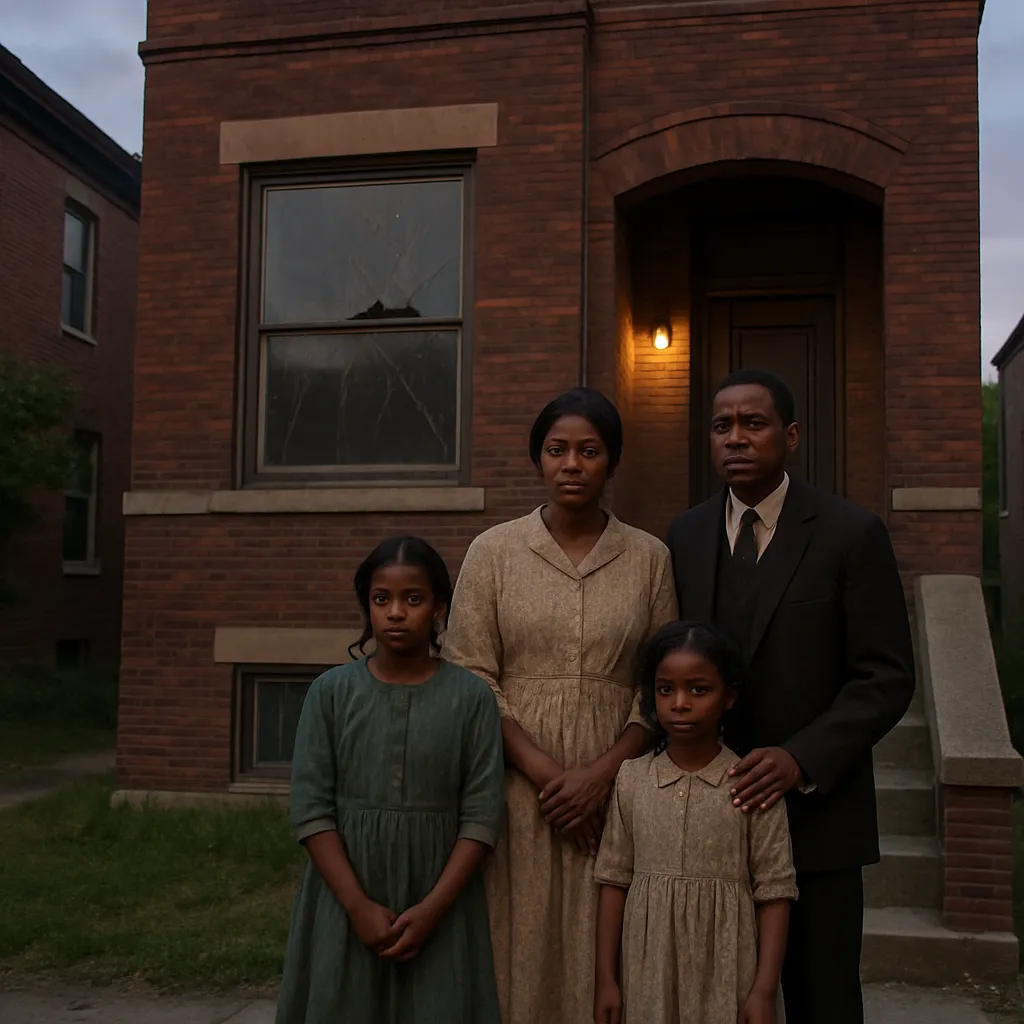
In 1919 and other years, racist attacks occurred in some northern cities. What does this tell us about migrants' experiences?
A Chicago newspaper reported that blues music from the Mississippi Delta was now played in clubs on the city's South Side. What does this show about migration?
Artists, musicians, and writers in one New York City neighborhood created important African American works in the 1920s and 1930s. What was this movement called?
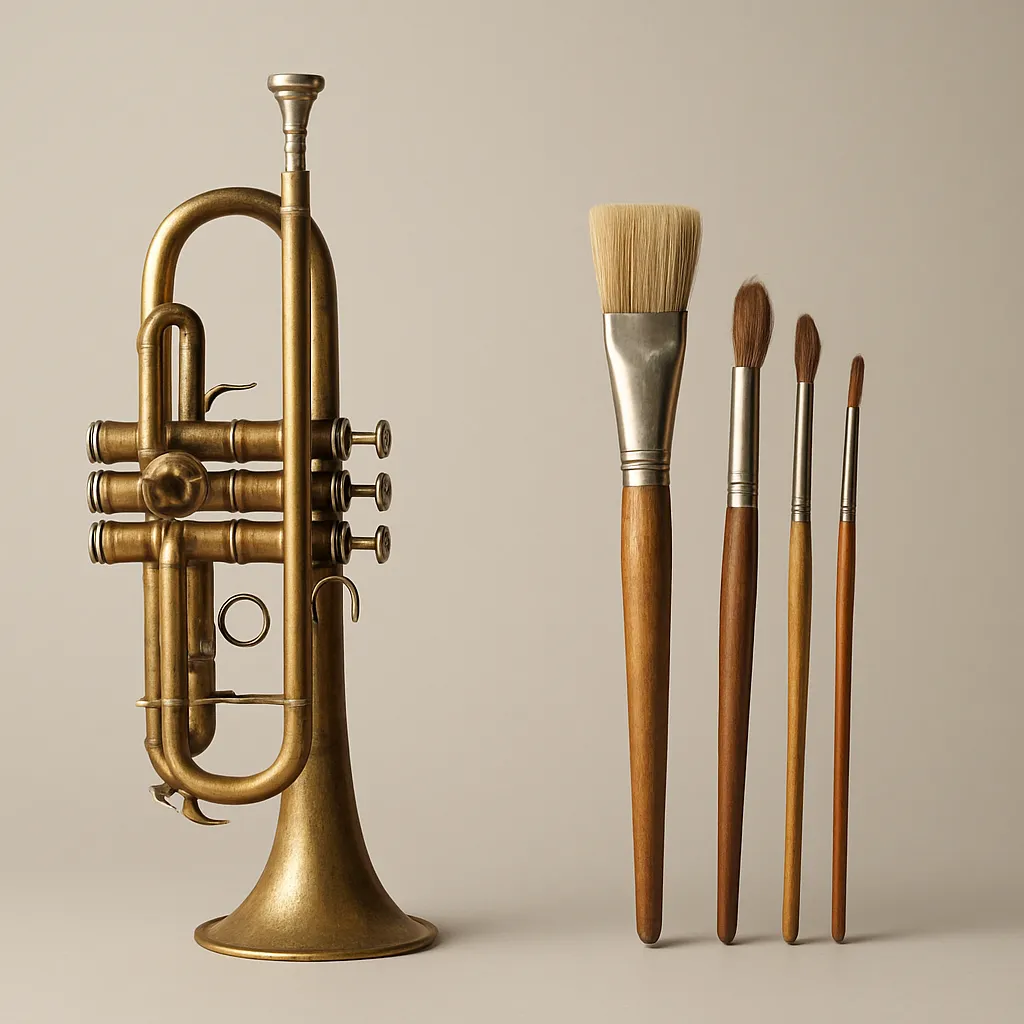
Langston Hughes became known during the Harlem Renaissance. What did he do?
Louis Armstrong helped shape jazz during the Harlem Renaissance era. What was one of his art forms?
Duke Ellington performed at Harlem's Cotton Club and led a famous orchestra. What did he do?

Jacob Lawrence grew up in Harlem in the 1930s. What is he best known for creating?
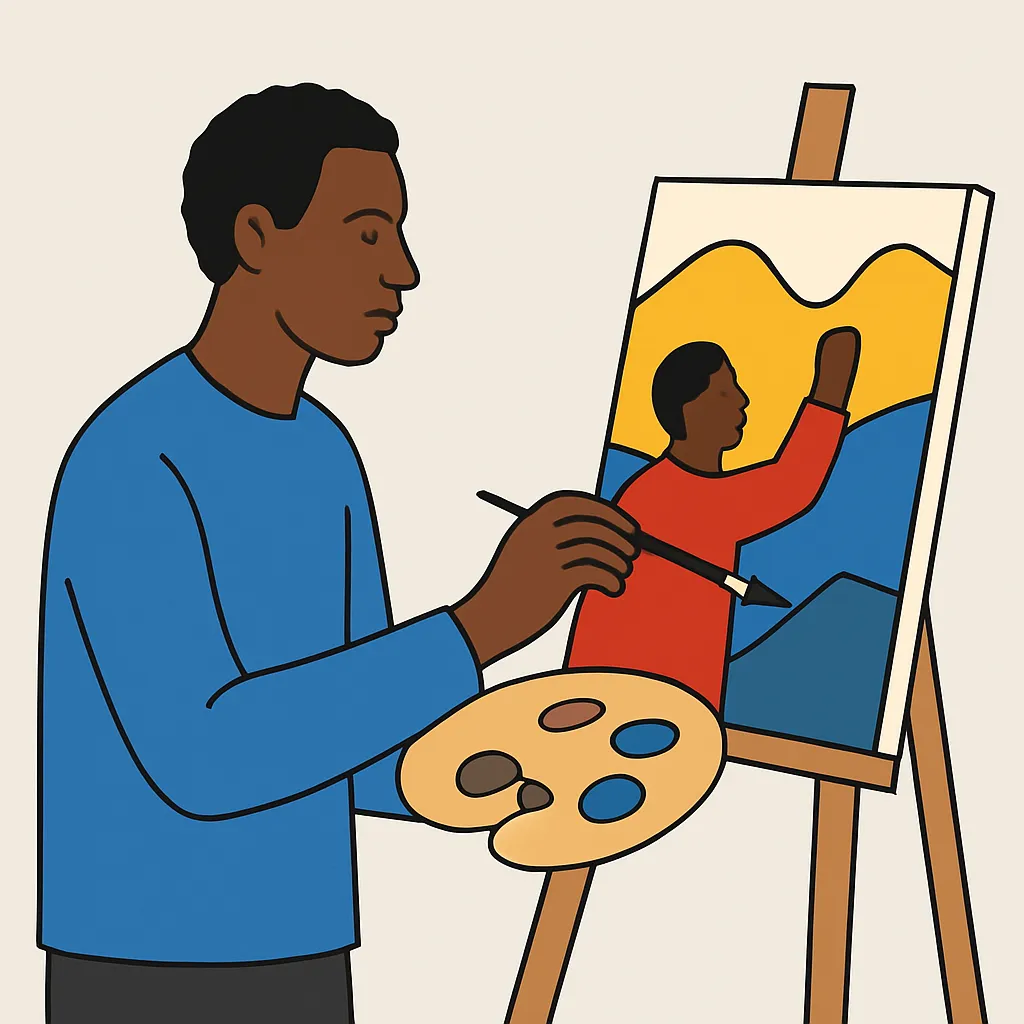
Between 1910 and 1930, Harlem's Black population grew from about 50,000 to over 200,000 as migrants arrived. What did this growth make Harlem?
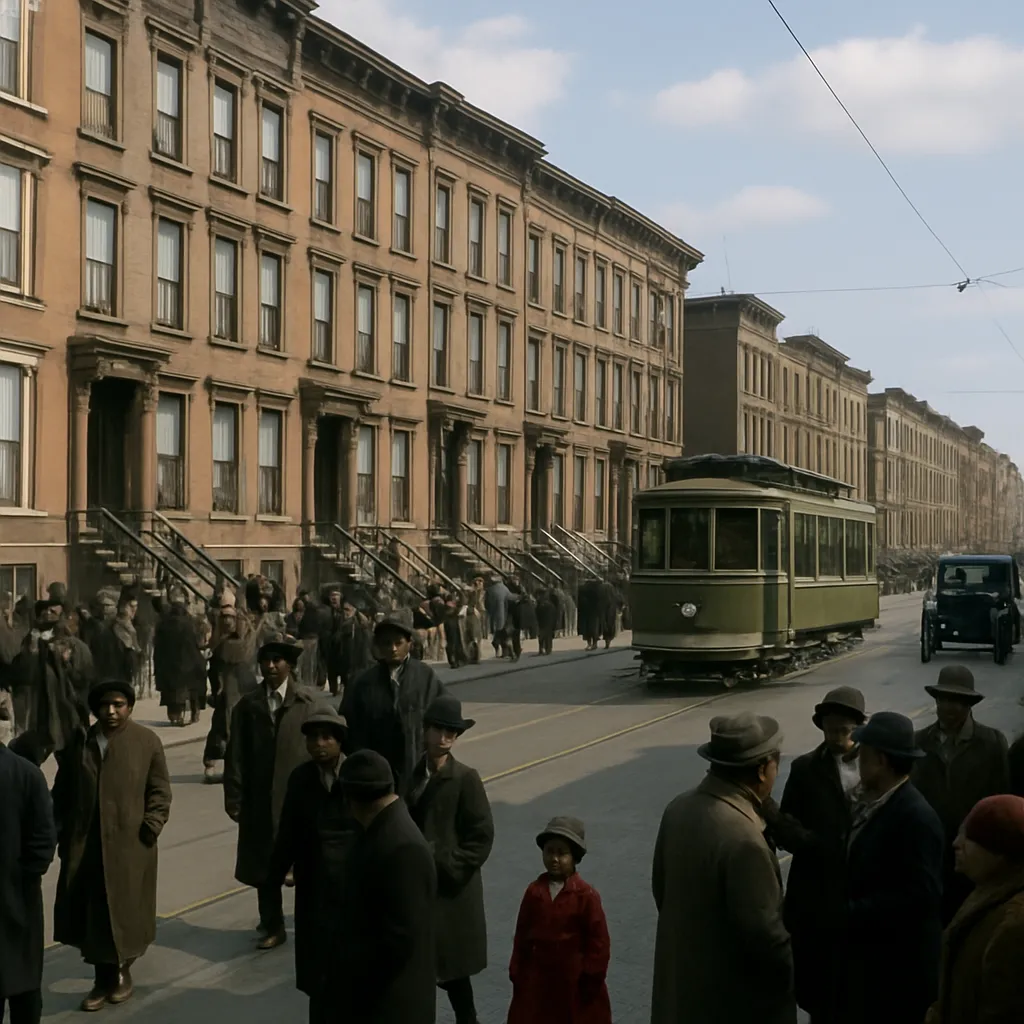
Which idea best describes the Harlem Renaissance of the 1920s and 1930s?
A class studies a jazz record, a book of poems, and a painting from the 1920s. What do these sources connect to?

Crack the passcode before the zombies get in.
Answer, then swat bugs for bonus points.
Race through questions at your own speed.
Same question on every screen. Fastest wins.

Pick a tile, answer, hit bonuses and steals.
The Civil Rights Movement
40 questions