Loading
by BlastRoom
A mixed end-of-unit review covering heat transfer, air masses and fronts, global circulation, ocean currents and tropical cyclones.
#us_grade_8_science
40 questions
One question set, multiple game modes. Tap any game to see it in action. Not sure which to pick?
Answer to place stones and capture territory.
Outrun the snow together.
Earn blasts, then hunt the other team.
Answer to earn energy, then climb.

The class blasts through walls together.
Bid on mystery lots. Most money wins.
Sell tours. Nice, standard, or a total scam.

Answer, restock, and serve the rush.
More correct answers pulls the rope your way.
Answer, then shoot down the alien wave.
Answer, then tap to leap the frozen ridge.
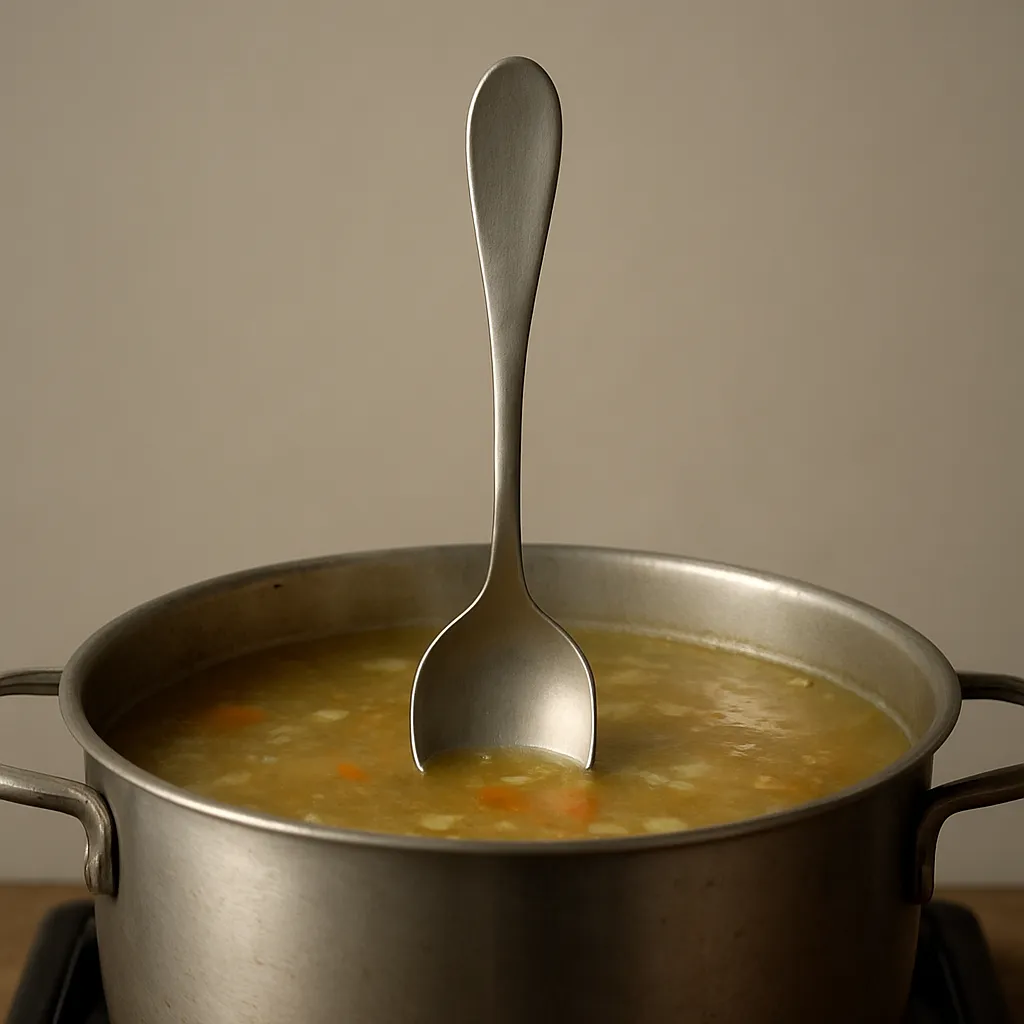
A metal spoon is left standing in a pot of simmering soup. Minutes later the handle, which never touched the soup, is too hot to hold. Which process moved that energy?
A beaker of water is heated from below. A drop of dye near the bottom rises, spreads across the top, sinks at the sides, and returns to the bottom. What is the dye tracing?

Energy from the Sun crosses about 150 million kilometers of nearly empty space before it reaches Earth's surface. How does that energy travel where there is almost no matter?
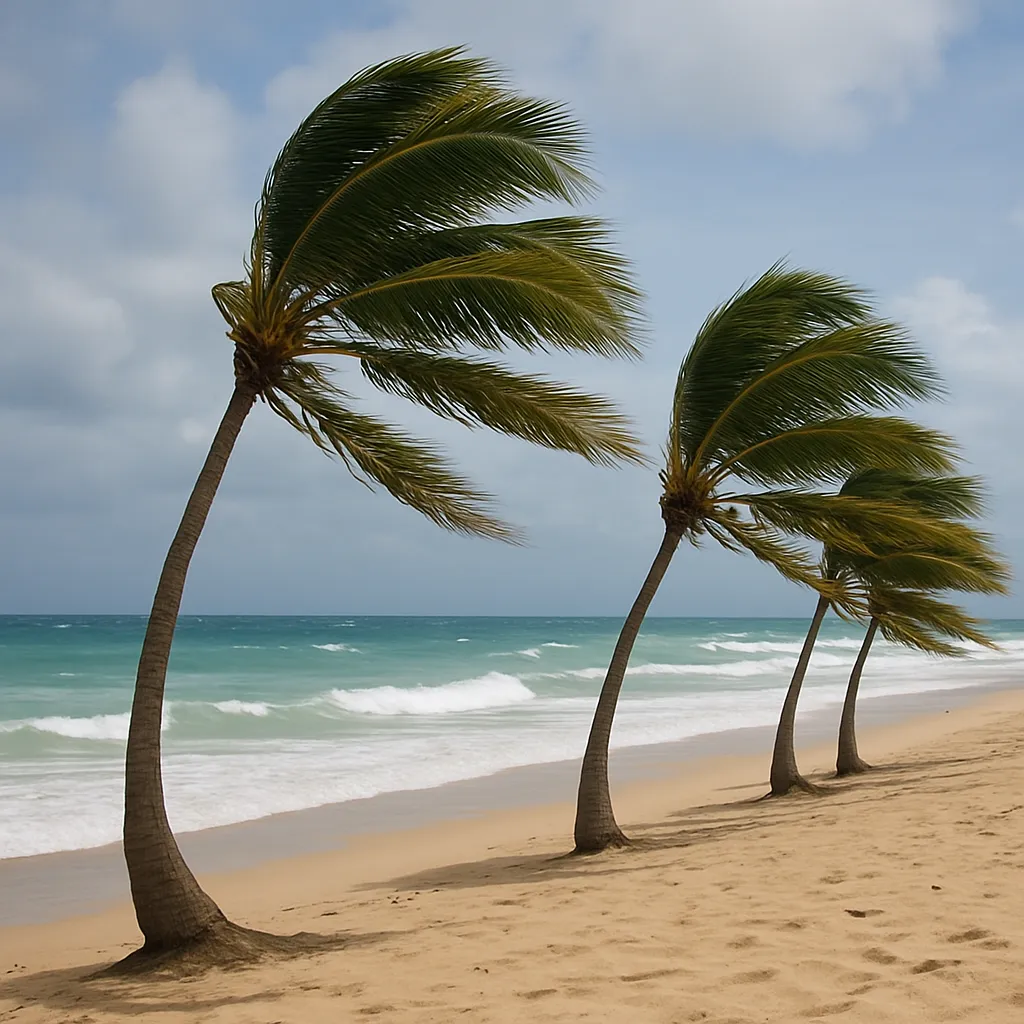
On a sunny afternoon at the coast the sand reaches 40 degrees Celsius while the seawater stays near 22 degrees Celsius, and a breeze blows from the sea toward the land. What drives that breeze?
A hiker wraps a knitted wool sleeve around a metal mug of hot tea, and the tea stays hot far longer. Why does the wool slow the loss of thermal energy?

Through one summer day a lake beside a parking lot warms by 2 degrees Celsius while the asphalt warms by 25 degrees Celsius, under the same sunlight. What best explains the difference?
Thermal energy always moves on its own from the warmer object to the cooler one.
In a desert, the ground reaches 42 degrees Celsius by day but falls near 5 degrees Celsius overnight under a clear, dry sky, with no wind. What causes the ground to cool so fast after sunset?
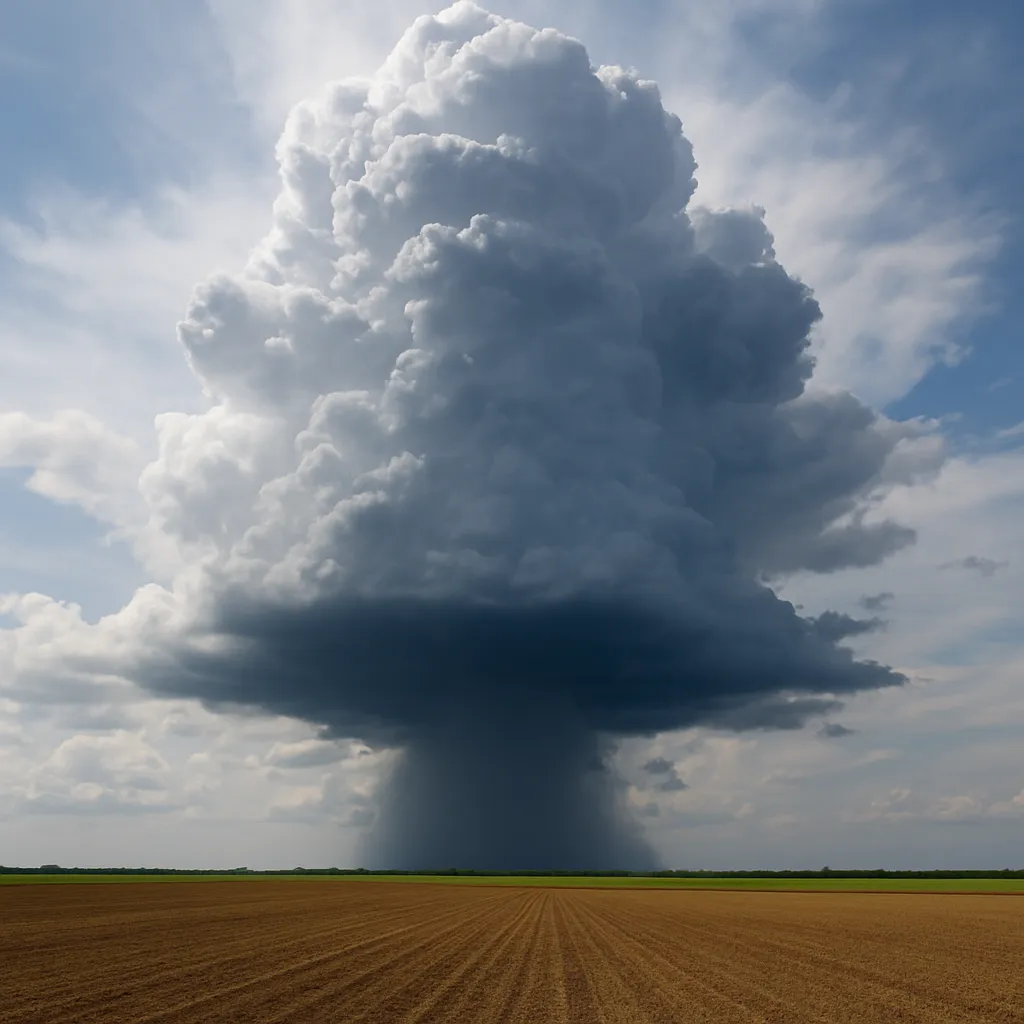
In two hours a station records temperature dropping from 24 to 13 degrees Celsius, pressure rising, a brief downpour from towering clouds, and wind swinging from south to northwest. Which boundary just passed?
An air mass forms over the Gulf of Mexico in July and then moves north over Texas. What properties does it carry with it?
In January an air mass sits for days over the frozen interior of northern Canada before sliding south into the Midwest. What weather does it bring as it arrives?
A city sits under the center of a strong area of high pressure for three days: clear skies, light winds, no rain. What is the air doing there?
A weather map shows a low pressure center moving toward a town, with a wide shield of clouds and steady rain around it. What is happening to the air at that center?
For five days a boundary between cool northern air and warm southern air barely moves across a state, and cloudy drizzle continues the whole time. What is that boundary called?
The air at 8 p.m. is 18 degrees Celsius with a dew point of 12 degrees Celsius. By dawn the temperature has fallen to 11 degrees Celsius and grass is soaked with dew. Why did the dew form?
A barometer at a coastal station falls steadily for twelve hours while high clouds thicken and the wind picks up. What should the forecaster predict for the next day?
Air moving north from the equator across the Northern Hemisphere does not travel straight north; its path curves toward the east. What causes that curve?
The Sahara, the Arabian Desert and Australia's dry interior all sit near 30 degrees north or south. What feature of global circulation keeps those latitudes dry?
A band of rain forest circles the globe near the equator, where downpours fall almost every afternoon. What about the circulation there produces that rain?
Weather systems over the United States almost always travel from the west coast toward the east coast rather than the other way. Which wind belt moves them?
In January a narrow band of wind about 10 kilometers up dips far south over the central United States, and days of unusually cold weather follow. What is that band?
Near the poles, cold dense air sinks and then spreads toward lower latitudes at the surface. Which direction do those surface winds come from?
At noon on the equinox, sunlight strikes the equator nearly straight down but hits the Arctic at a low slanting angle. How does that difference start the global winds?
In the Southern Hemisphere the Coriolis effect deflects freely moving air to the left of its path.
Winter days in western Ireland average about 8 degrees Celsius, while Labrador in Canada, at the same latitude, averages about minus 10 degrees Celsius. What best explains the difference?
Surface water in the open ocean moves in broad steady streams that follow much the same paths year after year. What sets those surface currents moving?
Off the coast of Peru, steady winds push surface water away from shore, and the fishing there is among the richest in the world. What happens to the water beneath?
Two samples of seawater are the same temperature, but one comes from a hot region where evaporation is strong and the other from a river mouth. Which sample is denser?
San Francisco averages about 18 degrees Celsius in July and is often wrapped in fog, while inland towns at the same latitude reach 35 degrees Celsius. What causes the coastal difference?
Trace the big loop of surface currents in the North Atlantic and it circles clockwise; the matching loop in the South Atlantic circles counterclockwise. What produces the opposite turning?
Cold salty water sinking in the far North Atlantic starts a deep current that creeps through the ocean basins for centuries before returning to the surface. What does that slow loop mainly move around the planet?
Scientists want to know what would slow the sinking of surface water in the far North Atlantic. Which change would do it?
A tropical storm sits over ocean water at 29 degrees Celsius and strengthens over two days into a hurricane. Where does the energy that powers it come from?
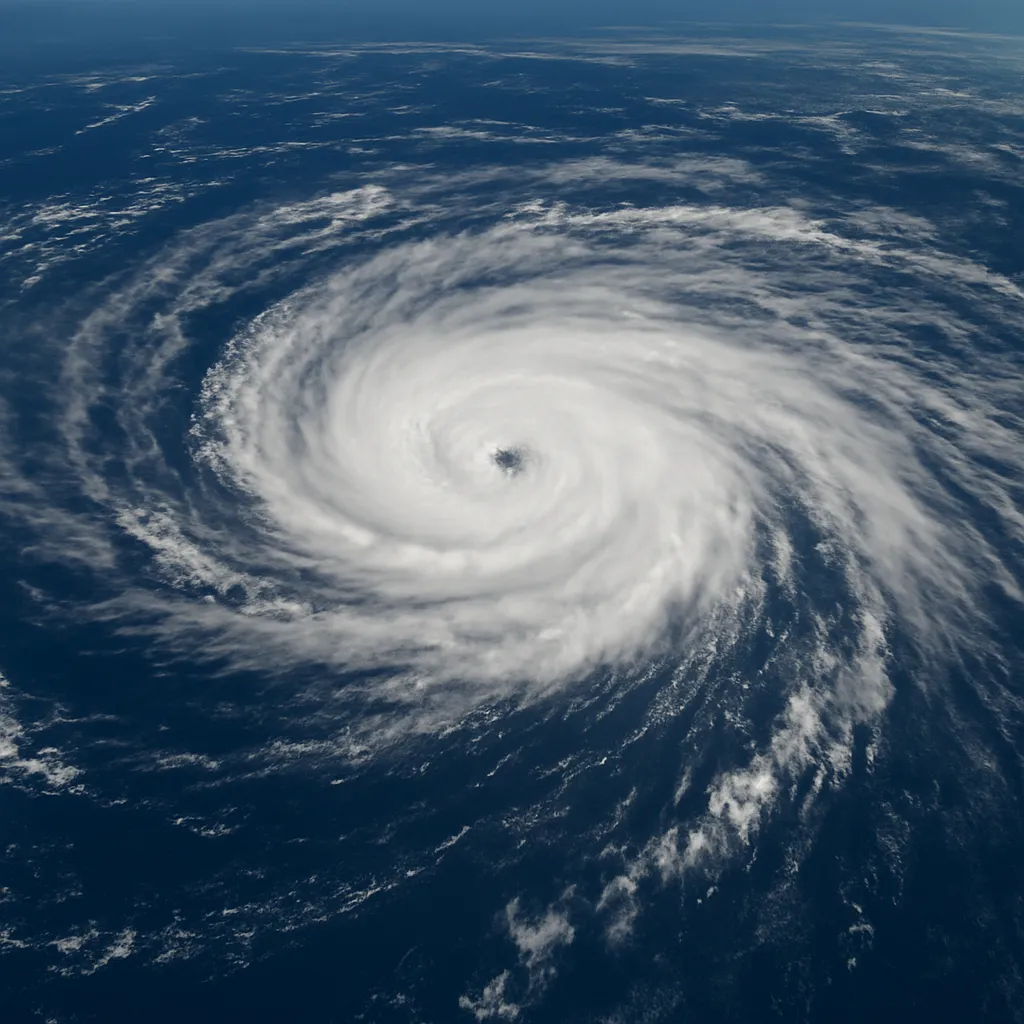
An aircraft flies into a hurricane through hours of violent wind and rain, then suddenly finds light winds and blue sky before the wall of storm returns. What has it entered?
As a hurricane comes ashore, seawater rises several meters above the normal tide and floods streets a kilometer inland. Which feature of the storm pushes that water onto the land?
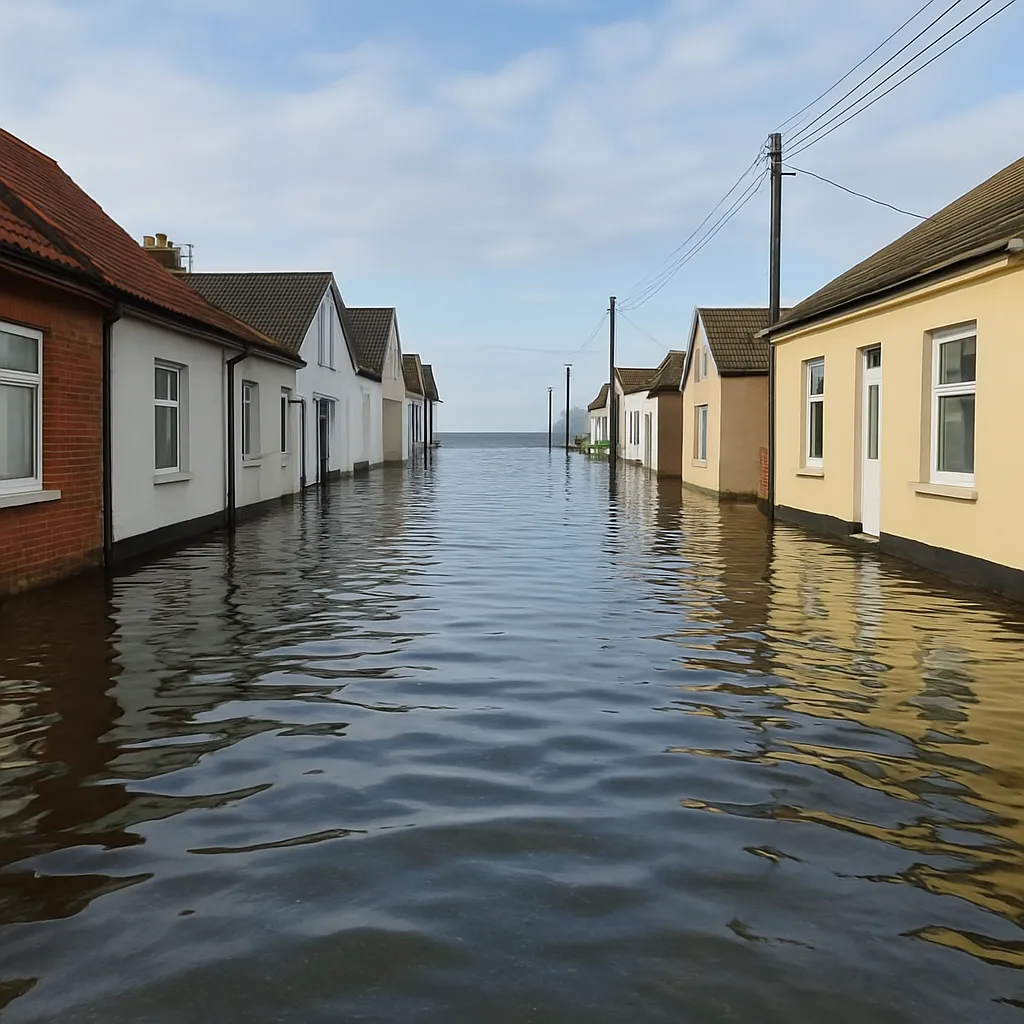
A hurricane gains strength as it moves inland over dry farmland.
A satellite shows a tropical storm whose surface winds blow from the east while the winds 12 kilometers above it blow hard from the west. What is likely over the next day?
A storm with 180 kilometer per hour winds over the western Pacific near Japan is called a typhoon, while an identical storm near Florida is called a hurricane. What decides which name is used?
Viewed from above, the winds of a hurricane in the Caribbean spiral inward counterclockwise, while a cyclone near Australia spirals inward clockwise. What accounts for the opposite spin?
Ocean water within about five degrees of the equator is plenty warm, yet tropical cyclones almost never form there. What is missing?
Crack the passcode before the zombies get in.
Answer, then swat bugs for bonus points.
Race through questions at your own speed.
Same question on every screen. Fastest wins.

Pick a tile, answer, hit bonuses and steals.

Stars, Galaxies and the Universe Review
40 questions