Loading
by BlastRoom
Mixed end-of-unit review across fossil, anatomical and embryological evidence, natural selection, trait frequency data, artificial selection and extinction.
#us_grade_8_science
40 questions
One question set, multiple game modes. Tap any game to see it in action. Not sure which to pick?
Answer to place stones and capture territory.
Outrun the snow together.
Earn blasts, then hunt the other team.
Answer to earn energy, then climb.

The class blasts through walls together.
Bid on mystery lots. Most money wins.
Sell tours. Nice, standard, or a total scam.

Answer, restock, and serve the rush.
More correct answers pulls the rope your way.
Answer, then shoot down the alien wave.
Answer, then tap to leap the frozen ridge.
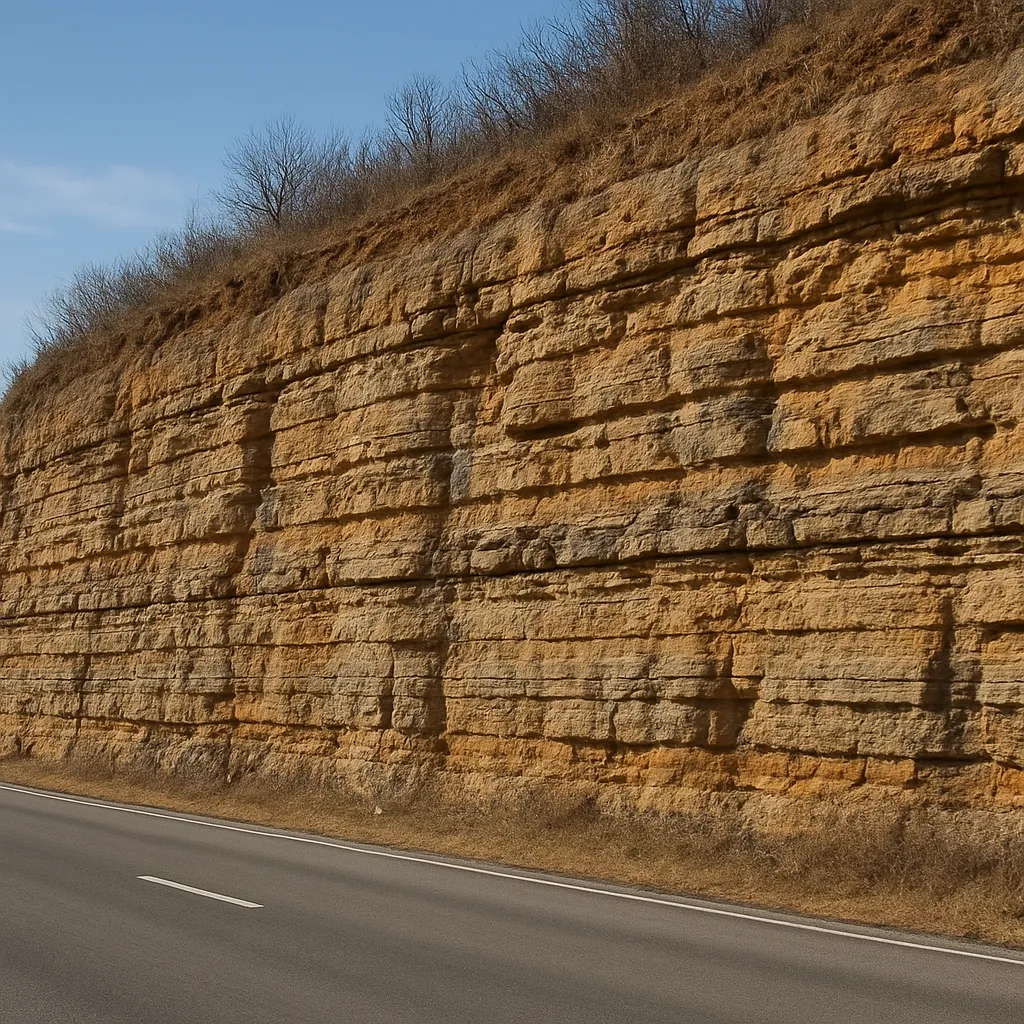
In an undisturbed cliff, trilobite fossils sit in a layer 40 m below the surface and fish fossils in a layer 10 m below the surface. What do the positions support?
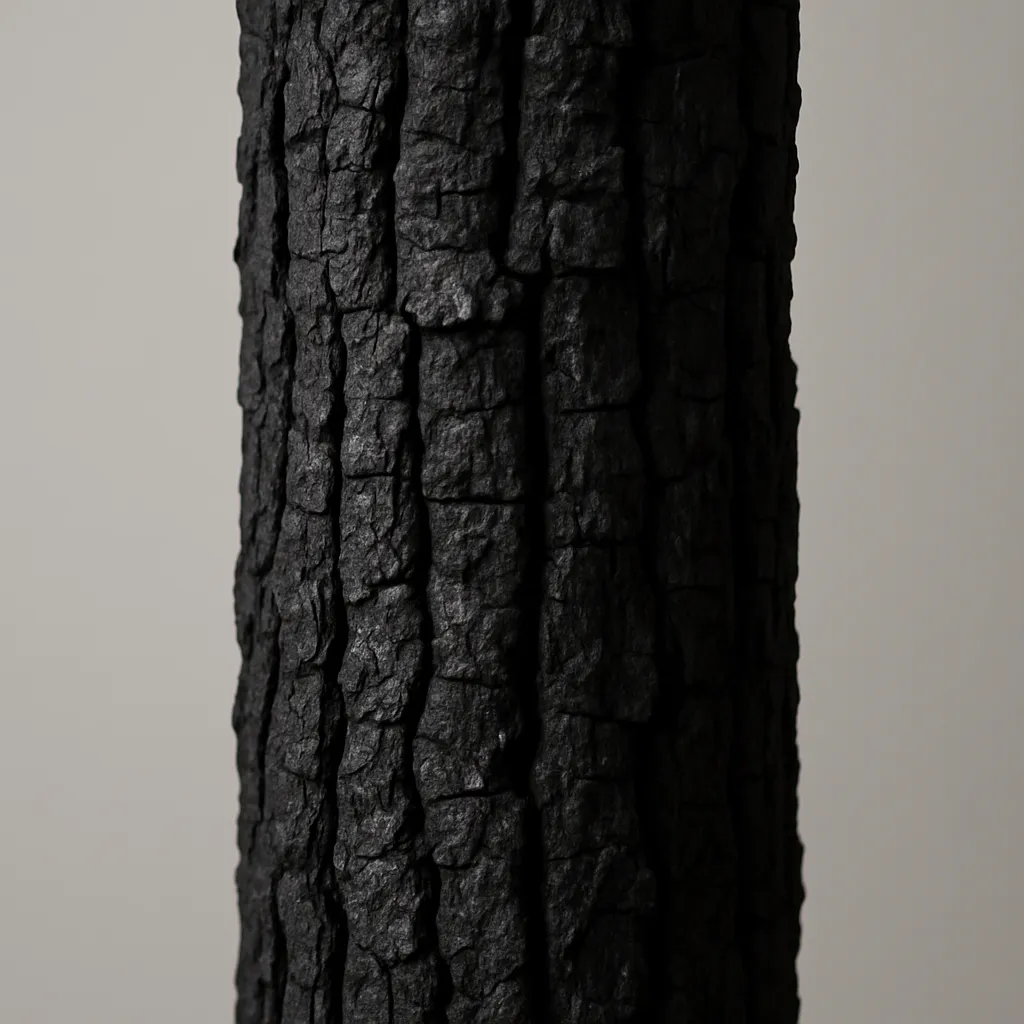
On tree trunks blackened by soot, birds spot pale moths more easily than dark ones. Over many generations dark moths become far more common. What best explains the change?
A bat's wing, a whale's flipper and a human arm each hold one upper arm bone, two forearm bones, wrist bones and digits, though used for flying, swimming and grasping. What does this support?
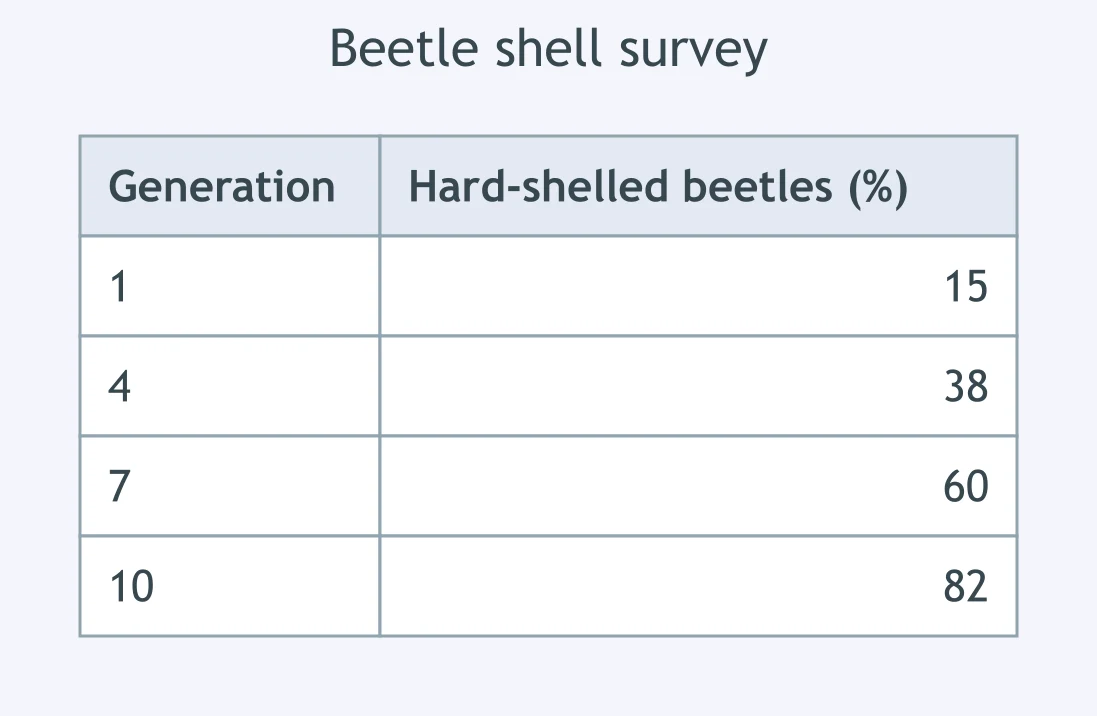
The table shows the percentage of beetles with hard shells in one population over ten generations, while a shell-crushing bird hunted there. What do the data best show?
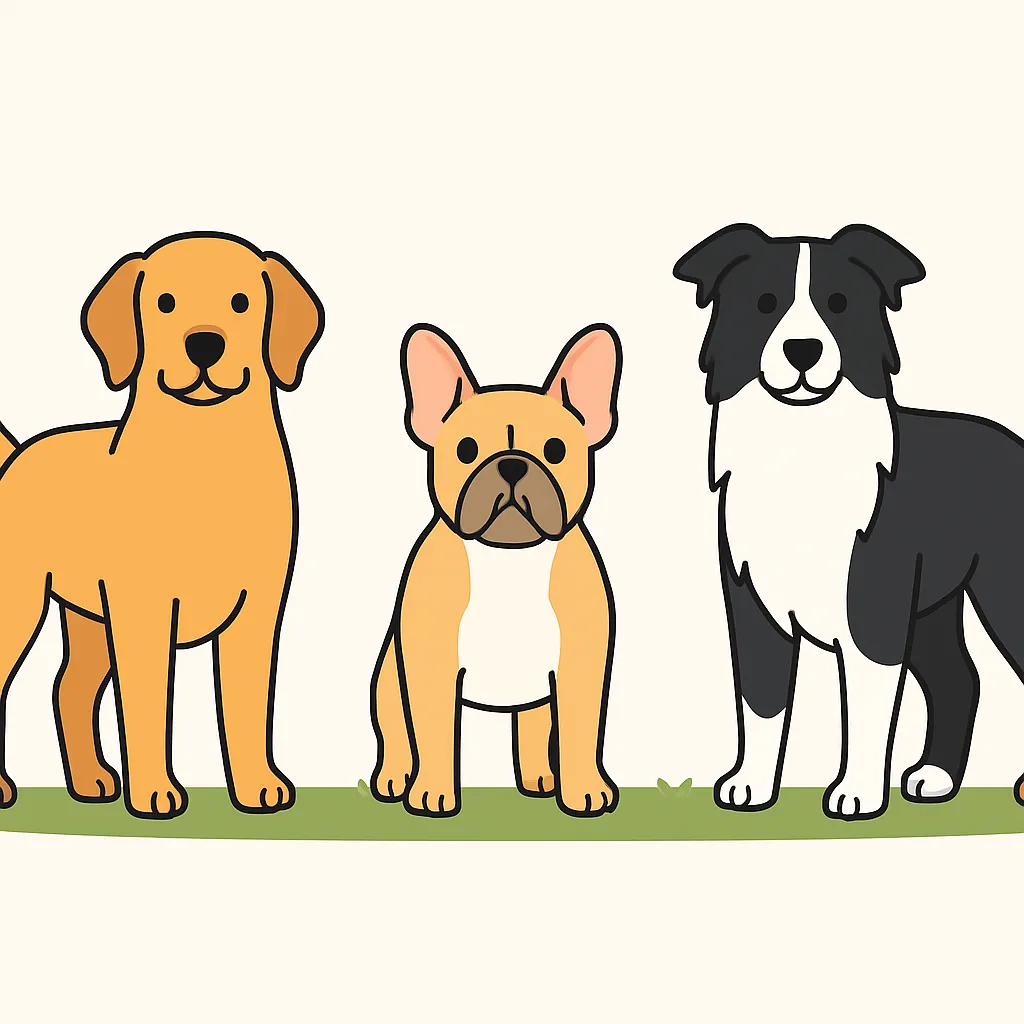
Over centuries, people kept and bred only the wolves and dogs that stayed calmest around humans, producing today's dog breeds. What process does this describe?
Offspring from sexual reproduction get a mix of alleles from two parents, which adds to the variation in a population.
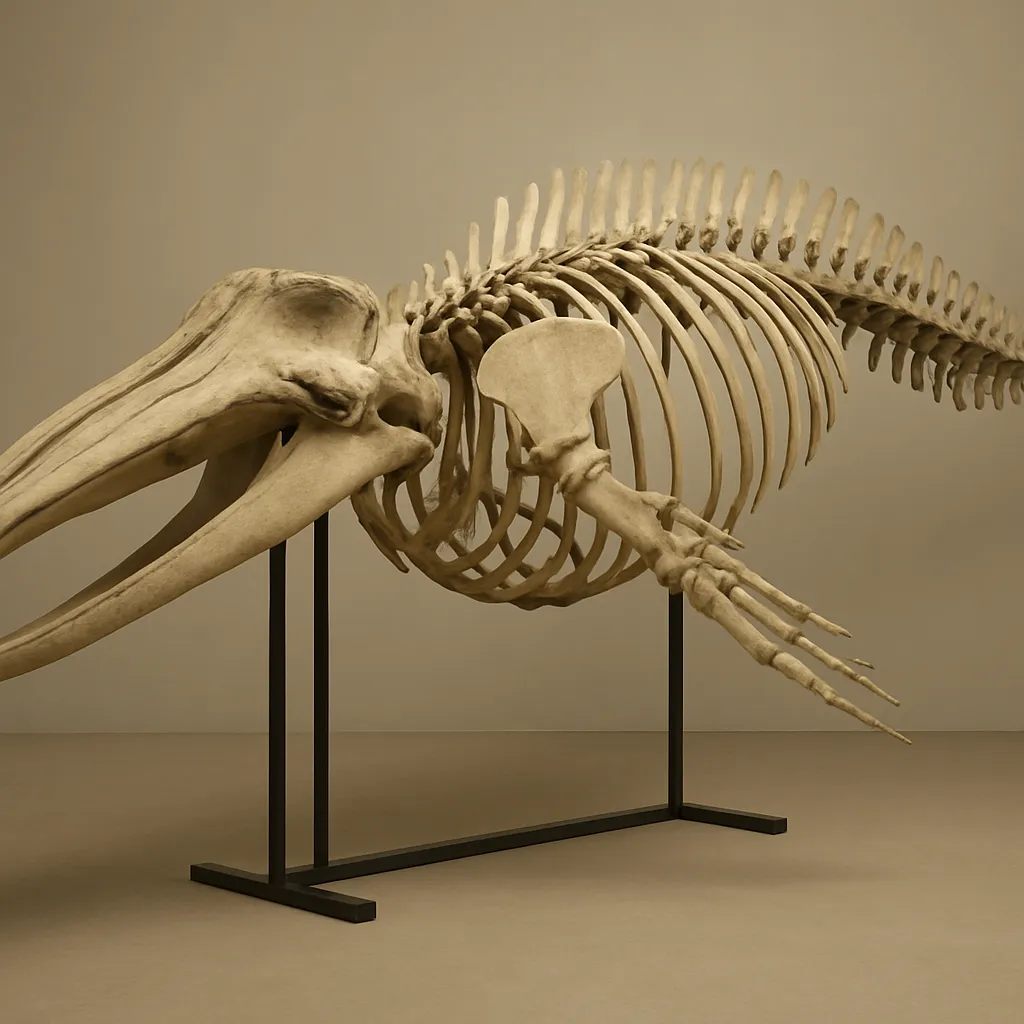
A fossil whale skeleton contains two small hip bones that attach to no limb and support no weight. What do these bones best indicate about whales?
A few bacteria in a large population already carry a gene that blocks one antibiotic. After weeks of treatment with that drug, most of the bacteria present are resistant. What happened?
In one shore population, banded snail shells stayed near 46% for twenty generations while crabs preyed on the snails. What do the data best suggest?
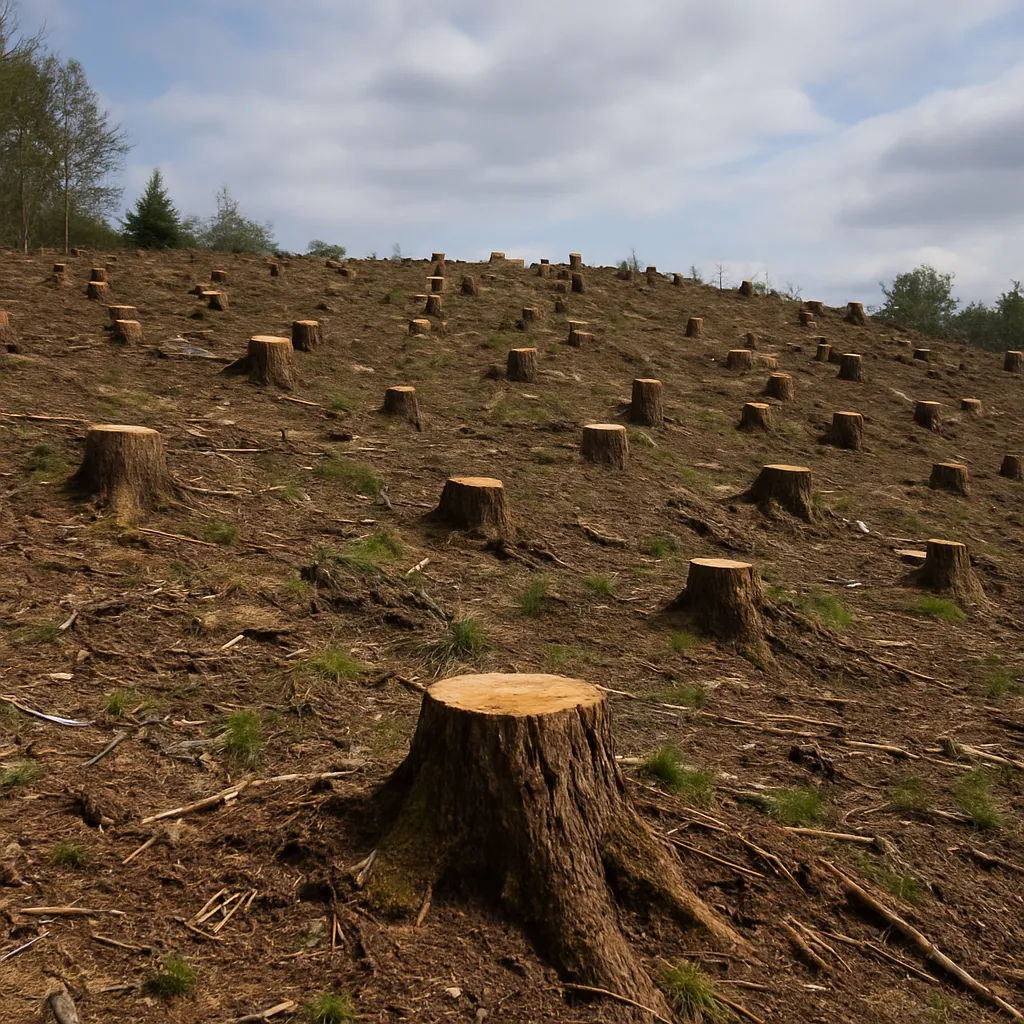
A bird species lives in only one forest and cannot survive anywhere else. The whole forest is cleared, and the birds cannot find food or nests. What is the most likely outcome for the species?
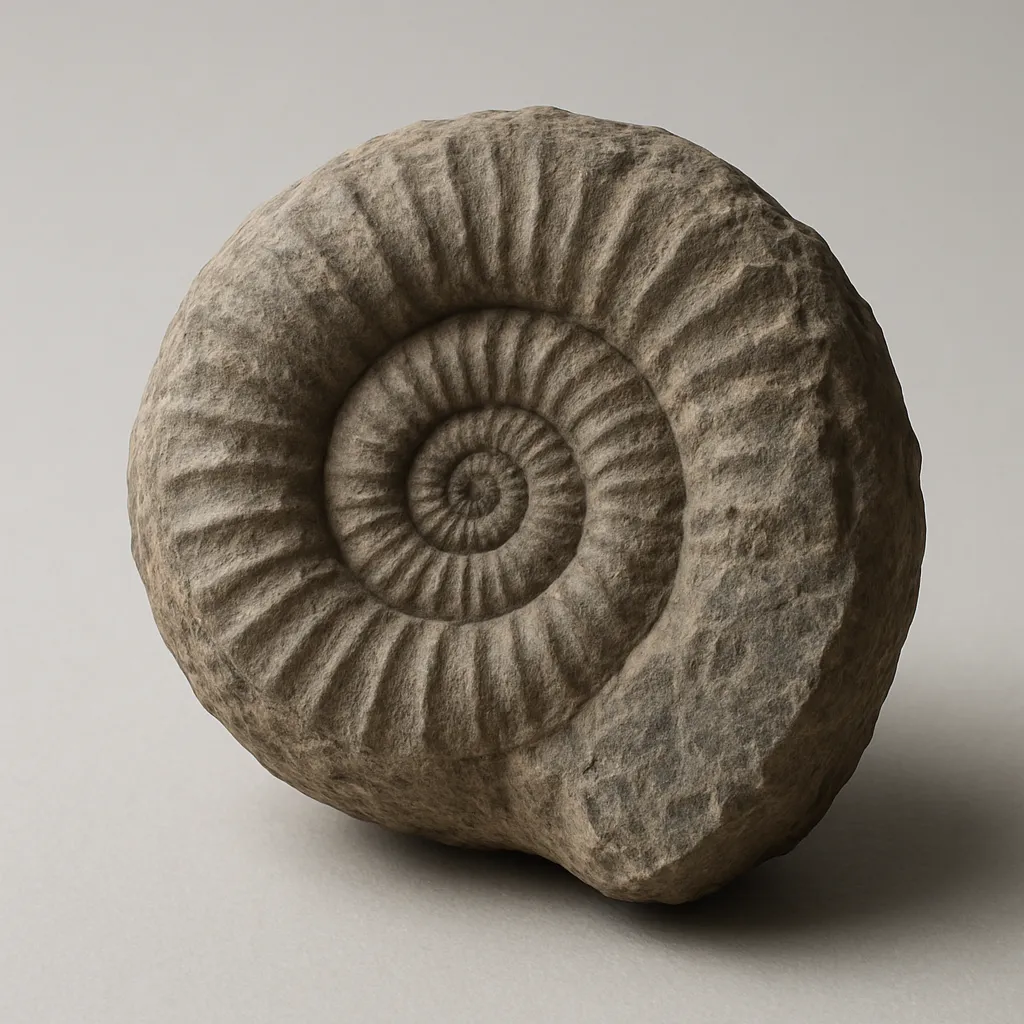
The same short-lived ammonite species is found in one rock layer in Spain and in one rock layer in Mexico. What does this best allow scientists to conclude?
Chicken, pig and human embryos each show a tail and a set of pharyngeal arches early in development, though the adults look very different. What does this shared pattern best support?
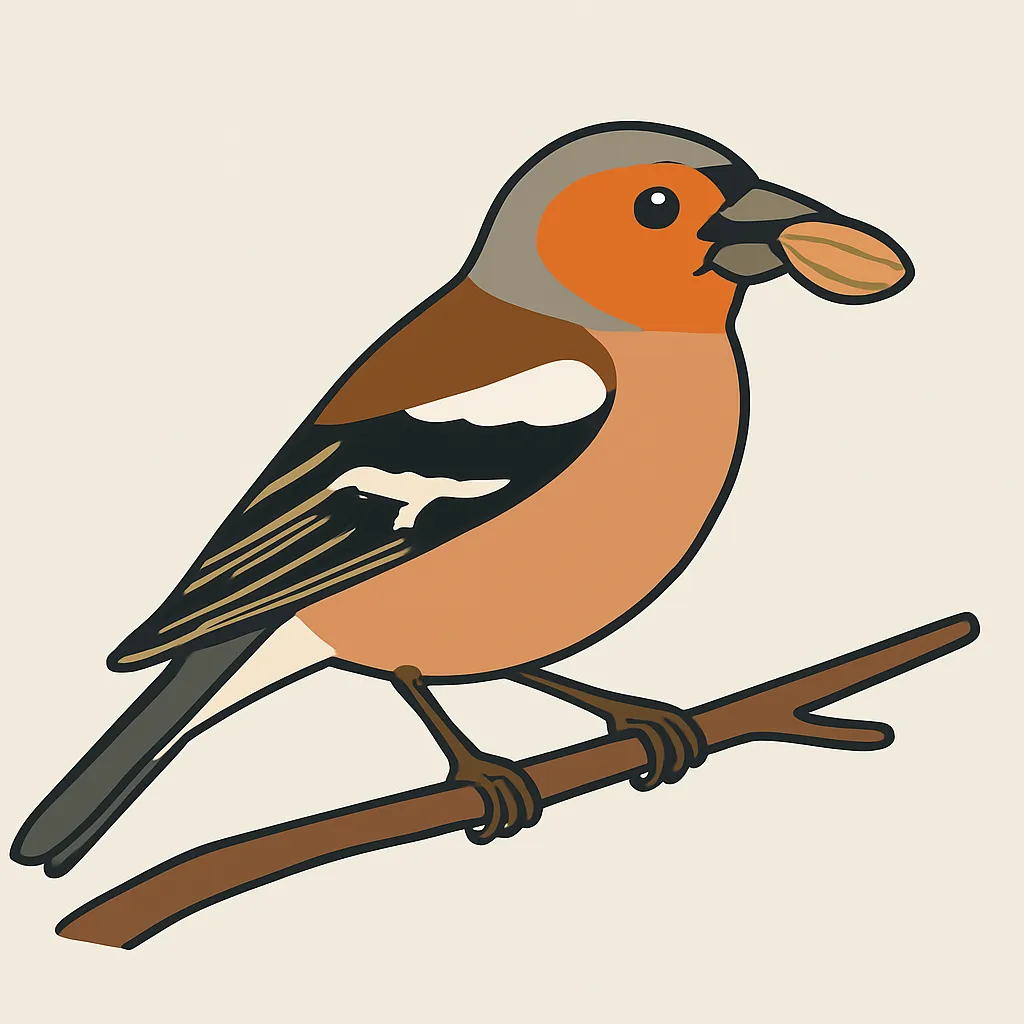
A drought leaves only large, hard seeds on an island. Beak depth varies among the finches there. After the drought, deep-beaked finches are far more common. What explains this?
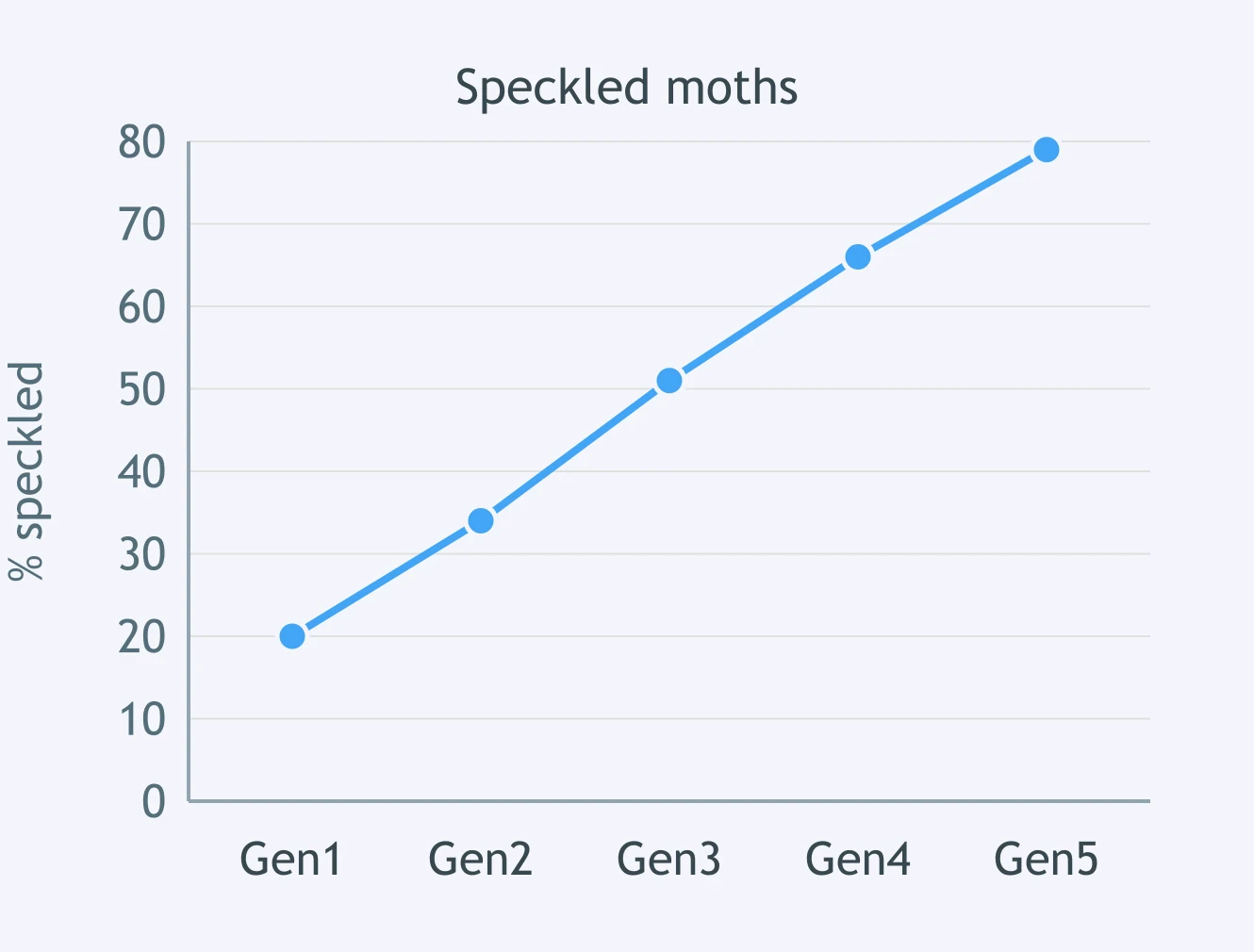
The graph shows the percentage of moths with speckled wings in one woodland across five generations after pale lichen grew back on the bark. What does the trend show?
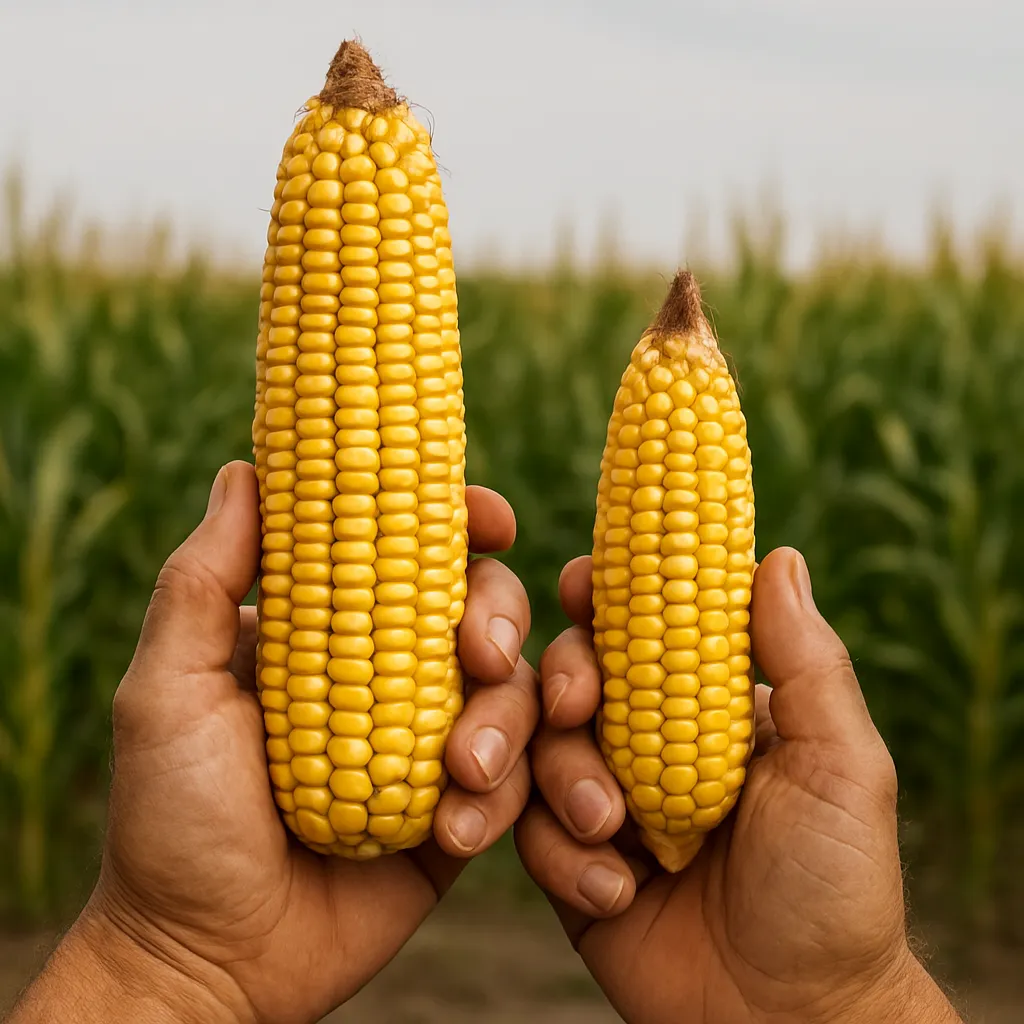
A farmer plants seed only from the maize plants with the largest ears, repeating that choice for 30 harvests. Average ear size in the crop rises steadily. What caused the change?
When a species becomes extinct, no members of that species remain alive anywhere on Earth.
A rock layer high in a mountain range contains fossils of clams and corals. What does this best show about that place when the layer formed?
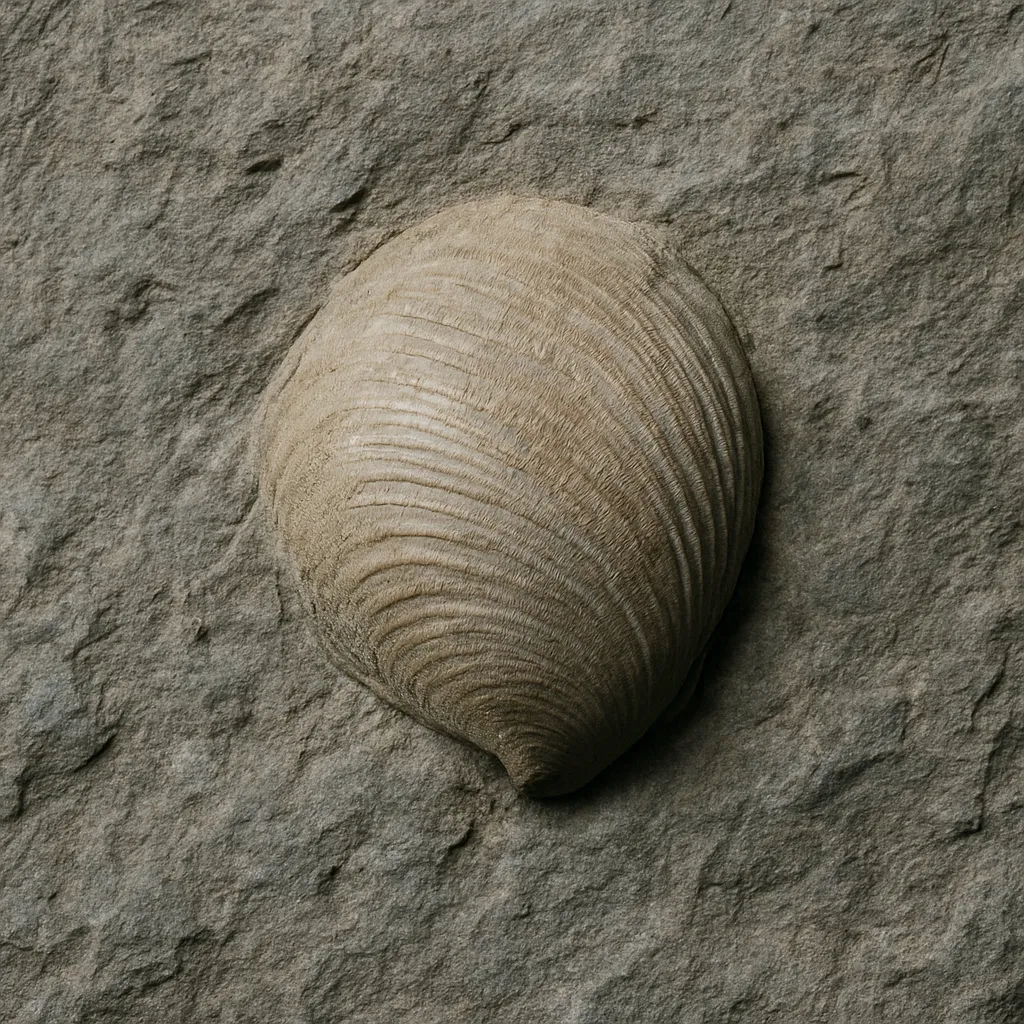
A bird's wing contains arm and hand bones. An insect's wing is a thin membrane with no bones at all. Both are used for flying. What does the difference show?
Beetles on a farm vary in shell color. Birds hunting by sight take mostly the beetles they can see against the soil. In this example, what is the selective pressure?
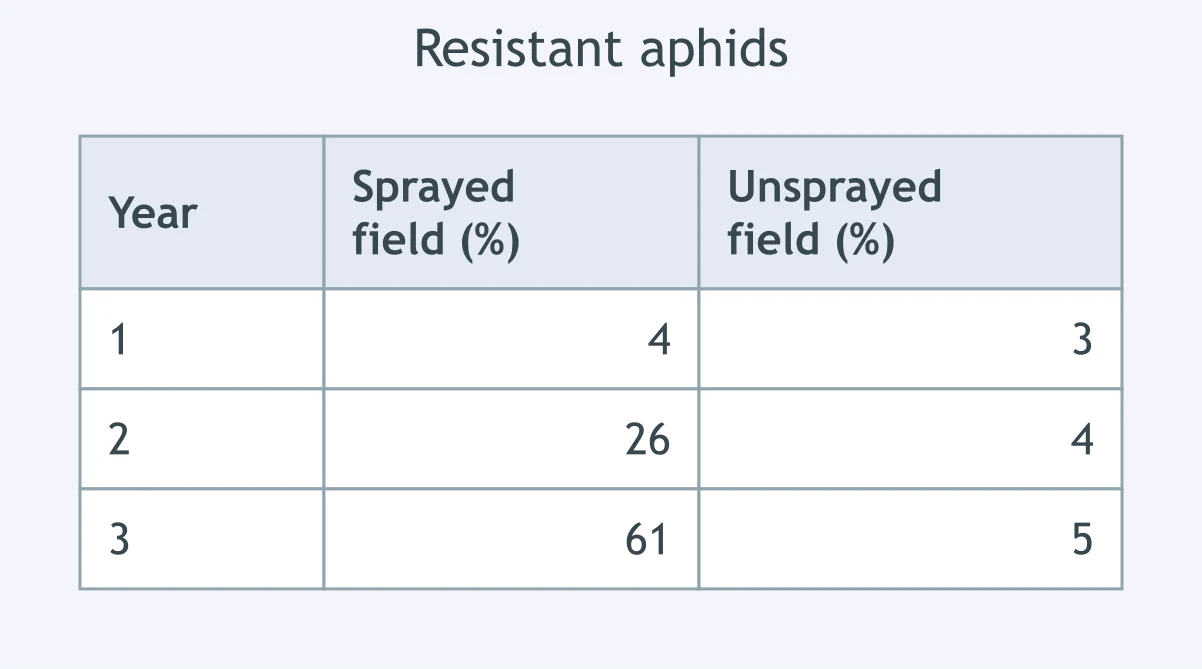
The table shows the percentage of aphids resistant to one pesticide in a sprayed field and an unsprayed field over three years. Which statement matches the data?
The fossil record contains a fossil of every species that has ever lived on Earth.
In a blind cave fish, the eye sockets hold tiny eyes covered by skin that detect no light, while the fish hunts using pressure sensors along its body. What are the eyes an example of?
Some snakes have a pair of small claw-like spurs beside the tail, attached to a reduced pelvic bone. What do these spurs best support about snake ancestry?
Mutations happen because an organism needs a new trait to survive.
In a grazed meadow, plants that flower below the height cattle crop rose from 22% to 74% of the population in twelve generations. Which claim do these data support?
A dairy farmer breeds only the cows that produce the most milk, keeping a written record for 40 years. Average yield per cow doubles. What best explains the rise?
One rabbit population lives on dark forest soil and another on pale sand, and hawks hunt both by sight. After many generations, coat color in each population matches its ground. What best explains this?
In an undisturbed sequence, a clam species appears in the six lowest layers and in none of the layers above them. What does this pattern in the fossil record best show?
Fossils in successive layers show early whale relatives with full hind legs, then with short hind legs, then with only tiny internal hip bones. What does the sequence best show?
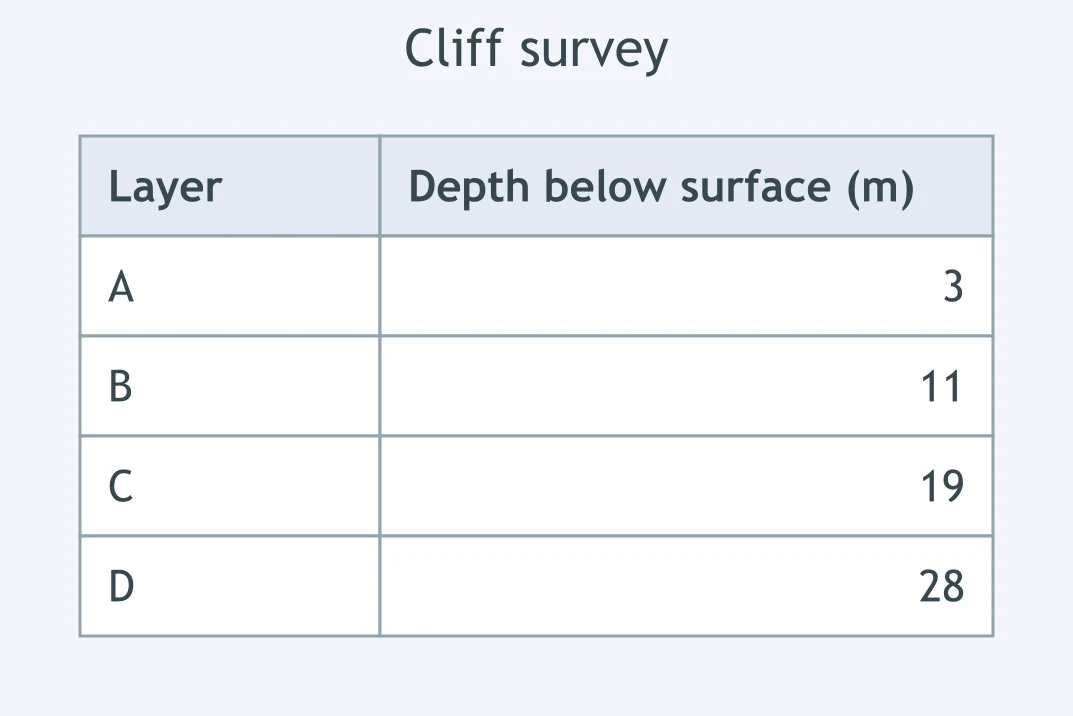
The table lists four undisturbed rock layers and the depth of each below the surface. Which layer holds the oldest fossils?
Bird and crocodile skeletons share more bone features with each other than either shares with a frog skeleton. What does this comparison best support?
A student says a moth population became darker because each moth got darker during its life. What evidence would show that claim is wrong?
In a beetle population sprayed each year, the share carrying a resistance allele went 3%, 9%, 28%, 55% over four generations. Which reasoning links these data to natural selection?
A herd of goats varies in horn length, but horn length is not inherited by their kids. Predators kill mostly short-horned goats each year. What will happen to horn length across generations?
A gardener breeds only the tomato plants whose fruit resists cracking, while a wild tomato relative in the same valley dies out after its stream is diverted. How do the two outcomes differ?
A wheat variety is bred from a single high-yield plant, so nearly all the plants share the same alleles. A new fungus then infects that variety. What is the main risk?
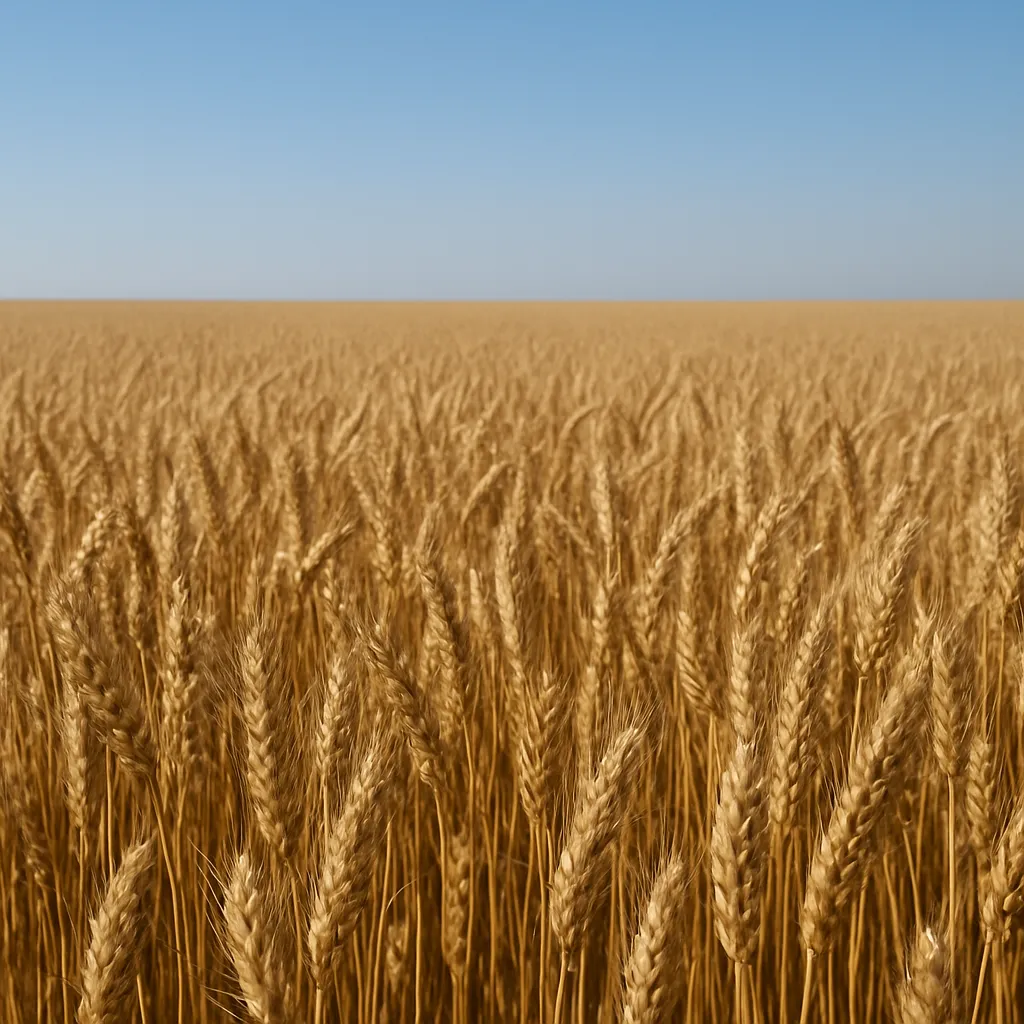
On a windy island, beetles vary in wing length, and long-winged beetles are often blown out to sea before they breed. What happens in the population over many generations?
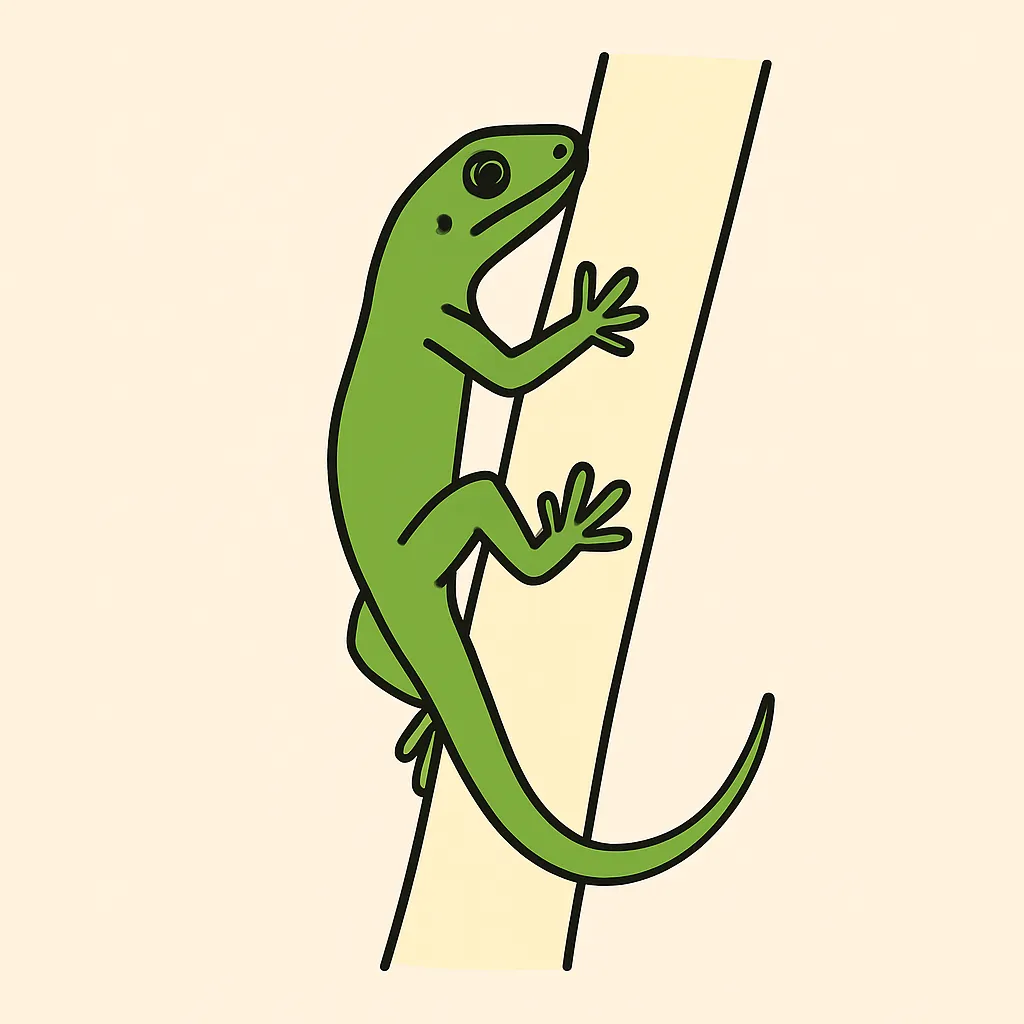
In two lizard populations of the same species, the percentage with long toe pads reached 71% on smooth-barked trees and stayed at 10% on rough-barked trees. What do the data best show?
In a guppy stream stocked with predatory fish, brightly spotted males made up 40% of males in generation 1 and 9% by generation 8. What do the data best show?
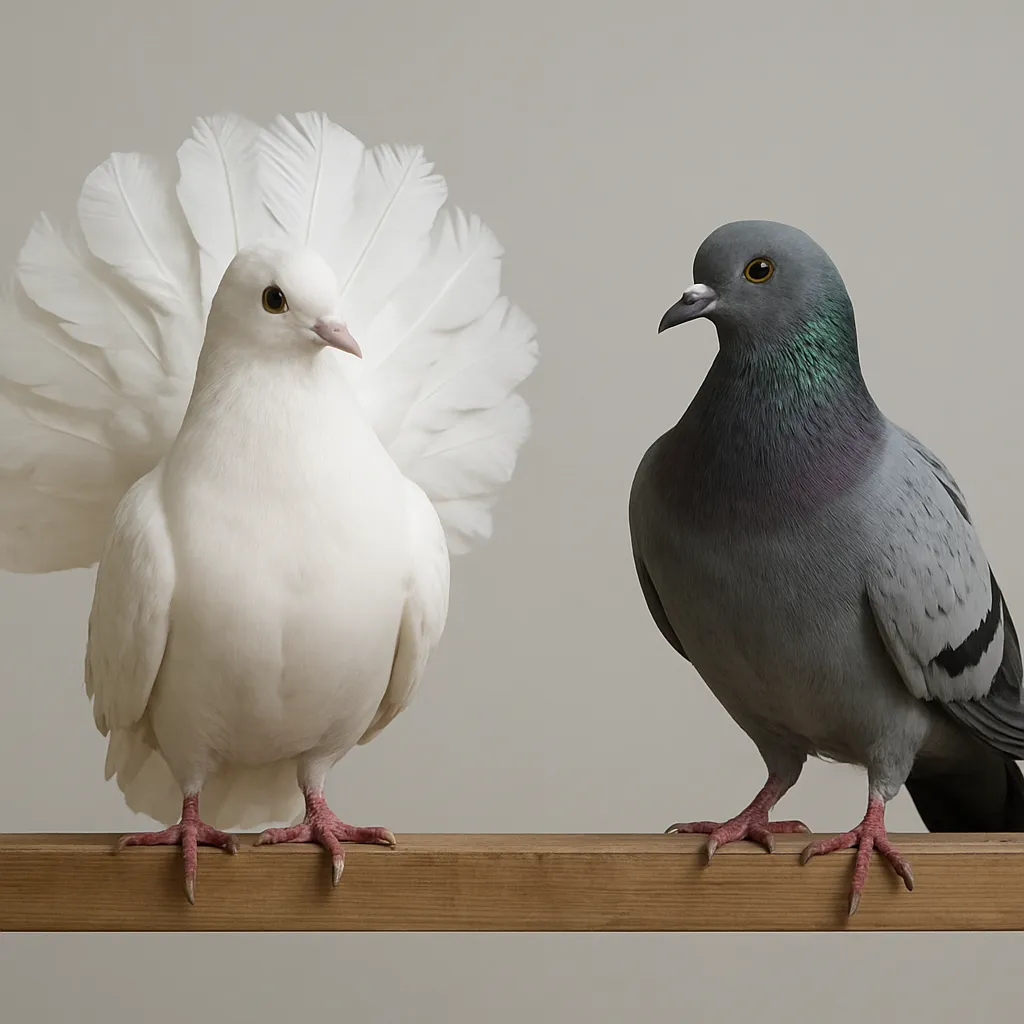
Pigeon breeders produced fantails, pouters and tumblers from the wild rock pigeon. These breeds can still mate with rock pigeons and have fertile young. What does this show?
Crack the passcode before the zombies get in.
Answer, then swat bugs for bonus points.
Race through questions at your own speed.
Same question on every screen. Fastest wins.

Pick a tile, answer, hit bonuses and steals.

Stars, Galaxies and the Universe Review
40 questions