Loading
by BlastRoom
A mixed end-of-unit review of the carbon cycle, greenhouse gases, energy resources, natural events and human consumption.
#us_grade_8_science
20 questions
One question set, multiple game modes. Tap any game to see it in action. Not sure which to pick?
Answer to place stones and capture territory.
Outrun the snow together.
Earn blasts, then hunt the other team.
Answer to earn energy, then climb.

The class blasts through walls together.
Bid on mystery lots. Most money wins.
Sell tours. Nice, standard, or a total scam.

Answer, restock, and serve the rush.
More correct answers pulls the rope your way.
Answer, then shoot down the alien wave.
Answer, then tap to leap the frozen ridge.
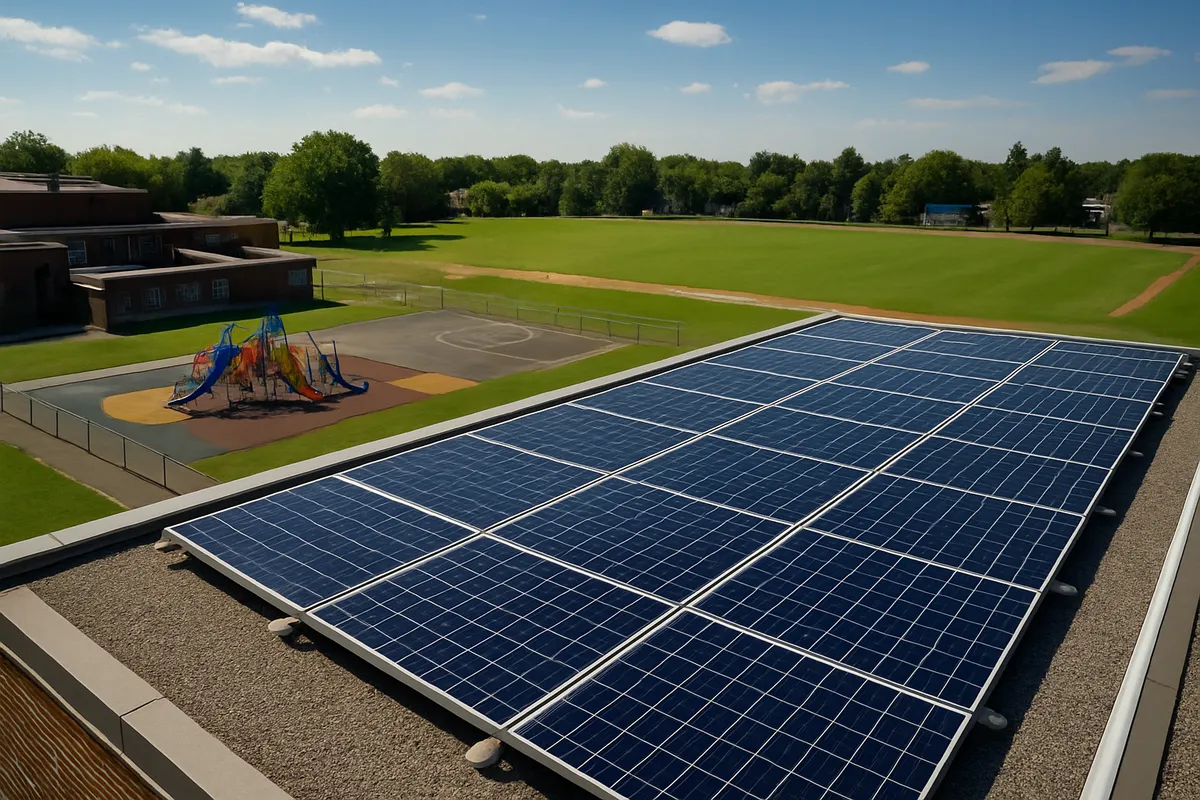
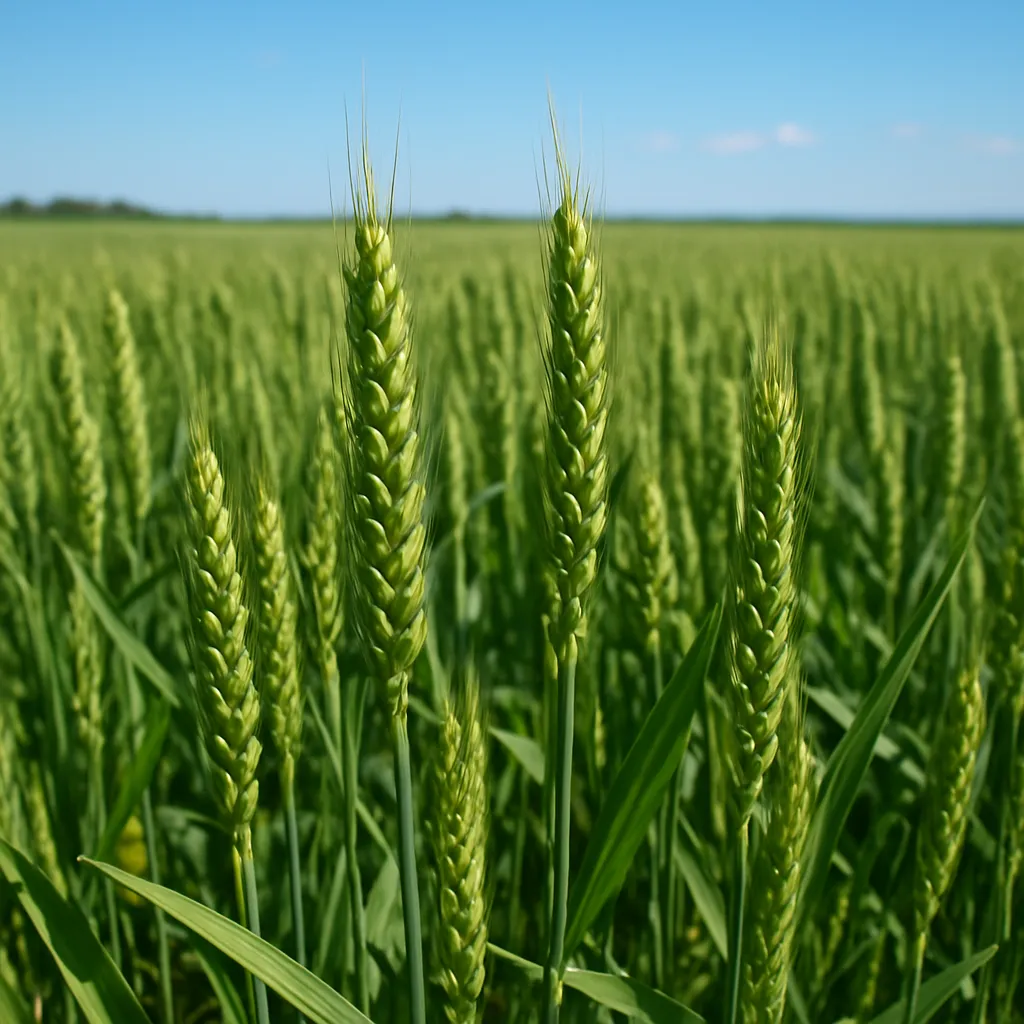
On a summer day a wheat field takes in more carbon dioxide than it gives off. Which process is removing that carbon dioxide from the air?
Coal holds carbon that was locked underground for hundreds of millions of years. When a power plant uses coal to make electricity, which process moves that carbon back into the atmosphere?
Measurements show the ocean has taken up roughly a quarter of the carbon dioxide people have released by burning fuels. What role does this evidence show for the ocean?
Fallen leaves on a forest floor slowly disappear over a year, and the soil beneath them gives off carbon dioxide. Which organisms are mainly responsible for that release?

In one year a region's plants take in 120 units of carbon, plants and soils release 119 units, and burning fuel adds 9 units. What happens to carbon in the air?
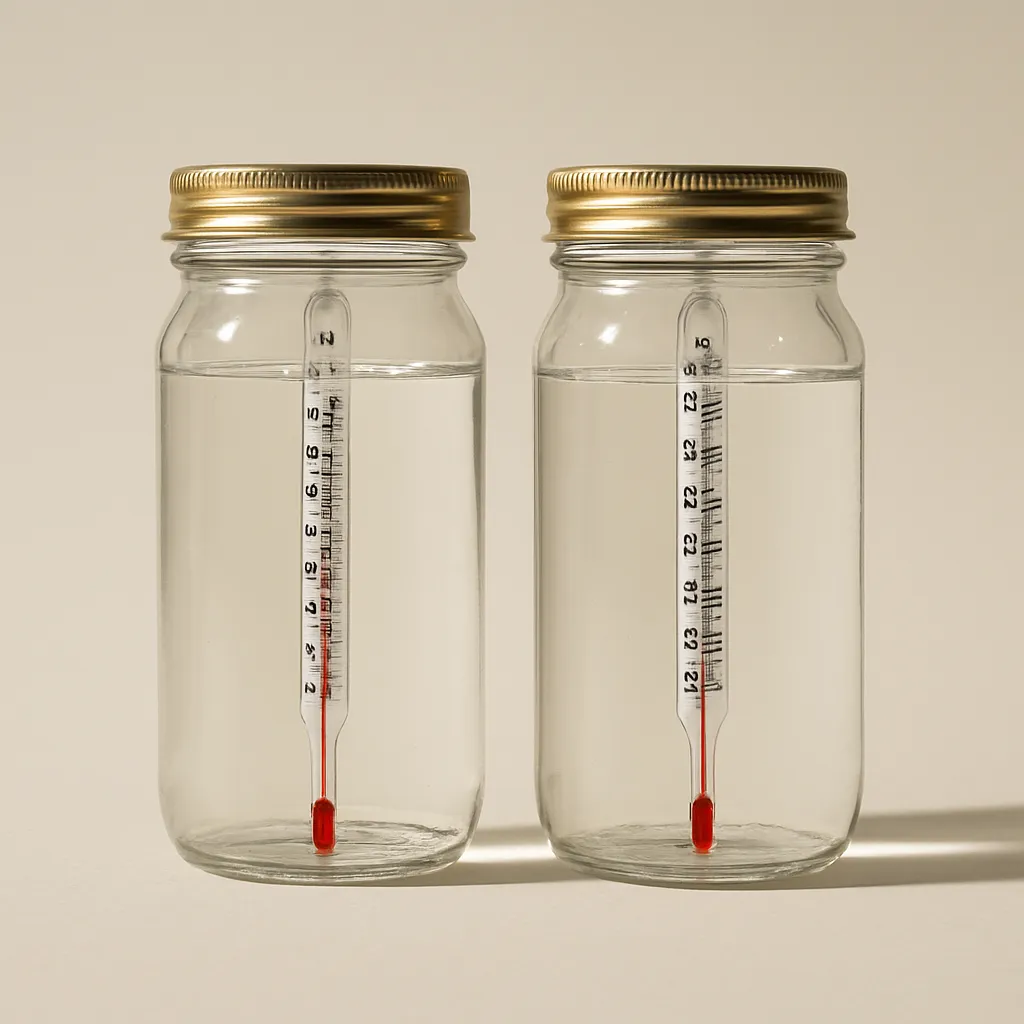
Two sealed jars sit in sunlight. One holds ordinary air, the other air with extra carbon dioxide. After an hour the jar with extra carbon dioxide is warmer. What explains this?
Per kilogram released, methane traps far more heat than carbon dioxide, but the air holds much less methane and it breaks down within about a decade. What follows for methane cuts?
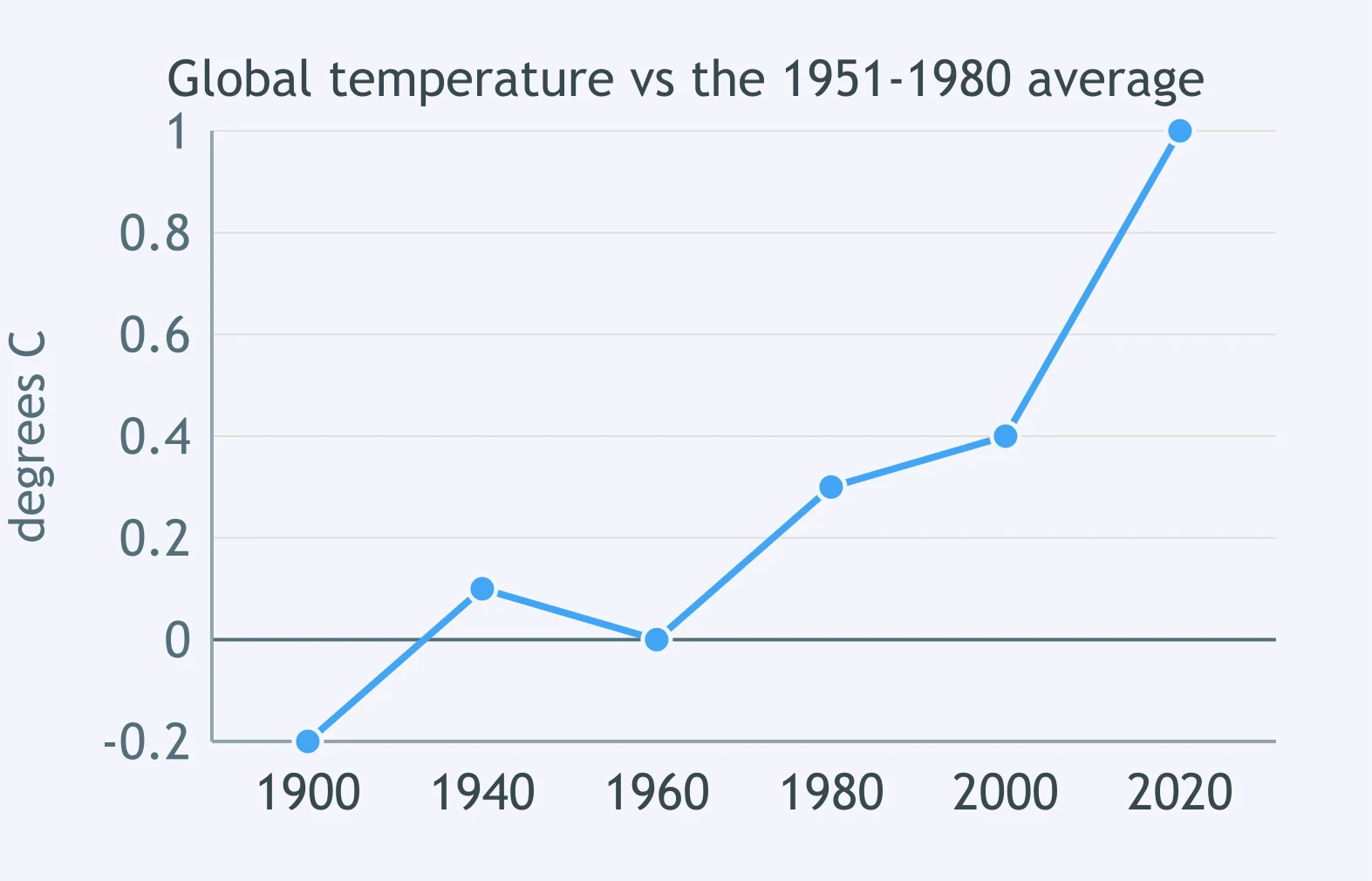
Look at the graph of global average temperature compared with the mid-century average. What does the record from 1900 to 2020 show?
With no greenhouse gases at all, Earth's average surface temperature would be near -18 degrees C instead of the roughly 15 degrees C measured today. What does this comparison show?
Air bubbles in Antarctic ice cores show carbon dioxide stayed below 300 parts per million for 800,000 years, then passed 420 parts per million recently. Which claim does this evidence support?
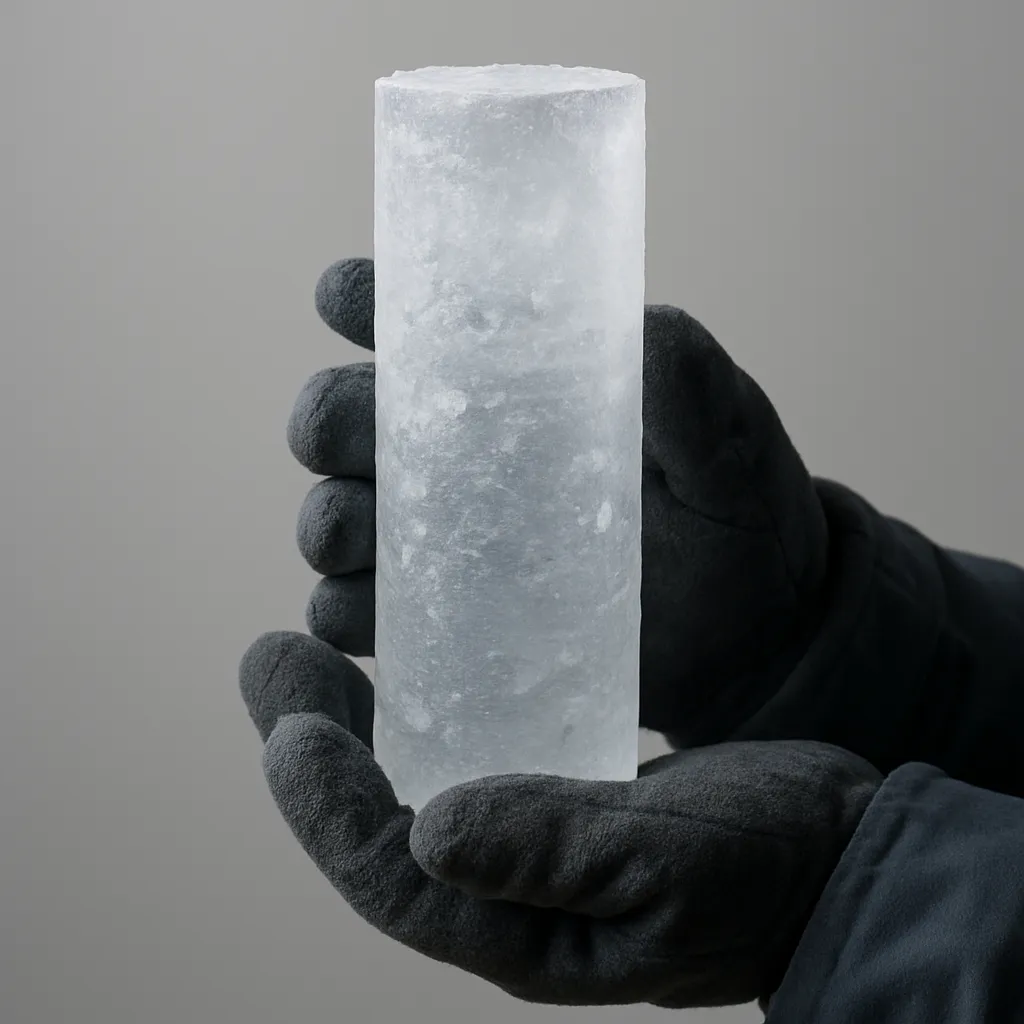
Coal, oil and natural gas are all nonrenewable resources.
A town gets under three hours of sunlight a day in winter. It has no large rivers and no volcanoes or hot springs nearby, but steady gusts on its exposed ridge bend every tree. Which renewable resource fits its winter needs?
A power plant pumps water down to hot rock two kilometers underground and spins its turbines with the steam that returns. Which energy resource is this plant using?
A country replaces a coal plant with a hydroelectric dam. Emissions fall, but a river valley is flooded and fish can no longer swim upstream to spawn. What does this show?
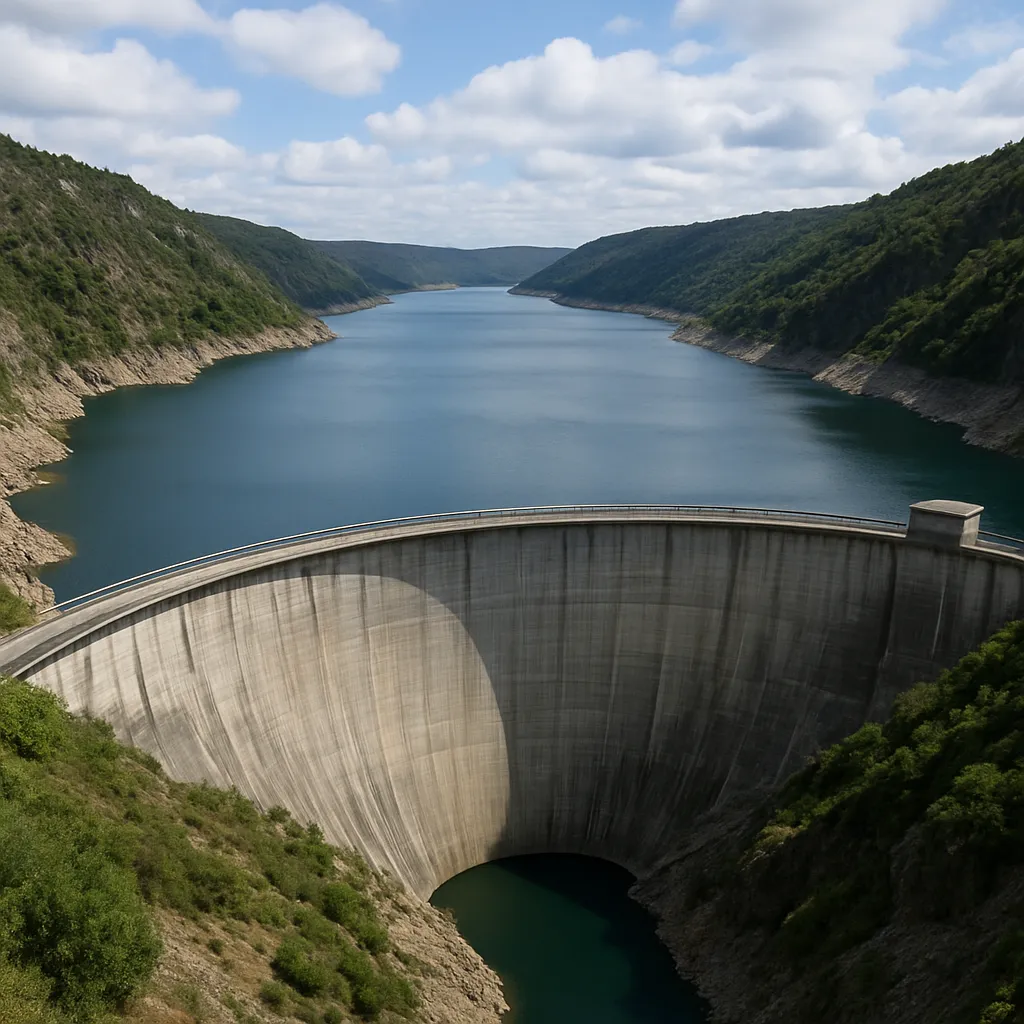
An oil field yields less each year and is expected to run dry within thirty years, while the same country's wind farms keep producing. What makes the oil field nonrenewable?
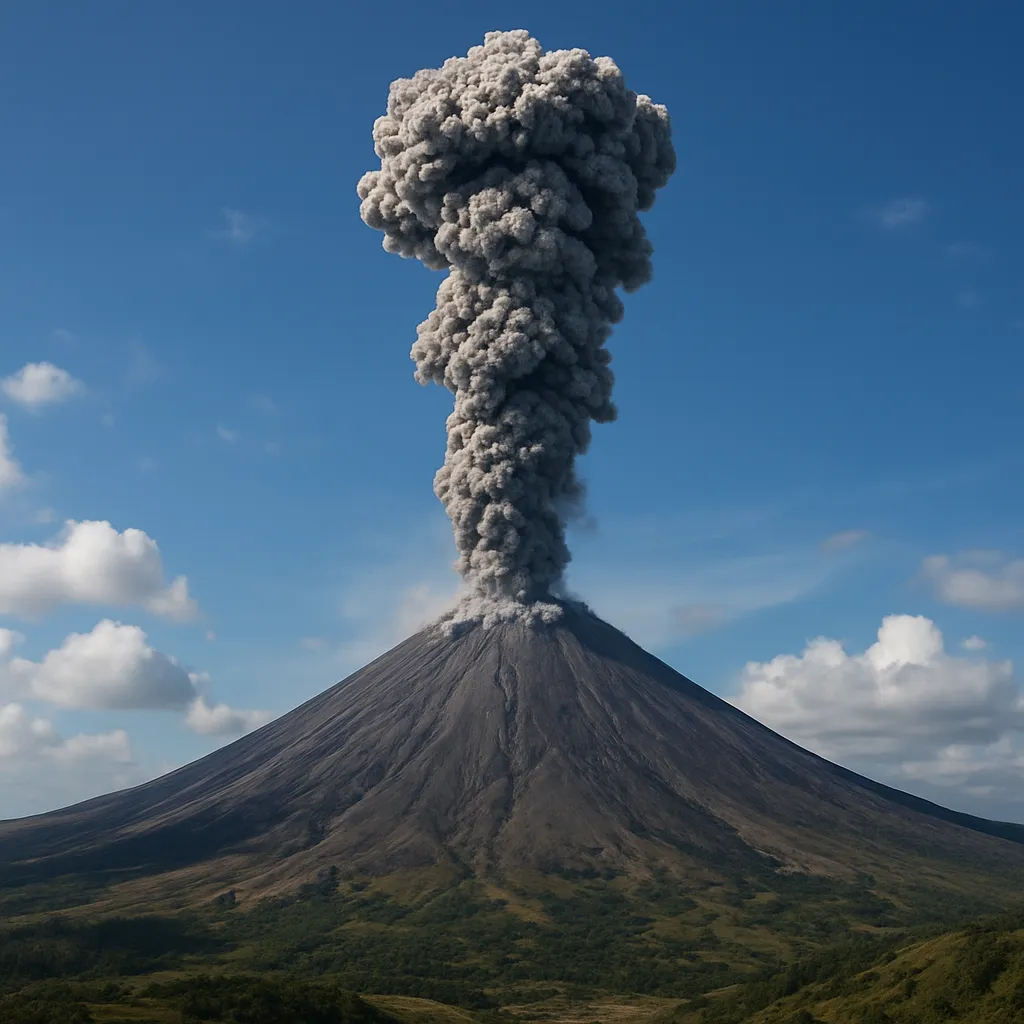
After Mount Pinatubo erupted in 1991, sulfur particles spread high through the atmosphere and global average temperature fell about 0.5 degrees C for roughly two years. What did the particles do?
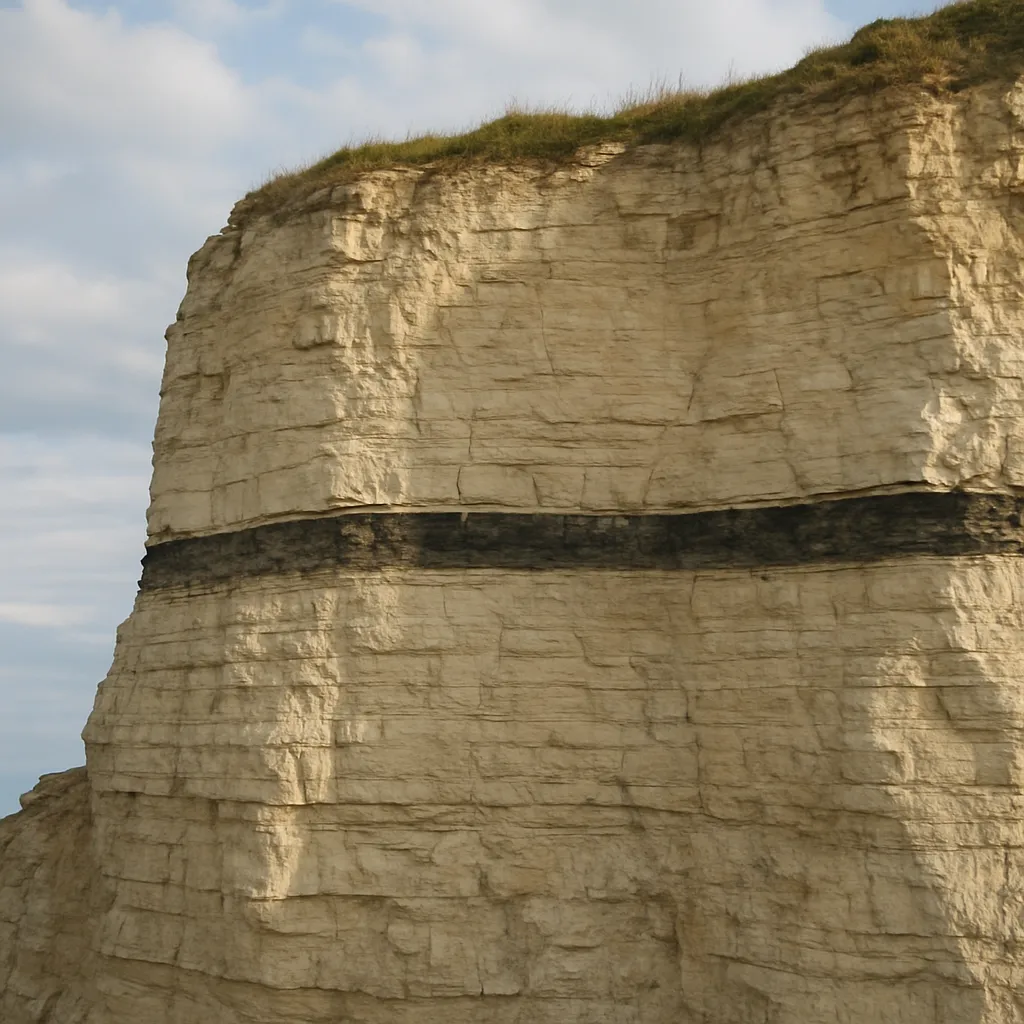
Rock layers worldwide from 66 million years ago hold a thin band rich in iridium, a metal that is rare in Earth's crust. Which event does this evidence support?
During a drought, heavy pumping from a shared river affects only the farms doing the pumping, not the water supply of towns downstream.
A town of 8,000 people used 2,400,000 liters of water a day. The population grew to 10,000 and each person's use stayed the same. What is the new daily total?
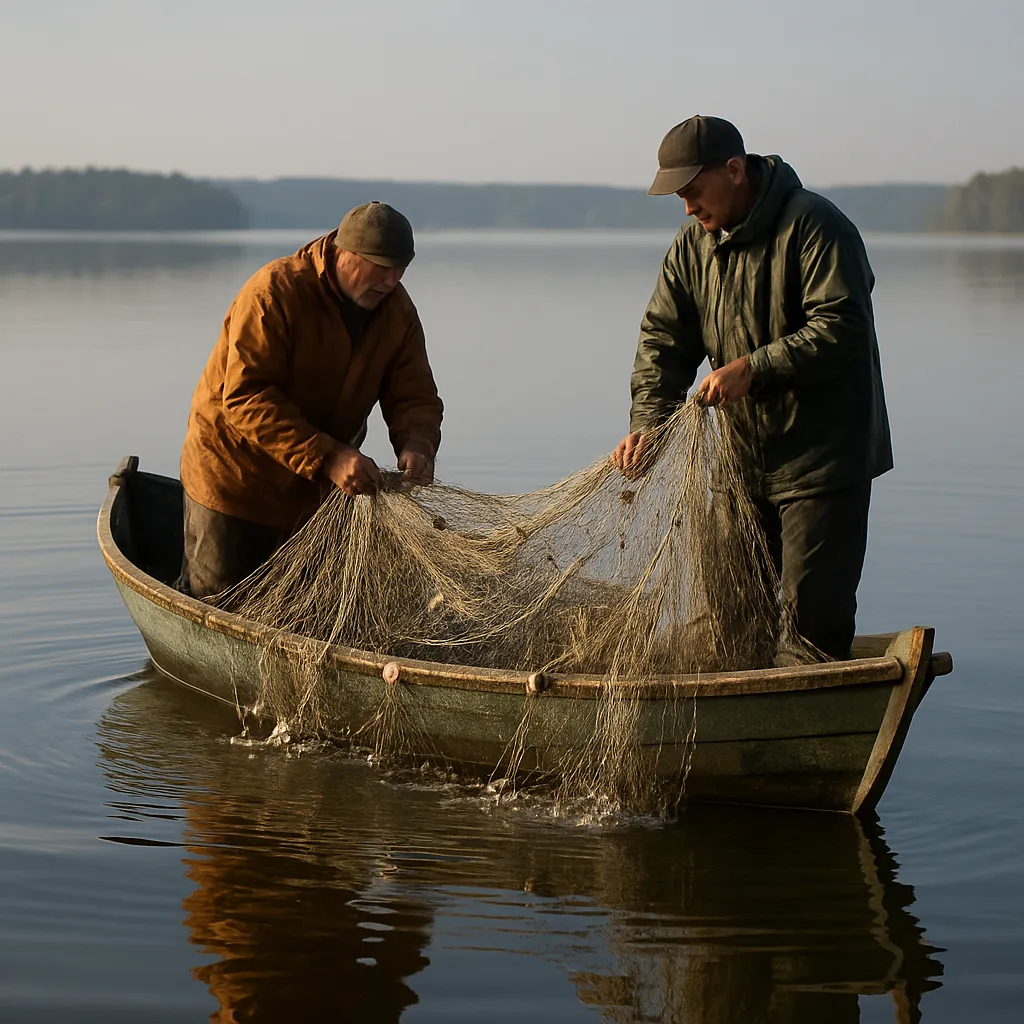
A village takes 5,000 fish a year from a lake where about 5,000 young fish reach full size each year. The village then doubles its yearly catch. What is likely to happen?
Crack the passcode before the zombies get in.
Answer, then swat bugs for bonus points.
Race through questions at your own speed.
Same question on every screen. Fastest wins.

Pick a tile, answer, hit bonuses and steals.
Science and Engineering Practices Review
40 questions