Loading
by BlastRoom
Covers what each U.S. region produced and traded before 1877 and why.
#economics#us_grade_8_social_studies
20 questions
One question set, multiple game modes. Tap any game to see it in action. Not sure which to pick?
Answer to place stones and capture territory.
Outrun the snow together.
Earn blasts, then hunt the other team.
Answer to earn energy, then climb.

The class blasts through walls together.
Bid on mystery lots. Most money wins.
Sell tours. Nice, standard, or a total scam.

Answer, restock, and serve the rush.
More correct answers pulls the rope your way.
Answer, then shoot down the alien wave.
Answer, then tap to leap the frozen ridge.
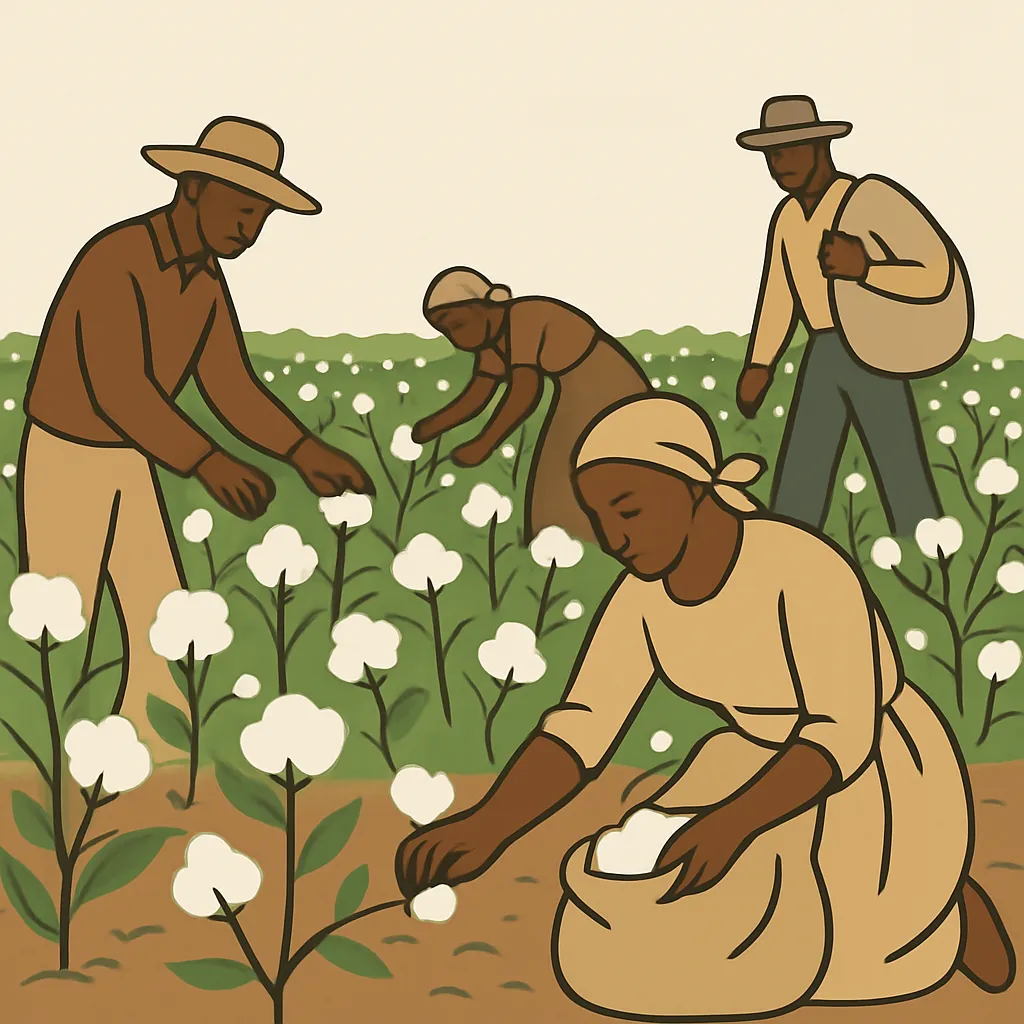
Before the Civil War, large plantations produced cotton with enslaved labor. Which U.S. region is described?
A region with Atlantic ports, fishing crews, and shipyards traded across the ocean before 1877. Which region is described?

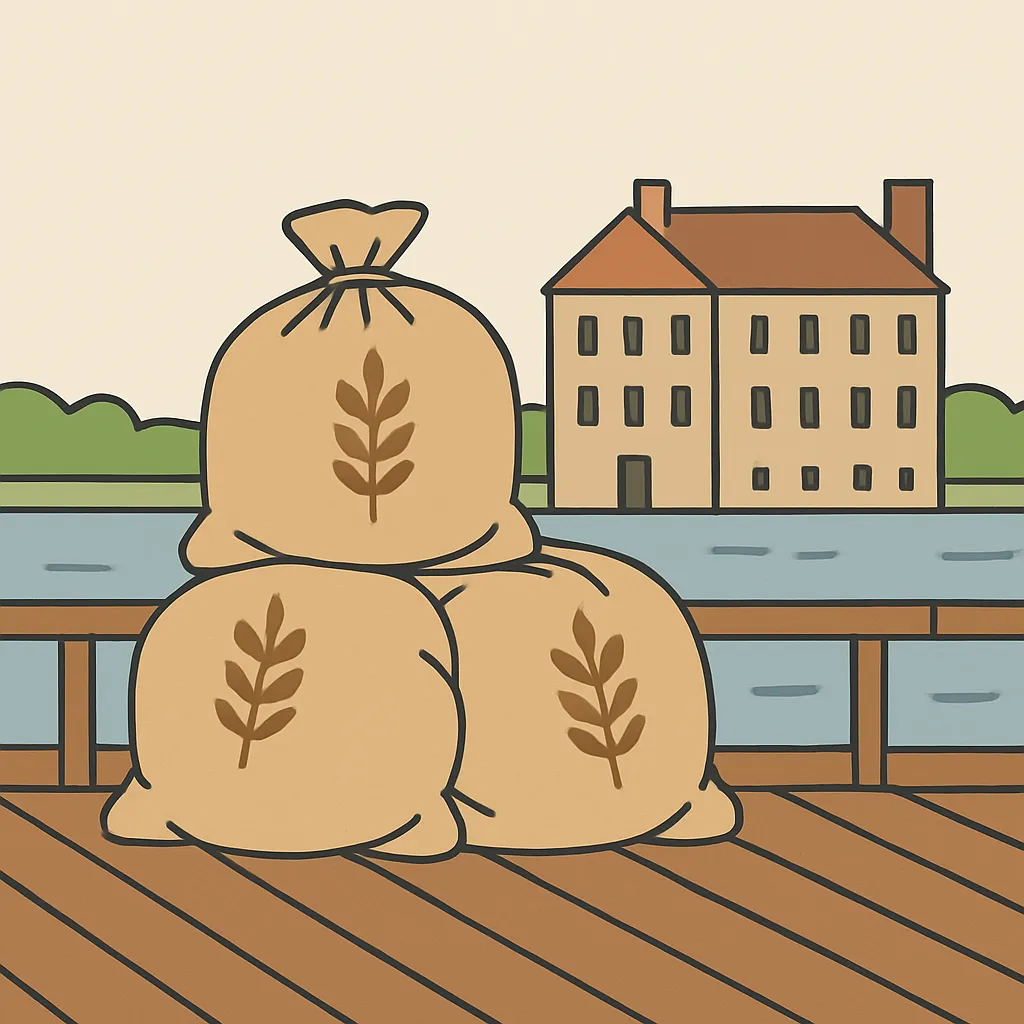
Colonial Pennsylvania and New York exported wheat and flour from commercial farms. Which region is described?
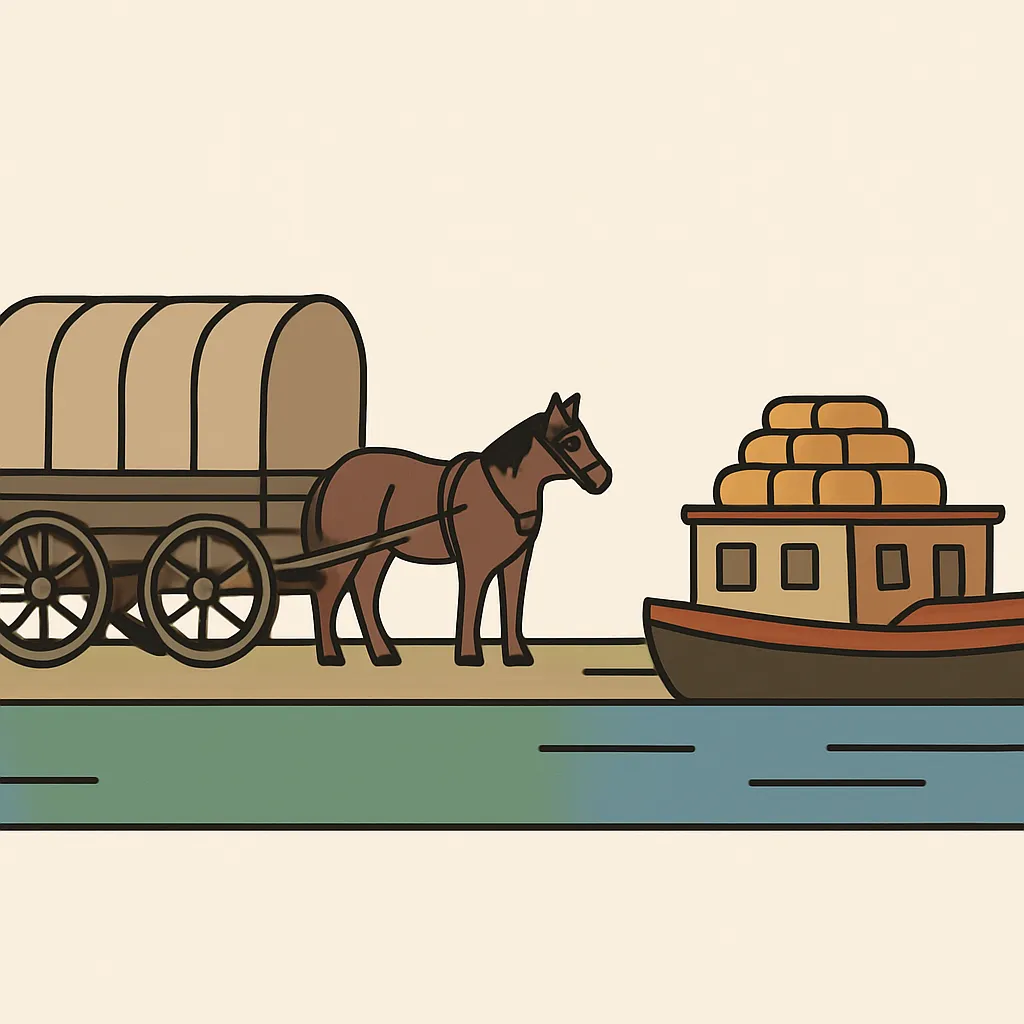
Farmers in Ohio, Indiana, and Illinois shipped grain, pork, and wool east by rivers and canals. Which region is described?
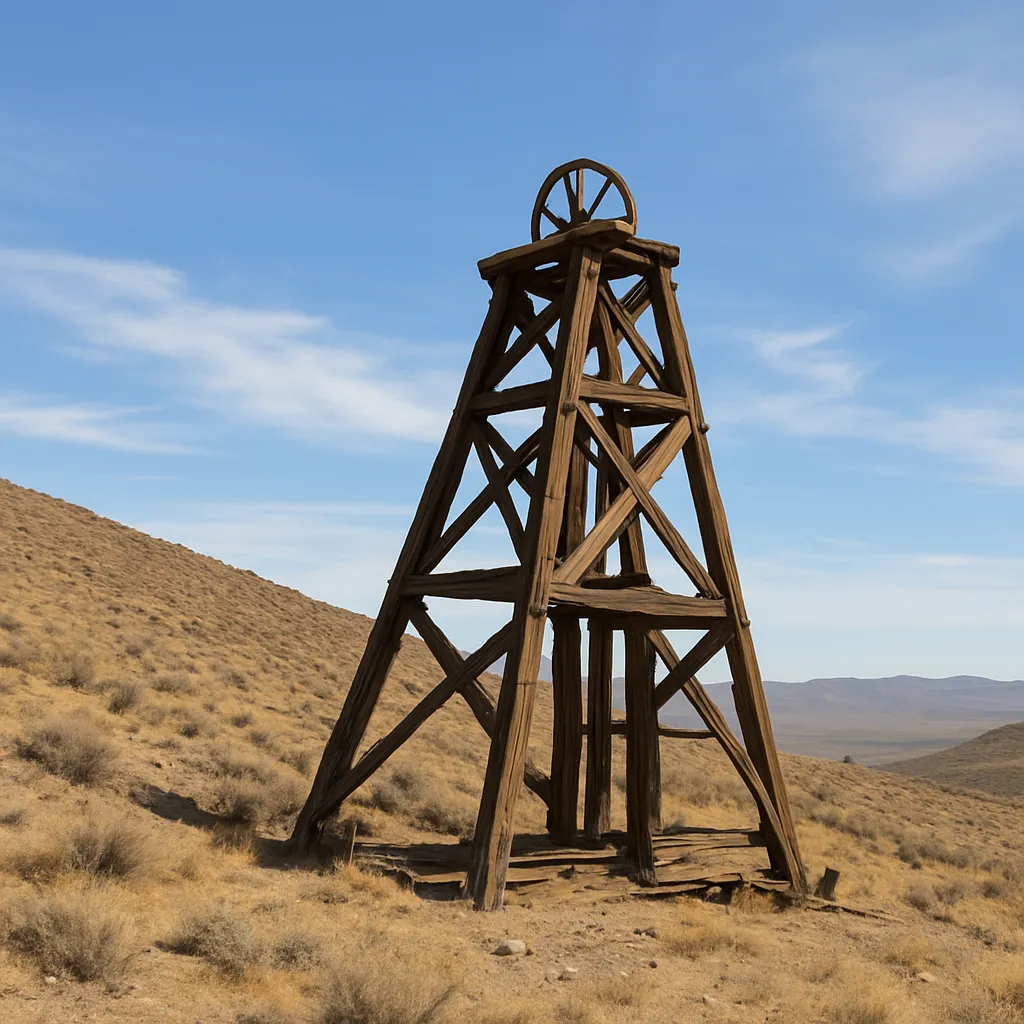
After gold was discovered in the Sierra Nevada foothills in 1848, mining camps and supply towns grew. Which region is described?

The Comstock Lode made silver and gold mining central to Nevada towns in the 1860s. Which region is described?
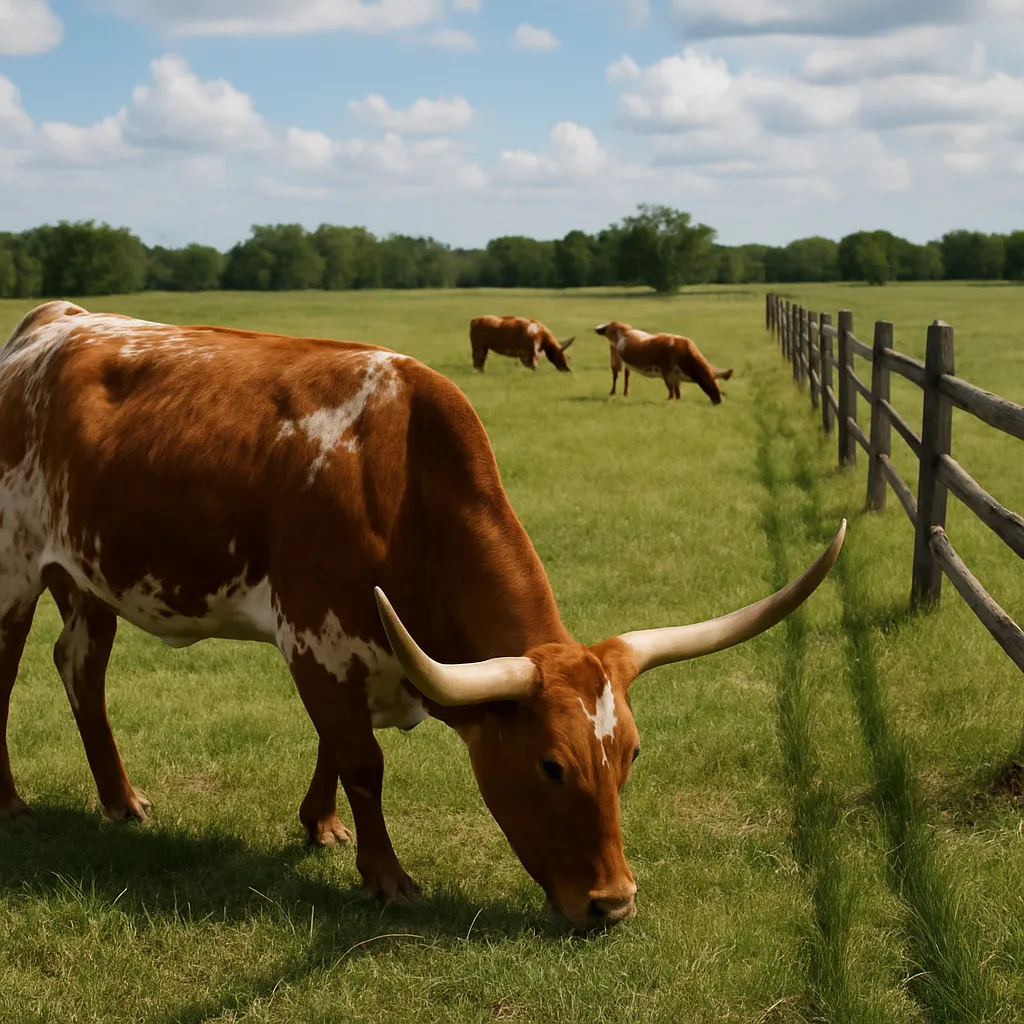
After the Civil War, cattle drives moved Texas longhorns to Kansas railheads for shipment. Which regional economy is described?
Rice and indigo plantations in South Carolina and Georgia used forced labor and shipped cash crops. Which region is described?
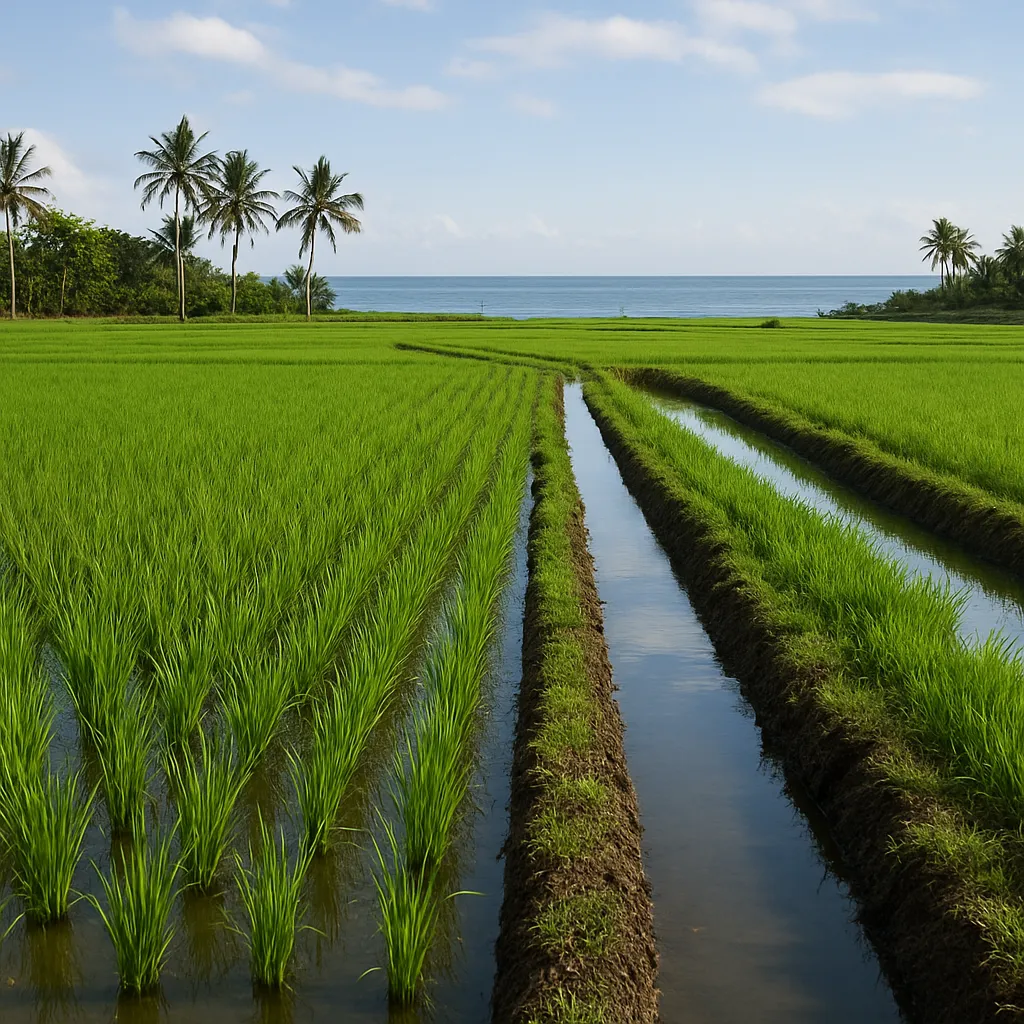
Rocky soil, natural harbors, and fast rivers made New England less suited to plantations. What economy did this geography encourage?
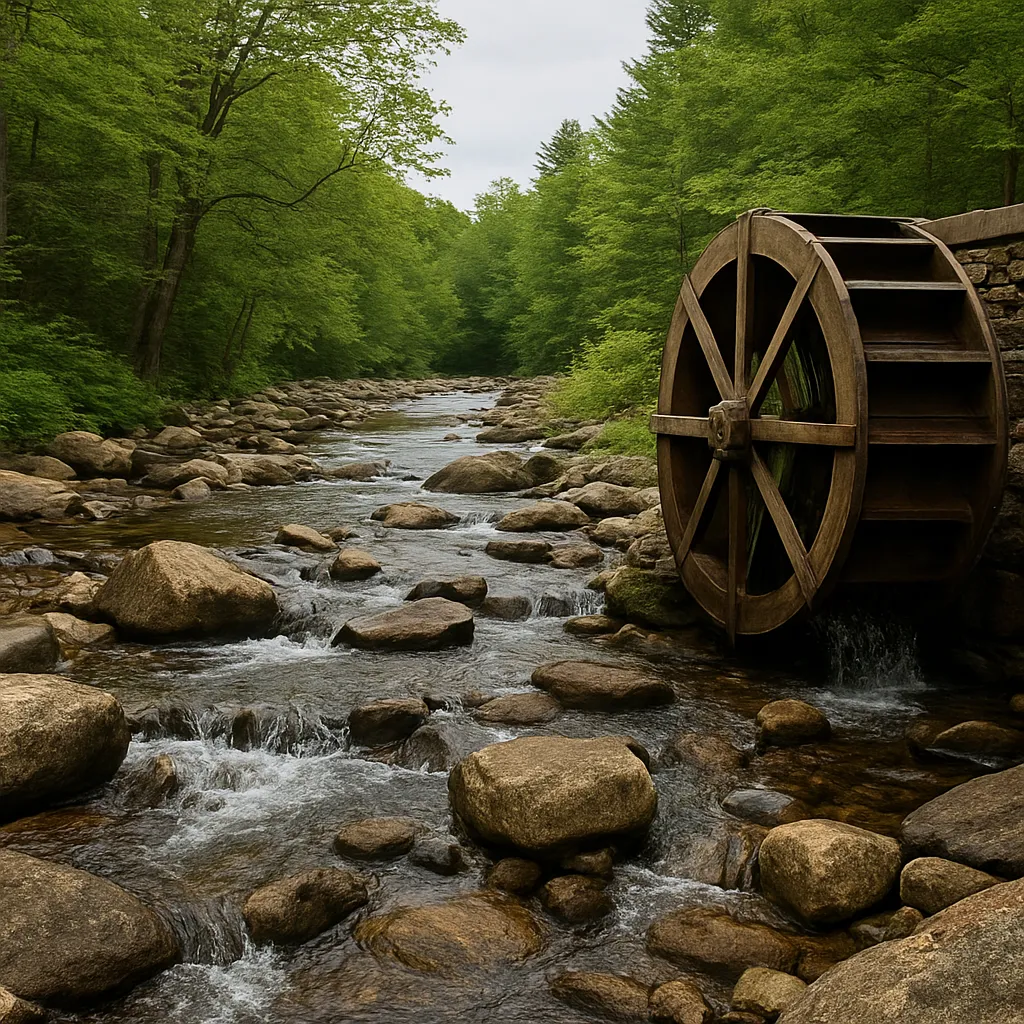
Fertile soil and a milder climate than New England's helped farmers in the Middle Atlantic colonies. What economy resulted?
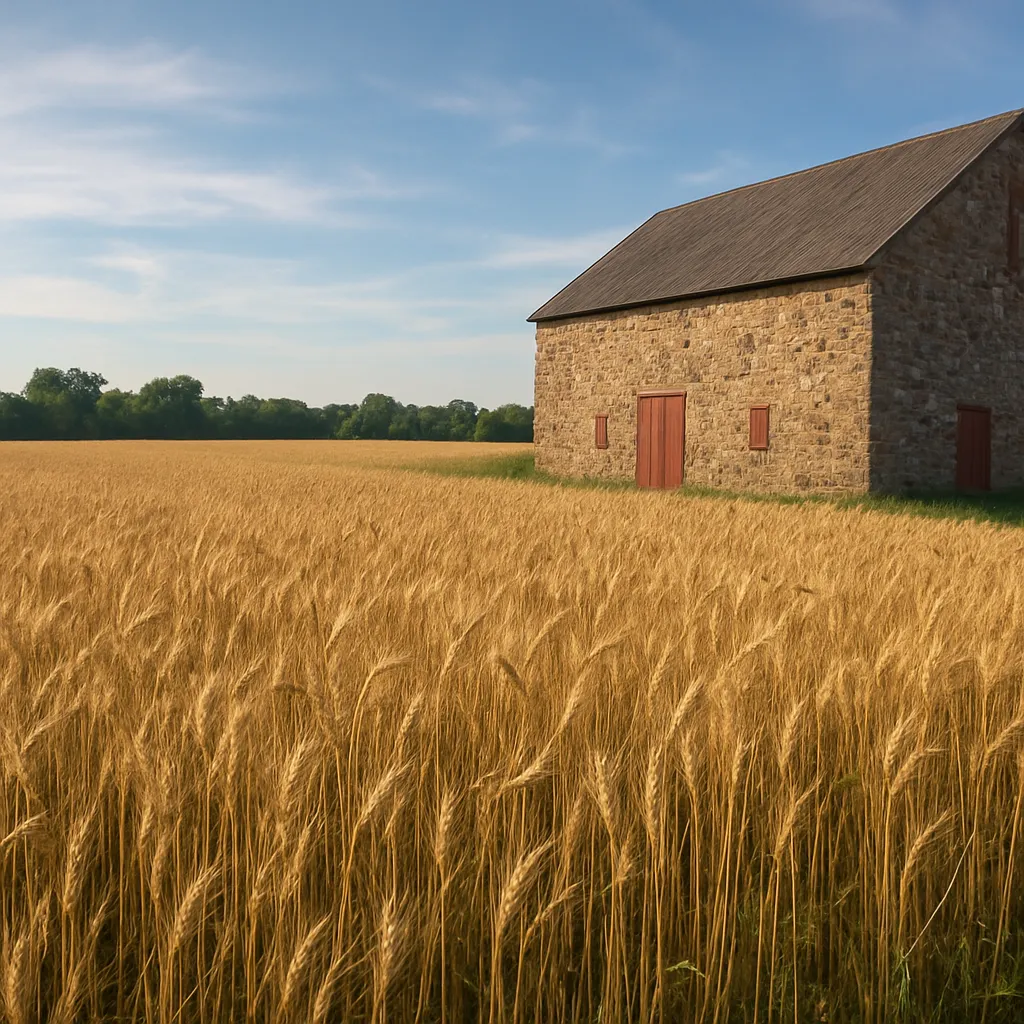
By the 1800s, warm climate and long growing seasons helped large southern farms grow rice and cotton. What labor system did most of them depend on?
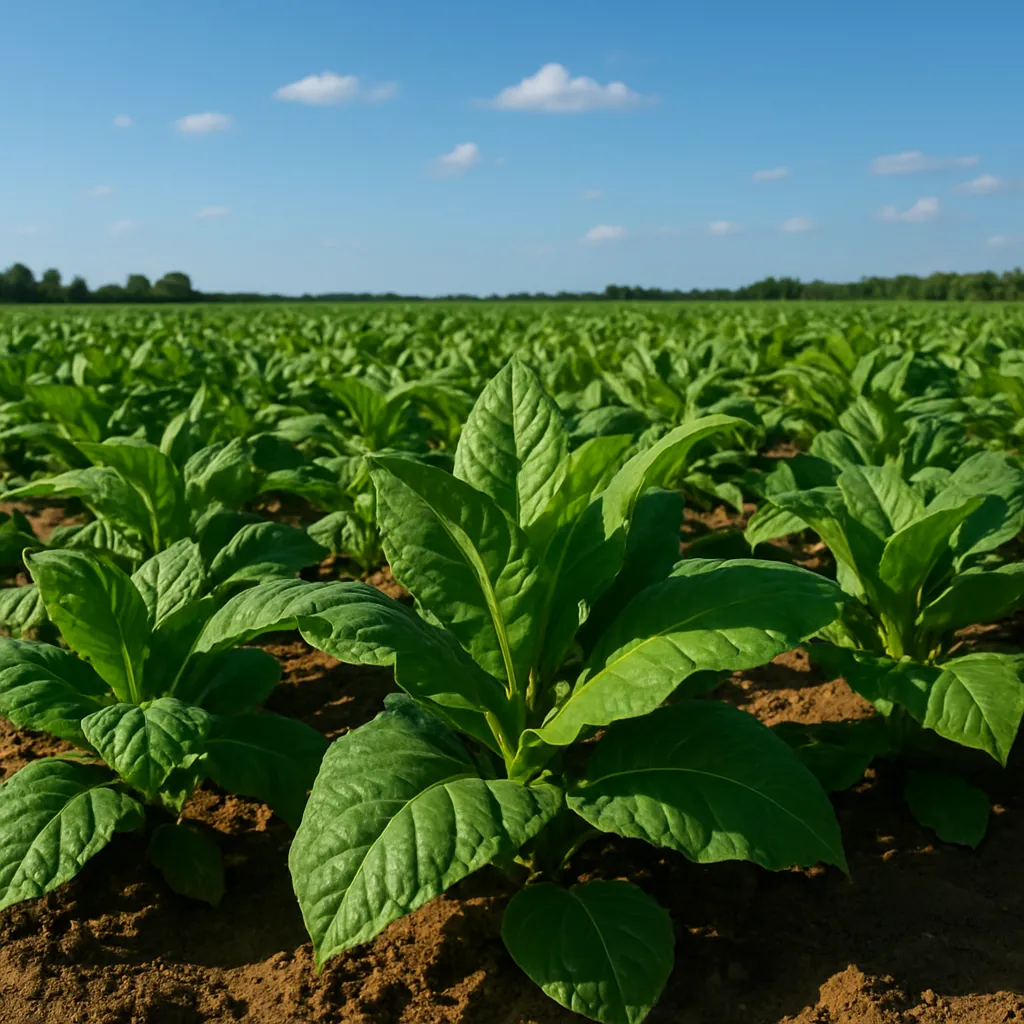
During the California Gold Rush, some of the steadiest profits went to people who never dug for gold. How did many of them earn money?
Open grasslands in Texas and the Great Plains could feed large herds before shipment. What economy fit that setting?
The Erie Canal linked Lake Erie with the Hudson River in 1825. What economic change did it bring?
Mississippi River steamboats carried people and cargo upstream faster than older boats. What did this improve for river towns?
Before the Civil War, northern cities were linked by many railroads and waterways. How did this network support the regional economy?
The first transcontinental railroad was completed in 1869. What did it help western producers do before 1877?
Northern manufacturers often supported high tariffs on imported goods in the early 1800s. What economic interest did tariffs serve?

Southern cotton planters often opposed high tariffs before the Civil War. Which concern matched their economic interest?
By 1860, which pair best describes the main economic interests of the North and then the South?
Crack the passcode before the zombies get in.
Answer, then swat bugs for bonus points.
Race through questions at your own speed.
Same question on every screen. Fastest wins.

Pick a tile, answer, hit bonuses and steals.

Money, Banking and the National Economy
20 questions