Loading
by BlastRoom
Students identify how Americans adapted to, modified, and were affected by physical environments.
#geography#us_grade_8_social_studies
20 questions
One question set, multiple game modes. Tap any game to see it in action. Not sure which to pick?
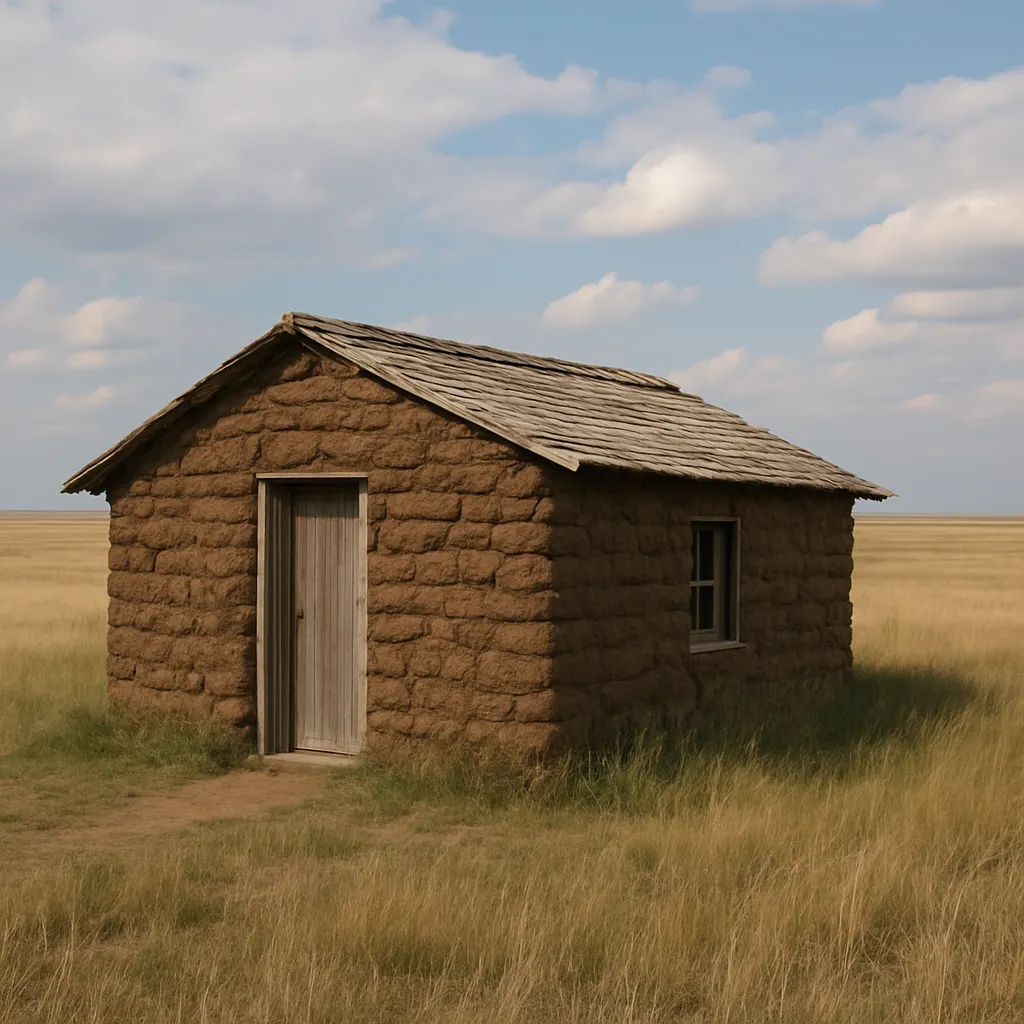
Great Plains homesteaders built houses from blocks of sod when trees were scarce. Which human-environment interaction is shown?
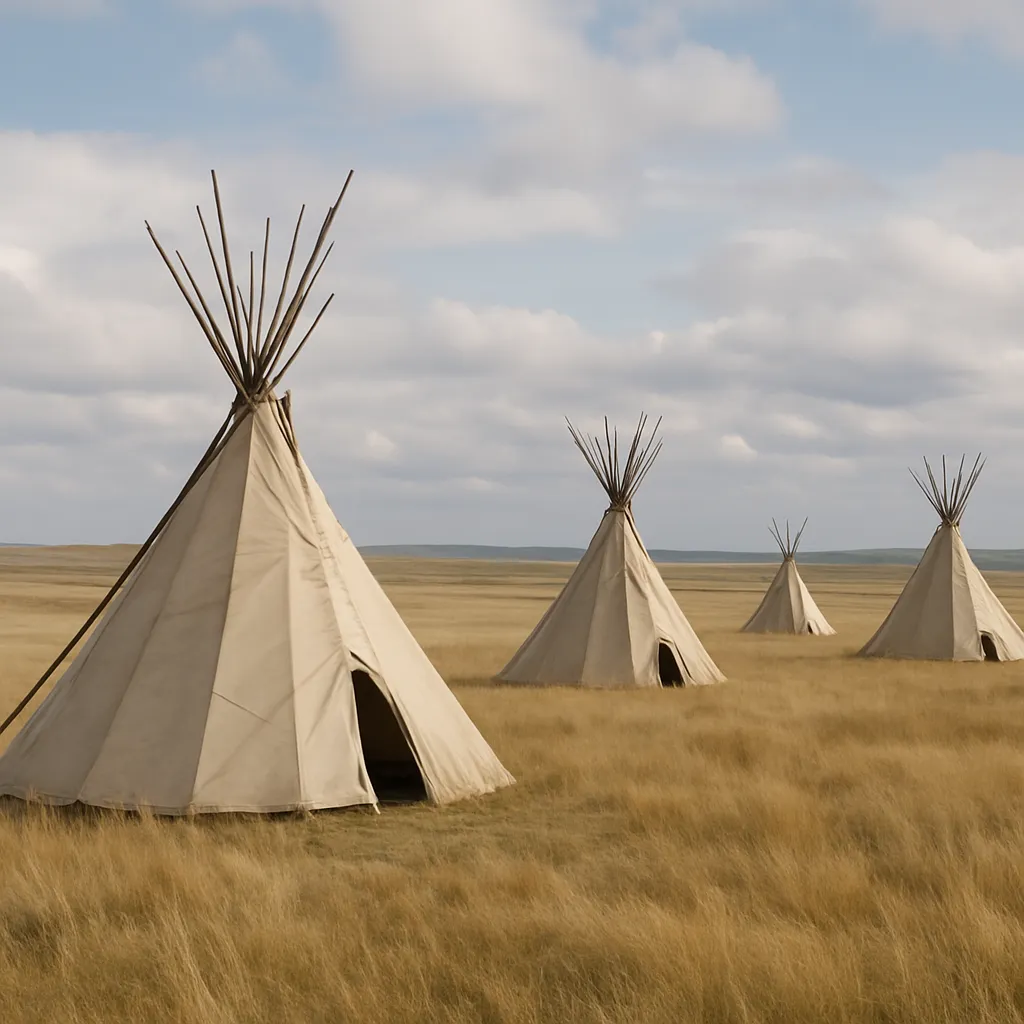
On the Great Plains, some Native nations used hide tipis that could be moved while following bison herds. Which interaction is shown?
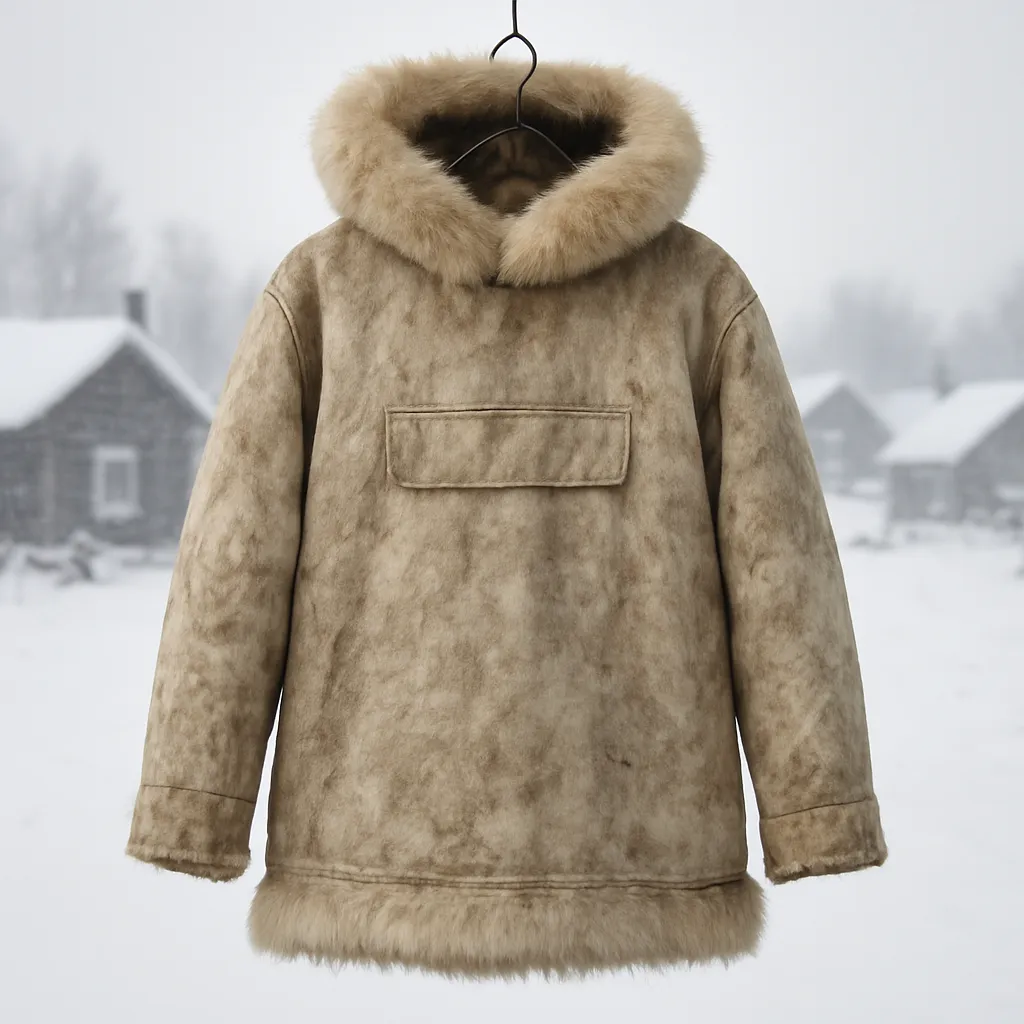
Historical Inupiaq communities in northwest Alaska sewed caribou-skin parkas for very cold weather. Which interaction is shown by that clothing choice?
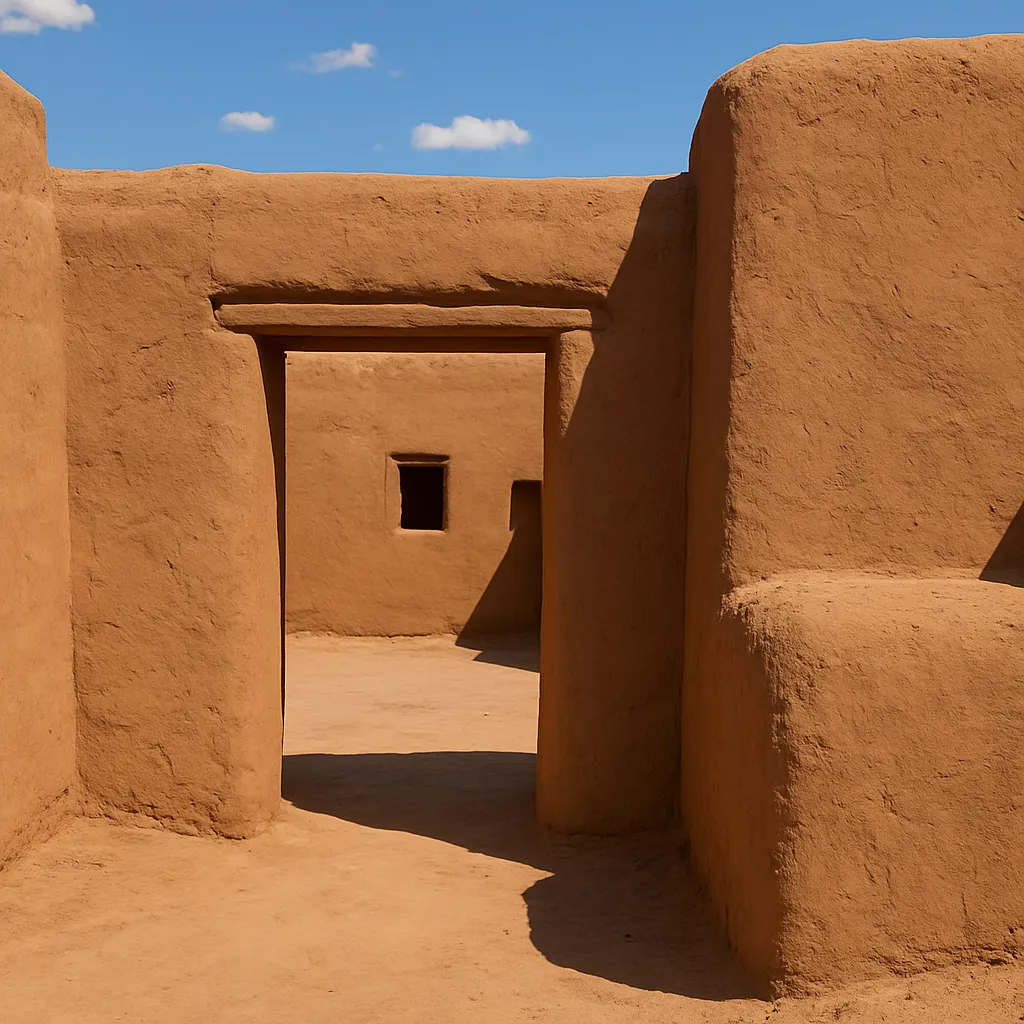
Ancestral Pueblo communities used thick stone or adobe walls to handle the dry Southwest climate. What kind of interaction does that show?
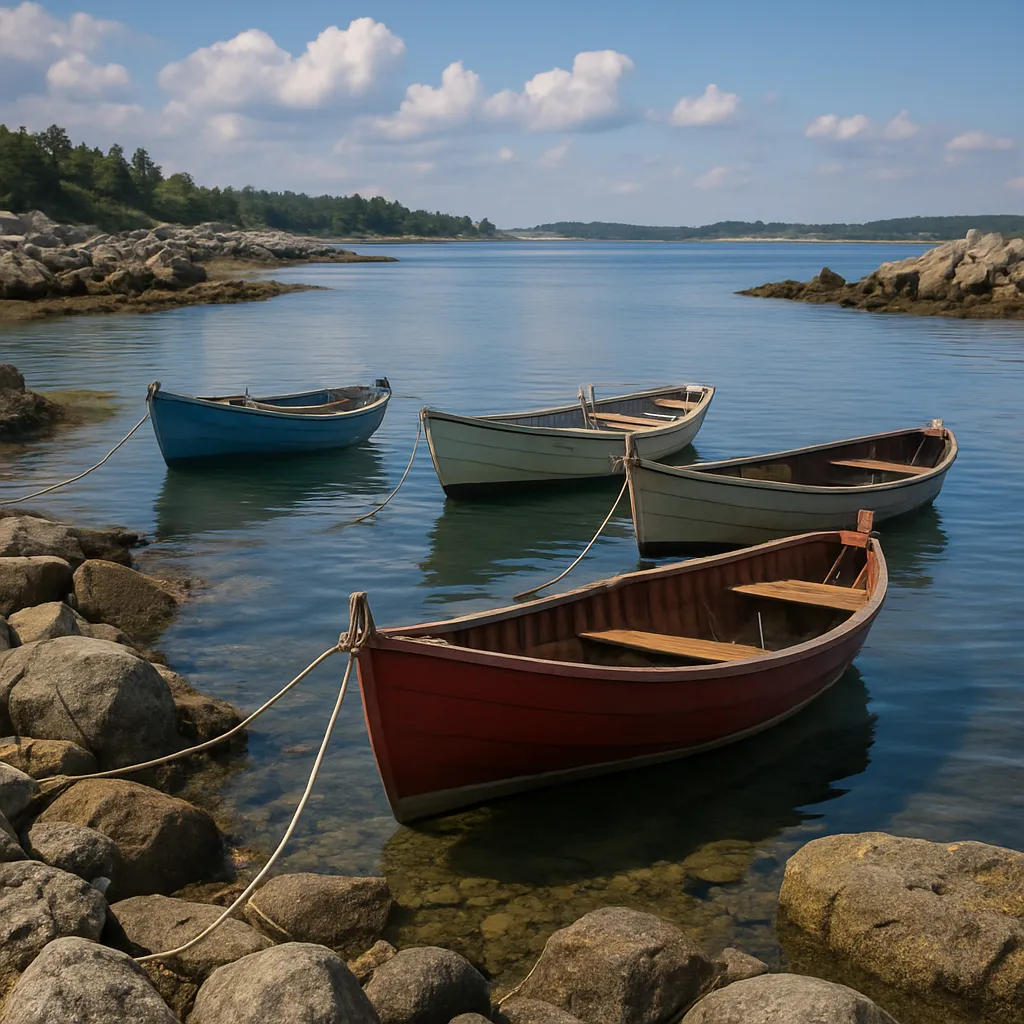
Plymouth's cold climate and thin, rocky soil limited farm size, so New Englanders turned to fishing, shipbuilding, and trade. What does this choice show?
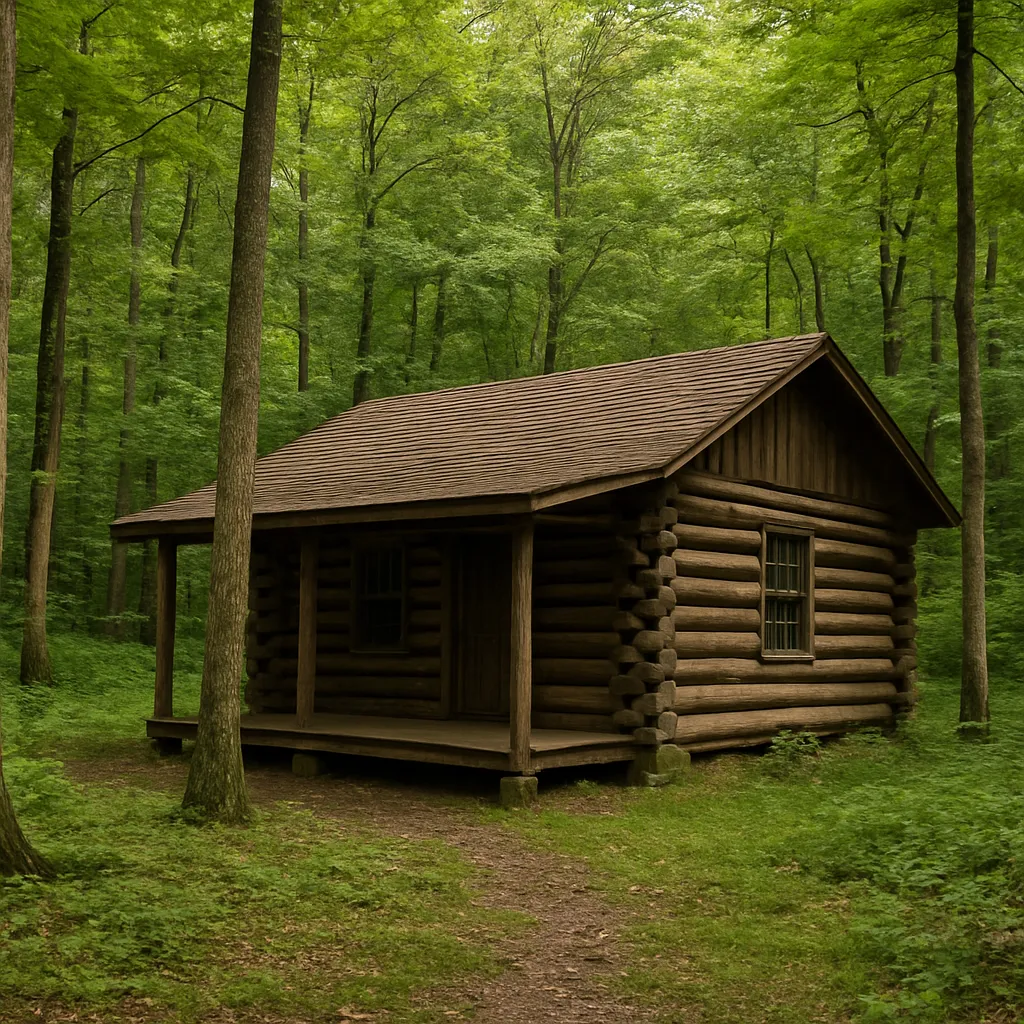
On the Indiana frontier, settlers chose log cabins because forests provided building material. What does choosing that material show?
Workers dug the Erie Canal across New York to link the Hudson River with Lake Erie in 1825. Which interaction is shown by digging the canal?
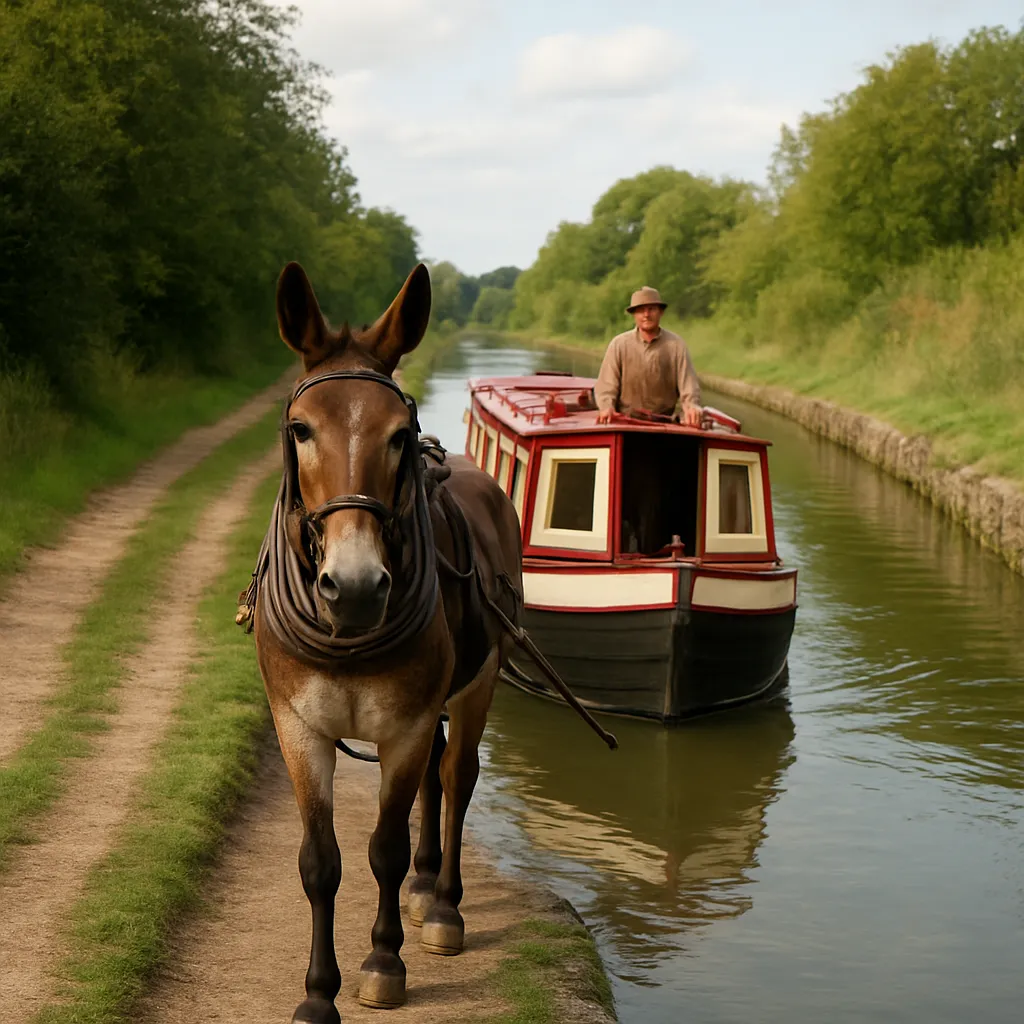
French settlers built levees along the Mississippi River at New Orleans in the early 1700s to hold back floods. Which interaction is shown?
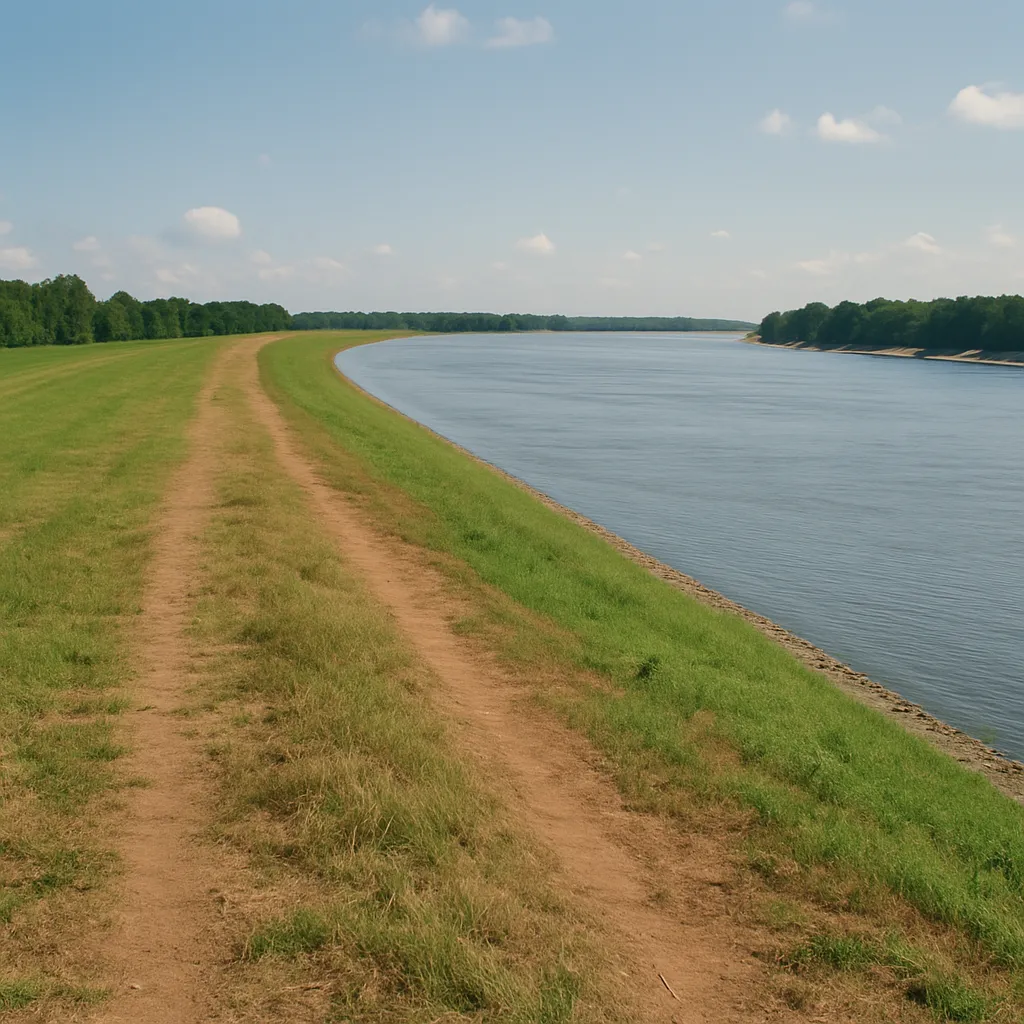
During the 1930s, workers built Hoover Dam to control Colorado River floods, store water, and generate power. Which interaction is shown?
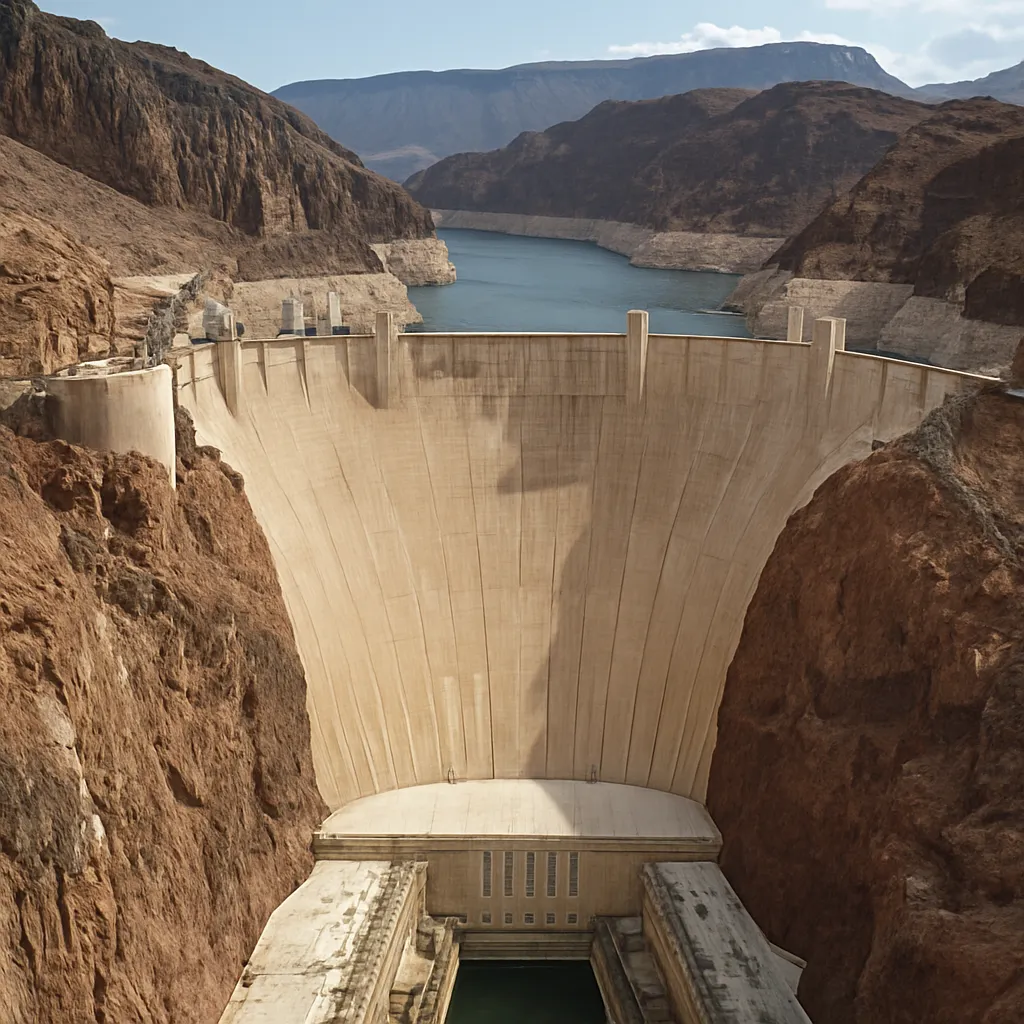
New Deal planners built TVA dams and reservoirs on the Tennessee River system for flood control, navigation, and electricity. What kind of interaction was this?
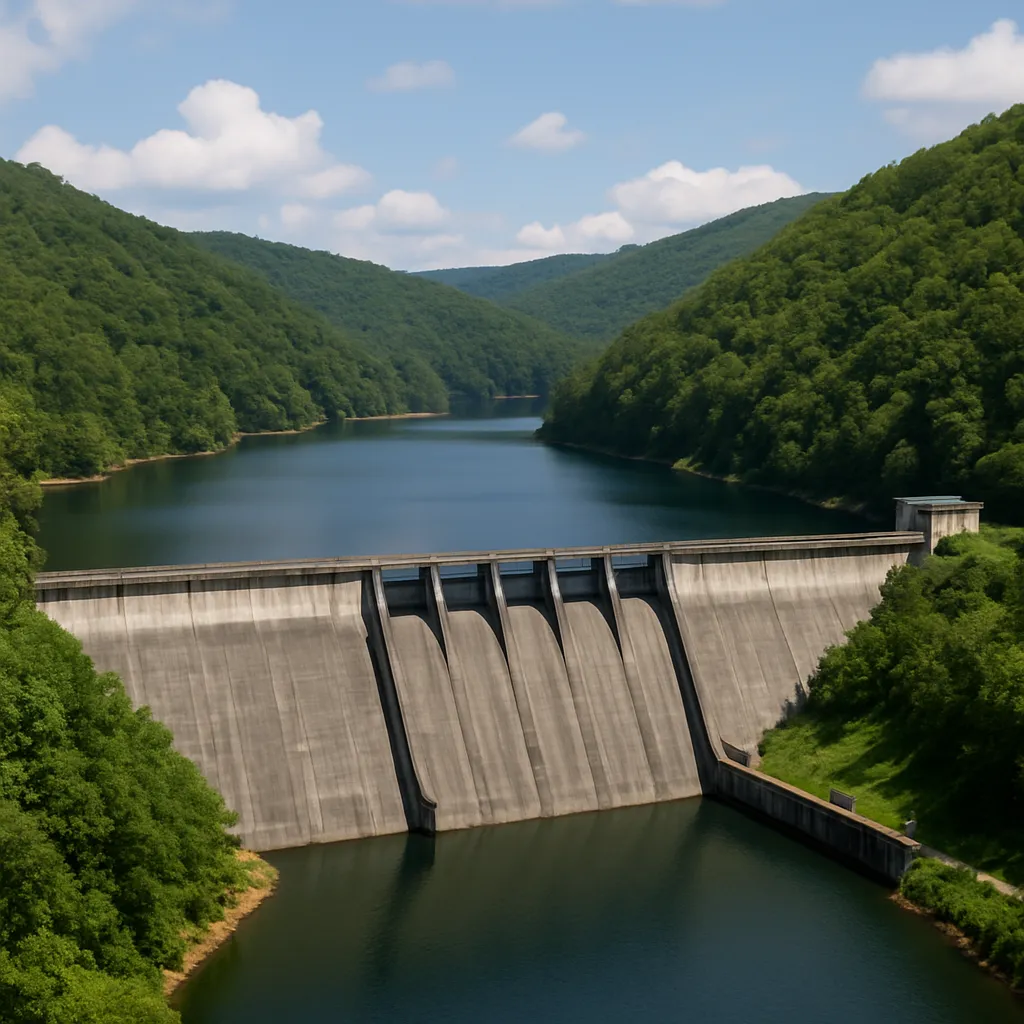
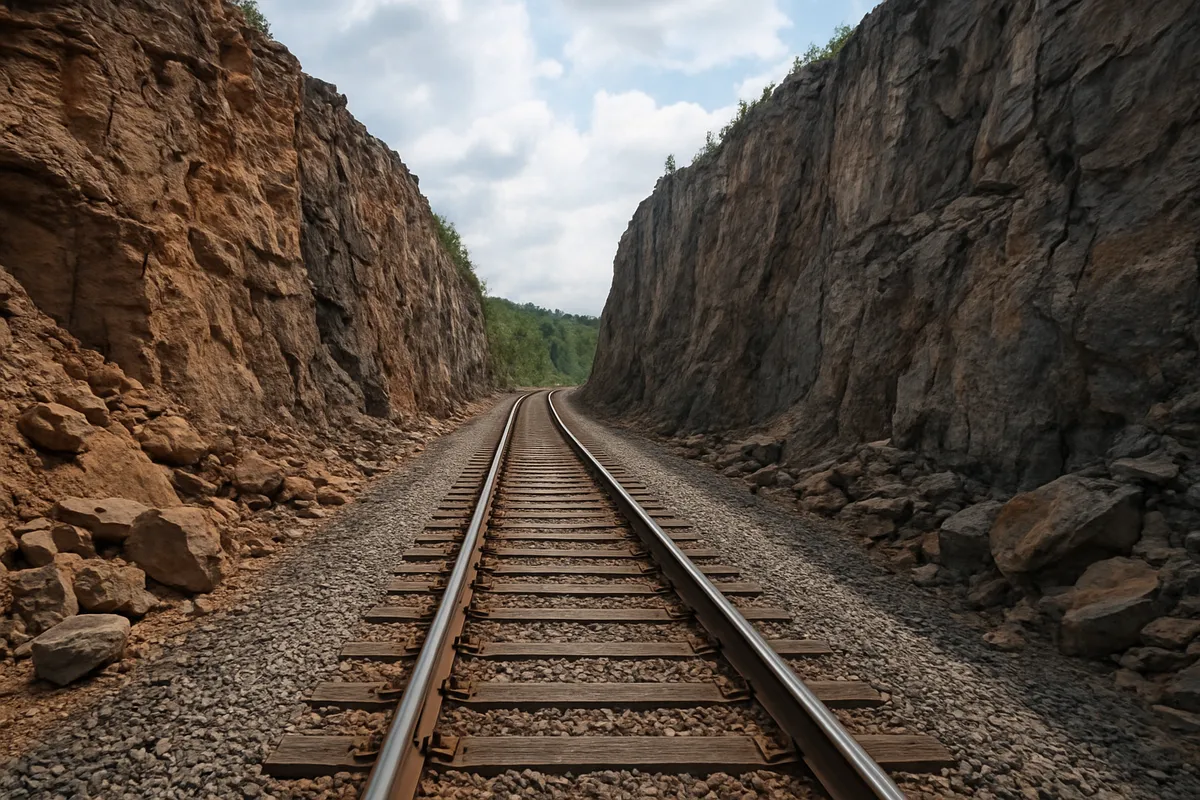
Railroad crews blasted cuts and bored tunnels through the Sierra Nevada for the Central Pacific line. Which interaction with the physical environment is shown?
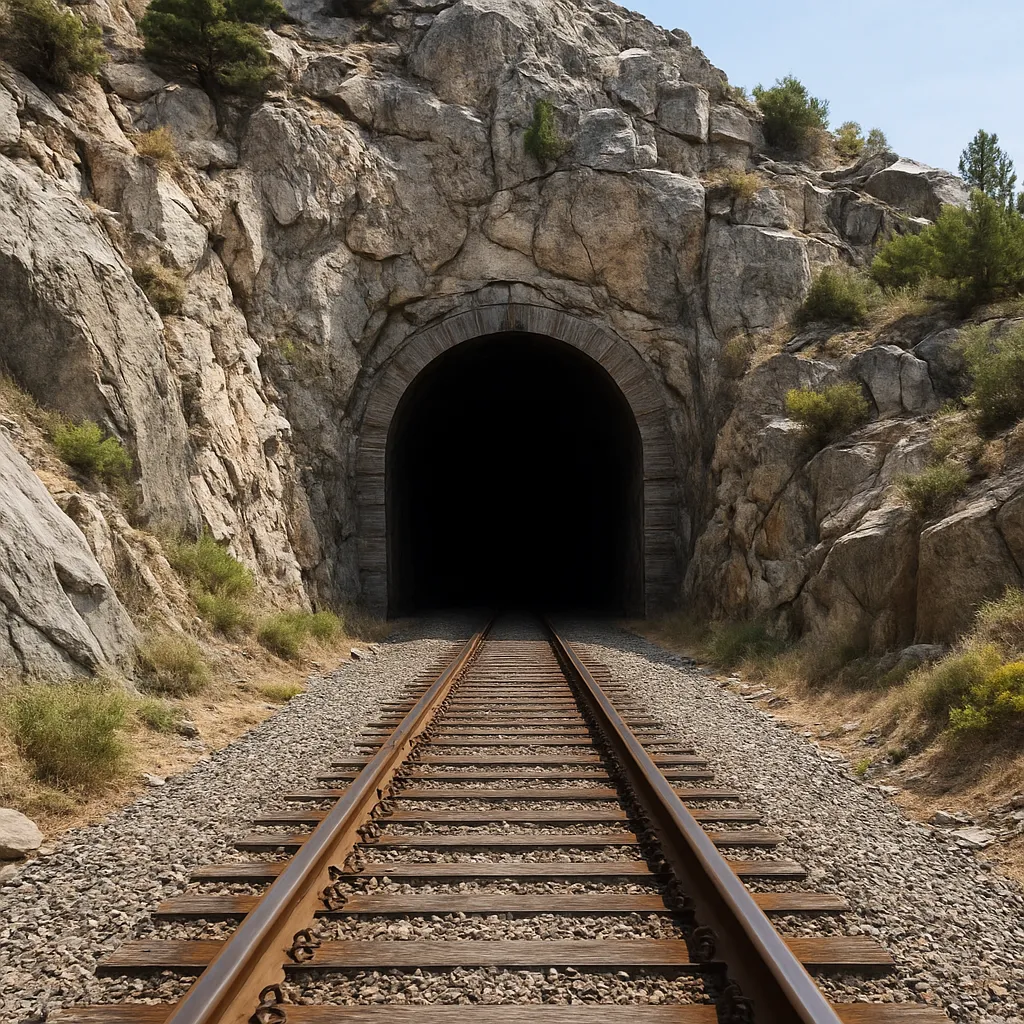
Developers dredged canals and built roads in the Everglades so land could support farms and towns. What interaction is shown?
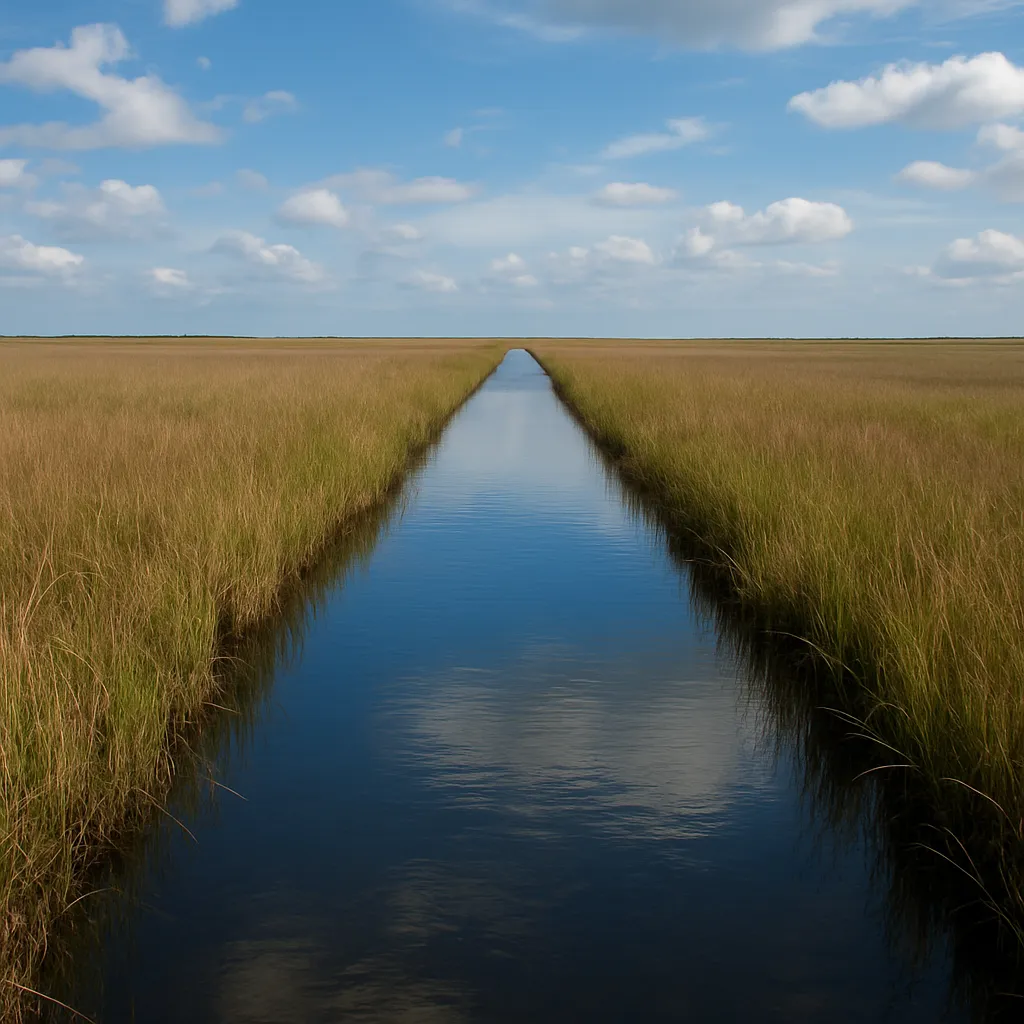
Farmers plowed up deep-rooted prairie grasses on the southern Plains, and then drought struck. Which environmental consequence followed in the 1930s?
Canals, roads, and buildings displaced Everglades wetlands during South Florida development. Which environmental consequence followed?
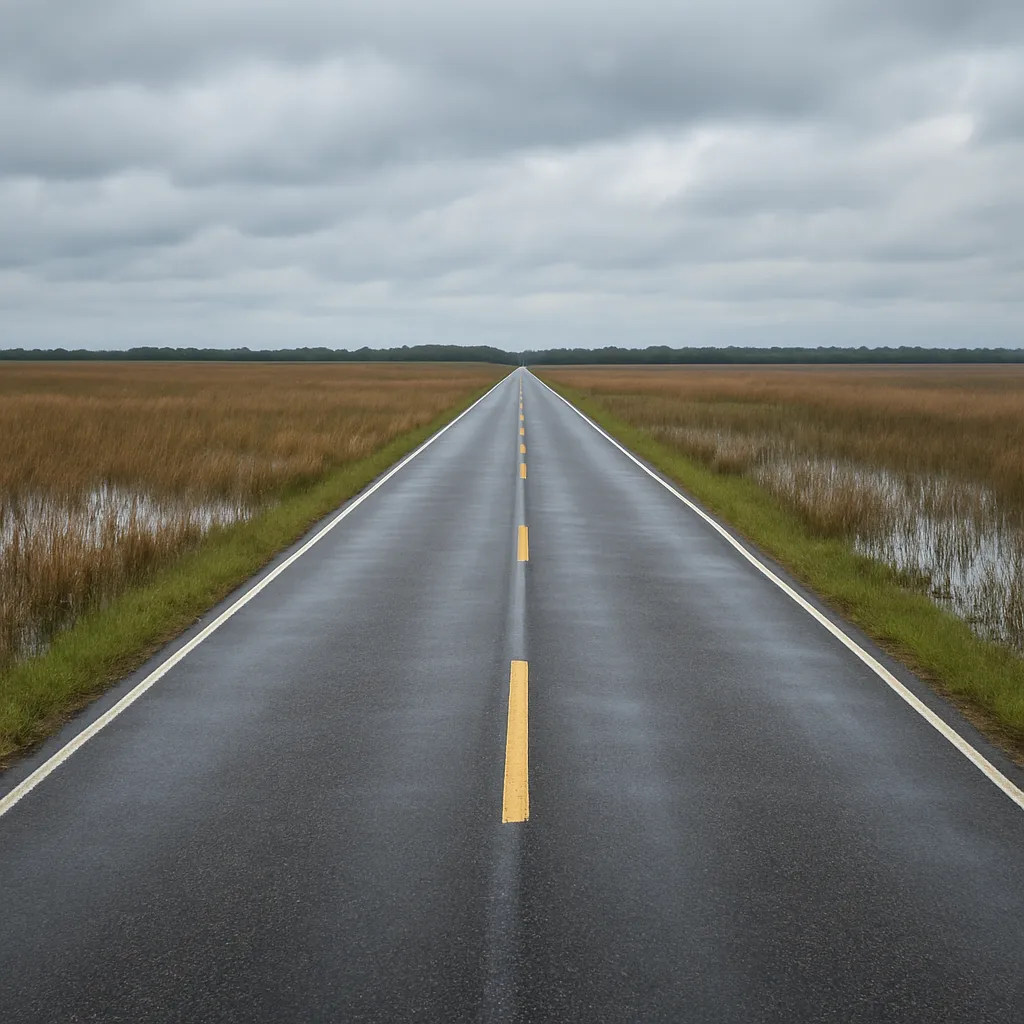
After Glen Canyon Dam closed, Lake Powell trapped much of the Colorado River's sediment. Which downstream consequence followed in Grand Canyon?
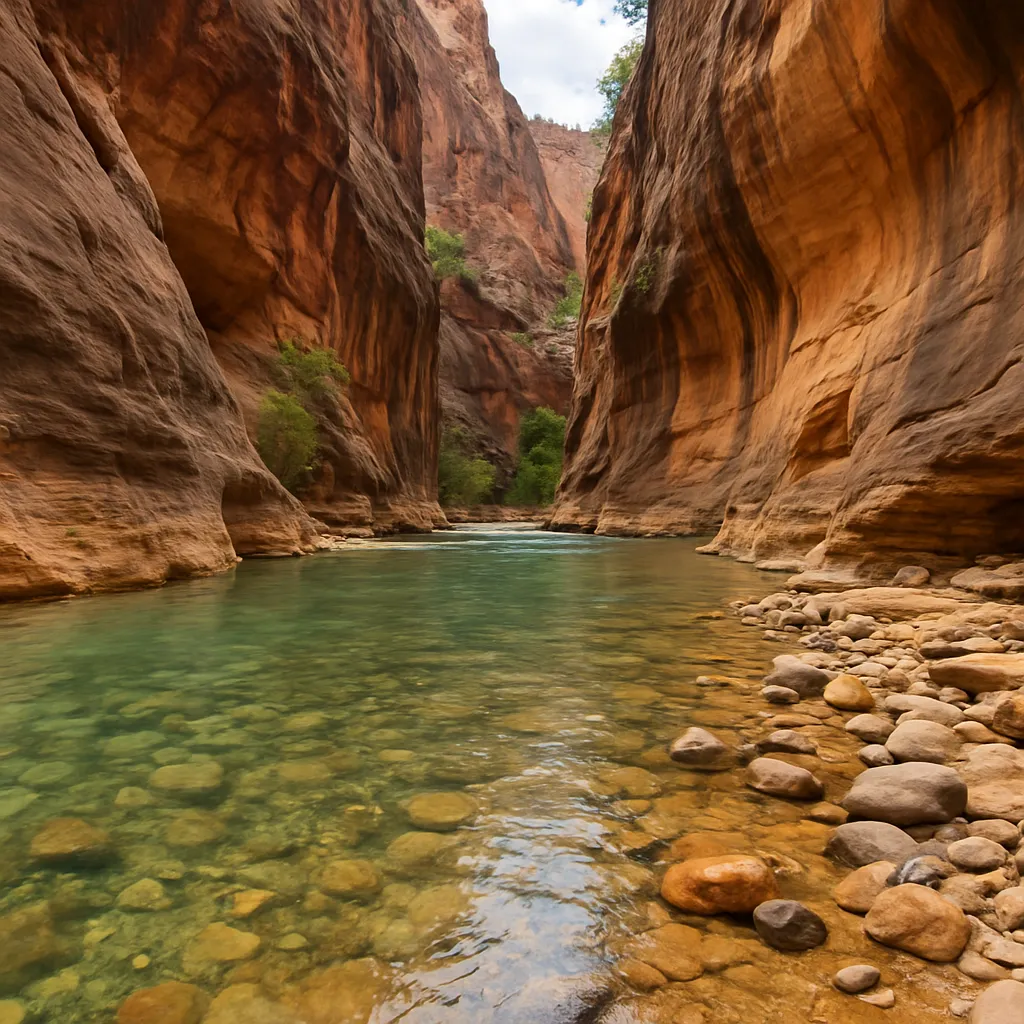
Farmers irrigated arid land in south-central Arizona for many years, and much of the water evaporated from the fields. Which environmental consequence could result?
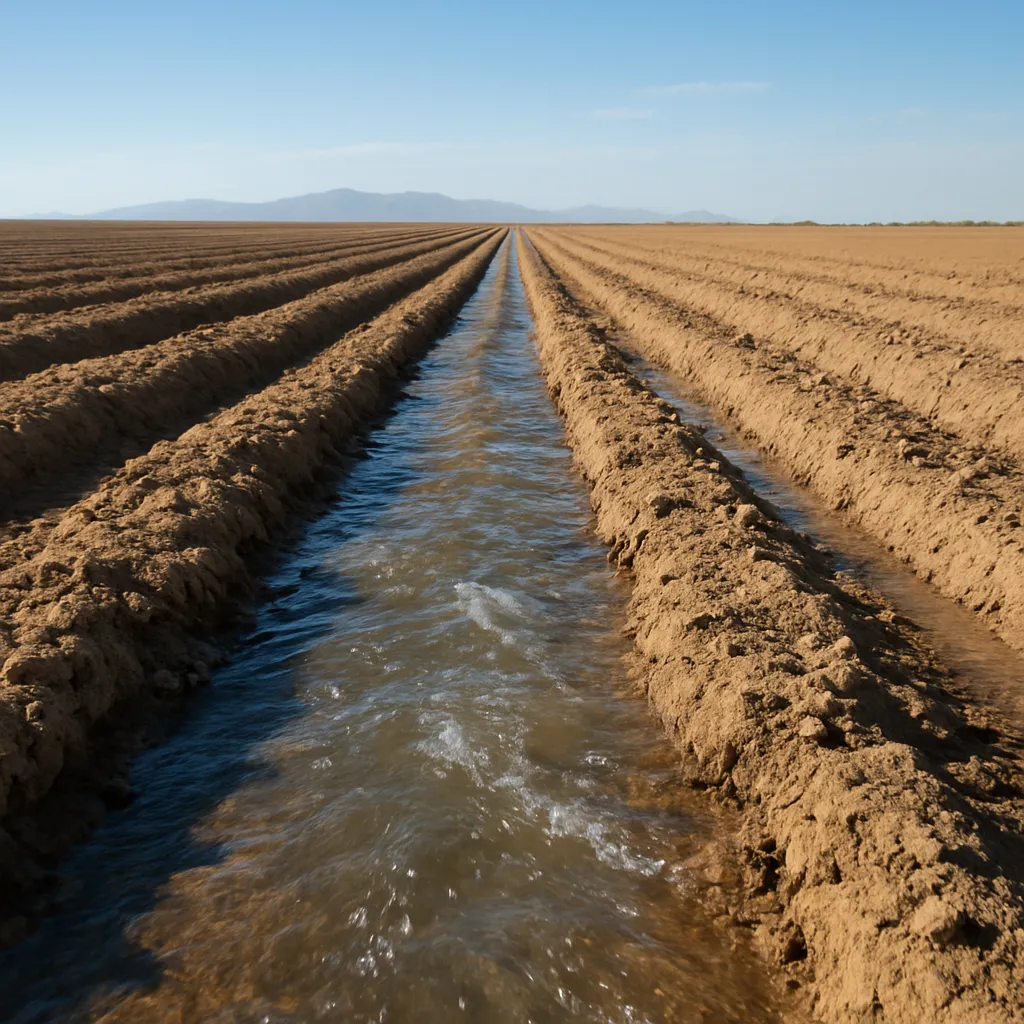
Appalachian mountaintop mining removed rock above coal seams and placed waste in nearby valleys. Which environmental consequence often followed?
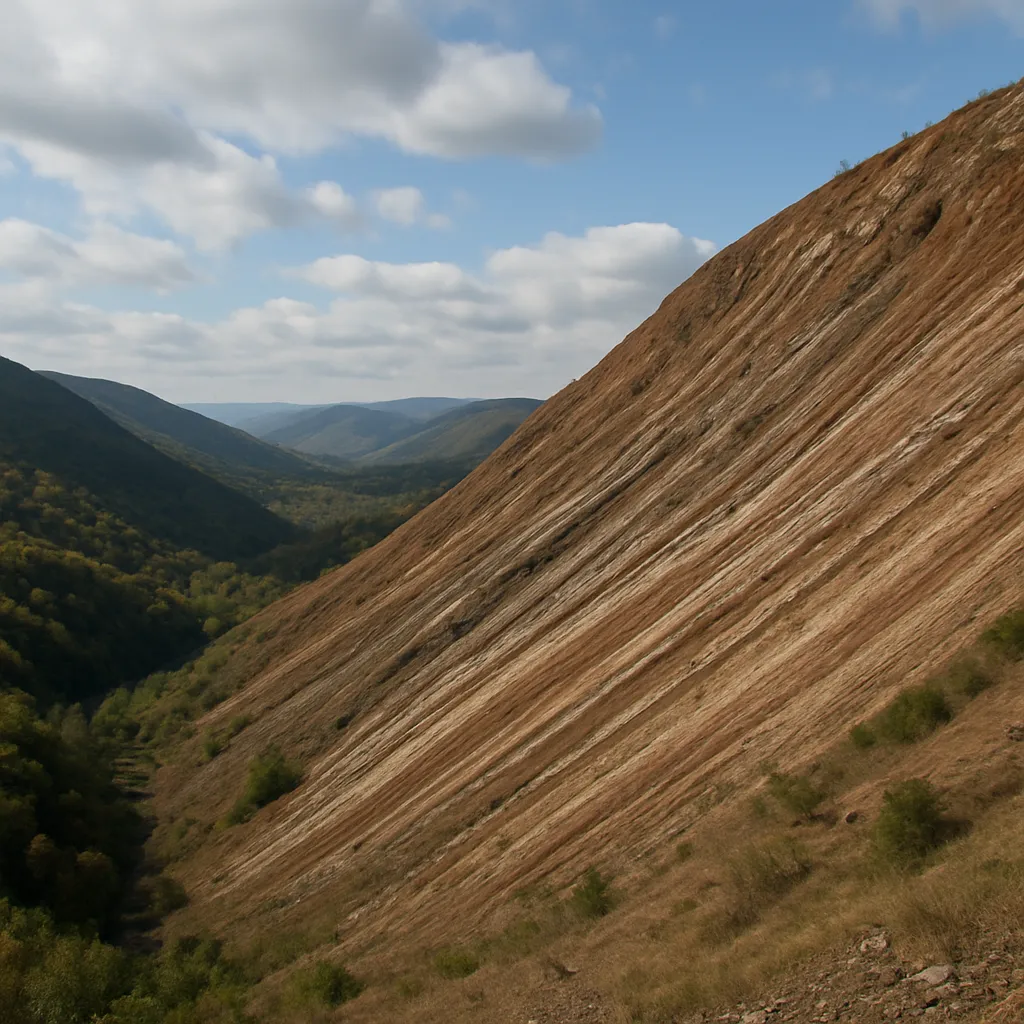
The Erie Canal crossed New York through the Mohawk Valley between mountains. Which goal did that route serve?
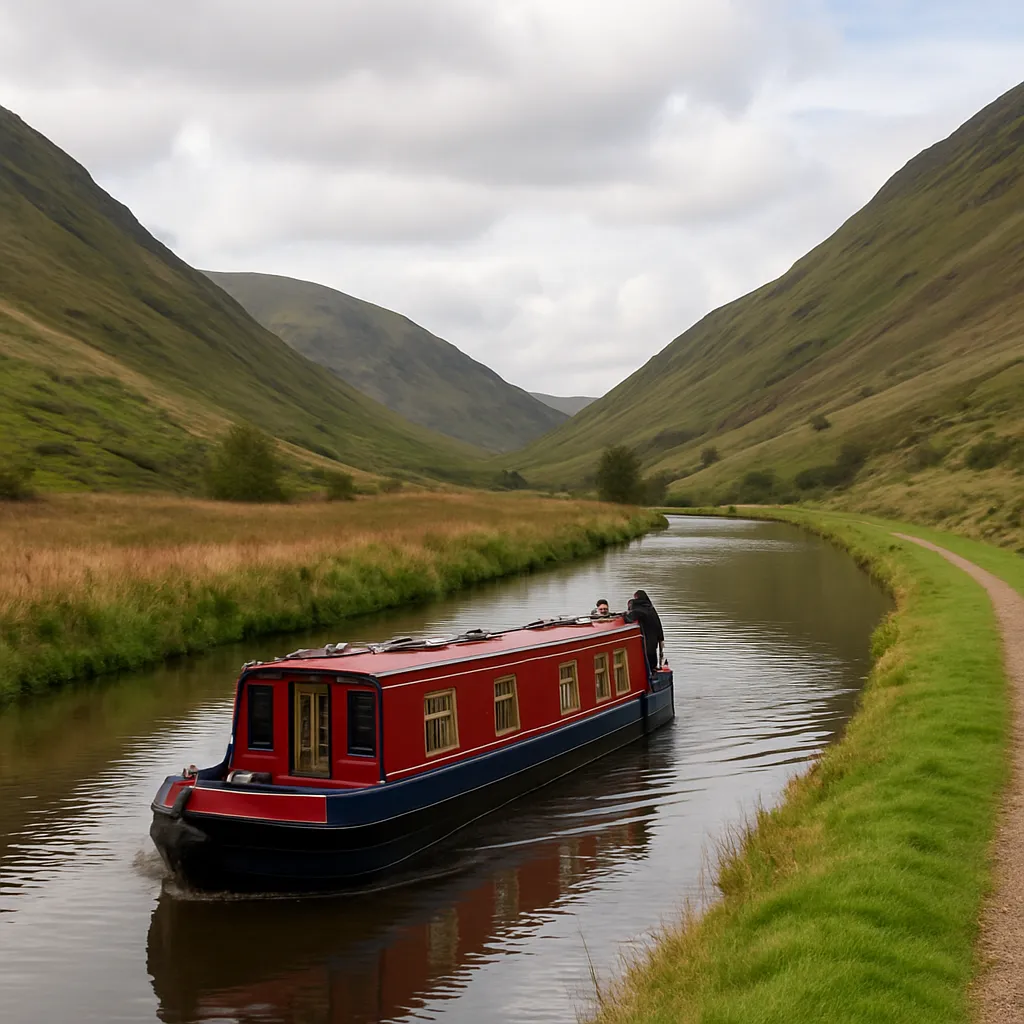
Oregon Trail wagon trains crossed the Rocky Mountains at South Pass, a broad gentle gap in Wyoming. Which geographic reason explains that choice?
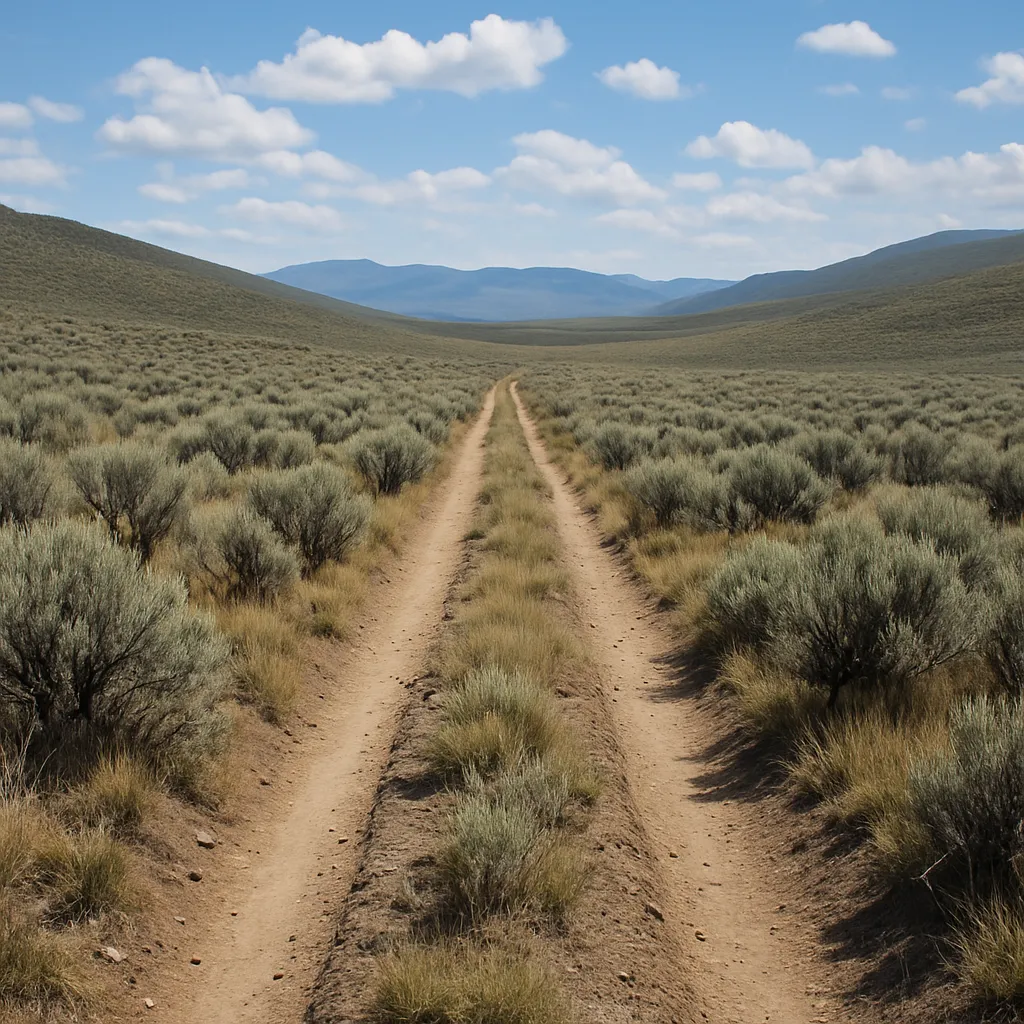
Jamestown had river access, warm climate, and fertile soil, while Plymouth had thin rocky soil. Which colonial choice did that geography support in Virginia?
Crack the passcode before the zombies get in.

Pick a tile, answer, hit bonuses and steals.

Scarcity, Choice and Trade
20 questions