Loading
by BlastRoom
Students classify migration causes and explain major U.S. settlement patterns.
#geography#us_grade_8_social_studies
20 questions
One question set, multiple game modes. Tap any game to see it in action. Not sure which to pick?
Answer to place stones and capture territory.
Outrun the snow together.
Earn blasts, then hunt the other team.
Answer to earn energy, then climb.

The class blasts through walls together.
Bid on mystery lots. Most money wins.
Sell tours. Nice, standard, or a total scam.

Answer, restock, and serve the rush.
More correct answers pulls the rope your way.
Answer, then shoot down the alien wave.
Answer, then tap to leap the frozen ridge.
In the 1840s, a potato blight caused famine in Ireland, and many families left for the United States. How should a geographer classify the famine?
When gold was discovered in California in 1848, miners traveled west hoping to get rich. What type of migration factor was the gold?
During the Great Migration, Jim Crow laws and racial violence led many Black southerners to leave the South. What kind of factor were those conditions?
In the early 1900s, factory jobs and higher wages attracted rural families and immigrants to U.S. cities. How should those jobs be classified?
In the 1930s, drought and dust storms damaged Great Plains farms and drove many families toward California. What factor did the drought create?
The Homestead Act of 1862 offered public land to settlers who lived on and improved a claim. How many acres could a settler claim?
From about 1910 to 1970, millions of Black Americans left the South for cities in the North, Midwest, and West. What migration stream was this?
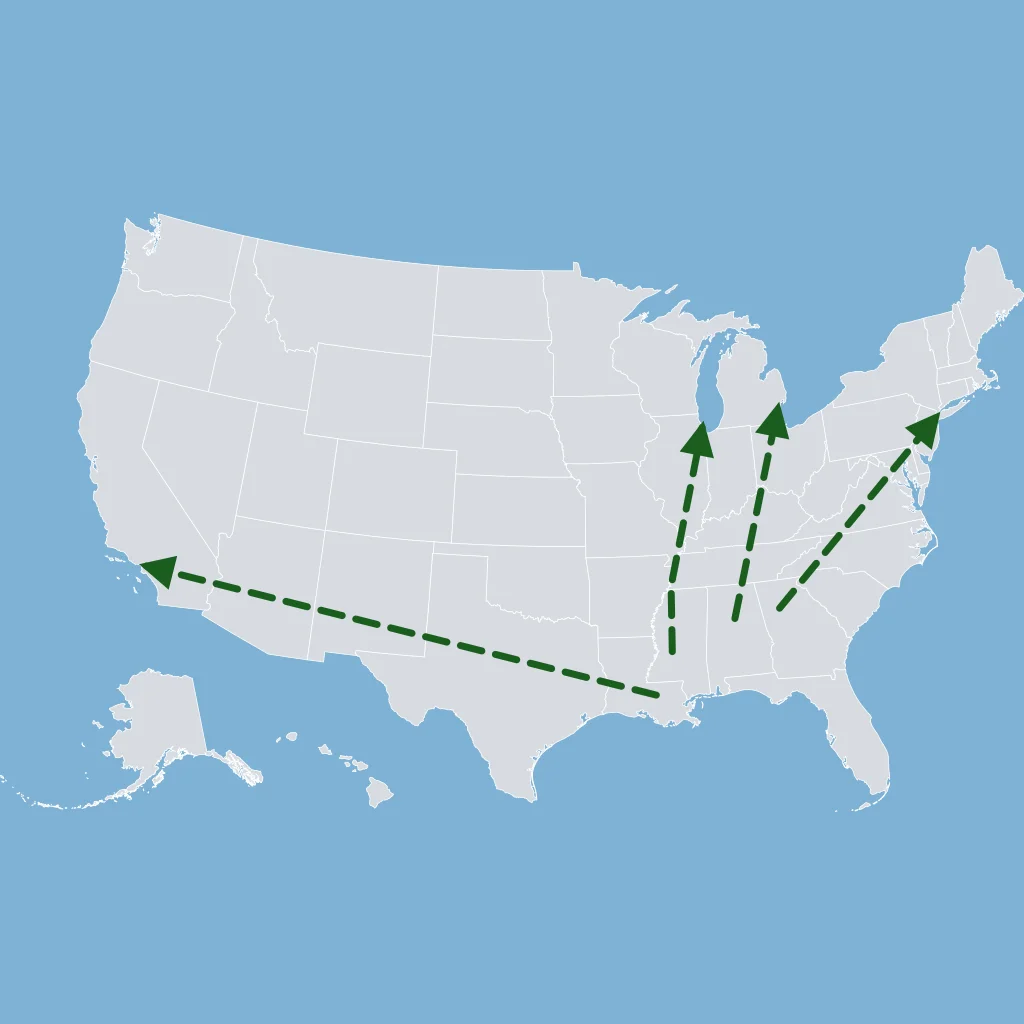
In the 1930s, many farm families from Oklahoma and nearby Plains states traveled to California for work. Which migration stream is described?
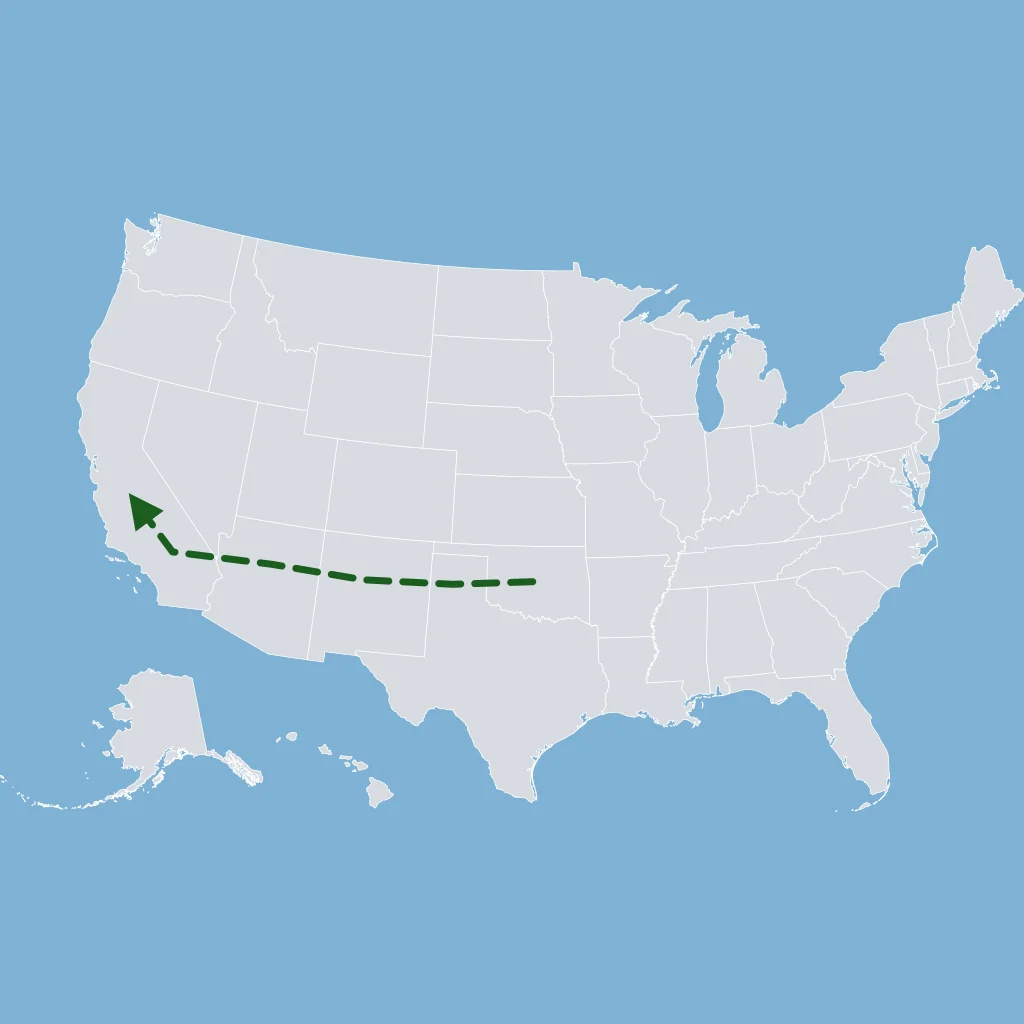
After World War II, many Americans moved from central cities into nearby communities outside city limits. Which settlement pattern grew?
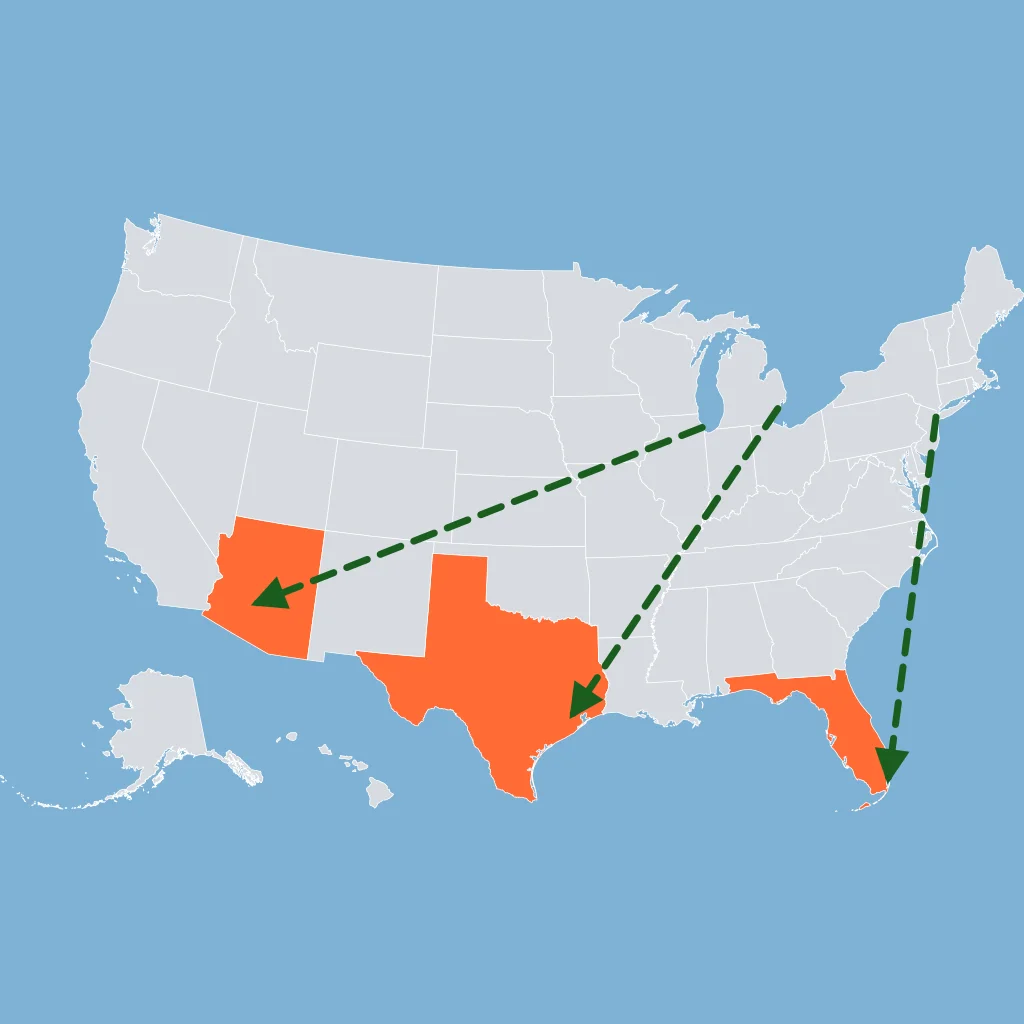
Census histories describe long-term movement toward the South and Southwest, including Texas, Arizona, and Florida. Which U.S. settlement pattern does this fit?
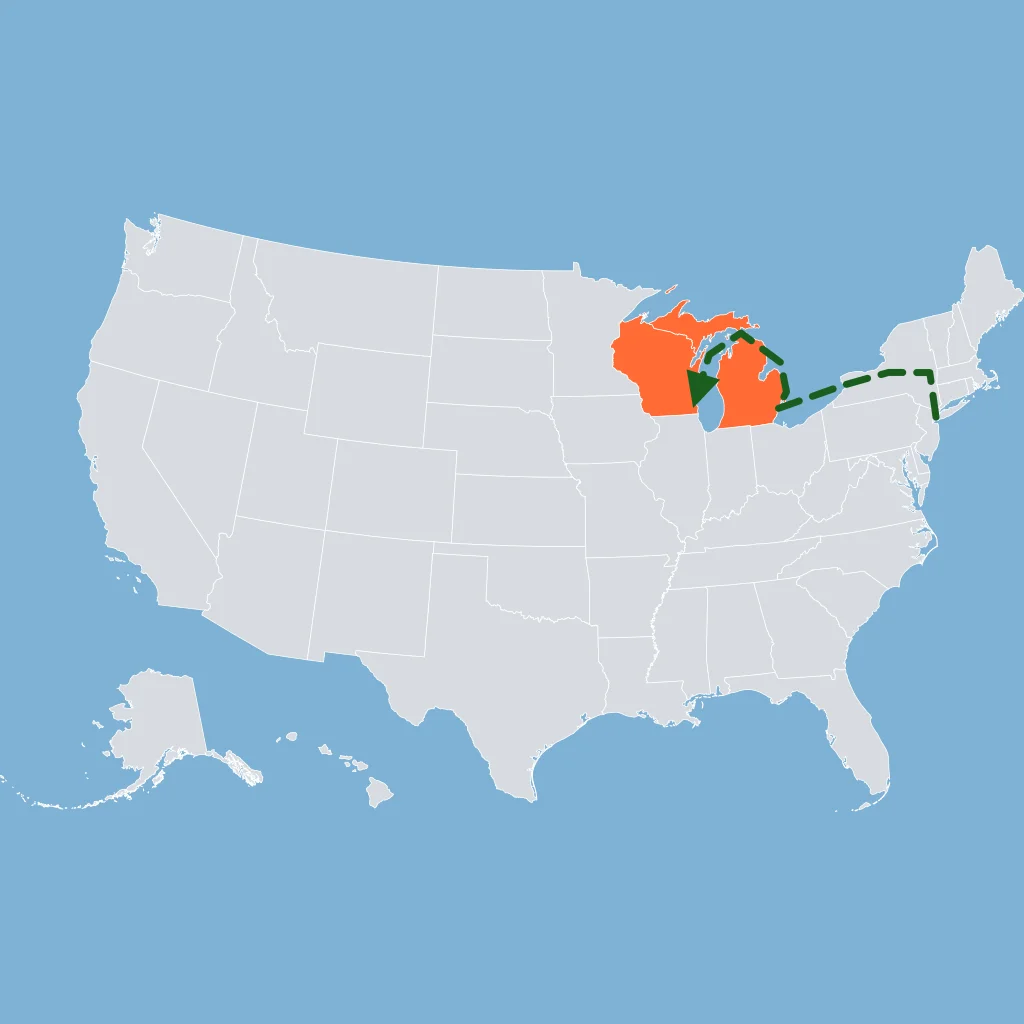
In the 1800s, many people from New England and New York used canals and Great Lakes routes to settle Michigan and Wisconsin. What pattern is described?
Oregon Trail migrants often settled in the Willamette Valley. Which site factor best explains that settlement?
In 1607, English colonists chose a site on the James River for Jamestown. Which geographic advantage did the site offer?
Spain founded St. Augustine in Florida in 1565 to protect its treasure fleets sailing home along the Gulf Stream. Which site factor best explains its location?
Buffalo and Rochester, New York, grew quickly after 1825. Which site factor best explains their growth?
After 1862, many settlers moved onto Great Plains claims under the Homestead Act. Which settlement reason fits?
Enslaved Africans were carried across the Atlantic to the American colonies. What was this part of the journey called?
In 1838-1839, Cherokee people were made to leave homelands in the Southeast and walk to Indian Territory. How is the Trail of Tears classified?
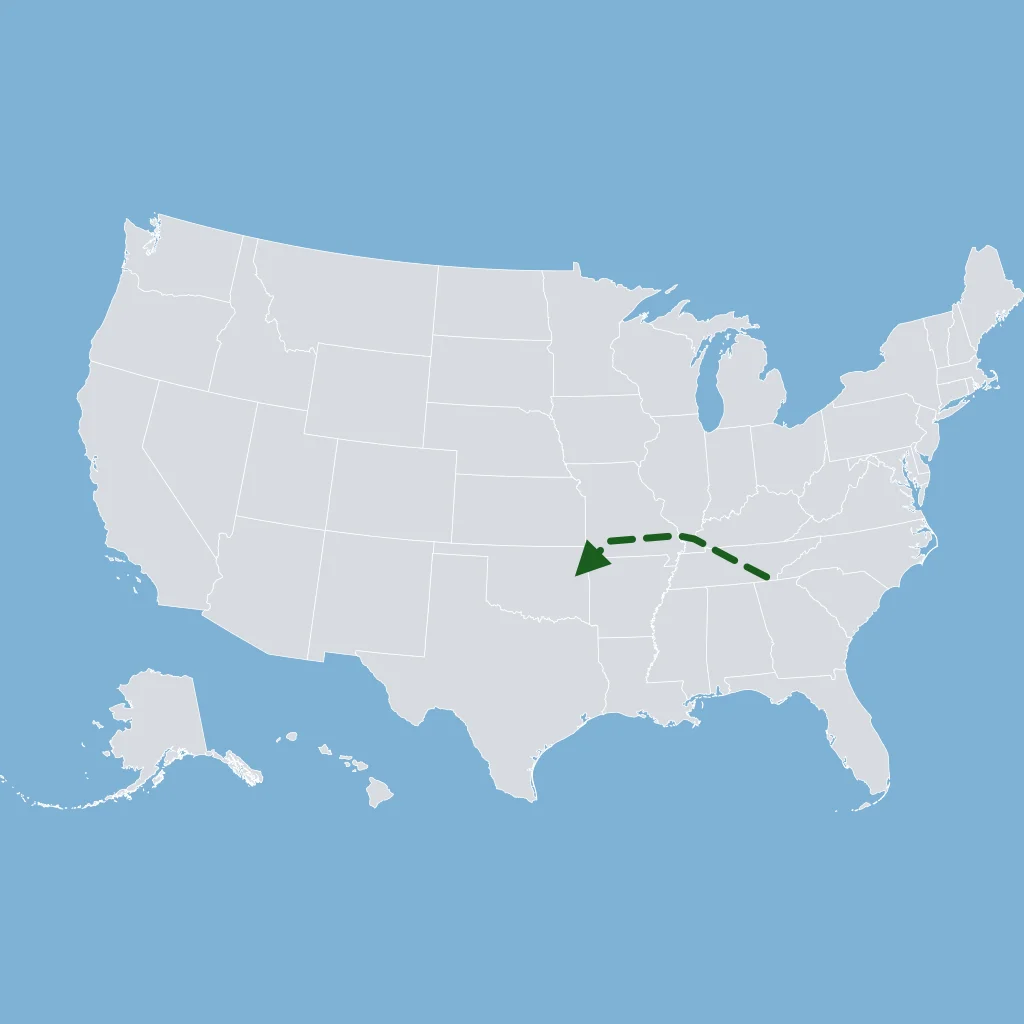
During World War II, Mexican braceros came to the United States on short-term farm labor contracts. Was this voluntary or forced migration?
Families who joined Oregon Trail wagon trains to claim land and build farms chose to move despite the dangers. How is that movement classified?
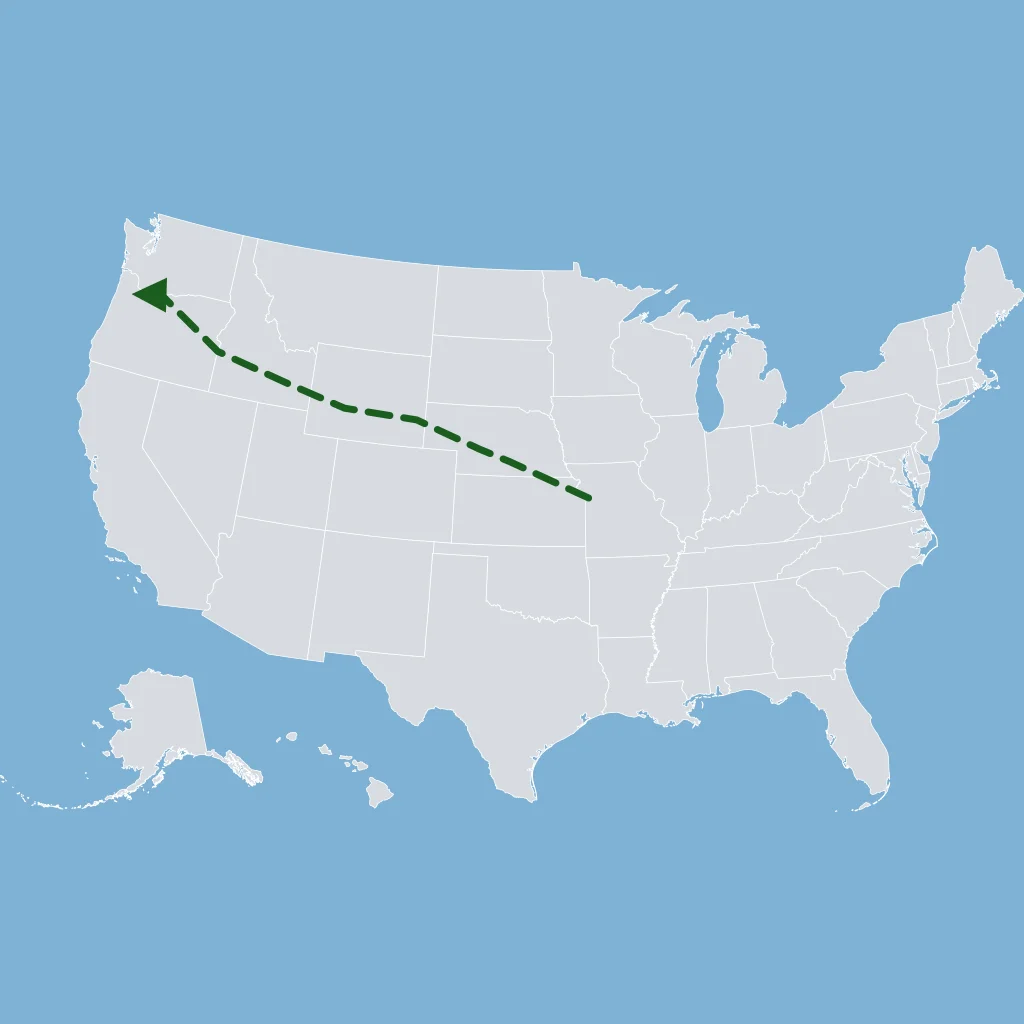
Crack the passcode before the zombies get in.
Answer, then swat bugs for bonus points.
Race through questions at your own speed.
Same question on every screen. Fastest wins.

Pick a tile, answer, hit bonuses and steals.
Regional Economies of the United States to 1877
20 questions