Loading
by BlastRoom
How new technology changed homes, work, travel, and communication in the 1800s.
#us_history#us_grade_8_social_studies
20 questions
One question set, multiple game modes. Tap any game to see it in action. Not sure which to pick?
Answer to place stones and capture territory.
Outrun the snow together.
Earn blasts, then hunt the other team.
Answer to earn energy, then climb.

The class blasts through walls together.
Bid on mystery lots. Most money wins.
Sell tours. Nice, standard, or a total scam.

Answer, restock, and serve the rush.
More correct answers pulls the rope your way.
Answer, then shoot down the alien wave.
Answer, then tap to leap the frozen ridge.
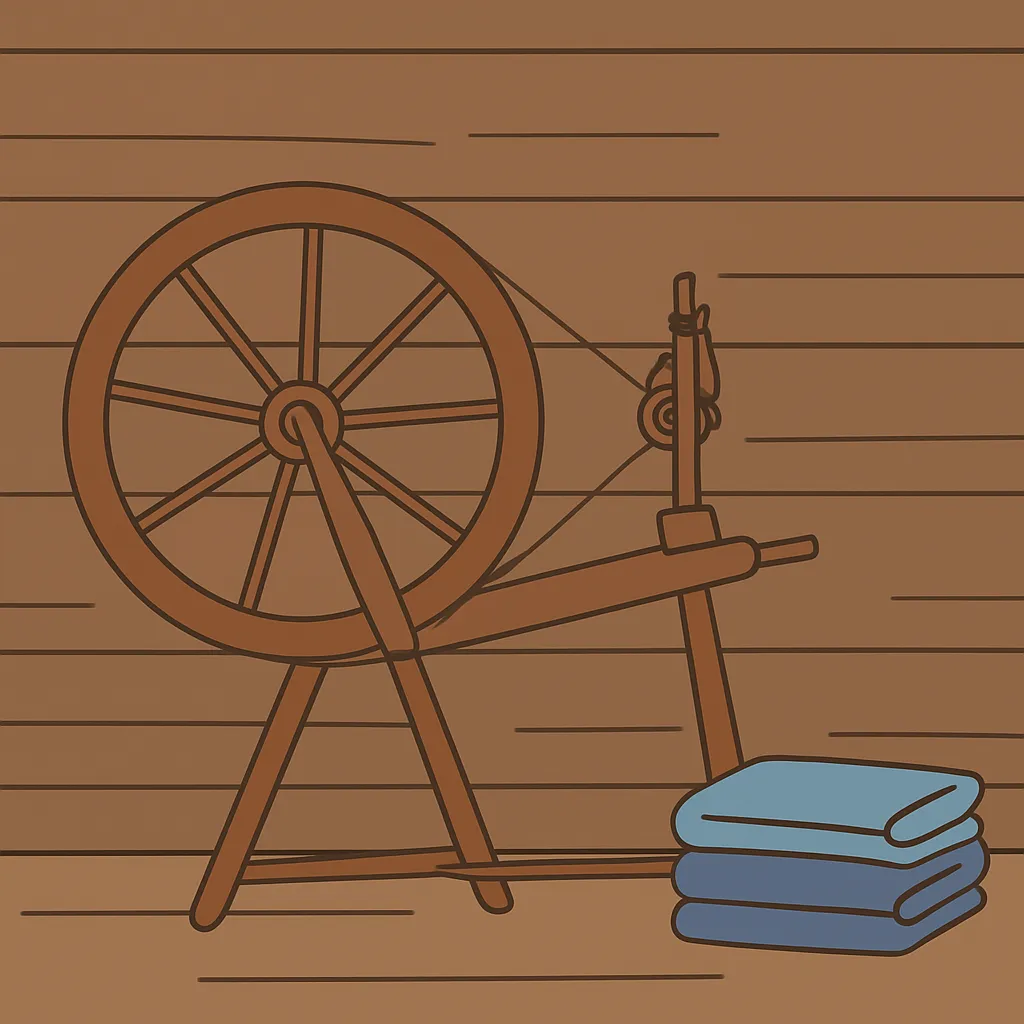
A family bought cotton cloth from a mill instead of spinning and weaving all of it at home. Which daily-life change is shown?
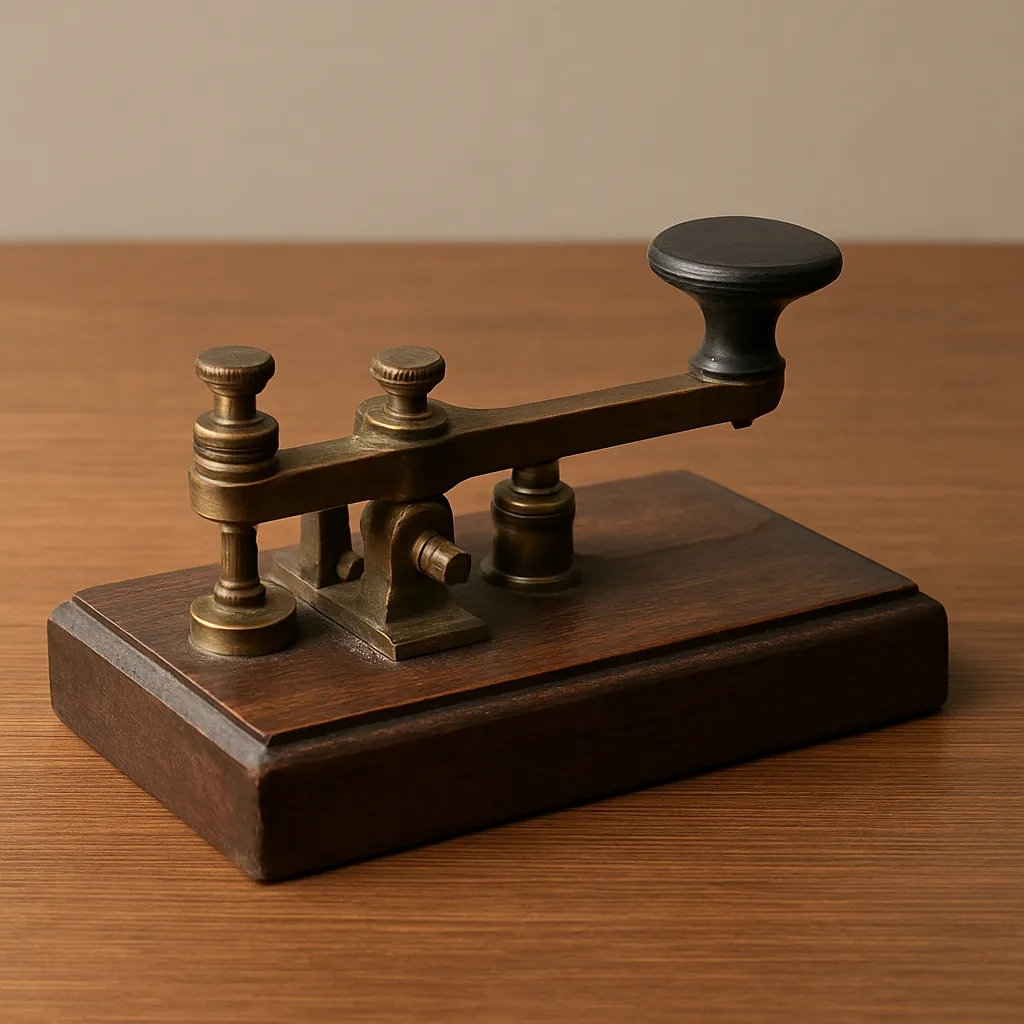
A town that once waited days for letters got election news by telegraph within hours. What change did the telegraph bring?
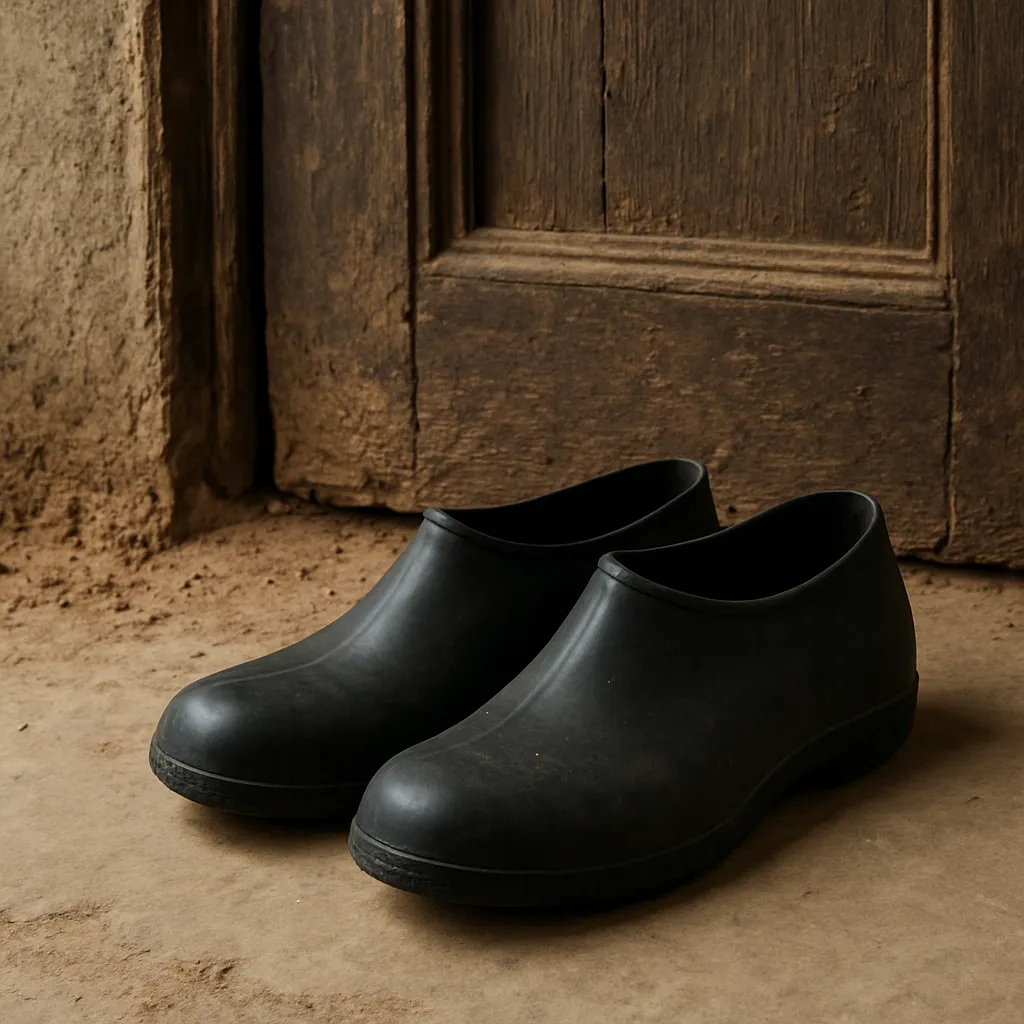
After vulcanized rubber spread, a worker could wear rubber overshoes in wet streets without the material melting or cracking quickly. What changed?
Machine-made shelf clocks became cheap enough for many farm and shop families to buy. What daily-life change followed?

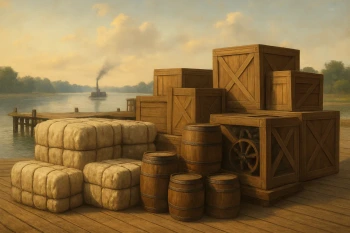
After a canal opened, a store in a farming town stocked more goods shipped from distant cities. Which change is shown?

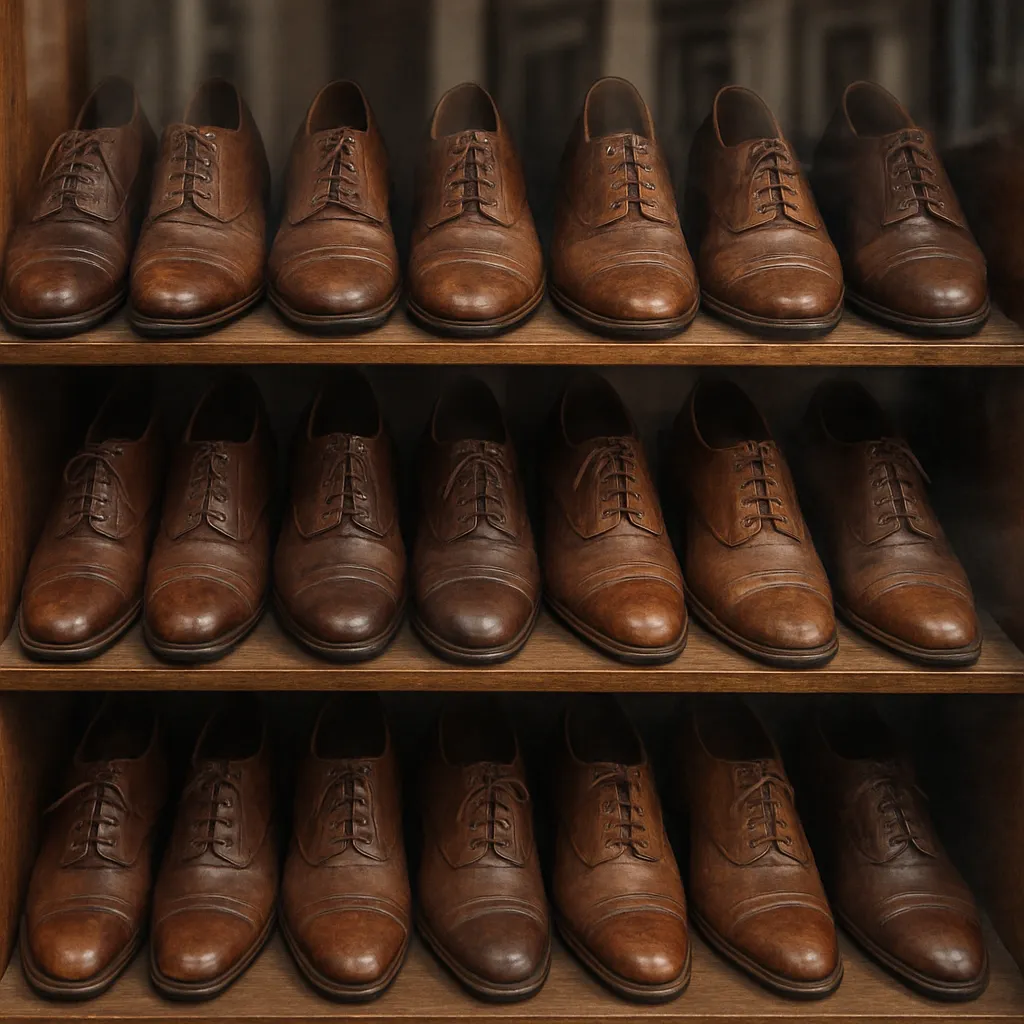
By the 1850s, a family could buy factory-made shoes instead of relying only on a small household shoemaker. What changed?
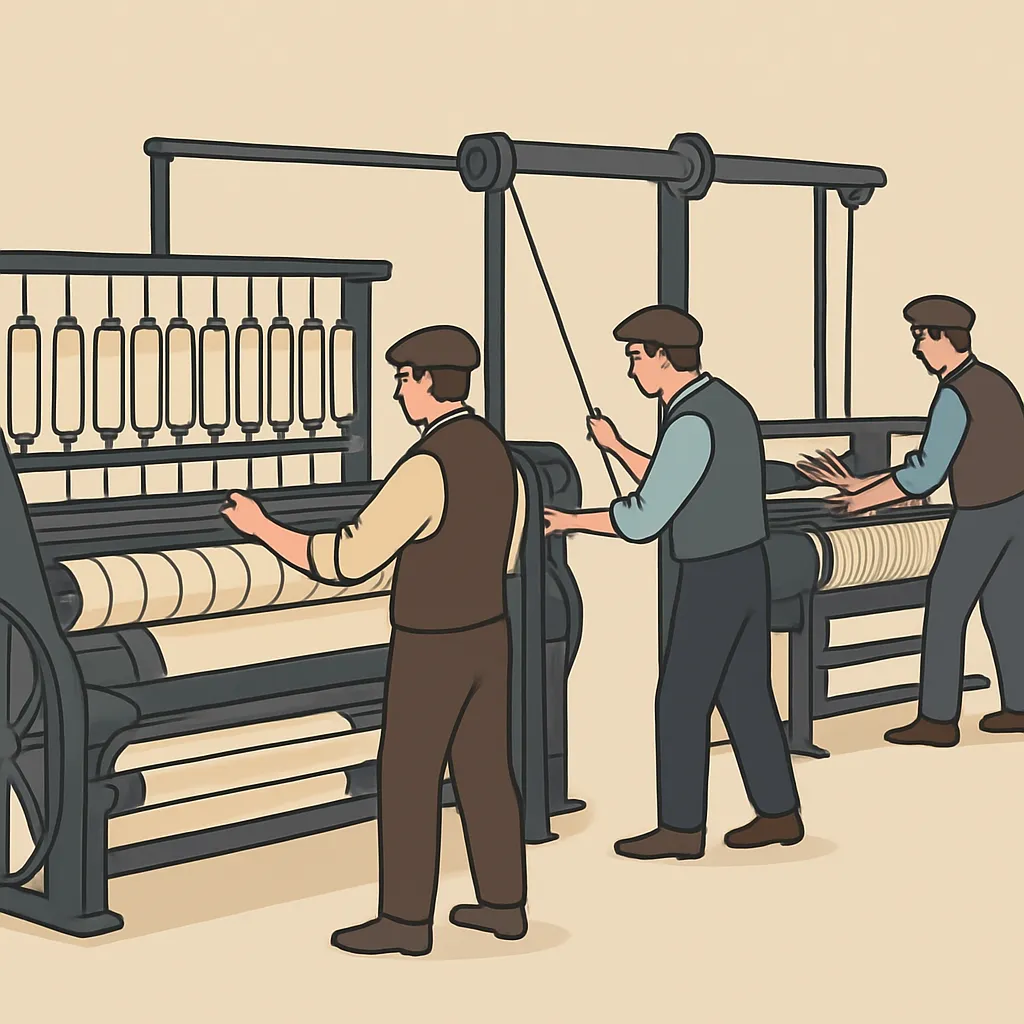
In a New England textile mill, workers tended powered machines that spun and wove large amounts of cloth. What work change did this encourage?
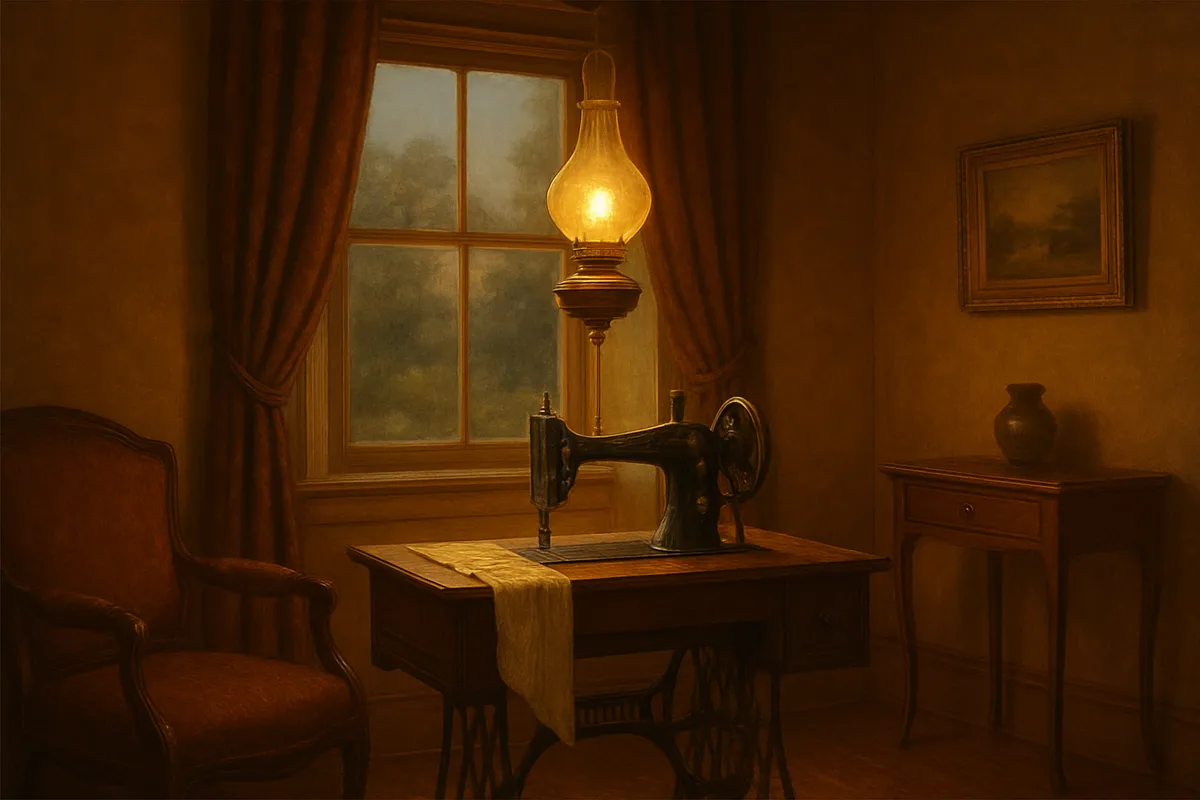
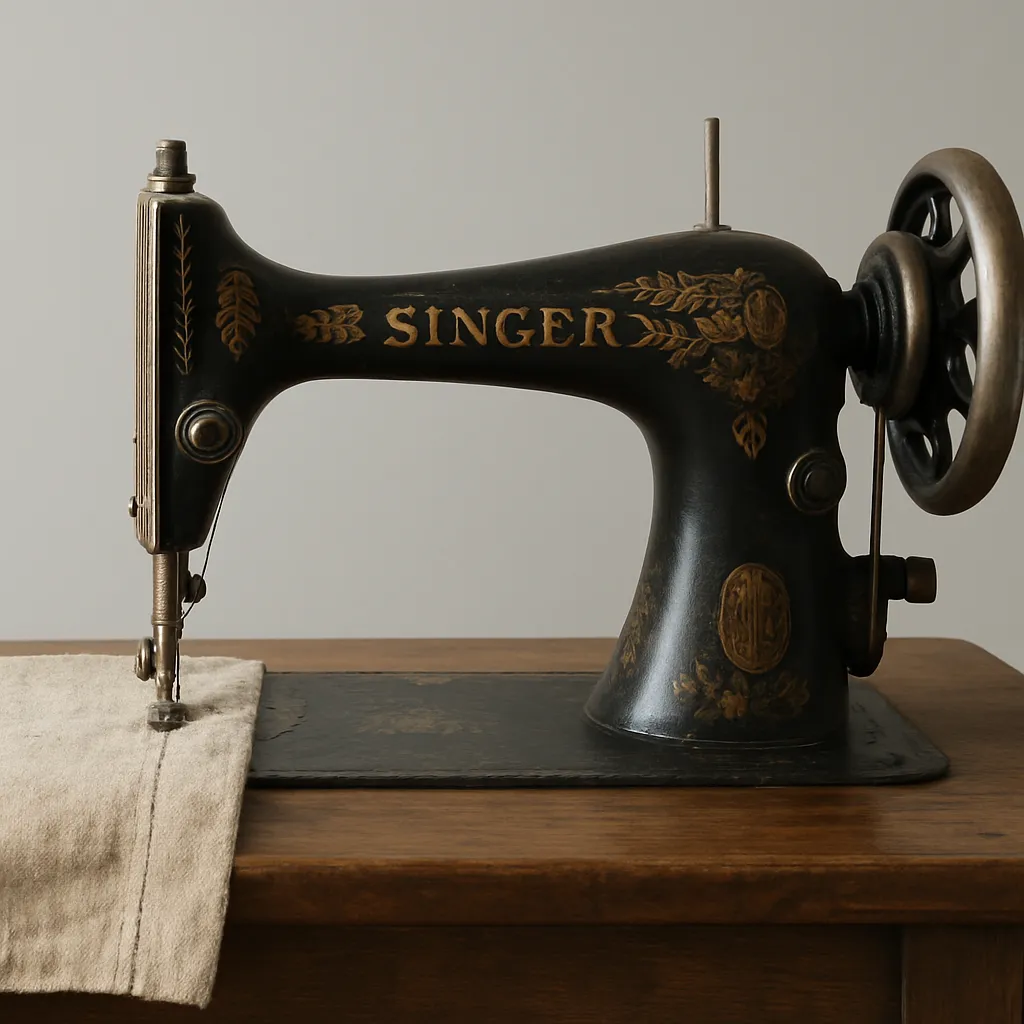
A seamstress who once stitched clothing by hand began using a sewing machine in the 1850s. What production effect followed?
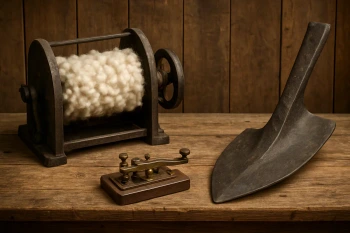
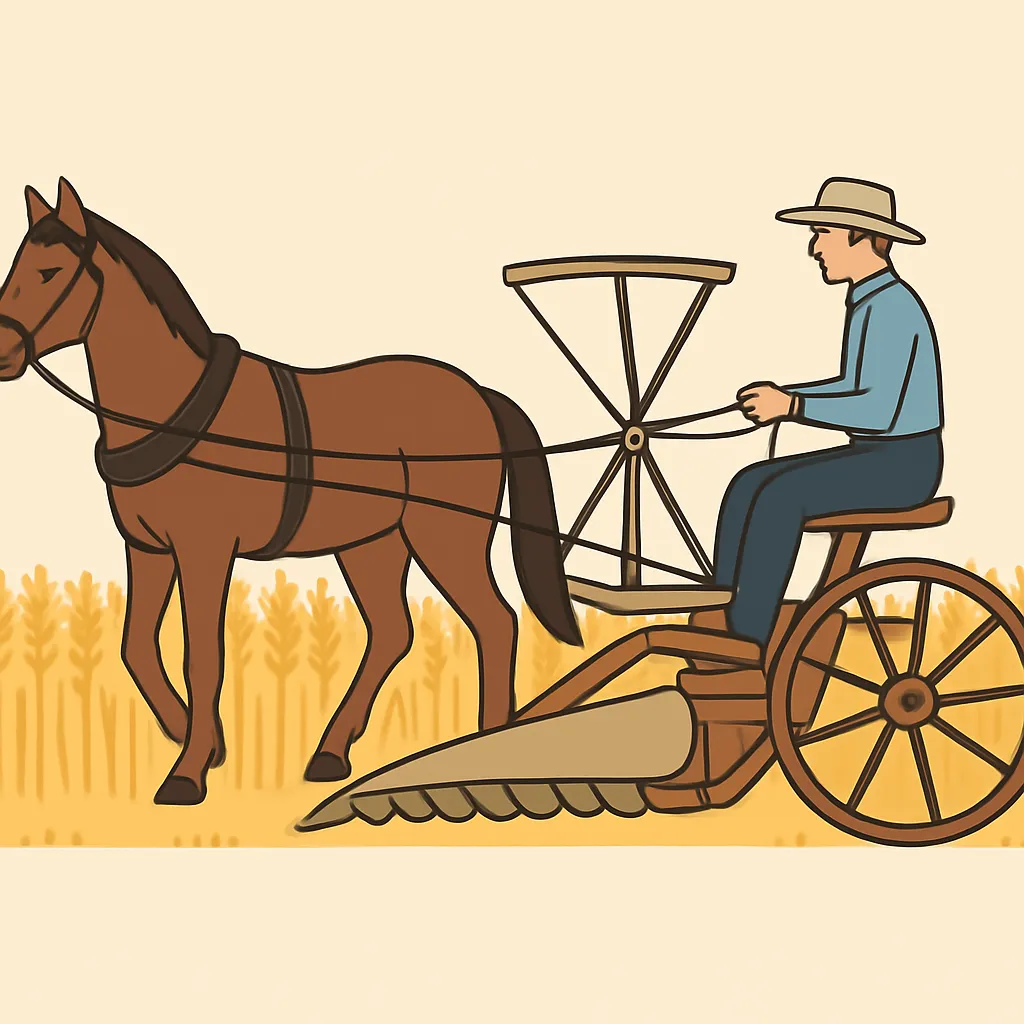
Before reapers, farm workers cut grain with sickles or cradles and bound it by hand. After reapers spread, a horse-drawn machine cut grain. What changed?
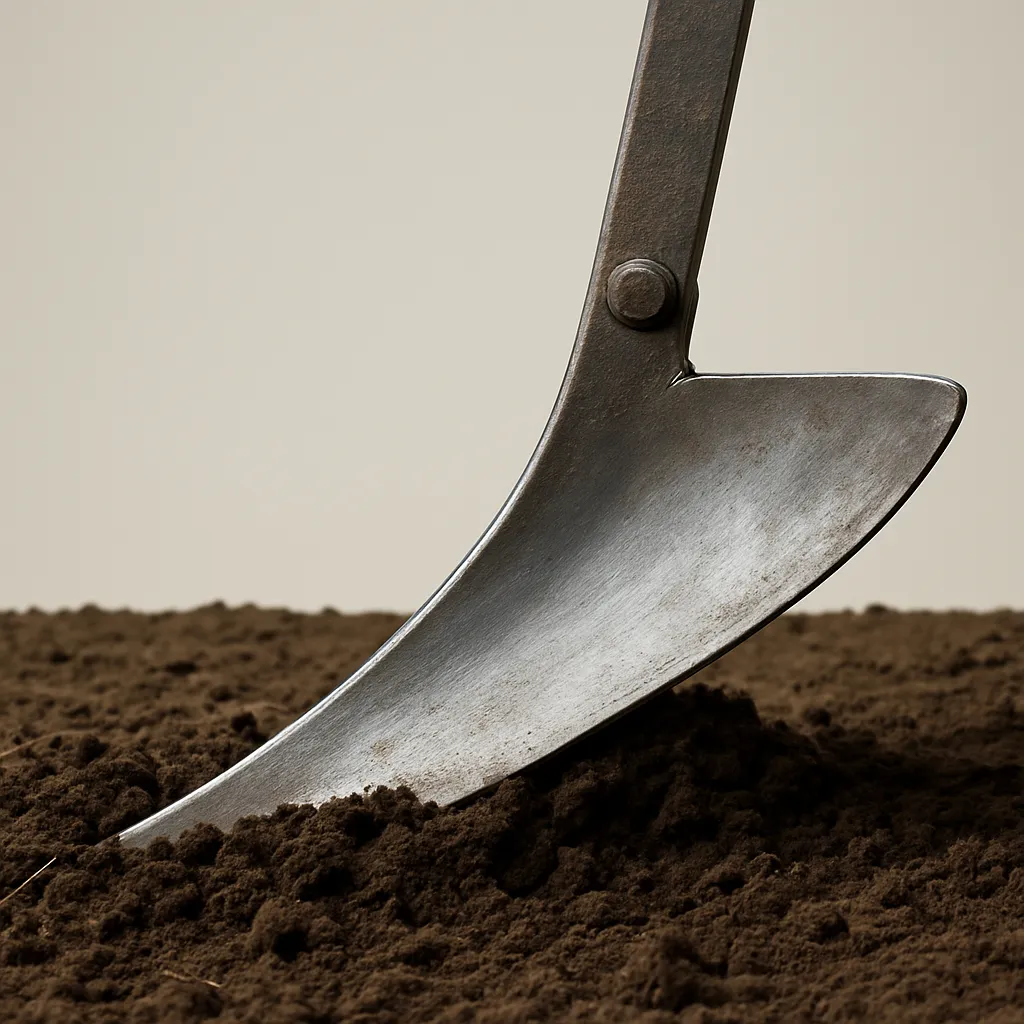
Prairie farmers had to scrape sticky soil from wooden plows, but a steel plow shed the soil more easily. What work change resulted?
An armory used machines and gauges to make identical parts for firearms. What production change did interchangeable parts support?

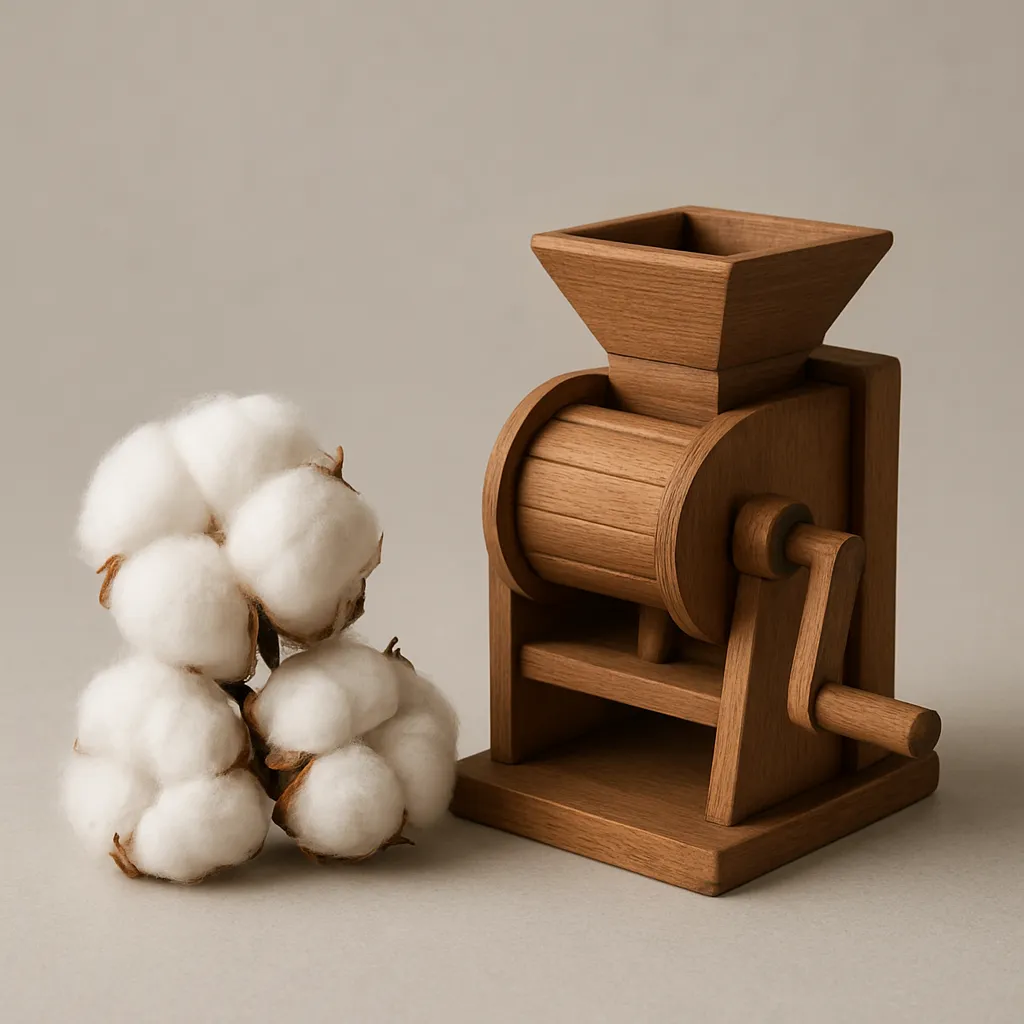
On Southern plantations, enslaved workers once picked seeds out of cotton by hand. Then Eli Whitney's cotton gin spread after 1793. What processing change occurred?
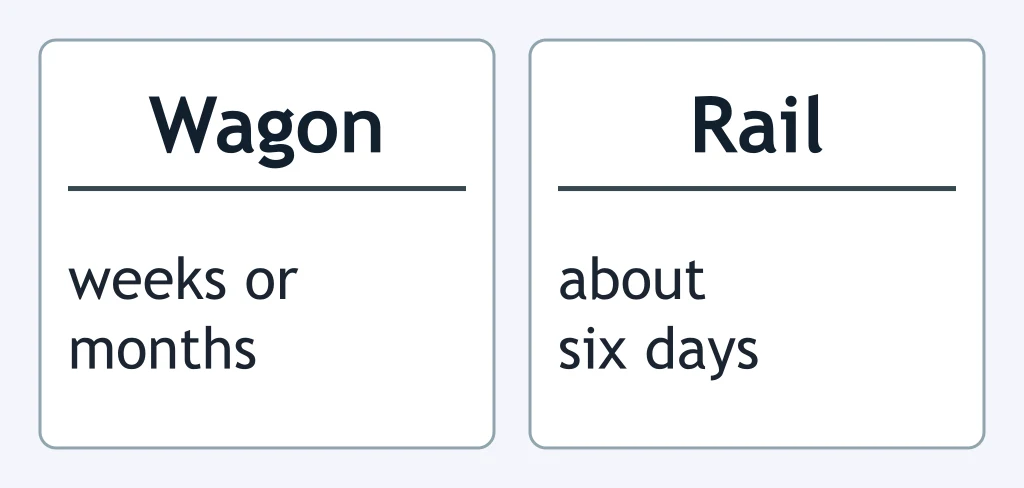
The figure compares a wagon trip across the plains with rail travel after the 1869 transcontinental railroad. What pattern does it show?
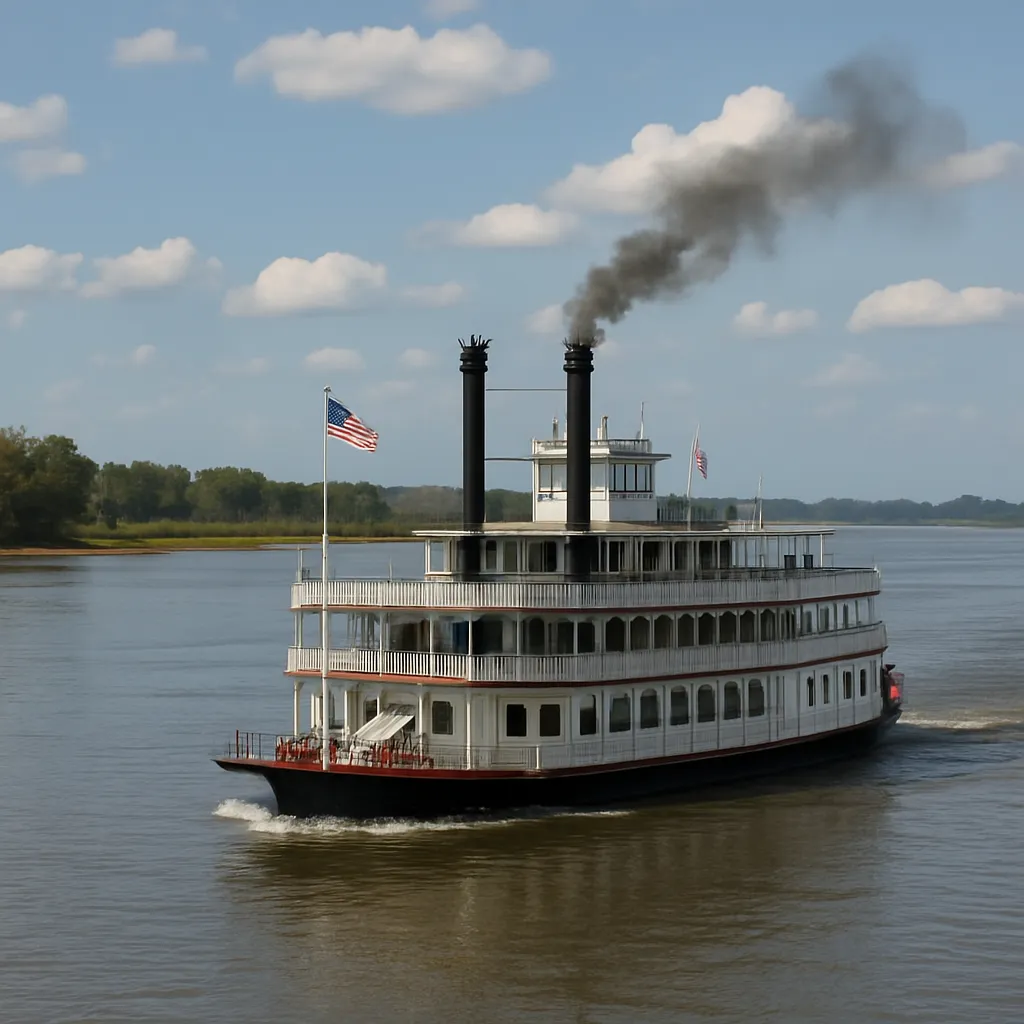
Before steamboats, river travel often depended on current, wind, and muscle, but steam-powered boats could keep moving if fueled. What changed?
The figure compares the cost to ship one ton of freight between Buffalo and New York City by wagon road and by the Erie Canal in the 1820s. What pattern does it show?

A merchant once waited for a letter carried by horse and boat, but later sent prices by telegraph. What communication pattern changed?
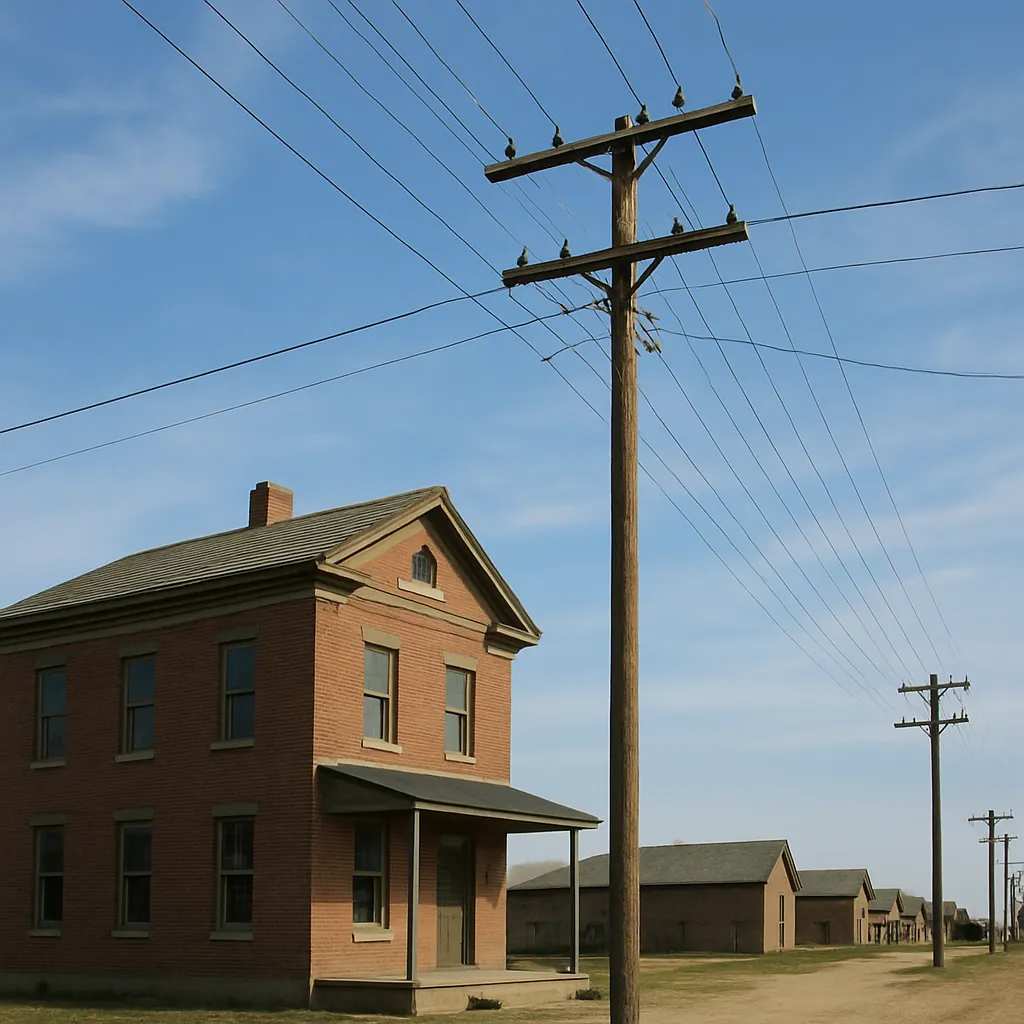
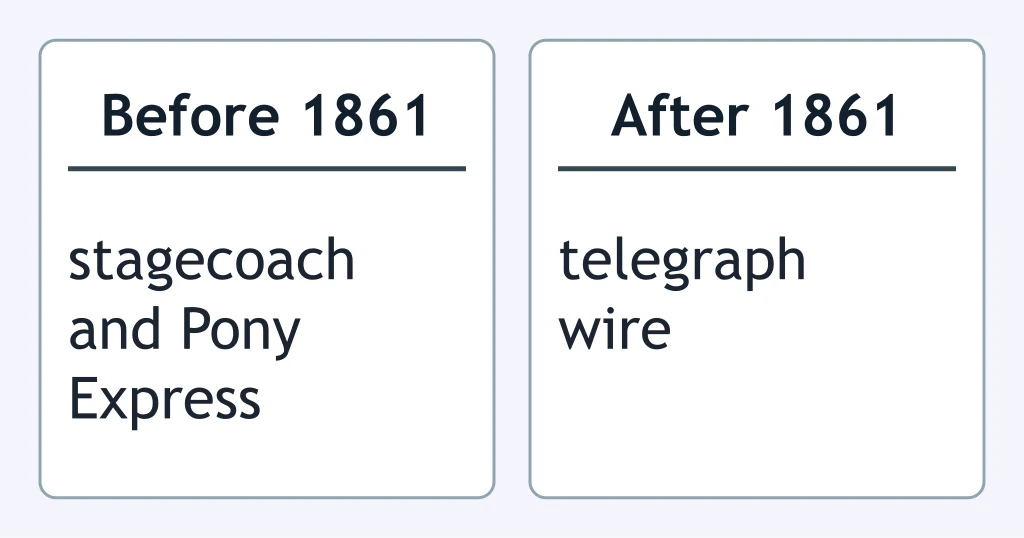
Before 1861, California news reached the East by stagecoach or Pony Express; after the transcontinental telegraph, messages crossed by wire. What changed?
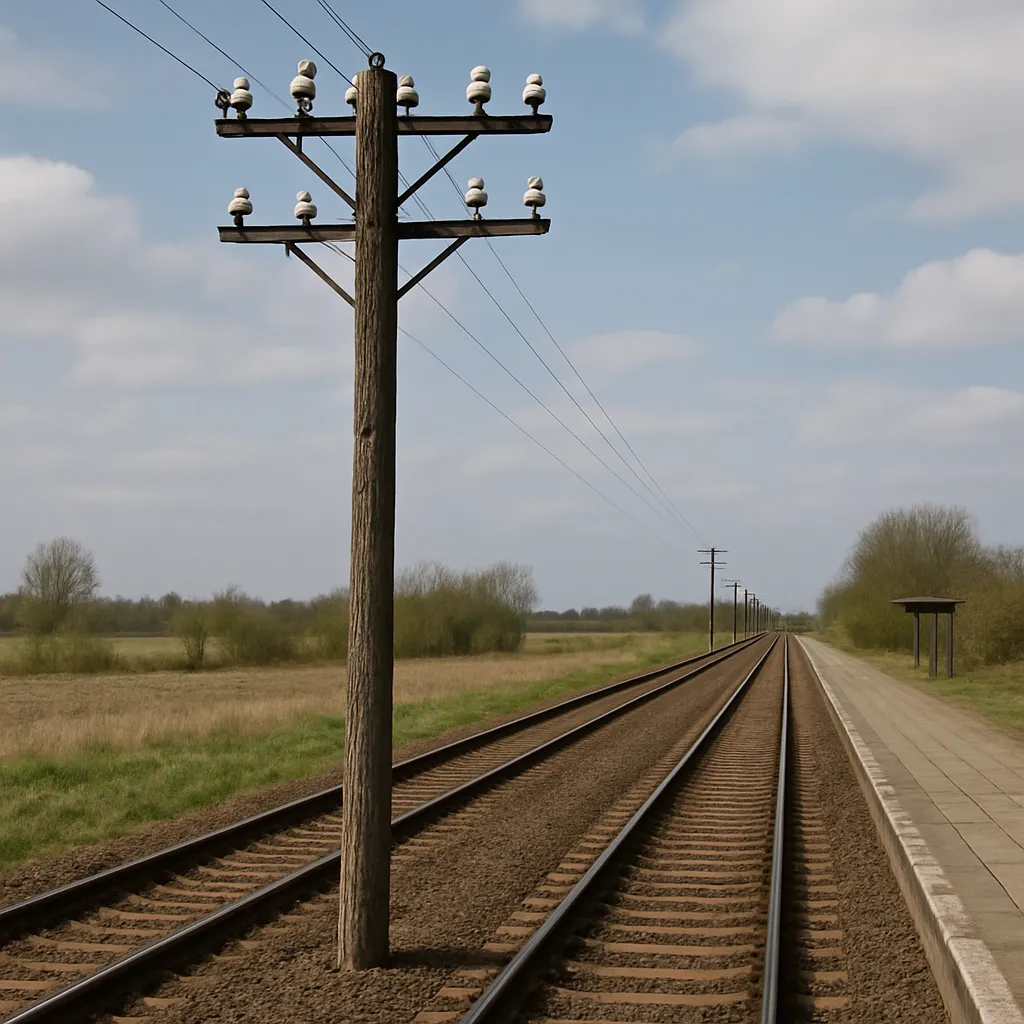
A railroad station master used a telegraph line beside the tracks to report delays and request supplies. How did travel management change?
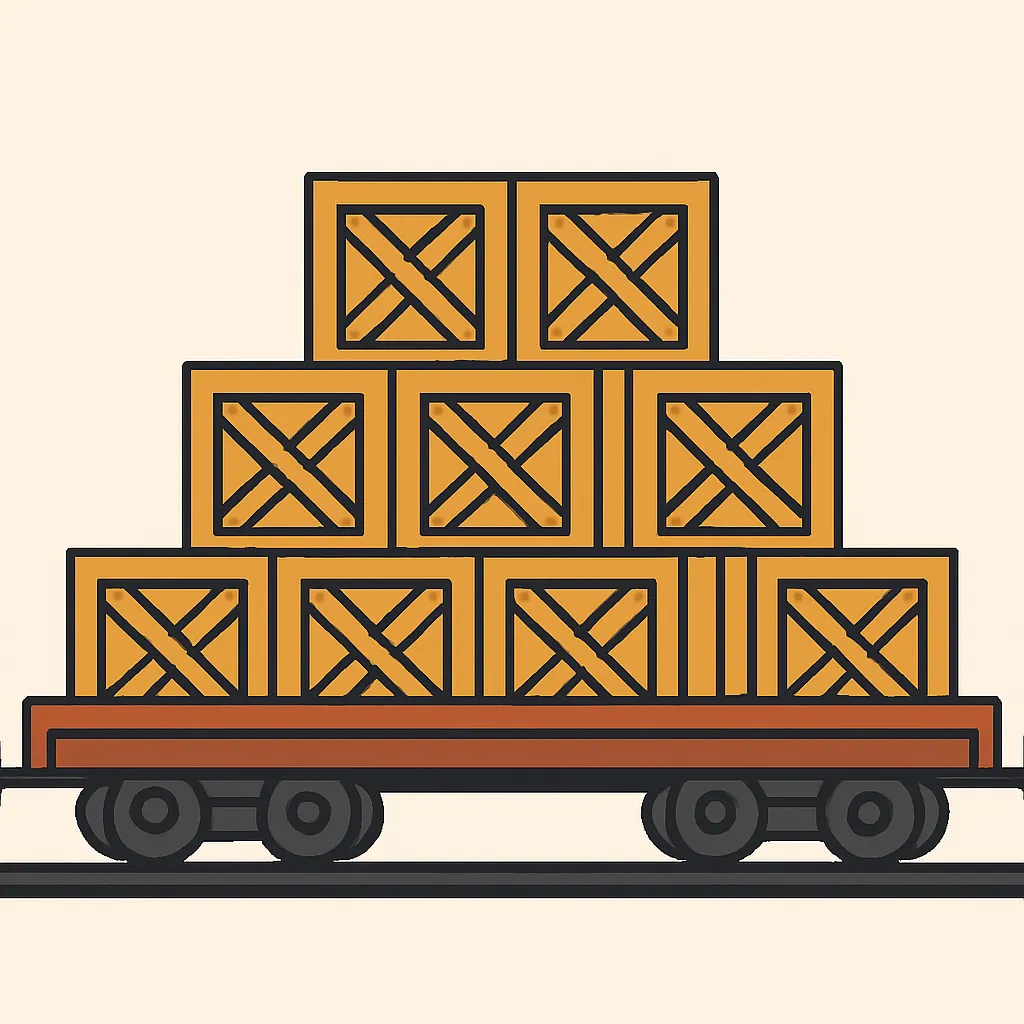
A valley farmer once sold mostly nearby, then rail lines carried crops to city and eastern markets. What travel-and-trade change followed?
In 1860 and 1861, relay riders on fast horses carried mail between Missouri and California in about 10 days. What was this service called?

Crack the passcode before the zombies get in.
Answer, then swat bugs for bonus points.
Race through questions at your own speed.
Same question on every screen. Fastest wins.

Pick a tile, answer, hit bonuses and steals.

Point of View, Bias and Reliability
20 questions